
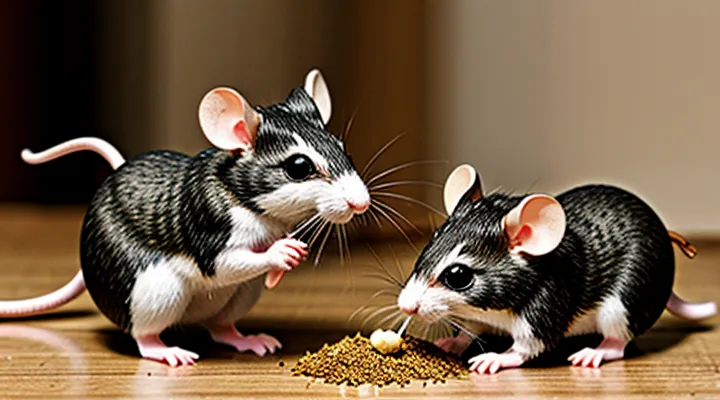
The Foundation of a Healthy Diet
Commercial Mouse Food
Types of Pellets and Blocks
Pellet and block formulations provide a complete, balanced diet for ornamental rodents, eliminating the need for multiple separate ingredients. Their standardized composition simplifies nutritional management and reduces the risk of deficiencies.
Common pellet varieties include:
- Standard maintenance pellets – 18–20 % protein, 4–5 % fat, high fiber from wheat bran and oats.
- Reproductive support pellets – 22–24 % protein, added calcium carbonate, vitamin D3, and omega‑3 fatty acids.
- Senior pellets – 16 % protein, reduced phosphorus, enriched with joint‑supporting glucosamine.
- Low‑calorie pellets – 14 % protein, 3 % fat, formulated for weight‑controlled individuals.
Block formats differ primarily in texture and delivery method. Typical block types are:
- Hard chew blocks – dense compressed hay and alfalfa, 8–10 % protein, suitable for continuous dental wear.
- Soft gel blocks – moist, nutrient‑dense matrices containing 20 % protein, vitamins, and minerals, designed for rapid consumption.
- Flavor‑infused blocks – base ingredients blended with natural herb extracts (e.g., mint, rosemary) to encourage intake without additives.
When selecting between pellets and blocks, consider the animal’s age, activity level, and dental health. Pellets offer precise nutrient ratios and are easy to portion; blocks support ongoing gnawing behavior and can supplement mineral intake. Store both forms in airtight containers at 15–22 °C to preserve freshness and prevent spoilage. Replace any product that shows discoloration, odor, or excessive crumbling.
Nutritional Content to Look For
A balanced diet for ornamental rodents must provide essential macronutrients and micronutrients that support growth, coat health, and overall vitality.
- Protein: 14–16 % of the diet, sourced from animal or plant proteins, sustains muscle development and tissue repair.
- Fiber: 4–6 % from cellulose‑rich ingredients encourages proper gastrointestinal motility and prevents impaction.
- Fat: 4–5 % from unsaturated sources supplies energy while avoiding excess weight gain.
- Vitamins: Adequate levels of A, D, E, and B‑complex vitamins promote vision, bone mineralization, antioxidant protection, and metabolic function.
- Minerals: Calcium and phosphorus in a 1.2:1 ratio maintain skeletal integrity; magnesium, potassium, and trace elements such as zinc and selenium support enzymatic processes.
- Water: Continuous access to clean, fresh water is critical for hydration and renal health.
Ingredient choices should emphasize whole grains, legumes, small amounts of lean meat or eggs, and fortified pellets designed for small omnivores. Avoid high‑sugar treats, excessive seed mixes, and unprocessed human foods that lack the necessary nutrient balance.
Essential Grains and Seeds
Safe Grain Options
Safe grain choices for decorative mice focus on low‑fat, low‑sugar, and low‑fiber varieties that mimic natural diets without causing digestive upset. Select grains that are free from pesticides, mold, and added preservatives.
- Millet: Small, easy to chew; high in carbohydrates, low in fat; suitable for daily feeding.
- Oats (plain, rolled): Soft texture; moderate protein; avoid instant flavored packets.
- Barley (cooked, unsalted): Provides fiber and B‑vitamins; ensure thorough cooking to improve digestibility.
- Brown rice (cooked, unsalted): Source of complex carbs; rinse to remove excess starch before serving.
- Quinoa (cooked, unsalted): Complete protein; rinse thoroughly to eliminate saponins that may irritate the gut.
Preparation guidelines: rinse grains, cook without oil or salt, cool to room temperature, and serve in small portions. Store leftovers in airtight containers in the refrigerator for up to three days; discard any grain that shows signs of spoilage. Regular rotation of grain types prevents nutritional monotony and reduces the risk of nutrient deficiencies.
Seeds in Moderation
Seeds can be a useful component of a decorative mouse’s diet when offered in limited quantities. They supply essential fats, proteins, and carbohydrates, but their high caloric density can quickly lead to weight gain if not controlled.
Common seed selections include:
- Sunflower seeds (unsalted, shelled) – rich in vitamin E and linoleic acid.
- Millet – low‑fat, high in fiber, suitable for frequent small servings.
- Hemp seeds – source of omega‑3 and omega‑6 fatty acids, beneficial for coat health.
- Pumpkin seeds (unsalted) – provide zinc and magnesium, useful for occasional treats.
Guidelines for moderate inclusion:
- Limit seed portions to no more than 5 % of the total daily intake by weight.
- Offer seeds once or twice per week, not daily.
- Monitor body condition; adjust portions if the mouse shows signs of excess fat.
- Store seeds in airtight containers at cool temperatures to prevent rancidity and mold growth.
- Combine seeds with a balanced base diet of commercial mouse pellets to ensure adequate vitamin and mineral intake.
Excessive seed consumption can cause obesity, gastrointestinal disturbances, and nutrient imbalances. By adhering to the recommended limits, seeds enhance dietary variety without compromising health.
Fresh Foods for Your Pet Mouse
Acceptable Vegetables
Leafy Greens
Leafy greens provide essential nutrients for ornamental mice, supplying fiber, vitamins A, C, K, and minerals such as calcium and iron. Incorporating these vegetables supports digestive health, eye function, and immune response.
Safe varieties include:
- Romaine lettuce – high water content, low oxalates.
- Kale – rich in vitamin K, moderate calcium.
- Spinach – abundant vitamin A, limit due to oxalate levels.
- Swiss chard – source of magnesium and potassium.
- Arugula – mild peppery flavor, good vitamin C.
Preparation guidelines:
- Wash thoroughly to remove pesticides.
- Trim tough stems; offer tender leaves.
- Serve in small, bite‑size portions to prevent choking.
- Introduce one new green at a time, monitor for adverse reactions.
Feeding frequency should not exceed 10 % of the overall diet; the remainder consists of high‑quality pellets, occasional protein treats, and fresh water. Excessive leafy greens may cause diarrhea or calcium imbalance, so rotate selections and maintain balanced nutrition.
Root Vegetables
Root vegetables provide essential carbohydrates, fiber, and micronutrients for ornamental rodents. Carrots, sweet potatoes, and beets deliver beta‑carotene, vitamin C, and potassium, supporting energy metabolism and immune function.
When offering root vegetables, follow these guidelines:
- Choose fresh, organic produce to minimize pesticide exposure.
- Wash thoroughly, peel if the skin is thick or waxed, then cut into bite‑size cubes (approximately 0.5 cm).
- Steam or blanch for 2–3 minutes to soften cell walls, enhancing digestibility while preserving most nutrients.
- Cool to room temperature before serving.
Feeding frequency should align with the animal’s overall diet. Offer a small portion (5–10 g) of prepared root vegetables 2–3 times per week, ensuring they complement a balanced regimen of grains, protein sources, and leafy greens.
Monitor for adverse reactions such as diarrhea or reduced appetite. Discontinue any vegetable that provokes digestive upset and consult a veterinarian if symptoms persist.
Root vegetables are unsuitable as the sole food source; they lack sufficient protein and essential fatty acids. Integrate them as supplemental items within a varied, nutritionally complete menu for decorative mice.
Other Safe Veggies
Decorative mice thrive on a variety of fresh vegetables beyond the usual carrots and lettuce. Introduce the following options, ensuring each item is washed thoroughly and cut into bite‑size pieces:
- Cucumber, peeled if the skin is thick, served raw.
- Zucchini, sliced thin, offered raw or lightly steamed.
- Bell pepper (red, yellow, or orange), diced, served raw.
- Green beans, trimmed and cut into short segments, served raw.
- Peas, shelled, served raw or lightly blanched.
- Spinach, offered in small quantities, raw.
- Kale, provided sparingly, raw or briefly steamed.
- Broccoli florets, limited to a few small pieces, raw or lightly steamed.
- Sweet potato, cooked until soft, cooled, and offered in tiny cubes.
Limit each vegetable serving to no more than 5‑10 % of the mouse’s daily diet to prevent digestive upset. Rotate selections to maintain nutritional balance and monitor for any signs of intolerance, such as loose stools or reduced activity. Remove uneaten portions after a few hours to prevent spoilage.
Permissible Fruits
Small Portions and Frequency
Feeding ornamental mice requires precise portion control to prevent obesity and maintain vitality. A typical adult mouse consumes 3–5 % of its body weight per day; for a 25‑gram specimen, this equals 0.75–1.25 grams of food. Measure each serving with a kitchen scale or calibrated scoop to achieve consistent intake.
- Morning feeding: 0.4 g of high‑quality rodent pellets or a balanced seed mix.
- Afternoon supplement: 0.2 g of fresh vegetables (e.g., carrot, broccoli) or a small piece of fruit.
- Evening feeding: 0.2 g of pellets or a protein source such as boiled egg white.
Adjust quantities proportionally for juveniles or larger individuals. Provide fresh water at all times; replace it daily to avoid contamination. Monitoring body condition weekly ensures portions remain appropriate, allowing timely reduction or increase as needed.
Fruits to Avoid
When planning a diet for decorative mice, exclude fruits that pose health risks. High‑sugar varieties can disrupt blood‑glucose regulation, leading to obesity and dental decay. Acidic fruits erode enamel and may cause gastrointestinal irritation. Seeds or pits in some fruits contain cyanogenic compounds, which are toxic even in small amounts.
Fruits to avoid include:
- Grapes and raisins – contain unknown toxins that can cause renal failure.
- Citrus fruits (oranges, lemons, limes) – high acidity damages oral tissue and stomach lining.
- Stone fruits (peaches, plums, cherries) – pits harbor cyanide‑producing substances; flesh is also high in sugar.
- Bananas – excessive carbohydrate content promotes rapid weight gain.
- Apples with seeds – seeds contain amygdalin, which releases cyanide when digested.
- Mangoes – skin and pit contain irritants; fruit flesh is sugary and may upset digestion.
Providing a balanced diet that omits these items reduces the likelihood of metabolic disorders and supports the overall wellbeing of ornamental rodents.
Protein and Treats
Protein Sources
Insects and Worms
Insects and worms provide a protein‑rich component essential for the health of ornamental mice. Their natural composition supplies amino acids, chitin, and micronutrients that support muscle development, coat quality, and immune function.
- Mealworms (Tenebrio molitor larvae) – high‑quality protein, low fat; can be offered live or dried, dusted with calcium powder.
- Superworms (Zophobas morio larvae) – larger size, suitable for adult mice; deliver sustained energy; recommend occasional feeding to prevent obesity.
- Crickets (Acheta domesticus) – rich in taurine and vitamin B12; best served live for enrichment, but must be gut‑cleared before consumption.
- Earthworms (Lumbricus spp.) – abundant in iron and magnesium; ideal as occasional treat; ensure they are sourced from pesticide‑free environments.
- Silkworm pupae (Bombyx mori) – concentrated calcium and vitamin D; suitable for breeding females; feed in moderation due to high fat content.
Preparation guidelines:
- Freeze insects for 24 hours to eliminate parasites before serving.
- Rinse earthworms thoroughly; remove the anterior segment to avoid ingesting soil.
- Use a calibrated scoop to limit portions to 1–2 % of body weight per feeding session.
Safety considerations:
- Verify that all arthropods are sourced from reputable suppliers to avoid contaminant exposure.
- Monitor mice for allergic reactions; discontinue any item that triggers respiratory distress or gastrointestinal upset.
- Rotate protein sources weekly to prevent nutrient imbalances and maintain digestive health.
Incorporating a varied selection of insects and worms alongside a balanced grain base creates a complete diet that meets the metabolic demands of decorative mice while encouraging natural foraging behavior.
Cooked Meats and Eggs
Cooked proteins provide essential amino acids and readily digestible nutrients for ornamental mice. When selecting meat, choose lean cuts without added seasoning, sauces, or preservatives. Suitable options include chicken breast, turkey, lean beef, and pork tenderloin. Each should be boiled, baked, or steamed until fully cooked, then cooled to room temperature before serving.
Eggs supply high‑quality protein and vitamins. Offer hard‑boiled eggs, sliced or crumbled, ensuring the shell is removed. Avoid scrambled or fried preparations that contain oil or butter, as excess fat can lead to digestive upset.
Guidelines for incorporating these foods:
- Portion size: limit cooked meat or egg to no more than 5 % of the daily diet by weight.
- Frequency: provide protein treats two to three times per week, alternating between meat and egg to maintain variety.
- Storage: keep cooked items refrigerated and discard any leftovers after 24 hours to prevent bacterial growth.
- Preparation safety: use separate utensils for raw and cooked foods, and wash hands thoroughly to avoid cross‑contamination.
Integrating cooked meats and eggs with a balanced base diet of high‑fiber pellets and fresh vegetables supports healthy growth, coat condition, and activity levels in decorative mice.
Dairy Products
Dairy items can complement the diet of ornamental mice, supplying calcium, protein, and beneficial bacteria when offered correctly.
- Plain, unsweetened yogurt (full‑fat or low‑fat) – a source of probiotics; provide ½ teaspoon per mouse, 2–3 times weekly.
- Low‑fat cheese (e.g., mozzarella, cheddar) – rich in calcium; offer a small cube (≈1 mm³) once or twice a week.
- Cottage cheese – soft texture, easy to chew; serve ¼ teaspoon once weekly.
- Kefir – fermented milk with live cultures; limit to ¼ teaspoon twice a month.
- Fresh milk – high lactose content; give only a few drops (≈1 ml) sparingly, monitoring for digestive upset.
Guidelines: introduce each product gradually, observe stool consistency and activity levels. Limit total dairy to no more than 5 % of the overall diet to prevent obesity and nutrient imbalance. Mice with signs of lactose intolerance (loose stools, reduced appetite) should have dairy withdrawn immediately.
Storage: keep all dairy in a sealed container at 4 °C, discard any portion left unrefrigerated for more than two hours. Use fresh supplies daily to avoid bacterial growth.
For colonies where dairy is unsuitable, consider calcium‑fortified plant‑based milks (e.g., soy or almond) that are unsweetened and low in added fats, applying the same portion limits.
Occasional Treats
Nuts and Seeds
Nuts and seeds supply protein, essential fatty acids, and micronutrients valuable for ornamental mice when offered in moderation.
- Almonds (unsalted, finely chopped) – source of vitamin E and calcium.
- Sunflower seeds (hulled, raw) – rich in linoleic acid and vitamin B1.
- Pumpkin seeds (shelled, raw) – provide zinc and magnesium.
- Hazelnuts (unsalted, crushed) – contain vitamin E and healthy fats.
- Flaxseeds (ground) – deliver omega‑3 fatty acids and fiber.
Portions should not exceed 5 % of the daily diet. Serve a pinch of each type two to three times per week, mixing with standard rodent pellets to maintain balanced nutrition.
Avoid roasted, salted, or flavored varieties; they introduce excess sodium and unhealthy fats. Monitor for signs of digestive upset or weight gain, and remove any uneaten pieces after 30 minutes to prevent spoilage.
Small Amounts of Human Foods
Decorative mice require a balanced diet that includes occasional, limited portions of human foods. These items can enrich nutrition and provide variety when offered responsibly.
- Cooked plain chicken or turkey, shredded, ¼ teaspoon per mouse, once or twice weekly.
- Soft boiled egg, finely chopped, ⅛ teaspoon per mouse, once a week.
- Unsweetened applesauce, plain, ¼ teaspoon, twice weekly.
- Small pieces of banana, ripe, ¼ teaspoon, once weekly.
- Plain low‑fat yogurt, plain, ¼ teaspoon, once weekly.
All portions should be measured with a standard kitchen spoon to avoid overfeeding. Introduce each new food individually and observe for adverse reactions over 24‑48 hours.
Avoid foods high in sugar, salt, or fat. Dangerous items include chocolate, caffeine, alcohol, citrus peels, raw beans, and processed snacks. Even safe foods become harmful if supplied in excess; limit human food treats to no more than 10 % of total caloric intake.
Regular monitoring of weight, coat condition, and activity level confirms that supplemental human foods support health without displacing the primary rodent diet. Adjust quantities promptly if any signs of digestive upset or weight fluctuation appear.
Homemade Mouse Treats
Homemade mouse treats provide a controlled, nutritious alternative to commercial products for ornamental rodents. Selecting safe ingredients, preparing the mixture correctly, and storing the final product are essential steps for maintaining health and encouraging natural foraging behavior.
A basic treat recipe includes:
- 1 cup rolled oats, finely ground
- 2 tbsp unsweetened applesauce
- 1 tbsp peanut butter (no added salt or sugar)
- ¼ cup grated carrots or pumpkin puree
- 1 egg, lightly beaten
- Optional: a pinch of dried thyme or rosemary for scent enrichment
Combine dry ingredients in a bowl, stir in wet components until a cohesive dough forms, then shape small ½‑inch balls. Bake at 180 °C (350 °F) for 8–10 minutes, allowing the treats to harden without becoming brittle. Cool fully before handling.
Safety considerations:
- Avoid chocolate, caffeine, citrus oils, and artificial sweeteners, all of which are toxic to mice.
- Use only unsalted, unsweetened nut butters; excess sodium or sugar can cause renal stress.
- Limit treat size to no more than 5 % of daily caloric intake to prevent obesity.
- Observe each mouse for signs of intolerance, such as diarrhea or reduced activity, after introducing a new batch.
Storage guidelines:
- Place cooled treats in an airtight container.
- Refrigerate for up to one week; for longer preservation, freeze in single‑serve portions and thaw as needed.
- Discard any treat that shows mold, discoloration, or off‑odor.
Variations can incorporate protein‑rich additions like cooked lentils, low‑fat cottage cheese, or finely minced boiled egg. Adjust moisture levels accordingly to maintain a firm texture suitable for small paws. By following these precise steps, caretakers can supply decorative mice with consistent, wholesome snacks that support dental health, stimulate natural chewing instincts, and enhance overall well‑being.
Dietary Considerations and What to Avoid
Foods to Never Feed
Toxic Plants
Decorative mice thrive on a diet that excludes any plant material known to cause toxicity. Ingestion of certain common household and garden plants can lead to severe physiological distress, organ failure, or death.
- Oleander (Nerium oleander) – contains cardiac glycosides; symptoms include arrhythmia, vomiting, and lethargy.
- Foxglove (Digitalis purpurea) – also rich in cardiac glycosides; induces heart rhythm disturbances and gastrointestinal upset.
- Lily of the valley (Convallaria majalis) – harbors convallatoxin; produces irregular heartbeats and nausea.
- Rhododendron and azalea (Rhododendron spp.) – contain grayanotoxins; cause drooling, weakness, and potential respiratory failure.
- Dieffenbachia (Dieffenbachia spp.) – stores calcium oxalate crystals; leads to oral irritation, swelling, and difficulty swallowing.
- Sago palm (Cycas revoluta) – produces cycasin; results in liver damage, seizures, and gastrointestinal hemorrhage.
- Tulip and hyacinth bulbs (Tulipa spp., Hyacinthus spp.) – contain tulipalin A; provoke vomiting, diarrhea, and central nervous system depression.
Avoid placing any of these species in enclosures, on feeding trays, or within reach of decorative mice. Replace them with proven safe options such as fresh greens from the Brassicaceae family, small quantities of carrot, or commercially formulated rodent pellets. Regularly inspect the environment for stray foliage, and remove any unknown plant material immediately to maintain a non‑toxic habitat.
Sugary and Processed Foods
Feeding ornamental rodents sugary and processed items compromises their health. Simple sugars supply rapid energy without essential vitamins, minerals, or fiber, leading to spikes in blood glucose and subsequent crashes. Repeated consumption encourages weight gain, dental decay, and predisposes mice to insulin resistance.
Processed snacks often contain refined starches, artificial flavors, preservatives, and excessive sodium. These components strain the kidneys, elevate blood pressure, and replace nutrients needed for bone development and immune function. Unhealthy fats present in many processed foods contribute to hepatic lipid accumulation and reduced lifespan.
Veterinary guidelines list the following products as unsuitable for decorative mice:
- Candy, chocolate, and sugary cereals
- Packaged crackers, chips, and salty pretzels
- Flavored yogurts with added sugars
- Microwave popcorn and seasoned nuts
- Commercially baked pastries and doughnuts
Replacing these items with a diet rich in whole grains, fresh vegetables, lean protein sources, and species‑appropriate treats supports optimal growth, activity, and disease resistance. Consistent avoidance of high‑sugar and heavily processed foods is essential for maintaining the vitality of decorative mice.
Harmful Ingredients
When selecting food for ornamental mice, exclude substances that can cause toxicity, digestive upset, or long‑term health problems. The following ingredients are known to be harmful:
- Chocolate and cocoa products – contain theobromine, which mice cannot metabolize.
- Caffeine‑containing items such as coffee, tea, and energy drinks – stimulate the nervous system and may lead to cardiac arrhythmia.
- Artificial sweeteners, especially xylitol – induce rapid insulin release and hypoglycemia.
- High‑salt foods, including processed meats, chips, and seasoned nuts – cause dehydration and kidney strain.
- Citrus peels and seeds – contain essential oils and cyanogenic compounds that irritate the gastrointestinal tract.
- Raw beans, particularly kidney beans – contain lectins that are toxic unless thoroughly cooked.
- Onion, garlic, and related Allium species – produce hemolytic compounds that damage red blood cells.
- Alcoholic beverages and any fermented products – depress central nervous function and can be fatal even in small amounts.
Providing a diet free of these items supports normal growth, maintains coat quality, and reduces the risk of acute or chronic illness in decorative mice.
Water Requirements
Fresh Water Availability
Fresh water is a non‑negotiable component of a proper diet for ornamental rodents. Access to clean, uncontaminated water supports kidney function, aids digestion, and prevents dehydration, which can quickly become fatal in small mammals.
- Provide a water bottle with a stainless‑steel or BPA‑free plastic reservoir; these prevent spillage and reduce bacterial growth.
- Replace the water daily; if a bowl is used, clean it with hot, unscented soap and rinse thoroughly before refilling.
- Position the water source away from food dishes to avoid contamination from droppings or seed debris.
- Keep water at room temperature; avoid ice cubes or chilled water, which can discourage drinking.
- Monitor consumption; a healthy adult decorative mouse typically drinks 3–5 ml per day. Significant reduction may indicate illness or a problem with the water source.
Consistent provision of fresh water, combined with regular monitoring, ensures the overall health and longevity of decorative mice.
Water Bottle vs. Bowl
Providing water to ornamental rodents requires a reliable delivery method. Two common options are a suspended water bottle and an open bowl. Each system presents distinct advantages and limitations that affect hygiene, consumption monitoring, and enclosure design.
A suspended water bottle delivers water through a calibrated nozzle. The bottle’s sealed design prevents spills, reduces bacterial growth, and conserves moisture in dry environments. The nozzle can be adjusted to control flow, allowing mice to take small sips without overdrinking. Because the bottle hangs from the cage lid, floor space remains available for enrichment items. Regular cleaning involves emptying the bottle, rinsing with warm water, and sanitizing with a mild disinfectant before refilling.
An open bowl offers unrestricted access. Mice can drink from any angle, which may encourage natural drinking behavior. The bowl’s simplicity eliminates the need for tubing or nozzles, making setup straightforward. However, exposure to cage debris increases contamination risk, and frequent cleaning is necessary to prevent mold and algae. Bowls also occupy valuable floor area, potentially limiting the placement of tunnels or toys.
Key considerations
- Hygiene: Bottle – sealed, lower contamination; Bowl – open, higher cleaning frequency.
- Space usage: Bottle – hangs, frees floor; Bowl – occupies floor, may restrict layout.
- Water consumption control: Bottle – adjustable flow, reduces waste; Bowl – unrestricted, may lead to overconsumption.
- Maintenance: Bottle – periodic nozzle cleaning; Bowl – daily rinsing and thorough weekly disinfection.
- Cost and durability: Bottle – higher initial cost, long‑term durability; Bowl – inexpensive, may need replacement due to wear.
Selecting the optimal water delivery method depends on enclosure size, the keeper’s maintenance schedule, and the aesthetic goals of the display. For compact habitats where cleanliness is paramount, a sealed bottle typically provides superior performance. In larger, open‑top setups where natural drinking posture is desired, a shallow bowl may be appropriate, provided rigorous cleaning protocols are followed.
Dietary Changes and Introductions
Gradual Introduction of New Foods
Introducing unfamiliar foods to ornamental mice requires a systematic approach that minimizes digestive upset and encourages acceptance. Begin with a single new item, offering a small portion alongside the established diet. Observe the mouse for 24–48 hours; any signs of diarrhea, reduced activity, or refusal indicate the need to pause or revert to the previous regimen.
- Select a suitable food: choose fresh, pesticide‑free produce, a protein source, or a grain that aligns with the species’ natural preferences.
- Prepare a tiny portion: roughly the size of a pea for vegetables or a single grain kernel for seeds.
- Mix with familiar feed: integrate the new piece into the regular chow to provide a familiar scent and texture.
- Monitor behavior and health: record intake, stool consistency, and activity levels for two days.
- Increase gradually: if no adverse effects appear, raise the portion by 25 % every three days, maintaining the same observation schedule.
- Add additional items sequentially: only introduce a second new food after the first has been fully incorporated for at least one week.
Consistent documentation enables rapid identification of intolerances. Should an issue arise, remove the offending item, restore the previous diet, and allow a recovery period of three to five days before re‑trying with a smaller portion or an alternative food. This incremental method supports a balanced, varied diet while preserving the health of decorative mice.
Monitoring for Digestive Issues
Effective monitoring of gastrointestinal health is essential when providing a specialized diet to ornamental rodents. Recognize abnormal stool patterns—loose, watery, or unusually hard feces—and note any reduction in fecal output. Observe changes in eating behavior, such as sudden refusal of familiar foods or excessive consumption of bedding material. Record weight fluctuations; a loss of more than 5 % of body mass within a week warrants immediate attention.
Implement a systematic observation schedule. Conduct daily visual checks for the following indicators:
- Consistency and color of droppings
- Presence of blood or mucus in feces
- Signs of abdominal distension or discomfort
- Alterations in activity level or grooming habits
Complement visual assessments with periodic weighing. Use a calibrated scale at least twice weekly, documenting results in a log to identify trends. If a mouse exhibits persistent diarrhea, reduced appetite, or weight loss, perform a brief physical examination: palpate the abdomen gently for tenderness, and assess hydration by checking skin turgor and moistness of the oral cavity.
When digestive disturbances are detected, adjust the diet promptly. Increase fiber content by incorporating safe, high‑quality hay or cellulose supplements, and reduce the proportion of sugary treats. Provide fresh water continuously and consider adding electrolyte‑balanced solutions if dehydration is evident. If symptoms persist beyond 48 hours despite dietary modifications, consult a veterinarian experienced with small exotic mammals for diagnostic testing and targeted treatment.
Special Dietary Needs and Common Issues
Addressing Obesity
Portion Control
When providing food to ornamental mice, precise portion sizes are essential for maintaining health and preventing obesity. Measure each serving using a kitchen scale or calibrated scoop; a typical adult mouse requires 0.5 to 1 gram of dry mix per day, divided into two feedings. Adjust the amount if the mouse shows rapid weight gain or loss, aiming for a steady body condition score.
Select nutritionally balanced mixes that contain 18–20 % protein, 4–6 % fat, and adequate fiber. Complement the dry diet with fresh vegetables such as carrot, broccoli, or leafy greens, limiting each supplement to 0.2 gram per feeding. Avoid high‑sugar treats; if offered, restrict them to no more than 0.05 gram per week.
Monitor intake by recording daily consumption. If leftovers exceed 20 % of the offered portion, reduce the next serving accordingly. Consistent tracking, combined with regular weight checks, ensures that each mouse receives the exact calories needed for optimal condition.
Increased Activity
Proper nutrition directly influences the activity levels of ornamental rodents. Diets rich in high‑quality protein and complex carbohydrates supply the energy required for sustained movement, while excessive fats or simple sugars can lead to lethargy.
Protein sources such as boiled egg white, cooked chicken breast, and low‑fat cottage cheese provide essential amino acids that support muscle function. Complex carbohydrates from whole‑grain oats, barley, and small portions of cooked sweet potato deliver a steady release of glucose, preventing spikes that cause rapid fatigue.
- Cooked lean meat (chicken, turkey) – 1–2 g per 10 g body weight, twice daily
- Hard‑boiled egg white – 0.5 g per 10 g body weight, once daily
- Plain low‑fat cottage cheese – 1 g per 10 g body weight, once daily
- Whole‑grain oat flakes – 0.8 g per 10 g body weight, once daily
- Cooked sweet potato (unsalted) – 0.5 g per 10 g body weight, once daily
Feeding intervals of 8–12 hours maintain consistent blood‑sugar levels, encouraging regular bouts of exploration and play. Portion sizes must align with the animal’s metabolic rate; overfeeding leads to weight gain and reduced mobility, while underfeeding causes weakness.
Continuous observation of locomotor patterns confirms the diet’s effectiveness. Increased climbing, wheel running, and interactive behavior indicate that the nutritional plan successfully enhances activity. Adjustments should be made promptly if signs of sluggishness appear.
Dealing with Underweight Mice
High-Calorie Supplements
High‑calorie supplements are essential for ornamental mice that require rapid weight gain, enhanced coat quality, or increased stamina for exhibition purposes. These additives provide concentrated energy without excessive bulk, allowing precise dietary adjustments.
Recommended products include:
- Peanut butter paste (unsweetened, low‑salt) – 5 g per 30 g of base diet.
- Sunflower seed oil – 1 ml per 50 g of feed, mixed thoroughly.
- Commercial rodent gel (15 % fat) – 2 ml daily, administered with a syringe.
- Cooked egg yolk, finely shredded – 3 g per feeding, limited to three times weekly.
- Whey protein concentrate – 0.5 g per 20 g of mash, dissolved in water.
When integrating supplements, monitor body condition scores weekly and adjust quantities to maintain a target weight range. Ensure all additives are fresh, free of mold, and introduced gradually to avoid gastrointestinal upset.
Veterinary Consultation
A veterinary consultation for ornamental rodents focuses on establishing a balanced diet that supports growth, coat quality, and longevity. The veterinarian assesses the animal’s weight, dental health, and any existing medical conditions before recommending specific foods.
Key dietary components include:
- High‑protein pellets formulated for small mammals, providing essential amino acids.
- Fresh vegetables such as carrots, broccoli, and leafy greens, offering vitamins and fiber.
- Limited fruit portions (e.g., apple or blueberry) to prevent excess sugar.
- Safe treats like plain, unsalted nuts or dried insects for enrichment.
- Clean, fresh water available at all times.
The veterinarian also advises on feeding frequency: adult decorative mice typically receive two small meals per day, while juveniles may require three. Portion sizes are calibrated to maintain a body condition score within the optimal range, preventing obesity or malnutrition.
Health monitoring during the consultation includes checking for signs of dental overgrowth, gastrointestinal distress, or nutrient deficiencies. Laboratory tests may be ordered to evaluate liver and kidney function, especially when introducing new foods.
Follow‑up appointments track weight changes, coat condition, and overall vitality, allowing the veterinarian to adjust the diet as needed. Compliance with the recommended feeding plan reduces the risk of common ailments such as dental disease, obesity, and metabolic disorders.
Common Dietary-Related Health Problems
Diarrhea and Constipation
A balanced diet is essential for ornamental rodents to maintain regular bowel movements. Excessive moisture, high‑fat ingredients, or sudden changes in feed composition often trigger loose stools, while insufficient fiber leads to hard, painful deposits.
Preventing diarrhea
- Offer fresh, clean water at all times; replace daily to avoid bacterial growth.
- Include moderate amounts of low‑fat, high‑protein pellets formulated for small mammals.
- Add a small portion (5‑10 % of daily intake) of fresh vegetables such as cucumber, zucchini, or bell pepper, which provide hydration without overwhelming the digestive tract.
- Introduce new foods gradually, increasing the amount by no more than 10 % each day.
Preventing constipation
- Provide a constant source of insoluble fiber: dried hay, timothy or orchard grass, and small pieces of raw carrots or apple peel.
- Ensure continuous access to chewable materials; gnawing stimulates intestinal motility.
- Limit sugary treats and high‑fat seeds, which can slow transit time.
- Maintain ambient temperature between 18‑24 °C; heat stress reduces gut activity.
When symptoms appear
- Assess stool consistency and frequency for at least 24 hours.
- For diarrhea, withhold high‑fiber vegetables for 12 hours, then reintroduce only bland, low‑fiber foods such as boiled chicken breast (unsalted) in small quantities.
- For constipation, increase hay availability and consider a brief offering of a safe, fiber‑rich fruit like pear (skin removed).
- Monitor hydration; administer a few drops of sterile saline orally if dehydration is suspected.
- Contact a qualified exotic‑animal veterinarian if conditions persist beyond 48 hours or if weight loss exceeds 5 % of body mass.
Consistent feeding routines, appropriate fiber levels, and careful observation of stool patterns form the core strategy for preventing both diarrhea and constipation in decorative mice.
Nutritional Deficiencies
Decorative mice require a diet that meets precise macro‑ and micronutrient levels; shortfalls lead to reduced vitality, skeletal weakness, and impaired reproduction.
Common deficiencies include:
- Inadequate protein, resulting in poor growth and muscle loss.
- Low calcium, causing brittle bones and dental problems.
- Insufficient vitamin D, limiting calcium absorption and immune function.
- Deficient B‑complex vitamins, leading to lethargy and metabolic disturbances.
- Lack of essential fatty acids, affecting skin condition and coat quality.
Observable signs are weight loss, alopecia, delayed molting, abnormal gait, and diminished breeding success. Early detection relies on regular weight checks, coat inspection, and monitoring activity levels.
Remedial feeding strategies:
- Provide a high‑quality rodent pellet formulated for small mammals, ensuring at least 18 % protein and balanced mineral content.
- Supplement with calcium‑rich foods such as finely ground limestone or cuttlebone, administered in controlled portions.
- Offer vitamin D sources through brief, safe exposure to natural daylight or fortified feed additives.
- Include fresh greens (e.g., kale, broccoli) for B‑vitamins, rotating varieties to avoid excess oxalates.
- Add a small quantity of omega‑3 enriched oil or flaxseed to support skin and coat health.
Consistent dietary monitoring prevents nutrient gaps, promoting robust health and optimal display quality in ornamental rodents.