
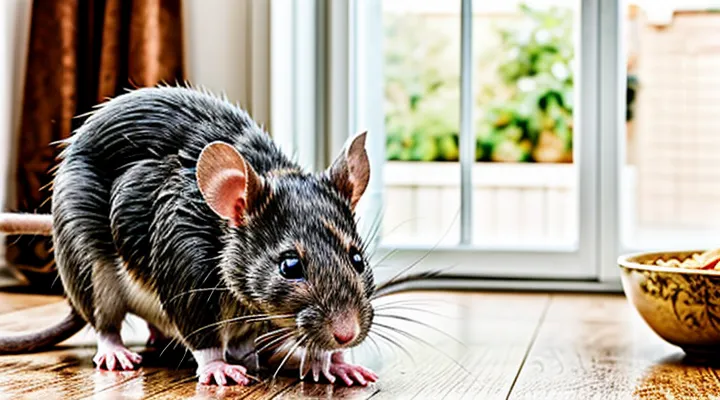
The Basics of a Healthy Rat Diet
Commercial Rat Food «Pellets or Blocks»
Why Commercial Food is Essential
A well‑balanced diet is critical for the health and longevity of pet rats. Commercially formulated rat pellets deliver a predictable blend of protein, fat, fiber, vitamins, and minerals, allowing owners to meet nutritional requirements without guesswork.
- Provide a complete nutrient profile that matches laboratory‑tested standards.
- Ensure batch‑to‑batch consistency, reducing the risk of deficiencies or excesses.
- Contain digestible ingredients that support gastrointestinal health.
- Include fortified vitamins and minerals that are difficult to supply through homemade mixes alone.
- Meet safety regulations that minimize contamination and toxic exposure.
Supplementing commercial pellets with fresh vegetables, fruits, or occasional treats can add variety, but the core diet should remain based on a reliable commercial product to maintain optimal health outcomes.
Choosing the Right Brand
Selecting an appropriate commercial rat food brand requires evaluating several objective factors. A reliable brand delivers a balanced nutrient profile, avoids excessive fillers, and maintains consistent quality across batches.
Key criteria for brand assessment:
- Complete nutrition: includes protein (18‑25 % of dry matter), fat (5‑10 %), fiber (5‑7 %), and essential vitamins and minerals.
- Ingredient transparency: lists each component, prioritizes whole grains, legumes, or grain‑free formulations, and excludes artificial colors, flavors, or preservatives.
- Source verification: manufacturers disclose sourcing locations and provide third‑party testing results for contaminants such as mycotoxins or heavy metals.
- Reputation: long‑standing companies with positive feedback from veterinary professionals and experienced rat owners.
- Shelf stability: packaging protects against moisture and oxidation, preserving nutrient integrity.
- Cost efficiency: price per kilogram aligns with the nutritional value and does not compromise ingredient quality.
When comparing products, record the protein‑to‑fat ratio, examine the presence of added sugars or unnecessary starches, and confirm that the label meets the nutritional guidelines established for small rodents. Prefer brands that publish batch analysis reports, as these demonstrate a commitment to consistency and safety.
Finally, monitor the rats’ health after introducing a new brand. Observe weight stability, coat condition, and activity levels. Adjust the selection if any adverse signs emerge, and consult a veterinarian for guidance on dietary modifications.
Fresh Fruits and Vegetables «Daily Delights»
Safe Fruit Options
Rats thrive on a varied diet that includes occasional fruit. Fruit supplies natural sugars, vitamins, and fiber, but must be offered in moderation to prevent digestive upset and obesity.
Safe choices include:
- Apple (core removed, no seeds)
- Blueberries
- Strawberries (hull removed)
- Pear (seedless, skin thinly sliced)
- Kiwi (peeled)
- Banana (small slice)
- Mango (seed removed)
- Cantaloupe (seedless, rind removed)
When selecting fruit, follow these guidelines:
- Wash thoroughly to eliminate pesticide residues.
- Remove pits, seeds, and stems that contain cyanogenic compounds.
- Serve bite‑size pieces no larger than a rat’s paw.
- Limit total fruit intake to 10 % of the daily caloric budget, approximately one or two small pieces per day.
- Introduce new fruit gradually, observing for signs of diarrhea or reduced appetite.
Avoid citrus fruits, grapes, and cherries, as they can cause gastrointestinal irritation or toxicity. Consistent monitoring of weight and stool quality ensures fruit remains a beneficial supplement rather than a health risk.
Safe Vegetable Options
Domestic rats thrive on a diet that includes fresh vegetables, which supply essential vitamins, minerals, and fiber. When selecting produce, prioritize items that are low in oxalates, sugars, and potential toxins.
- Carrots (raw or lightly steamed)
- Bell peppers, any color
- Broccoli florets (offered in moderation)
- Zucchini, sliced thinly
- Spinach (limited to small portions)
- Kale, washed and chopped
- Cucumber, seedless
- Green beans, cooked or raw
Avoid vegetables that contain high levels of solanine, cyanogenic glycosides, or excessive calcium, such as raw potatoes, rhubarb, and avocado. Introduce new vegetables gradually, observing the rat’s response for any signs of digestive upset. Rotate the selection regularly to provide variety and prevent nutrient imbalances.
Fruits and Vegetables to Avoid
Domestic rats require a diet low in sugar, acid, and toxic compounds. Certain fruits and vegetables can cause digestive upset, kidney stress, or poisoning and should be excluded from their daily menu.
- Citrus fruits (oranges, lemons, limes, grapefruits): high acidity, can erode enamel and irritate the gastrointestinal tract.
- Grapes and raisins: contain unknown toxins that can lead to kidney failure.
- Avocado flesh and pit: persin present in the flesh can cause respiratory distress and cardiac issues.
- Tomato leaves, stems, and green unripe fruit: solanine levels are toxic to rodents.
- Raw potatoes, especially green portions: solanine concentration poses a risk of neurological symptoms.
- Rhubarb leaves: oxalic acid can precipitate kidney stones and cause severe abdominal pain.
- Onions, garlic, leeks, and chives: organosulfoxides damage red blood cells, leading to anemia.
- Fruit seeds and pits (apple, peach, plum, cherry): cyanogenic glycosides release cyanide when chewed.
- High‑sugar fruits (bananas, mangoes, grapes in large amounts): promote obesity and dental disease.
Providing only safe, low‑sugar produce such as carrots, broccoli, and berries in moderation supports optimal health while avoiding the hazards listed above.
Dietary Supplements and Treats
Occasional Protein Sources
Cooked Meats and Eggs
Cooked meats and eggs can be valuable protein sources for pet rats when offered correctly.
Lean meats such as chicken breast, turkey, and lean beef provide essential amino acids. Cook the meat thoroughly, avoid seasoning, and remove any visible fat or skin. Cut into bite‑size pieces no larger than ½ cm³ to prevent choking. Limit servings to 1–2 g per 100 g of body weight, offered no more than two times per week to maintain a balanced diet.
Eggs supply high‑quality protein and vitamins. Boil or scramble eggs without oil, butter, or salt. Serve a small portion—approximately a quarter of a hard‑boiled egg for a 300‑gram rat—once or twice weekly. Ensure the egg is fully cooked to eliminate the risk of salmonella.
When incorporating these foods, observe the following safety guidelines:
- Cool cooked items to room temperature before feeding.
- Store leftovers in airtight containers, refrigerated, and use within 24 hours.
- Discard any meat that shows signs of spoilage, discoloration, or off odor.
- Monitor the rat for digestive upset after introduction; reduce or cease feeding if diarrhea or reduced appetite occurs.
Properly prepared cooked meats and eggs complement a diet primarily based on high‑fiber pellets and fresh vegetables, contributing to muscle development and overall health.
Insects for Rats
Insects provide a high‑protein, low‑fat supplement that complements the staple diet of a pet rat. Their chitin content supports digestive health, while the natural vitamins and minerals contribute to overall vitality.
- Crickets (Acheta domesticus) – rich in protein and B‑vitamins.
- Mealworms (Tenebrio molitor larvae) – source of calcium, iron, and essential fatty acids.
- Superworms (Zophobas morio larvae) – higher fat content, suitable for occasional treats.
- Black soldier fly larvae – abundant in calcium and magnesium, low in cholesterol.
- Silkworm pupae – contain vitamin A and omega‑3 fatty acids.
Protein percentages range from 50 % to 65 % of dry weight; calcium‑to‑phosphorus ratios typically fall between 1:1 and 2:1, aligning with the rat’s mineral requirements. Insects also deliver trace elements such as zinc and selenium, which are scarce in many commercial pellets.
Before offering, rinse insects in cold water to remove debris, then pat dry. Freeze for 24 hours to eliminate parasites, and thaw completely before feeding. Serve in small, manageable portions—no larger than a quarter of the rat’s body length—to prevent choking. Incorporate insects as 5–10 % of the total daily intake, adjusting based on the animal’s size, activity level, and health status.
Avoid wild‑caught insects, as they may carry pesticides or pathogens. Discard any insects that appear dead, moldy, or excessively soft. Monitor the rat for signs of gastrointestinal upset or allergic reaction; discontinue use if symptoms arise and consult a veterinarian.
Grains and Seeds «In Moderation»
Whole Grains
Whole grains supply domestic rats with carbohydrate energy, dietary fiber, and a spectrum of micronutrients essential for growth and maintenance. Their inclusion diversifies the diet and mimics the natural foraging behavior of wild relatives.
- Brown rice, uncooked or lightly steamed
- Oats, rolled or whole, served dry or moistened
- Quinoa, rinsed and cooked without added salt
- Barley, hulled, cooked until soft
- Whole‑grain wheat berries, soaked and softened
These grains provide B‑complex vitamins, iron, magnesium, and selenium while contributing bulk that supports gastrointestinal motility. Fiber content promotes healthy gut flora and helps prevent constipation.
Typical serving amounts range from 1 to 2 teaspoons per rat per day, divided between meals. Grains should be introduced gradually, mixed with a balanced pellet or fresh vegetable base. Cooking softens starches, reduces antinutrients, and eliminates potential pathogens; however, excessive moisture can encourage mold growth, so prepared portions must be consumed within a few hours.
Avoid processed cereals containing added sugars, artificial flavors, or high sodium. Inspect grains for discoloration, foul odor, or insect infestation before use. Rats with a history of digestive sensitivity may require reduced fiber intake and close monitoring for weight changes.
Limited Seeds and Nuts
Seeds and nuts can supplement a pet rat’s diet, but they must remain a minor component. Excess calories, fat, and phosphorus in these foods can lead to obesity, liver strain, and dental problems if overused.
Safe options include:
- Small portions of unsalted sunflower seeds (no more than one teaspoon per week)
- Shelled pumpkin seeds, raw and unflavored
- Plain, unsalted peanuts, limited to a few halves weekly
- Chia or flax seeds, mixed into fresh vegetables in minimal amounts
Unsafe or discouraged choices:
- Salted or roasted varieties
- Flavored nuts containing sugar, garlic, or onion powder
- Large seeds such as macadamia or Brazil nuts, which are high in fat
- Seed mixes with added dried fruit or chocolate
Portion control is critical. A rat’s total intake of seeds and nuts should not exceed 5 % of its daily caloric intake. Offer them as occasional treats, not as staples, and always provide fresh water. Monitor the animal for signs of weight gain or digestive upset after introducing new items.
When preparing seeds and nuts, rinse them to remove dust, dry thoroughly, and store in airtight containers to prevent mold growth. Rotate varieties to avoid nutrient imbalances and maintain interest without increasing overall consumption.
Healthy Treats and Snacks
Small Portions of Human Food
Pet rats can enjoy occasional human foods when offered in very small quantities. These treats should complement, not replace, a balanced diet of commercial rat pellets, fresh vegetables, and clean water.
- Cooked, unseasoned chicken or turkey breast: 1 – 2 mm cubes, no more than twice a week.
- Hard‑boiled egg, finely chopped: up to a teaspoon, once weekly.
- Plain, low‑fat cheese (e.g., mozzarella): a pea‑sized piece, occasional treat.
- Fresh fruit (apple, banana, berries): tiny slice or few berries, remove seeds and pits.
- Cooked plain pasta or rice: a pinch, limited to one or two times per month.
All human foods must be free of additives, salt, sugar, spices, and sauces. Serve at room temperature; cold items may cause digestive upset. Remove any bones, skin, or fatty trims before offering.
Monitor the rat after each new food. Signs of intolerance include diarrhea, lethargy, or loss of appetite. If any adverse reaction occurs, discontinue the item immediately and consult a veterinarian. Small, infrequent portions of safe human foods can enrich a rat’s diet without compromising health.
Homemade Rat Treats
Homemade rat treats provide variety, enrichment, and targeted nutrients that complement a balanced pellet‑based diet. When formulating treats, prioritize ingredients that are low in fat, free of added sugars, and free of toxic substances such as chocolate, caffeine, and raw beans.
Safe base ingredients
- Cooked plain oatmeal or whole‑grain cereal
- Mashed sweet potato, pumpkin, or carrots
- Small pieces of fresh fruit (apple, banana, berries) without seeds
- Unsalted, unflavored nuts (peanut, almond) in moderation
- Plain yogurt or low‑fat cottage cheese for protein and calcium
Essential nutrients to include
- Vitamin C from bell peppers or kiwi to prevent scurvy
- Calcium from finely ground mineral supplement or cheese
- Fiber from shredded wheat or beet pulp to aid digestion
- Omega‑3 fatty acids from a teaspoon of flaxseed oil
Preparation guidelines
- Cook grains and root vegetables until soft, then cool to room temperature.
- Combine base ingredients in a bowl, adding a small amount of liquid (water, low‑salt broth, or yogurt) to achieve a pliable consistency.
- Incorporate supplements (vitamin C, calcium, omega‑3) by sprinkling the measured dose evenly.
- Shape the mixture into bite‑size pieces (approximately 0.5 cm³) using a spoon or cookie cutter.
- Bake at 150 °C (300 °F) for 10–12 minutes, or refrigerate for a no‑bake option, to set the texture.
- Store in an airtight container in the refrigerator for up to five days; discard any moldy pieces.
Portion control
- Offer no more than two to three small pieces per day, representing less than 5 % of total caloric intake.
- Observe the rat’s weight and activity; adjust frequency if excess weight gain occurs.
Safety checks
- Verify all fruit seeds, pits, and stems are removed.
- Test new ingredients on a single rat for 24 hours before wider distribution.
- Avoid artificial sweeteners, especially xylitol, which is toxic to rodents.
By adhering to these guidelines, owners can create nutritious, palatable treats that enhance the health and well‑being of their pet rats while maintaining dietary balance.
Water and Dietary Considerations
Importance of Fresh Water
Water Bottle vs. Bowl
Providing water correctly is essential for the health of a pet rat. Two common delivery methods are suspended water bottles and shallow bowls; each presents distinct functional characteristics.
A suspended bottle offers continuous access while minimizing floor contamination. The drinking tube delivers water directly to the animal’s mouth, reducing spillage. The sealed design limits bacterial growth, provided the bottle is cleaned regularly. Leakage can occur if the cap loosens, and the tube may clog with debris, requiring frequent inspection. Placement must be at the cage’s upper level, which can be inconvenient for very small or infirm rats that struggle to reach the height.
A shallow bowl delivers water at ground level, allowing easy reach for all ages and sizes. The open surface encourages natural drinking behavior and eliminates the need for a tube. However, a bowl creates a wetter substrate, increasing the risk of mold and respiratory issues if not promptly emptied and cleaned. Rats may tip the bowl, causing waste accumulation. Bowls are inexpensive and simple to replace, but they demand more diligent hygiene practices.
Choosing between the two depends on cage design, the rat’s mobility, and the owner’s maintenance routine. For environments where cleanliness is paramount and the rat can comfortably access a higher point, a bottle is preferable. In setups prioritizing ease of access and low cost, a bowl may be more appropriate, provided the owner commits to frequent cleaning.
Daily Water Changes
Providing fresh water every day is essential for the health of a pet rat. Stale or contaminated water can lead to dehydration, urinary tract infections, and digestive issues.
Replace the water bottle or bowl at least once every 24 hours. Clean the container with warm, soapy water, rinse thoroughly, and disinfect with a mild solution (e.g., one part white vinegar to three parts water) before refilling. Avoid harsh chemicals that leave residue.
Key practices for daily water maintenance:
- Use a bottle with a stainless‑steel tubing tip; it prevents leaks and reduces bacterial growth.
- Check the water level each morning; refill if the level drops below the tip.
- Inspect the bottle for cracks or cloudiness; replace damaged units immediately.
- Store water in a covered container to protect it from dust and droppings.
- Keep the water source away from food dishes to prevent cross‑contamination.
Monitoring water intake helps identify health problems early. A rat that drinks significantly less or more than usual may be ill and should receive veterinary attention. Consistent daily changes ensure the water remains palatable, supports proper kidney function, and contributes to overall well‑being.
Dietary Needs by Age and Health Status
Young Rats and Growth
Young rats experience rapid growth during the first eight weeks of life. Protein intake must support tissue development; a diet containing 18‑20 % high‑quality protein provides the necessary building blocks. Fat supplies energy and aids absorption of fat‑soluble vitamins; 5‑7 % dietary fat meets the metabolic demand without encouraging obesity.
During the weaning period (approximately 21‑28 days old), transition from mother’s milk to solid food should be gradual. Offer softened pellets or finely chopped laboratory‑grade mash mixed with water to maintain moisture. Replace milk replacer with a balanced commercial rat diet once the pups consume solid food consistently.
Key nutrients for skeletal growth include calcium and phosphorus in a 1.2:1 ratio, supplemented by vitamin D3 to facilitate mineralization. Excess calcium can lead to urinary stones; monitor intake and adjust with calcium‑deficient treats if necessary.
Recommended food items for growing rats:
- Commercial rat pellets formulated for juveniles
- Cooked egg white (protein source, no added salt)
- Small pieces of lean cooked chicken or turkey
- Fresh vegetables: broccoli, kale, carrot (provides vitamins and fiber)
- Small amounts of fruit: apple or banana (limited to prevent sugar spikes)
Items to avoid:
- High‑fat snacks (nuts, seeds)
- Citrus fruits (acidic, may irritate digestive tract)
- Processed human foods containing additives or excessive sodium
Regular weight checks (weekly) ensure growth follows expected curves. A healthy young rat gains approximately 2‑3 g per day. Deviations warrant dietary adjustment or veterinary evaluation.
Senior Rat Nutrition
Senior rats require a diet that supports decreased metabolism, joint health, and immune function while preventing obesity. Protein should remain a core component, but the percentage can be reduced slightly compared with younger animals. Aim for 14–16 % protein from high‑quality sources such as cooked chicken, boiled eggs, or commercially formulated senior rat pellets.
Fiber intake must stay high to maintain gastrointestinal motility. Provide 15–20 % fiber through a mix of fresh vegetables (broccoli stems, kale, carrot tops) and small quantities of whole‑grain cereals.
Calcium and phosphorus ratios are critical for bone integrity. Offer a daily supplement of calcium‑rich foods—hard cheese, plain yogurt, or a calcium powder calibrated for rodents—while monitoring phosphorus levels to avoid imbalances.
Vitamins A, D, and E support vision, skin health, and antioxidant defenses. Include vitamin‑rich produce (sweet potato, pumpkin, bell pepper) and consider a low‑dose multivitamin formulated for small mammals, especially if the rat’s diet lacks variety.
Hydration is essential; senior rats may drink less voluntarily. Ensure fresh water is available at all times, and supplement with moisture‑rich foods like cucumber and watermelon to prevent dehydration.
Treats should be limited to 5 % of total caloric intake. Opt for low‑sugar, low‑fat options such as unsalted sunflower seeds, small pieces of apple (without seeds), or specially designed rodent treats.
Key feeding guidelines
- Provide senior‑specific pellet or mash formulated for reduced caloric density.
- Offer fresh vegetables daily; rotate varieties to prevent nutrient gaps.
- Introduce protein sources in small, frequent portions to aid digestion.
- Add a calibrated calcium supplement; avoid excessive dairy that can cause diarrhea.
- Monitor body condition weekly; adjust portions if weight gain or loss exceeds 5 % of target.
- Replace water daily; clean bowls to prevent bacterial growth.
Regular veterinary check‑ups allow early detection of age‑related issues such as dental wear or renal decline. Adjust the diet promptly based on clinical recommendations to maintain optimal health throughout the rat’s senior years.
Special Dietary Needs «Pregnancy, Illness»
Pregnant rats require increased calories, protein, and specific micronutrients to support fetal growth and lactation. Aim for a diet that provides 20–25 % more energy than the standard maintenance ration. Incorporate high‑quality protein sources such as boiled egg, cooked chicken breast, or soy‑based pellets with at least 20 % protein content. Essential vitamins and minerals—particularly calcium, phosphorus, vitamin E, and B‑complex vitamins—must be supplied in adequate amounts to prevent developmental defects and maintain bone health.
- Calcium‑rich foods: plain yogurt, low‑fat cheese, powdered calcium supplement (1 % of diet weight).
- Phosphorus sources: fish flakes, bone meal, fortified pellets.
- Vitamin E: wheat germ oil (½ tsp per 100 g of food).
- B‑vitamins: fortified commercial rat chow, occasional liver (small piece).
Ill rats benefit from easily digestible, nutrient‑dense meals that minimize gastrointestinal stress. Reduce fiber and bulk; replace a portion of standard pellets with soft, moist foods such as mashed sweet potato, canned pumpkin, or rehydrated rat mash. Maintain hydration with electrolyte‑balanced solutions when dehydration is a risk. For infections or metabolic disorders, adjust nutrient ratios according to veterinary guidance, often increasing protein to 25 % and adding omega‑3 fatty acids (fish oil, 0.5 % of diet) to support immune function.
Monitor body condition daily. Adjust portions to prevent weight loss in sick animals and to avoid excessive gain in pregnant females. Replace spoiled food promptly; ensure fresh water is always available.