
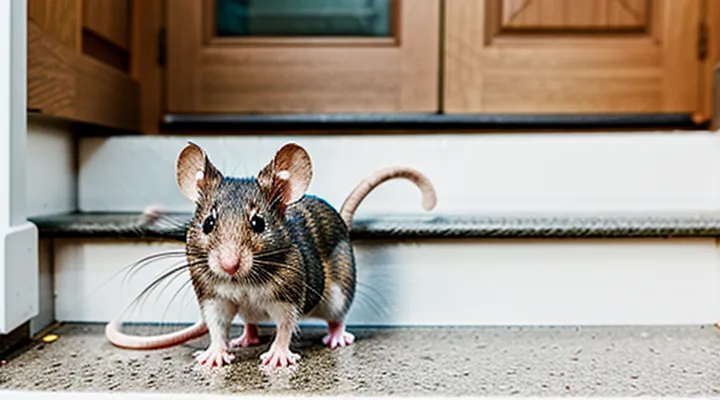
Understanding the Mouse Problem
Identifying the Presence of Mice
Recognising Common Signs
Mice leave clear evidence of their presence, allowing early detection before damage escalates. Observers should focus on physical traces, auditory cues, and behavioral patterns that reliably indicate activity.
- Small droppings, typically 3‑5 mm long, dark with a pointed tip, found along walls, behind appliances, or in pantry corners.
- Gnaw marks on food packaging, wiring, wood, or plastic; fresh cuts display bright, clean edges, while older ones appear dull.
- Grease or oil smears along baseboards, cabinets, or where mice travel; the residue feels slightly tacky.
- Nesting material composed of shredded paper, fabric, insulation, or dried plant matter, often accumulated in concealed spaces such as wall cavities, under sinks, or inside storage boxes.
- Scratching or scurrying sounds, especially at night, heard within walls, ceilings, or attic spaces.
- Unexplained gaps or holes in walls, floors, or around entry points, sized to accommodate a mouse’s 2‑inch body width.
Identifying these indicators promptly enables targeted interventions, reducing the risk of structural damage, food contamination, and disease transmission. Immediate verification of each sign guides the subsequent steps of exclusion, sanitation, and control.
Locating Entry Points
Identifying how mice gain access to a residence is the first critical phase of any effective control strategy. Begin with a systematic visual sweep of the building envelope. Examine the foundation for cracks larger than a quarter‑inch, paying special attention to where concrete meets soil. Inspect exterior walls for gaps around siding, brick, or stucco, and seal any openings with appropriate caulking or wire mesh. Verify that doors and windows close tightly; replace weatherstripping that is worn or missing.
Next, focus on utility and service penetrations. Locate where pipes, cables, and vents enter the structure; these often provide unobstructed routes. Apply steel wool or copper mesh to fill small holes, and use expanding foam for larger gaps. Check the attic and crawl spaces for vent covers that lack screens, and install hardware cloth of at least ¼‑inch mesh.
Finally, document each finding and the corrective action taken. This record supports ongoing monitoring and prevents re‑infestation.
- Inspect foundation for cracks ≥ ¼ in.
- Examine exterior walls for gaps in siding or masonry.
- Test door and window seals; replace weatherstripping.
- Seal pipe, cable, and vent penetrations with steel wool, mesh, or foam.
- Install screened vent covers in attic and crawl spaces.
By completing these steps, you eliminate the primary pathways mice use to enter, establishing a solid foundation for subsequent control measures.
Assessing the Severity of Infestation
Estimating Mouse Population
Estimating the size of a mouse infestation provides the data needed to choose the most effective control measures and allocate resources appropriately.
Begin with a visual sweep of all accessible areas. Record the number of sightings, gnaw marks, and droppings per room. Group observations by location to identify hotspots.
Deploy a series of standard snap traps or live‑catch traps at suspected activity points. Set a fixed number of traps for a 24‑hour period, then count captures. The capture count serves as a baseline index of population density.
Apply the capture‑recapture method for greater accuracy. On the first night, mark each captured mouse with a non‑toxic dye or a small ear tag before release. On the second night, set an equal number of traps and record the number of marked versus unmarked individuals. Estimate total population (N) using the formula N = (M × C)/R, where M is the number of marked mice, C is the total captured on the second night, and R is the number of recaptured marked mice.
Supplement trap data with indirect signs. Count droppings in a defined area, then apply an average of 20–30 droppings per mouse per day to approximate activity levels. Compare this figure with trap results to validate estimates.
Compile all figures into a single table, calculate average values, and identify the highest estimates as the likely upper bound of the infestation. Use this range to determine the scale of extermination effort, the quantity of bait required, and the frequency of follow‑up inspections.
Evaluating Potential Damage
Assessing the extent of mouse‑related damage is the first practical step in any household rodent‑control strategy. Accurate evaluation determines the urgency of intervention, guides the choice of mitigation measures, and prevents escalation of costs.
Common damage categories include:
- Structural compromise – gnawed wood, insulation, and wiring can weaken walls, ceilings, and support beams.
- Electrical hazards – chewed cords expose live conductors, creating fire risk and short circuits.
- Food contamination – urine, feces, and hair introduce pathogens into stored groceries and prepared meals.
- Health threats – allergens and disease agents in droppings aggravate respiratory conditions and infections.
- Property devaluation – visible gnaw marks and stains reduce aesthetic appeal and resale value.
Evaluation procedure:
- Conduct a visual sweep of all rooms, paying special attention to concealed areas such as attics, basements, and behind appliances. Document any gnaw marks, droppings, or nesting material.
- Test electrical outlets and visible wiring for exposed insulation. Use a multimeter to verify continuity where damage is suspected.
- Inspect food storage locations for signs of contamination; discard any compromised items and sanitize containers.
- Measure moisture levels in walls and flooring with a hygrometer; elevated readings often indicate nesting activity.
- Record findings in a concise log, categorizing each observation by damage type and location.
The compiled data informs the subsequent phases of the home mouse management plan, ensuring that resources target the most critical vulnerabilities and that remediation actions address both current damage and future risk.
Immediate Action and Prevention
Sealing Entry Points
Inspecting Your Home
Inspecting your home is the first step in any mouse‑control program. Begin with a thorough visual sweep of every room. Look for droppings, gnaw marks, shredded material, and urine stains along baseboards, behind appliances, and in closets. Pay special attention to areas where food is stored or prepared.
Identify potential entry points. Examine the exterior for cracks, gaps around utility lines, and openings around doors and windows. Inside, inspect the foundation, vent covers, and the undersides of cabinets for holes less than a quarter inch wide. Seal any openings with steel wool, caulk, or metal mesh before proceeding.
Check for attractants. Remove accessible food, store pantry items in airtight containers, and clean crumbs from countertops and floors. Verify that garbage cans have tight‑fitting lids and that pet food is not left out overnight.
Document findings. Create a simple table or checklist noting the location of each sign of activity and the condition of entry points. This record guides subsequent actions and allows you to measure progress after interventions.
Using Appropriate Materials for Sealing
Sealing gaps eliminates the most accessible routes for rodents, directly reducing the likelihood of infestation.
Typical entry points include gaps around pipes, vent openings, foundation cracks, and gaps beneath doors. Choose materials that resist gnawing, adhere reliably to varied surfaces, and remain durable in humid or temperature‑fluctuating environments.
- Steel wool (grade #40 or finer) – effective filler for irregular cracks; must be encased in caulk to prevent displacement.
- Expanding polyurethane foam – fills larger voids; select a rodent‑resistant formulation that expands modestly to avoid pressure damage.
- Copper mesh or hardware cloth (¼‑inch mesh) – suitable for covering larger openings such as vent covers; metal resists chewing.
- Silicone or acrylic caulk – seals small seams around windows, baseboards, and light fixtures; opt for a product labeled as pest‑proof.
- Cement‑based mortar – repairs foundation cracks; apply a smooth finish to prevent mice from creating new niches.
Apply each material after cleaning the area of debris and moisture. Insert steel wool or mesh, then press caulk or foam over the filler to create a continuous barrier. For exterior gaps, ensure the sealant is weather‑rated and compatible with the substrate. Allow curing time as specified by the manufacturer before exposing the area to traffic.
Inspect sealed points quarterly. Reapply or reinforce any section that shows wear, cracking, or signs of chewing. Regular maintenance preserves the integrity of the barrier and sustains long‑term rodent exclusion.
Implementing Sanitation Measures
Proper Food Storage
Proper food storage eliminates the primary attractant that draws mice into living spaces. Secure containers prevent odor leakage, restrict access, and reduce the chance of crumbs that signal food availability.
- Use airtight, metal or heavy‑plastic containers with tight‑closing lids for all dry goods, pet food, and bulk purchases.
- Store perishables in the refrigerator or freezer; keep the door closed and avoid leaving opened packages on countertops.
- Label containers with purchase dates; rotate stock so older items are used first, removing expired food that can spoil and attract pests.
Maintain a clean environment around storage areas. Wipe down shelves after each use, sweep floors regularly, and dispose of waste in sealed bins. Inspect containers weekly for cracks or compromised seals and replace damaged units immediately. Consistent monitoring ensures that food remains inaccessible, reducing mouse activity and supporting the broader rodent control strategy.
Regular Cleaning Practices
Regular cleaning removes food residues, nesting material, and shelter that attract rodents. Maintaining a spotless environment reduces the likelihood that mice will establish a presence and makes traps and baits more effective.
- Sweep and vacuum floors daily; focus on edges, corners, and behind appliances.
- Wipe countertops, tables, and shelves with a disinfectant after each meal preparation.
- Store all food in sealed containers; discard opened packages that are not in use.
- Empty trash bins at least once every 24 hours; use bins with tight‑fitting lids.
- Wash dishes immediately; avoid leaving dishes in the sink overnight.
- Clean pet feeding areas after every feeding; remove spillage promptly.
- Inspect and clean behind refrigerators, stoves, and cabinets weekly; remove accumulated dust and debris.
- Launder curtains, bedding, and upholstery regularly to eliminate hidden crumbs and droppings.
Consistent execution of these practices creates an inhospitable setting for mice, supporting the broader mouse‑control strategy.
Setting Up Traps
Choosing the Right Type of Trap
Choosing the right type of trap determines how quickly a mouse problem can be resolved and how safely it can be managed. Evaluate the following factors before selecting a device:
- Target species and size – Small house mice require lightweight snap traps or fine‑mesh live‑catch cages; larger rodents may need heavier, reinforced models.
- Placement flexibility – Magnetic or plastic snap traps fit into tight corners and behind appliances, while bucket traps need open floor space.
- Humane considerations – Live‑catch traps allow relocation, but require immediate release; snap traps provide rapid kill, reducing stress on the animal.
- Ease of disposal – Traps with sealed containers simplify waste handling; reusable models reduce ongoing cost.
- Safety for children and pets – Enclosed bait stations and covered snap traps minimize accidental contact.
Common trap categories include:
- Snap traps – Metal or plastic frames with a spring‑loaded bar; effective for instant kill, low cost, reusable.
- Live‑catch cages – Wire mesh enclosures with a one‑way door; suitable for humane removal, require regular checking.
- Glue boards – Adhesive surfaces that immobilize rodents; inexpensive but controversial due to animal welfare concerns.
- Electronic traps – Battery‑powered devices delivering a lethal shock; quiet operation, reusable, higher upfront price.
- Bucket traps – Cylindrical containers with a ramp and bait; capture multiple mice, ideal for long‑term monitoring.
Select a trap that aligns with the infestation level, household layout, and ethical preferences. Proper bait placement—peanut butter, dried fruit, or grain—enhances capture rates regardless of trap type. Verify that the chosen device complies with local regulations regarding rodent control.
Strategic Placement of Traps
Effective mouse control begins with positioning traps where rodents are most likely to travel. Identify high‑traffic zones such as along walls, behind appliances, under cabinets, and near food sources. Focus on concealed pathways; mice prefer tight, dark routes that connect these areas.
- Place the first trap at the nearest point of entry, typically a gap around pipes or vents.
- Add additional traps at 3‑ to 5‑foot intervals along the wall line, alternating between snap and live‑catch models.
- Position a trap directly beside each identified food source, leaving a short gap (2–3 inches) between bait and trap edge.
- Install a trap in each concealed nesting spot, such as behind the refrigerator or within attic insulation.
- Ensure traps rest on flat, stable surfaces; use a small piece of cardboard or foil to level uneven floors.
After setting traps, inspect them daily. Remove captured mice, reset bait, and relocate any unused traps toward new activity signs, such as fresh droppings or gnaw marks. Continuous observation refines placement, maximizes capture rates, and prevents reinfestation.
Safe Handling and Disposal
When mice invade a residence, direct contact poses health risks. Use personal protection to prevent disease transmission and avoid accidental bites.
- Wear disposable gloves made of nitrile or latex.
- Add a face mask that covers the nose and mouth.
- Dress in long‑sleeved clothing and closed shoes.
- Keep a disinfectant wipe or spray nearby for immediate surface treatment.
Capture devices—snap traps, live‑catch cages, or electric traps—must be handled without touching the animal. After a mouse is secured, follow these steps:
- Grasp the trap with gloved hands, keeping the mechanism pointed away from the body.
- Transfer the trapped mouse into a sealable plastic bag; double‑bag for added containment.
- Add a small amount of absorbent material (e.g., paper towels) to absorb fluids.
- Seal the bag tightly, label it as “dead animal,” and place it in an outdoor trash container with a secure lid.
Disposal requires prompt action to eliminate odor and bacterial growth. Place the sealed bags in a municipal waste bin designated for animal carcasses, or consult local regulations for proper landfill or incineration procedures. After removal, disinfect the trap and any surfaces the mouse may have contacted using a solution of 1 % bleach or an EPA‑approved disinfectant. Wash gloves thoroughly, then discard them in the same sealed bag used for the mouse. Finally, ventilate the area for at least 15 minutes to disperse any lingering airborne particles.
Advanced Control Methods
Utilising Baits and Repellents
Understanding Bait Stations
Bait stations are sealed containers that hold rodenticide or attractant in a controlled environment. Their design prevents accidental contact by children, pets, and non‑target wildlife while allowing mice to access the bait through a small entry slot. This containment reduces the risk of secondary poisoning and ensures consistent dosage for each visiting mouse.
Effective use of bait stations requires proper placement, regular inspection, and adherence to safety guidelines. Position stations along walls, behind appliances, and near known activity trails; mice rarely cross open space. Maintain a distance of at least 10 feet from food preparation areas and food storage containers. Check each unit weekly for signs of tampering, depleted bait, or dead rodents, and replace as needed.
Key considerations for selecting bait stations:
- Material: durable plastic or metal that resists corrosion and can be securely locked.
- Size: sufficient interior volume for multiple bait doses; small entry aperture (approximately ¼ inch) limits access to target species.
- Labeling: clear manufacturer instructions, hazard warnings, and expiration dates.
- Compliance: certification by relevant pest‑control authorities (e.g., EPA, EU Biocidal Products Regulation).
Integrating bait stations into a systematic mouse‑management protocol enhances control efficiency. Combine stations with exclusion measures—sealing entry points, removing clutter, and maintaining sanitation—to achieve lasting reduction of infestations.
Natural and Commercial Repellents
Effective mouse deterrence relies on two categories of products: naturally derived substances and formulated chemicals. Natural options include peppermint oil, citrus peel, and dried herbs such as thyme or rosemary. Apply these agents on cotton balls, cloth strips, or directly to entry points; replace every few days to maintain potency. Ultrasonic devices emit high‑frequency sound that rodents find uncomfortable, though effectiveness diminishes as mice become habituated.
Commercial repellents offer standardized concentrations and longer‑lasting protection. Common formulations contain phenolic compounds, naphthalene, or synthetic pyrethroids. Spray or granule products should be applied along baseboards, behind appliances, and in concealed cavities, following label instructions for dosage and ventilation. Seal any gaps after treatment to prevent re‑entry.
Key considerations when selecting a repellent:
- Safety: Verify that the product is approved for indoor use and poses minimal risk to children, pets, and food surfaces.
- Persistence: Choose options that retain activity for at least two weeks; reapply according to manufacturer guidelines.
- Compatibility: Ensure the repellent does not interfere with other control measures, such as traps or bait stations.
Integrating both natural and commercial deterrents creates a layered defense, reducing the likelihood of infestation while limiting reliance on any single method. Consistent monitoring and prompt replacement of expired or ineffective agents sustain the overall efficacy of a home mouse management plan.
Safety Precautions
When handling a mouse infestation, protect health, property, and pets by following strict safety measures.
- Wear disposable gloves and a mask to prevent contact with droppings, urine, and rodent‑borne pathogens.
- Use a respirator rated for particulate matter if applying dust or aerosol baits.
- Keep children and pets out of rooms where traps, baits, or chemicals are deployed; seal doors and block access points.
- Choose traps that minimize splash or aerosol release; avoid snap traps with exposed spring mechanisms if occupants may be startled.
- Store all rodenticides in locked containers, away from food preparation areas; label clearly and keep out of reach of non‑target animals.
- Ventilate the affected area before and after applying powders or sprays; open windows and use fans to disperse airborne particles.
- Dispose of dead rodents in sealed bags, then place in a rigid container before discarding in an outdoor trash bin.
- Clean surfaces with a disinfectant solution after removal; follow manufacturer’s contact time to ensure pathogen inactivation.
- Wash hands thoroughly with soap and water after removing gloves; sanitize tools and equipment used during the process.
Adhering to these precautions reduces the risk of disease transmission, accidental poisoning, and property damage while the infestation is being resolved.
When to Call Professional Pest Control
Signs of a Large Infestation
A large mouse infestation reveals itself through multiple, unmistakable indicators.
- Droppings: Numerous, dark, rice‑shaped pellets scattered across countertops, cabinets, and near food packages.
- Gnaw marks: Fresh chew marks on wiring, furniture, and structural timber, often accompanied by shredded material.
- Nests: Accumulations of shredded paper, fabric, or insulation forming dense, irregular piles in concealed areas such as behind appliances or within wall cavities.
- Audible activity: Persistent scratching or scurrying noises, especially at night, originating from walls, ceilings, or attic spaces.
- Tracks and smudge trails: Visible footprints or oily smears along baseboards, along the edges of walls, or on exposed surfaces.
- Unexplained food loss: Empty or partially consumed packaging, with food remnants found in hidden corners.
- Odor: A strong, musky smell emanating from large populations, often noticeable in enclosed rooms.
When several of these signs appear simultaneously, the situation has likely progressed beyond isolated sightings and requires immediate, systematic intervention.
Benefits of Professional Assistance
Professional pest‑control services bring specialized knowledge that surpasses typical DIY methods. Technicians identify species, assess entry points, and select the most effective, low‑toxicity products for the specific environment.
- Accurate detection of hidden activity reduces the risk of recurrence.
- Targeted treatments limit exposure to non‑target organisms and occupants.
- Certified operators follow safety protocols, ensuring compliance with local health regulations.
- Guaranteed results often include follow‑up visits, allowing adjustments based on real‑time observations.
- Documentation of actions provides a record useful for insurance claims or rental agreements.
Integrating expert assistance into a home mouse‑management plan shortens eradication timelines and minimizes structural damage. The combination of precise intervention and ongoing monitoring delivers a sustainable solution that DIY approaches rarely achieve.
Long-Term Prevention and Monitoring
Maintaining a Pest-Free Environment
Regular Inspections and Maintenance
Regular inspections form the backbone of any effective rodent control strategy. Early detection of mouse activity prevents population growth and reduces the need for extensive extermination measures.
Inspections should follow a consistent schedule. Conduct a quick visual sweep of interior spaces each week, focusing on kitchens, pantries, basements, and attics. Perform a thorough exterior assessment once a month, checking foundations, crawl spaces, and utility openings. Increase frequency during spring and autumn, when mice seek shelter.
- Look for droppings, gnaw marks, and nesting material.
- Examine food storage areas for unsecured containers.
- Inspect ventilation ducts, pipe penetrations, and window frames for gaps larger than ¼ inch.
- Test existing traps for placement accuracy and bait freshness.
- Verify that doors and screens close tightly without gaps.
Maintenance actions address the conditions that attract rodents. Seal identified openings with steel wool, caulk, or metal flashing. Repair damaged screens and weather stripping. Keep garbage bins covered and dispose of waste regularly. Store dry goods in airtight containers and clean crumbs immediately after meals. Reduce clutter in storage areas to eliminate hiding places.
Document every inspection. Record date, location, findings, and corrective steps taken. Use the log to identify recurring problem zones and adjust preventive measures accordingly. Consistent record‑keeping ensures that the control plan remains responsive and that interventions are applied before infestations become severe.
Eliminating Water Sources
Mice require water for survival; removing accessible moisture significantly reduces their ability to establish a foothold in residential settings.
Identify all potential sources. Common locations include leaky pipes, dripping faucets, pet water bowls, and condensation on windows or appliances.
- Repair leaks promptly; tighten connections, replace worn seals, and inspect under‑sink joints.
- Install splash guards on kitchen and bathroom faucets; adjust flow to eliminate drips.
- Relocate pet water containers to areas without food storage; use shallow dishes that can be emptied and refilled daily.
- Wipe countertops, floors, and appliance surfaces after use; eliminate standing droplets.
- Employ dehumidifiers in basements, closets, and other humid zones; maintain indoor humidity below 50 % to discourage condensation.
Monitor the environment for new moisture points weekly; address any resurgence before mice can exploit it. Consistent elimination of water supplies deprives rodents of a critical resource, supporting the broader effort to control their presence at home.
Educating Household Members
Awareness of Mouse Behavior
Understanding mouse habits is essential for any home‑based pest‑control strategy. Mice are nocturnal, preferring darkness and silence. They travel along walls, using their whiskers to navigate tight spaces, and can squeeze through openings as small as a quarter‑inch. Recognizing these tendencies allows you to anticipate movement paths and locate entry points before they become active infestations.
Typical indicators of mouse activity include:
- Fresh droppings, dark and rice‑shaped, found near food sources or along wall seams.
- Gnaw marks on wood, plastic, or wiring, often appearing near baseboards.
- Silky trails of urine, visible under ultraviolet light.
- Nests constructed from shredded paper, fabric, or insulation in concealed corners.
Behavioral patterns dictate timing for intervention. Since mice forage after sunset, setting traps or deploying baits in the early evening maximizes contact. Monitoring for repeated sightings near the same location signals a persistent route that requires sealing. Regular inspection of potential hideouts—attics, crawl spaces, and behind appliances—prevents re‑entry.
Effective control depends on translating behavioral insight into concrete actions: identify and block access holes, eliminate food residues, and position deterrents where mice are most active. By aligning each step with observed mouse conduct, the overall plan becomes precise, efficient, and sustainable.
Collaborative Prevention Efforts
Effective mouse control relies on coordinated actions among all parties who share the living environment. When household members, adjacent residents, and pest‑management professionals operate as a unified network, entry points are sealed faster, detection improves, and reinfestation risks decline.
Household participants should adopt a shared checklist:
- Assign a single point of contact to record sightings, traps set, and bait usage.
- Conduct a weekly walkthrough of kitchens, basements, and storage areas, noting any gnaw marks or droppings.
- Rotate responsibility for cleaning food storage containers, disposing of waste, and maintaining a clutter‑free perimeter.
- Update the contact log immediately after each intervention to keep the team informed.
Neighbors contribute by extending the perimeter of protection:
- Exchange contact information to report mouse activity that crosses property lines.
- Synchronize sealing of common wall voids, utility openings, and exterior cracks.
- Share bulk purchases of sealants, traps, and non‑chemical deterrents to reduce costs.
- Organize a quarterly neighborhood audit of building exteriors, focusing on shared walls and drainage systems.
Professional pest‑control services add technical expertise:
- Schedule a baseline inspection that maps all potential ingress routes across the property cluster.
- Implement targeted bait stations and exclusion devices calibrated to local species behavior.
- Provide training sessions for residents on proper trap placement and safe handling of control products.
- Deliver periodic performance reports that quantify catch rates, identify hotspots, and recommend corrective measures.
Community resources amplify the effort:
- Utilize municipal waste‑management schedules to ensure timely removal of food waste that attracts rodents.
- Access public health advisories that outline regulatory standards for rodent control.
- Participate in local workshops that disseminate the latest non‑toxic deterrent technologies.
- Leverage online forums to exchange real‑time observations and successful strategies.
By integrating these layers of collaboration, the household transforms from isolated responders into a proactive defense system, minimizing mouse presence and safeguarding health and property.