
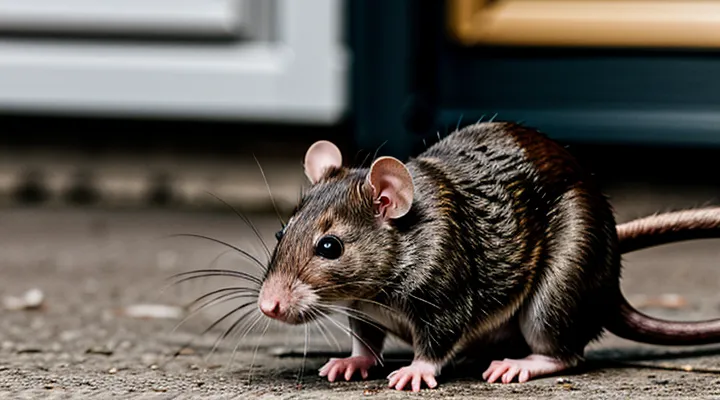
The Unique Nature of Rat Teeth
Continuous Growth
Rats’ incisors grow relentlessly because the root’s enamel never ceases to produce new material. The growth rate matches the animal’s metabolic demands, causing the teeth to lengthen several millimeters each month if not worn down by natural chewing.
Uncontrolled length leads to malocclusion, difficulty eating, and tissue injury. Owners must supply appropriate wear surfaces and monitor dental condition daily.
- Offer hardwood blocks, untreated branches, or ceramic chew toys designed for rodents.
- Include a diet rich in fibrous vegetables and grains that require gnawing.
- Inspect teeth each evening; look for excessive protrusion, uneven edges, or discoloration.
- Schedule veterinary examinations at least twice yearly for professional assessment and polishing if needed.
Early signs of trouble include drooling, weight loss, or visible cracks. Immediate veterinary intervention prevents infection and permanent damage. Continuous attention to the rat’s gnawing habits and regular dental checks maintain proper tooth length and overall health.
Malocclusion and Its Causes
Malocclusion, the misalignment of a rat’s incisors, directly compromises the animal’s ability to gnaw and process food. When incisors grow unchecked, the bite can become uneven, leading to excessive wear on one side, difficulty eating, and potential injury to oral tissues. Recognizing malocclusion is essential for effective intervention.
Malocclusion arises when the natural equilibrium between tooth growth and wear is disrupted. In healthy rodents, continuous eruption is balanced by constant gnawing on abrasive surfaces. Any factor that interferes with this balance may cause the teeth to erupt at abnormal angles or lengths.
Common causes include:
- Genetic predisposition: inherited skeletal or dental abnormalities that affect jaw structure.
- Traumatic injury: fractures or displacements that alter occlusal contact.
- Inadequate diet: soft or low‑fiber foods that fail to provide sufficient wear.
- Dental disease: infections, abscesses, or periodontal inflammation that impede normal eruption.
- Improper housing: lack of chewable materials such as wood blocks or tunnels.
Identifying the underlying cause guides corrective measures, such as dietary modification, provision of appropriate gnawing objects, or veterinary trimming of overgrown incisors. Addressing malocclusion promptly prevents secondary complications and restores normal feeding behavior.
Identifying Dental Problems
Visible Signs of Overgrown Teeth
Overgrown incisors in rats produce distinct physical changes that signal a problem. Recognizing these signs allows timely intervention and prevents injury or feeding difficulties.
- Teeth extend beyond the mouth opening, visible when the rat’s snout is examined.
- The front edge of the incisors appears blunt or uneven rather than sharp.
- The animal struggles to grasp food, drops pellets, or displays prolonged chewing motions.
- Gums become inflamed or bleed where the elongated teeth press against soft tissue.
- The rat shows signs of facial discomfort, such as frequent head shaking or rubbing against cage bars.
- Weight loss or reduced activity may accompany the dental issue, reflecting pain or inability to eat properly.
Early detection of these indicators is essential for effective veterinary care and the restoration of normal chewing function.
Behavioral Changes Indicating Discomfort
Rats experiencing dental overgrowth often exhibit distinct behavioral cues that signal discomfort. Recognizing these signs enables timely intervention and prevents further health complications.
Common indicators include:
- Reluctance to eat or a noticeable decline in food intake.
- Preference for soft foods over standard pellets or chew toys.
- Frequent grooming of the mouth area, sometimes accompanied by visible blood.
- Audible grinding or chattering of teeth, especially when the animal is at rest.
- Aggressive or irritable responses when handled, particularly around the head.
- Unusual posture, such as a lowered head or hunched back, suggesting pain.
When these behaviors appear, assess the rat’s oral cavity for swollen gums, misaligned incisors, or exposed pulp. Immediate veterinary evaluation is recommended to determine whether trimming, dietary adjustment, or analgesic treatment is required. Prompt attention to behavioral changes minimizes suffering and supports normal growth and function of the rat’s incisors.
Health Complications from Untreated Growth
Rats with continuously elongating incisors that are not trimmed develop severe oral disorders. Overgrowth creates a misalignment of the bite, preventing the animal from closing its jaws properly. The resulting malocclusion reduces food intake, leading to rapid weight loss and muscle wasting.
Excessive tooth length can damage surrounding tissues. The sharp edges of the incisors may puncture the palate or cheek, producing painful ulcers and exposing the pulp to bacterial invasion. Dental abscesses form quickly, spreading infection to the bloodstream and potentially causing septicemia.
Uncontrolled growth also distorts the skull. Pressure from the expanding teeth forces the mandible to shift, altering facial symmetry and impairing respiratory function. Chronic pain and stress weaken the immune system, making the rat more vulnerable to secondary illnesses.
Key health complications include:
- Inability to eat, resulting in starvation
- Oral ulcers and pulp exposure
- Dental abscesses and systemic infection
- Skull deformation and respiratory distress
- Progressive weight loss and eventual death
Prompt dental management prevents these outcomes and restores normal feeding behavior.
Immediate Actions and Home Care
Assessing the Severity
When a rat’s incisors appear longer than normal, the first step is to determine how urgently the condition must be addressed. A systematic evaluation prevents unnecessary panic and guides appropriate intervention.
Observe the animal’s mouth and behavior. Look for:
- Visible protrusion of the upper or lower incisors beyond the cheek line.
- Red or swollen gums, indicating tissue irritation.
- Difficulty grasping food, excessive drooling, or reluctance to eat.
- Changes in weight, activity level, or social interaction that suggest discomfort.
Measure the overgrowth. Use a small ruler or caliper to record the length of each tooth from the gum margin to the tip. Compare measurements with baseline data from healthy rats of the same age and breed; a growth of more than 2 mm beyond the normal margin typically warrants prompt veterinary attention.
Assess the impact on nutrition. If the rat reduces its intake, calculate the daily food consumption and compare it to the expected amount for its size. A sustained drop of 20 % or more signals a serious problem that can lead to malnutrition.
Check for secondary complications. Inspect the surrounding teeth for misalignment, cracks, or fractures. Look for signs of infection such as pus, foul odor, or heat in the facial region. Any indication of infection requires immediate professional care.
Finally, consult a qualified veterinarian. Provide the recorded measurements, behavioral observations, and any noted complications. The vet may perform radiographs to evaluate root development and decide whether trimming, orthodontic devices, or surgical correction is necessary. Early identification of severe cases reduces the risk of permanent damage and improves the rat’s overall health.
Providing Appropriate Chewing Materials
Rats experience continuous incisor growth; without suitable gnawing options, teeth can overgrow, causing pain and health problems. Providing safe, durable chewing materials prevents excessive length and promotes natural wear.
Effective choices include:
- Untreated hardwood blocks (e.g., apple, maple) – dense enough to file teeth, free of chemicals.
- Mineral chews formulated for rodents – supply calcium while encouraging gnawing.
- Natural fibers such as sisal rope or untreated wicker – flexible, abrasive, and easy to replace.
- Commercial wooden toys designed for small pets – smooth edges reduce injury risk.
Select items that are non‑toxic, free of paint or varnish, and sized to allow the rat to grasp comfortably. Rotate materials regularly to maintain interest and prevent bacterial buildup. Inspect each piece daily for cracks or splinters; discard damaged objects promptly. Offer multiple options simultaneously to accommodate individual preferences and ensure constant access to wear surfaces.
Dietary Considerations
A balanced diet supports natural tooth wear and prevents excessive growth in pet rats. Hard, chew‑rich foods create the mechanical abrasion needed to keep incisors at a functional length.
- Fresh vegetables such as carrots, broccoli stems, and kale provide fiber and texture.
- Raw root vegetables like sweet potatoes and turnips add hardness without excessive sugar.
- Whole‑grain cereals, oats, and unsweetened cornmeal deliver sustained chewing opportunities.
- Small pieces of unsalted, unflavored nuts (almonds, walnuts) offer occasional hardness; limit to a few per week to avoid excess fat.
- Commercially formulated rodent blocks designed for dental health contain calibrated hardness and essential nutrients.
Avoid foods that soften the diet or encourage overconsumption of soft carbohydrates:
- Processed snacks, sugary treats, and fruit juices reduce chewing time.
- Excessive fresh fruit, especially high‑sugar varieties, may lead to dental decay and insufficient wear.
- Soft bread, cooked pasta, or mushy pellets should not dominate the diet.
Hydration remains critical; clean water enables proper chewing and prevents dry mouth, which can accelerate dental issues. Adjust portions to maintain a healthy weight while ensuring daily access to hard, fibrous items that naturally file the teeth. Regular observation of chewing behavior and tooth length will indicate whether dietary adjustments are effective.
When to Seek Professional Help
The Role of a Veterinarian
A veterinarian assesses an overgrown dental condition in a rat by performing a physical examination and, if needed, radiographic imaging. The professional determines whether the growth results from dietary deficiencies, lack of gnawing material, or a pathological process such as infection or tumor.
The practitioner then carries out one or more of the following actions:
- Trims or files the incisors under anesthesia to restore proper bite alignment.
- Prescribes a diet rich in fiber and hard objects (e.g., wooden chew sticks) to encourage natural wear.
- Provides analgesics or antibiotics if pain or infection is present.
- Schedules regular check‑ups to monitor tooth length and overall health.
In addition, the veterinarian educates the owner on preventive measures, including appropriate cage enrichment and routine visual inspection of the rat’s mouth, to avoid recurrence.
Dental Trimming Procedures
Dental overgrowth in rats requires prompt trimming to prevent pain, malocclusion, and loss of feeding ability. Continuous growth is natural; however, when incisors become excessively long, the animal may exhibit drooling, difficulty chewing, or visible curvature. Early detection and regular inspection reduce the need for emergency intervention.
Effective trimming follows a standardized protocol:
- Restrain the rat gently but securely, using a towel or specialized holder to limit movement while avoiding stress.
- Examine both upper and lower incisors under bright light; identify the portion of enamel extending beyond the normal bite plane.
- Employ a high‑speed dental drill or a precision rotary tool equipped with a fine carbide burr; maintain a low speed (5,000–8,000 rpm) to prevent heat buildup.
- Apply a coolant spray or sterile saline to the teeth throughout the procedure; this protects pulp tissue and reduces friction.
- Remove excess enamel gradually, stopping when the incisor tips align with the opposing tooth surface. Avoid contacting the dentin layer, which can cause bleeding and infection.
- Inspect the trimmed surface for smoothness; any rough edges should be polished with a fine abrasive tip.
- Release the animal, monitor for signs of distress, and offer soft food for the next 24 hours.
Frequency of trimming depends on the rat’s age and diet. Juvenile specimens may require monthly sessions, while adults often need adjustment every six to eight weeks. Nutritional balance, particularly adequate fiber, supports natural wear and may extend intervals between procedures.
When professional assistance is unavailable, owners must possess the appropriate tools, experience with small‑animal restraint, and knowledge of dental anatomy. Improper technique can damage the pulp, leading to infection or tooth loss. In such cases, referral to a qualified exotic‑animal veterinarian is the safest option.
Post‑procedure care includes daily observation of eating behavior, weekly inspection of incisor length, and immediate veterinary consultation if swelling, bleeding, or abnormal bite patterns develop. Consistent monitoring ensures that the rat maintains functional dentition and overall health.
Post-Procedure Care
After a dental procedure, monitor the rat closely for the first 24 hours. Look for continued bleeding, swelling, or signs of pain such as reduced activity or vocalization. If bleeding persists beyond a few minutes, apply gentle pressure with a clean gauze and contact a veterinarian.
Provide a diet that minimizes stress on the healed teeth. Offer soft foods—such as moistened pellets, cooked vegetables, and small pieces of fruit—multiple times daily. Maintain constant access to fresh water. Remove all hard items (nuts, seeds, chew toys) until the incision site shows no inflammation.
Keep the cage environment clean and stable. Replace soiled bedding daily, disinfect food dishes, and ensure the temperature remains within the species‑appropriate range (18‑24 °C). Limit handling and exposure to loud noises to reduce stress.
Administer any prescribed medication exactly as directed. Typical regimens include analgesics (e.g., meloxicam) and antibiotics (e.g., enrofloxacin). Record dosage times to avoid missed doses.
Schedule a follow‑up examination within one to two weeks. During the visit, the veterinarian will assess tissue healing, check for infection, and determine whether further dental work is necessary. Immediate veterinary attention is required if the rat exhibits:
- Persistent bleeding or discharge
- Swelling that increases rather than diminishes
- Sudden loss of appetite or weight
- Unusual lethargy or trembling
Adhering to these measures promotes rapid recovery and reduces the risk of complications after dental intervention.
Preventing Future Dental Issues
Optimal Diet for Dental Wear
A diet that promotes natural tooth abrasion is essential for rodents with continuously elongating incisors. Food items must require vigorous chewing, supply minerals that support enamel integrity, and avoid substances that encourage rapid plaque formation.
- High‑fiber vegetables (e.g., carrots, celery, broccoli) provide abrasive texture and bulk.
- Whole grains such as rolled oats, barley, and unprocessed wheat pellets force the incisors to grind.
- Hard chewables like untreated wooden blocks, mineral sticks, and natural bark supplement daily wear.
- Calcium‑rich sources (e.g., powdered calcium supplement, low‑fat cheese) reinforce dentin.
- Vitamin D fortified feed enhances calcium absorption.
- Fresh water at all times maintains oral moisture and prevents dry‑mouth complications.
Feed small portions of each component two to three times daily. Rotate vegetables to prevent selective over‑consumption. Include at least one hard chewable per feeding session; replace items when they become overly worn. Monitor the length of the incisors weekly; adjust the proportion of abrasive foods if growth outpaces wear.
Regular veterinary assessment confirms that dietary wear matches natural growth rates. If incisors show excessive length despite the regimen, increase hard chewable exposure or introduce additional fibrous treats. Conversely, excessive wear leading to sharp edges warrants a reduction in abrasive load and a temporary switch to softer, nutrient‑dense foods until the teeth stabilize.
Regular Dental Check-ups
Regular dental examinations are essential for managing continuously growing incisors in pet rats. Early detection of misalignment, overgrowth, or wear problems prevents pain, feeding difficulties, and secondary infections. Veterinarians assess tooth length, shape, and gum health, and they can recommend trimming or corrective appliances if needed.
Key actions during a check‑up:
- Visual inspection of each incisor for uneven growth or cracks.
- Palpation of the jaw to identify swelling or tenderness.
- Radiographic imaging when hidden issues are suspected.
- Professional filing or trimming performed under anesthesia, if required.
- Guidance on diet, enrichment, and chew toys that promote natural wear.
Scheduling appointments every three to six months aligns with the rapid growth rate of rat teeth and ensures timely intervention before complications arise.
Environmental Enrichment for Chewing
Providing appropriate chewing opportunities prevents dental overgrowth in pet rats. Hard, gnaw‑safe objects wear down incisors continuously, reducing the need for veterinary intervention.
- Untreated wooden blocks (bamboo, beech) with smooth surfaces.
- Mineral‑rich chew sticks (calcium carbonate, calcium phosphate) that supply nutrients while abrading teeth.
- Natural branches (apple, pear) trimmed to remove pesticides; replace weekly to maintain freshness.
- Commercial rodent chew toys made from compressed corn or hemp; ensure they meet safety standards and lack plastic components.
- Cardboard tubes (toilet paper rolls) or paper pulp products; rotate to sustain interest.
Enrichment items should be placed in multiple cage zones to encourage exploration and consistent gnawing. Rotate objects every two to three days; monitor wear and replace when fragments become small enough to pose ingestion hazards. Observe the rat’s chewing behavior daily; excessive gnawing of cage bars may indicate insufficient dental wear. Adjust the variety and hardness of provided materials promptly to maintain optimal tooth length.