
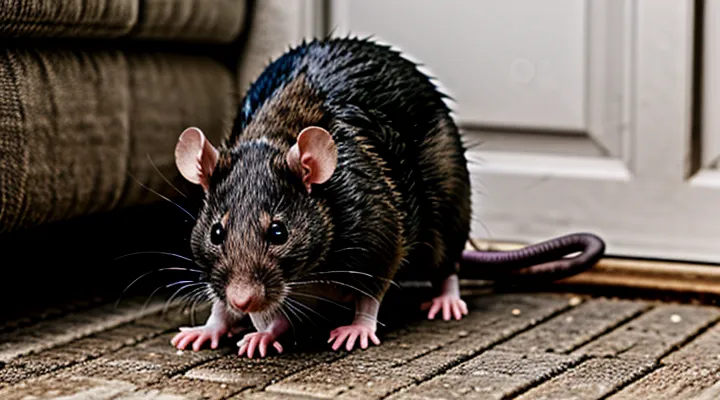
Recognizing the Signs Beyond Just Not Eating
Behavioral Changes
When a rat stops eating and drinking, observable behavioral shifts become the primary source of information about underlying problems.
Rats that refuse food and water often display one or more of the following changes:
- Reduced activity levels, lingering in corners or remaining motionless for extended periods.
- Decreased grooming, resulting in a dull, unkempt coat.
- Withdrawal from cage mates, avoiding social interaction.
- Altered vocalizations, such as quieter or more frequent squeaks.
- Increased nesting behavior, hoarding material and staying buried.
Each alteration points toward a specific category of concern. Lethargy and lack of grooming frequently signal systemic illness or metabolic disturbance. Social avoidance may indicate pain, neurological impairment, or stress from environmental factors. Heightened nesting can reflect attempts to conserve heat when the animal feels chilled or is battling infection.
Immediate steps focus on confirming the severity of the situation and eliminating reversible causes:
- Verify water availability; check for blockage, contamination, or temperature extremes.
- Examine food presentation; ensure freshness, proper texture, and accessibility.
- Assess cage conditions—temperature, humidity, lighting, and noise levels—to rule out environmental stressors.
- Observe for signs of injury, discharge, or parasites; document any abnormalities.
- Contact a veterinarian experienced with rodents for a thorough health assessment if behavioral changes persist beyond 12 hours or worsen rapidly.
Continuous monitoring of the rat’s behavior, alongside prompt environmental adjustments and professional veterinary input, provides the most reliable pathway to restoring normal intake.
Physical Indicators
When a rat stops consuming food or water, observable physical changes provide the first clues about its condition. Rapid weight loss, measurable with a digital scale, signals a critical energy deficit. A loss of 10 % or more of body weight within a week requires immediate veterinary attention.
Signs of dehydration appear as sunken eyes, reduced skin elasticity, and dry, flaky fur. Gently pinch the skin on the neck; if it returns slowly, fluid balance is compromised. The coat may become dull, brittle, or uneven, reflecting poor nutrition and grooming ability. Respiratory rate may increase, and the nostrils can appear more open than usual. Abnormal posture—such as a hunched back or reluctance to move—often accompanies severe weakness.
Monitoring these indicators involves:
- Daily weighing to track fluctuations.
- Visual inspection of eyes, fur, and skin elasticity.
- Observation of activity level, grooming behavior, and posture.
- Recording respiratory rate and any nasal discharge.
If any of the above signs worsen or persist beyond 24 hours, initiate supportive care. Offer electrolyte solutions via a syringe, provide easily digestible foods (e.g., mashed banana or soft pellets), and maintain a warm, stress‑free environment. Prompt consultation with a veterinarian is essential when weight loss exceeds 10 %, dehydration is evident, or the rat shows lethargy despite intervention.
Initial Assessment and Immediate Actions
Checking for Obvious Obstructions
When a rat stops eating and drinking, the first step is to verify that nothing physically blocks access to food or water. Begin by removing the rat from its enclosure and examining the environment for visible impediments.
- Inspect the food dish for spilled kibble, clumped pellets, or debris that may prevent the rat from reaching the feed. Clean the dish thoroughly and refill with fresh food.
- Examine the water bottle for cracks, clogged spouts, or dried‑out tubing. Flush the bottle with warm water, test the flow by squeezing, and replace the bottle if leakage or blockage persists.
- Check the cage bars and any enrichment items for tangled cords, torn fabric, or lodged objects that could obstruct the rat’s movement toward the feeding area.
- Look at the rat’s nose and mouth for visible foreign material such as hairballs, bedding fibers, or feed particles. Gently clear any obstruction with a damp cotton swab, taking care not to cause injury.
- Verify that the placement of food and water is unobstructed by the rat’s own nesting material. Reposition supplies to an open area of the cage if necessary.
After clearing any identified blockage, observe the rat for a few hours. If normal eating and drinking resume, the obstruction was likely the cause. If the rat continues to refuse intake, proceed to the next diagnostic steps, such as health assessment or veterinary consultation.
Offering Preferred Foods and Liquids
When a rat stops consuming food and water, presenting items it has previously shown a strong preference for can stimulate intake. Identify foods that elicited enthusiastic chewing or rapid consumption during normal feeding periods; these may include fresh vegetables (e.g., carrot strips, cucumber slices), fruit pieces (e.g., apple, banana), or protein-rich treats such as boiled egg or mealworm.
- Offer small, bite‑sized portions to reduce the effort required for chewing.
- Warm slightly chilled liquids to a temperature close to the animal’s body heat; warm water or diluted low‑sugar fruit juice often encourages drinking.
- Present the preferred items on a clean, shallow dish to limit spillage and allow easy access.
Observe the rat’s response for at least 30 minutes after each offering. If consumption occurs, reinforce the behavior by repeating the same food or liquid at regular intervals (every 2–4 hours). If the rat rejects the item, substitute an alternative from the preference list rather than introducing unfamiliar foods.
Maintain hygiene by discarding uneaten portions after each session to prevent bacterial growth. Rotate the selection of preferred foods every few days to avoid monotony while preserving the incentive to eat and drink. Should the rat continue to refuse all offered options, seek veterinary assessment promptly.
Creating a Stress-Free Environment
When a rat stops consuming food or water, anxiety often underlies the behavior. Reducing stress creates conditions that encourage normal intake.
Provide a quiet, temperature‑controlled space away from loud equipment, heavy foot traffic, and sudden light changes. Maintain a consistent temperature between 68‑74 °F (20‑23 °C) and humidity around 40‑60 %. Use a solid‑bottom cage with soft bedding that is changed regularly to prevent odors and dampness.
Limit handling to brief, gentle sessions. Approach the animal from the side, avoid direct eye contact, and use a calm voice. If handling is necessary, support the rat’s body fully and keep movements smooth.
Establish a predictable routine. Feed at the same times each day, place food and water near the same corner of the cage, and keep the lighting schedule unchanged. Predictability reduces the perception of threat.
Enhance enrichment without overstimulation. Include a single, sturdy chew toy, a hideout, and a climbing branch placed low enough for easy access. Rotate items weekly to maintain interest while avoiding clutter.
Monitor environmental cues:
- Check for drafts or loud noises near the cage.
- Verify that water bottles are clean and free of leaks.
- Ensure food is fresh and free from mold.
- Observe for signs of illness that may mimic stress responses.
Implement these measures promptly; a calmer setting typically restores appetite and hydration within 24–48 hours. If intake does not improve, seek veterinary assessment.
Potential Underlying Causes
Environmental Factors
Rats that stop consuming food or water often react to conditions in their surroundings. Environmental stressors can suppress appetite and thirst even when the animal is otherwise healthy.
- Temperature that is too low or too high can reduce metabolic drive.
- Excessive humidity creates discomfort and may promote mold growth in bedding.
- Bright, flickering, or irregular lighting disrupts circadian rhythms, leading to reduced feeding activity.
- Overcrowded cages limit movement and increase competition for resources.
- Inadequate bedding material that is dusty, damp, or scented with chemicals can irritate respiratory passages and deter eating.
- Persistent loud noises or vibrations trigger anxiety, which commonly suppresses intake.
- Presence of predators, such as cats or birds, visible through the enclosure, induces fear‑related anorexia.
- Contaminated water or food, including spoiled feed or leaky bottles, discourages consumption.
To address these issues, first assess each factor individually. Adjust ambient temperature to the species‑specific range (typically 20‑24 °C). Regulate humidity between 40‑60 % and ensure proper ventilation. Provide a stable light cycle of 12 hours on, 12 hours off, using low‑intensity bulbs. Maintain cage density at no more than four adult rats per standard laboratory cage. Replace bedding with clean, low‑dust, absorbent material and monitor for moisture. Reduce ambient noise by relocating the enclosure to a quiet area or using sound‑absorbing materials. Eliminate visual exposure to predators by covering the cage with a solid backdrop. Inspect food and water daily, discarding any spoiled portions and using fresh, sealed supplies.
After environmental corrections, observe the rat for at least 24 hours. If intake remains absent, consider medical evaluation, as persistent refusal may indicate underlying pathology.
Dietary Imbalances
When a rat stops consuming food and water, nutritional deficiencies often underlie the behavior. Insufficient protein, lack of essential vitamins, or an imbalanced ratio of carbohydrates to fats can depress appetite and diminish thirst. Deficiencies in B‑complex vitamins, particularly thiamine and riboflavin, impair metabolic processes that stimulate feeding. Inadequate calcium or phosphorus disrupts hormonal regulation of hunger, while excess sodium may reduce water intake.
Identify the imbalance by reviewing the current diet. Compare the feed composition with standard laboratory‑grade rodent chow, which typically provides 18–20 % protein, balanced mineral content, and adequate vitamins. If the rat receives homemade or supplemental foods, verify that they meet these benchmarks.
Practical steps to correct dietary imbalances:
- Replace experimental feed with a complete, nutritionally balanced pellet.
- Supplement with a vitamin‑mineral mix formulated for rodents, following manufacturer dosage.
- Offer fresh water enriched with electrolytes if dehydration is suspected.
- Monitor intake for 24‑48 hours; document quantity consumed each day.
- If the rat continues to refuse food, perform a brief physical exam to rule out gastrointestinal obstruction or infection, then consult a veterinarian.
Restoring proper nutrition typically resolves the refusal to eat and drink. Prompt adjustment of the diet prevents secondary complications such as weight loss, organ dysfunction, and immune suppression.
Illnesses and Medical Conditions
When a rat ceases to ingest food or water, underlying health problems are often the cause. Recognizing the medical factors that trigger anorexia and dehydration enables swift intervention and improves the likelihood of recovery.
Common illnesses associated with loss of appetite and fluid intake include:
- Respiratory infections (e.g., Mycoplasma pulmonis, bacterial pneumonia) that create nasal discharge and difficulty breathing.
- Gastrointestinal disorders such as ulcerative colitis, gastric ulcers, or parasitic infestations (coccidia, pinworms) that generate abdominal pain and nausea.
- Dental disease, including overgrown incisors or malocclusion, which makes chewing painful or impossible.
- Metabolic disturbances like hypoglycemia, renal failure, or hepatic insufficiency that disrupt normal hunger signals.
- Neurological conditions, for example, encephalitis or traumatic brain injury, that impair the brain’s feeding center.
- Systemic infections (e.g., septicemia, salmonellosis) that produce fever and generalized malaise.
Assessment should proceed methodically:
- Observe behavior for signs of respiratory distress, nasal discharge, coughing, or lethargy.
- Examine the oral cavity for overgrown teeth, lesions, or swelling.
- Palpate the abdomen for tenderness, distension, or masses.
- Record body temperature; fever often indicates infection.
- Collect fecal samples for parasitology and perform blood work to evaluate organ function, glucose levels, and white‑cell count.
- If neurological signs appear (tremors, uncoordinated movement), consider imaging or referral to a specialist.
Treatment protocols depend on the identified condition:
- Administer appropriate antibiotics for bacterial infections, following culture results when available.
- Provide analgesics and anti‑inflammatory agents for dental or gastrointestinal pain.
- Initiate antiparasitic medication for confirmed coccidial or helminth infections.
- Offer subcutaneous or intraperitoneal fluids to correct dehydration; isotonic solutions with electrolytes are standard.
- Use glucose supplementation for hypoglycemia, either orally (if possible) or via injection.
- Adjust diet to soft, easily digestible foods; consider syringe feeding with a balanced nutrient formula when voluntary intake remains absent.
Monitoring continues after intervention. Record daily food and water consumption, weight, and any changes in behavior. Immediate veterinary consultation is warranted if the rat shows no improvement within 24‑48 hours, if symptoms worsen, or if new signs such as bleeding, seizures, or severe lethargy emerge. Prompt identification and targeted care for the underlying illness are essential to restore normal feeding and hydration.
Respiratory Issues
A rat that stops consuming food and water may be suffering from a respiratory disorder. Inhalation problems reduce oxygen intake, impairing the brain’s hunger and thirst signals. Recognize the condition quickly to prevent rapid deterioration.
Typical respiratory signs include:
- Labored breathing, audible wheezing, or clicking sounds.
- Nasal discharge that is clear, cloudy, or bloody.
- Sneezing or frequent nose rubbing.
- Flared nostrils and a visible increase in chest movement.
- Lethargy that accompanies reduced appetite and fluid intake.
When these symptoms appear, follow a systematic approach:
- Isolate the affected rat to reduce stress and limit exposure to other animals.
- Measure temperature; a rise above normal (≈101 °F/38.3 °C) often indicates infection.
- Inspect the nasal passages and throat for blockage, crust, or swelling.
- Conduct a gentle palpation of the chest to assess pain or rigidity.
- Obtain a veterinary evaluation promptly. Request a physical exam, possible radiographs, and a bacterial culture if discharge is present.
- Administer prescribed antibiotics or antifungal agents as directed. Do not use human medications without professional guidance.
- Provide humidified air. Place a shallow dish of warm water near the cage or use a low‑intensity humidifier to ease breathing.
- Offer high‑calorie liquids (e.g., electrolyte solution or warmed water) using a syringe without a needle, delivering small volumes every 15–30 minutes.
- Monitor respiratory rate and effort at least twice daily. Record changes to report to the veterinarian.
Preventive measures reduce the likelihood of respiratory complications that trigger refusal to eat or drink:
- Keep the enclosure clean, removing waste and damp bedding that foster bacterial growth.
- Maintain ambient temperature between 68–75 °F (20–24 °C) and avoid drafts.
- Ensure proper ventilation without causing direct airflow on the animal.
- Introduce new rats gradually to prevent stress‑induced immunosuppression.
- Schedule routine health checks to catch early signs of upper‑respiratory infection.
Rapid identification and targeted treatment of breathing problems restore normal feeding behavior and improve survival chances.
Dental Problems
A rat that suddenly stops consuming food and water often suffers from dental problems. Overgrown incisors, misaligned teeth, or dental abscesses can create pain that prevents normal ingestion.
Signs of oral distress include:
- Drooling or wet fur around the mouth
- Preference for soft or soaked foods
- Visible tooth growth beyond the normal length
- Facial swelling or discharge from the nose
- Weight loss despite unchanged environment
When these symptoms appear, follow a systematic approach:
- Perform a visual inspection. Use a bright light and gentle restraint to examine the incisors and molars for overgrowth, cracks, or infection.
- Measure the rat’s weight and compare it to recent records to assess the severity of weight loss.
- Consult a veterinarian experienced with rodents. Request a thorough oral examination, which may involve anesthesia and radiographs to detect hidden abscesses or bone involvement.
- Implement the veterinarian’s treatment plan, which can include:
- Trimming or filing overgrown incisors under anesthesia
- Antibiotic therapy for bacterial infections
- Analgesics to manage pain
- Nutritional support such as high‑calorie gels or syringe feeding until normal eating resumes
Preventive measures reduce the likelihood of recurrence:
- Provide constant access to chewable materials (untreated wooden blocks, mineral chews) to wear down incisors naturally.
- Offer a varied diet that includes soft fruits, vegetables, and moist pellets to encourage regular use of the mouth.
- Schedule routine health checks at least twice a year to catch early dental changes.
Addressing dental issues promptly restores the rat’s ability to eat and drink, stabilizes weight, and prevents secondary complications such as organ damage from prolonged dehydration.
Digestive Disorders
When a rat stops consuming food and water, digestive pathology often underlies the behavior. Identifying and addressing gastrointestinal problems promptly prevents rapid deterioration.
Typical digestive disorders include:
- Gastric stasis caused by stress, infection, or inadequate fiber.
- Ileus resulting from postoperative complications or severe constipation.
- Enteritis triggered by bacterial, viral, or parasitic agents.
- Foreign‑body obstruction lodged in the stomach or intestines.
- Hepatobiliary disease that impairs bile flow and appetite.
Observable signs point to specific conditions:
- Abdominal distension or palpable masses.
- Reduced or absent fecal output, wet or bloody stools.
- Frequent licking of the perineal area, indicating discomfort.
- Weight loss measurable within 24–48 hours.
- Labored breathing or lethargy accompanying severe pain.
Diagnostic approach:
- Physical examination focusing on abdominal tension and palpation.
- Radiography or fluoroscopy to detect gas patterns, obstruction, or organ enlargement.
- Fecal smear and culture for parasites and bacterial pathogens.
- Blood panel assessing electrolytes, liver enzymes, and inflammatory markers.
- Endoscopic evaluation if non‑invasive imaging is inconclusive.
Immediate care measures:
- Provide warm, moist food (e.g., softened pellets or gelatin) to stimulate ingestion.
- Offer electrolyte‑balanced solution via syringe, limiting volume to prevent aspiration.
- Administer a short course of broad‑spectrum antibiotics if infection is suspected.
- Use analgesics such as meloxicam to alleviate pain and improve motility.
- Maintain a stress‑free environment with stable temperature and minimal handling.
Targeted treatments:
- Prokinetic agents (e.g., metoclopramide) for gastric stasis.
- Laxatives or osmotic agents (e.g., lactulose) for constipation, administered cautiously.
- Antiparasitic medication based on fecal analysis results.
- Surgical intervention for confirmed obstruction or perforation.
- Hepatoprotective compounds (e.g., silymarin) when liver dysfunction is diagnosed.
Preventive actions:
- Supply high‑fiber diet and fresh water at all times.
- Conduct regular health checks to detect early signs of gastrointestinal upset.
- Quarantine new arrivals and screen for parasites before integration.
- Minimize stressors by providing enrichment and stable housing conditions.
Prompt recognition of digestive disorders and systematic intervention restore intake, stabilize hydration, and improve survival prospects for affected rats.
Tumors and Growths
Tumors or abnormal growths in the oral cavity, gastrointestinal tract, or central nervous system frequently cause anorexia and dehydration in laboratory rodents. Masses that compress the esophagus or stomach reduce the ability to swallow, while neoplasms affecting the hypothalamus disrupt thirst regulation. Early identification of these lesions prevents prolonged suffering and informs humane intervention.
Typical indicators include progressive weight loss, reduced grooming, palpable abdominal or facial swellings, and altered posture that suggests pain. Laboratory observation should record:
- Decline in food consumption over 24 hours
- Decrease in water intake measured by bottle weight
- Visible masses or asymmetry on physical exam
- Abnormal gait or reluctance to move
When such signs appear, veterinary assessment must prioritize diagnostic imaging—ultrasound, radiography, or MRI—to locate and characterize the growth. Biopsy or fine‑needle aspiration provides definitive histopathology, confirming malignancy or benign pathology.
If a tumor is confirmed and the animal’s condition deteriorates, humane endpoints include euthanasia following institutional protocols. In cases where the growth is operable or responsive to chemotherapy, treatment may restore feeding and drinking behaviors, but only after risk‑benefit analysis by a qualified veterinarian.
Stress and Psychological Factors
When a rat stops consuming food or water, mental stress frequently precedes physiological decline. Identifying and mitigating psychological pressure can restore normal intake more quickly than medical treatment alone.
Typical stress sources include:
- abrupt changes in lighting or temperature
- relocation to a new cage or enclosure
- introduction of unfamiliar scents or chemicals
- removal of cage mates or overcrowding
- loud noises, vibrations, or frequent human traffic
- insufficient hiding places or enrichment items
Observable signs that anxiety, rather than illness, drives the refusal are:
- repetitive pacing or circling along cage walls
- excessive grooming that leaves fur patches or skin irritation
- sudden aggression toward handlers or conspecifics
- prolonged immobility in corners or under bedding
- vocalizations or high‑frequency squeaks when approached
To evaluate the situation, follow these steps:
- Record feeding and drinking patterns for at least 24 hours.
- Examine the cage for drafts, bright spots, or sudden temperature shifts.
- Verify that the water bottle functions correctly and that food is fresh and accessible.
- Note any recent alterations to the rat’s routine, including cleaning schedules or handling frequency.
Intervention measures focus on reducing perceived threats and enhancing predictability:
- re‑establish a consistent daily schedule for feeding, cleaning, and interaction
- provide a secure hide box, tunnels, or chewable objects to encourage natural foraging behavior
- limit exposure to loud sounds and vibrations; use a quiet room for routine care
- introduce new items gradually, allowing the animal to explore at its own pace
- handle the rat gently, using a calm voice and minimal restraint to avoid triggering fear responses
If the animal continues to decline after 48 hours, shows rapid weight loss, or exhibits signs of dehydration (sunken eyes, dry mucous membranes, reduced skin elasticity), professional veterinary assessment becomes necessary. Early recognition of stress‑related factors can prevent escalation and support rapid recovery of normal feeding and drinking habits.
When to Seek Veterinary Care
Urgent Symptoms Requiring Immediate Attention
When a rat suddenly stops consuming food or water, certain signs indicate a medical emergency that cannot wait for routine observation.
- Rapid, shallow breathing or audible wheezing
- Blood in urine, feces, or vomit
- Sudden collapse, loss of consciousness, or inability to stand
- Extreme lethargy, unresponsiveness to gentle stimulation
- Swelling or discoloration of the abdomen, limbs, or face
- Persistent trembling, seizures, or uncontrolled muscle spasms
- Fever above 103 °F (39.5 °C) measured rectally
- Profuse nasal or ocular discharge, especially if thick or colored
These symptoms suggest severe infection, organ failure, traumatic injury, or toxic exposure. Immediate veterinary assessment is essential to prevent irreversible damage or death. If any of the above appear, contact an emergency animal clinic without delay.
Preparing for the Vet Visit
When a rat stops consuming food and water, a veterinary examination becomes urgent. Preparation reduces stress for the animal and maximizes the usefulness of the appointment.
Collect relevant information before leaving home. Record the onset of anorexia, any recent changes in diet, environment, or behavior. Note symptoms such as lethargy, weight loss, respiratory sounds, or abnormal feces. Bring previous medical records, vaccination dates, and any recent lab results.
Arrange safe transport. Use a small, well‑ventilated carrier with soft bedding. Place a familiar object, such as a piece of shredded paper, to provide comfort. Keep the carrier stable and avoid sudden movements during the journey.
Follow the clinic’s instructions regarding fasting. Some veterinarians request a short period without food to facilitate anesthesia, while water may be withheld only if directed. If no guidance is provided, limit food for a few hours but ensure the rat remains hydrated.
Prepare a concise list of questions for the veterinarian. Include inquiries about possible causes, diagnostic tests, treatment options, and home care instructions. Having this list prevents forgetting important points during the brief consultation.
Bring a small supply of the rat’s regular diet and water bottle. The vet may need to assess the animal’s intake directly or compare it with the usual supply.
Consider stress‑reduction measures for the waiting area. Keep the carrier covered with a breathable cloth to shield the rat from visual stimuli. Maintain a calm demeanor; rodents are highly sensitive to human anxiety.
By gathering medical history, ensuring proper transport, adhering to fasting guidelines, and organizing questions, owners create an environment that supports accurate diagnosis and effective treatment for a rat that has ceased eating and drinking.
Information to Gather
When a rat ceases consumption of food and water, the first step is to collect precise data that will guide diagnosis and intervention.
Document the animal’s recent health background. Note any illnesses, injuries, medication courses, or veterinary visits within the past month. Record the onset of the anorexic behavior, including exact date and any observable changes in activity or demeanor.
Assess the living environment. Identify the type of cage, size, bedding material, and ventilation. Verify that the enclosure is free of drafts, extreme temperatures, and direct sunlight. Note any recent modifications, such as new accessories, cleaning agents, or relocation.
Examine dietary provisions. List the brand and formulation of the standard food, frequency of feeding, and any recent changes in diet composition. Include details about supplemental treats, fresh produce, and the method of food presentation (e.g., bowl versus feeder). For water, record the source (bottled, tap, filtered), delivery system (bottle, bowl, automatic dispenser), and any signs of contamination or blockage.
Observe physical indicators. Measure body weight and compare it to the rat’s known baseline. Check for signs of dehydration (skin elasticity, eye appearance), respiratory distress, gastrointestinal abnormalities, or external wounds. Record grooming behavior, coat condition, and fecal output.
Gather behavioral observations. Note activity levels, social interactions with cage mates, and any stressors such as loud noises, handling frequency, or predator exposure. Document any recent exposure to toxins, chemicals, or unfamiliar objects.
Collect laboratory data if available. Include results of recent blood panels, urinalysis, or imaging studies. If no tests have been performed, flag the need for a veterinary examination and appropriate diagnostics.
Summarize the compiled information in a concise report. Highlight discrepancies between normal parameters and current observations, and prioritize items that require immediate veterinary attention. This systematic data collection creates a clear foundation for effective treatment planning.
Transporting Your Rat
When a rat stops consuming food and water, moving the animal safely becomes a priority. Transport can exacerbate stress, potentially worsening the lack of intake, so preparation and execution must be precise.
Select a carrier that fits the rat comfortably without restricting movement. The container should be escape‑proof, ventilated, and easy to clean. A small plastic or acrylic cage with a secure lid and a removable front panel works well. Line the floor with a soft, absorbent material such as paper towels to absorb any spills and to provide a familiar texture.
Before placing the rat inside, warm the carrier to room temperature. Cold metal surfaces can trigger a shock response in a weakened animal. If the rat is lethargic, gently coax it with a familiar scent— a piece of its bedding or a dab of its favorite food— to encourage entry without force.
During transport, maintain a stable environment:
- Keep the carrier upright and level; avoid tilting or sudden jolts.
- Shield the carrier from direct sunlight, drafts, and loud noises.
- Carry the carrier close to your body to provide gentle, consistent pressure that mimics a safe enclosure.
- If the journey exceeds 30 minutes, pause in a quiet area to check the rat’s condition and to offer a drop of warmed, diluted electrolyte solution using a syringe without a needle.
After arrival at the veterinary clinic or care facility, hand the carrier directly to staff, allowing them to inspect the rat without additional handling. Ensure that any supplemental fluids, syringes, or medication are ready for immediate use, as delayed intervention can lead to rapid deterioration.
By following these steps, the risk of additional stress is minimized, supporting the rat’s chances of recovery while it receives professional treatment.
Supportive Care During Recovery
Hand-Feeding Techniques
When a rat shows no interest in food or water, direct hand-feeding can provide essential nutrition and encourage recovery. Use a clean, shallow dish or a syringe fitted with a soft feeding tip to deliver small, frequent portions. Offer soft, nutrient‑dense foods such as mashed banana, baby formula mixed with warm water, or a commercial rodent recovery gel. Ensure the temperature is close to body heat to prevent shock.
- Prepare the feeding material freshly; discard any leftovers after five minutes.
- Hold the rat gently but securely, supporting the body to reduce stress.
- Place the tip of the syringe or spoon near the mouth, allowing the animal to lick or swallow voluntarily; avoid forcing the liquid.
- Deliver 0.2–0.5 ml per session for adult rats, adjusting volume for juveniles.
- Observe for signs of aspiration, coughing, or refusal; pause and retry later if needed.
- Increase the quantity gradually as the rat begins to show interest in self‑feeding.
After each session, clean the feeding equipment with mild soap and hot water, then rinse thoroughly. Monitor weight daily; a steady gain of 1–2 g per day signals successful intake. If the rat continues to reject hand‑fed nutrition after several attempts, consult a veterinarian for possible medical intervention.
Hydration Strategies
When a rat stops consuming food and water, rapid restoration of fluid balance becomes critical to prevent dehydration, electrolyte disturbance, and organ failure. Effective hydration methods focus on delivering sufficient fluid volume, maintaining electrolyte concentrations, and minimizing stress.
- Provide a water gel or electrolyte‑enriched gel directly in the cage; the semi‑solid form encourages licking without the need for swallowing large volumes.
- Administer sterile saline or balanced electrolyte solution with a 1‑ml syringe, delivering 0.2–0.5 ml per 100 g body weight subcutaneously every 12 hours; adjust volume based on skin turgor and weight monitoring.
- Offer moist, high‑water‑content foods such as cucumber slices, peeled apples, or specially formulated rodent recovery diet; these items supply both fluid and minimal nutrition.
- Use a calibrated oral dripper to dispense small drops of dextrose‑saline solution onto the tongue; repeat at 5‑minute intervals until the rat shows swallowing reflex.
- If oral intake remains insufficient after 24 hours, consider intraperitoneal fluid administration under veterinary supervision, using isotonic solutions to avoid hypervolemia.
Monitor body weight, skin elasticity, and eye appearance at least twice daily. A decline exceeding 5 % of baseline weight signals the need for immediate veterinary intervention. Maintaining a clean, low‑stress environment and limiting handling reduce the risk of further fluid loss.
Maintaining a Clean and Comfortable Habitat
A rat that stops eating and drinking often signals an unhealthy environment. Maintaining a clean and comfortable habitat reduces stress and encourages normal feeding behavior.
Regular cage cleaning removes waste, urine, and food remnants that can harbor bacteria. Replace bedding completely every one to two weeks, and spot‑clean daily to prevent odor buildup. Use a non‑toxic, absorbent substrate such as paper‑based bedding; avoid cedar or pine, which release irritating oils.
Water delivery must remain reliable. Inspect bottles or bowls for cracks, ensure spouts are not clogged, and refresh the water at least twice daily. If using a bottle, flush the tube with warm water and replace the seal weekly.
Temperature control prevents hypothermia or overheating, both of which suppress appetite. Keep the room between 18 °C and 24 °C (65 °F–75 °F) and avoid drafts. Provide a solid hideaway and a soft nest material so the rat can regulate its body heat.
Ventilation is essential for air quality. Ensure the cage has adequate airflow without exposing the rat to direct breezes. Clean the ventilation slots weekly with a damp cloth.
A concise checklist for habitat maintenance:
- Clean cage interior and replace bedding weekly.
- Spot‑clean droppings and soiled food daily.
- Check water source for leaks, clogs, and freshness twice per day.
- Monitor ambient temperature; keep it within the 18 °C–24 °C range.
- Provide a dry, insulated hideaway and fresh nesting material.
- Inspect ventilation openings weekly; wipe away dust and debris.
Consistent application of these practices creates a sanitary, temperature‑stable, and stress‑free environment, helping a reluctant rat resume normal eating and drinking patterns.
Prevention and Long-Term Health
Optimal Diet and Nutrition
A rat that stops consuming food and water requires immediate nutritional intervention to prevent rapid health decline.
The diet must provide high caloric density, balanced macronutrients, and essential micronutrients while being easy to ingest.
- Protein: 20–25 % of calories; sources include boiled egg, cooked chicken breast, or commercial rodent formula enriched with casein.
- Fat: 10–15 % of calories; add small amounts of vegetable oil, flaxseed oil, or softened nut butter.
- Carbohydrates: 55–60 % of calories; offer mashed sweet potato, pumpkin puree, or softened oatmeal.
- Vitamins and minerals: supplement with a multivitamin powder formulated for small mammals; ensure adequate calcium‑phosphorus ratio (approximately 1.5:1).
Hydration strategies:
- Provide water in a shallow dish to reduce spillage and encourage licking.
- Offer electrolyte solution (e.g., diluted Pedialyte at 1 : 4) to restore fluid balance.
- Introduce moisture‑rich foods such as canned pumpkin, unsweetened applesauce, or gelatin cubes.
Feeding techniques:
- Warm food to 30–35 °C to enhance aroma and palatability.
- Present food in a syringe or pipette for oral administration if the rat refuses to eat voluntarily.
- Offer small, frequent meals (every 2–3 hours) rather than a single large portion.
Monitoring protocol:
- Record body weight daily; a loss exceeding 5 % of initial weight signals urgent veterinary care.
- Observe fecal output for consistency; absence of feces indicates severe gastrointestinal slowdown.
- Check for signs of dehydration: skin tenting, sunken eyes, or reduced skin elasticity.
Implementing these dietary measures stabilizes energy intake, restores fluid balance, and creates conditions for the rat to resume normal eating behavior. Prompt veterinary evaluation remains necessary if improvement does not occur within 24 hours.
Regular Health Checks
When a rat stops consuming food or water, systematic health monitoring becomes a primary diagnostic tool. Regular examinations reveal physiological changes that may explain the loss of appetite and hydration, allowing timely intervention.
Key components of each check include:
- Observation of fur condition, skin lesions, and body weight trends.
- Assessment of respiratory sounds and nasal discharge for signs of infection.
- Palpation of the abdomen to detect pain, masses, or organ enlargement.
- Measurement of temperature and heart rate to identify fever or cardiac stress.
- Evaluation of stool consistency and urine output to rule out gastrointestinal or renal issues.
- Review of recent environmental changes, diet alterations, and stressors.
Health assessments should occur at least once weekly during the acute phase and revert to a bi‑monthly schedule once the rat stabilizes. Detailed records of findings, measurements, and any interventions support pattern recognition and facilitate communication with veterinary professionals.
If any check uncovers abnormal temperature, rapid weight loss, persistent respiratory distress, or signs of pain, immediate veterinary consultation is warranted. Early professional care combined with consistent health surveillance maximizes the likelihood of restoring normal eating and drinking behaviors.
Environmental Enrichment
When a pet rat stops consuming food or water, the surrounding environment often contributes to the reluctance. A barren cage can increase stress, suppress natural foraging instincts, and diminish motivation to eat or drink.
Environmental enrichment restores stimuli that encourage normal behavior. It introduces variety, promotes physical activity, and engages the animal’s senses, all of which can trigger appetite and thirst.
- Provide nesting material such as shredded paper, cotton, or tissue to create a secure retreat.
- Add chewable objects (wood blocks, cardboard tubes, mineral chews) to satisfy gnawing urges and reduce oral stress.
- Scatter small portions of fresh vegetables, fruits, or pellets across the cage floor to simulate foraging.
- Install climbing structures (platforms, ropes, ladders) that require the rat to explore vertical space.
- Rotate toys and accessories every few days to prevent habituation.
- Offer scented items (herb sprigs, citrus peels) in moderation to stimulate olfactory interest.
Observe the rat’s interaction with each enrichment item. Increase or replace elements that elicit engagement, and remove anything that causes avoidance or aggression. Maintain a consistent schedule for cleaning and feeding, ensuring fresh water is always accessible. Adjust enrichment based on the animal’s response until normal eating and drinking patterns resume.
Differentiating Normal Behavior from Concern
Temporary Pickiness
Rats may occasionally reject familiar foods without showing signs of disease. This behavior, often called temporary pickiness, usually lasts a few hours to a day and does not indicate a chronic problem.
Common triggers include sudden changes in cage temperature, new bedding material, recent cleaning agents, or the introduction of unfamiliar scents. Stress from handling, relocation, or the presence of predators can also cause short‑term selectivity.
To determine whether the refusal is harmless, follow these steps:
- Observe the rat for lethargy, weight loss, or abnormal respiration.
- Check for visible injuries, discharge, or parasites.
- Verify that water bottles and food dishes are clean and functional.
- Record the time since the last meal and the amount of food left.
If the animal appears otherwise normal, apply these corrective measures:
- Reintroduce a small portion of a favored treat (e.g., fresh fruit, seed mix) alongside regular chow.
- Warm the food slightly to enhance aroma, but avoid overheating.
- Ensure water is fresh and accessible; consider a shallow dish if the bottle is not used.
- Reduce environmental stress by limiting loud noises, providing hiding places, and maintaining a stable temperature.
- Limit handling for 24 hours to allow the rat to settle.
Continue monitoring for at least 48 hours. If the rat still declines food or water, loses weight, or exhibits additional symptoms, arrange a veterinary examination promptly.
Age-Related Changes
When a mature rat stops consuming food or water, age‑related physiological shifts often underlie the behavior. Cellular metabolism slows, reducing basal energy demands and diminishing hunger signals. Hormonal fluctuations, particularly in leptin and ghrelin, can blunt appetite regulation, making older rodents less motivated to eat.
Dental wear commonly accompanies advancing years. Enamel erosion and incisor overgrowth limit the ability to gnaw solid chow, prompting avoidance of typical diet forms. Sensory decline—reduced olfactory acuity and taste perception—further discourages feeding, as the animal may no longer recognize food cues.
Hydration may suffer for the same reasons. Decreased thirst drive, coupled with reduced kidney concentrating ability, can lead to lower water intake without obvious signs of dehydration.
Effective response requires targeted assessment and intervention:
- Conduct a physical examination to identify dental problems, oral lesions, or signs of systemic illness.
- Offer softened or moistened diet alternatives (e.g., pelleted feed mixed with warm water or low‑fat baby food) to accommodate chewing difficulties.
- Provide water in an easily accessible format, such as a shallow dish, a water bottle with a low‑profile nozzle, or a gel-based electrolyte supplement.
- Monitor body weight and hydration status daily; record changes to detect trends promptly.
- Consult a veterinarian experienced with rodents to rule out underlying pathology and to obtain guidance on age‑appropriate care protocols.
Addressing these age‑specific factors restores intake potential and prevents secondary complications associated with prolonged fasting in senior rats.