
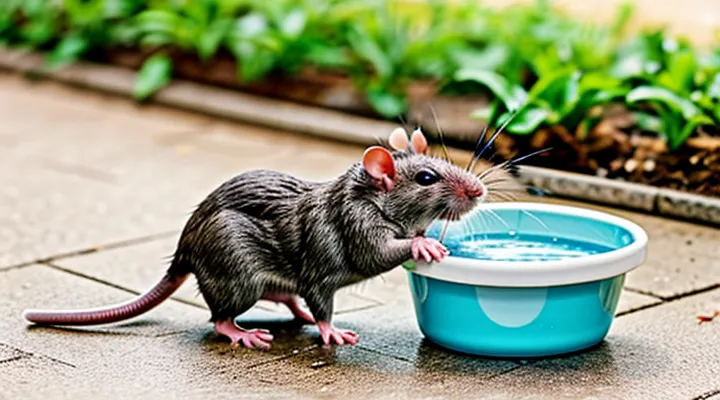
Understanding the Problem: Why Your Rat Might Not Be Drinking
Signs of Dehydration in Rats
Physical Indicators
When a rat stops drinking, observable physical signs reveal the animal’s hydration status and overall health.
- Skin elasticity declines; a gentle pinch on the scruff remains lifted for several seconds, indicating dehydration.
- Eyes appear sunken or dull, with reduced gloss and possible discoloration.
- Body weight drops rapidly; regular weighing detects a loss of 5 % or more within a few days.
- Fur becomes dry, brittle, and may stand away from the skin rather than lying flat.
- Activity diminishes; the rat moves sluggishly, spends more time curled up, and shows reduced exploration.
- Urine output lessens; small, concentrated droplets replace normal frequent, pale urine.
- Mouth and nasal passages feel dry to the touch; the tongue may appear tacky or cracked.
Assessment steps:
- Pinch the skin on the neck; note the time it takes to return to normal.
- Observe eye depth and brightness; compare with baseline images if available.
- Weigh the rat on a calibrated scale; record daily measurements.
- Run fingers through the coat; feel for dryness and brittleness.
- Monitor movement in the cage; count trips to the water bottle or feeding area.
- Check the bedding for urine volume and color.
- Gently open the mouth; examine tongue moisture and any crust formation.
If multiple indicators point to reduced hydration, provide immediate fluid support—offer fresh water, add electrolyte solution to food, and consider subcutaneous saline administration under veterinary guidance. Persistent signs demand professional evaluation to rule out underlying illness.
Behavioral Changes
When a rat stops drinking, its behavior often shifts in recognizable ways. Observing these shifts helps determine whether dehydration, illness, or environmental stress is the cause.
Typical behavioral alterations include:
- Reduced activity; the animal may remain in one corner or hide more often.
- Decreased grooming; fur appears dull and less clean.
- Altered feeding patterns; food intake drops or becomes erratic.
- Increased vocalizations or signs of agitation when approached.
- Changes in posture; a hunched or lethargic stance replaces normal alertness.
In addition to the above, note any abnormalities in social interaction. A normally sociable rat that isolates itself may be experiencing discomfort. Track the frequency and duration of these behaviors over 24‑hour periods to identify trends.
If multiple signs converge—especially lethargy, poor grooming, and diminished eating—intervention is warranted. Steps to address the underlying issue include:
- Verify water availability; ensure the bottle is clean, unobstructed, and positioned at a comfortable height.
- Assess cage conditions; temperature, humidity, and bedding must fall within species‑appropriate ranges.
- Examine the rat for physical symptoms such as nasal discharge, swelling, or wounds that could impede drinking.
- Offer alternative fluids (e.g., diluted electrolyte solution) using a syringe or shallow dish to encourage intake.
- Consult a veterinarian promptly if signs persist beyond a few hours or if the rat exhibits rapid weight loss.
Continuous monitoring of behavioral cues provides the earliest indication that a rat’s refusal to drink is more than a temporary preference, enabling timely corrective action.
Common Causes of Water Refusal
Environmental Factors
Environmental conditions directly influence a rat’s willingness to consume water. Excessive heat raises metabolic demand and may cause rapid dehydration, yet the animal may avoid water if the source is too warm. Conversely, low ambient temperature can reduce thirst drive, leading to reduced intake. Maintaining a stable temperature between 20 °C and 24 °C creates a comfortable range for normal drinking behavior.
Humidity affects water availability on the animal’s fur and skin. High humidity can create a damp environment that masks the sensation of thirst, while very dry air increases evaporative loss and may prompt the rat to seek water more frequently. Aim for relative humidity of 40–60 % to balance these effects.
Physical aspects of the cage contribute to water consumption. Small enclosures limit movement and may cause stress, discouraging drinking. Inadequate ventilation or loud equipment generate noise that can suppress appetite and thirst. Provide a spacious, well‑ventilated habitat with minimal acoustic disturbance.
Practical adjustments:
- Place a clean water bottle at the cage’s lower level, allowing easy access without climbing.
- Use a stainless‑steel or glass bottle to prevent corrosion and taste alteration.
- Verify that water temperature is near room temperature; avoid chilled or heated water.
- Replace water daily and sanitize the dispensing system weekly.
- Monitor bedding material for absorbency; avoid highly absorbent substrates that keep water away from the bottle.
- Ensure consistent lighting cycles (12 h light/12 h dark) to prevent circadian disruption.
Addressing these environmental parameters removes common barriers to hydration and encourages regular water intake in rats that initially refuse to drink.
Health Issues
A rat that stops drinking water faces rapid fluid loss, leading to electrolyte imbalance, kidney strain, and potentially fatal hypovolemic shock. Dehydration can also exacerbate underlying conditions such as respiratory infections or gastrointestinal disorders, reducing the animal’s ability to recover.
Typical indicators of insufficient hydration include skin tenting, sunken eyes, dry mucous membranes, lethargy, and reduced urine output. Weight loss of more than 5 % within a few days signals critical fluid deficit.
Immediate actions
- Offer fresh, clean water in a low‑profile bottle to encourage access.
- Add a few drops of electrolyte solution designed for small mammals.
- Provide moist, high‑water‑content foods (e.g., cucumber, melon) to increase intake.
- Check for obstructions or damage to the water bottle nozzle; replace if necessary.
- Monitor temperature and humidity; extreme heat accelerates fluid loss.
Veterinary intervention
- Schedule an urgent examination if dehydration signs persist after 12 hours.
- Expect subcutaneous or intraperitoneal administration of isotonic fluids.
- Anticipate blood tests to evaluate electrolyte levels, kidney function, and possible infection.
- Follow prescribed medication for any identified secondary illness (e.g., antibiotics for respiratory infection).
Preventive measures
- Maintain water bottles with daily cleaning to prevent biofilm buildup.
- Ensure water is positioned at a comfortable height and angle for the rat’s reach.
- Rotate fresh water every 24 hours to keep it palatable.
- Incorporate regular health checks, weighing the animal weekly to detect early weight loss.
- Provide a balanced diet rich in fruits and vegetables that supply additional moisture.
Bottle Malfunctions
When a laboratory or pet rat stops drinking, the water bottle often proves to be the first suspect. Faulty delivery mechanisms can create a barrier that discourages intake, leading to dehydration and health complications.
Common bottle problems and their indicators:
- Leak at the seal: water drips onto the cage floor, leaving the bottle empty quickly.
- Clogged nozzle: droplet formation stops, and the bottle appears full despite no flow.
- Improper placement: bottle tip too low or too high prevents the rat from reaching the spout.
- Brittle tubing: cracks develop, causing intermittent flow or complete blockage.
- Inadequate ventilation: pressure buildup inside the bottle halts water release.
Corrective actions:
- Inspect the seal and replace the gasket if moisture is present.
- Flush the nozzle with warm water, then soak in a mild disinfectant to dissolve residues.
- Adjust the bottle height so the spout aligns with the rat’s natural drinking posture.
- Examine tubing for cracks; substitute with fresh, flexible tubing approved for rodent use.
- Ensure the bottle vent hole remains unobstructed; clean any debris that may block airflow.
After repairs, monitor the rat for at least 24 hours. Verify that water consumption returns to baseline levels; if intake remains low, reassess the cage environment and consider alternative water delivery systems.
Immediate Actions and Solutions
Checking the Water Source
Ensuring Fresh Water
Providing a rat with consistently fresh water is the most reliable way to encourage drinking when the animal shows reluctance. Stagnant or contaminated water quickly becomes unappealing, and a rat will avoid it.
- Use a water bottle with a stainless‑steel or BPA‑free plastic spout; these materials do not leach chemicals and are easy to sanitize.
- Replace the water daily; even if the bottle appears full, bacteria can proliferate within hours.
- Rinse the bottle, spout, and tubing with warm, mild soap before each refill; rinse thoroughly to remove residue.
- Store the bottle in a cool, shaded area of the cage; temperatures above 75 °F accelerate bacterial growth and may alter taste.
- Position the bottle at a height that allows the rat to reach the spout without strain; ensure the tip is not blocked by bedding or toys.
If a rat still refuses to drink, observe the water for cloudiness, foul odor, or debris. Any sign of contamination requires immediate replacement of the entire system. Monitoring intake with a calibrated bottle helps detect subtle declines in consumption and prompts timely intervention. Maintaining these practices eliminates most environmental barriers to drinking and supports the rat’s health.
Inspecting the Water Bottle
When a rodent ignores its water source, the first diagnostic step is to examine the bottle itself. A malfunctioning container can create a false impression of scarcity, discouraging consumption.
- Verify that the bottle is securely attached to the cage. Loose fittings allow air to enter, preventing a proper seal and reducing water flow.
- Check the drinking spout for cracks, clogs, or mineral buildup. Flush the nozzle with warm water and, if necessary, use a thin brush to remove residue.
- Ensure the water level is sufficient. Low volume can cause the tube to retract, making the tip inaccessible.
- Inspect the tubing or straw for kinks or blockages. Straighten any bends and run water through the line to confirm unobstructed flow.
- Confirm that the bottle material is safe and free of odors. Plastic can absorb scents that deter rodents; replace if the container appears aged or discolored.
After completing these checks, refill the bottle with fresh, clean water and observe the rat’s response. If drinking resumes, the issue was likely mechanical; if not, proceed to evaluate other factors such as health status or environmental conditions.
Offering Alternative Water Sources
Providing a rat with water in a form it will accept is essential when the animal avoids a standard bottle. Offer a variety of sources to identify the most effective option.
- Dripping system: A small, adjustable drip dispenser supplies a steady stream that mimics natural water flow, encouraging drinking.
- Gel water blocks: Hydrogel cubes contain moisture and can be placed alongside food; rats often lick the surface for water.
- Shallow dishes: Ceramic or glass dishes with a wide opening reduce the risk of spillage and allow the rat to lap water directly.
- Syringe or dropper: A sterile syringe applied to the side of the cage delivers a few drops at a time, useful for dehydrated individuals.
- Flavored water: Adding a few drops of unsweetened fruit juice or a pinch of electrolyte powder can increase palatability, but monitor for excess sugar or salt.
When arranging alternatives, keep the following guidelines:
- Position sources at the cage’s lower level to match the rat’s natural drinking posture.
- Maintain water temperature between 20‑25 °C; cooler water may be rejected, while warm water can promote bacterial growth.
- Replace water daily to prevent contamination and ensure freshness.
- Observe the rat’s behavior for signs of preference; rotate options if one source is consistently ignored.
If a rat continues to refuse all offered sources, consult a veterinarian promptly to address potential health issues.
Stimulating Hydration
Encouraging Drinking with Treats
Rats that decline water often respond to positive reinforcement. Offering a small, moist treat can create a direct association between flavor and hydration.
- Choose treats with high water content, such as fresh fruit pieces (apple, melon) or vegetable slivers (cucumber, celery).
- Ensure the treat is free of added sugars or salts that could worsen dehydration.
- Present the treat on a clean surface near the water bottle to encourage the rat to approach the source.
- Limit each serving to a bite‑size portion; excessive calories interfere with normal feeding patterns.
- Observe the rat for a few minutes after consumption. If the animal begins to lap water from the bottle, repeat the process at regular intervals (every 2–3 hours).
When using commercial rat treats, select varieties formulated with natural moisture and without artificial additives. Soak dry treats briefly in water before offering; the soaked texture mimics the sensation of drinking and prompts the animal to ingest both the treat and the surrounding liquid.
If the rat continues to reject water after multiple treat sessions, consult a veterinarian. Persistent refusal may indicate underlying illness that requires medical intervention.
Providing Hydrating Foods
When a rat declines to drink, delivering moisture through food can prevent dehydration and support recovery. Moisture‑rich items supplement fluid intake without requiring the animal to drink directly, which is especially useful for timid or ill rats.
- Cucumber slices (≈95 % water) – cut into bite‑size pieces, serve fresh.
- Watermelon chunks (≈92 % water) – remove seeds, limit to small portions to avoid excess sugar.
- Celery sticks (≈95 % water) – offer thin strips to encourage chewing.
- Apple wedges (≈84 % water) – peel to reduce fiber, provide a few small pieces.
- Bell pepper strips (≈92 % water) – choose red or yellow for higher sweetness.
- Soft boiled egg whites (≈88 % water) – provide a protein‑rich, moist option.
Preparation guidelines: wash all produce thoroughly, remove any pesticides or contaminants, and present foods at room temperature to enhance palatability. Introduce one new item at a time to monitor tolerance and avoid gastrointestinal upset. Limit sugary fruits to prevent metabolic stress; balance with low‑sugar vegetables.
Observe the rat’s consumption over the next 24 hours. If intake remains low, increase the variety of hydrating foods or consider adding a few drops of electrolytic solution to the diet. Continue providing fresh water alongside moist foods to encourage gradual re‑establishment of normal drinking behavior.
Syringe Feeding Water
When a rodent will not voluntarily ingest fluids, syringe feeding becomes a practical rescue method. The technique delivers measured volumes of water directly into the oral cavity, bypassing the animal’s reluctance while minimizing stress.
First, assemble a 1‑ml or 3‑ml oral syringe, a sterile feeding needle or blunt-tipped catheter, and distilled or dechlorinated water at room temperature. Warm the liquid to approximately 37 °C; excessively hot or cold fluid can trigger gag reflexes.
Next, restrain the rat gently but firmly. Hold the animal in a supine position with the head slightly elevated. Insert the needle just behind the incisors, aiming toward the cheek pouch, and avoid the throat to prevent aspiration. Slowly depress the plunger, delivering 0.1–0.2 ml per session for a small adult; larger individuals may receive up to 0.5 ml. Pause after each increment to allow the animal to swallow before proceeding.
Observe for immediate reactions. Signs of successful intake include rhythmic jaw movement and the absence of liquid spillage. If the rat coughs, chokes, or shows distress, cease feeding and reassess needle placement. Frequent, small volumes (every 30–60 minutes) are safer than a single large dose.
Maintain hygiene throughout the process. Discard used syringes, sterilize reusable equipment, and clean the feeding area to prevent bacterial contamination. Record the total volume administered and the animal’s weight daily to monitor hydration status.
If the rat remains unwilling to accept syringe-delivered water after several attempts, or if signs of severe dehydration—such as sunken eyes, lethargy, or skin tenting—appear, consult a veterinarian promptly. Professional intervention may involve subcutaneous fluids or alternative feeding strategies.
Regular monitoring, precise dosing, and strict aseptic technique ensure that syringe feeding restores hydration efficiently while reducing the risk of complications.
When to Seek Veterinary Help
Recognizing Emergency Situations
When a rat stops drinking, the first priority is to determine whether the refusal signals an emergency. Immediate assessment focuses on physiological and behavioral indicators that suggest life‑threatening conditions.
Signs of an urgent situation include:
- Rapid weight loss measured over a few days
- Lethargy, inability to move normally, or collapse
- Labored breathing, wheezing, or nasal discharge
- Visible dehydration: skin tenting, dry mucous membranes, sunken eyes
- Bloody or discolored urine, or absence of urination
- Unusual aggression or severe pain response when handled
If any of these symptoms appear, initiate emergency protocols without delay. Contact a qualified veterinarian, provide a detailed description of observed signs, and arrange immediate transport. While waiting for professional assistance, keep the rat in a quiet, temperature‑controlled environment and offer small amounts of fresh, lukewarm water using a syringe if the animal can swallow safely.
In the absence of these critical signs, monitor the rat closely for 24–48 hours. Record water intake, food consumption, and activity levels twice daily. Consistent refusal to drink beyond this period still warrants veterinary evaluation, but it does not constitute an immediate crisis.
Preparing for a Vet Visit
When a pet rat stops drinking, a veterinary assessment is often required. Proper preparation ensures a swift examination and reduces stress for both animal and owner.
- Gather recent health records, including any previous diagnoses or treatments.
- Record the onset, duration, and frequency of the drinking refusal, noting any accompanying symptoms such as lethargy, weight loss, or changes in stool.
- Prepare a sample of the rat’s water source (bottled or bowl water) to demonstrate possible contamination or taste issues.
- Collect a fresh fecal sample in a sealed container for laboratory analysis.
- Bring a small, secure carrier lined with familiar bedding to keep the rat calm during transport.
During the appointment, provide the veterinarian with the documented observations and samples. Expect a physical exam, hydration assessment, and possibly blood work or imaging to identify underlying causes such as dental disease, gastrointestinal blockage, or infection. Follow the professional’s recommendations for treatment, fluid therapy, or dietary adjustments, and schedule any required follow‑up visits promptly.