
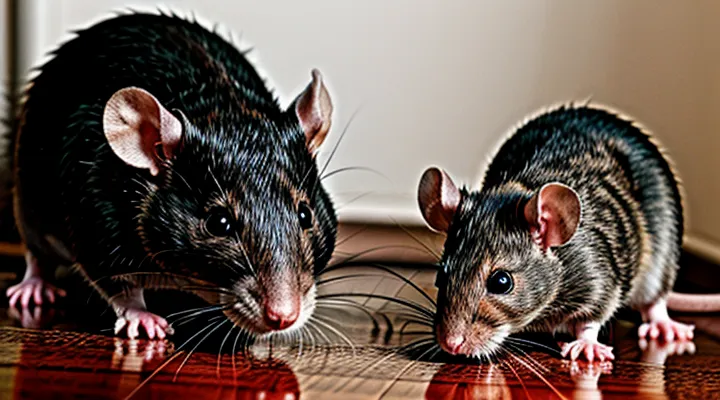
Understanding Rat Sounds
Normal Rat Vocalizations
«Squeaks and Chirps»
Rats emit high‑pitched squeaks and brief chirps as part of their natural vocal repertoire. These sounds usually occupy frequencies between 2 kHz and 10 kHz and differ from the low‑frequency chattering associated with aggressive encounters.
Typical triggers include:
- Social interaction – brief chirps signal greeting or submission when a rat meets a familiar companion.
- Mild stress – sudden squeaks arise when a rat is startled by a loud noise, rapid movement, or unexpected handling.
- Health concerns – persistent, irregular squeaking may indicate respiratory irritation, dental pain, or neurological irritation.
- Environmental changes – temperature spikes, humidity shifts, or inadequate bedding can provoke vocal distress.
When confronted with unfamiliar squeaks or chirps, follow these steps:
- Observe behavior – note posture, grooming, activity level, and any signs of lethargy or aggression.
- Check the habitat – ensure proper ventilation, stable temperature (18‑24 °C), low humidity, and sufficient enrichment items.
- Inspect for injury or illness – look for nasal discharge, labored breathing, drooling, or abnormal gait.
- Limit stressors – reduce sudden noises, avoid excessive handling, and maintain a consistent daily routine.
- Consult a veterinarian – if vocalizations persist beyond a few minutes, are accompanied by physical symptoms, or increase in frequency, seek professional assessment promptly.
Accurate interpretation of squeaks and chirps, combined with swift environmental and health checks, prevents escalation and supports the rat’s well‑being.
«Purrs and Grinding Teeth (Bruxing)»
Rats may emit low‑frequency purr‑like noises or produce a rapid grinding of their teeth, known as bruxing. Both sounds can indicate discomfort, stress, or underlying health problems and require prompt attention.
The purring sound often resembles a soft hum and may accompany contentment, but it can also signal respiratory distress or pain when paired with labored breathing. Bruxing usually appears during sleep or while the animal is restrained; it frequently reflects dental issues, neurological irritation, or anxiety.
To evaluate the situation, follow these steps:
- Observe the rat’s posture, grooming habits, and activity level for signs of illness.
- Check the oral cavity for overgrown incisors, visible lesions, or foreign objects.
- Listen for accompanying noises such as wheezing, choking, or high‑pitched squeaks.
- Record the frequency and duration of each sound to identify patterns.
If the assessment reveals dental overgrowth, trim the incisors using a proper rodent file or seek veterinary assistance. When respiratory symptoms accompany the purr, improve ventilation, reduce drafts, and consider a veterinary examination for potential infection or airway obstruction. Persistent bruxing without an obvious dental cause warrants a health check to rule out neurological disorders or chronic stress; environmental enrichment and consistent handling can reduce anxiety‑related grinding.
Implementing these measures reduces the likelihood of escalation and promotes the rat’s well‑being when unusual vocalizations occur.
Identifying Abnormal Sounds
«Screaming and Shrieking»
Rats emit high‑pitched screams or shrieks when they experience extreme stress, pain, or threat. The sound is a rapid, piercing vocalization that differs from normal squeaking in volume and intensity. Recognizing this signal is essential for preventing injury to the animal and for maintaining a safe environment.
Identify the source promptly. Locate the rat by following the direction of the noise, noting any visible signs of injury, entrapment, or exposure to predators. If the animal is in a trap, release it gently while wearing gloves to avoid additional stress.
Assess immediate needs.
- Check for physical damage such as bite wounds, broken limbs, or bleeding.
- Observe for signs of respiratory distress, such as rapid breathing or labored inhalation.
- Determine whether the rat is trapped in a confined space or exposed to extreme temperature.
Provide urgent care.
- If bleeding is present, apply a sterile gauze pad with gentle pressure.
- For minor injuries, clean the area with a mild antiseptic solution.
- In cases of severe trauma or persistent distress, contact a licensed veterinarian or a wildlife rehabilitation center without delay.
Reduce environmental triggers. Remove sources of loud noise, sudden movements, and predatory cues. Ensure the habitat offers adequate hiding places, stable temperature, and proper ventilation to lower stress levels.
Monitor recovery. Keep the rat under observation for at least 24 hours, noting changes in vocalization, activity, and appetite. Document any recurring screams, as repeated episodes may indicate chronic pain or illness requiring professional diagnosis.
Implement preventive measures. Secure cages, eliminate gaps that allow escape, and provide enrichment items that satisfy natural foraging behavior. Regular health checks will help detect problems before they provoke extreme vocalizations.
«Wheezing and Clicking»
When a pet rat produces wheezing or clicking noises, the sounds usually signal respiratory distress, dental issues, or neurological irritation. Recognize the pattern: wheezing is a high‑pitched, breath‑linked sound; clicking often occurs during chewing or when the jaw is misaligned.
First, isolate the rat from other animals and reduce stressors. Observe the frequency, duration, and any accompanying symptoms such as nasal discharge, labored breathing, or reduced activity. Record this information before seeking professional help.
Next, perform immediate care steps:
- Check the cage environment for ammonia buildup; replace bedding and improve ventilation if the air smells strong.
- Ensure the diet includes fresh water, high‑quality rodent pellets, and occasional leafy greens to support dental health.
- Gently examine the mouth for overgrown incisors or foreign objects; do not force the mouth open if resistance occurs.
- Keep the rat warm but not overheated; use a low‑heat pad covered with a towel for short periods.
- Contact a qualified exotic‑pet veterinarian within 24 hours, providing the recorded observations.
During the veterinary visit, expect a physical examination, possible radiographs, and a full blood panel to identify infections, pneumonia, or neurological conditions. Follow the prescribed treatment plan precisely, which may include antibiotics, anti‑inflammatory medication, or dental trimming.
After treatment, monitor the rat daily for recurrence of wheezing or clicking. Maintain clean housing, balanced nutrition, and regular health checks to prevent future episodes.
«Coughing and Choking»
When a rat emits irregular noises, coughing and choking often indicate respiratory trouble. Recognizing these symptoms prevents escalation.
Coughing appears as short, sharp bursts followed by a pause, sometimes accompanied by wheezing. The rat may pause its activity to clear the throat repeatedly. Choking presents as gagging, an inability to inhale or exhale smoothly, and occasional frothy saliva at the mouth. Both conditions can stem from dust, mold, foreign objects, or underlying illness.
Immediate response:
- Remove the rat from any dusty or smoky environment.
- Place the animal on a flat surface, gently support its head, and inspect the mouth for visible obstructions.
- If an object is seen, use tweezers or a blunt instrument to extract it carefully; avoid pushing it deeper.
- Offer a few drops of warm, sterile saline to moisten the airway and ease irritation.
- Keep the rat in a humidified enclosure for 10‑15 minutes, monitoring breathing frequency.
Observe for persistent coughing, blood in saliva, or inability to breathe after the initial intervention. Any of these signs warrants prompt veterinary evaluation, as they may signal pneumonia, tracheal collapse, or severe obstruction that requires professional treatment.
Potential Causes of Strange Rat Sounds
Respiratory Issues
«Mycoplasma Pulmonis»
Unusual vocalizations or wheezing in a rat often signal a respiratory problem. One common cause is infection by the bacterium Mycoplasma pulmonis, which colonizes the respiratory tract and induces inflammation, fluid accumulation, and airway obstruction.
The organism lacks a rigid cell wall, making it resistant to many conventional antibiotics. Diagnosis typically involves:
- Clinical observation of nasal discharge, labored breathing, and audible squeaks or chirps.
- Nasal or lung swabs examined by PCR or culture to confirm M. pulmonis presence.
- Radiographic imaging to assess pulmonary infiltrates and sinus involvement.
Effective management includes:
- Initiating treatment with antibiotics known to penetrate mycoplasmal membranes, such as doxycycline or enrofloxacin, following veterinary prescription.
- Providing supportive care: humidified environment, warm bedding, and easy access to water and food.
- Monitoring respiratory rate and sound frequency twice daily; any worsening warrants immediate veterinary reassessment.
- Isolating the affected animal to prevent transmission to cage mates, as the pathogen spreads through aerosolized droplets and direct contact.
Prevention focuses on maintaining optimal husbandry conditions—regular cage cleaning, adequate ventilation, and minimizing stressors that compromise immune function. Vaccination against M. pulmonis is not widely available; therefore, strict biosecurity and prompt treatment remain the primary defenses against outbreaks.
«Bacterial Infections»
When a rodent emits atypical noises, bacterial infection should be considered as a potential cause. Infections can affect the respiratory, gastrointestinal, or nervous systems, each capable of altering vocalizations.
Signs that bacterial involvement is likely include:
- Nasal discharge, sneezing, or coughing that accompany the sounds.
- Fever, lethargy, or loss of appetite observed alongside vocal changes.
- Swelling or redness around the head, throat, or abdomen.
If these symptoms appear, immediate steps are essential:
- Isolate the animal to prevent spread to other pets or humans.
- Contact a qualified veterinarian promptly; request diagnostic tests such as culture, PCR, or radiography to identify the pathogen.
- Follow prescribed antimicrobial therapy exactly, completing the full course even if improvement occurs early.
- Maintain a clean environment: sterilize cages, bedding, and feeding equipment; disinfect surfaces with agents effective against Gram‑positive and Gram‑negative bacteria.
- Monitor temperature and behavior twice daily; record any changes and report them to the veterinarian.
Understanding the link between abnormal vocalizations and bacterial disease enables swift intervention, reducing morbidity and preventing complications.
«Allergies and Irritants»
When a rodent begins emitting atypical noises, one possible trigger is an allergic reaction or exposure to environmental irritants. Allergens such as pollen, dust mites, mold spores, or strong fragrances can cause nasal congestion, throat irritation, and respiratory distress, prompting the animal to vocalize distress. Chemical irritants—including cleaning agents, aerosol sprays, or pesticide residues—may inflame mucous membranes, leading to heightened vocal activity.
Identifying and eliminating the source of irritation reduces stress and prevents further abnormal sounds. The following actions are recommended:
- Inspect the enclosure for visible mold, damp bedding, or accumulated dust; replace soiled material with low‑dust, hypoallergenic substrate.
- Remove scented products, strong detergents, or aerosol sprays from the vicinity of the cage.
- Ensure proper ventilation to dilute airborne allergens; consider using an air purifier with a HEPA filter.
- Observe the rat for additional signs of respiratory trouble—labored breathing, sneezing, or nasal discharge—and consult a veterinarian if symptoms persist.
- Conduct a brief isolation test: temporarily relocate the rat to a clean, neutral environment; if vocalizations cease, the original habitat likely contains the irritant.
Promptly addressing allergens and irritants not only quiets unusual sounds but also supports overall respiratory health and welfare.
Pain or Discomfort
«Injury or Trauma»
When a rat emits unusual noises, injury or trauma should be considered first. Sudden vocalizations often indicate pain, bruising, or broken bones caused by falls, cage mishandling, or aggressive encounters with other animals.
Assess the rat promptly:
- Observe for limping, swelling, or visible wounds.
- Check the abdomen and back for tenderness by gently pressing along the spine.
- Look for blood, discharge, or abnormal posture.
- Note any changes in eating, drinking, or grooming behavior.
If any sign of injury is detected, isolate the rat in a quiet, safe enclosure and contact a veterinarian experienced with rodents. Provide basic first‑aid only: keep the animal warm, avoid further handling, and prevent exposure to predators or other pets until professional care is obtained.
«Dental Problems»
Unusual vocalizations in a pet rat often point to dental distress. The continuously growing incisors can develop misalignment, overgrowth, or injury, all of which produce audible grinding, squeaking, or chattering.
Rats’ incisors erupt at a rate of up to 0.5 mm per day. When the bite does not self‑sharpen, the teeth may become too long, creating a sharp edge that irritates the oral cavity and forces the animal to emit abnormal sounds while chewing or breathing.
Typical indicators of dental problems include:
- Persistent grinding or chattering noises
- Reluctance to eat solid foods
- Dropping or unevenly shaped food pieces
- Visible overgrown incisors or misaligned bite
- Swelling or redness around the mouth
If these signs appear, follow a structured response:
- Conduct a visual inspection in a well‑lit area; use a soft light and gentle restraint to assess tooth length and alignment.
- Offer safe chew objects (untreated wooden blocks, mineral chews) to encourage natural wear.
- Adjust diet to include softer foods (steamed vegetables, softened pellets) while maintaining nutritional balance.
- Schedule an appointment with a qualified exotic‑animal veterinarian for professional trimming, radiographs, or treatment of underlying infections.
Long‑term prevention relies on continuous access to chewable materials, regular health checks, and a diet that promotes natural tooth wear. Maintaining these conditions reduces the likelihood that dental discomfort will manifest as abnormal sounds.
«Abdominal Pain»
When a rodent emits atypical vocalizations, abdominal discomfort often underlies the behavior. The gastrointestinal tract can become inflamed, obstructed, or infected, prompting the animal to produce high‑pitched squeaks, chattering, or whining sounds. Recognizing abdominal pain early prevents escalation to severe distress or mortality.
Key indicators of abdominal pain in a rat include:
- Tensed abdomen, reduced movement, or hunched posture
- Reluctance to eat or drink, accompanied by weight loss
- Guarding behavior when the belly is touched
- Rapid, shallow breathing and increased heart rate
- Excessive grooming of the mid‑body region
Immediate actions:
- Isolate the rat in a quiet, warm enclosure to reduce stress.
- Observe for additional symptoms such as diarrhea, blood in feces, or vomiting.
- Gently palpate the abdomen; if resistance or pain is evident, cease handling.
- Contact a veterinarian experienced with exotic pets; provide a detailed description of sounds, behavior, and any visible signs.
- Follow professional recommendations for diagnostics (e.g., radiography, ultrasound) and treatment (analgesics, antibiotics, dietary adjustments). Prompt veterinary intervention is essential to address underlying causes and alleviate pain.
Stress and Fear
«New Environment»
When a rodent begins to vocalize oddly after being placed in an unfamiliar setting, the change often signals stress, disorientation, or adaptation challenges. The new surroundings alter sensory cues, temperature gradients, and scent markers, prompting the animal to emit atypical sounds as a coping mechanism.
To address the situation, follow these precise actions:
- Stabilize the habitat: Keep temperature, lighting, and humidity consistent with the rat’s previous enclosure.
- Introduce familiar objects: Place bedding, tunnels, or nesting material from the original environment to provide recognizable landmarks.
- Limit sudden disturbances: Reduce noise, movement, and handling for at least 48 hours to allow the animal to acclimate.
- Monitor vocalizations: Record frequency and intensity; a gradual decline indicates successful adjustment, while persistent high-pitched or distressed sounds may require veterinary evaluation.
- Gradual exposure: If a permanent relocation is intended, transition the rat over several days, incrementally increasing time spent in the new area while maintaining access to the old one.
Implementing these steps restores environmental familiarity, mitigates anxiety, and reduces abnormal vocal output. Continuous observation ensures the rat’s health and welfare remain uncompromised during the transition.
«Aggression from Cagemates»
When a rat produces unusual noises, the source often lies in social tension within the cage. Aggressive interactions among cagemates generate stress signals that manifest as chattering, squeaking, or low‑frequency growls.
Typical aggression indicators include:
- Rapid lunging or biting directed at a specific individual.
- Persistent dominance posturing, such as standing tall on hind legs.
- Visible wounds, hair loss, or bruising on one or more rats.
- Elevated grooming or scratching behavior that accompanies vocalizations.
Effective response steps:
- Separate the offending rat from the group in a neutral, clean enclosure.
- Monitor each animal for injuries and provide wound care if needed.
- Re‑evaluate cage size, enrichment, and feeding stations; ensure each rat has adequate space and resources to reduce competition.
- Gradually re‑introduce rats using a neutral arena, observing for repeated aggression.
- If hostility persists, consider permanent segregation or consult a veterinarian experienced in rodent behavior.
Prompt intervention prevents chronic stress, supports recovery, and restores a stable auditory environment within the colony.
«Loud Noises or Sudden Movements»
When a rat begins to emit atypical vocalizations, abrupt sounds or rapid motions in its surroundings often trigger the behavior. The animal perceives these stimuli as threats, leading to heightened agitation and unusual noises.
- Reduce ambient volume: turn off televisions, radios, and loud appliances; keep doors closed to block external traffic.
- Stabilize the environment: avoid sudden door slams, rapid furniture rearrangements, or unexpected human movement near the cage.
- Provide a secure hiding place: add a solid shelter or tunnel within the enclosure so the rat can retreat when startled.
- Monitor response: observe whether the sounds diminish after noise reduction and movement control; if they persist, assess health indicators such as breathing rate and appetite.
Implementing these measures creates a calmer setting, decreasing the likelihood that loud disturbances or swift actions will provoke further vocal distress.
Behavioral Considerations
«Dominance Displays»
When a pet rat emits unfamiliar sounds, the vocalizations often signal a dominance display rather than illness or distress. Dominance displays combine auditory cues with body language to establish hierarchy within the colony or to assert control over a perceived intruder.
Typical features of a dominance display include:
- High‑pitched squeaks or chattering that differ from normal grooming or contentment noises.
- Rapid, repetitive foot‑stamping on the cage floor.
- Upright posture, tail raised, and whiskers positioned forward.
- Direct, fixed gaze toward the source of the disturbance, sometimes accompanied by teeth grinding.
These signals serve two purposes: they warn rivals and reinforce the rat’s rank. Recognizing the pattern prevents misinterpretation as a health emergency and guides appropriate intervention.
Practical steps for handling dominance‑related sounds:
- Pause interaction and observe the rat’s posture and behavior for at least five minutes.
- Reduce stimuli that may trigger competition, such as sudden movements, loud noises, or the introduction of unfamiliar rats.
- Provide additional hiding spaces and elevated platforms to allow subordinate individuals to retreat.
- If the dominant rat repeatedly harasses a cage‑mate, consider temporary separation in adjacent cages with visual barriers.
- Maintain a consistent feeding schedule; predictable food access diminishes competition-driven vocalizations.
- Monitor the situation for 24–48 hours; persistent aggression may require consultation with a veterinary professional experienced in rodent behavior.
Understanding that strange sounds can represent a dominance display enables owners to respond with targeted environmental adjustments rather than unnecessary medical interventions.
«Mating Calls»
Rats emit a variety of vocalizations; a high‑pitched, repetitive chirp often signals a mating call. This sound differs from distress squeaks by its steady rhythm, longer duration, and lack of urgency. Recognizing a mating call helps prevent misinterpretation of the animal’s behavior and guides appropriate response.
If a rat in your home or laboratory produces such calls, consider the following actions:
- Verify that the sound matches the characteristic pattern of a mating call; listen for a continuous, evenly spaced series of squeaks lasting several seconds.
- Ensure the environment provides sufficient space and enrichment to reduce stress, which can amplify vocal activity.
- If the rat is a solitary male, anticipate the arrival of a female; secure any other rodents to prevent unintended breeding.
- Adjust lighting cycles to mimic natural dusk‑dawn periods, as mating calls peak during twilight hours.
- Monitor the rat for accompanying behaviors—such as increased grooming, mounting attempts, or territorial marking—to confirm reproductive intent.
- In research settings, document the occurrence, frequency, and context of the calls for accurate data interpretation.
When the calls are frequent and unwanted, implement the following preventative measures:
- Separate sexes to eliminate breeding opportunities.
- Provide additional nesting material and chew toys to channel energy away from vocal displays.
- Maintain stable temperature and humidity, as extreme conditions can intensify reproductive signaling.
Understanding that these vocalizations are natural, hormonally driven communication allows you to manage the situation without unnecessary disturbance to the animal’s welfare.
What to Do When Your Rat Makes Strange Sounds
Immediate Actions
«Observe and Document»
When a rat produces unfamiliar noises, the first response should be systematic observation. Directly note the circumstances surrounding each sound to distinguish normal communication from potential distress or disease.
Record the following data for every audible event: exact time, location within the enclosure, description of the sound (pitch, rhythm, duration), accompanying behaviors (e.g., grooming, agitation, nesting), and environmental variables such as temperature, lighting, and recent disturbances.
- Use a digital audio recorder set to capture the full frequency range of rodent vocalizations.
- Supplement audio with brief video clips that capture body language.
- Log observations in a dedicated notebook or electronic spreadsheet, assigning a unique identifier to each incident.
- Include reference points, such as previous recordings of the same individual, to track changes over time.
Maintain the log in a secure, backed‑up format. Consistent documentation creates a reliable baseline, enabling accurate assessment of the rat’s health and informing subsequent intervention strategies.
«Isolate If Necessary»
When a rodent emits unusual noises, the first priority is to prevent the sound from spreading stress to other animals and to protect human occupants. Isolation becomes essential if the creature shows signs of illness, aggression, or distress.
Create a secure, ventilated enclosure separate from other pets. Use a cage with solid walls and a tight-fitting lid to contain sound and limit escape. Place the enclosure in a quiet room away from food preparation areas. Provide fresh water, appropriate bedding, and a small amount of familiar food to reduce panic.
Monitor the rat continuously. Record the duration, frequency, and pattern of the noises. If the sounds persist for more than a few minutes, or if the animal exhibits lethargy, coughing, or aggressive bites, contact a veterinarian promptly.
Maintain hygiene throughout the isolation period. Disinfect the enclosure daily with a mild, non‑toxic cleaner. Wash hands before and after handling to avoid cross‑contamination.
If the rat recovers and the noises cease, gradually reintroduce it to the main habitat under supervision. Keep the enclosure available for future incidents to ensure rapid response.
«Check Environment for Stressors»
When a rat emits atypical noises, the first diagnostic step is to evaluate the surrounding conditions for potential stressors. Environmental factors can trigger vocalizations that mimic distress, pain, or agitation. A systematic inspection isolates the cause and guides appropriate intervention.
Begin by surveying the cage and its immediate area. Look for:
- Excessive ambient noise (e.g., loud music, appliances, traffic) that may startle the animal.
- Temperature extremes; ensure the enclosure remains within the 68‑78 °F range.
- Direct drafts or sudden lighting changes that disrupt the rat’s circadian rhythm.
- Inadequate ventilation leading to stale air or strong odors from cleaning agents.
- Overcrowding or aggressive cage‑mates that generate social tension.
- Insufficient nesting material or lack of enrichment objects, which can cause boredom and anxiety.
- Poor water quality or contaminated food, both of which can produce discomfort.
After identifying any irregularities, adjust the environment promptly. Reduce noise levels, stabilize temperature, provide consistent lighting cycles, and improve airflow. Separate incompatible individuals, enrich the habitat with tunnels, chew toys, and nesting pads, and verify that food and water meet hygiene standards. Continuous monitoring of these variables helps prevent recurrence of abnormal vocal behavior and supports the rat’s overall well‑being.
When to Contact a Veterinarian
«Persistent or Worsening Sounds»
When a rat continues to emit unusual noises or the sounds become louder over time, the situation may indicate distress, illness, or a developing problem within the enclosure. Immediate assessment and appropriate response are essential to protect both the animal’s health and the safety of the environment.
- Observe the sound pattern: note frequency, duration, and any changes in pitch or intensity. Consistent high‑pitched squeaks often signal pain, while repetitive chattering can precede aggression.
- Check the rat’s physical condition: look for signs of injury, swelling, respiratory difficulty, or abnormal posture. Examine the ears, eyes, and fur for discharge or lesions.
- Inspect the habitat: ensure proper ventilation, temperature, and humidity. Remove any sources of excessive noise, strong odors, or contaminants that could aggravate the rat’s stress level.
- Provide immediate care: if the rat shows signs of injury or illness, isolate it from companions and contact a qualified veterinarian. Keep the animal warm, hydrated, and quiet while awaiting professional advice.
- Monitor after intervention: record any changes in vocalization for at least 24 hours. A reduction in persistent sounds typically indicates successful mitigation; continued or worsening noises require follow‑up veterinary evaluation.
Prompt identification of persistent or escalating vocalizations prevents complications and supports the rat’s well‑being.
«Accompanying Symptoms (Lethargy, Appetite Loss)»
When a rodent emits unusual noises, it often signals underlying health issues that require immediate attention. Two of the most common accompanying signs are reduced activity levels and a decline in food intake. Both symptoms can indicate stress, infection, or metabolic disturbances that, if left unchecked, may progress to severe illness.
- Lethargy: Noticeable decrease in movement, reluctance to explore, and prolonged periods of rest.
- Appetite loss: Failure to eat or drink, weight reduction, and absence of interest in preferred foods.
Observe the rat closely for these indicators. Record the frequency and duration of each symptom, then contact a qualified veterinarian with the documented information. Prompt professional evaluation can prevent complications and improve the chances of recovery.
«Signs of Distress or Difficulty Breathing»
When a rat emits atypical noises, respiratory problems may be the underlying cause. Recognizing the physical cues that accompany breathing difficulty allows timely intervention and prevents escalation.
Key indicators of distress or compromised airflow include:
- Labored chest movements; the ribcage expands irregularly or appears frozen.
- Audible wheezing, high‑pitched squeaks, or a continuous gasp.
- Rapid, shallow breathing that exceeds the normal rate of 70–120 breaths per minute.
- Nasal discharge that is thick, foamy, or tinged with blood.
- Cyanotic coloration of the gums, tongue, or skin, appearing bluish or gray.
- Unresponsiveness to gentle stimulation, coupled with a lack of normal activity.
If any of these signs are observed, act immediately:
- Transfer the rat to a quiet, warm environment to reduce stress.
- Keep the airway clear; remove bedding or debris that could obstruct breathing.
- Provide supplemental oxygen using a small, low‑flow device if available.
- Contact a veterinarian experienced with rodents without delay, describing the sounds and observed symptoms.
Prompt identification of respiratory distress saves lives and minimizes suffering.
Preparing for a Vet Visit
«Record Sounds (Audio/Video)»
When a rodent emits atypical noises, capturing the audio or video evidence is essential for accurate identification and appropriate response. Recording provides a permanent reference that can be examined by pest‑control professionals, veterinarians, or researchers, reducing reliance on memory and speculation.
Select equipment that matches the environment. A digital voice recorder with a directional microphone works well in quiet indoor spaces; a smartphone with a high‑resolution camera and built‑in microphone suffices for most household scenarios. For outdoor or noisy settings, use a shotgun microphone or a wildlife‑grade recorder with wind protection. Verify battery life and storage capacity before beginning.
Position the device to maximize signal quality while maintaining safety. Place the recorder a few feet from the suspected source, avoiding direct contact with the animal. If the rat is hidden, aim the microphone toward likely entry points such as holes, vents, or gnawed materials. When video is required, ensure adequate lighting and set the camera on a stable surface or tripod.
Document contextual details alongside the recording. Record the date, time, location, temperature, and any observable behavior. Note any concurrent sounds (e.g., footsteps, appliances) that could interfere with analysis. Store this metadata in a simple text file linked to the audio/video file.
After capturing the material, follow these steps:
- Transfer files to a secure computer; create duplicate backups on separate drives or cloud storage.
- Use audio‑editing software to isolate the rat’s vocalizations, removing background noise where possible.
- Compare the filtered sounds with reference libraries of rodent calls to determine whether the noises indicate distress, mating, or aggression.
- Share the final clips with qualified experts for confirmation and recommended actions.
Consistent recording practices enable precise assessment of unusual rodent sounds and support informed decision‑making regarding mitigation or treatment.
«Note Onset and Frequency»
When a rodent emits unfamiliar noises, the precise moment the sound begins (note onset) and the vibration rate of the waveform (frequency) provide the most reliable clues about the animal’s state. Note onset marks the transition from silence to acoustic activity; measuring the interval between successive onsets reveals rhythm patterns that differentiate normal communication from stress‑induced vocalizations. Frequency determines pitch; higher frequencies often accompany alarm calls, while lower frequencies may indicate territorial displays or health issues.
Analyzing these acoustic features allows observers to classify the sound without visual confirmation. A sudden, irregular onset coupled with a broad frequency sweep typically signals panic or pain. Consistent, rhythmic onsets at a narrow, mid‑range frequency usually represent routine social interaction. Deviations from established patterns merit immediate attention.
Practical response procedure:
- Capture the sound with a portable recorder; ensure a sampling rate of at least 44.1 kHz to preserve onset detail.
- Use spectrographic software to locate each onset and extract dominant frequency values.
- Compare measured parameters against a reference library of known rat vocalizations (e.g., distress, aggression, mating).
- If the profile matches distress or pain, isolate the animal, inspect for injury, and provide veterinary care.
- If the profile matches aggression, secure the environment, eliminate triggers, and consider humane relocation.
- Document findings and repeat measurements to monitor changes over time.
«Provide Detailed History»
Rats have been observed vocalizing for centuries, but systematic documentation began in the late 19th century when naturalists recorded squeaks and chirps during laboratory experiments. Early descriptions focused on audible calls associated with distress or aggression, noting that high‑frequency sounds differed from ordinary squeaks. These observations laid the groundwork for later acoustic analyses.
In the 1950s, researchers at the University of Chicago introduced ultrasonic recording equipment, revealing that rats emit sounds above 20 kHz, invisible to the human ear. Subsequent studies identified distinct ultrasonic patterns linked to social behaviors such as mating, territorial disputes, and predator avoidance. The discovery of “alarm calls” in the 1970s clarified that certain rattling sequences serve as warning signals to conspecifics.
The 1990s marked a shift toward neurobiological investigation. Experiments using electrophysiology demonstrated that specific brain regions, including the amygdala and auditory cortex, process these vocalizations. Parallel work in ethology established a taxonomy of rat sounds: “22‑kHz calls” for anxiety, “50‑kHz calls” for positive states, and irregular “trills” that often precede exploratory activity.
Recent advances (2000‑present) employ high‑resolution spectrographs and machine‑learning classifiers to differentiate normal versus abnormal acoustic signatures. Data indicate that atypical, low‑frequency, or irregular patterns may signal illness, injury, or environmental stress. Historical progression from anecdotal notes to precise acoustic profiling informs current protocols for interpreting unusual rat noises.
Preventing Strange Rat Sounds
Optimal Cage Environment
«Proper Ventilation and Temperature»
Proper ventilation reduces the buildup of carbon dioxide and ammonia, gases that can irritate a rat’s respiratory system and trigger abnormal vocalizations. Ensure airflow of at least 15 cubic feet per minute per square foot of cage space, using a filtered exhaust fan or a well‑ventilated room with fresh air exchange every 30 minutes.
Maintain ambient temperature within the species’ comfort range, typically 68–74 °F (20–23 °C). Temperatures above this span increase metabolic stress, potentially causing distress calls. Temperatures below the range can lead to hypothermia, also resulting in unusual sounds.
- Verify that cages are placed away from direct drafts and heat sources.
- Use a digital hygrometer to keep humidity between 40 % and 60 %; excessive humidity compounds respiratory irritation.
- Install a thermostat‑controlled heater or cooling pad to prevent temperature fluctuations exceeding 5 °F (3 °C) within a 24‑hour period.
- Conduct daily inspections of ventilation filters and replace them when airflow drops by more than 20 %.
These measures create a stable environment that minimizes physiological stress, thereby reducing the likelihood of atypical vocal behavior.
«Dust-Free Bedding»
When a pet rat produces unfamiliar vocalizations, respiratory irritation often contributes to stress and altered behavior. Dust‑laden bedding can provoke sneezing, nasal discharge, and throat discomfort, which in turn may trigger the unusual sounds. Eliminating dust from the enclosure’s substrate reduces airway irritation and supports a calmer animal.
- Choose bedding made from compressed paper, kiln‑dried wood shavings, or hemp fibers; all are low‑dust alternatives.
- Verify that the product is labeled “dust‑free” or “low‑dust” and that packaging lists minimal particulate content.
- Replace soiled bedding weekly; fully remove debris, clean the cage with a mild, non‑fragranced disinfectant, and dry thoroughly before adding fresh substrate.
- Monitor the rat’s breathing and vocal patterns after the bedding change; improvement within 48 hours suggests the previous material was a contributing factor.
- Combine dust‑free bedding with adequate ventilation and a stable temperature to further minimize respiratory strain.
By selecting and maintaining a dust‑free substrate, owners address a common physiological trigger for atypical rat sounds, promoting health and reducing the likelihood of persistent vocal disturbances.
«Adequate Space and Enrichment»
Rats that emit unusual sounds often signal stress, discomfort, or boredom. Providing a cage that meets size requirements and includes diverse enrichment eliminates many triggers of vocal distress.
A cage should allow at least 0.5 sq ft of floor space per adult rat, with vertical height equal to the floor area to accommodate climbing. Solid walls prevent drafts, while a secure lid eliminates escape attempts that provoke anxiety.
Enrichment items must be rotated regularly to maintain interest. Essential components include:
- Multiple levels or platforms for climbing.
- Tubes, tunnels, and hideouts that simulate burrows.
- Chewable objects such as untreated wood blocks or mineral sticks.
- Puzzle feeders that require problem‑solving to access food.
- Safe, non‑toxic toys that encourage exploration.
Arrange items so that the rat can move freely between them without obstruction. Ensure all accessories are cleaned weekly to prevent odor buildup, which can increase vocalization.
Monitor the rat’s behavior after adjustments. A reduction in strange sounds within 24–48 hours indicates that space and enrichment are effectively mitigating stress. If noises persist, consider additional factors such as health issues or social needs.
Dietary Management
«Nutritious and Balanced Diet»
When a pet rat produces atypical noises, nutritional deficiencies are a common trigger. An inadequate diet can cause discomfort, stress, or digestive upset, all of which may manifest as odd sounds.
- Protein sources: lean meat, boiled egg, low‑fat cottage cheese; aim for 15‑20 % of total calories.
- Carbohydrates: whole‑grain oats, barley, quinoa; provide steady energy without spikes.
- Fiber: cooked pumpkin, celery, small amounts of bran; supports gut motility and reduces gas.
- Vitamins and minerals: a commercial rodent supplement or a blend of leafy greens (kale, spinach) and fortified pellets; prevents deficiencies that affect vocal cord health.
- Hydration: fresh water daily; consider a bottle with a drip guard to encourage consistent intake.
Monitor the rat’s behavior after dietary adjustments. A reduction in abnormal vocalizations within 48–72 hours suggests the diet was a contributing factor. If noises persist, re‑evaluate portion sizes, eliminate potential allergens, and consult a veterinarian for further assessment.
«Avoid Sugary Treats»
Unusual noises from a rat often signal discomfort, metabolic imbalance, or heightened anxiety. Excessive sugar intake directly influences these conditions. High‑glycaemic foods cause rapid blood‑glucose spikes, leading to irritability, tremors, and increased vocal activity. Over time, sugar overload damages dental health, disrupts gut flora, and weakens immune function, all of which can manifest as atypical sounds.
Limiting sugary treats stabilizes blood‑sugar levels, reduces stress‑induced vocalizations, and supports overall well‑being. Replace candy, fruit‑flavored gels, and sweetened pellets with nutritionally balanced options:
- Plain laboratory rodent blocks formulated for low sugar content.
- Fresh vegetables such as carrots, broccoli, or leafy greens.
- Small portions of unsweetened whole‑grain cereals.
- Protein sources like boiled egg or cooked lean meat (in moderation).
Monitor the rat after removing sweet snacks. A noticeable decline in strange noises within several days indicates dietary correction. If vocalizations persist, evaluate other factors—environmental noise, temperature, or medical issues—and consult a veterinarian.
Regular Health Checks
«Daily Observation»
Daily observation of a rodent emitting atypical noises provides the factual basis for any response. Consistent recording eliminates speculation and creates a timeline that reveals patterns, escalation, or resolution.
Each monitoring session should capture three core data points: the exact clock time, a description of the sound (pitch, duration, repetition), and the accompanying behavior (movement, feeding, grooming). Documenting environmental conditions—temperature, lighting, recent disturbances—adds context without inference.
- Note the start and end times of each vocal episode.
- Classify the sound: high‑frequency squeak, low‑frequency chitter, intermittent chatter.
- Record the rat’s posture: upright, crouched, tail position.
- Log any immediate actions: food presented, cage rearranged, human interaction.
- Include ambient factors: recent cleaning, new objects, temperature fluctuations.
Analyzing the compiled entries reveals whether the noises correlate with hunger cycles, stress triggers, or health issues. If a pattern aligns with specific stimuli, modify the environment accordingly—adjust feeding schedule, reduce noise, or enhance enrichment. Persistent or worsening sounds, especially when paired with lethargy or loss of appetite, warrant veterinary consultation.
A disciplined observation routine transforms ambiguous sounds into actionable intelligence, guiding precise interventions and safeguarding the animal’s welfare.
«Routine Vet Check-ups»
When a pet rat emits atypical noises, a regular veterinary examination becomes a critical diagnostic tool. Professional assessment can differentiate between benign vocalizations and signs of respiratory infection, dental issues, or neurological disturbances that often manifest as strange sounds.
During a scheduled visit, the veterinarian will:
- Conduct a thorough physical exam, checking for nasal discharge, wheezing, or coughing.
- Inspect teeth and oral cavity for overgrowth, misalignment, or lesions that may affect breathing.
- Palpate the abdomen and assess body condition to identify systemic illness.
- Perform auditory and neurological tests to detect nerve impairment or inner‑ear problems.
- Recommend preventative measures, such as vaccination updates, parasite control, and habitat hygiene.
Consistent check‑ups enable early detection, reduce the likelihood of severe disease progression, and provide owners with clear guidance on managing unusual vocal behavior.
Reducing Stressors
«Consistent Routine»
Maintaining a predictable daily schedule reduces stress for rodents that vocalize unexpectedly. Rats thrive on regular feeding times, lighting cycles, and interaction periods; deviations can trigger anxiety‑related noises.
Implement the routine as follows:
- Feed at the same hour each day, using the same type and amount of food.
- Provide clean water and a fresh bedding change on a fixed schedule.
- Conduct brief handling or enrichment sessions at consistent intervals, such as morning and evening.
- Keep lights on and off according to a set 12‑hour pattern, avoiding sudden changes.
When the schedule is adhered to, the animal learns that its environment is stable, which diminishes the frequency and intensity of atypical sounds. Monitoring the routine’s compliance and adjusting only when necessary preserves the rat’s sense of security and supports healthier vocal behavior.
«Safe and Quiet Environment»
When a rodent emits unusual noises, the surrounding conditions can influence both the animal’s stress level and the clarity of the sounds. A calm, low‑noise setting reduces the likelihood that the creature will become agitated, which can mask the underlying cause of the vocalizations and hinder accurate assessment.
To establish a safe and quiet environment, follow these actions:
- Relocate the cage to a room with minimal foot traffic and external disturbances.
- Use a solid‑bottom enclosure to prevent rattling or echoing.
- Cover the cage with a breathable fabric to dampen ambient sounds without restricting airflow.
- Keep lighting dim and consistent; sudden bright light can startle the animal.
- Eliminate nearby appliances that generate continuous hums or vibrations.
After the initial setup, maintain the conditions by:
- Regularly inspecting the enclosure for cracks or loose components that could produce noise.
- Cleaning the habitat with low‑odor, non‑scented cleaners to avoid introducing new stressors.
- Monitoring temperature and humidity to ensure they remain within the species‑specific range.
- Scheduling any necessary handling or observation during the rodent’s natural rest periods to minimize disruption.
A controlled, tranquil space creates a reliable baseline for interpreting the rat’s unusual sounds and supports effective intervention.
«Proper Introduction of New Rats»
When a resident rat begins emitting unfamiliar noises, one common trigger is the arrival of a new companion. Properly introducing newcomers minimizes stress and reduces the likelihood of distress vocalizations.
Begin with a quarantine period of at least two weeks. Isolate the newcomer in a separate cage, monitor for signs of illness, and conduct a veterinary health assessment. During quarantine, exchange bedding or cloth pieces between cages daily to allow scent familiarization without direct contact.
After quarantine, move to a neutral introduction space. Choose an enclosure neither rat has previously occupied. Place both animals together for short intervals, observing body language closely. Limit sessions to five‑ten minutes initially, extending the duration only when calm behavior persists.
Maintain supervision throughout all interactions. Intervene promptly if aggressive posturing, biting, or persistent high‑pitched squeaking occurs. Separate the rats and repeat the neutral‑space sessions after a brief rest period.
A structured progression can be outlined as follows:
- Quarantine – 14 days, health check, scent exchange.
- Neutral arena – short, supervised meetings, no territorial advantages.
- Gradual extension – increase contact time, monitor for reduced vocal distress.
- Integration – once calm coexistence is established, transition to a shared home cage, providing multiple hiding spots and enrichment to distribute territory.
Consistent application of these steps creates a stable social environment, decreasing the chance that unusual sounds stem from anxiety or conflict.