
Recognizing the Symptoms
What Does Lethargy Look Like in Rats?
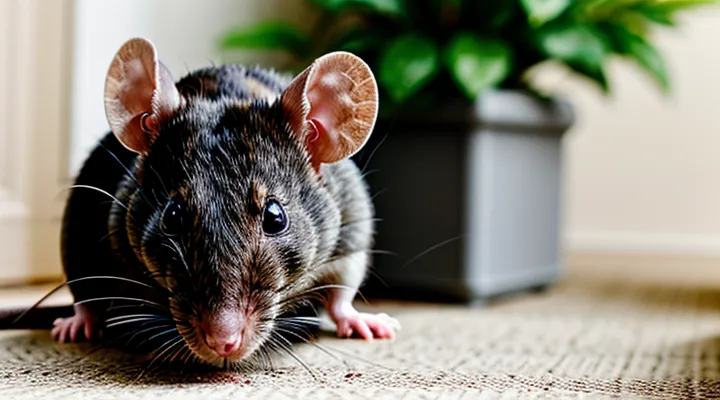
Lethargy in rats manifests as a marked reduction in activity and responsiveness. A rat that is normally curious and agile will appear subdued, with limited movement and a lack of engagement with its environment.
Typical visual cues include:
- Minimal exploration of the cage or enclosure.
- Preference for lying down, often in a sprawled or curled position, for extended periods.
- Diminished grooming; fur may become unkempt or matted.
- Reduced interaction with conspecifics, food, and water; the animal may ignore offerings.
- Slowed or absent response to handling; attempts to pick up the rat may be met with little reaction.
Additional behavioral changes can involve:
- Decreased vocalizations, such as squeaks or chirps.
- Lowered alertness; the rat may not react to sudden noises or lights.
- Altered posture, with a drooping tail and relaxed limbs.
These observations provide a clear profile of rat lethargy, enabling prompt assessment and appropriate veterinary attention.
Differentiating Inactivity from Normal Behavior
A rat’s reduced activity can stem from ordinary rest periods or signal a health problem. Distinguishing between the two requires observation of specific behavioral and physiological cues.
Normal rest behavior includes brief pauses during active cycles, grooming, and occasional quiet sitting. The animal typically resumes movement within minutes, maintains a normal appetite, and shows no signs of distress. Body temperature remains stable, and the rat’s eyes appear clear and alert when approached.
Abnormal inactivity appears as prolonged immobility lasting several hours, lack of response to gentle stimulation, and a noticeable decline in food and water intake. Additional indicators may include:
- Flattened or sunken abdomen suggesting dehydration
- Pale or discolored gums and mucous membranes
- Labored breathing or irregular respiration
- Unusual posture, such as hunching or curling tightly
- Sudden weight loss measured over consecutive days
When these signs co‑occur, the lethargy exceeds typical resting patterns and warrants immediate veterinary assessment. Monitoring the duration and context of reduced activity, alongside the rat’s feeding habits and physical condition, provides a reliable basis for differentiating normal behavior from a potential medical emergency.
Immediate Actions and First Aid
Creating a Comfortable Environment
A lethargic rat requires an environment that reduces stress and supports recovery. Provide a quiet, low‑traffic area away from loud equipment or frequent handling. The enclosure should be spacious enough for gentle movement but not so large that the animal feels exposed.
Maintain a stable temperature between 20 °C and 24 °C (68 °F–75 °F). Use a reliable thermostat to prevent fluctuations that can cause discomfort. Ensure the cage is well‑ventilated without drafts, and place it away from direct sunlight or heating vents.
Offer a soft, absorbent bedding such as paper‑based material or aspen shavings. Replace bedding regularly to keep it dry and free from ammonia buildup, which can irritate the respiratory system and exacerbate inactivity.
Supply fresh water at all times, preferably in a sipper bottle to maintain cleanliness. Provide a small portion of high‑quality, nutrient‑dense food, and consider adding a few fresh vegetables to encourage mild chewing activity.
Add enrichment items that promote gentle engagement:
- A single cardboard hideaway placed low in the cage.
- A small, solid chew block made of untreated wood.
- A shallow water dish for occasional splashing.
Monitor the rat’s behavior daily. If lethargy persists despite optimal environmental conditions, seek veterinary assessment promptly.
Ensuring Hydration and Nutrition
When a rat shows signs of lethargy and reduced activity, immediate attention to fluid and food intake is critical. Dehydration and inadequate nutrition can quickly worsen the condition and lead to organ failure.
Begin by offering fresh water in a shallow dish that the animal can easily reach. If the rat does not drink voluntarily, use a low‑dead‑space syringe to administer small volumes (0.5–1 ml) of sterile, lukewarm water every 15–30 minutes. Observe for signs of swallowing; stop if the rat coughs or chokes.
Replace plain water with an electrolyte solution formulated for small mammals, such as a 1 % glucose‑saline mix. This supports electrolyte balance and provides a modest energy source while the rat regains strength.
Nutrition should be introduced as soon as the rat tolerates fluids. Provide easily digestible, high‑calorie foods that require minimal chewing, for example:
- Softened commercial rodent pellets (moistened with water or electrolyte solution)
- Plain cooked chicken breast, finely shredded
- Unsweetened plain yogurt (small amount, if tolerated)
- Mashed banana or sweet potato (thinly spread)
Feed in small portions (0.2–0.5 ml or a pea‑size amount) every 2–3 hours. Monitor for signs of interest, such as sniffing or nibbling, and adjust quantity accordingly.
Track intake by weighing the rat before and after each feeding session. A gradual increase of 1–2 g per day indicates recovery; loss greater than 5 % of body weight within 24 hours warrants veterinary intervention.
Maintain a warm, quiet environment to reduce stress and conserve energy. Keep the enclosure at 22–25 °C, and limit handling to essential care only.
If fluid or food refusal persists beyond 12 hours, or if the rat exhibits tremors, rapid breathing, or discoloration of the gums, seek professional veterinary assistance without delay.
Basic Health Check at Home
When a pet rat appears unusually sluggish, a systematic home health assessment can reveal immediate concerns. Begin by isolating the animal in a quiet, clean area to reduce stress and allow close observation.
First, evaluate basic vital signs. Gently place a finger on the rat’s chest to feel the heartbeat; a normal rate for a small rodent ranges from 300 to 500 beats per minute. Observe breathing – breaths should be shallow and regular, without audible wheezing or labored effort. Check body temperature by feeling the ears and paws; cool extremities may indicate poor circulation.
Second, examine external conditions. Look for signs of dehydration: skin should retract slowly when pinched, and the eyes should remain moist. Assess the fur for matting, excessive shedding, or patches of baldness, which can signal nutritional deficits or skin issues. Inspect the nose and mouth for discharge, crust, or abnormal coloration.
Third, perform a brief physical inspection. Gently palpate the abdomen for swelling, firmness, or tenderness. Feel the limbs for swelling, abnormal warmth, or reduced movement. Observe the hindquarters for any signs of paralysis or weakness. Check the tail for discoloration or lesions.
Fourth, review environmental factors. Verify that the cage temperature stays within 68‑75 °F (20‑24 °C) and that humidity is moderate. Ensure fresh water is available and that the food supply is fresh, appropriate, and free from mold. Confirm that bedding is clean and not overly damp, as excess moisture can foster respiratory problems.
Finally, document observations. Record the rat’s activity level, appetite, any changes in stool or urine, and any abnormal signs noted during the examination. This information is essential when consulting a veterinarian, as it helps prioritize diagnostic tests and treatment options.
If any of the following are detected, seek professional veterinary care promptly: rapid weight loss, persistent lethargy despite rest, uncontrolled bleeding, severe respiratory distress, seizures, or unresponsive behavior after basic interventions. Immediate veterinary attention can prevent escalation of potentially life‑threatening conditions.
Checking for External Injuries
When a rat shows signs of lethargy and reduced activity, the first step is a thorough external examination. This assessment helps identify injuries that could explain the behavior and guides further care.
Begin by gently restraining the animal on a soft surface. Use a calm hand to avoid additional stress. Inspect the fur for missing patches, matting, or signs of parasites. Look for bruises, cuts, or swelling on the head, limbs, and torso. Pay special attention to the paws; check for torn pads, broken nails, or foreign objects lodged in the fur. Examine the ears and eyes for discharge, redness, or trauma. Feel the abdomen lightly for firmness or tenderness, noting any abnormal bulges.
If any abnormality is detected, document its location, size, and severity. Clean minor wounds with sterile saline and apply a suitable antiseptic. For deeper injuries, bleeding, or signs of infection, seek veterinary attention promptly. Even in the absence of visible damage, the external check provides essential information that, combined with internal assessment, determines the appropriate response to the rat’s condition.
Assessing Breathing and Temperature
When a rat shows signs of lethargy, the first clinical priority is to verify that respiration and body heat are within normal limits. Accurate assessment distinguishes a reversible shock from a deeper medical emergency.
Observe the chest wall for rhythmic rise and fall. Count breaths for a full minute; healthy adult rats breathe 70‑120 breaths per minute. A rate markedly lower than this range, irregular rhythm, or shallow movements indicate respiratory distress. Place a hand gently on the flank to feel air movement; if the abdomen does not expand, open the airway by gently tilting the head and clearing any obstructions with a soft, damp cloth.
Measure temperature promptly. Normal core temperature for a rat is 37.5‑39 °C (99.5‑102.2 °F). Use a calibrated rectal thermometer, lubricated with petroleum jelly, and insert it no more than 1 cm. Record the reading within seconds to avoid stress‑induced fluctuations. A temperature below 35 °C (95 °F) signals hypothermia; above 40 °C (104 °F) suggests fever or hyperthermia.
If either breathing or temperature falls outside the normal range, initiate immediate supportive care:
- Provide supplemental oxygen via a small-bore mask if respiration is shallow.
- Warm the animal with a heating pad set to low, monitoring to prevent burns.
- Cool the animal with a damp cloth and a fan if temperature exceeds 40 °C.
- Contact a veterinarian without delay for advanced intervention.
Continuous monitoring every five minutes until stable values are achieved ensures early detection of deterioration.
Observing for Discharge or Swelling
When a rat exhibits reduced activity, a thorough visual and tactile inspection should be the initial response. Examine the animal’s face, ears, nose, mouth, and genital openings for any fluid accumulation. Note the color, consistency, and amount of any material that appears on the skin or mucous membranes. Clear or watery secretions may indicate irritation or a mild infection, while yellow‑white, thick, or foul‑smelling discharge suggests bacterial involvement that requires prompt treatment.
- Eye discharge: crusted or mucoid material can signal respiratory or ocular infection.
- Nasal discharge: clear fluid may be normal; purulent or blood‑ tinged fluid warrants further evaluation.
- Oral or genital discharge: presence of pus or abnormal secretions often reflects systemic illness.
Next, palpate the rat’s body for abnormal swelling. Feel the abdomen, hindquarters, limbs, and any visible lymph nodes. Record the location, size, firmness, and temperature of any enlargement. Localized, firm swelling may be a tumor or abscess; diffuse, soft edema often accompanies inflammatory or circulatory problems.
If any discharge or swelling is detected, photograph the area if possible, note the onset and progression, and contact a veterinarian without delay. Absence of these signs does not rule out internal disease, but their presence provides critical clues for diagnosis and treatment.
When to Seek Veterinary Care
Identifying Critical Symptoms
When a rat exhibits sudden lethargy and reduced movement, immediate attention to specific clinical signs can differentiate a reversible issue from a life‑threatening emergency.
Key symptoms that demand urgent veterinary evaluation include:
- Absence of normal grooming – a rat that stops cleaning its fur or whiskers may be in severe distress.
- Rapid, shallow breathing or audible wheezing – indicates respiratory compromise.
- Pale or bluish mucous membranes – suggests anemia, shock, or poor oxygenation.
- Unsteady gait, loss of balance, or inability to right itself – points to neurological impairment.
- Vomiting, diarrhea, or visible blood in stool/urine – signals gastrointestinal or renal pathology.
- Swollen abdomen or palpable masses – may reflect organ enlargement, tumors, or internal bleeding.
- Persistent fever or hypothermia – recorded via a rectal thermometer, reflects infection or metabolic failure.
- Excessive drooling or difficulty swallowing – can be a sign of oral disease or toxin exposure.
Observation of any combination of these signs should trigger prompt consultation with an exotic‑animal veterinarian. Early detection and treatment markedly improve prognosis for rats facing serious health challenges.
Preparing for a Vet Visit
When a rat displays lethargy and inactivity, prompt veterinary assessment is essential. Effective preparation reduces stress for the animal and maximizes the diagnostic value of the visit.
- Record observable symptoms: list changes in movement, appetite, breathing, and any visible injuries. Include the exact time each symptom began.
- Note environmental factors: temperature, recent diet alterations, exposure to toxins, or new cage mates.
- Gather medical history: previous illnesses, vaccinations, medications, and recent procedures. Bring printed copies or a digital file.
- Prepare a secure carrier: use a well‑ventilated, escape‑proof container with a soft lining. Place a familiar hideaway or a small amount of bedding to calm the rat.
- Collect a sample of recent food or water: useful for toxicology testing.
- Schedule the appointment in advance, confirming the clinic’s policy on small‑animal emergencies and any required fasting instructions.
- Transport the rat quietly: avoid sudden movements, keep the carrier stable, and maintain a comfortable ambient temperature.
- Bring a list of questions for the veterinarian: inquire about potential causes, recommended diagnostics, and immediate care instructions.
By following these steps, owners ensure that the veterinarian receives comprehensive information, facilitating accurate diagnosis and timely treatment for the lethargic rat.
What Information to Provide
When seeking advice for a pet rat that appears unusually sluggish, supply precise details to enable an accurate assessment. Include the animal’s age, sex, and breed, as these factors influence susceptibility to specific conditions. Record the exact time the symptoms began and whether they have progressed steadily or fluctuated.
Describe the environment: cage size, substrate type, temperature range, humidity level, and recent changes such as relocation, new companions, or alterations in lighting. Note the diet, specifying the brand and quantity of pellets, fresh foods, treats, and any recent dietary adjustments or supplement use.
List observable signs beyond reduced activity: respiratory sounds, discharge from eyes or nose, changes in fur texture, weight loss or gain, appetite fluctuations, and any abnormal behaviors like excessive grooming or aggression. Mention if the rat has been exposed to toxins, predators, or stressful events.
Provide a brief health history: previous illnesses, vaccinations (if applicable), veterinary visits, and any medications or treatments administered recently. Include the results of any diagnostic tests already performed, such as fecal examinations or blood work.
By delivering this comprehensive set of data, professionals can formulate a focused diagnostic plan and recommend appropriate interventions without unnecessary delays.
Transporting Your Rat Safely
When a rat shows signs of lethargy, immediate transport to a veterinary facility often becomes necessary. The animal’s weakened state demands careful handling to avoid additional stress or injury during the journey.
Prepare a transport container that is sturdy, well‑ventilated, and sized to allow limited movement without excessive space. Line the bottom with soft, absorbent material such as a paper towel or fleece, ensuring it remains dry. Place a small water dish with a shallow amount of water to prevent dehydration, but remove it if the rat is unable to drink independently.
Follow these steps to move the rat safely:
- Calm the environment – Reduce noise, dim lights, and limit sudden motions.
- Gently lift the rat – Support the torso with one hand and the hindquarters with the other; avoid gripping the tail.
- Place the rat into the container – Lower the animal slowly, allowing it to settle onto the bedding.
- Secure the lid – Ensure ventilation holes are unobstructed; do not fasten the lid tightly, as the rat may need to breathe freely.
- Maintain temperature – Keep the carrier at room temperature; avoid direct drafts or direct sunlight.
- Monitor en route – Observe breathing and responsiveness; if the rat’s condition deteriorates, contact the veterinarian immediately.
Upon arrival, keep the carrier upright and minimize handling until a professional assesses the rat. Proper preparation and methodical execution reduce the risk of further harm and improve the likelihood of a successful veterinary intervention.
Common Causes of Lethargy
Environmental Factors
When a rat shows signs of lethargy, the surrounding environment often contributes significantly. Temperature extremes, poor ventilation, excessive humidity, and inadequate lighting can suppress activity and impair health. Ensure the cage is kept within the species‑appropriate temperature range (18‑24 °C) and protected from drafts. Provide a stable ambient temperature, avoiding sudden fluctuations that may cause stress.
Air quality directly influences respiratory function. Maintain fresh airflow by cleaning filters regularly and preventing the buildup of ammonia from urine. Aim for a humidity level of 40‑60 % to reduce the risk of respiratory irritation while avoiding mold growth.
Noise and vibration disrupt natural behavior. Position the enclosure away from loud appliances, traffic, or other animals that generate constant sound. Use a solid surface for the cage to minimize vibrations transmitted through the floor.
Lighting cycles regulate circadian rhythms. Offer a consistent light‑dark schedule, typically 12 hours of light followed by 12 hours of darkness. Avoid continuous illumination or complete darkness, both of which can lead to disorientation and reduced activity.
Substrate and bedding affect comfort and hygiene. Choose absorbent, dust‑free material that does not retain moisture, as damp bedding can cause chilling and skin issues. Replace soiled bedding promptly to prevent bacterial growth.
Enrichment items stimulate movement and mental engagement. Provide chewable objects, tunnels, and climbing structures that match the cage size. Insufficient enrichment can lead to boredom, resulting in reduced locomotion and apparent lethargy.
Regularly inspect the enclosure for signs of damage, such as cracked panels or loose fittings, which may create unsafe conditions. Prompt repairs preserve a stable environment and prevent stress‑induced inactivity.
Nutritional Deficiencies
A rat that shows reduced activity and sluggish movements may be suffering from a lack of essential nutrients. Deficiencies disrupt metabolic processes, weaken the immune system, and reduce energy production, leading to the observed lethargy.
Common nutritional gaps that produce these symptoms include:
- Vitamin A: impaired vision and skin health, reduced activity.
- B‑complex vitamins: diminished carbohydrate metabolism, fatigue.
- Vitamin D and calcium: compromised bone strength, reduced mobility.
- Iron and copper: anemia, low oxygen transport, weakness.
- Essential fatty acids: cell membrane instability, poor neural function.
To address the problem, follow these steps:
- Evaluate the current diet. Verify that the feed contains a complete rodent pellet formulation meeting AAFCO standards for rats.
- Supplement missing nutrients. Add a balanced vitamin‑mineral mix designed for small rodents, following the manufacturer’s dosage guidelines.
- Introduce fresh foods rich in the lacking nutrients: carrots or sweet potatoes for vitamin A, leafy greens for iron, boiled egg yolk for B‑complex vitamins, and small amounts of fish oil for omega‑3 fatty acids.
- Monitor water intake. Ensure clean, fresh water is always available, as dehydration can exacerbate deficiency effects.
- Observe behavior for 48–72 hours. Improvement in activity level indicates the deficiency is being corrected; persistent lethargy warrants veterinary examination.
Regularly rotating high‑quality pellets with appropriate fresh supplements prevents recurrence and supports overall health.
Infectious Diseases
Lethargy and inactivity in a laboratory or pet rat frequently indicate an underlying infectious process. Viral agents such as Sendai virus, bacterial infections including Streptococcus pneumoniae, and parasitic infestations like Mycoplasma pulmonis are among the most prevalent etiologies. Each pathogen can produce systemic signs that mimic metabolic or environmental stress, making accurate identification essential.
Diagnostic evaluation should begin with a thorough physical examination, followed by targeted laboratory tests. Collect blood for complete blood count and serum chemistry to detect inflammatory markers and organ dysfunction. Perform nasal and oropharyngeal swabs for polymerase chain reaction or culture to identify viral or bacterial agents. Fecal examination for parasites and radiographic imaging of the thorax provide additional data when respiratory involvement is suspected.
Immediate actions to protect the animal and prevent spread include:
- Transfer the affected rat to a separate, sanitized enclosure.
- Maintain ambient temperature and humidity within optimal ranges to reduce physiological strain.
- Offer easily digestible, nutrient‑rich food and fresh water to support hydration.
- Administer broad‑spectrum antimicrobial therapy only after veterinary confirmation of bacterial infection.
- Contact a qualified veterinarian promptly for definitive diagnosis and treatment recommendations.
Long‑term control relies on strict biosecurity and health monitoring. Implement routine health screening of colony animals, enforce quarantine for new arrivals, and apply regular sanitation protocols for cages, feed, and water systems. Vaccination, where available, should be incorporated into the health program to reduce susceptibility to specific viral pathogens.
Non-Infectious Conditions
A rat that shows reduced activity and sluggishness may be suffering from a non‑infectious medical problem. Common causes include metabolic disorders, nutritional deficiencies, organ failure, trauma, and environmental stress.
Metabolic issues such as hypoglycemia or electrolyte imbalance often present with lethargy. Evaluate the animal’s recent diet, ensuring a balanced supply of protein, fats, and vitamins. Provide a small, easily digestible carbohydrate source (e.g., a few drops of glucose solution) if low blood sugar is suspected, then arrange veterinary testing for confirmation.
Nutritional deficiencies, particularly of calcium, vitamin D, or B‑complex vitamins, can impair neuromuscular function. Supplement the diet with a high‑quality rodent formula or a veterinary‑approved multivitamin, and monitor for improvement over 24–48 hours.
Organ dysfunction—renal or hepatic failure—frequently manifests as inactivity. Observe urine output, fecal consistency, and weight loss. If these signs accompany lethargy, seek immediate veterinary assessment for blood chemistry and imaging.
Trauma, including internal injuries from falls or cage mishandling, may cause pain‑induced inactivity. Conduct a gentle physical examination for swelling, bruising, or reluctance to move. Apply a warm compress to minor bruises and keep the rat in a quiet, low‑stress environment while arranging professional evaluation for serious injuries.
Environmental factors such as extreme temperatures, poor ventilation, or excessive noise can depress activity levels. Maintain cage temperature between 68–75 °F (20–24 °C), provide adequate airflow, and limit loud disturbances. Replace dirty bedding with fresh, absorbent material to reduce respiratory irritation.
When non‑infectious causes are suspected, follow these steps:
- Assess diet – confirm balanced nutrition; add supplements if needed.
- Check environment – adjust temperature, ventilation, and noise levels.
- Observe clinical signs – note urine, feces, weight, and any visible injuries.
- Provide supportive care – offer easy‑to‑eat foods, hydration, and a quiet resting area.
- Seek veterinary diagnostics – request blood work, urinalysis, and imaging to identify organ or metabolic abnormalities.
Prompt identification and correction of these non‑infectious factors can restore normal activity and prevent progression to severe illness.
Tumors and Cysts
When a rat shows marked lethargy and reduced movement, tumors or cystic growths may be underlying factors. These lesions can compress vital structures, disrupt metabolism, or cause pain, leading to inactivity.
The first step is a thorough physical examination. Palpate the abdomen, flank, and subcutaneous tissues for firm masses. Observe for asymmetry, swelling, or skin changes. Record weight loss or changes in grooming behavior, which often accompany neoplastic conditions.
If a mass is detected, proceed with diagnostic imaging. Recommended tools include:
- Radiography to identify mineralized tumors or large cysts.
- Ultrasound for fluid-filled structures and soft‑tissue delineation.
- Computed tomography or magnetic resonance imaging for detailed anatomical mapping, especially for internal organ involvement.
Following imaging, obtain tissue samples. Fine‑needle aspiration provides cytology for cystic fluid analysis, while core or incisional biopsy yields histopathology, essential for distinguishing benign cysts from malignant neoplasms.
Treatment decisions depend on the lesion’s nature and location:
- Benign cysts may be drained or surgically excised, often resulting in rapid recovery of activity levels.
- Malignant tumors require oncologic intervention, which can include surgical resection, chemotherapy, or radiation therapy. Palliative care focuses on pain management and nutritional support to improve quality of life.
Throughout the diagnostic and therapeutic process, monitor the rat’s behavior, appetite, and weight. Any deterioration should prompt reassessment of the treatment plan. Early identification of tumors or cysts increases the likelihood of successful intervention and can reverse the lethargic state.
Organ Dysfunction
A lethargic, inactive rat may be experiencing failure of one or more organ systems. Common manifestations include reduced respiration, pale or cyanotic mucous membranes, abnormal heart rate, diminished urine output, and altered body temperature. These signs often accompany hepatic, renal, or cardiac compromise and require immediate assessment.
Diagnostic actions
- Observe respiratory pattern and rate; note any dyspnea or irregular breathing.
- Palpate the abdomen for organ enlargement or tenderness.
- Collect blood for serum biochemistry: liver enzymes (ALT, AST), kidney markers (BUN, creatinine), electrolytes, and glucose.
- Perform urinalysis to detect protein, blood, or abnormal specific gravity.
- Use a stethoscope to evaluate heart rhythm and murmur presence.
- If available, conduct imaging (ultrasound or radiography) to identify structural lesions.
Management measures
- Stabilize airway and provide supplemental oxygen if hypoxia is present.
- Initiate fluid therapy with isotonic crystalloids; adjust rate based on hydration status and renal function.
- Administer analgesics and antipyretics only after confirming organ tolerance.
- Treat identified metabolic derangements (e.g., hyperglycemia, electrolyte imbalance) with appropriate drugs.
- Refer to a veterinary specialist for advanced interventions such as dialysis, liver support, or cardiac therapy when indicated.
Prompt identification of organ dysfunction and targeted supportive care improve the likelihood of recovery in a rat displaying profound inactivity.
Pain and Discomfort
When a rat appears unusually sluggish, the first consideration is whether pain or discomfort is the underlying cause. Pain may manifest as reduced movement, a hunched posture, reluctance to climb, or vocalization when handled. Discomfort, such as irritation from a wound, dental issues, or gastrointestinal distress, can produce similar lethargy but often includes additional cues like excessive grooming of a specific area, changes in stool consistency, or a distinct odor.
To evaluate these possibilities, follow a systematic approach:
- Observe the animal’s posture and gait for signs of stiffness or uneven weight bearing.
- Gently palpate the abdomen, limbs, and any visible lesions; note any flinching or resistance.
- Examine the mouth for overgrown teeth, ulcerations, or discharge that could cause oral pain.
- Check the cage for environmental stressors—wet bedding, sharp objects, or temperature extremes—that may contribute to discomfort.
- Monitor food and water intake; a sudden decline often indicates oral or gastrointestinal pain.
If any of these assessments reveal potential sources of pain, immediate intervention is required. Administer an appropriate analgesic approved for rodents, following dosage guidelines from a veterinary reference. Provide a quiet, warm recovery area to reduce stress. For suspected injuries or infections, arrange veterinary examination promptly; diagnostic imaging or laboratory tests may be necessary to identify the precise issue.
After treatment, continue to track activity levels, appetite, and behavior for at least 24–48 hours. Improvement in mobility, regular grooming, and normal consumption patterns indicate that pain has been alleviated. Persistent lethargy despite intervention warrants further medical investigation to rule out systemic conditions such as respiratory infection, renal disease, or metabolic disorders.
Supporting Your Rat During Recovery
Following Veterinary Instructions
When a pet rat exhibits marked lethargy and reduced movement, professional veterinary guidance becomes the first priority. Prompt communication with a qualified small‑animal practitioner ensures that the underlying cause is identified and addressed before the condition worsens.
- Call the veterinarian as soon as the symptoms are observed.
- Provide a concise summary: duration of lethargy, recent diet changes, exposure to toxins, temperature of the enclosure, and any visible injuries.
- Follow the veterinarian’s instructions regarding diagnostic tests, such as fecal analysis, blood work, or imaging.
- Obtain prescribed medications and confirm dosage, route, and administration schedule.
Administer all drugs exactly as directed. Measure each dose with a calibrated syringe or droplet dispenser. Observe the rat for adverse reactions during the first few minutes after treatment; report any signs of distress to the veterinarian immediately. Do not alter the dosage or frequency without explicit approval.
Supportive care complements medical therapy. Maintain ambient temperature between 70‑75 °F (21‑24 °C) to prevent hypothermia. Offer fresh water and easily digestible foods, such as softened pellets or plain boiled rice, to encourage fluid intake. Keep the cage clean, but avoid excessive disturbance that could stress the animal.
Continue to monitor the rat’s behavior, appetite, and stool quality. Record observations twice daily and share them with the veterinarian during follow‑up calls or appointments. If the rat fails to show improvement within the timeframe specified by the professional, arrange a re‑evaluation without delay.
Administering Medications
When a rat shows prolonged lethargy and reduced activity, immediate pharmacological intervention may be necessary, but only after a veterinary diagnosis confirms the underlying cause. Administering medication without professional guidance risks worsening the condition or causing toxicity.
First, obtain a written prescription or detailed dosage instructions from a qualified veterinarian. Record the drug name, concentration, intended dose per kilogram of body weight, and the recommended administration interval. Verify that the medication is approved for use in rodents; off‑label compounds require explicit vet approval.
Second, prepare the dose using a calibrated syringe or micropipette. Measure the rat’s exact weight; dosing errors of even a few milligrams can be lethal. Dilute the medication with sterile saline or the carrier specified by the vet, mixing gently to avoid bubbles that could affect volume accuracy.
Third, select the appropriate route:
- Subcutaneous (SC): Insert the needle at a shallow angle into the loose skin over the neck or flank. Release the solution slowly to prevent tissue rupture.
- Intraperitoneal (IP): Use a 27‑30 G needle, insert at a 45° angle into the lower right abdomen, and aspirate before injection to confirm entry into the cavity.
- Oral gavage: Employ a flexible feeding tube, advance gently to the esophagus, and dispense the dose in one smooth motion.
Fourth, observe the rat for at least 30 minutes after administration. Monitor temperature, respiration rate, and responsiveness. Document any adverse reactions such as vomiting, tremors, or sudden collapse, and report them to the veterinarian immediately.
Finally, maintain a clean environment for the rat during recovery. Provide fresh water, a low‑fat diet, and minimize stressors. Schedule a follow‑up examination according to the vet’s timeline to reassess health status and adjust treatment if necessary.
Monitoring Progress and Relapses
When a rodent exhibits reduced activity and sluggish behavior, systematic observation is essential to assess recovery and detect setbacks. Begin by establishing baseline parameters: record weight, food and water intake, and activity level over a 24‑hour period before any intervention. Repeat these measurements at consistent intervals—preferably every 12 hours for the first two days, then daily for one week. Document changes in posture, grooming, and responsiveness to stimuli; these qualitative signs complement quantitative data.
Maintain a log that includes:
- Date and time of each observation
- Body weight (to the nearest gram)
- Amount of food and water consumed (measured in grams or milliliters)
- Duration of spontaneous movement (minutes)
- Notable behaviors (e.g., trembling, vocalization, avoidance)
Analyze trends rather than isolated readings. A steady increase in weight and intake, coupled with longer activity periods, indicates improvement. Conversely, a decline in any metric signals a possible relapse and warrants immediate reassessment of the underlying cause.
If regression occurs, verify environmental factors—temperature, humidity, cage cleanliness—and re‑evaluate medical treatment. Adjust dosing or introduce supportive care (e.g., warmed fluids, gentle stimulation) based on the observed pattern. Record the corrective actions alongside the relapse data to refine future response protocols.
Continuous documentation creates a clear trajectory of the rodent’s condition, enabling timely interventions and informing long‑term care strategies.
Providing Enrichment for Mental Well-being
When a pet rat shows prolonged lethargy and reduced movement, mental stimulation often restores vitality. Enrichment targets the animal’s cognitive, sensory, and social needs, counteracting boredom‑induced apathy.
Effective enrichment includes:
- Structural variety: tunnels, multi‑level platforms, and climbing ropes create three‑dimensional exploration opportunities.
- Foraging challenges: hide small food portions in cardboard rolls, paper tubes, or treat‑dispensing puzzles to encourage problem‑solving.
- Chewable objects: untreated wood blocks, natural twine, and mineral chews satisfy gnawing instincts and prevent over‑growth of teeth.
- Sensory toys: scented fabrics, safe herbs, and textured fabrics introduce novel tactile and olfactory cues.
- Social interaction: supervised playtime with a compatible conspecific or gentle handling sessions strengthen social bonds.
Implement changes gradually; introduce one new element at a time and observe the rat’s response. Rotate items weekly to maintain novelty. Record activity levels and appetite after each adjustment; improvements in exploration, grooming, and food intake indicate a positive shift in mental well‑being. If lethargy persists despite enriched housing, consult a veterinarian to rule out underlying health issues.
Preventing Future Episodes
Optimal Cage Maintenance
Optimal cage maintenance is essential when a rat shows signs of lethargy and reduced activity. A clean, well‑ventilated environment reduces stress, supports immune function, and encourages normal behavior.
- Remove soiled bedding daily; replace with fresh, low‑dust substrate to prevent respiratory irritation.
- Clean food and water containers each morning; disinfect with a mild, non‑toxic solution and rinse thoroughly.
- Inspect the cage for hidden debris, hairballs, or mold; eliminate any source of contamination.
- Ensure adequate ventilation without drafts; maintain a stable temperature between 68‑75 °F (20‑24 °C) and relative humidity around 50 %.
- Provide a balanced diet of high‑quality pellets, fresh vegetables, and occasional protein treats; monitor intake and adjust portions if consumption declines.
Regular observation of the enclosure reveals early signs of worsening condition. Record changes in bedding condition, odor, and water clarity. If the rat continues to appear sluggish despite optimal cage conditions, consult a veterinarian promptly. Maintaining these standards minimizes environmental factors that could exacerbate lethargy and promotes recovery.
Balanced Diet and Supplements
A lethargic rat often signals inadequate nutrition or a hidden deficiency. Providing a nutritionally complete diet is the first corrective step. Choose a commercially formulated rat pellet that meets the Association of American Feed Control Officials (AAFCO) standards for rodents; these blends contain the correct ratios of protein (18‑20 %), fat (5‑7 %), fiber (5‑7 %), vitamins, and minerals. Supplement the base diet with fresh vegetables such as broccoli, carrots, and leafy greens, introducing no more than 10 % of the total daily intake to avoid digestive upset. Remove sugary treats and high‑fat human foods, which can exacerbate energy slumps.
When dietary adjustments alone do not restore activity, targeted supplements may be necessary.
- Vitamin C: Rats cannot synthesize this antioxidant; a daily dose of 10‑20 mg per 100 g body weight helps combat oxidative stress.
- B‑complex vitamins: B1, B2, B6, and B12 support metabolism and nerve function; a balanced B‑complex tablet or liquid supplement can be added to drinking water at the manufacturer’s recommended concentration.
- Probiotics: A multi‑strain product containing Lactobacillus and Bifidobacterium species promotes gut health, which influences overall energy levels. Administer 0.5 ml per day mixed into food.
- Electrolyte solution: In cases of dehydration, a low‑sodium electrolyte solution (e.g., Pedialyte diluted 1:4) can be offered for a few days to restore fluid balance.
Monitor the rat’s weight, stool consistency, and activity after each dietary change. If the animal remains sluggish after two weeks of consistent feeding and supplementation, consult a veterinarian to rule out underlying disease.
Regular Health Checks and Observation
Regular health monitoring is essential when a pet rat shows signs of reduced activity. Begin each observation session by recording the animal’s temperature, weight, and respiratory rate. Compare these values with baseline measurements taken when the rat was healthy; deviations of more than 2 °C, 5 g, or irregular breathing indicate a need for veterinary intervention.
Inspect the enclosure for environmental stressors. Verify that bedding is dry, temperature remains between 18 °C and 24 °C, and ventilation is adequate. Remove any spoiled food and replace water with fresh, clean supply to prevent dehydration.
Conduct a systematic physical examination:
- Palpate the abdomen for distension or pain.
- Examine fur and skin for lesions, parasites, or excessive shedding.
- Observe eyes and ears for discharge or redness.
- Test reflexes by gently tapping the hind limbs; lack of response suggests neurological involvement.
Document observations in a log, noting date, time, and any changes in behavior, appetite, or stool consistency. Review the log daily; a trend of worsening signs warrants immediate veterinary assessment.
Schedule routine veterinary check‑ups at least quarterly for adult rats and bi‑monthly for juveniles. During visits, request a complete blood count and urinalysis to detect underlying infections or metabolic disorders that may manifest as lethargy.
By maintaining consistent health checks and detailed observation, early detection of disease becomes possible, allowing prompt treatment and improving the rat’s chances of recovery.
Stress Reduction Strategies
A rat that shows prolonged lethargy often suffers from elevated stress. Reducing anxiety restores activity and improves recovery.
- Provide a quiet enclosure; eliminate sudden sounds, vibrations, and bright lights.
- Maintain stable temperature and humidity; avoid drafts and temperature spikes.
- Offer nesting material and hideaways; these give a sense of security.
- Introduce chewable objects such as untreated wood or cardboard; chewing relieves tension.
- Limit handling to short, calm sessions; support the animal fully to prevent panic.
- Keep a consistent feeding schedule; predictable meals reduce uncertainty.
- Ensure a balanced diet rich in fresh vegetables, protein, and adequate water.
- Pair the rat with a compatible companion if social housing is appropriate; isolation can increase stress.
- Conduct a veterinary check to rule out pain, infection, or metabolic disorders that may amplify stress responses.
- Clean the cage regularly; remove soiled bedding and waste to prevent odor buildup.
Implementing these measures creates a stable environment, lowers cortisol levels, and encourages the rat to regain normal activity. Monitor behavior daily; improvement within a few days indicates effective stress management, while persistent lethargy warrants further veterinary assessment.