
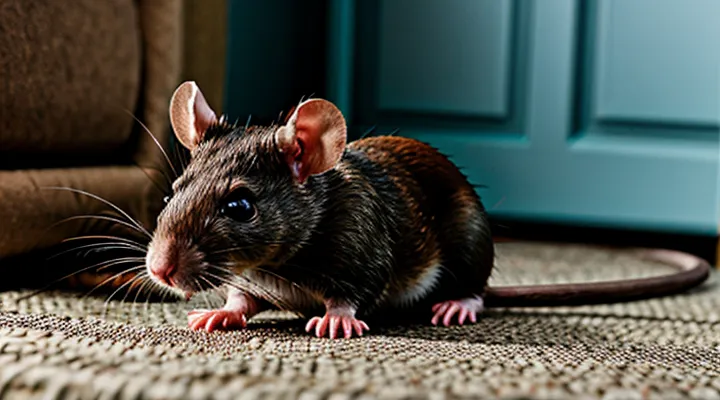
Understanding Rat Gasping
What Gasping in Rats Means
Potential Causes of Respiratory Distress
Rats that exhibit labored breathing or sudden gasps are often experiencing respiratory distress, a condition that can arise from multiple underlying factors. Recognizing the source of the problem is essential for timely intervention and effective treatment.
- Infectious agents – bacterial pneumonia, viral respiratory infections, and fungal diseases can inflame lung tissue and obstruct airways.
- Environmental stressors – inadequate ventilation, high ammonia levels from waste, extreme temperatures, and dust particles irritate the respiratory tract.
- Physical trauma – chest injuries, puncture wounds, or aspiration of foreign objects compromise airway patency and lung function.
- Metabolic and cardiovascular disorders – heart failure, anemia, and severe hypoglycemia reduce oxygen delivery and elevate breathing effort.
- Toxic exposure – inhalation of chemicals such as cleaning agents, rodenticides, smoke, or aerosolized pesticides damages pulmonary tissue.
- Congenital abnormalities – malformed trachea, bronchial stenosis, or diaphragmatic hernias impede normal airflow from birth.
Each cause produces characteristic clinical signs. Infectious conditions often accompany nasal discharge, fever, and lethargy. Environmental irritants may trigger sneezing and watery eyes in addition to rapid breathing. Trauma is indicated by visible wounds, bruising, or abnormal chest movement. Metabolic and cardiovascular issues usually present with pale mucous membranes and weak pulse. Toxic exposure can cause sudden collapse, vomiting, or seizures. Congenital defects are identified by persistent respiratory difficulty despite optimal care.
Accurate diagnosis requires a systematic approach: observe respiratory rate and pattern, examine nasal and oral cavities, assess body temperature, and, when feasible, perform radiographs or necropsy. Laboratory tests for pathogens, blood gas analysis, and toxicology screens further narrow the cause. Prompt identification of the underlying factor guides appropriate therapeutic measures, such as antimicrobial therapy, environmental remediation, wound care, supportive oxygen, or antidotal treatment for toxins.
Recognizing the Severity of Gasping
Rats that gasp display irregular, audible breathing that deviates from normal quiet inhalation and exhalation. Gasping often appears as rapid, shallow breaths accompanied by audible wheezing or choking sounds. The animal may adopt an upright posture, extend the neck, or exhibit trembling of the chest wall.
Key indicators of severe respiratory distress include:
- Breaths faster than 120 per minute
- Audible wheeze or high‑pitched squeak on each inhalation
- Cyanotic coloration of the ears, tail, or extremities
- Inability to maintain balance or upright stance
- Loss of consciousness or unresponsiveness to gentle stimuli
When any of these signs are present, immediate veterinary intervention is required. Delayed action can lead to irreversible organ damage or death.
A rapid assessment should follow these steps:
- Verify airway patency; clear any visible obstruction.
- Observe chest movement for symmetry and depth.
- Check mucous membrane color for pallor or bluish tint.
- Gently stimulate the rat to gauge responsiveness.
- Record breathing rate and pattern for communication with a professional.
Accurate recognition of the severity of gasping enables prompt, life‑saving measures.
Immediate Actions When Your Rat Is Gasping
Assessing the Rat's Condition
Checking for Obvious Obstructions
When a rat shows signs of gasping, the first diagnostic step is to examine the mouth and throat for any visible blockage. Remove any bedding, food, or debris that might be covering the oral cavity. Use a gentle, well‑lit approach to avoid stressing the animal further.
- Open the mouth by gently pulling the upper lip back; look for foreign objects such as seed hulls, fur, or plastic pieces.
- If an obstruction is seen, grasp it with fine tweezers and extract it carefully, maintaining a steady hand.
- After removal, observe the rat’s breathing pattern for at least one minute; normal respiration indicates the blockage was the cause.
- If no material is apparent or breathing does not improve, proceed to the next emergency measures.
Observing Other Symptoms
When a rat shows signs of respiratory distress, additional clinical indicators can clarify the underlying cause and guide immediate care. Observe the animal’s behavior, physical condition, and bodily functions without delay.
- Posture and movement: A rat that hunches, drags its hind limbs, or exhibits reduced locomotion may be suffering from pain, shock, or neurological impairment. Sudden collapse or inability to right itself signals a critical emergency.
- Skin and fur: Pale, grayish, or bluish discoloration of the ears, tail, and foot pads indicates inadequate oxygenation. Excessive sweating, wetness, or a sticky coat suggests systemic infection or toxin exposure.
- Eye appearance: Constricted pupils, watery discharge, or a cloudy cornea reflect stress, dehydration, or metabolic imbalance.
- Nasal and oral secretions: Nasal discharge, foamy saliva, or blood in the mouth point to upper respiratory infection, pneumonia, or internal injury.
- Auditory cues: Unusual wheezing, rattling, or high‑pitched squeaks reveal airway obstruction or lung inflammation.
- Digestive signs: Vomiting, diarrhea, or lack of fecal output may accompany severe illness and exacerbate respiratory compromise.
- Temperature: Hypothermia (body temperature below 35 °C) or hyperthermia (above 40 °C) often co‑occurs with respiratory failure and can accelerate deterioration.
Document each observation precisely, noting onset time and progression. Correlating these symptoms with the gasping episode enables rapid assessment, determines whether emergency veterinary intervention is required, and informs appropriate supportive measures such as oxygen therapy, fluid administration, or safe transport to a professional clinic.
Providing First Aid at Home
Ensuring a Calm Environment
When a rat shows signs of labored breathing, the immediate priority is to reduce stressors that can worsen the condition. A tranquil setting stabilizes heart rate, supports oxygen intake, and limits panic‑induced hyperventilation.
Create a quiet zone away from loud appliances, foot traffic, and other pets. Close doors, turn off televisions, and silence phones. Dim the lights to a low, steady level; harsh illumination can trigger a fight‑or‑flight response.
Maintain a stable temperature between 68‑74 °F (20‑23 °C). Use a heating pad set on low, covered with a towel, to prevent cold‑induced shivering, but avoid overheating, which can increase metabolic demand.
Limit handling to essential actions only. If the animal must be moved, support its body gently, keep movements smooth, and avoid sudden lifts. Place the rat in a clean, soft cage lined with absorbent bedding that does not emit strong odors.
Provide fresh, room‑temperature water in a shallow dish to discourage excessive drinking that could lead to aspiration. Offer a small portion of familiar food to keep the stomach settled, but do not force feeding.
Key actions for a calm environment:
- Silence external noises.
- Dim or soften lighting.
- Stabilize ambient temperature.
- Use soft, odor‑free bedding.
- Restrict handling to necessary care only.
- Supply water and familiar food without pressure.
By eliminating auditory, visual, and tactile disturbances, the rat’s stress level drops, allowing the respiratory system to focus on recovery rather than reacting to external threats.
Offering Hydration
When a rat exhibits labored breathing, immediate attention to fluid balance can prevent worsening of respiratory distress. Dehydration reduces blood volume, impairs oxygen transport, and may exacerbate airway constriction; therefore, supplying appropriate fluids is a critical intervention.
Begin by selecting a sterile, isotonic solution such as 0.9 % saline or a balanced electrolyte mix formulated for small mammals. Warm the fluid to approximately 37 °C to avoid inducing hypothermia. Using a 1‑ml syringe fitted with a 23‑gauge needle, gently insert the needle into the lateral submandibular vein or the retro-orbital sinus, depending on the operator’s proficiency and the rat’s size. Administer the fluid slowly—no more than 0.5 ml per minute—to allow the circulatory system to accommodate the volume without causing pulmonary edema.
Key points for successful hydration:
- Verify the solution’s sterility and temperature before each use.
- Secure the rat in a soft restrainer to minimize stress while maintaining clear access to the chosen vein.
- Observe the injection site for signs of swelling or hemorrhage; stop immediately if these appear.
- Record the total volume delivered and the rat’s respiratory rate after each bolus.
If intravenous access proves difficult, consider intra‑peritoneal administration of the same isotonic fluid, limiting the dose to 2 ml per kilogram of body weight. Monitor the animal closely for abdominal distension or signs of discomfort.
After fluid delivery, reassess breathing patterns. Improvement in rate and depth indicates effective rehydration; persistent gasping warrants escalation to advanced airway support and veterinary evaluation.
Keeping the Rat Warm
When a rat shows signs of gasping, rapid loss of body heat can worsen respiratory failure. Maintaining a stable, warm environment is essential for stabilizing the animal and supporting oxygen delivery.
- Place the rat in a quiet, draft‑free area where ambient temperature stays between 75 °F and 80 °F (24 °C–27 °C).
- Use a low‑intensity heating pad set to “warm” rather than “hot”; wrap the pad in a thin towel to prevent burns.
- Cover the cage with a breathable, insulated blanket, leaving one side open for observation and airflow.
- If a heating pad is unavailable, fill a clean bottle with warm (not boiling) water, wrap it in a cloth, and position it near the rat’s body without direct contact.
- Monitor skin temperature by gently feeling the ears or paws; skin should feel warm but not scorching.
In addition to external heat sources, verify that the rat’s bedding is dry and free of moisture, as damp material accelerates cooling. Replace any wet substrate immediately. Keep the cage away from cold surfaces such as tile or metal floors.
If the rat’s temperature drops despite these measures, consider using a veterinary‑grade incubator or contact a professional for advanced thermal support. Prompt, controlled warming improves the likelihood of recovery while the underlying respiratory issue is addressed.
When to Seek Veterinary Help
Identifying Emergency Situations
Blue or Pale Mucous Membranes
The color of a rat’s mucous membranes provides immediate insight into its oxygenation status. Blue (cyanotic) membranes indicate insufficient oxygen in the blood, while unusually pale membranes suggest anemia or severe blood loss. Both conditions require rapid evaluation because they signal compromised respiration or circulation.
When a rat shows labored breathing, gently lift the animal to expose the inner lip, gums, or the area around the nose. Observe the membrane color without applying pressure that could cause further stress. Record whether the hue is bluish, grayish, or starkly white, noting any rapid changes.
- Place the rat in a quiet, warm environment to reduce stress.
- Administer supplemental oxygen using a small, low‑flow device or a sealed container with a gentle airflow.
- Monitor heart rate by feeling the femoral pulse; a weak or absent pulse accompanies pale membranes.
- Keep the airway clear of debris; if secretions are present, use a sterile cotton tip to wipe gently.
- If cyanosis persists after a few minutes of oxygen therapy, prepare for immediate transport to a veterinarian.
Potential causes of cyanotic membranes include pulmonary edema, heart failure, severe infection, or airway obstruction. Pale membranes may result from internal hemorrhage, traumatic injury, or chronic blood‑cell deficiencies. Differentiating between these origins guides further treatment, such as fluid therapy for shock or antibiotics for infection.
Seek professional veterinary assistance if the rat’s mucous membranes remain discolored despite oxygen support, if the animal becomes unresponsive, or if additional signs such as vomiting, bleeding, or seizures appear. Prompt medical intervention improves the likelihood of recovery.
Extreme Lethargy or Collapse
When a rat shows sudden, profound inactivity or falls over while breathing difficulty is evident, the condition signals imminent systemic failure. Rapid assessment is essential: check pulse at the femoral artery, examine mucous membrane color, and note any tremors or seizures. Absence of a detectable heartbeat or a pale, gray mucosa indicates that circulatory collapse has already begun.
Immediate actions should focus on preserving oxygen delivery and preventing further trauma:
- Place the animal on a warm, flat surface; avoid cooling which can worsen hypoxia.
- Keep the airway clear; gently lift the snout and clear any visible obstructions with a damp gauze.
- Administer supplemental oxygen if a flow‑through system or oxygen cage is available; a flow rate of 1–2 L/min is sufficient for a small rodent.
- Perform gentle chest compressions only if no pulse is felt and you have training; compress at a rate of 120–150 beats/min, allowing full recoil between compressions.
- Contact an emergency veterinary service without delay; convey the rat’s weight, observed symptoms, and any interventions already performed.
Stabilization measures such as fluid therapy, glucose administration, and drug treatment must be performed by a qualified veterinarian. Delay beyond a few minutes dramatically reduces survival probability, making swift, decisive action the only viable response.
Continuous or Worsening Gasping
When a rodent exhibits steady or intensifying labored breathing, the situation demands swift, decisive action. First, verify that the animal is indeed gasping: observe irregular, shallow breaths, audible wheezing, or pauses between inhalations. If the pattern persists or deteriorates, treat it as a medical emergency.
Begin by minimizing stress. Place the rat in a quiet, temperature‑controlled area, away from drafts and bright lights. Ensure the enclosure is free of obstacles that could impede movement or cause additional injury.
Conduct a rapid physical assessment. Check the nasal passages for blockage, debris, or discharge. Gently clear any visible obstruction with a sterile cotton swab; avoid deep insertion that could damage delicate tissues. Examine the mouth for signs of swelling, foreign bodies, or trauma. Palpate the thorax to detect abnormal rigidity or fluid accumulation.
If the breathing does not improve within a few minutes, administer supportive care:
- Warm, humidified air: Use a small, clean container with a damp cloth to create a moist environment, reducing airway irritation.
- Oxygen supplementation: If a portable oxygen source is available, deliver a low flow (1–2 L/min) via a small mask or a syringe‑connected tubing, ensuring the flow is gentle enough not to cause barotrauma.
- Fluid therapy: In cases of suspected dehydration or shock, provide subcutaneous sterile saline (0.9 % NaCl) in a volume of 0.5–1 mL per 10 g body weight, administered slowly.
Monitor vital signs continuously: respiratory rate, heart rhythm (via auscultation or a small animal pulse oximeter), and mucous membrane color. Document any changes, noting whether the gasping becomes more frequent, deeper, or accompanied by cyanosis.
When the condition remains unchanged or worsens—evidenced by prolonged apnea, severe cyanosis, or loss of consciousness—initiate immediate transport to a veterinary clinic equipped for exotic animal emergencies. Pack the rat in a secure, insulated carrier with a warm, moist towel to maintain body temperature and humidity during transit.
Upon arrival at the clinic, the veterinarian will likely perform advanced diagnostics such as radiography, blood gas analysis, and possibly bronchoscopy to identify underlying causes (e.g., respiratory infection, cardiac failure, toxic exposure). Treatment may involve antibiotics, bronchodilators, corticosteroids, or mechanical ventilation, depending on the diagnosis.
In summary, continuous or escalating gasping in a rat requires rapid identification, environmental stabilization, basic supportive measures, and prompt professional veterinary intervention if the animal does not respond within minutes. Timely, systematic response maximizes the chance of recovery.
Preparing for a Vet Visit
Gathering Relevant Information
When a rat exhibits labored breathing, immediate assessment relies on accurate, concise data. Collecting observable facts before intervening prevents misdiagnosis and guides appropriate treatment.
- Respiratory rhythm: count breaths per minute, note irregularities or pauses.
- Airway sounds: listen for wheezing, rattling, or silence.
- Skin and fur: observe coloration (pale, cyanotic), moisture, and temperature.
- Posture and movement: record attempts to stand, tremors, or immobility.
- Environment: note temperature, humidity, presence of toxins, recent cage cleaning, or new bedding.
Supplement field observations with background information. Review recent health records for chronic conditions, vaccinations, or medication changes. Interview caretakers about recent diet alterations, stressors, or exposure to chemicals. Identify any recent introductions of other animals or modifications to the enclosure that could affect air quality.
Document findings systematically. Use a notebook or digital form to log time stamps, measurements, and descriptive notes. Capture clear photographs of the animal’s posture and facial expression. Store all records together for rapid retrieval by veterinary professionals.
A thorough, organized collection of these data points enables swift, evidence‑based decisions and improves the likelihood of a successful outcome.
Transporting the Rat Safely
When a rat shows signs of respiratory distress, immediate and careful transport to veterinary care can be the difference between recovery and fatality. The animal’s fragility demands a methodical approach that minimizes stress and prevents further injury.
First, prepare a clean, soft container such as a small pet carrier or a sturdy cardboard box lined with a towel. The liner should be dry, free of loose fibers, and large enough to allow the rat to lie flat without being cramped. Secure the lid with tape or a strap, leaving a small ventilation gap at the top to ensure fresh air flow while protecting the rat from drafts.
Second, handle the rat gently but securely. Use gloved hands or a soft cloth to support the body from beneath, avoiding pressure on the chest and abdomen. If the rat is unconscious, keep the head slightly elevated to facilitate airflow. Transfer the animal directly into the prepared container, placing it in the center to distribute weight evenly.
Third, stabilize the environment during transport. Keep the container on a flat surface, preferably on a stable table or a padded cart. Avoid sudden movements, vibrations, and exposure to extreme temperatures. If the journey exceeds a few minutes, cover the container with a lightweight blanket to reduce visual stress while maintaining ventilation.
Finally, proceed to the veterinarian without delay. Inform the clinic in advance about the rat’s condition so that emergency staff can be ready. Record the time of onset, any observed symptoms, and the steps taken during transport; this information assists the veterinarian in diagnosing and treating the respiratory issue efficiently.
Common Causes of Rat Respiratory Issues
Environmental Factors
Poor Air Quality
When a rodent shows signs of gasping, inadequate ventilation often contributes to the problem. Low oxygen levels, high concentrations of carbon dioxide, or the presence of toxic gases can quickly overwhelm a small animal’s respiratory system. Identifying and correcting poor air quality should be the first priority.
Begin by moving the rat to an area with fresh, uncontaminated air. Open windows, activate fans, or relocate the cage to a well‑ventilated room. If the environment contains strong odors, smoke, or chemical fumes, eliminate the source immediately. Observe the animal for improvement within a few minutes; a return to normal breathing indicates that air quality was the likely cause.
If the rat continues to struggle, take the following actions:
- Measure ambient oxygen and carbon dioxide levels with a portable meter, if available.
- Ensure the cage is free of bedding that can release dust or ammonia.
- Replace any scented cleaning agents with unscented, low‑odor alternatives.
- Maintain a stable temperature; extreme heat can increase respiratory stress.
- Provide a supplemental source of clean air, such as a low‑speed aquarium pump positioned to circulate fresh air without creating drafts.
Should the animal not recover, seek veterinary assistance without delay. A professional can assess for underlying conditions that may be aggravated by the environment, such as respiratory infections or heart disease.
Prevent future episodes by regularly monitoring indoor air quality, cleaning cages promptly, and using ventilation systems that exchange air at a rate appropriate for the size of the enclosure. Consistent attention to these factors reduces the risk of gasping caused by compromised air conditions.
Allergen Exposure
Allergen contact can trigger acute respiratory distress in rodents, leading to rapid, shallow breathing or gasping. When a rat exhibits these signs, the first hypothesis should be an allergic reaction to environmental proteins, dust, or feed contaminants.
Identify potential allergen sources by inspecting the cage, bedding, food, and surrounding area. Look for:
- Feather or wool bedding
- Moldy or damp substrates
- Protein‑rich treats or supplements
- Insect infestations or droppings
- Recent changes in cleaning agents or sprays
If an allergen is suspected, act immediately:
- Remove the rat from the contaminated environment.
- Transfer the animal to a clean, well‑ventilated enclosure with fresh bedding free of known allergens.
- Administer a calibrated dose of an antihistamine or corticosteroid approved for rodents, following veterinary dosage guidelines.
- Monitor breathing rate and color for at least ten minutes; if gasping persists, provide supplemental oxygen and contact a veterinarian without delay.
After stabilization, implement preventive measures:
- Use low‑dust, hypoallergenic bedding such as paper or aspen.
- Store feed in airtight containers and rotate stock to avoid mold growth.
- Clean cages with fragrance‑free, non‑irritant solutions.
- Conduct regular health checks to detect early signs of sensitization.
Prompt recognition of allergen exposure and swift, evidence‑based intervention reduce the risk of fatal respiratory failure in affected rats.
Inadequate Ventilation
When a rat exhibits rapid, shallow breaths, insufficient airflow in its environment is a common trigger. Low oxygen levels and buildup of carbon dioxide impair the animal’s respiratory efficiency, leading to gasping. Immediate correction of ventilation prevents further deterioration.
- Relocate the rat to an area with unrestricted airflow, such as an open cage or a room with windows open.
- Ensure the new space contains at least one fresh‑air source per 10 L of cage volume; adjust fans or ventilation ducts accordingly.
- Monitor ambient temperature; excessive heat compounds hypoxia, so keep the environment within the species‑specific comfort range.
- After stabilizing breathing, inspect the original enclosure for blockages, clogged filters, or overcrowding that limit air exchange.
- Implement routine checks: verify that ventilation openings remain clear, replace filters on a regular schedule, and avoid sealing cages with airtight covers.
Correcting poor ventilation restores oxygen intake, reduces respiratory stress, and improves the rat’s chance of recovery. Continuous maintenance of adequate airflow is essential for preventing repeat episodes.
Health Conditions
Mycoplasma Pulmonis
Mycoplasma pulmonis is a common bacterial agent that infects the respiratory tract of laboratory and pet rodents. The organism attaches to the epithelium of the trachea and bronchi, causing inflammation, mucus hypersecretion, and, in severe cases, obstruction of airflow. When a rat exhibits rapid, labored breathing, the presence of this pathogen should be considered early in the diagnostic process.
Typical clinical signs include nasal discharge, audible wheezing, cyanotic mucous membranes, and a noticeable effort to inhale. The disease may progress quickly, especially in young or immunocompromised animals, leading to fatal respiratory failure if untreated.
Diagnostic confirmation relies on:
- Collection of nasal or tracheal swabs for polymerase chain reaction (PCR) testing.
- Culture on specialized mycoplasma agar under anaerobic conditions.
- Radiographic examination to assess pulmonary infiltrates and airway narrowing.
Effective management consists of antimicrobial therapy, supportive care, and environmental control. Recommended actions are:
- Initiate treatment with a macrolide antibiotic (e.g., tylosin or azithromycin) at doses validated for rodents.
- Provide supplemental oxygen through a small-animal flow meter to alleviate hypoxia.
- Maintain a humidified chamber to loosen secretions and facilitate clearance.
- Administer a mucolytic agent, such as N-acetylcysteine, to reduce mucus viscosity.
- Isolate the affected rat to prevent transmission to cage mates.
- Clean and disinfect the housing environment with a mycoplasma‑effective disinfectant (e.g., 70 % ethanol followed by a quaternary ammonium compound).
Prevention focuses on strict biosecurity: quarantine new arrivals for at least two weeks, screen colonies regularly with PCR, and avoid overcrowding. Adequate ventilation and low‑dust bedding further reduce the risk of respiratory infection.
If a rodent shows signs of gasping, immediate assessment for Mycoplasma pulmonis should guide rapid initiation of the above measures, improving the likelihood of recovery and limiting spread within the population.
Other Bacterial Infections
When a rat exhibits labored breathing, bacterial pathogens other than the primary respiratory agent can exacerbate the condition. These organisms may invade the lungs, bloodstream, or surrounding tissues, leading to rapid deterioration if untreated.
- Streptococcus pneumoniae – produces purulent nasal discharge, fever, and coughing; requires prompt antimicrobial therapy.
- Klebsiella spp. – causes thick, foul‑smelling sputum and may result in septicemia; treatment includes broad‑spectrum antibiotics and supportive care.
- Pseudomonas aeruginosa – associated with greenish exudate, skin lesions, and high mortality; sensitive to specific anti‑pseudomonal drugs.
- Clostridium perfringens – can trigger gas gangrene in compromised tissue, presenting as swelling, crepitus, and severe pain; immediate surgical debridement and toxin‑neutralizing antibiotics are critical.
Diagnostic steps: collect nasal swabs, perform culture and sensitivity testing, assess blood work for leukocytosis, and obtain radiographs to identify infiltrates. Management includes isolating the affected rat, initiating empiric antibiotics pending laboratory results, providing warm, humidified environments, and monitoring temperature and hydration status closely. Early intervention reduces the risk of systemic spread and improves survival prospects.
Heart Disease
When a laboratory or pet rat exhibits rapid, shallow breaths or audible gasp, consider cardiac dysfunction as a primary cause. Heart disease in rodents often manifests through compromised circulation, leading to insufficient oxygen delivery and subsequent respiratory distress.
Cardiac conditions that can trigger gasping include:
- Congenital defects such as ventricular septal defects or atrial septal defects.
- Acquired problems like hypertrophic cardiomyopathy, dilated cardiomyopathy, or myocardial infarction.
- Arrhythmias that reduce cardiac output, causing tissue hypoxia.
Immediate actions focus on stabilizing the animal and confirming the cardiac origin:
- Place the rat in a quiet, warm environment to reduce metabolic demand.
- Monitor pulse at the femoral artery; a weak or irregular pulse supports a cardiac hypothesis.
- Administer supplemental oxygen via a small mask or chamber for 5–10 minutes.
- Collect a blood sample for arterial blood gas analysis and cardiac biomarkers (troponin I, CK-MB).
- Perform a rapid echocardiographic exam, if equipment is available, to assess ventricular size and contractility.
If cardiac involvement is confirmed, therapeutic measures include:
- Intravenous fluid bolus (0.5 ml/kg isotonic saline) to maintain preload, avoiding overload.
- Low-dose inotropic agent such as dopamine (5–10 µg/kg/min) to improve contractility.
- Anti‑arrhythmic drug (e.g., lidocaine 2 mg/kg IV) if tachyarrhythmia is present.
- Continuous monitoring of heart rate, rhythm, and oxygen saturation.
Long‑term management requires diagnostic imaging, genetic screening for hereditary defects, and regular cardiac evaluations. Adjust diet to limit sodium and provide omega‑3 fatty acids, which support myocardial health. Record all observations and interventions to guide future care and research protocols.
Tumors
When a laboratory or pet rat exhibits sudden labored breathing, one potential underlying condition is a neoplastic growth within the thoracic cavity. Pulmonary or mediastinal tumors can compress airways, impede lung expansion, and trigger rapid, shallow respiration. Early identification of neoplastic involvement influences both immediate care and long‑term prognosis.
Clinical assessment should begin with a thorough observation of respiratory rate, depth, and pattern. Auscultation may reveal diminished breath sounds on one side, wheezes, or crackles indicative of obstruction or effusion. Palpation of the thorax can detect abnormal masses, while visual inspection for weight loss, lethargy, or coughing supports a tumor hypothesis.
Diagnostic confirmation relies on imaging and tissue sampling. Recommended procedures include:
- Radiography: lateral and ventrodorsal views to locate masses, assess size, and evaluate involvement of surrounding structures.
- Computed tomography: provides three‑dimensional detail, clarifies vascular invasion, and guides surgical planning.
- Fine‑needle aspiration or core biopsy: yields cytologic or histologic material for definitive tumor typing.
If imaging confirms a tumor causing airway compromise, immediate interventions aim to stabilize respiration. Options are:
- Supplemental oxygen delivered via a small‑animal mask to improve arterial oxygenation.
- Pharmacologic bronchodilators (e.g., albuterol) to reduce airway resistance, administered cautiously to avoid tachycardia.
- Intravenous fluids to maintain perfusion, avoiding overload that could exacerbate pulmonary edema.
When the tumor is resectable, surgical excision offers the best chance of restoring normal breathing. In cases where surgery is impractical, palliative measures such as radiation therapy or chemotherapy may reduce tumor volume and alleviate obstruction. Throughout treatment, monitor respiratory parameters every 15–30 minutes, adjusting oxygen flow and medication dosages as needed.
Prognosis depends on tumor type, size, and metastatic spread. Rapid response to supportive care can prevent fatal hypoxia, but definitive resolution requires addressing the neoplastic source. Prompt referral to a veterinary oncologist ensures access to specialized diagnostics and tailored therapeutic protocols.
Preventing Future Respiratory Problems
Optimizing Cage Environment
Appropriate Bedding Choices
When a rat shows signs of labored breathing, the substrate beneath it can exacerbate or alleviate the condition. Choosing a low‑dust, absorbent material reduces airborne irritants and helps maintain clear airways.
- Aspen shavings: minimal dust, good absorbency, easy to replace.
- Paper‑based bedding (e.g., shredded paper or cellulose pellets): virtually dust‑free, highly absorbent, suitable for sensitive respiratory systems.
- Untreated hemp: low particulate release, moderate absorbency, natural antimicrobial properties.
- Coconut fiber (coir): low dust, decent moisture control, but may retain odors if not changed regularly.
Avoid pine or cedar shavings; volatile oils in these woods increase respiratory irritation and can trigger coughing or gasping episodes.
Maintain bedding depth at 1–2 inches to allow comfortable nesting without excessive material that can become airborne when disturbed. Replace the entire substrate weekly, or sooner if it becomes damp or soiled. Spot‑clean daily by removing waste and wet patches to prevent mold growth.
Select a low‑dust, highly absorbent bedding, monitor its condition, and adhere to a strict cleaning schedule to support respiratory recovery and prevent further distress.
Regular Cage Cleaning
Regular cage sanitation directly influences a rat’s respiratory health. Accumulated urine, droppings, and dust create ammonia spikes that irritate airways and can trigger gasping episodes. Maintaining a clean environment reduces the risk of respiratory distress and supports overall well‑being.
Key practices for effective cage upkeep:
- Remove all waste and soiled bedding daily; replace with fresh, low‑dust substrate.
- Clean food and water dishes each evening; rinse with hot water and a mild, non‑toxic disinfectant.
- Perform a thorough cage deep‑clean weekly: dismantle accessories, scrub surfaces with a diluted bleach solution (1 % concentration), rinse thoroughly, and allow to dry completely before reassembly.
- Inspect ventilation openings regularly; clear blockages and ensure airflow is unobstructed.
Consistent application of these steps lowers ammonia levels, prevents bacterial buildup, and creates conditions that lessen the likelihood of a rat experiencing labored breathing.
Air Purification
When a rodent shows signs of respiratory distress, the quality of the surrounding air becomes a critical factor. Contaminants such as ammonia, dust, and volatile organic compounds can exacerbate breathing difficulties and must be removed promptly.
Identify the source of poor air quality. Common contributors include unclean bedding, spilled food, and inadequate ventilation. Replace soiled bedding with low‑dust material, clean any spills, and ensure the enclosure has a continuous flow of fresh air.
Implement air purification measures:
- Install a HEPA filter unit to capture particulate matter.
- Use an activated carbon filter to absorb gases and odors.
- Maintain a minimum air exchange rate of 15 L/min per animal.
- Monitor humidity levels, keeping them between 40 % and 60 % to prevent excessive evaporation of ammonia.
After establishing filtration, observe the rat for improvement. If breathing remains labored, seek veterinary assistance without delay.
Nutritional and Lifestyle Considerations
Balanced Diet
When a rat exhibits rapid, shallow breathing, immediate attention to its overall health becomes critical. Nutrition directly influences the animal’s capacity to recover, because adequate intake of macro‑ and micronutrients supports respiratory tissue integrity and immune defenses.
A diet that meets the species‑specific requirements supplies protein for muscle repair, omega‑3 fatty acids for anti‑inflammatory action, and vitamins A, C, and E for cellular protection. These components help maintain airway patency and reduce the likelihood of secondary infections.
Recommended food items:
- High‑quality rodent pellets formulated for laboratory or pet rats
- Small portions of cooked, unseasoned chicken or turkey breast (lean protein)
- Fresh vegetables such as kale, broccoli, and carrots (vitamin and antioxidant sources)
- Whole‑grain cereals like oatmeal (energy and fiber)
- Limited fruit pieces (e.g., apple, blueberries) for additional vitamins, administered sparingly to avoid sugar overload
Ensure constant access to clean, fresh water; dehydration worsens mucosal swelling and impedes mucus clearance. Offer water in a sipper bottle to reduce spillage and encourage regular drinking.
Monitor intake every few hours. If the rat refuses food or water, or if breathing does not improve within a short period, seek veterinary intervention without delay.
Stress Reduction
When a rat shows signs of gasping, immediate reduction of stress can prevent worsening of respiratory distress. Calm the environment by lowering ambient noise, dimming lights, and removing sudden movements. Keep the cage or holding area free of strong odors that may aggravate the animal’s breathing.
Handle the rat gently, supporting the body with both hands to avoid pressure on the chest. Use a soft cloth or towel to wrap the animal briefly, which can provide a sense of security and limit panic‑induced hyperventilation. Limit the duration of handling to the shortest time necessary for assessment or medical intervention.
Key stress‑reduction actions:
- Place the rat in a quiet, temperature‑controlled space (20‑24 °C).
- Offer a few drops of water on a clean surface to encourage hydration without forcing intake.
- Apply a mild, warm compress to the back of the neck for 1–2 minutes, monitoring for any increase in breathing difficulty.
- Avoid direct eye contact and loud speech; speak in a low, steady tone if verbal reassurance is needed.
After stabilizing the animal, observe breathing patterns for at least ten minutes. If gasping persists, seek veterinary care promptly, providing the veterinarian with details of the stress‑reduction steps already taken.
Regular Health Check-ups
Routine veterinary examinations are the most reliable method for detecting respiratory problems in pet rats before they become acute.
A standard schedule includes a full physical assessment at least once every six months, with additional visits if the animal shows any change in behavior, weight, or breathing pattern.
Key elements of each examination:
- Measurement of respiratory rate and effort at rest.
- Auscultation of lung sounds for wheezes, crackles, or reduced airflow.
- Inspection of nasal passages for discharge or swelling.
- Evaluation of body condition and weight trends.
- Review of cage ventilation, bedding material, and humidity levels.
Early identification of subtle signs, such as increased breathing frequency or nasal irritation, allows prompt treatment that prevents life‑threatening episodes of labored breathing.
Maintaining a detailed health log—recording dates of visits, observed symptoms, and any interventions—provides a reference that aids veterinarians in tracking disease progression and tailoring care.
Consistent health monitoring therefore safeguards respiratory function and minimizes the risk of emergency situations where a rat struggles to breathe.