
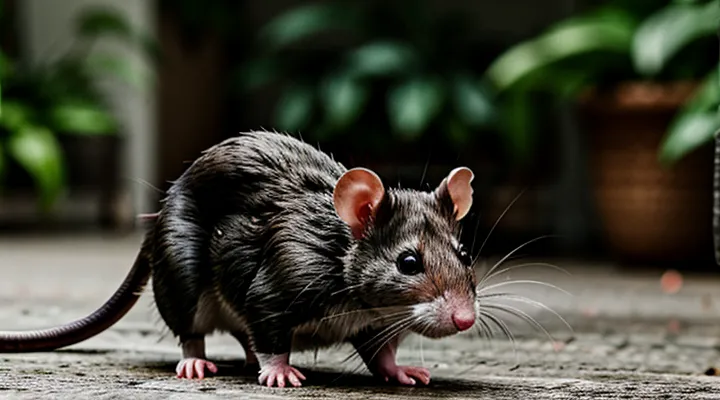
Recognizing Flea Infestation in Rats
Identifying Fleas and Flea Dirt
Visual Inspection
A thorough visual examination is the first step when a rodent shows signs of flea infestation. Inspect the animal’s fur and skin under bright, natural light to detect adult fleas, larvae, or eggs. Look for tiny, dark specks moving quickly across the coat, as well as small white or yellowish oval shells that may be attached to hair shafts.
Key inspection areas include:
- Head and neck – Fleas often congregate near the ears and around the jawline.
- Back and tail base – Dense fur provides a preferred habitat for all life stages.
- Underbelly and inner thighs – Warm, moist regions attract larvae.
- Feet and pads – Check for flea feces (small black specks) that may accumulate in webbing.
Assess the skin for redness, irritation, or scabs that indicate scratching or secondary infection. Note any excessive grooming behavior, which can signal discomfort. Document the number of visible fleas and the condition of the coat, as these observations guide the choice of treatment and monitoring protocols.
If fleas are confirmed, proceed promptly to appropriate ectoparasite control measures, ensuring that any medication selected is safe for rodents. Record the findings and schedule follow‑up inspections to verify the effectiveness of the intervention.
Combing for Fleas
When a rat becomes infested with fleas, physical removal through combing is a direct and effective measure. Use a fine‑toothed flea comb, typically designed for small mammals, and follow these steps:
- Secure the rat gently but firmly to prevent sudden movements; a soft towel or a small restraining box works well.
- Start at the head and run the comb slowly toward the tail, covering the entire body, including the underbelly and hindquarters where fleas often hide.
- After each pass, wipe the comb on a damp cloth or dip it in a solution of mild soap and water to kill any captured insects.
- Collect the dislodged fleas in a container with a few drops of insecticidal soap, then dispose of the mixture according to local regulations.
- Repeat the process every 12–24 hours for at least three days, adjusting frequency if the infestation appears severe.
Performing combing while the rat is calm reduces stress and maximizes flea removal. Combine this technique with environmental cleaning and appropriate topical treatments for comprehensive control.
Symptoms of Flea Bites on Rats
Itching and Scratching
When a rat becomes infested with fleas, the most immediate sign is persistent itching. Flea bites release saliva that triggers a localized inflammatory response, causing the animal to rub or scratch the affected area. Repeated scratching can break the skin, creating entry points for secondary bacterial infections and increasing the risk of hair loss.
Effective management of itching requires rapid removal of the parasites and soothing of the irritated skin. The following actions should be taken:
- Apply a veterinarian‑approved topical flea treatment to eliminate live fleas and prevent further bites.
- Use a mild, hypoallergenic shampoo designed for rodents to cleanse the coat and reduce residual saliva residues.
- Administer an anti‑itch ointment or spray containing ingredients such as aloe vera or hydrocortisone, following dosage guidelines from a professional.
- Inspect the skin for open lesions; treat any wounds with a veterinary‑approved antiseptic solution to deter infection.
- Provide a clean, dust‑free enclosure and replace bedding regularly to remove fallen flea debris and eggs.
Continuous observation is essential. If the rat continues to scratch excessively, shows signs of anemia, or develops swollen lymph nodes, seek veterinary care promptly to address possible complications and adjust the treatment protocol.
Hair Loss and Skin Irritation
Fleas feeding on a rat’s skin often lead to noticeable hair loss and persistent irritation. The loss of fur results from flea bites that damage hair follicles, while the irritation stems from inflammatory reactions to saliva and secondary bacterial infection.
Inspect the affected area daily. Look for thinning patches, redness, and crusted lesions. If hair loss exceeds 10 % of the body surface or skin appears ulcerated, seek veterinary evaluation promptly.
Treatment protocol:
- Bathing: Use a mild, species‑appropriate antiseptic shampoo to remove debris and reduce flea load. Rinse thoroughly to avoid residue irritation.
- Topical medication: Apply a veterinarian‑approved flea control product that is safe for rodents. Ensure the product reaches the skin surface; avoid excessive amounts that could cause further irritation.
- Anti‑inflammatory care: Administer a short course of a non‑steroidal anti‑inflammatory drug (NSAID) prescribed by a veterinarian to lessen swelling and discomfort.
- Nutritional support: Provide a diet rich in omega‑3 fatty acids and high‑quality protein to promote hair regrowth and skin healing.
- Environmental control: Clean the cage, replace bedding, and use a flea‑preventive spray or powder in the habitat to eliminate residual parasites.
Monitor progress for 7‑10 days. Hair should begin to regrow and skin redness should diminish. Persistent symptoms or secondary infection signs—such as pus, foul odor, or worsening hair loss—require immediate veterinary intervention.
Anemia and Lethargy
Fleas feed on a rat’s blood, rapidly depleting iron stores and reducing red‑cell volume. The resulting anemia often appears as pronounced lethargy, diminished appetite, and pale mucous membranes.
Typical indicators include:
- Pale pink or white gums and ear tips
- Reduced activity, prolonged resting periods
- Weight loss despite normal feeding patterns
- Rapid breathing or increased heart rate
When a rat shows these signs alongside a flea infestation, immediate intervention is required:
- Isolate the affected animal to prevent cross‑contamination.
- Administer a veterinarian‑approved flea treatment; topical or oral products with proven efficacy against Ctenocephalides spp. are preferred.
- Provide iron‑rich nutrition: supplement the diet with cooked liver, fortified pellets, or a veterinary‑prescribed iron supplement.
- Offer fluids and electrolytes to counteract dehydration and support circulatory volume.
- Re‑evaluate blood parameters after 48 hours; repeat complete blood count if anemia persists.
Long‑term control measures include regular cleaning of cages, washing bedding at high temperatures, and scheduling preventive flea applications according to veterinary guidelines. Maintaining a flea‑free environment eliminates the primary cause of anemia and restores normal energy levels.
Immediate Actions After Discovering Fleas
Isolating the Infested Rat
When a rat becomes infested with fleas, immediate separation from other animals and human contact prevents further spread. Place the affected rodent in a sturdy, escape‑proof enclosure that can be sealed, such as a metal or heavy‑plastic cage with a tight‑fitting lid. Line the bottom with a disposable, washable liner to contain debris and allow quick cleaning.
- Transfer the rat using clean gloves; avoid direct skin contact.
- Position the cage in a well‑ventilated area away from food preparation zones.
- Keep the enclosure isolated for at least 48 hours while treatment proceeds.
- Monitor the rat daily for signs of stress or worsening infestation; record observations.
After the isolation period, sanitize the cage, replace the liner, and disinfect surfaces with an appropriate flea‑killing agent. Maintain the rat in the cleaned enclosure until a full treatment course is completed, then reintroduce it only after confirming the absence of fleas.
Cleaning the Rat’s Environment
Washing Bedding and Toys
When a pet rat is infested with fleas, the environment must be decontaminated to prevent reinfestation. Bedding and toys are primary reservoirs for eggs and larvae; thorough cleaning eliminates the life cycle.
- Remove all fabric bedding, place it in a sealed bag, and launder at the hottest temperature the material tolerates (minimum 60 °C/140 °F). Add a disinfectant such as a diluted bleach solution (1 part bleach to 9 parts water) to the wash cycle. Dry on high heat or under direct sunlight for at least 30 minutes.
- For non‑washable bedding, vacuum the area, then steam‑clean or treat with an insecticidal spray labeled safe for rodents. Allow the material to dry completely before reuse.
- Disassemble toys, scrub with hot, soapy water, and rinse thoroughly. For plastic or metal items, soak in a solution of 0.5 % hydrogen peroxide for 10 minutes, then rinse.
- Small fabric toys can be laundered with the bedding using the same hot‑water cycle and disinfectant.
- After cleaning, store all items in sealed containers until the rat’s treatment is complete.
Regularly repeat the washing process every 48 hours during the flea treatment period to ensure any newly hatched insects are removed before they can re‑infest the rat.
Vacuuming and Sanitizing the Cage Area
When a pet rat becomes infested with fleas, the cage environment must be addressed promptly to prevent re‑infestation. Begin by removing the rat and placing it in a temporary, clean enclosure. Discard all soiled bedding, nesting material, and any food remnants that could harbor parasites.
- Use a shop‑vac or a vacuum equipped with a HEPA filter to remove debris from the cage floor, walls, and accessories. Operate the vacuum slowly to dislodge eggs and larvae that may be adhered to surfaces.
- After vacuuming, wipe all hard surfaces with a solution of one part diluted bleach (5 % sodium hypochlorite) to one nine parts water, or apply a veterinary‑approved disinfectant. Allow the disinfectant to remain for the contact time specified by the manufacturer, then rinse with clean water.
- For plastic or metal accessories, soak them in the same disinfectant solution for at least ten minutes before rinsing and drying.
- Replace the cage interior with fresh, parasite‑free bedding. Use a low‑dust, absorbent substrate such as paper‑based pellets.
Finally, return the rat to its cleaned cage and monitor its health. Repeat the cleaning process weekly for two weeks to ensure any residual eggs are eliminated. Regular vacuuming and sanitation of the cage area remain essential components of flea control for small rodents.
Consulting a Veterinarian
Importance of Professional Diagnosis
When a rodent exhibits signs of flea infestation, accurate identification of the parasite is critical. A veterinarian or qualified pest‑control specialist can confirm that the observed insects are indeed fleas and determine their species, which influences the choice of treatment. Misidentifying the pest may lead to ineffective remedies or toxic reactions.
Professional assessment provides a treatment plan tailored to the animal’s health status. Veterinarians can:
- Perform microscopic examination to verify flea presence.
- Evaluate the rat’s overall condition, checking for anemia, skin irritation, or secondary infections.
- Recommend flea products that are safe for small mammals, avoiding compounds harmful to rodents.
- Offer instructions for cleaning cages, bedding, and surrounding areas to eliminate eggs and larvae.
A qualified diagnosis also reduces the risk of spreading parasites to other pets or household members. Documented findings give owners a reference for future health checks and ensure compliance with local animal‑health regulations.
Discussing Treatment Options
When a pet rat becomes infested with fleas, effective treatment requires a combination of direct parasite control and environmental management.
Topical flea products formulated for small rodents can be applied to the dorsal surface. Choose a preparation that contains either fipronil or imidacloprid, following the manufacturer’s dosage chart for the animal’s weight. Apply the solution once, then re‑apply after two weeks if infestation persists.
Oral antiparasitic agents, such as a low‑dose ivermectin formulation, may be administered under veterinary guidance. Dosage must be calculated precisely; overdosing can cause neurotoxicity in rodents.
Environmental measures reduce re‑infestation risk:
- Wash all bedding, cages, and accessories in hot water (≥60 °C) and dry them thoroughly.
- Vacuum the surrounding area daily; discard the vacuum bag or clean the canister immediately.
- Use a flea‑targeted insecticide spray in the room, focusing on cracks, baseboards, and carpet fibers. Choose a product labeled safe for small mammals and allow the space to ventilate before re‑introducing the rat.
Natural options include:
- A diluted neem oil solution (5 % neem extract) applied to the cage surfaces, not directly on the animal.
- Diatomaceous earth spread thinly on the cage floor; ensure it is food‑grade and avoid inhalation.
Professional pest‑control services may be necessary for severe infestations that extend beyond the immediate habitat. Request a technician experienced with small‑animal environments to prevent exposure to harmful chemicals.
After treatment, monitor the rat for signs of irritation, excessive scratching, or lethargy. Any adverse reaction warrants immediate veterinary consultation.
Treating Fleas on Rats
Veterinarian-Approved Treatments
Topical Medications
When a rat becomes infested with fleas, topical anti‑parasitic agents provide the fastest relief. Apply the product directly to the skin at the base of the neck, where the animal cannot lick it off. Use only formulations labeled for small rodents; products intended for cats, dogs, or humans may cause toxicity.
Effective topical options include:
- Fipronil‑based spot‑on (e.g., Frontline® for rodents). Kills adult fleas within hours, prevents further infestation for up to 30 days. Dose: 0.2 mg per kilogram of body weight.
- Selamectin (e.g., Revolution®). Broad‑spectrum activity against fleas, mites, and some internal parasites. Dose: 0.5 mg per kilogram, repeat every 30 days.
- Imidacloprid (e.g., Advantage® for small mammals). Rapid flea knock‑down, lasting about 2 weeks. Dose: 0.5 mg per kilogram.
- Pyrethrin‑based formulations (e.g., FleaGuard®). Provide immediate knock‑down; repeat weekly for up to three applications. Use only if the rat shows no signs of hypersensitivity.
Before application, shave a small area at the neck to ensure direct contact with the skin. Verify the rat’s weight with a precise scale; under‑dosing reduces efficacy, overdosing increases risk of neurotoxicity. After treatment, observe the animal for at least 30 minutes for signs of irritation, tremors, or respiratory distress. If adverse reactions occur, contact a veterinarian immediately.
Environmental control complements topical therapy. Wash bedding in hot water, vacuum all surfaces, and treat the cage with a flea‑specific spray that contains the same active ingredient as the topical product. Repeat environmental treatment weekly for three weeks to break the flea life cycle.
Maintain a treatment schedule based on the selected product’s residual activity. Record dates of application, dosage, and any observed side effects to ensure consistent management and to provide accurate information to veterinary professionals if complications arise.
Oral Medications
When a pet rat is infested with fleas, oral antiparasitic agents provide a reliable means of eliminating the parasites and preventing re‑infestation. Systemic products reach the flea through the host’s bloodstream, ensuring that feeding insects are killed before they can reproduce.
Effective oral options include:
- Isoxazoline class (e.g., afoxolaner, fluralaner). Single dose delivers rapid flea kill; repeat dosing at 30‑day intervals maintains protection. Dosage is calculated on a milligram‑per‑kilogram basis; precise measurement is essential.
- Nitenpyram. Fast‑acting, kills adult fleas within hours. Typically administered once, with a repeat dose after 30 days if needed. Dosage must follow veterinary guidance to avoid neurotoxicity.
- Spinosad. Provides 30‑day coverage; effective against adult fleas and some larval stages. Requires accurate weight‑based dosing; contraindicated in animals with known hypersensitivity.
Administration guidelines:
- Weigh the rat accurately; use a digital scale calibrated to at least 0.1 g.
- Prepare the calculated dose in a syringe without a needle or mix with a small amount of palatable food to ensure complete ingestion.
- Observe the animal for 15‑30 minutes after dosing to confirm consumption; repeat if any portion is regurgitated.
- Record the date and dose; schedule the next administration according to the product’s interval.
Safety considerations:
- Verify that the selected medication is approved for rodents; many canine or feline products are toxic to rats.
- Monitor for signs of vomiting, lethargy, or tremors within the first 24 hours; contact a veterinarian immediately if adverse reactions appear.
- Avoid concurrent use of multiple flea treatments to prevent overdose.
Consult a licensed veterinarian before initiating therapy. Professional assessment confirms appropriate drug choice, dosage, and duration, reducing risk and ensuring effective control of the flea problem.
Injectable Treatments
When a pet rat becomes infested with fleas, injectable medications provide rapid systemic control. These products circulate through the bloodstream, reaching parasites that feed on blood and eliminating them before they reproduce.
- Ivermectin injection – administered at 0.2 mg/kg subcutaneously; effective against adult fleas and larval stages; observe for signs of hypersensitivity within 24 hours.
- Spinosad injectable formulation – dosage of 5 mg/kg intramuscularly; acts on flea nervous system causing paralysis; requires a single dose, with repeat treatment after 30 days if re‑infestation occurs.
- Selamectin‑based injectable – 0.2 mg/kg subcutaneously; covers fleas, mites, and certain nematodes; monitor for gastrointestinal upset for 48 hours.
Before administration, confirm the rat’s weight and health status. Use sterile syringes and inject into the loose skin over the dorsal neck area to minimize tissue trauma. Record the exact time of injection and dosage for future reference.
Post‑treatment monitoring includes checking the rat’s coat for live fleas, assessing appetite, and noting any abnormal behavior. If fleas persist after 48 hours, consider a second injection of the same product or switch to an alternative class, following veterinary guidance. Environmental control—cleaning cages, washing bedding, and treating the surrounding area—remains necessary to prevent reinfestation.
Safe Flea Control Products
Products Specifically for Small Animals
When a pet rat is infested with fleas, selecting products formulated for small mammals is essential to ensure safety and effectiveness. Conventional flea treatments for cats or dogs often contain concentrations that can be toxic to rodents; therefore, only items labeled for use on rats, mice, hamsters, or other tiny pets should be considered.
Effective options include:
- Flea shampoos: Gentle, low‑pH formulas designed for rodents, applied according to the manufacturer’s timing instructions, rinse thoroughly to remove residues.
- Spot‑on treatments: Micro‑dose liquid applicators placed on the skin at the base of the neck; the product spreads through the coat, killing fleas within hours. Verify that the concentration matches the animal’s weight (typically under 30 g).
- Powders and sprays: Non‑invasive powders containing insecticidal silica or botanical extracts; dust the cage and the rat’s fur, then brush off excess. Sprays should be applied in a well‑ventilated area and allowed to dry before handling the animal.
- Collars: Small‑animal collars impregnated with flea‑repelling agents; ensure the collar’s length fits the rat’s neck without causing restriction.
- Oral medications: Prescription tablets or chewables approved by a veterinarian for rodents; dosage is weight‑based and must be administered under professional guidance.
Environmental control complements direct treatment:
- Cage cleaning agents: Disinfectants that do not leave harmful residues, used to wash bedding, toys, and surfaces.
- Insect growth regulators (IGRs): Products that interrupt flea development, applied to the cage and surrounding area, reducing re‑infestation risk.
Before any product is applied, confirm the label’s species compatibility, read dosage charts carefully, and consult a qualified veterinarian if uncertainty remains. Proper use of rodent‑specific flea control measures eliminates parasites while protecting the health of the rat.
Avoiding Cat and Dog Flea Treatments
When a rat becomes infested with fleas, the instinct to apply products designed for cats or dogs can be tempting, but such treatments are often unsafe for rodents. Flea medications formulated for larger mammals contain ingredients that can be toxic to rats, leading to respiratory distress, liver damage, or death. Therefore, it is essential to manage the infestation without resorting to pet‑specific chemicals.
First, isolate the affected rat in a clean cage to prevent spread. Remove all bedding, toys, and food dishes, then wash them with hot water and a mild detergent. Replace with fresh, untreated materials. This eliminates the immediate environment where fleas lay eggs.
Second, employ non‑chemical control methods:
- Heat treatment: Place the empty cage in a sunny area or use a low‑temperature dryer (30‑35 °C) for 30 minutes. Flea eggs and larvae cannot survive prolonged heat.
- Vacuuming: Thoroughly vacuum the cage, surrounding floor, and any nearby furniture. Immediately dispose of the vacuum bag or empty the canister into a sealed bag.
- Physical removal: Use a fine‑toothed flea comb on the rat’s fur, working gently from head to tail. Collect dislodged fleas in a container of soapy water.
Third, consider safe, rodent‑approved products if chemical intervention is unavoidable. Products containing pyriproxyfen or spinosad, labeled for use on small mammals, may be applied according to the manufacturer’s dosage instructions. Avoid any formulation that lists permethrin, pyrethrins, or organophosphates, as these are contraindicated for rats.
Finally, monitor the rat and its environment for at least two weeks. Re‑inspect the animal daily for signs of remaining fleas, and repeat the cleaning cycle if necessary. Maintaining a flea‑free habitat and using rodent‑specific treatments when required prevents the need for cat or dog flea products and safeguards the health of the rat.
Bathing the Rat
Using Flea Shampoos for Small Animals
Rats that become infested with fleas require prompt, safe treatment to prevent discomfort and secondary infections. Flea shampoos formulated for small mammals provide a practical option because they combine insecticidal action with gentle cleansing agents suitable for delicate skin.
Select a product labeled for rodents or other small pets. Verify that the active ingredient is a low‑toxicity adulticide such as pyrethrin, fipronil, or (S)-methoprene. Ensure the formula is free of harsh detergents, strong fragrances, and ingredients known to irritate rodent mucous membranes. Read the concentration guidelines; a 0.5‑1 % solution is typical for rats.
Application procedure:
- Prepare lukewarm water in a shallow container; temperature should not exceed 30 °C.
- Dilute the shampoo according to the manufacturer’s instructions, mixing thoroughly to avoid clumps.
- Gently place the rat in the water, supporting the body to keep the head above the surface.
- Apply the diluted shampoo with a soft brush or fingertip, covering the entire coat while avoiding the eyes, ears, and nose.
- Lather for 30–45 seconds, then rinse completely with clean lukewarm water.
- Pat the animal dry with a towel; avoid using hair dryers or exposing the rat to drafts.
After bathing, monitor the rat for signs of irritation, lethargy, or excessive scratching. Repeat the treatment only if the product’s label permits a second application, typically after a 7‑day interval, to break the flea life cycle. Combine shampoo use with environmental control—regular cleaning of cages, bedding, and feeding areas—to reduce reinfestation risk.
Drying and Comforting the Rat
When a rat is found with fleas, the first priority after treatment is to eliminate moisture that can encourage reinfestation and cause skin irritation. Gently pat the animal with a clean, lint‑free towel to remove excess liquid, then place it in a low‑heat, well‑ventilated area for a brief drying period. Avoid direct heat sources such as radiators or hairdryers, which can burn delicate fur and skin.
Drying procedure
- Use a soft, absorbent cloth to blot the coat, moving from the head toward the tail.
- Set a low‑temperature fan at a safe distance (approximately 30 cm) to promote airflow without causing stress.
- Monitor the rat for signs of overheating; maintain ambient temperature around 20‑22 °C (68‑72 °F).
Comfort measures
- Provide a nest of clean, shredded paper or tissue for the rat to curl into, offering warmth and security.
- Ensure fresh water is readily available; add a few drops of electrolytes if the animal appears dehydrated.
- Offer a small portion of its regular diet or a bland soft food to encourage eating while the skin recovers.
- Keep the enclosure quiet and free of other pets to reduce stress during the recovery phase.
Consistent observation for additional flea activity, skin redness, or lethargy will indicate whether further veterinary attention is required.
Preventing Future Flea Infestations
Regular Cage Cleaning and Maintenance
Regular cleaning of a rat’s enclosure is essential for preventing and eliminating flea infestations. Fleas thrive in dirty bedding, residual food, and moisture; removing these elements reduces their habitat and interrupts their life cycle.
A consistent cleaning routine includes:
- Daily tasks: Remove uneaten food, spot‑clean droppings, and check for signs of parasites.
- Weekly tasks: Replace all bedding, scrub all surfaces with a mild detergent, and rinse thoroughly. Disinfect with a rodent‑safe solution (e.g., diluted hydrogen peroxide or a commercial pet‑safe disinfectant) and allow to dry completely before re‑adding bedding.
- Monthly tasks: Disassemble removable cage components, soak in warm soapy water, scrub crevices, and inspect for wear that could harbor eggs or larvae. Replace any damaged parts.
Maintain optimal humidity (40‑60 %) and temperature (68‑75 °F) to discourage flea development. Use a dedicated cage brush and vacuum to remove debris from hard‑to‑reach areas. After each cleaning cycle, monitor the rat for scratching, excessive grooming, or visible insects; early detection allows prompt treatment.
Implementing these practices creates an environment hostile to fleas, supporting the health of the rat and minimizing the need for chemical interventions.
Pest Control in the Home
Treating Other Pets
When a pet rat is found with fleas, every other animal in the household must be examined and treated promptly to prevent a broader infestation.
- Separate the rat in a clean cage; keep it away from other pets until treatment begins.
- Inspect cats, dogs, birds, and small mammals for signs of fleas: scratching, bite marks, or visible insects.
- Use species‑appropriate flea products; avoid rodent‑specific medications on other animals.
- Apply topical treatments or oral tablets according to the manufacturer’s dosage guidelines; follow the label for treatment intervals.
- Wash bedding, cages, and any fabric the rat has contacted in hot water; vacuum carpets and upholstery, then discard vacuum bags.
- Treat the environment with a flea spray or fogger labeled for indoor use; ensure pets are removed from the area during application and for the recommended re‑entry time.
- Schedule a veterinary appointment for each pet to confirm the infestation is cleared and to obtain prescription options if over‑the‑counter products are insufficient.
Monitor all animals for at least two weeks after treatment. Any recurrence of itching or visible fleas requires immediate re‑evaluation and possibly a change in medication. Maintaining regular grooming and periodic flea prevention will reduce the risk of future cross‑species infestations.
Addressing Household Flea Sources
Fleas thrive in environments where organic debris, moisture, and shelter coexist. When a rodent introduces fleas into a home, the infestation can spread rapidly unless the underlying sources are eliminated.
Identify and remove potential breeding sites. Inspect areas where the rat has nested—behind appliances, in wall voids, under furniture, and in storage boxes. Dispose of any shredded material, droppings, or food remnants. Vacuum carpets, rugs, and upholstery thoroughly, then discard the vacuum bag or empty the canister into an outdoor trash receptacle.
Treat the surrounding environment with an appropriate insecticide. Choose a product labeled for indoor flea control and follow label directions precisely. Apply to cracks, crevices, baseboards, and any fabric that cannot be laundered. Allow the treated surfaces to dry completely before reoccupying the area.
Address other animals that may serve as flea reservoirs. If pets are present, administer veterinarian‑approved flea preventatives and give a full bath with a flea‑killing shampoo. For wildlife or stray animals that might enter the property, set humane traps and arrange for professional removal.
Maintain preventive conditions. Reduce indoor humidity to below 50 % using dehumidifiers or ventilation. Keep food stored in sealed containers, and regularly wash bedding, pet blankets, and removable upholstery covers in hot water. Schedule routine vacuuming and spot‑treat high‑risk zones every two weeks for at least one month after the initial eradication effort.
By systematically eliminating the habitats that support flea development and applying targeted chemical control, the risk of re‑infestation diminishes, ensuring a flea‑free environment despite the initial rodent exposure.
Monitoring for Reinfestation
After treating a flea‑infested rat, continuous observation prevents the problem from resurfacing. Immediate verification confirms that the initial treatment succeeded; visual inspection of the animal and its environment should occur within 24 hours. Look for live fleas, flea dirt, or excessive scratching.
Implement a structured monitoring schedule:
- Day 1–3: Daily checks of the rat’s coat and bedding.
- Week 1–2: Inspect surrounding areas (cages, hideouts, nearby walls) every other day.
- Week 3–4: Conduct weekly examinations, focusing on corners, cracks, and ventilation ducts.
- Month 2 onward: Perform monthly surveys, especially during warm seasons when flea activity peaks.
Use reliable detection methods:
- Visual sweep with a fine‑toothed comb to dislodge hidden fleas.
- Light traps placed near the cage to capture jumping insects.
- Sticky pads positioned in concealed spaces to monitor adult flea movement.
Maintain records that include date, location of any findings, and corrective actions taken. Consistent documentation highlights trends, identifies hotspots, and informs adjustments to sanitation or treatment protocols.
If any sign of reinfestation appears, repeat the initial eradication steps without delay and reassess environmental controls—such as thorough cleaning, removal of debris, and sealing of entry points—to eliminate sources of re‑introduction.
Nutritional Support for Rat Health
Proper nutrition strengthens a rat’s immune system, making it more capable of coping with flea infestations. Balanced diets provide the energy and cellular components necessary for skin regeneration and parasite resistance.
- Protein: 15‑20 % of daily calories from high‑quality sources such as cooked chicken, boiled eggs, or commercial rat pellets formulated with animal‑based protein.
- Essential fatty acids: Omega‑3 and omega‑6 from flaxseed oil or fish oil improve skin barrier function and reduce inflammation.
- Vitamins A, D, and E: Support epithelial health and antioxidant defenses; include liver, carrot puree, and fortified pellet mixes.
- B‑complex vitamins: Aid metabolic processes and stress response; supply through whole‑grain cereals and fortified feeds.
- Minerals: Zinc and selenium are critical for wound healing; provide via mineral blocks or calcium‑rich vegetables like broccoli.
Consistent feeding schedules prevent stress‑induced immune suppression. Offer fresh food twice daily, remove uneaten portions within a few hours to avoid spoilage. Clean water should be available at all times; adding a small amount of electrolyte solution during severe infestation can prevent dehydration.
Supplemental probiotics bolster gut flora, which indirectly influences skin health. A daily dose of a rat‑specific probiotic powder mixed into food can enhance digestive efficiency and immune modulation.
Monitor body condition weekly. A healthy rat maintains a smooth coat, steady weight, and active behavior. Adjust portions or nutrient sources if weight loss or coat deterioration occurs, and consult a veterinarian for targeted flea treatments alongside nutritional support.