
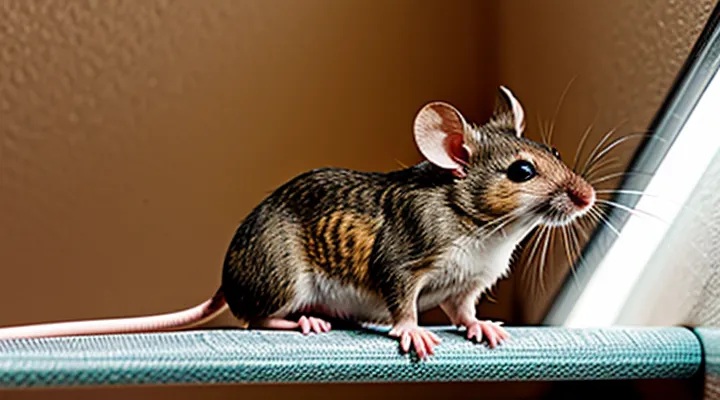
Understanding the Situation «Assessing the Problem»
Initial Assessment «Identifying Signs of a Trapped Mouse»
Visual Cues «Observing Movement or Bulges»
When a rodent becomes confined within a suspended ceiling, the first indication of its location comes from visual signs on the ceiling surface. Subtle shifts in fabric tension, localized bulging, or faint movement patterns reveal the animal’s position and activity level.
Observe the ceiling for:
- Small, irregular protrusions that expand and contract rhythmically.
- Areas where the material appears stretched more tightly than surrounding sections.
- Light reflections that flicker as the mouse moves, especially near seams or support points.
- Minute discoloration or smudging that follows the creature’s path.
These cues guide the selection of removal techniques. A bulge that swells and relaxes suggests a live mouse actively navigating the space; a static bulge may indicate a deceased animal or obstruction. Continuous monitoring of movement patterns helps determine whether immediate extraction is required or whether the mouse can be coaxed toward an access point.
By focusing on these visual indicators, responders can pinpoint the exact spot, minimize ceiling damage, and execute the appropriate intervention efficiently.
Auditory Cues «Listening for Scratches or Squeaks»
Listening for faint scratches or squeaks provides the quickest indication of a mouse’s location within a suspended ceiling. The metal framework and acoustic panels amplify tiny movements, allowing the sound to travel through the space above the floor. When the mouse is active, its claws and body generate distinct noises that differ from ambient building sounds such as HVAC or lighting fixtures.
To use auditory cues effectively, follow these steps:
- Quiet the surrounding environment by turning off fans, air‑conditioning units, and any machinery that produces steady noise.
- Position yourself near the ceiling grid and remain still, allowing your ears to capture subtle sounds.
- Identify the direction of the noise by noting whether the sound is louder on the left, right, front, or back.
- Move incrementally toward the perceived source, pausing at each step to listen for changes in volume or pitch.
- When the noise intensifies, focus on that specific panel or tile; the mouse is likely trapped directly beneath it.
Accurate interpretation of the sound pattern distinguishes a mouse’s rapid scurrying from occasional settling noises. A continuous, rhythmic squeak often signals distress, while intermittent scratches suggest movement across the ceiling’s structural members. Recognizing these differences guides the next intervention—removing the affected panel or employing a humane trap—while minimizing disruption to the surrounding structure.
Safe Removal Strategies «Practical Steps for Extraction»
Preparing for Removal «Gathering Necessary Tools»
Safety Precautions «Protecting Yourself and the Mouse»
When a mouse becomes trapped in a stretch‑ceiling system, the first priority is to safeguard both the rescuer and the animal. Follow a structured approach before attempting any removal.
- Wear cut‑resistant gloves to prevent punctures from the ceiling material and to protect the mouse’s skin from accidental crushing.
- Use safety goggles or a face shield; fragments of the fabric can detach and strike the eyes.
- Secure a stable ladder or scaffolding; verify each rung before climbing to avoid falls that could endanger the mouse and the worker.
- Ensure the work area is well‑ventilated; avoid inhaling dust or adhesive fumes released when the ceiling is disturbed.
- Disable any nearby electrical fixtures or lighting rigs to eliminate shock hazards while reaching into the ceiling cavity.
After personal protection is confirmed, handle the mouse with care:
- Approach slowly; sudden movements can trigger a stress response that may cause the mouse to bite.
- Place a soft, breathable cloth or small animal carrier over the mouse before lifting; this reduces the risk of skin injury and contains the animal.
- If the mouse is tangled in fabric, use fine‑pointed tweezers or a slender hook to gently free the material without pulling.
- Apply a small amount of non‑toxic lubricant (e.g., vegetable oil) to loosen adhesive if necessary; avoid chemicals that could harm the mouse’s respiratory system.
- Release the mouse onto a clean, dry surface away from the work zone; monitor briefly for signs of injury before allowing it to exit the area.
Finally, inspect the ceiling for remaining damage. Repair torn sections and reinforce joints to prevent recurrence. Document the incident and the steps taken, ensuring compliance with occupational safety regulations and humane animal‑handling guidelines.
Accessing the Mouse «Creating an Opening»
Locating the Entry Point «Finding Weak Spots or Gaps»
When a rodent becomes trapped in a suspended ceiling, the first practical step is to determine how it entered the space. Identifying the entry point prevents future incidents and guides the removal process.
Examine the ceiling perimeter for openings larger than a few millimeters. Common weak spots include:
- Gaps around lighting fixtures, HVAC diffusers, or fire suppression heads.
- Seams where the stretch fabric meets the mounting track.
- Unsealed joints around cable trays, conduit penetrations, or wall‑to‑ceiling transitions.
- Damage to the fabric such as tears, punctures, or stretched areas caused by previous repairs.
Inspect each potential opening from both the attic or crawl‑space side and the interior side. Use a flashlight and a flexible inspection camera to view concealed seams. Measure any discovered gaps; openings exceeding ¼ inch typically allow mouse passage.
If an opening is confirmed, seal it before attempting removal. Apply a high‑quality, fire‑rated sealant or install a metal flashing patch that matches the ceiling’s specifications. Ensure the patch adheres securely to both the fabric and the mounting track to restore structural integrity.
Locating the entry point accurately reduces the risk of re‑infestation and facilitates safe extraction of the trapped animal.
Controlled Opening «Minimizing Damage to the Ceiling»
When a rodent becomes trapped in a tension‑mounted ceiling, the first priority is to create an opening that limits structural impact. Begin by identifying the exact location of the animal. Visual inspection through lighting or a small inspection port reduces unnecessary disturbance.
Next, prepare the work area. Lay protective sheeting on the floor, secure it with tape, and position a sturdy tray beneath the intended cut zone. This preparation captures any debris and prevents damage to underlying surfaces.
Proceed with a controlled cut:
- Select a sharp utility knife or a fine‑tooth saw designed for fabric‑based ceilings.
- Mark a rectangle no larger than necessary to extract the mouse, typically 4–6 inches on each side.
- Apply gentle, even pressure while cutting, keeping the blade perpendicular to the ceiling surface.
- Pause after each incremental cut to assess tension release and avoid tearing beyond the marked area.
After the opening is created, use a soft brush or a small handheld vacuum with a low‑suction setting to coax the mouse toward the gap. If the animal does not move, gently guide it with a thin piece of cardboard, ensuring no force is applied that could rip the surrounding material.
Once the rodent is free, seal the opening promptly. Align a patch of matching stretch‑ceiling material, overlap the cut edges by at least one inch, and secure it with a heat‑activated adhesive gun. Apply uniform heat to activate the adhesive, then smooth the patch to restore original tension.
Finally, inspect the repaired area for uniform tension and visual defects. If irregularities remain, repeat the sealing process with a new patch until the surface regains a seamless appearance. This method confines damage to a minimal, easily repairable section while safely removing the animal.
Guiding the Mouse Out «Encouraging Escape»
Gentle Persuasion «Using Non-Harmful Methods»
When a rodent becomes lodged in a suspended ceiling, immediate action should prioritize the animal’s welfare and the integrity of the ceiling system. Non‑lethal techniques rely on coaxing the mouse to exit voluntarily, minimizing stress for the creature and preventing damage to the fabric.
First, create a calm environment. Reduce ambient noise and dim lights to lower the mouse’s anxiety. Open any nearby access panels to improve airflow, which encourages movement toward a safer exit point.
Next, introduce enticing stimuli:
- Place a small dish of fresh fruit, seeds, or peanut butter just beyond the trapped area.
- Add a few drops of vanilla or almond extract on a cotton swab near the opening; the scent attracts rodents without causing harm.
- Position a shallow tray of water a short distance away to provide a hydration cue.
If the mouse remains immobile, apply gentle physical encouragement:
- Use a soft, flexible rod (e.g., a thin bamboo stick) to lightly tap the ceiling material near the mouse, creating subtle vibrations that signal an escape route.
- Employ a low‑intensity airflow device, such as a handheld fan on the lowest setting, to direct a mild breeze toward the opening, nudging the animal toward the bait.
- Should the mouse appear hesitant, introduce a calm, low‑frequency sound (e.g., a quiet ticking clock) to mask sudden noises and maintain a steady auditory backdrop.
Monitor the situation continuously. Once the mouse moves toward the bait, guide it gently with a lightweight cloth or a small cardboard funnel, ensuring the pathway remains unobstructed. After the animal has exited, seal any gaps in the ceiling to prevent future incursions and clean the area with a mild, non‑toxic disinfectant.
These steps achieve release without injury, preserve the ceiling’s condition, and uphold humane standards for pest management.
Trap Placement «Luring the Mouse to Freedom»
When a rodent becomes trapped within a suspended ceiling, the quickest resolution involves guiding it toward an exit using a strategically positioned trap.
Place a live‑capture device directly beneath the area where the mouse was observed. The device should rest on a flat surface to prevent tipping and must be large enough for the animal to enter without injury. Position the trap so that the mouse’s natural route to the nearest opening—typically a vent or a gap in the ceiling tiles—passes over the capture area.
Prepare an attractant that appeals to the mouse’s diet. A small amount of peanut butter, sunflower seeds, or dried fruit placed at the far end of the trap creates a clear incentive. Ensure the bait does not spill onto surrounding surfaces, which could cause the mouse to avoid the trap.
Secure the trap with a gentle restraint mechanism that closes only when the mouse steps onto the trigger plate. This design prevents escape while avoiding harm. Test the mechanism before deployment to confirm reliable operation.
After placement, monitor the trap at regular intervals—every 15–20 minutes—until the mouse is captured. Once secured, transport the live trap to an outdoor location away from the building, release the animal, and seal any openings that allowed entry.
Key steps for effective trap placement:
- Identify the mouse’s path to an existing aperture.
- Position a live‑capture trap directly under that path.
- Apply a suitable bait at the far end of the trap.
- Verify trigger sensitivity and stability.
- Check the trap frequently and release the mouse safely.
Following this method eliminates the need for destructive removal and restores the ceiling’s integrity with minimal disruption.
Post-Removal Actions «Preventing Future Incidents»
Ceiling Repair «Restoring the Integrity»
Patching Techniques «Sealing the Opening»
When a rodent escapes a tensioned ceiling, the resulting aperture must be sealed promptly to restore structural integrity and prevent future intrusions. Select a patch material compatible with the ceiling’s original composition—typically a high‑strength fabric or polyester‑coated PVC. Apply a reinforcing mesh over the hole, then coat it with a liquid joint compound formulated for stretch‑ceiling applications. Smooth the compound with a flexible trowel, ensuring a seamless blend with surrounding surface. Allow the coating to cure according to manufacturer specifications before re‑tensioning the fabric.
Key actions for a reliable seal:
- Clean the opening of debris and dust.
- Cut a patch piece that exceeds the hole by at least two inches on every side.
- Position the mesh over the patch, securing it with a low‑profile adhesive suitable for the ceiling material.
- Spread joint compound evenly, feathering edges into the existing surface.
- Inspect for bubbles or gaps; repair any imperfections before curing.
- Follow the recommended drying time, then re‑apply the ceiling’s tensioning system.
Using these steps eliminates weak points, restores the ceiling’s load‑bearing capacity, and minimizes the risk of recurrence.
Professional Help «When to Call an Expert»
If a rodent becomes trapped within a suspended ceiling system, attempting a DIY release may damage the fabric, compromise structural integrity, or cause injury to the animal. Professional technicians possess the tools and training to access the cavity safely, assess the situation, and extract the mouse without harming the ceiling or the occupant.
Call an expert when any of the following conditions apply:
- The mouse is located beyond reach of a ladder or standard tools.
- The ceiling shows signs of tearing, sagging, or water damage.
- The building is occupied, and the disturbance could affect occupants’ safety.
- Previous removal attempts have failed or caused additional problems.
- The mouse appears injured, sick, or part of a larger infestation.
Engaging a qualified service ensures that the ceiling’s warranty remains intact, that the removal complies with local health regulations, and that the problem is resolved efficiently.
Pest Control «Addressing the Root Cause»
Identifying Entry Points «Sealing Gaps and Cracks»
Mice reach suspended ceilings through openings that bypass the building envelope. Detecting those openings prevents recurrence after the trapped animal is removed.
Inspect the structure systematically:
- Examine perimeter walls for cracks larger than ¼ inch.
- Trace utility lines (plumbing, electrical, HVAC) where they pass through walls or floors; gaps often appear around sleeves.
- Look beneath floor joists and above ceiling tiles for loose boards or missing fasteners.
- Use a flashlight to highlight shadowed seams and check for gnaw marks indicating recent activity.
Seal identified openings with appropriate materials:
- Apply expanding polyurethane foam to fill irregular gaps, allowing it to cure fully before trimming excess.
- Install steel wool or copper mesh behind caulk in narrow cracks to deter chewing.
- Use silicone or acrylic caulk for smooth joints and seams, smoothing the bead for a uniform seal.
- For larger voids, fit metal flashing or sheet metal patches, securing them with screws or construction adhesive.
After sealing, verify integrity by re‑inspecting each site, confirming that no new openings have formed. Schedule periodic checks, especially after seasonal temperature changes, to maintain a barrier against future intrusions.
Repellent Strategies «Deterring Future Intrusions»
After removing the rodent from the suspended ceiling, focus on measures that stop further incursions. Effective deterrence relies on eliminating access routes, creating an unappealing environment, and maintaining conditions that discourage habitation.
- Inspect the entire ceiling system for gaps around lighting fixtures, ventilation ducts, and cable trays. Fill openings with steel wool, expanding foam, or metal mesh that rodents cannot gnaw through.
- Apply non‑toxic repellents such as peppermint oil, eucalyptus spray, or commercially available rodent‑deterrent concentrates to joists, beams, and perimeter walls. Reapply according to product guidelines, especially after cleaning.
- Install physical barriers like metal flashing or fine‑mesh screens around vulnerable sections of the ceiling. Ensure tight seams and overlap to prevent squeeze‑through.
- Reduce food sources by sealing trash containers, cleaning crumbs, and storing supplies in airtight containers. Eliminate water leaks that provide hydration.
- Deploy monitoring devices—electronic sensors or snap traps—in concealed locations to detect early activity. Check devices regularly and replace bait or traps as needed.
Consistent implementation of these steps creates a hostile environment for mice, minimizing the likelihood of future entrapment in the suspended ceiling.