
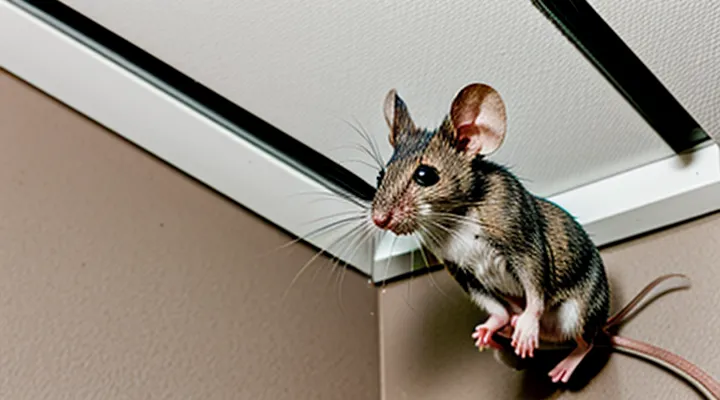
Understanding the Problem: Why Mice Choose Stretch Ceilings
Identifying the Signs of a Mouse Infestation
Auditory Clues: Sounds and Scratches
Auditory clues provide the quickest indication of a rodent’s presence on a taut ceiling. Listen for high‑pitched squeaks, especially when the animal darts between joists; these sounds differ from ambient house noises in frequency and rhythm. Sharp, intermittent scratches signal contact with wood or insulation, while continuous rustling implies movement through stored materials.
Identify the source by correlating sound location with room layout. Move toward the loudest point, pausing each few seconds to note changes in pitch or intensity. A sudden increase in volume often marks the mouse’s proximity to a support beam or edge.
When sounds persist after initial detection, take the following steps:
- Silence all other appliances to isolate rodent noises.
- Position a flashlight near the suspected area; a brief flash may provoke a startled squeak, confirming the exact spot.
- Deploy a humane trap at the point where scratches are most pronounced; bait with high‑protein items such as peanut butter.
- If the mouse repeatedly evades capture, seal any visible gaps in the ceiling’s tension system to restrict movement and reduce noise generation.
Consistent monitoring of auditory patterns, combined with targeted trapping, efficiently resolves the issue without extensive disassembly of the ceiling structure.
Visual Clues: Droppings and Damage
Mice on a stretched ceiling leave distinct evidence that can confirm their presence and indicate the extent of the problem. Fresh droppings are dark, rod-shaped, and approximately one centimeter long; older specimens turn lighter and become crumbly. Accumulations near the ceiling edges, in corners, or along the joist lines suggest active movement across the tensioned surface.
Physical damage provides additional confirmation. Look for gnaw marks on wooden beams, insulation, or wiring; these appear as clean, parallel cuts with a fresh, exposed surface. Chewed insulation may be shredded and displaced, creating gaps that allow the animal to navigate the space. Small holes in plaster or drywall, often surrounded by frayed material, reveal entry or exit points.
Key visual indicators:
- Dark, moist droppings near ceiling joists
- Light, powdery droppings in less trafficked areas
- Fresh gnaw marks on structural wood or support beams
- Shredded or missing insulation material
- Holes or cracks in plaster, especially with exposed edges
- Dislodged wiring or cable sheathing showing bite marks
These observations help prioritize inspection zones and guide subsequent control measures.
Common Entry Points for Rodents
Gaps in Foundation and Walls
A mouse on a stretched ceiling often indicates structural openings that allow access from below. Gaps in the foundation and walls serve as primary entry points. Identifying and sealing these defects stops the animal from traversing the building envelope and prevents damage to the tensioned ceiling system.
- Inspect the perimeter for cracks wider than ¼ inch, especially near concrete footings, brick joints, and where utilities penetrate the structure.
- Use a flashlight and mirror to examine interior wall surfaces for gaps around pipes, ducts, and electrical outlets.
- Apply a moisture‑resistant sealant to all visible cracks; for larger openings, install steel wool or copper mesh before caulking to deter chewing.
- Replace deteriorated sill plates or damaged masonry with new, properly graded material to restore a continuous barrier.
- Install a low‑profile flashing around foundation walls to redirect water away and eliminate conditions that attract rodents.
Regular maintenance of these areas reduces the likelihood of a rodent reaching the ceiling. Prompt repair of identified gaps restores the integrity of the building envelope and safeguards the tensioned ceiling from future incursions.
Unsealed Vents and Pipes
Unsealed vents and exposed pipework create direct pathways for rodents to access a suspended ceiling. Gaps around HVAC registers, dryer exhausts, and plumbing penetrations often measure less than an inch, yet they permit a mouse to climb the tensioned joists and move freely overhead.
Inspect each vent cover, noting any loosened screws or missing flanges. Examine pipe sleeves for cracks, split insulation, and gaps where the pipe meets the framing. Use a flashlight to follow the mouse’s trail; droppings or gnaw marks indicate active routes.
Remediation actions
- Remove vent grills, clean debris, and replace with sealed, fire‑rated louver assemblies that include a tight mesh screen.
- Apply stainless‑steel mesh (¼‑inch) to the interior side of each vent opening; secure with screws and silicone sealant.
- Wrap all exposed pipes in foam insulation, then cover with metal or heavy‑duty tape. Seal the junction between pipe and wall or ceiling with expanding polyurethane foam.
- Install metal flashing around pipe penetrations, fastening with screws and sealing edges with acrylic caulk.
- Check for attic access doors; install weatherstripping or a tight‑closing latch if present.
After sealing, monitor for new activity. If signs persist, set humane traps near the identified entry points and repeat the inspection to locate any missed openings. Regular maintenance of vent and pipe seals prevents future incursions and preserves the integrity of the ceiling structure.
Roof Access Points
Roof access points are the primary routes for inspecting and intervening when a rodent traverses a tensioned ceiling. Identify every opening that leads to the attic or roof structure, including hatch doors, pull‑down stairs, vent covers, skylights, and service panels. Verify that each point can be opened safely without damaging the ceiling’s tension system.
Typical roof access points:
- Hatch doors mounted on the interior wall, usually secured with a latch or lock.
- Pull‑down ladder assemblies attached to the ceiling joists.
- Roof‑mounted ventilation grilles that can be removed for entry.
- Fixed skylights with removable frames.
- Utility panels for HVAC, plumbing, or electrical services.
For each access point, perform the following actions:
- Confirm the structural integrity of the surrounding framing.
- Remove any debris or insulation that could conceal the mouse.
- Examine the perimeter for gnaw marks, droppings, or nesting material.
- Seal gaps larger than ¼ inch with steel wool, caulk, or metal flashing to prevent re‑entry.
- Install a trap or bait station directly beneath the access point, ensuring it does not interfere with the tension cables.
Regularly schedule inspections of all roof entry locations, especially after seasonal changes that may alter ventilation patterns. Maintain a log of inspection dates, observed rodent activity, and any repairs performed to track effectiveness and plan future interventions.
Immediate Actions and Safety Measures
Assessing the Damage to the Ceiling
Minor Scratches and Dust Accumulation
When a rodent traverses a stretched ceiling, the surface often shows tiny gouges and a thin layer of dust. These marks are usually superficial, yet they can indicate underlying tension loss or compromised finish.
First, evaluate the extent of the scratches. Use a flashlight to trace each line; if the indentation is less than 1 mm deep, the ceiling board remains structurally sound. Deeper cuts may signal torn plaster or displaced tension wires and require professional reinforcement.
Second, address dust buildup. Dust settles in the crevices created by the scratches, attracting insects and accelerating wear. Follow these steps:
- Vacuum the area with a soft‑brush attachment to remove loose particles without disturbing the ceiling fabric.
- Apply a slightly damp microfiber cloth to the scratched zones; wipe in a single direction to avoid spreading dust further.
- Allow the surface to dry completely before any repair work.
Third, perform minor cosmetic repair if needed. For shallow scratches:
- Fill each groove with a lightweight, flexible filler designed for tensioned surfaces.
- Smooth the filler with a putty knife, ensuring it blends with the surrounding material.
- Once dry, sand lightly with fine‑grain paper and repaint using a ceiling‑compatible, low‑sheen coating.
Finally, implement preventive measures. Seal entry points in the roof and walls, and install a low‑profile barrier above the ceiling to deter future rodent movement. Regular inspection—at least twice yearly—will catch new scratches or dust accumulation before they develop into structural concerns.
Significant Tears and Structural Concerns
A stretched ceiling that has developed large tears presents an immediate risk of collapse. The presence of a mouse on such a surface amplifies the danger because the animal’s weight and movement can exacerbate existing damage.
Identify the tear location and assess its size. If the opening exceeds a few centimeters, treat the area as compromised. Do not allow the mouse to continue using the compromised section as a pathway.
Take the following actions:
- Isolate the area: cordon off the space beneath the tear, use barriers or temporary support beams to prevent falling debris.
- Remove the rodent: set a humane trap or employ a professional pest‑control service to capture the mouse without further stressing the ceiling.
- Stabilize the structure: install temporary braces or joist hangers to redistribute load away from the damaged zone.
- Repair the tear: replace or reinforce the affected ceiling joists, install new drywall or plaster, and seal any gaps that could allow future rodent entry.
- Conduct a full inspection: engage a structural engineer to evaluate the entire ceiling system for hidden weaknesses, ensuring that all tensioned members meet safety standards.
Delay increases the likelihood of a sudden failure, which can cause injury and extensive property damage. Immediate containment, rodent removal, and professional repair are the only reliable measures to mitigate the threat.
Prioritizing Safety: Electrical and Health Risks
Potential for Wire Damage
A mouse moving across a stretched ceiling can press against exposed wiring, creating points of stress that may lead to insulation cracks, short circuits, or broken conductors. The animal’s weight, combined with the tension of the ceiling material, can cause cables to shift, especially if they are loosely secured or run close to the surface.
- Inspect the ceiling for visible wires or conduit; mark any that are within a few centimeters of the surface.
- Reinforce cable clamps or use additional fasteners to prevent movement caused by the ceiling’s tension.
- Install a protective barrier, such as a thin metal or plastic strip, between the mouse’s path and the wiring.
- Apply a non-toxic deterrent to keep the rodent away from the area, reducing the chance of repeated contact.
If damage occurs, disconnect power to the affected circuit before attempting repairs. Replace any compromised insulation and verify continuity with a multimeter. Re‑secure all cables after the repair to restore the original tension balance and prevent future incidents.
Risk of Contamination and Disease
A mouse moving across a stretched ceiling can deposit urine, feces, and saliva onto the surface, creating a direct source of bacterial, viral, and parasitic contamination. These secretions may drip onto insulation, wiring, or interior spaces, introducing pathogens such as Salmonella, Leptospira, hantavirus, and Bartonella into the household environment.
The primary health concerns stem from inhalation of aerosolized particles, dermal contact with contaminated material, and accidental ingestion of droppings that have fallen onto food preparation areas. Persistent exposure increases the risk of gastrointestinal illness, respiratory infections, and zoonotic diseases that can affect all occupants, including vulnerable individuals such as children and the elderly.
To mitigate contamination and disease transmission, follow these steps:
- Wear disposable gloves and a mask before accessing the ceiling area.
- Use a HEPA‑rated vacuum or damp cloth to collect visible droppings, avoiding dry sweeping that can disperse particles.
- Disinfect the ceiling with a solution containing at least 70 % isopropyl alcohol or a registered EPA‑approved rodent sanitizer.
- Seal any openings or gaps that allow rodent entry; install metal mesh or steel wool as a barrier.
- Contact a licensed pest‑control professional for trapping or exclusion measures.
- Conduct a thorough inspection of adjacent rooms for secondary contamination and repeat cleaning if necessary.
Implementing these actions eliminates the immediate pathogen load and reduces the likelihood of future infestations, protecting the health of the household.
Temporary Solutions to Deter the Mouse
Using Ultrasonic Repellents
When a rodent moves along a stretched ceiling in a private residence, ultrasonic repellents offer a non‑chemical deterrent. The devices emit high‑frequency sound waves that exceed the hearing range of humans but cause discomfort to mice, prompting them to leave the area.
Effective deployment requires proper positioning. Place the unit directly beneath the ceiling segment where activity is observed, ensuring the signal can reach the entire length of the tensioned surface. Avoid obstructions such as heavy furniture or solid walls that block sound propagation.
Key considerations for selecting a suitable model:
- Frequency range of 20–30 kHz, proven to affect common house mice.
- Adjustable timer or continuous operation mode to match occupancy patterns.
- Battery backup or hard‑wired power for uninterrupted performance during outages.
- Certified safety standards to prevent interference with pets or electronic equipment.
Maintenance is straightforward. Clean the exterior surface monthly to prevent dust buildup, which can dampen acoustic output. Replace the unit according to the manufacturer’s lifespan, typically every 12–18 months, to maintain efficacy.
Limitations must be acknowledged. Ultrasonic waves lose intensity over distance; large open rooms may require multiple units. Mice can become habituated if exposure is constant, so alternating devices or combining with physical barriers improves results.
In summary, ultrasonic repellents provide a quiet, humane method to discourage a mouse from navigating a tensioned ceiling. Correct placement, regular upkeep, and awareness of device constraints ensure reliable performance in a residential setting.
Setting Humane Traps (Outside the Ceiling)
When a mouse traverses a taut ceiling in a residential setting, the safest removal method involves humane traps placed beneath the structure. Position traps where the rodent is most likely to travel, typically along the line of the ceiling joists or directly below visible activity. Use traps designed to capture without injury, such as live‑catch cages or multi‑catch glue‑free devices.
Installation steps
- Identify entry points and pathways by observing droppings, gnaw marks, or fresh footprints.
- Select a trap size appropriate for a house mouse (approximately 2–3 inches wide).
- Place bait—peanut butter, sunflower seed, or dried fruit—on the trigger mechanism.
- Secure the trap on a stable surface, ensuring it does not shift when the mouse steps onto it.
- Check traps at least twice daily; release captured mice at least one mile from the residence, following local wildlife regulations.
Additional considerations
- Seal gaps in the ceiling and surrounding walls after capture to prevent re‑entry.
- Maintain a clean environment by storing food in sealed containers and removing clutter that offers shelter.
- If multiple mice are present, deploy several traps simultaneously to increase capture efficiency.
By locating traps directly beneath the ceiling’s travel route and using appropriate bait, the homeowner can remove the rodent without harming it and without risking damage to the tensioned structure.
Long-Term Solutions and Prevention
Accessing the Ceiling Void
Identifying Access Panels
When a rodent traverses a taut ceiling, direct observation is impossible; the only way to intervene is through the structure’s access points. Locate those openings before attempting any capture or repair.
Examine the ceiling’s surface for uniformity. Removable sections differ in texture, often showing a seam, screw line, or recessed edge. Common locations include:
- Ceiling joist bays where drywall panels meet, typically marked by a thin, removable strip.
- Ventilation grilles that sit flush with the surface but can be unscrewed or clipped out.
- Light fixtures or ceiling fans; their mounting plates often conceal a hidden panel beneath.
- Utility boxes for electrical wiring or HVAC, which are usually labeled and feature a hinged cover.
Confirm the panel’s purpose by checking for wiring, insulation, or conduit behind it. Use a flashlight at an angle to reveal gaps; a narrow beam will highlight seams that reflect light differently. A small pry tool can gently test whether a section is removable without damaging the surrounding material.
Once the correct access panel is identified, remove it carefully, maintaining the integrity of any fasteners for reassembly. This provides a direct route to monitor the mouse’s movement, set traps, or seal potential entry points.
Carefully Creating a New Opening (If Necessary)
When a rodent traverses a taut ceiling, a passage may be required to intervene safely. The decision to cut an opening should follow a systematic evaluation to preserve the ceiling’s load‑bearing function.
First, locate the exact point where the mouse is active. Verify that the spot is clear of electrical wiring, plumbing, or fire‑stop barriers. Use a flashlight and a non‑contact voltage tester to confirm safety.
Next, determine the minimal dimensions needed for access. A 4‑inch square generally accommodates standard traps or removal tools while limiting structural disturbance. Mark the outline with a pencil and a straight edge.
Select a cutting instrument appropriate for the ceiling material—drywall saw, oscillating multitool, or reciprocating blade. Attach a dust‑extraction attachment if possible to reduce debris. Begin the cut slowly, maintaining a perpendicular angle to avoid widening the opening unintentionally.
After the aperture is created, reinforce the surrounding area. Install a short piece of plywood or metal flashing around the edges to prevent the surrounding plaster from cracking under tension. Apply a thin layer of construction adhesive to secure the reinforcement.
Insert the chosen capture device or removal tool through the opening. Monitor the mouse’s movement and act promptly. Once the animal is removed, seal the opening with a compatible patch kit, ensuring the repaired section restores the original tension and fire rating.
Finally, inspect the ceiling for any secondary damage caused by the rodent or the intervention. Address any compromised insulation, wiring, or structural elements before restoring normal use.
Removing the Rodent
Setting Traps Inside the Ceiling Void
Mice can exploit the space between a tensioned ceiling and the underlying structure, making direct contact impossible. Installing traps within that void isolates the rodent without damaging the ceiling’s integrity.
Before placement, secure the work area. Turn off electricity to the affected zone, wear a dust‑proof mask, and use a sturdy ladder or scaffolding to reach the access panel. Remove the panel carefully to expose the cavity, then clear debris that could obstruct trap deployment.
Choose traps that function in confined spaces:
- Snap traps with short, sturdy arms; position them perpendicular to the ceiling joists.
- Live‑capture cages equipped with a narrow entrance; attach them to the joist using zip ties.
- Glue boards with a rigid backing; affix them to the side of the cavity where the mouse travels.
Place each device at least 12 inches apart, targeting known runways such as insulation gaps or wiring channels. Bait with high‑protein items—peanut butter, bits of cooked meat, or sunflower seeds—secured to prevent displacement.
Check traps daily through the access panel. Remove captured mice, replace bait, and inspect for additional activity. After confirming the absence of signs, reseal the panel and restore power. Continuous monitoring for two weeks ensures the infestation is fully resolved.
Using Baits Safely and Effectively
A mouse moving across a stretched ceiling in a residence requires immediate control. Bait deployment offers a rapid, discreet solution when executed with proper precautions.
Select a bait formulation that matches the target species and indoor environment. Solid blocks or pellets containing anticoagulant or non‑anticoagulant rodenticides are preferable for ceiling work because they remain stable under low‑light conditions and resist disintegration.
Place baits in locations that limit human and pet exposure while maximizing rodent access:
- Attach bait stations to the underside of joists or within sealed containers mounted on the ceiling framework.
- Use steel or heavy‑plastic cages that lock securely, preventing accidental contact.
- Position stations near known mouse pathways, such as gaps around insulation or vent openings.
Ensure safety by following these steps:
- Wear disposable gloves and a mask during installation.
- Verify that all stations are out of reach of children and domestic animals.
- Label each station with a warning sign and record the placement date.
- Monitor stations daily; replace depleted units promptly.
Effectiveness depends on consistent monitoring and proper disposal. Remove and seal spent stations in a rigid container before discarding according to local hazardous‑waste regulations. Maintain a clean environment by sealing entry points and reducing food sources, which enhances bait performance and prevents reinfestation.
Repairing the Ceiling and Sealing Entry Points
Patching Small Holes and Tears
When a rodent moves along a taut ceiling, tiny openings often appear from gnawing or stress on the material. Sealing these gaps eliminates the pathway and stabilizes the surface, preventing further damage and reducing the risk of injury.
Gather a flexible filler such as acrylic caulk, a lightweight spackle, or a pre‑mixed patch compound. Keep sandpaper, a putty knife, a clean cloth, and a small brush handy. Ensure the ceiling is clean and dry before starting; remove dust, debris, and any loose fibers with the cloth.
- Apply the filler directly into each hole or tear, pressing firmly to fill the cavity completely.
- Smooth the surface with the putty knife, feathering the edges to match the surrounding area.
- Allow the material to cure according to the manufacturer’s instructions—typically 15–30 minutes for fast‑setting products.
- Lightly sand the patched area until it is flush with the ceiling.
- If the ceiling texture is patterned, replicate the texture with a small brush or a textured sponge before the filler fully hardens.
After curing, inspect the repair for any gaps. Reinforce the patched spots with a thin coat of sealant if needed. Regularly monitor the ceiling for new openings, especially in high‑traffic zones where the mouse may return. Prompt maintenance keeps the ceiling secure and the household free from rodent intrusion.
Professional Repair for Extensive Damage
A mouse navigating a tensioned ceiling can compromise structural members, damage acoustic tiles, and expose electrical wiring. When the damage extends beyond minor scratches, professional intervention becomes necessary to restore safety and functionality.
The repair process begins with a thorough inspection performed by a licensed contractor. The specialist evaluates the integrity of the ceiling framework, identifies compromised fasteners, and checks for water‑infiltration or fire‑hazard risks caused by gnawed insulation. Documentation of findings guides the selection of repair methods and materials.
Key actions for comprehensive restoration include:
- Removal of damaged sections, ensuring containment of debris and prevention of further rodent access.
- Replacement of compromised joists or tension cables with grade‑appropriate steel or engineered wood members.
- Re‑installation of acoustic panels or plaster using moisture‑resistant compounds.
- Re‑routing or shielding of exposed wiring to meet electrical codes.
- Application of sealants and rodent‑proof barriers around penetrations and gaps.
After reconstruction, the contractor conducts a final safety audit, confirming that load‑bearing capacities meet building standards and that all electrical connections are secure. A maintenance plan—regular inspections, sealing of entry points, and monitoring for signs of activity—reduces the likelihood of recurrence and protects the repaired ceiling from future damage.
Sealing All Potential Entry Points (Exterior and Interior)
A mouse on a taut ceiling signals that the building envelope contains openings large enough for a rodent to enter. Eliminating those openings prevents further intrusion and protects the structural integrity of the house.
Exterior openings that commonly admit rodents include:
- Gaps around the foundation and crawl‑space vents.
- Unsealed spaces around utility pipes, cables, and conduit.
- Roof eave gaps and soffit vents lacking mesh.
- Unweather‑stripped windows, doors, and sliding glass tracks.
- Openings around chimney flues, vent pipes, and attic access doors.
Seal each opening with appropriate material: use steel wool or copper mesh for irregular gaps, then apply expanding polyurethane foam or silicone caulk to create a durable barrier. Install metal flashing or hardware cloth over larger voids such as vent openings.
Interior breaches often provide secondary entry routes:
- Cracks in interior walls, especially near baseboards.
- Gaps around floor joists, under cabinets, and behind appliances.
- Openings around plumbing stacks, dryer vents, and HVAC ducts.
- Unsealed gaps around electrical outlets and light fixtures.
Patch wall cracks with high‑strength epoxy or cement mortar. Fit metal or plastic sleeves into pipe penetrations and seal edges with silicone. Apply caulk or foam to gaps around ducts and vents. Install door sweeps and weather stripping on interior doors leading to the exterior.
After sealing, conduct a walkthrough to verify that all treated areas are airtight. Use a flashlight to check for hidden gaps in low‑light zones. Set up monitoring stations—such as non‑toxic bait stations or motion‑activated cameras—to confirm that the rodent no longer accesses the ceiling. Schedule quarterly inspections to maintain the integrity of the sealed envelope and address any new openings promptly.
Maintaining a Rodent-Free Environment
Regular Inspections and Maintenance
Regular inspections identify structural weaknesses before a rodent can exploit them. Early detection reduces emergency repairs and prevents ceiling collapse.
Key inspection points:
- Tension cables for corrosion, fraying, or loose fittings.
- Ceiling panels for gaps, cracks, or loose joints.
- Insulation material for signs of gnawing or nesting.
- Access routes such as attic vents, roof eaves, and exterior wall penetrations.
Maintenance actions reinforce the inspected areas and deter future infestations.
Essential maintenance tasks:
- Tighten or replace compromised tension members.
- Seal all openings with steel wool, caulk, or metal flashing.
- Install rodent‑proof mesh over vents and gaps.
- Apply non‑toxic deterrents around vulnerable zones.
- Schedule quarterly reviews to confirm the integrity of repairs.
Consistent inspection and upkeep create a barrier that limits rodent activity on tensioned ceilings in private residences.
Proper Food Storage and Waste Management
When a rodent is moving along a taut ceiling, the most effective prevention starts with eliminating food sources and controlling waste. Secure storage and disciplined disposal reduce attraction, limit infestation, and protect structural integrity.
Store all edible items in airtight containers made of plastic, glass, or metal. Keep containers sealed after each use, and place them on elevated surfaces away from walls. Regularly inspect pantry shelves for spills, crumbs, or damaged packaging and clean immediately.
Manage refuse by following these steps:
- Use bins with tight‑fitting lids; replace liners daily.
- Separate organic waste from dry waste to avoid odor buildup.
- Transfer waste to outdoor containers at least once per day, especially during warm weather.
- Position outdoor bins at least three meters from the house foundation and elevate them to prevent rodents from climbing.
Maintain a clean kitchen environment. Wipe countertops, appliances, and floor edges after meals. Vacuum corners and under appliances where food particles accumulate. Repair any cracks or gaps in walls, floors, and ceiling fixtures that could provide entry points.
By enforcing strict food containment and waste handling, the likelihood of a mouse navigating a tensioned ceiling diminishes dramatically, allowing safe resolution of the underlying rodent issue.
Eliminating Water Sources
A mouse on a tensioned ceiling indicates that water is accessible somewhere in the home. Removing that moisture eliminates the attraction and reduces the chance of the animal returning.
- Inspect kitchens, bathrooms, and laundry areas for leaks in pipes, faucets, or appliances. Repair any drips or broken seals immediately.
- Check under sinks and behind appliances for standing water or condensation. Dry the surfaces and improve ventilation.
- Seal gaps around windows, doors, and utility penetrations where rain or humidity can enter. Install weatherstripping if necessary.
- Ensure that all pet water bowls are emptied after use and stored in a dry location.
- Clean up spills promptly; use absorbent towels or a mop to prevent pooling on floors or countertops.
- Maintain proper drainage around the foundation. Clear gutters, downspouts, and exterior grading to direct water away from the house.
By systematically eliminating all sources of water, the environment becomes unsuitable for a rodent to occupy a ceiling space, facilitating long‑term control.