
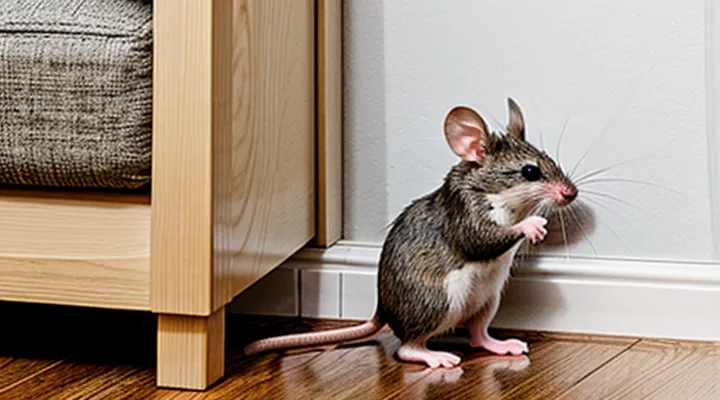
Immediate Actions to Take
Confirming the Presence of Mice
Identifying Mouse Droppings
Mouse droppings are a primary indicator of an infestation. Recognizing their appearance and typical locations enables prompt action.
Droppings are small, dark, and cylindrical, measuring about ¼ inch long. They often exhibit a tapered end and a smooth texture. Fresh pellets appear glossy, while older ones become dull and may crumble.
Common placement includes:
- Along walls, especially near baseboards or cabinets.
- In pantries, behind food containers, and inside grain storage.
- Near entry points such as gaps under doors or vents.
- In hidden areas like attics, crawl spaces, and behind appliances.
Distinguishing mouse feces from other rodents helps target control measures. Rat droppings are larger, up to ½ inch, and more blunt‑ended. Squirrel or chipmunk droppings are irregularly shaped and often contain visible fur fragments.
Handling droppings requires protective equipment. Wear disposable gloves and a mask to avoid inhaling potential pathogens. Use a damp paper towel or disinfectant‑soaked cloth to collect specimens; dry removal can aerosolize bacteria.
After collection, seal droppings in a plastic bag and dispose of them in an outdoor trash container. Follow up with a thorough cleaning of the affected area using an appropriate disinfectant.
Accurate identification of mouse droppings informs the selection of traps, baits, and exclusion techniques, ultimately reducing the risk of damage and disease transmission.
Locating Gnaw Marks
When a mouse infiltrates a living space, early detection of gnaw marks accelerates control measures. Identifying these marks requires systematic visual inspection of areas where rodents seek food, shelter, and travel routes.
Inspect kitchen cabinets, pantry shelves, and the backs of appliances. Look for shallow, crescent‑shaped bite edges on wood, plastic, or cardboard. Damage usually appears on the side facing the interior of the container, indicating repeated chewing.
Examine baseboards, wall corners, and the underside of sinks. Rodents gnaw on sealing materials such as caulk, insulation, and wiring conduits. Small, clean cuts with a smooth finish suggest fresh activity, while ragged edges imply older infestation.
Check furniture legs, especially those made of hardwood or upholstered with wooden frames. Gnaw marks may be hidden under cushions or behind removable panels. Pull back fabric coverings to reveal any concealed damage.
Survey entry points around doors, windows, and utility openings. Mice often gnaw to enlarge gaps; observe any freshly exposed wood fibers or frayed PVC around these zones.
Document findings with a simple checklist:
- Kitchen storage (cabinets, pantry)
- Appliance exteriors (refrigerator, dishwasher)
- Baseboards and wall junctions
- Plumbing fixtures (under sinks, behind toilets)
- Furniture legs and frames
- Entry points (doors, windows, utility holes)
Recording the precise locations and extent of gnaw marks informs targeted sealing, trap placement, and professional pest‑control interventions. Prompt action based on these observations reduces the risk of structural damage and disease transmission.
Listening for Sounds
Listening for sounds provides an immediate indication of mouse activity without visual confirmation. Small rodents generate characteristic noises that can be detected even in a quiet apartment.
- Scrutinize walls, ceilings, and floorboards for faint scratching or scurrying, especially during nighttime when rodents are most active.
- Use a silent environment: turn off televisions, radios, and appliances to isolate subtle noises.
- Employ a handheld recorder or a smartphone with a high‑sensitivity microphone; place the device near suspected entry points and review playback at low volume to identify repetitive patterns.
- Note the frequency and timing of sounds: continuous rustling suggests a resident mouse, while intermittent tapping may indicate movement between hiding spots.
- Correlate auditory clues with visual signs such as droppings or gnaw marks to confirm presence and locate nesting areas.
Accurate auditory monitoring reduces reliance on traps and chemical deterrents, allowing targeted intervention that minimizes disruption to household occupants.
Initial Containment Steps
Sealing Entry Points Temporarily
Sealing entry points temporarily stops a mouse from re‑entering the living space while longer‑term repairs are arranged. Identify all possible openings, including gaps around pipes, vents, doors, and windows. Use a flashlight to spot cracks as small as a quarter‑inch.
- Apply steel wool or copper mesh to each gap; rodents cannot chew through these materials.
- Cover the wool or mesh with a layer of quick‑drying caulk or silicone sealant to create a smooth barrier.
- For larger openings, fit a piece of plywood or rigid foam, secure it with nails or adhesive, then seal the edges with the same caulk.
- Inspect the sealant after 24 hours; reapply any areas that have pulled away or cracked.
Temporary measures hold the mouse at bay for several days, providing a window to schedule permanent repairs such as replacing damaged trim or installing pest‑proof flashing. Regularly check sealed points, especially after cleaning or moving furniture, to maintain an effective barrier.
Removing Food Sources
Mice enter apartments primarily in search of readily available nourishment. Eliminating food sources cuts off the incentive to stay and reduces the likelihood of infestation.
- Store dry goods in airtight containers made of metal or heavy‑walled plastic.
- Keep countertops, tables, and floors free of crumbs by cleaning immediately after meals.
- Refrigerate or cover leftovers; avoid leaving pet food out overnight.
- Dispose of garbage daily in bins with tight‑fitting lids; transfer waste to external containers promptly.
- Seal pantry shelves and cabinets with silicone or wood filler to block hidden gaps.
Consistent application of these measures denies rodents the nutrition they require, encouraging them to seek alternative habitats outside the living space.
Long-Term Mouse Control Strategies
Setting Up Traps
Types of Traps
When a mouse enters a living space, selecting an appropriate trap determines how quickly the problem resolves.
- Snap traps: metal bar lever, instant kill, low cost, reusable after cleaning.
- Live‑catch traps: enclosed cage, humane capture, release outside at least 100 m from the building.
- Electronic traps: battery‑powered, high‑voltage shock, kills within seconds, indicator confirms capture.
- Glue boards: adhesive surface, immobilizes rodent, requires careful placement to avoid accidental contact with pets or children.
- Bait stations: sealed container with poison, attracts mouse, eliminates without direct contact, must comply with local regulations.
Each device serves a specific scenario; snap traps excel for rapid removal, live‑catch traps suit humane preferences, electronic models offer clean operation, glue boards provide discreet placement, and bait stations address larger infestations. Choosing the right type aligns with safety considerations, ethical stance, and the urgency of the situation.
Snap Traps
Snap traps provide an immediate mechanical method for eliminating rodents that have entered a living space. The device consists of a spring‑loaded bar that releases with minimal pressure, delivering a swift, lethal strike to the mouse’s neck or spine. This action prevents prolonged suffering and reduces the likelihood of escape.
Key considerations when selecting a snap trap include:
- Sturdy construction, typically metal, to withstand repeated use.
- Sensitive trigger mechanism that activates with a weight of 1–2 grams, ensuring capture of even lightweight mice.
- Secure, tamper‑proof housing to protect children and pets from accidental contact.
Effective placement follows a pattern of targeting high‑traffic zones. Position traps along walls, behind appliances, and near known entry points, aligning the trigger side toward the wall. Mice travel close to surfaces; placing traps perpendicular to these pathways maximizes encounter rates.
Safety measures are essential. Wear disposable gloves when handling traps to avoid transferring scent that could deter further activity. After a capture, depress the bar gently to release tension before disposal. Seal the mouse in a plastic bag, place the bag in a sealed container, and discard according to local regulations.
Maintenance involves regular inspection. Replace bait—commonly a small piece of peanut butter or cheese—every 24 hours to maintain attractiveness. Check trigger sensitivity weekly; a sluggish response indicates wear and necessitates replacement.
When used correctly, snap traps deliver rapid control of a mouse intrusion, complementing broader preventive actions such as sealing entry gaps and maintaining cleanliness. Their simplicity, low cost, and immediate results make them a core component of an effective response to rodent presence in an apartment.
Live Traps
When a mouse gains access to an apartment, immediate containment prevents damage and health risks. «Live Traps» offer a humane alternative to lethal devices, allowing capture and release without killing the rodent.
Effective use of live traps follows a clear sequence. First, select a trap sized for small rodents; models with a hinged door and a sensitive trigger are preferred. Second, position traps along walls, behind appliances, and near identified activity zones, because mice travel close to surfaces. Third, apply an attractive bait—peanut butter, seeds, or small pieces of fruit—directly on the trigger platform to entice entry. Fourth, check traps at least twice daily; frequent monitoring reduces stress on the captured animal and prevents escape.
If capture occurs, follow these steps: wear disposable gloves, transport the trap to an outdoor area away from the building, and release the mouse at least 200 meters from the residence, ideally near natural cover such as shrubs or a garden. After release, sanitize the trap with a mild disinfectant and wash hands thoroughly.
Additional precautions enhance the overall strategy. Seal entry points by caulking gaps around pipes, windows, and baseboards. Keep food storage sealed and eliminate crumbs to remove attractants. Maintain a tidy environment to discourage re‑infestation.
By integrating live traps with exclusion measures and diligent hygiene, an apartment can be cleared of mice quickly and responsibly.
Electronic Traps
Electronic traps provide an immediate, humane method for eliminating mice that have entered a living space. These devices emit a high‑frequency pulse or a brief electric shock that instantly incapacitates the rodent, preventing injury to occupants and pets.
Key characteristics of electronic traps include:
- Battery‑ or mains‑powered operation, ensuring functionality even during short‑term power outages when a battery backup is installed.
- Transparent or mesh chambers that allow visual confirmation of capture without opening the unit.
- Reusable construction; the trap can be emptied, cleaned, and redeployed repeatedly, reducing long‑term expense.
Effective placement maximizes success. Position traps along walls, behind appliances, and near known entry points, as mice travel close to surfaces. Maintain a clear line of sight to the chamber; clutter may obstruct the sensor that detects movement.
Maintenance procedures are straightforward. After each capture, disconnect power, dispose of the deceased mouse according to local regulations, and clean the interior with mild detergent to remove odor residues. Replace batteries according to manufacturer recommendations, typically every six months for models without continuous mains connection.
Advantages over traditional snap or glue traps are evident: immediate kill without prolonged suffering, reduced risk of accidental contact by children, and the ability to monitor captures visually. Limitations include the need for an electrical source and the initial purchase cost, which may be higher than disposable alternatives.
When confronting a mouse intrusion, integrating electronic traps into a broader control strategy—such as sealing entry gaps and removing food sources—delivers rapid, reliable results while maintaining a sanitary environment.
Proper Trap Placement
Proper trap placement maximizes capture rates while minimizing disturbance to residents. Position traps along established rodent pathways; mice travel close to walls, under cabinets, and behind appliances. Identify fresh gnaw marks, droppings, or grease trails to locate active routes. Install traps perpendicular to the wall, with the trigger end facing the wall, ensuring the mouse must encounter the bait when moving forward.
Key placement guidelines:
- «Near» entry points such as gaps around pipes, vents, or door frames; mice often enter and retreat through the same openings.
- «Along» the edges of furniture and shelves; these surfaces provide shelter and concealment.
- «Behind» heavy objects like refrigerators or washing machines; limited visibility encourages cautious movement, increasing trap interaction.
- «In» corners where two walls meet; rodents prefer tight spaces for security.
- «Away» from high‑traffic human areas to prevent accidental triggering.
Select bait that appeals to local mouse preferences—peanut butter, sunflower seeds, or small pieces of cheese—secured to the trigger mechanism. Ensure traps are level and stable; wobbling reduces effectiveness and may cause premature closure. Replace or reset traps after each capture to maintain pressure and avoid scent buildup that could deter further activity. Regularly inspect and adjust placement based on observed mouse activity to sustain control over the infestation.
Baiting Strategies
Baiting provides a direct method for reducing mouse activity inside an apartment. Effective bait attracts the rodent quickly, increasing the likelihood of capture or consumption of a poison block.
- High‑protein options: peanut butter, canned fish, cooked meat.
- Sweet options: chocolate, dried fruit, honey.
- Natural attractants: grain mixes, birdseed, cheese with strong odor.
Placement determines success. Position baited devices where mice travel along walls or seek shelter, avoiding open floor space.
- Adjacent to baseboards, behind cabinets, under sinks.
- Inside tamper‑resistant stations that conceal bait from pets.
- Near known droppings or gnaw marks, but not directly on them.
Safety measures protect non‑target animals and occupants.
- Use sealed stations that require mouse‑size pressure to trigger.
- Select poison blocks labeled for indoor use, following label instructions.
- Store excess bait out of reach of children and pets.
Monitoring ensures timely action. Inspect devices at least once daily, replace expired or consumed bait, and dispose of captured rodents according to local regulations.
- Remove dead mice with gloves, place in sealed bag.
- Clean trap surfaces with mild detergent to maintain scent appeal.
- Reset or relocate devices if activity persists in a different area.
Pest-Proofing Your Apartment
Sealing All Gaps and Cracks
Sealing all gaps and cracks eliminates the primary pathways that mice use to enter an apartment. Begin with a thorough inspection of walls, floors, and ceilings, paying special attention to areas where utilities penetrate the structure. Identify openings as small as a quarter of an inch; even minimal spaces allow access.
- Apply steel wool or copper mesh to holes around pipes, then cover with silicone sealant for a durable barrier.
- Use low‑expansion polyurethane foam to fill larger voids in insulation or around vent ducts; allow the foam to cure before trimming excess.
- Install door sweeps on exterior doors and ensure threshold gaps do not exceed 3 mm.
- Seal baseboard joints with acrylic caulk, smoothing the bead to prevent future detachment.
- Close gaps around window frames using weather‑stripping tape; replace damaged seals promptly.
After sealing, conduct a follow‑up inspection to verify that no new openings have appeared during renovations. Maintaining airtight conditions reduces the likelihood of repeat infestations and supports long‑term pest control. «A well‑sealed environment deprives rodents of entry points, limiting their ability to establish a foothold.»
Storing Food Securely
Secure food storage is essential for deterring rodents in a dwelling. Containers made of glass, metal, or heavy‑wall plastic prevent chewing and limit scent exposure. Ensure lids seal tightly; latch mechanisms add an extra barrier against persistent pests.
Maintain a clean pantry by discarding damaged packaging and regularly checking for droppings. Store bulk items in smaller, sealed units rather than large, open sacks. Position food supplies away from walls and floor level to reduce easy access.
Practical steps:
- Transfer grains, cereals, and nuts to airtight containers with silicone gaskets.
- Wrap pet food in resealable bags and place inside a locked cabinet.
- Label containers with inspection dates; rotate stock to use older items first.
- Clean spills immediately; use a damp cloth rather than a dry sweep to remove residue.
- Conduct weekly visual inspections of storage areas for signs of gnaw marks or droppings.
Implementing these measures minimizes attractants, reducing the likelihood of a mouse infestation and supporting overall household hygiene.
Maintaining Cleanliness
Maintaining a clean environment eliminates food sources that attract rodents and reduces shelter opportunities inside the apartment.
- Store dry goods in airtight containers; seal bags and jars after each use.
- Clean countertops, tables, and floors immediately after meals; sweep crumbs and wipe spills.
- Dispose of garbage daily; use bins with tight‑fitting lids.
- Remove pet food after feeding; keep bowls on a mat that can be washed.
- Inspect and repair cracks, gaps, and holes in walls, floors, and around pipes; seal openings with steel wool and caulk.
- Wash dishes promptly; avoid leaving dishes in the sink overnight.
Regularly schedule deep cleaning of kitchens, cupboards, and pantry shelves. Periodically check storage areas for hidden debris or spilled grains. Consistent application of these practices creates an environment that discourages mouse activity and supports long‑term pest prevention. «A spotless space leaves no invitation for intruders».
Professional Pest Control
When to Call an Exterminator
A mouse presence in a residential unit can quickly become a health and safety concern. Professional pest control intervention is justified only under specific conditions.
- Repeated sightings despite sealing entry points and removing food sources.
- Evidence of damage to wiring, insulation, or structural components.
- Presence of droppings, urine stains, or gnawed food packaging in multiple locations.
- Signs of disease transmission risk, such as contamination of surfaces used for food preparation.
- Inability to locate or eradicate the rodents after multiple DIY attempts lasting more than 48 hours.
Before contacting an exterminator, verify that all preventive measures have been applied: block gaps larger than ¼ inch, store food in sealed containers, maintain strict sanitation, and set traps in strategic areas. If these actions fail to reduce activity, schedule a licensed professional to assess the infestation and implement appropriate control methods.
What to Expect from Professionals
When a mouse enters a living space, professional assistance provides a structured response. The first step is an on‑site inspection, during which the technician identifies entry points, assesses the level of infestation, and documents evidence such as droppings or gnaw marks. Following the assessment, a written plan outlines recommended actions, including sealing openings, setting traps, or applying approved baits.
Key expectations from the service provider include:
- Use of licensed, insured personnel who follow local health regulations.
- Implementation of methods that minimize risk to occupants, pets, and the environment.
- Provision of a guarantee period during which any recurrence is addressed at no additional charge.
- Transparent cost breakdown covering labor, materials, and any follow‑up visits.
- Clear instructions for residents on preparatory steps, such as removing food sources and securing trash containers.
After treatment, a final report confirms completed actions, records locations treated, and advises on preventive measures to reduce future incursions. Continuous monitoring may be offered, ensuring long‑term control without repeated emergency calls.
Prevention and Maintenance
Regular Inspections
Checking for New Entry Points
Inspect all potential gaps where a mouse could gain access. Begin at the ground level and work upward, noting any openings larger than a quarter‑inch.
- Examine baseboards, trim, and wall joints for cracks or separations.
- Check beneath sinks, behind appliances, and around pipe entries for holes drilled by rodents.
- Verify that doors close tightly; adjust weather‑stripping if gaps remain.
- Survey windows, especially those with screens, for tears or misaligned frames.
- Inspect ventilation ducts, electrical conduit, and cable entries; seal any voids with steel wool and caulk.
- Review exterior walls for damaged siding, missing bricks, or gaps around utility lines.
After identification, seal each opening with appropriate materials—steel wool, expanding foam, or metal flashing—ensuring durability against repeated gnawing. Re‑evaluate the area after sealing to confirm no residual gaps remain.
Monitoring for Signs of Activity
Monitoring for signs of mouse activity is a prerequisite for effective control. Visual evidence includes dark droppings, typically 3‑5 mm long, found along walls, behind appliances, and near food sources. Fresh gnaw marks on wood, plastic, or wiring indicate recent movement; the presence of shredded paper, fabric, or insulation signals nesting behavior. Audible cues such as scratching or scurrying, especially at night, confirm active foraging.
Practical detection methods are:
- Systematic inspection of concealed areas (behind cabinets, under sinks, in crawl spaces) at least twice weekly.
- Placement of non‑lethal tracking stations: a thin layer of flour or powdered talc reveals footprints when disturbed.
- Use of motion‑activated cameras or infrared sensors to capture nocturnal activity without disturbing the rodents.
- Installation of acoustic monitors that amplify faint scratching noises for precise location mapping.
Document each observation with date, location, and type of sign. Patterns emerging from the data guide the deployment of traps, bait stations, or sealing measures, ensuring that interventions target confirmed pathways rather than speculative ones. Continuous monitoring reduces the risk of re‑infestation by allowing prompt adjustments to control strategies.
Ongoing Cleanliness
Waste Management
Effective waste management reduces food sources that attract rodents and limits the likelihood of a mouse establishing a foothold in a dwelling. Secure storage, proper disposal, and regular sanitation create an environment where rodents find little to sustain themselves.
- Store all edible items in airtight containers made of glass, metal, or heavy‑duty plastic.
- Position trash cans with tight‑fitting lids away from walls and corners; empty them daily.
- Replace disposable liners with thick, puncture‑resistant bags; seal bags before removal.
- Dispose of fruit peels, vegetable scraps, and meat remnants in a dedicated compost bin equipped with a secure cover, or place them directly in the outdoor refuse collection.
- Clean countertops, floors, and pantry shelves after each meal; wipe away crumbs and liquid spills immediately.
- Eliminate clutter such as cardboard boxes, paper piles, and unused appliances that can serve as hidden nests or pathways.
Regularly inspecting waste receptacles for damage and repairing or replacing compromised seals prevents rodents from gnawing through. Maintaining a schedule for deep cleaning of kitchen appliances, especially refrigerators and ovens, removes residual odors that may lure mice. By adhering to these practices, the risk of a mouse invasion diminishes, and any existing intrusion becomes easier to control.
Food Storage Best Practices
Mice attracted to unsecured food can multiply an infestation quickly; proper storage eliminates the primary lure and supports rapid control measures.
- Seal all dry goods in airtight containers made of glass, metal, or heavy‑wall plastic.
- Store pet food in the same manner; keep bowls empty when not in use.
- Refrigerate or freeze items that are not consumed within a few days.
- Place fruits, vegetables, and bakery products in the refrigerator or in sealed bins.
- Keep pantry shelves clear of crumbs; wipe surfaces after each use.
- Use metal or ceramic trays for open foods; discard paper or cardboard packaging once emptied.
Regularly inspect containers for damage and replace compromised seals. Dispose of expired or spoiled items promptly in sealed trash bags. Maintaining these practices reduces food odors, limits access points, and strengthens overall pest‑prevention strategy.
Deterrents
Natural Deterrents
Natural deterrents offer effective, non‑chemical ways to discourage a mouse from entering an apartment.
Peppermint oil creates a scent mice find repulsive; apply a few drops on cotton balls and place them near entry points, behind appliances, and in pantry corners.
Cayenne or chili powder sprinkled along baseboards, under cabinets, and around holes forms an irritant barrier; reapply after cleaning or when moisture reduces potency.
Steel wool packed tightly into cracks or holes blocks access while the metallic texture remains uncomfortable for rodents.
Cloves or dried lavender sachets positioned in closets and drawers emit aromas that mice avoid; replace when fragrance fades.
Cat litter or synthetic cat scent placed in concealed containers near suspected routes leverages predator instinct without requiring a pet.
Ultrasonic emitters generate high‑frequency sound beyond human hearing; position units at opposite walls to cover the entire living space, ensuring continuous power supply.
Each method should be combined with diligent sealing of openings, regular sanitation, and prompt removal of food sources to maintain a hostile environment for the intruder.
Commercial Repellents
Commercial repellents provide rapid, non‑chemical options for deterring rodents within a residence. Products marketed for indoor use rely on sensory disruption, scent aversion, or trapping mechanisms that require minimal setup.
- Ultrasonic emitters: generate high‑frequency sound waves inaudible to humans but uncomfortable for mice; install near entry points and concealed corners.
- Electronic deterrent stations: emit brief electric pulses when a rodent contacts a sensor plate; place on pathways connecting walls and cabinets.
- Scent‑based deterrents: contain natural oils such as peppermint, eucalyptus, or citronella; apply to baseboards, behind appliances, and around openings.
- Bait stations with repellant additives: combine attractive food with a taste‑offensive compound; position in concealed areas to reduce accidental ingestion by pets.
Selection criteria prioritize safety for occupants and pets, low noise output, and proven efficacy verified by independent testing. Devices requiring continuous power should be plugged into outlets with surge protection to avoid interruption.
Installation steps remain consistent across product types: locate typical mouse routes, affix the unit according to manufacturer instructions, and monitor activity for 48 hours. Replace consumable scent cartridges or batteries according to the schedule indicated on the packaging. If activity persists, supplement repellents with physical barriers such as door sweeps or sealed entry gaps.