
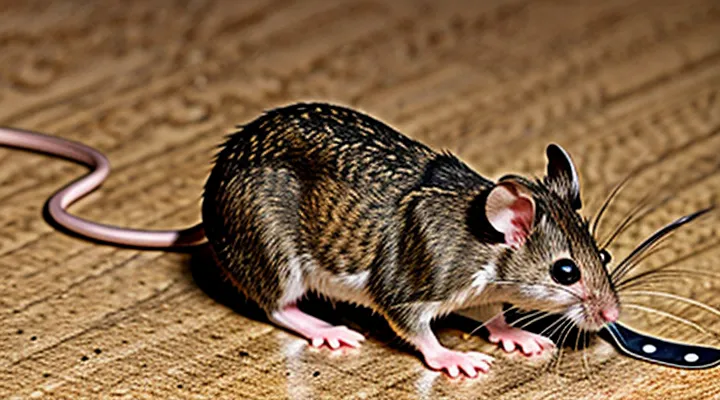
Initial Assessment and Preparation
Assessing the Situation
Mouse’s Condition
A mouse trapped in adhesive exhibits immediate physical distress. The creature’s paws and fur become immobilized, preventing normal locomotion and causing painful tension on the skin. Skin may appear stretched or torn where the glue contacts the body, and fur can be clumped together, reducing insulation.
Respiratory function deteriorates rapidly. The mouse’s breathing rate increases as stress elevates, and the adhesive may restrict chest expansion, leading to shallow breaths. Observe for irregular or labored breathing; prolonged restriction can result in hypoxia.
Circulatory signs include pallor of the ears and tail, indicating reduced blood flow. Rapid heartbeats may be felt near the thorax if the mouse can be safely examined. Prolonged contact with glue can cause tissue damage and increase the risk of infection.
Neurological response manifests as frantic movement attempts, vocalizations, and heightened alertness. Excessive struggling can exacerbate injuries, especially if the mouse claws at the adhesive, potentially tearing skin or causing limb fractures.
The mouse’s overall condition can be summarized in the following checklist for rapid assessment:
- Immobilized limbs and fur entanglement
- Visible skin stretching or tearing
- Increased breathing rate, shallow breaths
- Pale extremities, rapid pulse detectable near the chest
- Vocal distress and frantic movements
Immediate attention to these indicators guides the rescue process, ensuring that intervention addresses both the physical entrapment and the physiological stress affecting the animal.
Glue Trap Type
Glue traps are devices that use a sticky surface to capture rodents. The type of trap determines the adhesive strength, material composition, and ease of animal removal. Understanding these characteristics is essential for effective rescue when a mouse becomes immobilized.
- Flat glue board – thin, rigid surface coated with a strong, petroleum‑based adhesive; commonly used in warehouses.
- Scented glue board – incorporates attractant odors to increase capture rate; adhesive similar to flat boards but may contain additional chemicals.
- Reusable glue mat – features a detachable, washable backing that can be replaced after each capture; adhesive is typically less aggressive to allow repeated handling.
- Transparent glue sheet – made of clear plastic, provides visibility of the trapped animal; adhesive strength varies between manufacturers.
- Low‑adhesion trap – uses a milder adhesive formulated for humane capture; often marketed for indoor use and easier release.
Adhesive potency directly affects how quickly a mouse becomes enmeshed and how much force is required to detach it. Strong petroleum‑based glues bond to fur and skin within seconds, making removal hazardous without proper tools. Softer, low‑adhesion formulations retain the mouse long enough for observation but allow safe extraction with minimal tearing.
When selecting a trap to reduce rescue difficulty, prioritize models with:
- Removable backing – a layer that separates the adhesive from the mouse, enabling the animal to be lifted without pulling on fur.
- Non‑toxic adhesive – formulations free of harmful solvents lower health risks during handling.
- Moderate stickiness – enough to capture but not so strong that removal requires cutting tools.
- Clear labeling of adhesive type – ensures responders know whether petroleum, silicone, or a biodegradable compound is present.
Choosing a trap that balances capture efficiency with humane release simplifies intervention, limits injury, and supports successful rescue of trapped mice.
Gathering Necessary Supplies
Protective Gear
When attempting to free a mouse caught in adhesive, personal protection prevents injury to the rescuer and reduces stress on the animal. Wear disposable nitrile gloves to avoid skin contact with glue residues and potential allergens. Use a lightweight face mask or respirator if the adhesive emits fumes; this blocks inhalation of volatile compounds. Safety goggles shield eyes from splashes that can occur when the mouse is gently detached. An apron or lab coat protects clothing and provides an additional barrier against accidental spills.
Select equipment that balances safety with the ability to handle the mouse delicately. Gloves should be thin enough to feel the animal’s movements yet thick enough to stop the glue from adhering to the skin. Masks with a minimum filtration rating of N95 ensure adequate respiratory protection. Goggles with anti‑fog coating maintain clear vision during the delicate maneuver.
A quick checklist before beginning the rescue:
- Nitrile gloves (single‑use)
- N95 mask or equivalent respirator
- Safety goggles with side shields
- Disposable apron or lab coat
- Soft, lint‑free cloths for wiping excess adhesive
- Warm water and mild soap for post‑rescue cleaning
Adhering to this protective protocol minimizes the risk of contaminating the mouse, reduces the chance of accidental glue transfer, and safeguards the rescuer from chemical exposure.
Release Agents
Release agents are substances that break the bond between adhesive and surface. Common types include mineral oil, vegetable oil, silicone spray, and commercial adhesive removers. Choose a product that is non‑toxic, low‑odor, and safe for small mammals; food‑grade oils are preferable when the animal may ingest residue.
To free a mouse caught in glue, follow these steps:
- Prepare a clean work area and wear disposable gloves to prevent contamination.
- Apply a thin layer of the selected release agent directly onto the glued area, ensuring coverage of all contact points.
- Allow the agent to penetrate for 30–60 seconds; the adhesive will soften and lose its tack.
- Gently separate the mouse’s limbs from the glue using a soft brush or cotton swab, avoiding sudden pulls that could cause injury.
- Once the mouse is released, wipe any remaining residue from its fur with a damp cloth moistened with mild soap solution.
- Observe the animal for signs of distress; if breathing or movement is impaired, seek veterinary assistance immediately.
After rescue, dispose of used materials safely and store any remaining release agent out of reach of pets and children.
Cleaning Tools
When a mouse becomes trapped in adhesive, swift removal depends on selecting the right cleaning implements. The goal is to dissolve the glue without harming the animal’s delicate skin or fur.
A set of basic tools should be prepared before attempting the rescue:
- Disposable nitrile gloves – protect hands from chemicals and prevent contamination.
- Soft, lint‑free cloths – apply solutions gently and avoid tearing fur.
- Cotton swabs or small applicator pads – reach confined areas without pressure.
- Mild dish soap or enzymatic cleaner – break down the adhesive without toxicity.
- Warm water in a shallow container – dilute the soap and provide a soothing rinse.
- Tweezers with rubber‑coated tips – gently lift larger glue fragments if necessary.
- Small plastic spatula or spoon – lift the mouse after the glue has softened.
The procedure proceeds as follows:
- Wear gloves and place the mouse on a clean, flat surface. Keep the animal calm by minimizing noise and handling.
- Dampen a cloth with warm, soapy water. Wring out excess liquid so the cloth is moist, not dripping.
- Press the damp cloth against the glued area for 10–15 seconds. The moisture softens the adhesive.
- Using a cotton swab, apply additional soapy solution directly onto the glue. Gently work the swab in a circular motion to loosen the bond.
- If the glue begins to release, employ the rubber‑coated tweezers to lift small pieces, being careful not to pinch the skin.
- Once the majority of adhesive is removed, rinse the mouse with warm water to eliminate residual soap. Pat dry with a fresh lint‑free cloth.
- Observe the animal for signs of stress or injury. If any damage is evident, seek veterinary assistance promptly.
These cleaning tools and steps provide a controlled method for freeing a trapped mouse while minimizing risk of injury. Proper preparation and careful execution are essential for a successful rescue.
Containment Options
When a mouse is immobilized by adhesive, preventing escape while you work on removal is essential. Secure the animal in a confined space that limits movement, reduces stress, and protects other household items.
- Place a shallow, ventilated plastic container over the mouse, leaving a small opening for hand access. Secure the lid with tape or a rubber band to keep the mouse from slipping out.
- Use a humane live‑catch trap fitted with a soft bedding layer. Position the trap so the mouse can be guided into it without additional contact with glue.
- Construct a temporary barrier from cardboard or acrylic sheets, forming a tunnel that directs the mouse toward a removable section. Seal the ends with masking tape to maintain containment.
- Employ a small, clear acrylic box with a hinged lid. The transparency allows visual monitoring while the hinged mechanism facilitates quick release after cleaning.
Select the method that matches the size of the mouse, the location of the incident, and the materials available. Ensure the chosen enclosure provides adequate airflow and is easy to open without causing further injury. After the mouse is freed from glue, transfer it promptly to a safe release area.
Safe Removal Techniques
Gentle Disentanglement
Applying Oil or Petroleum Jelly
When a mouse becomes ensnared in adhesive, applying a lubricating substance can release the animal without causing additional injury. Oil or petroleum jelly reduces surface tension, allowing the mouse’s fur to slide free from the glue’s grip.
Required items:
- Light vegetable oil, mineral oil, or petroleum jelly
- Small disposable brush or cotton swab
- Soft cloth or paper towel
- Disposable gloves (optional for hygiene)
Procedure:
- Wear gloves if available to prevent transfer of scent or contaminants.
- Place a few drops of oil or a thin layer of petroleum jelly directly onto the glued area, avoiding excess that could spread to surrounding surfaces.
- Use the brush or cotton swab to work the lubricant gently into the fur, moving from the outermost strands toward the center of the adhesive.
- Allow the substance to sit for 10–15 seconds; the glue should soften.
- With a soft cloth, coax the mouse’s body away from the adhesive, supporting its limbs to prevent tearing.
- Once the mouse is free, wipe any residual oil from its fur with a clean cloth, then place the animal in a warm, quiet container for observation.
Safety notes: do not use heated oil, as temperatures above body heat can cause burns. Ensure the mouse is fully recovered before release; monitor for signs of stress or injury. Proper lubrication followed by gentle handling typically restores the mouse to health with minimal trauma.
Working Slowly and Carefully
When a mouse is trapped in adhesive, rapid movements increase the risk of tearing skin or enlarging the bond. Maintaining a deliberate pace reduces stress on the animal and allows precise manipulation of tools.
- Prepare a warm, humid environment to soften the glue without overheating the mouse.
- Use a soft brush or cotton swab to gently loosen the perimeter of the adhesive, applying light pressure only.
- Introduce a few drops of a mild oil‑based solvent (e.g., vegetable oil) around the edges, allowing the liquid to seep slowly into the glue.
- Wait a brief interval for the solvent to act; avoid agitation during this period.
- With tweezers that have padded tips, lift the mouse incrementally, supporting its body and limbs at each stage.
- After release, place the mouse in a padded container with a warm cloth and monitor for signs of injury.
Each action should be performed with measured timing and minimal force, ensuring the mouse’s comfort and maximizing the likelihood of a successful rescue.
Cutting Away the Glue Trap
Using Scissors or Nippers
When a small rodent becomes entangled in adhesive, precision tools such as scissors or nippers can free the animal without causing additional injury. Choose a pair with fine, sharp tips; avoid serrated edges that could slice skin. Hold the mouse gently but firmly, supporting its body to prevent stress.
- Position the tool so the cutting edge contacts only the glue, not the fur or skin.
- Make a shallow incision along the perimeter of the adhesive mass, separating it from the surrounding fur.
- Use the tip of the scissors or the jaws of the nippers to peel away thin strips of glue, working from the outer edge toward the center.
- After the glue is removed, rinse the affected area with lukewarm water and a mild, pet‑safe soap.
- Observe the mouse for signs of distress; if bleeding or severe skin damage occurs, seek veterinary assistance immediately.
Avoiding Injury to the Mouse
When a mouse is caught in adhesive, the primary concern is preventing further harm while removing the substance. Handle the animal gently; avoid pulling or twisting the glue‑covered limbs, as this can cause tissue damage or break bones. Keep the mouse’s body supported with one hand while the other hand works on the adhesive.
- Apply a mild, non‑toxic solvent such as warm water or a diluted dish‑soap solution directly to the glue. Test a small area first to ensure the mouse tolerates it.
- Use a soft brush or cotton swab to loosen the adhesive gradually, moving from the edges toward the center. Do not use sharp tools or excessive force.
- If the mouse shows signs of stress, pause and allow it to recover before continuing. Maintain a calm environment to reduce panic‑induced injury.
- After the glue is removed, rinse the fur with lukewarm water, dry gently with a soft towel, and observe for any lingering wounds. Provide a quiet space for the mouse to regain strength before returning it to its habitat.
What Not to Do
Forceful Pulling
When a mouse is caught in adhesive, the instinct to yank it free can cause severe injury. The glue adheres to delicate fur and skin; rapid tension tears tissue, leading to bleeding and shock. Therefore, forceful pulling should be avoided as a primary rescue technique.
If removal without excessive strain is required, follow these steps:
- Apply a mild solvent (e.g., vegetable oil, baby oil) around the affected area. The oil reduces surface tension, allowing the glue to loosen gradually.
- Gently massage the solvent into the fur using a soft brush or fingertip. Maintain a slow, steady motion; avoid jerking motions.
- Observe the mouse’s response. If the fur begins to release, use a fine pair of tweezers to lift small sections of glue, supporting the underlying skin.
- Continue applying solvent and gentle pressure until the adhesive separates completely. Monitor for signs of distress; intervene with veterinary care if needed.
Forceful extraction remains a last‑resort measure only when all other options fail and the mouse’s life is in immediate danger. In such cases, a swift, controlled pull combined with immediate veterinary assistance may be the only viable option, but the risk of fatal injury is high.
Using Harsh Chemicals
When a rodent becomes ensnared in adhesive, the instinct to apply strong solvents may arise. Harsh chemicals such as acetone, industrial degreasers, or concentrated bleach pose significant hazards to the animal and to the surrounding environment. Their rapid action can dissolve the glue, but they also damage skin, mucous membranes, and respiratory tissues, often resulting in fatal injury before the glue is released.
Key considerations for using potent solvents:
- Toxicity – Even diluted, these agents can be absorbed through the mouse’s thin skin, leading to systemic poisoning.
- Irritation – Vapors irritate nasal passages and lungs, causing distress or respiratory failure.
- Unpredictable reaction – Some adhesives harden further when exposed to certain chemicals, trapping the animal more securely.
- Collateral damage – Residual chemicals contaminate surfaces, posing risks to other pets, humans, and wildlife.
If harsh chemicals must be employed as a last resort, follow a controlled protocol:
- Select the least aggressive solvent that is known to break down the specific adhesive (e.g., a small amount of isopropyl alcohol for water‑based glue).
- Prepare a dilution that minimizes toxicity—typically a 10 % solution in water.
- Apply with a fine brush directly to the glue, avoiding contact with the mouse’s fur and exposed skin.
- Monitor the animal continuously; if signs of distress appear, cease application immediately and seek veterinary assistance.
- Rinse the area with lukewarm water after the glue softens to remove residual solvent, then dry gently.
Professional guidance recommends prioritizing mechanical methods—softening the adhesive with warm, moist cloths or using non‑toxic, pet‑safe release agents—before resorting to any aggressive chemical. The safest outcome is achieved by minimizing exposure to harmful substances and acting swiftly to free the animal without causing additional trauma.
Post-Rescue Care
Cleaning the Mouse
Removing Residual Glue
After the mouse is freed, the remaining adhesive must be eliminated promptly to prevent skin irritation and re‑adhesion.
First, assess the glue type. Water‑soluble adhesives respond to warm water; solvent‑based glues require mineral oil or a mild petroleum product. Avoid harsh chemicals such as acetone, which can damage fur and skin.
Procedure
- Gently rinse the affected area with lukewarm water for 30 seconds.
- Apply a few drops of mild dish soap; massage lightly to loosen the residue.
- Rinse thoroughly, ensuring no soap remains.
- If the glue persists, coat the area with a thin layer of vegetable oil or baby oil.
- Let the oil sit for 1–2 minutes, then wipe with a soft, lint‑free cloth.
- Repeat the oil application if necessary, followed by a final water rinse.
Post‑treatment care
- Dry the mouse with a clean towel; avoid rubbing, which can cause fur loss.
- Inspect paws, tail, and whiskers for any remaining stickiness.
- Offer a small amount of water or a safe electrolyte solution to rehydrate the animal.
- Monitor for signs of distress or skin irritation over the next several hours; seek veterinary assistance if redness, swelling, or abnormal behavior appears.
The described steps remove adhesive efficiently while minimizing stress and injury to the rescue animal.
Gentle Washing
When a mouse becomes caught in adhesive, gentle washing can release the animal without causing additional injury. Use lukewarm water and a soft, lint‑free cloth to keep pressure low and avoid tearing skin.
- Fill a shallow dish with lukewarm water; temperature should be comfortable to the touch.
- Submerge the mouse’s paws and tail first, allowing the water to soak the glue for 10–15 seconds.
- Hold the mouse securely but lightly, supporting the body with one hand.
- Using the cloth, dab the glued area, moving in small circles to dissolve the adhesive gradually.
- If resistance persists, add a few drops of mild, unscented dish soap to the water; stir gently and repeat the dabbing motion.
- Once the glue softens, use the cloth to pull the remaining residue away in the direction of the fur growth, never against it.
- After the mouse is free, pat it dry with a separate clean towel and keep it warm until it regains full mobility.
Avoid harsh scrubbing, hot water, or chemical solvents, as these can damage delicate fur and skin. The described washing technique minimizes stress while effectively loosening the adhesive.
Providing Warmth and Shelter
Creating a Safe Space
When a mouse becomes trapped in adhesive, the first priority is to establish an environment that minimizes stress and prevents further injury. Clear the surrounding area of other pets, children, and clutter that could disturb the animal. Close doors to the room, turn off loud appliances, and dim bright lights to reduce sensory overload.
Prepare a temporary holding zone that offers stability and protection. Use a shallow, non‑slippery container lined with a soft, absorbent material such as a paper towel or a piece of fleece. Place the container on a stable surface away from drafts. Ensure the container is large enough for the mouse to move slightly but small enough to prevent it from falling out.
Implement the rescue procedure within this safe space:
- Gently restrain the mouse by cupping it in a soft cloth, avoiding pressure on the abdomen.
- Apply a few drops of warm, mild oil (vegetable or mineral) to the glue, allowing it to seep into the adhesive for 30–60 seconds.
- Use a fine, blunt instrument (e.g., a cotton swab) to coax the softened glue away from the fur, working from the outer edges inward.
- After the glue releases, transfer the mouse to the prepared container, cover it lightly, and monitor breathing and mobility.
- Provide a shallow dish of water and a small amount of fresh food; keep the mouse in the container for at least 15 minutes before releasing it back to its habitat.
Maintain the safe space until the mouse shows normal behavior, then return it to a secure, glue‑free area. This systematic approach reduces risk of additional trauma and supports a swift recovery.
Offering Food and Water
When a mouse is trapped in adhesive, providing sustenance can keep it calm and prevent dehydration while you work on removal. Offer a small piece of soft food—such as a slice of banana, a dab of peanut butter, or a few grains of dry cereal—directly onto the edge of the glue patch. The mouse will nibble without needing to move far, reducing strain on its limbs.
Place a shallow dish of fresh water near the mouse. Use a dropper or a tiny spoon to add a few drops so the animal can sip without stepping onto the sticky surface. Ensure the water source is stable; a silicone mat or a piece of wax paper beneath the dish prevents it from sliding into the glue.
Key points for feeding and watering:
- Choose soft, easily chewable foods that do not require the mouse to pull or chew vigorously.
- Keep portions tiny; excess food can attract insects or cause the mouse to overexert.
- Refresh water every few minutes to maintain a clean supply.
- Monitor the mouse for signs of stress or refusal to eat, which may indicate worsening condition.
Providing nourishment buys time, allowing the glue to be softened with appropriate solvents or gentle mechanical methods without the mouse suffering from hunger or thirst. Once the mouse is stable, proceed with careful removal techniques.
Monitoring for Injuries and Stress
Checking for Wounds
When a mouse is trapped in adhesive, the first priority after freeing it is to examine its body for any injuries. Use a soft, well‑lit surface to hold the animal gently, minimizing stress while you inspect. Look for visible signs such as torn skin, bleeding, or swollen paws. Pay particular attention to the areas that were in direct contact with the glue, as these are most likely to sustain abrasions or cuts.
If any wounds are present, follow these steps:
- Clean the area with lukewarm water to remove residual glue; avoid harsh chemicals that could irritate delicate tissue.
- Apply a mild antiseptic solution (e.g., diluted chlorhexidine) using a cotton swab.
- Use a sterile gauze pad to absorb excess fluid; do not press firmly, as this may cause further damage.
- If bleeding is minor, apply gentle pressure with a clean cloth until it stops.
- For larger lacerations or persistent bleeding, seek veterinary assistance promptly.
After treatment, place the mouse in a quiet, warm enclosure with soft bedding. Monitor its behavior for at least several hours; signs of pain, limping, or continued bleeding indicate the need for professional care. Provide easy access to fresh water and a small amount of soft food, but do not force feeding. Prompt and careful wound assessment reduces the risk of infection and improves the animal’s chances of recovery.
Observing Behavior
Observing a trapped mouse’s behavior provides the essential data needed to choose a safe rescue method. Direct visual and auditory cues reveal the animal’s stress level, physical condition, and the likelihood that it can be freed without additional injury.
Key behaviors to monitor include:
- Movement – attempts to crawl away from the glue indicate retained mobility; complete immobility may signal severe adhesion or shock.
- Vocalizations – high‑pitched squeaks suggest acute distress; low or absent sounds can mean the mouse is exhausted.
- Breathing – rapid, shallow breaths point to panic; steady, shallow breathing often accompanies a calm state.
- Grooming attempts – repeated licking of the affected area shows the mouse is trying to free itself, which may worsen the bond if the glue is still tacky.
- Posture – a curled, rigid body signals heightened fear, while a relaxed posture suggests reduced stress.
Interpretation of these signs guides immediate actions. If the mouse remains mobile and breathing is regular, apply a mild solvent (e.g., warm water with a drop of mild dish soap) while keeping the animal restrained gently with a soft cloth. When vocalizations are intense and breathing erratic, pause to allow the mouse to settle; provide a quiet, warm environment before proceeding. Avoid pulling on the limbs; instead, work from the edges of the adhesive, following the direction of natural movement observed.
Systematic observation reduces the chance of causing further trauma and increases the probability of a successful release. By basing each step on concrete behavioral evidence, rescuers can act quickly, calmly, and with minimal risk to the mouse.
When to Seek Professional Help
Severe Injuries
When a small rodent becomes entangled in adhesive, the glue can inflict serious trauma. The substance adheres to fur and skin, pulling at delicate tissue as the animal struggles. This tension may cause tearing of skin, loss of whiskers, or even amputation of toes if the mouse attempts to free itself.
Severe outcomes for the animal include:
- Deep lacerations where the glue contacts skin
- Necrosis of tissue due to prolonged exposure to chemicals
- Rapid onset of infection from open wounds
- Compromised circulation leading to gangrene
- Fatality from shock or internal damage
Rescuers face health risks as well. Contact with industrial adhesives can result in skin irritation, chemical burns, or respiratory irritation if fumes are inhaled. Bites from a frightened mouse may transmit pathogens such as hantavirus. Protective gloves and a mask reduce these hazards.
Immediate actions to limit injury:
- Secure the mouse gently to prevent further movement.
- Apply a warm, soapy solution to soften the adhesive; avoid harsh solvents that could exacerbate tissue damage.
- Use fine tweezers or a soft brush to lift fur away from the glue, working from the edges inward.
- Rinse the area with lukewarm water, then dry carefully.
- Transport the mouse to a veterinary professional for assessment and treatment.
Prompt, careful removal prevents escalation from superficial wounds to life‑threatening conditions.
Persistent Distress
When a rodent becomes entangled in an adhesive, the animal often endures ongoing anxiety and physical strain. The distress persists because the glue continues to restrict movement, causing muscle fatigue and heightened stress hormones. Prolonged exposure can lead to dehydration, hypothermia, or injury to delicate tissues.
Effective intervention must address both the immediate immobilization and the underlying emotional turmoil. The following actions reduce suffering and increase the likelihood of a safe release:
- Gently secure the mouse with a soft cloth to prevent panic‑induced thrashing.
- Apply a thin layer of a safe, oil‑based solvent (e.g., mineral oil) around the glued area; the solvent loosens the adhesive without harming skin.
- Allow the solvent to penetrate for 30–60 seconds, then use a fine‑tipped instrument to coax the mouse free, avoiding forceful pulls.
- Immediately place the animal in a warm, quiet enclosure with fresh water and a small amount of food.
- Observe for signs of shock or injury; if any abnormal behavior persists, consult a wildlife rehabilitator or veterinarian.
Continuous monitoring during and after the rescue is essential. Even after release from the adhesive, the mouse may exhibit lingering tremors or reduced mobility, indicating residual distress. Providing a calm environment and, if possible, a brief period of shelter helps the animal recover its equilibrium and reduces the risk of long‑term trauma.
Preventing Future Incidents
Humane Pest Control Alternatives
Live Traps
When a rodent becomes ensnared in adhesive, a humane capture device can prevent further injury. A live trap offers a controlled environment for removal without lethal force.
Choose a trap sized for the mouse, preferably a plastic or metal cage with a single entry door and a smooth interior. Ensure the latch mechanism operates quietly to avoid startling the animal. Place a soft bedding material inside to reduce stress.
To employ the trap for rescue, follow these actions:
- Position the trap so the opening aligns with the mouse’s current location, allowing a direct path to the entrance.
- Apply a thin line of non-toxic attractant—such as a small seed or piece of fruit—near the door to encourage movement.
- Monitor the trap continuously; once the mouse enters, the door will close automatically.
- After capture, cover the trap with a cloth to calm the mouse, then transport it to a safe release site away from the original adhesive source.
Release the mouse by opening the door on a flat surface, allowing it to exit voluntarily. Inspect the surrounding area for additional glue spots and remove them to prevent recurrence.
Exclusion Methods
When a mouse becomes entangled in adhesive, immediate rescue is essential, but preventing recurrence requires systematic exclusion. Effective exclusion relies on eliminating access routes, removing attractants, and establishing barriers that deter rodents from contacting glue.
- Seal all openings larger than ¼ inch with steel wool, copper mesh, or expanding foam; rodents can compress smaller gaps.
- Install door sweeps and weather stripping on exterior doors to block entry beneath thresholds.
- Replace or relocate any glue traps, sticky pads, or adhesive residues to areas inaccessible to mice, preferably behind sealed containers.
- Apply peppermint oil, ammonia, or commercial rodent repellents around potential entry points; volatile scents discourage exploration.
- Maintain a clean environment by storing food in airtight containers, promptly cleaning spills, and disposing of waste in sealed bins.
- Use snap traps or humane catch‑and‑release devices strategically along walls and near suspected pathways; monitor and reset them regularly.
- Conduct quarterly inspections of foundations, crawl spaces, and attics to detect new gaps or damage; repair immediately.
Implementing these measures creates a hostile environment for mice, reducing the likelihood of future glue entanglements and supporting long‑term rodent control.
Proper Glue Trap Disposal
Safe Handling
When a mouse becomes ensnared in adhesive, the rescue process must protect both the animal and the handler. Wear disposable nitrile gloves to prevent skin contact with the glue’s chemicals and to reduce the risk of transferring contaminants to the mouse. Work in a well‑ventilated area; open windows or use a fan to disperse any vapors. Keep the mouse away from open flames, hot surfaces, or sharp objects that could cause injury during extraction.
- Prepare a shallow container of warm (not hot) water, adding a few drops of mild dish soap to lower surface tension.
- Gently lower the trapped mouse into the solution, allowing the glue to loosen for 30–60 seconds.
- Using gloved fingers, support the mouse’s body and slowly coax it free, avoiding pulling on limbs or tail.
- Immediately dry the animal with a soft paper towel; do not rub, only pat to absorb excess moisture.
- Transfer the mouse to a clean, escape‑proof recovery box lined with soft bedding; monitor for signs of stress or injury before releasing it back to its habitat.
All tools—tweezers, scissors, or spatulas—should be sterilized before use and discarded after the procedure. Dispose of contaminated gloves and water according to local hazardous‑waste guidelines.
Environmental Considerations
When a rodent becomes trapped in adhesive, the rescue process must minimize ecological harm. Conventional solvents often contain volatile organic compounds that can pollute indoor air and seep into soil if discarded improperly. Selecting biodegradable or low‑toxicity agents reduces the release of hazardous substances into the environment.
Use the following practices to protect ecosystems during the rescue:
- Apply warm water mixed with a mild, plant‑based detergent to loosen the glue; avoid petroleum‑based cleaners.
- Employ reusable tools such as silicone spatulas or soft brushes rather than single‑use plastic implements.
- Conduct the procedure in a well‑ventilated area to prevent accumulation of vapors.
- Capture any runoff in a sealed container for proper disposal, preventing contamination of drains.
After the mouse is freed, dispose of the remaining adhesive in accordance with local hazardous‑waste regulations. If possible, recycle the glue container and replace it with an environmentally certified alternative. Implementing these measures ensures the animal’s safety while preserving surrounding habitats and reducing chemical footprints.