
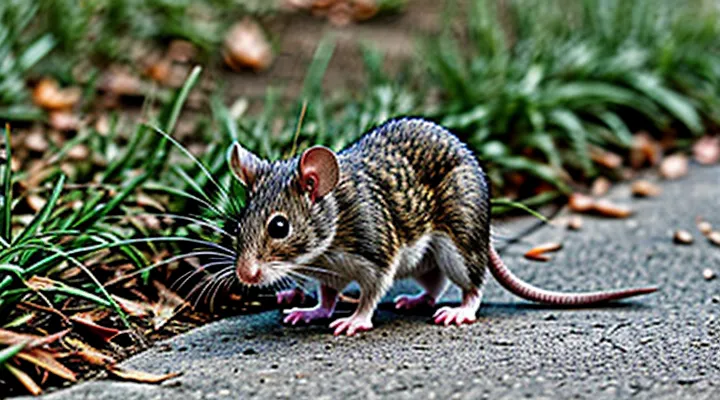
The Biology of Fear in Rodents
Evolutionary Roots of Mouse Fears
Mice inherit fear responses that trace back to selective pressures faced by their ancestors. Predatory mammals such as felids and mustelids presented a constant mortality risk; over generations, individuals that rapidly detected movement, low‑frequency sounds, or the scent of these predators survived more often. This pressure forged neural circuits in the amygdala and brainstem that trigger escape when specific visual silhouettes, ultrasonic calls, or kairomones are encountered.
Neophobia, the avoidance of novel objects, emerged as a protective mechanism against unfamiliar threats. Laboratory studies show that naïve mice freeze or flee from previously unseen items, indicating an innate bias toward caution rather than learned experience. This bias reduces exposure to hidden dangers such as traps or human‑made devices.
Social transmission refines innate fears. Juvenile mice observe conspecific alarm vocalizations and adopt the same avoidance patterns, reinforcing the genetic predisposition with cultural reinforcement. The combination of hard‑wired sensory detection and group‑based learning creates a multilayered defense system.
Key evolutionary drivers of mouse fear include:
- Predator‑related visual cues (silhouettes, rapid motion)
- Acoustic signatures of aerial and terrestrial hunters
- Chemical signals emitted by predator urine or feces
- Inherent aversion to unfamiliar stimuli
- Socially mediated alarm responses
These factors collectively shape the robust, instinctual fear repertoire observed in contemporary rodent populations.
Physiological Responses to Threat
When a mouse encounters a predator cue—such as the scent of a cat, the sound of footsteps, or a sudden visual motion—the nervous system initiates an immediate cascade of physiological changes designed to increase survival odds.
- Sympathetic nervous system activation raises heart rate and blood pressure, supplying muscles with oxygen‑rich blood.
- Adrenal medulla releases epinephrine and norepinephrine, sharpening sensory perception and accelerating muscle contraction.
- Hypothalamic‑pituitary‑adrenal (HPA) axis secretes corticosterone, prolonging vigilance and mobilizing energy reserves.
- Respiratory rate escalates, improving oxygen intake for rapid locomotion.
- Pupillary dilation expands visual field, enhancing detection of moving threats.
- Gastrointestinal activity diminishes, redirecting blood flow away from digestion toward locomotor muscles.
These responses are coordinated by brain regions that process threat information, notably the amygdala and periaqueductal gray. The resulting physiological state—often termed “fight‑or‑flight”—prepares the rodent to flee, hide, or freeze, thereby reducing the likelihood of capture. Continuous exposure to stressors can modify baseline hormone levels, leading to heightened reactivity or, conversely, desensitization, which influences how future threats are handled.
Predators and Their Impact
Feline Predators: The Archetypal Enemy
Scent of a Cat: Chemical Cues of Danger
The scent left by felines constitutes a primary danger signal for mice, provoking immediate avoidance and heightened vigilance. Laboratory studies demonstrate that exposure to cat odor reduces foraging activity, accelerates retreat, and can trigger freezing behavior.
Key chemical constituents responsible for the alarm response include:
- Felinine, a sulfur‑containing amino acid derivative excreted in urine and facial secretions.
- 2‑methoxy‑3‑acetyl‑pyrazine, a volatile compound detected in cat breath.
- Short‑chain fatty acids such as butyric and valeric acid, present in feline skin oils.
- Cat‑specific pheromonal blends identified in saliva and glandular secretions.
Mice detect these molecules primarily through the vomeronasal organ (VNO) and main olfactory epithelium. Binding to specific receptors initiates neural pathways that activate the amygdala and hypothalamus, resulting in rapid motor suppression and escape maneuvers. The response is innate; naïve individuals exhibit the same avoidance without prior exposure.
Understanding the chemical basis of feline odor perception enables targeted pest‑management strategies. Synthetic analogues of felinine and related volatiles, when dispersed in storage facilities, produce measurable declines in mouse activity without reliance on lethal agents. Field trials confirm that continuous low‑dose release maintains deterrence over several weeks, minimizing population rebound.
Visual and Auditory Detection
Mice rely on rapid visual processing to identify threats. Their eyes detect motion and high‑contrast silhouettes; sudden changes in light or the appearance of a predator’s outline trigger escape circuits. Low‑light conditions reduce efficacy, making bright flashes or shadows especially alarming.
Auditory perception is equally decisive. Mice hear frequencies up to 100 kHz, far beyond human range, and respond to faint rustles, footfalls, or ultrasonic calls of predators. A brief, high‑frequency burst can initiate a freeze response, while continuous low‑frequency vibrations may signal approaching danger.
Key sensory triggers include:
- Rapid movement across the visual field
- Dark shapes against bright backgrounds
- Sudden light flashes or shadows
- High‑frequency sounds (above 20 kHz)
- Low‑frequency vibrations or rattling noises
These cues activate neural pathways that prioritize immediate flight or concealment, ensuring survival in environments where visual and auditory threats coexist.
Avian Predators: Threats from Above
Owls and Hawks: Masters of the Hunt
Owls and hawks represent the most immediate aerial threats to mice, shaping the rodents’ instinctive avoidance patterns. Their predatory efficiency derives from several physiological and behavioral adaptations that mice have evolved to recognize and evade.
Owls possess asymmetrical ear openings that generate precise sound localization, enabling detection of rustling prey in complete darkness. Their feathers feature a comb-like fringe that disrupts airflow, producing virtually silent flight. This stealth, combined with forward-facing eyes that provide binocular vision, creates a sudden, near‑invisible approach that triggers an acute startle response in mice.
Hawks rely on exceptional visual acuity, with retinal structures that resolve fine detail at distances exceeding 100 m. Their powerful wing muscles support rapid, soaring dives that reach speeds of 30 m s⁻¹. The resultant shadow and wind disturbance serve as unmistakable cues of imminent capture, prompting mice to seek immediate cover.
Key stimuli that elicit fear in mice when encountering these birds include:
- Sudden changes in light intensity caused by passing wings
- Low‑frequency wing beats audible at a distance
- Rapid movement of shadows across the ground
- Audible calls or screeches, especially from owls
Mice respond by freezing, fleeing to burrows, or climbing vertical surfaces, behaviors that reduce exposure to aerial predators. The presence of owls and hawks therefore maintains a constant pressure on mouse populations, influencing foraging times, nest placement, and overall activity cycles.
Shadows and Silhouettes
Mice possess a keen sensitivity to abrupt changes in illumination, especially the sudden appearance of dark shapes against brighter backgrounds. This sensitivity triggers a rapid assessment of potential danger, because predators often present as moving silhouettes in low‑light environments.
Vision in rodents relies on detecting contrast rather than fine detail. A sharply defined shadow creates a high‑contrast edge that the mouse’s retina registers as an object of unknown identity. When the silhouette moves, the visual system interprets the motion as a possible threat, initiating freezing or escape responses within milliseconds.
Laboratory trials demonstrate that exposure to a drifting silhouette on a illuminated floor causes mice to halt locomotion, emit ultrasonic alarm calls, and increase heart rate. The same mice show reduced activity when the shadow remains static, indicating that motion is a critical component of the fear response.
Key variables that modulate shadow‑induced anxiety:
- Contrast intensity: higher difference between light and dark regions produces stronger reactions.
- Velocity of movement: faster motion elicits quicker escape behavior.
- Apparent size: larger silhouettes are interpreted as larger predators, increasing avoidance.
- Environmental context: open arenas amplify fear, while cluttered spaces provide visual cues that mitigate the effect.
Understanding how shadows and silhouettes provoke rodent fear informs the design of humane deterrent systems. Light fixtures that generate intermittent, high‑contrast patterns can discourage mouse activity without chemical agents, while shelter designs that minimize stark lighting gradients reduce stress for captive or wild populations.
Reptilian Predators: Silent Stalkers
Mice encounter constant danger from cold‑blooded hunters that rely on stealth and acute sensory abilities. These reptiles trigger innate avoidance responses, shaping the rodents’ behavior in natural habitats.
Snakes represent the most pervasive reptilian threat. Their elongated bodies permit movement through narrow burrows and leaf litter, allowing them to position themselves directly in mouse pathways. Heat‑sensing pits detect the faint thermal signature of a mouse’s body, while subtle vibrations travel through the substrate, alerting the snake to nearby prey. Visual cues such as rapid tongue flicks and a flickering tongue tip provide additional confirmation before a strike.
Monitor lizards employ a different approach. Their muscular limbs generate swift, ground‑level sprints that close the distance to a fleeing mouse. Vision dominates their hunting strategy; keen daylight sight identifies the characteristic rodent silhouette against the forest floor. When a mouse darts into cover, the lizard’s elongated tongue probes crevices, delivering chemical information that confirms the presence of a potential meal.
Crocodilians, though primarily aquatic, occasionally hunt terrestrial rodents near water edges. Their low‑profile ambush positions rely on the detection of ripples and low‑frequency sounds generated by mouse movement. A sudden burst of pressure on the water surface triggers a rapid lunging response, capturing the animal before it can retreat.
Key reptilian predators and their primary detection mechanisms:
- Snakes – infrared pits, substrate vibrations, rapid visual assessment.
- Monitor lizards – daylight vision, tactile probing with tongue, locomotor speed.
- Crocodilians – surface vibration sensing, low‑frequency auditory cues, sudden strike reflex.
Understanding these predator traits clarifies why mice exhibit heightened vigilance, rapid escape bursts, and a preference for complex shelter when reptilian hunters are present.
Human Interaction as a Threat
Traps and Baits: Designed Deterrence
Traps and baits exploit innate rodent aversions to sudden motion, bright colors, and strong odors. Mechanical devices such as snap traps, live‑capture cages, and electronic shock units rely on rapid activation that triggers a mouse’s startle response. Snap traps deliver instantaneous force, minimizing suffering and reducing the likelihood of escape. Live‑capture cages employ a trigger plate that releases a door, allowing relocation without lethal injury. Electronic models emit a high‑voltage pulse upon contact, ensuring immediate incapacitation.
Bait formulations complement the physical deterrent by presenting attractants that mask fear cues while delivering toxic agents. Common attractants include grain, peanut butter, and synthetic pheromones that appeal to foraging instincts. Toxic baits incorporate anticoagulants (e.g., brodifacoum) or neurotoxins (e.g., bromethalin) that act after ingestion, overcoming avoidance behaviors. Placement strategies enhance effectiveness: positioning devices along walls, near known runways, and at entry points maximizes exposure to mouse pathways.
Key considerations for successful deterrence:
- Use traps with sensitive trigger mechanisms calibrated for small mammals.
- Select baits that match the local diet preferences of the target population.
- Rotate bait types periodically to prevent habituation.
- Maintain cleanliness around devices to avoid contaminating attractants with competing odors.
- Monitor and replace ineffective units promptly to sustain pressure on the rodent community.
Human Presence and Activity
Loud Noises and Vibrations
Rodents possess an exceptionally sensitive auditory system; sudden, high‑amplitude sounds trigger an immediate startle response. The cochlea detects pressure waves as low as 10 dB SPL, and the vestibular apparatus interprets rapid vibrations that may indicate a looming threat. This dual detection network forces mice to freeze, retreat, or seek shelter within milliseconds of exposure.
Typical sources of disruptive acoustic and mechanical stimuli include:
- Predator vocalizations and screeches
- Human speech at elevated volume
- Power tools, drills, and industrial machinery
- Heavy footsteps or dropped objects producing ground‑borne vibrations
The physiological reaction combines muscular contraction, heightened heart rate, and release of catecholamines. Behavioral outcomes consist of rapid escape to burrows, increased use of cover, and reduced foraging activity. Repeated exposure to low‑level noise may lead to partial habituation, yet spikes above the species’ alarm threshold continue to function as an effective deterrent.
Visual Presence
Mice rely heavily on sight to detect potential threats. Their visual system is tuned to motion, contrast, and shapes that resemble natural predators. Sudden changes in illumination, especially bright flashes, trigger an immediate escape response because they signal exposure to open environments where predators are likely to attack.
Key visual cues that elicit fear in rodents include:
- Silhouettes of birds of prey or felines, even when presented as simple outlines.
- Rapid movement across the field of view, such as a sweeping shadow.
- High‑contrast patterns that mimic foliage or fur textures of predators.
- Direct eye contact from a larger animal, which is interpreted as a predatory focus.
Laboratory studies show that mice freeze or flee when presented with moving black bars on a white background, indicating that stark contrast combined with motion is sufficient to activate defensive circuits. Similarly, exposure to strobe lighting or sudden glare disrupts their navigation and induces heightened vigilance.
Human presence also generates visual alarm. The sight of a large, upright figure, especially when accompanied by hand gestures or rapid locomotion, is perceived as a potential threat. Consequently, pest‑control strategies often employ visual deterrents—such as reflective tapes or predator‑shaped decoys—to exploit these innate sensitivities and reduce rodent activity.
Environmental Factors Causing Fear
Loss of Shelter and Cover
Mice rely on concealed burrows, nests, and vegetation to avoid detection by predators and to maintain stable microclimates. When these refuges disappear, the animal perceives an immediate threat, triggering heightened vigilance, rapid movement, and a reluctance to explore open areas.
The absence of shelter forces mice to confront several risks:
- Increased exposure to visual and olfactory cues from predators, leading to elevated stress hormones.
- Loss of thermal insulation, causing rapid body‑temperature fluctuations and reduced metabolic efficiency.
- Disruption of social structures because communal nesting sites often serve as centers for breeding and information exchange.
- Greater reliance on suboptimal hiding spots, which may be less secure and more prone to abandonment.
Behavioral adaptations to shelter loss include more frequent use of artificial crevices, heightened nocturnal activity, and the development of tighter home‑range boundaries. These responses reflect an innate drive to reestablish cover and minimize the probability of predation.
Unfamiliar Environments
Mice rely on sensory cues to navigate their surroundings; when those cues are absent or contradictory, the animal experiences heightened anxiety. Unfamiliar environments present a combination of novel textures, unfamiliar scents, and unpredictable spatial layouts that interfere with the rodents’ innate ability to map territory. The resulting disorientation triggers a cascade of physiological responses, including increased heart rate, elevated cortisol levels, and rapid, erratic movement patterns.
Key factors that contribute to fear in new settings include:
- Absence of familiar bedding material – smooth or hard surfaces replace the soft, fibrous substrates mice normally burrow in, reducing tactile comfort.
- Unrecognizable odors – synthetic chemicals, cleaning agents, and foreign animal scents mask the familiar pheromonal landscape, impairing olfactory orientation.
- Irregular lighting – sudden changes in illumination or exposure to bright, artificial light disrupt the nocturnal visual system, prompting avoidance behavior.
- Unpredictable spatial geometry – open arenas, sharp corners, and lack of hiding places eliminate the shelter options mice instinctively seek.
Behavioral observations confirm that rodents exposed to these conditions exhibit increased freezing, elevated vocalizations, and a preference for peripheral zones. Over time, repeated exposure can lead to habituation, but the initial response remains a defensive strategy aimed at preserving safety in an unknown territory.
Sudden Changes in Surroundings
Mice rely on stable sensory cues to navigate tunnels, foraging routes and nesting sites. Abrupt alterations—such as a sudden shift in lighting, unexpected vibrations, or rapid temperature fluctuations—disrupt these cues. The disruption triggers an immediate flight response, because the animal cannot assess the source of danger quickly enough to formulate a defensive strategy.
Typical sudden changes that provoke avoidance include:
- A flashlight beam sweeping across a dark corner.
- A door slamming shut, creating a sharp acoustic shock.
- A gust of cold air from an open window, lowering ambient temperature within seconds.
- Vibrations from moving machinery or foot traffic that appear without warning.
These stimuli activate the mouse’s vestibular and auditory systems, producing heightened alertness and rapid escape to concealed areas. The reaction persists until the environment regains a predictable pattern, reinforcing the association between abrupt environmental shifts and potential threats.
Natural Repellents and Deterrents
Peppermint and Other Strong Scents
Strong odors constitute a primary deterrent for rodents, exploiting their acute olfactory system. Mice detect volatile compounds at concentrations far below human thresholds, and unpleasant scents trigger avoidance behavior that reduces entry into treated areas.
Peppermint oil contains menthol and menthone, compounds that overstimulate the nasal receptors of mice. Laboratory tests show a rapid retreat from surfaces saturated with a 5 % peppermint solution, and field observations confirm decreased activity in storage facilities where the oil is applied regularly. The effect persists only while the volatile layer remains intact; evaporation diminishes potency within hours.
Other potent aromas produce comparable results:
- Citrus oil (limonene, citral) – sharp, acidic scent repels mice from grain bins and pantry shelves.
- Eucalyptus oil (eucalyptol) – strong, camphoraceous odor interferes with scent‑marking.
- Clove oil (eugenol) – spicy, irritant profile discourages nesting.
- Ammonia solution – pungent, non‑organic vapour creates an inhospitable environment.
- Predator urine (fox, ferret) – biological cue induces fear response in wild‑caught specimens.
Effective deployment requires consistent concentration and coverage. A dilute mixture (approximately 5 % essential oil in water) applied to cotton balls, cloth strips, or spray‑on barriers maintains deterrent levels for 24–48 hours. Reapplication after cleaning or heavy ventilation restores efficacy. Safety considerations include avoiding direct contact with food surfaces and ensuring ventilation to prevent human irritation.
Ultrasonic Devices: Efficacy and Limitations
Ultrasonic repellents emit sound waves above the human hearing range, typically 20–80 kHz, to exploit rodents’ acute auditory sensitivity. Laboratory measurements show that frequencies between 30 and 45 kHz produce the highest startle response in mice, causing rapid avoidance of the source. Field trials confirm a reduction in activity near treated zones, especially when devices operate continuously and maintain a clear line of sight to the target area.
Effectiveness declines sharply with distance; sound intensity drops to sub‑threshold levels beyond 2–3 m, allowing mice to circumvent the field by moving around obstacles. Absorption by walls, furniture, and insulation further limits coverage, requiring multiple units for larger spaces. Moreover, rodents quickly habituate to a constant tone; after several days of exposure, the initial avoidance behavior wanes, and activity resumes despite ongoing emission.
Key constraints include:
- Limited range (2–3 m) and line‑of‑sight dependency
- Rapid habituation, reducing long‑term impact
- Inability to affect non‑auditory fear triggers such as predator scent or visual cues
- Variable performance across species; rats often exhibit lower sensitivity than mice
When integrated with complementary methods—such as sealing entry points, employing physical traps, or applying predator odors—ultrasonic devices can contribute to a multi‑layered deterrence strategy. Relying solely on acoustic emission provides inconsistent control and should be considered a supplemental, not primary, tool.