
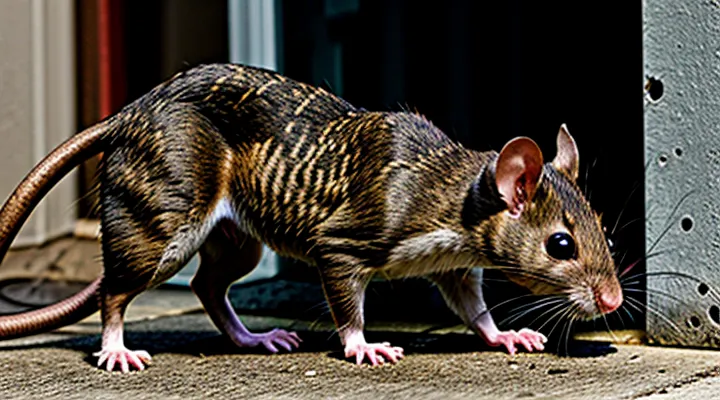
Understanding Rodent Fears
The Instinctive Nature of Fear in Rodents
Evolutionary Basis of Survival Instincts
Rodents possess instinctual fear mechanisms shaped by millennia of predator pressure. Natural selection favored individuals that rapidly identified and avoided threats, embedding survival instincts in neural circuitry.
Sensory cues that elicit immediate avoidance include:
- Predator odors such as feline urine, canine scent, and snake musk
- Sudden, high‑frequency sounds resembling raptor wingbeats or insect buzzes
- Rapid shadows or movement across the visual field
- Vibrations transmitted through substrate that mimic footfalls of larger mammals
- Intense illumination that disrupts nocturnal foraging patterns
These stimuli activate the amygdala and associated hypothalamic pathways, generating autonomic responses—tachycardia, heightened alertness, and escape locomotion. Genetic studies link polymorphisms in the D1 dopamine receptor and CRH genes to variability in threat sensitivity, confirming a hereditary component to rodent fear.
The adaptive advantage of such instincts lies in minimizing exposure to lethal encounters while preserving energy for foraging and reproduction. Rapid threat detection reduces predation risk, whereas selective habituation permits exploration of safe environments without constant alarm.
Experience can modify baseline reactivity; repeated exposure to non‑threatening stimuli leads to diminished response, yet the underlying circuitry remains primed for novel danger. This balance between innate avoidance and learned flexibility sustains survival across diverse habitats.
How Fear Shapes Rodent Behavior
Fear drives the daily choices of mice and rats, shaping foraging, nesting, and social interaction. When a threat is detected, sensory circuits in the brain rapidly evaluate risk, triggering a cascade of hormonal and neural responses that alter behavior within seconds.
- Predator cues such as cat odor, owl calls, or snake scent provoke immediate retreat to concealed burrows and suppress exploratory activity.
- Sudden movements, loud noises, and bright illumination elicit freezing or rapid sprinting to the nearest cover.
- Human presence, especially handling or traps, generates heightened vigilance, reduced food intake, and increased use of escape routes.
Physiological markers accompany these actions. Elevated corticosterone levels amplify alertness, while activation of the amygdala and periaqueductal gray coordinates motor output. Repeated exposure to a specific danger conditions the animal, producing long‑term avoidance of associated contexts and enhanced learning of escape pathways.
Consequences of fear extend to population dynamics. Individuals that consistently avoid high‑risk zones allocate more energy to safety than to reproduction, influencing growth rates. Conversely, rodents that adapt quickly to novel threats may secure new resources, affecting competitive balance within ecosystems.
Understanding the mechanisms by which fear directs rodent behavior informs pest management, wildlife conservation, and laboratory animal welfare. Effective control strategies exploit innate anxieties—using predator odors, vibrations, or light—to manipulate movement patterns without resorting to lethal measures.
Primary Fear Inducers
Predators and Their Scent
Natural Enemies of Mice and Rats
Natural predators constitute a primary source of anxiety for rodent populations, shaping their foraging patterns, nesting sites, and movement across habitats. The presence of these enemies triggers instinctive avoidance behaviors that reduce exposure to danger and limit population growth.
- Birds of prey – hawks, owls, and barn owls hunt mice and rats from the air, using keen vision and swift dives.
- Snakes – rattlesnakes, rat snakes, and other colubrids locate prey through scent and heat detection, delivering rapid constriction or venom.
- Carnivorous mammals – foxes, coyotes, weasels, feral cats, and domestic dogs capture rodents with powerful jaws and sharp claws.
- Insect predators – certain beetles (e.g., ground beetles) and predatory wasps attack juvenile rodents or their eggs.
- Amphibians – large frogs and toads may consume small mice and rat juveniles in moist environments.
These predators enforce spatial avoidance; rodents favor concealed burrows, dense vegetation, and structures that limit line‑of‑sight. Activity peaks shift to periods when predator presence is lowest, often resulting in nocturnal foraging for mice and crepuscular habits for rats. The cumulative effect reduces reproductive success and suppresses local abundance.
Secondary threats, such as parasitic flies and disease‑carrying ticks, also contribute to rodent stress. While not direct killers, they increase mortality risk and encourage avoidance of contaminated zones, further influencing habitat selection.
Understanding the spectrum of natural enemies clarifies why rodents display heightened vigilance and why control strategies that enhance predator access can be effective in managing rodent populations.
The Role of Predator Urine and Feces
Rodents detect predator urine and feces through highly sensitive olfactory receptors. Volatile compounds such as 2‑phenylethylamine, sulfur‑containing molecules, and specific steroidal metabolites trigger innate avoidance behaviors. When a mouse or rat encounters these odors, it typically exhibits freezing, rapid retreat, or increased vigilance within seconds.
Research identifies several consistent responses:
- Immediate cessation of foraging activity
- Elevated heart rate and respiration
- Preference for shelter over open areas
- Reduced exploration of contaminated zones even after the odor dissipates
The intensity of the reaction varies among species. House mice (Mus musculus) react strongly to cat urine, displaying a 70 % reduction in time spent in the odor zone, whereas Norway rats (Rattus norvegicus) show a 45 % reduction but maintain higher exploratory drive. Fox and mustelid feces provoke similar avoidance, though the effect is less pronounced than that of felid urine.
Chemical analysis reveals that predator urine contains high concentrations of kairomones—substances that benefit the receiver by signaling danger. These kairomones bind to vomeronasal organ receptors, activating neural pathways that mediate fear responses. Fecal matter releases additional cues, including digested prey remnants and microbial metabolites, which reinforce the perception of predator presence.
Practical applications exploit these mechanisms. Synthetic analogs of predator kairomones are incorporated into bait stations and barrier sprays to deter rodent intrusion. Field trials demonstrate a 60 % decline in trap captures when predator‑derived odors are applied to entry points. Effectiveness diminishes over time as rodents habituate; rotating odor blends and combining with physical barriers prolongs deterrence.
In summary, predator urine and feces serve as potent chemical signals that elicit rapid avoidance in mice and rats. Their efficacy stems from innate olfactory detection of kairomones, producing measurable behavioral changes that can be harnessed for integrated pest management.
Human Presence and Activity
The Threat of Human Interaction
Human presence triggers immediate alarm in mice and rats. Sudden movement, unfamiliar silhouettes, and rapid gait generate visual stimuli that rodents interpret as predatory threats. The resulting flight response is a core defensive mechanism.
Auditory cues from humans—footsteps, speech, and mechanical noise—activate the auditory startle reflex. Frequencies above 2 kHz, common in human speech and tool operation, cause heightened vigilance and rapid retreat.
Chemical signals released by humans, such as sweat, skin oils, and perfume, are detected through the rodents’ olfactory system. These scents differ from natural environmental odors, prompting avoidance behavior.
Physical barriers and traps represent direct danger. Snap traps, live‑catch cages, and glue boards apply tactile pressure that rodents associate with injury. Repeated exposure to such devices conditions avoidance of areas where traps are likely placed.
Environmental modifications imposed by humans increase stress:
- Bright artificial lighting eliminates nocturnal cover.
- Regular cleaning removes food residues and nesting material.
- Structural alterations (e.g., sealing entry points) reduce shelter availability.
Domestic animals owned by humans, primarily cats and certain dog breeds, add predatory pressure. Their scent and presence reinforce the perception of an omnipresent threat.
Collectively, these sensory and physical factors create a hostile landscape for rodents, compelling them to seek concealed habitats, limit foraging activity, and alter movement patterns to minimize contact with humans.
Noises and Vibrations Associated with Humans
Mice and rats exhibit acute sensitivity to acoustic and mechanical cues generated by human activity. Sudden, high‑frequency sounds trigger escape responses because they resemble predator vocalizations. Continuous low‑frequency rumbling, such as footsteps on hard surfaces, creates ground‑borne vibrations that rodents interpret as approaching threats.
Typical human‑related stimuli that induce avoidance include:
- Footsteps on wooden or tiled floors, producing sharp impact noises above 5 kHz.
- Door slams, delivering abrupt pressure waves that exceed 80 dB.
- Vacuum cleaners, generating broadband noise and strong vibration through floorboards.
- Mobile phones vibrating against a surface, emitting low‑frequency oscillations around 200 Hz.
- Human speech at normal volume, especially when delivered suddenly or with raised intonation.
Laboratory observations show that rodents freeze or flee within seconds of exposure to these cues. Repeated association with human presence reinforces the fear response, leading to long‑term avoidance of areas where such noises and vibrations are common.
Effective pest‑control strategies exploit this sensitivity by introducing intermittent, unpredictable sound bursts or floor‑mounted transducers that simulate human movement. The resulting disruption of normal foraging patterns reduces rodent activity without the need for chemical agents.
Unfamiliar Noises and Sounds
High-Frequency Sounds and Ultrasonic Devices
Rodents possess an auditory range extending well beyond human hearing, detecting frequencies up to 80–100 kHz. This physiological trait makes high‑frequency sounds a potent deterrent.
- Frequencies above 20 kHz are inaudible to people but can cause discomfort, disorientation, or temporary hearing loss in mice and rats.
- Continuous exposure triggers stress responses, reducing activity in feeding and nesting areas.
- Short bursts produce a startle effect, prompting immediate retreat.
Ultrasonic devices translate these frequencies into audible pulses for rodents while remaining silent to humans. Modern units incorporate the following features:
- Adjustable frequency bands (20–45 kHz) to match species‑specific hearing peaks.
- Programmable duty cycles that alternate active and silent periods, preventing habituation.
- Integrated motion sensors that activate only when rodent presence is detected, conserving power and limiting unnecessary exposure.
Effectiveness depends on proper placement: devices should be mounted at 1–2 m height, directed toward travel corridors, and spaced no more than 3 m apart in larger spaces. Obstacles such as walls, furniture, or dense insulation attenuate ultrasonic waves; therefore, line‑of‑sight coverage is essential.
Safety considerations include avoiding prolonged exposure to non‑target animals (e.g., pets) that can perceive ultrasonic frequencies, and ensuring compliance with local regulations governing electromagnetic emissions. Regular maintenance—cleaning transducers and verifying battery health—preserves output intensity.
In summary, high‑frequency acoustic emissions and calibrated ultrasonic emitters exploit rodents’ acute hearing to create an environment that discourages occupancy and activity without visible barriers or chemicals. Proper deployment yields a reliable, low‑maintenance component of integrated pest‑management strategies.
Sudden and Loud Noises
Sudden, high‑intensity sounds trigger immediate flight responses in mice and rats. The auditory system of these rodents detects rapid pressure changes, relaying signals to the amygdala and brainstem, which coordinate escape behaviors. Laboratory observations show that exposure to abrupt noises causes freezing, rapid retreat, or burrowing, indicating a strong aversive reaction.
Common sources of startling acoustic stimuli include:
- Claps or slaps that generate sharp peaks in decibel level.
- Door slams producing sudden, broadband bursts.
- Thunderclaps or fireworks delivering loud, unpredictable bursts.
- Mechanical alarms such as smoke detectors or sirens with rapid onset.
Physiological measurements reveal elevated cortisol and heart rate following these noises, confirming stress activation. Repeated exposure leads to habituation only when the sound becomes predictable; unpredictable, loud events maintain the fear response.
Bright Lights and Sudden Movements
The Disorienting Effect of Light
Bright, flickering, or sudden illumination causes immediate disorientation in mice and rats. Their retinas contain a high proportion of rod cells, optimized for low‑light environments; abrupt changes overload the visual system, impairing depth perception and spatial orientation. The resulting sensory mismatch triggers rapid retreat or freezing, behaviors commonly observed when laboratory lights are switched on.
Key physiological responses include:
- Pupil dilation followed by constriction, creating a temporary blind spot.
- Disruption of circadian rhythms, leading to reduced activity levels.
- Activation of the suprachiasmatic nucleus, which signals stress pathways.
- Increased reliance on whisker and auditory cues, often resulting in erratic movement.
In practical settings, exposure to intense or intermittent light sources serves as an effective deterrent. Placement of strobe lights near entry points, or the use of motion‑activated LEDs, exploits the rodents’ visual vulnerability without introducing chemical agents. Continuous illumination, however, may lead to habituation; alternating light patterns preserve the disorienting effect over longer periods.
Rapid Motion as a Sign of Danger
Rapid motion signals immediate threat to mice and rats. Their visual system detects sudden changes in the field of view, interpreting swift objects as potential predators. When an object moves quickly across their line of sight, the brain triggers an escape reflex within milliseconds.
Key aspects of rapid motion that provoke fear:
- High velocity contrast: sudden acceleration creates a stark difference between static background and moving shape, prompting avoidance.
- Unpredictable trajectory: erratic paths prevent the animal from anticipating the object’s position, increasing perceived danger.
- Close-range approach: fast movement that reduces distance rapidly intensifies the alarm response.
Neurological studies show that the superior colliculus and amygdala cooperate to evaluate motion cues. Activation of these regions leads to increased heart rate, heightened alertness, and immediate flight behavior. Laboratory observations confirm that rodents freeze briefly before fleeing when exposed to swift, looming stimuli.
Practical implications include using rapid motion in pest‑control devices. Devices that generate fast, darting shadows or moving laser points reliably deter rodents without chemical agents. Designing traps that incorporate quick, unpredictable movements maximizes effectiveness by exploiting the innate fear response to rapid motion.
Confined Spaces and Traps
The Psychological Impact of Enclosure
Mice and rats experience heightened stress when confined within limited spaces, a condition that triggers instinctive escape drives. Confinement reduces perceived control over the environment, leading to activation of the hypothalamic‑pituitary‑adrenal axis and a measurable rise in corticosterone levels. Elevated cortisol correlates with reduced foraging efficiency, increased aggression toward conspecifics, and diminished exploratory behavior.
Key psychological responses to enclosure include:
- Persistent vigilance: rodents maintain a constant state of alertness, scanning for potential exit routes.
- Learned helplessness: repeated failure to escape diminishes attempts to explore, reinforcing passive behavior.
- Social withdrawal: individuals isolate from group activities, decreasing grooming and communal nesting.
These reactions compound overall fear profiles, making tight enclosures a primary source of anxiety for both species. Mitigation strategies focus on providing escape pathways, enriched substrates, and variable spatial layouts to restore a sense of agency and reduce chronic stress.
Bait and Trap Aversion
Rodents quickly learn to reject baits that smell or taste unfamiliar. Strong odors from chemicals, preservatives, or synthetic flavorings trigger their innate wariness. When a bait contains a bitter or metallic aftertaste, the animal associates it with toxicity and avoids similar food sources.
Traps that produce unusual sounds, vibrations, or sudden movements activate the rodent’s heightened startle response. Mechanical triggers that snap or click generate acoustic cues that mice and rats interpret as predator activity. Visual cues such as bright colors or reflective surfaces also contribute to avoidance, as they differ from the natural environment.
Key factors influencing bait and trap aversion:
- Chemical composition: natural food extracts are less likely to be rejected than synthetic additives.
- Texture: smooth, gelatinous baits may feel unnatural; granular or crumbly textures mimic natural foraging material.
- Placement: locations with high traffic increase exposure, reducing suspicion; secluded spots raise caution.
- Pre‑exposure: repeated encounters with non‑lethal traps condition rodents to recognize and evade similar devices.
Mitigation strategies focus on aligning bait characteristics with rodent dietary preferences and minimizing sensory alarms. Using fresh, high‑protein foods such as peanut butter or dried fruit reduces chemical suspicion. Incorporating low‑frequency dampening materials in trap design lessens audible cues. Camouflaging traps with natural debris or bedding material masks visual anomalies.
Understanding these avoidance mechanisms enables more effective control measures, decreasing the likelihood that mice and rats will develop long‑term resistance to baited traps.
Behavioral Responses to Fear
Flight and Hiding Mechanisms
Seeking Shelter and Escape Routes
Rodents constantly evaluate their environment for safe hideaways and quick exit paths. A secure shelter must provide darkness, limited airflow, and a solid barrier against predators. Materials such as dense vegetation, woodpiles, insulation, or cracks in foundations meet these criteria, allowing mice and rats to remain unseen while conserving heat.
Escape routes function as emergency corridors that connect the shelter to the outside world. Effective pathways exhibit the following characteristics:
- Small diameter, matching the animal’s body size, preventing larger threats from following.
- Direct line of sight to an exit, reducing time spent in confined spaces.
- Minimal obstruction, ensuring rapid movement when danger is detected.
When a threat approaches, rodents trigger a rapid assessment: they compare the proximity of the predator with the distance to the nearest exit. If the shelter is compromised, they abandon it in favor of the closest unobstructed route. This behavior minimizes exposure and maximizes survival odds.
Environmental modifications that disrupt these elements increase stress levels in rodents. Blocking access to burrows, sealing cracks, or removing debris eliminates both refuge and egress, forcing the animals into exposed areas where predation risk rises sharply.
Freezing and Playing Dead
Rodents often respond to sudden threats by entering a state of immobility, commonly called “freezing” or “tonic immobility.” This behavior reduces motion cues that predators rely on, making the animal harder to detect.
- Immediate stimulus: abrupt shadows, rapid movements, or loud noises trigger the reflex.
- Physiological basis: the amygdala activates the sympathetic nervous system, causing muscle tension and cessation of locomotion.
- Adaptive advantage: motionless posture lowers the likelihood of visual detection by birds of prey, snakes, and mammalian hunters.
- Duration: can last from a few seconds to several minutes, depending on the perceived level of danger and the animal’s previous exposure to threats.
- Recovery: after the stimulus subsides, the rodent resumes normal activity, often with heightened vigilance.
In addition to freezing, some mice and rats adopt a “playing dead” strategy when captured. By remaining limp and unresponsive, they may discourage a predator from further handling, as many predators release prey that appears dead or unpalatable. This response involves a deeper suppression of muscular tone and a temporary shutdown of sensory processing, extending the immobility period beyond typical freezing episodes.
Alarm Calls and Communication
Vocalizations Among Rodents
Rodent vocalizations form a critical component of their anti‑predator repertoire. Mice and rats emit sounds that convey threat levels, trigger avoidance in conspecifics, and coordinate escape responses.
Common vocalizations include:
- Ultrasonic alarm calls (above 20 kHz) produced when a predator is detected; these calls travel short distances and prompt immediate freezing or fleeing.
- Audible squeaks (2–8 kHz) emitted during close encounters with predators or aggressive conspecifics; they serve both as a warning and a distress signal.
- Low‑frequency chirps released during social tension, such as territorial disputes or exposure to novel stressors; these sounds can attract allies or deter rivals.
These sounds arise in specific contexts:
- Visual or olfactory detection of predators activates ultrasonic alarms.
- Direct physical contact or near‑misses trigger audible squeaks.
- Crowding, handling, or environmental changes elicit low‑frequency chirps.
Understanding these acoustic cues enhances pest‑management strategies. Devices that monitor ultrasonic frequencies can identify the presence of rodents before damage occurs, while playback of alarm calls can increase avoidance of traps or bait stations.
Chemical Signals of Danger
Mice and rats possess a highly sensitive olfactory system that detects volatile chemicals indicating threat. Predator-derived compounds such as felinine from cat urine, 2‑phenylethylamine from carnivore secretions, and fox fecal extracts function as kairomones. When these substances bind to receptors in the vomeronasal organ or main olfactory epithelium, they trigger neural pathways that produce rapid avoidance, freezing, or escape behaviors.
In addition to external cues, rodents emit alarm pheromones after experiencing danger. Stress‑induced urine, feces, and glandular secretions contain specific peptides and volatile acids that conspecifics recognize as signals of imminent risk. The presence of these chemicals elevates heart rate and suppresses feeding, reinforcing group‑wide vigilance.
Practical implications for rodent management rely on synthetic analogues of the described compounds. Effective formulations include:
- 2‑phenylethylamine at concentrations ≥ 0.1 ppm for immediate repellency.
- Cat‑derived felinine blends applied to perimeter barriers.
- Alarm‑pheromone extracts diluted 1:1000 in water for indoor bait stations.
Field trials demonstrate reduced entry rates and increased time spent in safe zones when these agents are deployed according to recommended dosages.
Utilizing Fear for Rodent Control
Repellents Based on Predator Scents
Commercial and DIY Solutions
Rodents react strongly to sharp sounds, sudden movements, unfamiliar scents, and tactile discomfort. Effective control methods exploit these sensitivities.
Commercial products designed to trigger these responses include ultrasonic emitters that project frequencies beyond human hearing, delivering continuous agitation. Electric traps deliver a rapid, lethal shock, eliminating the need for bait. Repellent sprays contain concentrated predator urine or pepper extracts, creating an odor barrier that rodents avoid. Glue boards provide a non‑lethal capture mechanism by adhering to the animal’s feet when it crosses a scented surface. All devices are marketed with clear usage instructions and safety warnings.
Do‑it‑yourself approaches rely on the same principles. A simple solution mixes water, peppermint oil, and a few drops of dish soap; the mixture can be sprayed around entry points to discourage entry. Installing steel wool or copper mesh in gaps blocks tactile navigation while remaining flexible. Placing aluminum foil strips with the shiny side up near pathways creates a reflective surface that unsettles rodents. Homemade noise deterrents, such as a radio set to static on a low volume, generate intermittent sound that interferes with rodent activity. Combining multiple DIY tactics increases overall effectiveness.
Effectiveness and Limitations
Rodents respond to sensory cues that signal danger. Chemical repellents, ultrasonic emitters, predator odors, and physical barriers are the primary tools used to exploit these cues. Their practical value depends on the degree to which they trigger avoidance behavior without causing habituation.
-
Chemical repellents (e.g., capsaicin, ammonia).
Effectiveness: Immediate aversion observed in controlled trials; deters entry into treated zones.
Limitations: Short residual activity; requires frequent reapplication; effectiveness diminishes when rodents become accustomed to low concentrations. -
Ultrasonic devices (frequencies above 20 kHz).
Effectiveness: Produces discomfort in laboratory settings; reduces activity in confined areas.
Limitations: Sound does not penetrate solid barriers; efficacy drops in cluttered environments; rodents can adapt after several weeks of exposure. -
Predator odors (fox urine, cat fur).
Effectiveness: Triggers innate fear response; lowers foraging in treated zones.
Limitations: Odor dissipates quickly; may attract other wildlife; repeated exposure can lead to desensitization. -
Physical barriers (steel mesh, sealed entry points).
Effectiveness: Provides absolute exclusion when installed correctly; eliminates reliance on behavioral responses.
Limitations: Installation costs; requires regular inspection for gaps; does not address rodents already present inside the structure.
Overall, sensory-based deterrents achieve temporary reduction in rodent activity but exhibit diminishing returns as habituation develops. Physical exclusion remains the most reliable method, yet it demands meticulous implementation and maintenance. Combining multiple strategies can offset individual shortcomings, but the integrated approach must account for the specific environment and the target species’ adaptive capacity.
Ultrasonic Devices and Their Efficacy
Understanding Sound Frequencies
Rodents possess acute hearing that extends well beyond the human audible range. Their auditory system detects frequencies from roughly 1 kHz up to 90 kHz, with peak sensitivity between 10 kHz and 20 kHz. Sounds within this band trigger startle responses, while ultrasonic tones above 20 kHz can induce avoidance without causing permanent hearing damage.
- 1 kHz–5 kHz: Low‑frequency noises, such as footsteps or distant traffic, produce mild alertness but rarely elicit flight.
- 6 kHz–15 kHz: Mid‑range frequencies overlap with rodent vocalizations; sudden bursts cause rapid retreat.
- 16 kHz–30 kHz: High‑pitch tones generate intense discomfort, leading to immediate withdrawal from the source.
- 31 kHz–90 kHz: Ultrasonic emissions, commonly employed in commercial repellent devices, create a persistent hostile acoustic environment, discouraging nesting and foraging.
Laboratory measurements confirm that exposure to continuous ultrasonic tones above 25 kHz reduces activity levels by up to 70 % within minutes. Intermittent pulses at 15 kHz–20 kHz produce comparable effects with lower energy consumption. Effective deterrent systems therefore combine frequency modulation, amplitude variation, and timed intervals to prevent habituation.
Implementation guidelines recommend positioning speakers at rodent pathways, maintaining sound pressure levels between 80 dB and 100 dB SPL, and calibrating devices to cover the identified sensitivity peaks. Regular monitoring of rodent behavior ensures that the acoustic strategy remains disruptive and does not allow adaptation.
Short-Term vs. Long-Term Impact
Rodents react instantly to sudden disturbances, bright flashes, high‑frequency sounds, and predator odors. These triggers provoke brief spikes in heart rate, rapid escape attempts, and heightened alertness that subside once the stimulus disappears. The physiological response lasts seconds to minutes, allowing the animal to resume normal activity if the threat proves false.
Prolonged exposure to the same stressors produces lasting changes. Continuous noise, persistent predator scent, or chronic lighting alterations sustain elevated cortisol levels, suppress immune function, and impair growth. Over weeks, rodents exhibit reduced reproductive output, slower weight gain, and altered foraging patterns, indicating a shift from immediate flight to chronic stress adaptation.
Key distinctions between brief and extended fear exposure:
- Duration of physiological arousal: seconds‑minutes vs. days‑weeks.
- Behavioral outcome: rapid escape vs. sustained avoidance or reduced activity.
- Health impact: temporary metabolic shift vs. long‑term hormonal imbalance and lowered fitness.
Understanding these temporal dynamics helps predict how short‑term scares influence immediate safety, while long‑term threats shape population health and behavior.
Trapping and Exclusion Techniques
Humane Trapping Methods
Humane traps exploit the same sensory triggers that cause rodents to avoid predators. Live‑catch cages incorporate dark interiors and smooth entry points, prompting mice and rats to enter while feeling protected from open exposure. Baited compartments use strong food odors to lure individuals into a sealed chamber that can be released without injury.
- Multi‑door live traps: several entry holes increase capture probability; doors close with a gentle spring mechanism that does not crush the animal.
- Bucket‑style traps: a ramp leads to a baited platform that tips when the rodent steps on it, dropping the creature into a water‑filled or padded bucket.
- Glue‑free catch‑and‑release boxes: a one‑way flap allows entry but prevents exit; the interior is lined with soft material to prevent bruising.
- Electronic humane traps: sensors detect movement, triggering a door that seals the rodent inside a ventilated compartment for later release.
Effective deployment requires placement along established pathways, near walls, and in concealed areas where rodents feel safe. Regular inspection prevents prolonged confinement, reducing stress and the risk of injury. After capture, release should occur at least 100 meters from the original site, in a habitat offering shelter and food sources. This approach maintains population control while respecting animal welfare.
Preventing Re-entry Through Exclusion
Effective rodent management relies on eliminating pathways that allow mice and rats to re-enter a building after removal. Physical barriers create a permanent obstacle, reducing the likelihood that surviving individuals or newcomers exploit the same openings.
Key exclusion techniques include:
- Sealing cracks and gaps larger than ¼ inch with steel wool, caulk, or expanding foam.
- Installing door sweeps and weatherstripping on all exterior doors.
- Repairing or replacing damaged screens, vents, and utility openings.
- Covering foundation vents with mesh of at least ½ inch aperture.
- Installing rodent‑proof conduit sleeves around pipes and cables.
- Using metal flashing around soffits, eaves, and roof edges.
Regular inspections verify the integrity of these measures. Prompt repair of any breach prevents re‑infestation and sustains a hostile environment for rodents.