
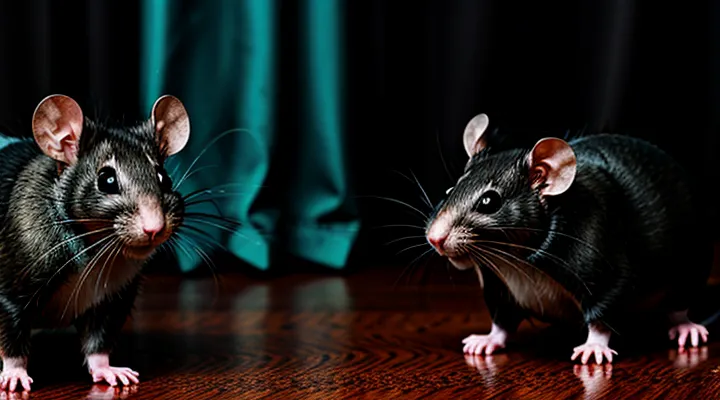
Understanding the Fancy Rat's Nature
Evolutionary Instincts and Predation
Natural Predators and Their Threat
Fancy rats encounter constant danger from a range of wild hunters. Birds of prey, such as hawks and owls, attack from above, exploiting the rodents’ limited aerial escape options. Their sharp talons and swift dives inflict lethal injuries, forcing rats to remain concealed during daylight.
Ground predators also impose severe pressure. Foxes, weasels, and feral cats rely on scent and stealth to locate hidden burrows. Their powerful jaws and rapid strikes can overwhelm even the most alert rats, prompting nocturnal activity and heightened vigilance.
Key natural antagonists and the specific risks they pose:
- Hawks/owls – aerial strikes, fatal puncture wounds.
- Foxes – scent tracking, powerful bite, burrow infiltration.
- Weasels – slender body enables entry into narrow tunnels, crushing bite.
- Feral cats – ambush tactics, claw trauma, disease transmission.
The Fight-or-Flight Response
Fancy rats exhibit a pronounced fight‑or‑flight response when confronted with stimuli that signal danger. The response originates in the amygdala, which activates the hypothalamic‑pituitary‑adrenal axis. Release of adrenaline and cortisol prepares the animal for rapid muscular action, heightened sensory acuity, and metabolic shifts that support either aggressive defense or swift escape.
Key triggers that elicit this response in domesticated rats include:
- Sudden loud noises (e.g., clattering, alarms)
- Rapid movements or shadows that mimic predators
- Unfamiliar scents, especially from carnivorous animals
- Physical restraint or handling that deviates from routine
Behavioral manifestations of the response are observable as:
- Immediate freezing followed by a burst of locomotion
- Aggressive biting or lunging when escape routes are blocked
- Elevated heart rate and rapid breathing detectable through non‑invasive monitoring
- Release of pheromones that warn conspecifics of threat
Mitigation strategies rely on predictable environments and gradual desensitization. Consistent handling schedules, exposure to low‑intensity versions of feared stimuli, and provision of secure hiding places reduce the intensity of the fight‑or‑flight activation, allowing fancy rats to adapt to potential stressors without chronic hyperarousal.
Common Fear Triggers in Domesticated Rats
Auditory Stimuli
Loud Noises and Sudden Sounds
Fancy rats possess an exceptionally sensitive auditory system; sudden or high‑volume sounds trigger immediate stress responses. Their ears detect frequencies up to 80 kHz, and the hearing threshold lies well below that of humans, making loud noises particularly intrusive.
When a rapid sound occurs, the startle reflex activates the sympathetic nervous system, releasing adrenaline and causing muscle tension. This reaction manifests as freezing, rapid breathing, attempts to flee, and a temporary halt in grooming or eating.
Typical sources of disruptive auditory stimuli include:
- Vacuum cleaners and hairdryers
- Doorbells and telephone rings
- Fireworks and thunderclaps
- Dropped objects or slammed doors
- Elevated human voices or shouting
Observable indicators of auditory distress are:
- Sudden immobility or crouching
- Increased heart rate detectable by rapid paw movement
- Escape attempts toward hiding spots
- Reduced interaction with food and enrichment items
Effective mitigation strategies involve:
- Maintaining a quiet environment during handling and cage cleaning
- Introducing gradual, low‑volume sound exposure to build tolerance
- Providing secure hideaways such as tunnels or igloos
- Employing background white noise to mask abrupt sounds
Implementing these measures reduces the impact of loud and unexpected noises, promoting calmer behavior and overall well‑being in pet rats.
Unfamiliar Voices and High-Pitched Frequencies
Rats possess an auditory range extending well beyond human hearing, reaching frequencies up to 80 kHz. Sounds above 20 kHz, which humans cannot perceive, trigger a rapid stress response in the animal. The nervous system registers these high‑pitched tones as potential threats, causing elevated heart rate, increased cortisol release, and heightened vigilance.
Unfamiliar vocalizations—human speech, predator calls, or sudden mechanical noises—activate the same alarm circuitry. The rat brain interprets novel timbres as indicators of danger, prompting immediate escape behavior. Acoustic novelty also interferes with the animal’s ability to locate familiar conspecific signals, further amplifying anxiety.
Key effects of these auditory stimuli include:
- Accelerated respiration and heartbeat.
- Release of stress hormones (cortisol, adrenaline).
- Disruption of normal foraging and nesting patterns.
- Preference for concealed, quiet environments.
Mitigation strategies rely on sound attenuation. Thick insulation, white‑noise generators set below the rat’s hearing threshold, and gradual habituation to low‑volume recordings reduce the impact of disruptive sounds. Consistent acoustic environments support stable behavior and lower overall stress levels.
Visual Stimuli
Large and Fast-Moving Objects
Large, rapidly moving objects trigger an immediate flight response in ornamental rats. Their visual system detects sudden changes in size and velocity, interpreting them as potential predators. The combination of mass and speed overwhelms the animal’s ability to assess threat distance, prompting instinctive avoidance.
Key characteristics that intensify fear:
- Size exceeding the rat’s body length by at least twofold
- Velocity greater than 1 m/s, creating swift visual displacement
- Unpredictable trajectory, preventing anticipatory positioning
- Low‑frequency vibration or air displacement accompanying motion
When confronted with such stimuli, fancy rats exhibit heightened heart rate, rapid whisker retraction, and accelerated escape attempts toward secure burrows or hideaways. The physiological reaction aligns with evolutionary survival mechanisms, despite the domestic environment.
Unfamiliar Human Figures
Fancy rats exhibit heightened anxiety when confronted with human silhouettes that lack familiar cues. Their visual system prioritizes recognizable patterns; unknown postures disrupt this processing, triggering a stress response.
Key characteristics of unfamiliar human figures that provoke fear:
- Irregular gait – uneven stride or sudden changes in direction break expected motion patterns.
- Unusual attire – bright colors, large accessories, or masks obscure typical human outline.
- Unexpected proximity – rapid approach without gradual visual exposure elevates perceived threat.
- Atypical vocalizations – high‑pitched or erratic sounds accompany the figure, reinforcing alarm.
Physiological markers confirm the reaction: elevated cortisol, increased heart rate, and reduced exploratory behavior. Mitigation strategies focus on habituation: gradual exposure to the same individual in controlled sessions, consistent lighting, and predictable movement patterns. Over time, the rat’s neural circuitry adapts, decreasing the fear response and restoring normal activity levels.
Changes in Environment
Environmental alterations provoke acute stress responses in domesticated rats. Sudden temperature shifts disrupt thermoregulation, leading to rapid heart‑rate elevation and reduced foraging activity. Persistent drafts increase respiratory irritation, causing avoidance of exposed zones.
Noise spikes generate startle reflexes. Frequencies above 2 kHz, common in household appliances, trigger heightened cortisol release. Continuous low‑frequency vibrations, such as those from laundry machines, produce chronic agitation and diminished nesting behavior.
Lighting variations affect circadian rhythms. Bright flashes interrupt melatonin synthesis, resulting in erratic activity cycles. Prolonged exposure to artificial light suppresses natural sleep periods, decreasing immune competence.
Chemical introductions modify olfactory landscapes. Strong scents from cleaning agents or food additives mask familiar pheromonal cues, impairing social recognition and prompting territorial withdrawal. Accumulation of ammonia from waste elevates respiratory strain, encouraging concealment.
Structural modifications reshape spatial perception. Relocation of tunnels, cages, or enrichment objects eliminates established escape routes, forcing rats to adopt defensive postures. Introduction of unfamiliar materials, such as plastic flooring, reduces tactile comfort and increases grooming frequency.
Key environmental stressors can be summarized:
- Temperature instability (heat spikes, cold drafts)
- Acoustic disturbances (loud bursts, low‑frequency vibrations)
- Light irregularities (bright flashes, extended artificial illumination)
- Chemical odors (cleaning agents, ammonia buildup)
- Habitat restructuring (relocated tunnels, new substrates)
Mitigation requires consistent climate control, sound dampening, regulated lighting schedules, odor‑free cleaning protocols, and gradual habituation to habitat changes. Implementing these measures stabilizes the rats’ perception of safety and preserves normal physiological function.
Olfactory Stimuli
Strong, Unfamiliar Scents
Strong, unfamiliar odors trigger immediate avoidance behavior in fancy rats. Their olfactory system detects volatile compounds at concentrations far lower than human thresholds, allowing rapid assessment of potential threats.
When an unfamiliar scent reaches the nasal epithelium, sensory neurons transmit signals to the olfactory bulb, which relays information to the amygdala and hypothalamus. This neural pathway initiates a cascade of physiological responses: increased heart rate, heightened alertness, and a swift retreat from the source.
Key categories of potent, novel aromas that elicit the strongest reactions include:
- Synthetic cleaning agents (e.g., ammonia, bleach)
- Concentrated essential oils (e.g., eucalyptus, peppermint)
- Strong spices (e.g., cumin, clove)
- Industrial chemicals (e.g., formaldehyde, toluene)
Each class contains compounds with low molecular weight and high volatility, properties that enhance detection distance and intensity. Rats exposed to these substances display observable signs: rapid whisker movement, elevated vocalizations, and frantic locomotion toward escape routes.
Practical implications for caretakers involve minimizing the introduction of unfamiliar scents into the rat’s environment. Ventilation, gradual scent desensitization, and the use of neutral cleaning products reduce stress levels and prevent long‑term behavioral disturbances.
Scents of Other Animals
Fancy rats possess an acute sense of smell that guides feeding, social interaction, and predator avoidance. Odors emitted by other species trigger instinctive alarm responses, overriding curiosity and prompting escape behaviors.
The most potent olfactory threats include:
- Mustelid secretions (e.g., ferret, weasel, mink): high‑level sulfur compounds and musk proteins detected as immediate danger signals.
- Rodent predator urine (e.g., fox, coyote, domestic cat): specific nitrogenous volatiles such as 2‑methoxy‑3‑isobutylpyrazine that activate fear circuits.
- Bird of prey feathers and talon residue: feather keratin breakdown products and feather oil components that signal aerial predation.
- Reptile skin slough (e.g., snake, monitor lizard): lipids and bile acids recognized as non‑compatible prey cues.
Exposure to these scents produces measurable physiological changes: elevated heart rate, increased cortisol levels, and rapid locomotor bursts. Laboratory observations confirm that even diluted samples (1 % concentration in water) elicit avoidance within seconds, demonstrating the sensitivity of the rat olfactory system.
Consequently, the presence of foreign animal odors constitutes the leading source of fear for fancy rats, shaping housing practices, enrichment design, and health monitoring protocols.
Tactile Stimuli
Unexpected or Rough Handling
Fancy rats respond sharply to handling that is sudden, forceful, or inconsistent. Their natural wariness makes them highly sensitive to movements that deviate from gentle, predictable contact. When a hand grabs, squeezes, or jerks without warning, the animal’s stress response activates, producing elevated heart rate, rapid breathing, and a tendency to flee or bite.
Typical actions that trigger this reaction include:
- Grasping the rat by the tail or scruff without support.
- Lifting the animal abruptly from a surface.
- Applying pressure that compresses the torso or limbs.
- Shaking or tossing the rat during play.
- Introducing unfamiliar objects or hands while the rat is restrained.
Repeated exposure to such treatment conditions the rat to associate human interaction with danger. Consequently, the animal may withdraw from handling sessions, exhibit defensive aggression, or develop chronic anxiety, all of which undermine its welfare and impede training or veterinary care. Consistent, calm handling minimizes fear and supports a stable, cooperative relationship.
Confined Spaces and Trapping Sensations
Fancy rats exhibit heightened sensitivity to enclosed environments that limit movement. When a cage, tube, or enclosure reduces the animal’s ability to turn or retreat, stress hormones surge, heart rate escalates, and grooming behavior diminishes. The physiological response mirrors that of wild rodents encountering burrow collapse, indicating an evolutionary aversion to confinement.
Key aspects of trapping sensations include:
- Loss of visual horizon: walls that block peripheral sight trigger a startle reflex.
- Restricted airflow: reduced ventilation amplifies carbon‑dioxide buildup, intensifying discomfort.
- Physical restraint: pressure on the body’s sides suppresses normal postural adjustments, leading to muscle tension.
- Absence of escape routes: lack of openings eliminates a fundamental survival strategy, causing prolonged agitation.
Behavioral indicators of distress appear as repetitive pacing, vocalizations, and attempts to gnaw at barriers. Prolonged exposure to these conditions can impair immune function and reduce reproductive success. Mitigation strategies focus on providing spacious enclosures, multiple exit points, and enrichment that encourages natural exploratory behavior.
Addressing and Mitigating Fear in Fancy Rats
Creating a Safe and Predictable Environment
Consistent Routine and Familiar Surroundings
Consistent routine and familiar surroundings constitute the most potent trigger of anxiety in pet rats. When daily patterns shift or the environment changes abruptly, these animals exhibit heightened stress responses that can compromise health and behavior.
A stable schedule provides predictability for essential activities:
- Feeding at the same times each day ensures metabolic stability.
- Regular handling sessions condition the rats to human interaction, reducing fear of touch.
- Fixed cleaning intervals prevent sudden exposure to unfamiliar scents or noises.
A well‑known environment reinforces security:
- A cage layout that remains unchanged allows the rats to navigate confidently.
- Consistent bedding type and placement maintain familiar tactile cues.
- Permanent toys and tunnels become reference points, decreasing exploratory uncertainty.
Disruption of either element produces measurable effects. Cortisol levels rise, grooming frequency drops, and stereotypic behaviors such as bar‑chewing increase. These indicators correlate with weakened immune function and slower recovery from illness.
To mitigate fear, caretakers should:
- Preserve feeding, cleaning, and interaction times with minute tolerance for variation.
- Introduce new objects or rearrangements gradually, allowing the rats to explore at their own pace.
- Keep the cage in a quiet, low‑traffic area to avoid sudden environmental stimuli.
Adhering to these practices sustains a calm atmosphere, minimizes stress, and supports the overall well‑being of fancy rats.
Providing Hiding Places and Enrichment
Fancy rats react strongly to environments that lack refuge and stimulation. When a cage offers no concealed areas, rats perceive exposure as a threat, triggering stress responses that can manifest as heightened alertness, avoidance of human interaction, or abnormal grooming. Providing secure hiding spots and enrichment directly mitigates these fear triggers by satisfying innate needs for safety and mental engagement.
- Install multiple shelters of varying sizes (e.g., PVC tubes, wooden houses, fabric pouches) to allow choice and rotation.
- Distribute enrichment objects (chew blocks, puzzle feeders, climbing ropes) throughout the enclosure, ensuring each item is positioned near a hideaway to encourage exploration without exposing the rat.
- Rotate or rearrange shelters and toys weekly; change prevents habituation and maintains novelty, which reduces boredom‑related anxiety.
- Use natural materials (coconut husk, untreated wood) that emit familiar scents, reinforcing a sense of security.
- Ensure the cage layout includes vertical space; ladders or platforms placed adjacent to hideouts create escape routes and simulate burrow networks.
By integrating these elements, caretakers create a habitat where rats can retreat instantly when startled and remain mentally active during routine periods. The combined effect lowers baseline stress levels, improves overall health, and diminishes the primary sources of fear for fancy rats.
Socialization and Gradual Introduction
Gentle Handling and Positive Reinforcement
Gentle handling and positive reinforcement directly address the primary anxieties experienced by pet rats. When a rat perceives sudden movements, loud noises, or rough contact, stress levels rise sharply. Soft, predictable touch and rewarding calm behavior reduce the likelihood of panic and encourage trust.
Key practices for minimizing fear:
- Approach the cage slowly, keeping hands visible and motion steady.
- Allow the rat to sniff the hand before any contact.
- Support the body with both hands, avoiding restraint that compresses the torso.
- Offer a small treat immediately after a calm interaction; repeat consistently to associate handling with a pleasant outcome.
- Use a quiet environment during sessions, minimizing external disturbances.
Consistent application of these methods creates a reliable routine. The rat learns that human presence predicts a reward rather than a threat, which diminishes the most common sources of fright.
Desensitization to Common Stimuli
Desensitization to routine environmental cues reduces the intensity of fear responses in laboratory‑bred rats. Repeated exposure to non‑threatening sounds, vibrations, and visual patterns creates neural adaptation in the amygdala and hippocampus, diminishing the salience of stimuli that would otherwise provoke startle reactions.
Key mechanisms include:
- Habituation of sensory pathways through consistent, low‑intensity presentations.
- Strengthening of inhibitory circuits that suppress limbic activation.
- Modulation of stress hormones, resulting in lower corticosterone peaks during novel encounters.
Practical applications for minimizing anxiety in fancy rats involve systematic conditioning:
- Introduce a gentle tapping sound for several minutes daily; increase duration only after the animal shows no startle.
- Present a dim, flickering light at regular intervals; monitor behavior for signs of relaxation before raising brightness.
- Apply mild floor vibrations using a calibrated platform; maintain a constant frequency to allow the rat’s vestibular system to adapt.
When these protocols are executed with precise timing and minimal variation, rats exhibit reduced avoidance of novel objects, decreased grooming spikes, and more consistent exploration of enriched habitats. Consequently, the most common sources of dread—sudden noises, abrupt movements, and unfamiliar lighting—lose their capacity to trigger acute fear, enabling a calmer, more inquisitive disposition.
Recognizing Signs of Distress
Behavioral Indicators of Fear
Fancy rats display a consistent set of behaviors when confronted with threatening stimuli. These responses provide reliable data for assessing the intensity and source of fear.
- Sudden freezing, characterized by immobility and a rigid posture, often precedes escape attempts.
- Rapid, shallow breathing accompanied by audible whisker twitching indicates heightened alertness.
- Tail erection and outward flicking signal a defensive posture aimed at increasing perceived size.
- Vocalizations such as high‑pitched squeaks or chattering denote acute distress.
- Erratic, high‑speed running toward an exit or hiding spot reflects an immediate flight response.
Additional cues include pupil dilation, which enlarges the visual field for better threat detection, and frequent grooming interruptions, where self‑care activities cease abruptly. Observers should note the sequence of these signs, as early indicators (freezing, whisker movement) often transition into later actions (flight, vocalization) as the perceived danger escalates.
Interpretation of these behaviors requires contextual awareness. A single isolated sign may not confirm fear, but the convergence of multiple indicators reliably identifies a state of anxiety in pet rats.
Physiological Responses to Stress
Physiological stress responses in laboratory‑bred rats reveal the most potent fear‑inducing stimuli for these animals. Exposure to sudden loud noises, predator odors, and rapid light changes consistently triggers activation of the hypothalamic‑pituitary‑adrenal (HPA) axis. Corticosterone levels rise within minutes, reaching peaks that correlate with heightened sympathetic output.
Cardiovascular measures demonstrate immediate tachycardia and increased peripheral vasoconstriction. Electrocardiograms show reduced heart‑rate variability, indicating dominance of sympathetic over parasympathetic tone. Respiratory rate accelerates, and blood‑gas analysis records elevated arterial oxygen tension as the animal attempts to meet metabolic demands.
Neurochemical signatures include:
- Elevated norepinephrine release in the locus coeruleus.
- Increased glutamate turnover in the amygdala.
- Suppressed gamma‑aminobutyric acid (GABA) activity in the prefrontal cortex.
These changes accompany observable behavioral alterations: freezing, escape attempts, and reduced grooming. Freezing duration scales with stimulus intensity, providing a quantitative index of fear magnitude.
Long‑term exposure to the identified stressors produces adrenal hypertrophy, hippocampal dendritic retraction, and impaired spatial memory performance in maze tests. Such physiological markers confirm that abrupt acoustic disturbances, predator‑derived scents, and abrupt illumination shifts constitute the strongest fear triggers for fancy rats.