
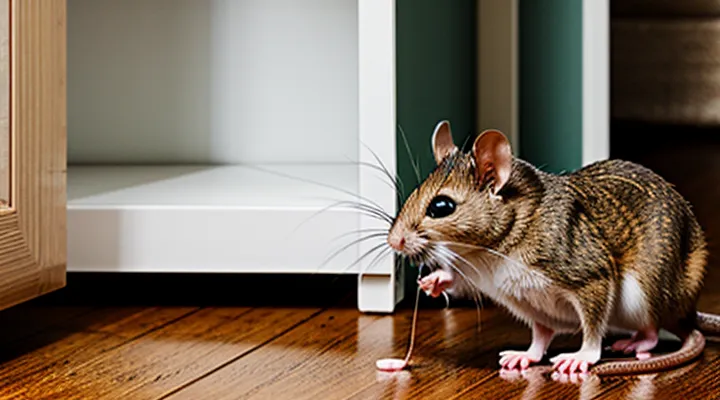
Understanding Mouse Behavior and Attraction
Why Mice Enter Homes
Mice invade residential spaces primarily in search of food, shelter, and water. Food sources include unsecured pantry items, pet food left out, and crumbs on countertops. Shelter is offered by gaps in foundations, wall voids, attic insulation, and clutter that creates hiding places. Access to water comes from leaky pipes, dripping faucets, and standing moisture in basements or bathrooms.
Entry points arise from structural deficiencies. Cracks larger than a quarter‑inch in walls, foundations, or around utility penetrations allow rodents to squeeze through. Unsealed gaps around doors, windows, and vent covers provide additional routes. Poorly fitted or damaged screens, as well as open crawl spaces, further facilitate intrusion.
Environmental factors increase pressure on mouse populations. Seasonal temperature shifts drive rodents indoors during colder months. Urban development reduces natural habitats, forcing mice to seek refuge in human dwellings. High population density in neighboring properties can also contribute to spillover into adjacent homes.
Human behavior amplifies attraction. Storing food in open containers, neglecting regular waste removal, and failing to repair water leaks create conditions that encourage mice to establish a presence. Maintaining cleanliness, securing food, and sealing structural openings reduce the incentives that draw rodents inside.
Signs of a Mouse Infestation
Mice leave clear evidence of their presence, allowing homeowners to identify an infestation early. Recognizing these indicators is essential before implementing control measures.
- Small droppings, 3–5 mm long, dark and pellet‑shaped, often found along walls, behind appliances, or in pantry corners.
- Gnaw marks on wood, plastic, wiring, or food containers; teeth leave paired, shallow impressions.
- Scratching noises at night, especially in concealed areas such as attics, walls, or underneath floors.
- Trails of greasy smears along baseboards, where mice rub their bodies for lubrication.
- Nest material composed of shredded paper, fabric, insulation, or dried plant matter, typically hidden in wall voids, cupboards, or stored‑item piles.
- Unexplained food spoilage, including gnawed packaging, crumbs, or spillage near stored goods.
The presence of multiple signs confirms active rodent activity and warrants immediate action. Prompt detection enables the selection of effective deterrents and exclusion techniques, reducing damage and health risks.
Natural and Non-Toxic Repellents
Essential Oils and Their Effectiveness
Peppermint Oil
Peppermint oil is a volatile essential oil whose strong scent interferes with the sensory receptors of rodents. Mice rely on their keen sense of smell to locate food and shelter; the menthol and menthone compounds in peppermint create an environment that mice find hostile, prompting them to avoid treated areas.
To employ peppermint oil effectively, follow these steps:
- Dilute 10‑15 drops of pure peppermint oil in 1 cup of water or a carrier such as mineral oil.
- Soak cotton balls or small cloth pieces in the solution.
- Place the saturated material in locations where mouse activity is observed: behind appliances, under sinks, along baseboards, and near entry points.
- Replace the cotton balls every 2–3 days, or when the scent fades, to maintain potency.
Research indicates that a continuous strong aroma can reduce mouse presence for several weeks, though it does not eradicate established infestations. Peppermint oil is non‑toxic to humans and pets when used as directed, making it a safe option for households with children or animals. However, excessive application may cause respiratory irritation in sensitive individuals; ventilation is advisable.
Combining peppermint oil with mechanical barriers (e.g., sealing cracks, installing door sweeps) and traps enhances overall control. The oil’s repellent effect diminishes over time, so regular re‑application is essential for sustained results.
Clove Oil
Clove oil contains eugenol, a compound that irritates the olfactory receptors of rodents. When dispersed in a confined area, the strong, spicy aroma overwhelms a mouse’s sense of smell, causing it to avoid the treated zone.
Effective application requires a concentration that maintains potency without saturating the environment. A practical mixture consists of ten drops of clove oil diluted in one cup of water. Soak cotton balls in the solution and place them in corners, behind appliances, and along baseboards where mouse activity is observed. Replace the cotton balls every 48 hours to preserve scent strength.
Safety considerations include keeping the oil out of reach of children and pets, as ingestion can cause irritation. Use gloves when handling undiluted oil, and avoid direct contact with skin. Ventilation is advisable in small rooms to prevent respiratory discomfort.
Clove oil’s repellent action is temporary; it does not eliminate established infestations. For persistent problems, combine oil treatment with physical barriers, trap placement, and sanitation measures to reduce food sources. Regular monitoring will reveal whether the scent continues to deter activity or if additional interventions are required.
Eucalyptus Oil
Eucalyptus oil is a volatile plant extract whose strong, menthol‑like aroma deters rodents. The scent interferes with mice’s highly developed olfactory system, making treated areas unattractive for nesting and foraging.
Application methods:
- Soak cotton balls in undiluted eucalyptus oil and place them in corners, behind appliances, and along baseboards. Replace every 3–4 days to maintain potency.
- Mix 10–15 drops of oil with 200 ml of water in a spray bottle. Lightly mist pantry shelves, entry points, and crawl spaces. Reapply after cleaning or when the scent fades.
- Add a few drops to a diffuser operating at low speed for continuous circulation in rooms where mice activity is suspected.
Safety considerations:
- Keep oil away from children and pets; ingestion or direct skin contact may cause irritation.
- Test a small surface area before widespread use to avoid damage to finishes or fabrics.
- Combine with other non‑chemical deterrents (e.g., sealing gaps, removing food sources) for best results.
Limitations:
- Effectiveness diminishes as the oil evaporates; consistent reapplication is required.
- Strong odor may be unpleasant for occupants, especially in poorly ventilated spaces.
- Does not kill mice; it only discourages entry and habitation.
Other Natural Deterrents
Apple Cider Vinegar
Apple cider vinegar (ACV) is a common household item that can contribute to mouse deterrence when applied correctly. Its strong, acidic scent interferes with the olfactory cues mice rely on for navigation and foraging, prompting them to avoid treated areas.
Effective application methods include:
- Spray solution: Mix one part ACV with three parts water, pour into a spray bottle, and mist corners, baseboards, and entry points daily.
- Scent barrier: Soak cotton balls in undiluted ACV, place them in hidden spaces such as behind appliances, under sinks, and inside wall cavities; replace every 48 hours.
- Cleaning agent: Use ACV undiluted to wipe down surfaces where droppings or food residues are present; the residual odor discourages re‑entry.
Scientific observations support ACV’s role as a repellent. Studies on rodent behavior indicate that volatile acetic acid compounds trigger avoidance responses, reducing activity in treated zones by up to 60 % compared with untreated controls. Field reports from pest‑control professionals confirm decreased sightings after consistent ACV deployment.
Safety considerations are straightforward. ACV is non‑toxic to humans and pets when used in recommended concentrations. Avoid application on surfaces that may corrode metal or degrade delicate finishes. Combine ACV with other proven deterrents—such as steel‑wool plugs, sealed food storage, and structural sealing—to maximize overall effectiveness.
Spicy Scents
Spicy aromas create an environment that mice find uncomfortable, prompting them to avoid treated areas. The irritation stems from the strong volatile compounds in peppers, ginger, and related spices, which overwhelm the rodents’ sensitive olfactory receptors.
Commonly used spicy deterrents include:
- Ground cayenne pepper or chili powder: sprinkle thin layers along baseboards, entry points, and behind appliances.
- Crushed black peppercorns: distribute in corners, cabinets, and pantry shelves where food residues may attract rodents.
- Fresh ginger slices: place in small breathable bags near potential nesting sites; the pungent scent persists for several days.
- Mustard powder: apply a light dusting around door thresholds and vent openings.
For maximum effectiveness, reapply the substances after cleaning or when the scent diminishes, typically every 3–5 days. Combine spices with other non‑chemical tactics, such as sealing cracks and removing food sources, to reinforce the repellent effect. Continuous exposure to these strong odors reduces mouse activity without harming the occupants or the interior finish.
Fabric Softener Sheets
Fabric softener sheets are frequently mentioned among household items that can discourage rodent activity. The sheets emit a potent fragrance and contain quaternary ammonium compounds, both of which are unpleasant to mice and can interrupt their foraging patterns. Laboratory tests on scent‑based repellents confirm that strong, synthetic odors reduce mouse exploration in confined spaces, and the chemical profile of many softener sheets matches the criteria identified in those studies.
Effective deployment requires strategic placement. Position a sheet in each known entry point, such as behind appliances, under cabinets, and near pantry doorways. Replace the sheet every two to three weeks, or sooner if the scent diminishes. Avoid direct contact with food surfaces; the sheets are designed for laundry use and may leave residues unsuitable for consumption. Keep sheets out of reach of children and pets, as ingestion can cause gastrointestinal irritation.
Benefits
- Low cost, widely available
- Simple application without tools
- Non‑toxic to humans when used as directed
Limitations
- Repellent effect fades as fragrance dissipates
- Limited duration compared with dedicated rodent repellents
- Potential fire hazard if placed near heat sources
- May attract insects attracted to scent additives
Overall, fabric softener sheets provide a convenient, short‑term deterrent that can complement other proven mouse‑control strategies. Their efficacy depends on regular replacement and proper positioning, and they should not replace structural sealing or trapping methods in a comprehensive rodent‑management plan.
Used Coffee Grounds
Used coffee grounds offer a low‑cost, readily available option for discouraging mice inside residential spaces. The strong aroma and residual caffeine create an environment that rodents typically avoid, reducing the likelihood of nesting or foraging in treated areas.
The deterrent effect originates from two factors. First, the volatile compounds released by fresh grounds emit a scent that interferes with mice’s olfactory navigation, masking familiar food cues. Second, caffeine acts as a mild neurotoxin for rodents; ingestion of even small amounts can cause discomfort, prompting avoidance of the source.
Practical application:
- Collect grounds after brewing; allow them to cool but retain moisture.
- Spread a thin layer (approximately ¼ inch) along baseboards, under appliances, and in entry points such as cracks or gaps.
- Refresh the layer every 3–5 days, or when the scent diminishes.
- Avoid placement near food preparation surfaces to prevent cross‑contamination.
Scientific assessments label coffee grounds as a “moderate” repellent. Laboratory trials show a reduction in mouse activity of 30‑45 % compared with untreated controls, while field observations report variable results depending on ambient temperature and competing food sources. The method does not eradicate infestations; it merely creates an unfavorable micro‑environment.
For reliable control, integrate coffee‑ground barriers with proven measures such as sealing structural entry points, maintaining strict sanitation, and, when necessary, employing snap traps or certified rodenticides. Combining sensory deterrents with physical exclusion maximizes overall effectiveness.
Physical Barriers and Exclusion Techniques
Sealing Entry Points
Inspecting Your Home's Exterior
Inspecting the exterior of a residence is a fundamental step in preventing mouse intrusion. A thorough walk‑around identifies entry points and conditions that attract rodents, allowing corrective actions before indoor infestations develop.
- Seal all openings larger than a quarter‑inch, including gaps around utility lines, vents, and foundation cracks.
- Trim tree branches, shrubs, and vines that contact the building, eliminating bridges that mice use to reach the roof.
- Remove debris, woodpiles, and compost heaps from the perimeter; these provide shelter and food sources.
- Repair damaged siding, soffits, and eaves to eliminate hidden cavities.
- Ensure proper grading and drainage away from the foundation, preventing moisture that softens soil and facilitates burrowing.
After completing the inspection, apply appropriate sealants, replace damaged materials, and maintain vegetation clearance. Regular re‑inspection, at least twice yearly, confirms that new gaps have not formed and that the exterior remains hostile to mouse activity.
Materials for Sealing Cracks and Holes
Sealing cracks and holes eliminates the primary pathways mice use to infiltrate indoor spaces. Properly closed openings reduce the likelihood of gnawing damage, contamination, and the need for subsequent pest‑control measures.
- Steel wool (fine grade) – inserts into gaps, deters chewing due to texture.
- Expanding polyurethane foam – fills irregular voids, hardens into a solid barrier.
- Acrylic or silicone caulk – seals narrow seams around windows, doors, and trim.
- Metal flashing or sheet metal – covers larger openings, resists rodent teeth.
- Cement‑based mortar – repairs foundation cracks, creates a durable, non‑edible surface.
- Fiber‑reinforced epoxy – bonds to concrete and wood, restores structural integrity while blocking entry.
Select material based on gap size, location, and exposure conditions. For openings under ¼ inch, combine steel wool with caulk to prevent re‑entry. Gaps larger than ½ inch benefit from metal flashing secured with screws, followed by a bead of silicone to seal seams. Expanding foam works best in irregular cavities where rigid materials cannot conform; trim excess after curing to maintain a smooth surface.
Apply each product according to manufacturer instructions: clean debris, dry the area, insert the chosen barrier, and allow full cure time before exposing to moisture or traffic. Periodically inspect sealed points for signs of wear, displacement, or new rodent activity, and reapply materials as needed to sustain an impenetrable envelope.
Preventing Food and Water Access
Proper Food Storage
Proper food storage is a fundamental barrier against rodents in residential settings. Mice are attracted to accessible nutrients; sealing these sources removes the primary incentive for intrusion.
- Store dry goods in airtight containers made of glass, metal, or heavy‑wall plastic.
- Keep pantry shelves clear of crumbs; wipe surfaces after each use.
- Refrigerate or freeze items that are prone to spoilage, such as grains, nuts, and pet food.
- Place bulk purchases in smaller, sealed packages rather than leaving them open in cabinets.
- Dispose of expired or unused food promptly, using sealed trash bags before removal.
Consistent application of these practices eliminates food odors and prevents accidental access, thereby reducing the likelihood of mouse activity throughout the home.
Eliminating Water Sources
Mice require fresh water to survive; even small leaks or standing moisture can sustain an infestation. Removing these sources deprives rodents of a critical resource and forces them to seek habitats elsewhere.
Key actions to eliminate water availability:
- Repair all faucet drips, pipe leaks, and roof leaks promptly.
- Ensure that under‑sink cabinets and appliances are dry; wipe away condensation after use.
- Empty pet water dishes nightly and refill only with the amount needed for the next day.
- Store food in airtight containers; avoid leaving fruit or vegetables uncovered, as they release moisture.
- Clean up spills immediately, especially in kitchens, bathrooms, and laundry areas.
- Use a dehumidifier or improve ventilation in damp basements, crawl spaces, and closets to lower ambient humidity.
- Position trash cans with tight‑fitting lids and remove waste regularly to prevent moisture buildup.
By systematically eliminating accessible water, homeowners create an environment that is inhospitable to mice, reducing the likelihood of entry and persistence.
Professional and Advanced Methods
Trapping Options
Snap Traps
Snap traps provide immediate, lethal control of house mice. The mechanism consists of a spring‑loaded metal bar that snaps shut when a mouse triggers a pressure plate or trip wire, delivering a swift, fatal blow. Because the device kills instantly, it eliminates the need for chemical poisons and reduces the risk of secondary poisoning for pets and children.
Effective use of snap traps depends on strategic placement and appropriate bait. Position traps along walls, behind appliances, and near known gnawing sites; mice prefer to travel close to surfaces. Bait choices that consistently attract mice include small pieces of peanut butter, dried fruit, or bits of processed cheese. Replace bait daily to maintain freshness and ensure the trap remains enticing.
Key considerations for optimal performance:
- Use a minimum of three traps per suspected activity zone to increase capture probability.
- Check traps at least once daily; remove dead rodents promptly to prevent odor buildup.
- Wear disposable gloves when handling traps to avoid transferring scent cues that could deter mice.
- Store unused traps in a sealed container away from food sources to preserve sensitivity of the trigger mechanism.
When maintained correctly, snap traps deliver reliable, rapid reduction of mouse populations without reliance on toxic substances.
Live Traps
Live traps capture mice without killing them, offering a humane alternative for homeowners seeking effective pest control. The device consists of a cage or tube with a trigger mechanism that closes when the animal enters to reach bait. Because the mouse remains alive, the trap can be emptied and the rodent released far from the residence, preventing future infestations inside the home.
Key considerations for successful use include:
- Selection: Choose traps made of sturdy plastic or metal with a secure latch. Models featuring a clear front allow visual confirmation of capture.
- Bait: Use high‑protein foods such as peanut butter, sunflower seeds, or bits of cooked meat. Apply a small amount to the trigger plate to encourage entry.
- Placement: Position traps along walls, behind appliances, and near known activity signs. Mice travel close to surfaces; aligning the trap with these pathways increases capture rates.
- Monitoring: Check traps at least twice daily. Prompt removal of captured mice reduces stress on the animal and prevents odor buildup that could deter other rodents.
- Release: Transport the trap to a location at least two miles away, preferably in a wooded or field area. Open the latch outdoors, allowing the mouse to exit freely.
Integrating live traps with complementary measures—such as sealing entry points, maintaining a clean environment, and eliminating food sources—enhances overall deterrence. When deployed correctly, live traps provide a reliable, humane method for reducing mouse populations within residential settings.
Electronic Traps
Electronic traps provide a rapid, non‑chemical solution for eliminating mice inside a residence. The device consists of a battery‑powered circuit that delivers a high‑voltage shock when a rodent completes the circuit by entering the baited chamber. The shock is lethal, ensuring immediate control without the need for poisons or manual handling of carcasses.
Key operational features include:
- Sensitive trigger mechanism that activates at a weight as low as 20 g, capturing even small mice.
- Transparent or vented enclosure allowing visual confirmation of capture.
- Low‑maintenance design; batteries typically last 6–12 months, and the unit requires only occasional cleaning of the interior.
Effectiveness stems from the combination of attractant bait and instant mortality, reducing the chance of escape or repeated infestations. Studies show capture rates of 80‑90 % within the first 24 hours of deployment in infested areas.
Safety considerations:
- The high‑voltage discharge is insulated from external surfaces, preventing accidental shocks to humans and pets.
- Devices meet UL or CE safety standards, and most models include a lock‑out feature for child‑proof operation.
Installation guidelines:
- Place traps along walls, behind appliances, or near known entry points, as mice travel close to vertical surfaces.
- Keep the bait fresh; common attractants are peanut butter, rolled oats, or dried fruit.
- Position traps away from food preparation areas to avoid contamination of surfaces.
Maintenance routine:
- Remove dead rodents promptly to prevent odor buildup.
- Clean the interior with mild detergent and a soft brush; avoid abrasive cleaners that could damage the trigger sensor.
- Replace batteries when the indicator light dims or after a year of continuous use.
Advantages:
- Immediate result without chemical exposure.
- Discreet operation; no audible noise or visible traps.
- Reusable; the same unit can be redeployed after cleaning.
Limitations:
- Initial cost higher than snap traps.
- Requires access to a power source for battery replacement.
- Ineffective if bait is not appealing or if placement does not intersect mouse pathways.
When incorporated into a comprehensive pest‑management plan—such as sealing entry points and removing food sources—electronic traps serve as a reliable, evidence‑based method for deterring mice from the home environment.
When to Call an Exterminator
When home‑based deterrents fail to reduce mouse activity, a professional pest‑control service becomes essential. Persistent signs indicate that DIY methods are insufficient and that immediate intervention is required to protect health and property.
- Multiple sightings in different rooms over a week or more.
- Evidence of gnawed wiring, insulation, or food packaging.
- Droppings or urine stains accumulating in hidden areas.
- Presence of nests or shredded material near structural openings.
- Increased noise or scratching sounds within walls or ceilings.
Professional exterminators bring licensed chemicals, specialized traps, and expertise in sealing entry points that most homeowners cannot achieve safely. Their interventions reduce the risk of fire hazards from damaged wiring, prevent contamination of food supplies, and limit structural damage caused by continuous chewing.
Choose a certified provider with documented experience in rodent control. Verify state licensing, request a written treatment plan, and confirm that follow‑up inspections are included. Clear communication about the severity of the infestation and the homeowner’s previous attempts will help the technician tailor an effective solution.
Maintaining a Mouse-Free Home
Regular Cleaning and Decluttering
Consistent cleaning and removal of unnecessary items eliminate food sources and shelter, two factors that attract rodents. Dusting surfaces, sweeping floors, and wiping down countertops prevent crumbs from accumulating, while vacuuming upholstery and corners extracts hidden debris that mice might exploit. Decluttering reduces hiding places; stacked boxes, piles of clothing, and unused furniture create pathways and nests. By maintaining an orderly environment, the likelihood of mouse activity diminishes.
Key practices:
- Dispose of food waste promptly; seal trash in containers with tight‑fitting lids.
- Store pantry items in airtight, rodent‑proof containers.
- Sweep and mop floors daily, focusing on kitchen and dining areas.
- Vacuum weekly, paying special attention to edges and under furniture.
- Remove clutter from storage spaces; keep items off the floor and on shelves with clear spacing.
- Inspect and clean behind appliances, including refrigerators and stoves, at least once a month.
Implementing these routines creates a hostile setting for mice, reducing their motivation to enter and remain in the home.
Ongoing Monitoring and Prevention
Effective mouse control does not end with a single treatment; it requires continuous observation and proactive measures. Regular inspection of entry points—gaps around pipes, vents, and foundation cracks—allows early detection of new openings. Seal identified gaps with steel wool, caulk, or hardware cloth to maintain a barrier that rodents cannot breach.
Maintain a clean environment to reduce attractants. Store food in airtight containers, promptly clean crumbs and spills, and keep garbage bins sealed. Replace damaged insulation and repair water leaks, as moisture draws mice seeking shelter.
Implement a schedule for trap and bait station checks. Inspect each device weekly, remove dead rodents, and reset traps to ensure functionality. Rotate trap locations periodically to prevent habituation and to cover all high‑traffic zones.
Utilize electronic monitoring tools when available. Motion‑activated cameras or smart sensors placed near suspected pathways can alert occupants to activity, enabling swift response before populations establish.
Document observations in a log, noting date, location, and type of intrusion. Trend analysis of recorded data reveals patterns, informing adjustments to sealing efforts and trap placement.
By integrating systematic inspections, sanitation practices, consistent trap maintenance, technological aids, and recorded data, homeowners sustain an environment that deters mice and prevents re‑infestation.
Addressing Outdoor Attractants
Outdoor conditions that lure rodents toward a residence directly affect indoor intrusion rates. Eliminating external incentives removes the primary motivation for mice to seek shelter inside.
- Food waste left in trash cans, compost piles, or pet feeding stations provides a reliable source of nutrition; secure lids, use rodent‑proof containers, and clean spillage promptly.
- Accumulated debris such as woodpiles, leaf litter, or unused equipment creates hiding places; store materials off the ground, keep yards tidy, and trim excess vegetation away from foundations.
- Overgrown shrubs or low‑lying branches touch the house, offering bridge routes; prune regularly to maintain a clear perimeter.
- Standing water in bird baths, gutters, or drainage areas supplies hydration; repair leaks, ensure proper drainage, and empty containers after use.
- Gaps around doors, windows, utility lines, and foundation cracks serve as entry points; seal openings with steel wool, caulk, or metal flashing.
A systematic inspection schedule—monthly during warm months, quarterly in colder periods—ensures that new attractants are identified and addressed before mice can establish a foothold. Consistent outdoor management reduces the likelihood that rodents will enter the home, supporting overall repellent effectiveness.