
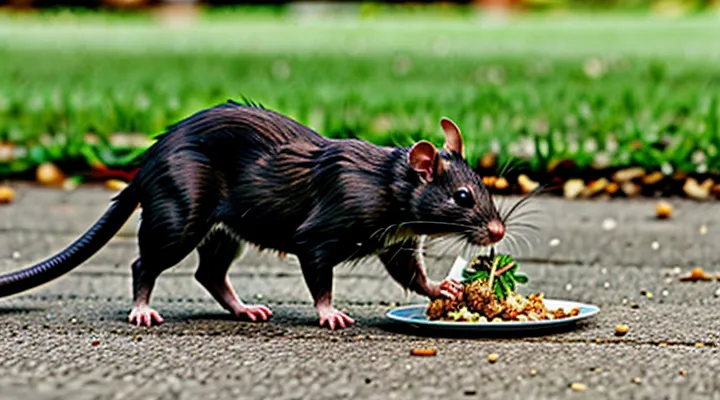
«Harmful Foods to Avoid»
«Toxic Substances»
«Foods High in Oxalates»
Oxalate‑rich foods pose a serious health risk to pet rats. High oxalate levels can bind calcium, leading to reduced calcium absorption and the formation of urinary crystals or kidney stones. Chronic exposure may impair kidney function and cause painful urinary blockage.
Typical rat diets should exclude the following items because they contain substantial oxalate concentrations:
- Spinach (raw or cooked)
- Swiss chard
- Beet greens
- Rhubarb leaves
- Cocoa powder and dark chocolate
- Nuts such as almonds, cashews, and peanuts (especially raw)
- Soy products, including tofu and soy milk
- Certain berries, notably blackberries and raspberries
- Sweet potatoes (especially the skin)
These foods also often contain additional compounds—such as phytates and tannins—that further diminish mineral availability. When rats ingest them, the combined effect can exacerbate calcium deficiency and increase the likelihood of urinary tract complications.
To maintain optimal skeletal health and urinary tract function, provide a diet centered on low‑oxalate vegetables (e.g., carrots, broccoli, kale) and commercially formulated rat pellets that meet nutritional standards. If accidental exposure occurs, monitor the animal for signs of discomfort, reduced water intake, or abnormal urine, and consult a veterinarian promptly.
«Persin-Containing Foods»
Persin is a toxic compound found in several common plant foods. In rodents, persin interferes with cardiac muscle function and can cause rapid health decline. Consequently, any diet that includes persin‑rich items poses a serious risk to pet rats.
Typical persin‑containing foods include:
- Avocado flesh, especially from ripe fruit
- Avocado leaves and bark
- Avocado oil and extracts
- Unripe or green avocado parts
- Certain ornamental avocado cultivars (e.g., Hass, Fuerte)
The toxic effect arises from persin’s ability to disrupt mitochondrial activity in heart cells. Even small quantities may trigger arrhythmias, respiratory distress, or sudden death. Because rats readily chew plant material, accidental ingestion is common when avocado scraps are left within reach.
Preventive measures:
- Exclude all avocado products from cages, feeding stations, and storage areas.
- Clean surfaces promptly after handling avocado to remove residue.
- Educate household members about the specific danger of avocado to rodents.
Eliminating persin‑containing foods from a rat’s environment removes a known source of acute toxicity and supports long‑term cardiovascular health.
«Cyanogenic Glycoside Sources»
Cyanogenic glycosides are plant compounds that liberate hydrogen cyanide when broken down in the digestive tract. In rats, even modest exposure can cause rapid respiratory collapse, seizures, and death because their small body size amplifies toxin concentration.
Typical ingredients that contain these glycosides include:
- Apricot, peach, plum, and cherry pits or kernels
- Bitter almond pieces or extracts
- Apple seeds (including the surrounding flesh)
- Raw cassava roots and leaves
- Sorghum grain and stalks
- Lima beans (especially raw or under‑cooked)
- Flaxseed (in large quantities)
- Certain ornamental plants such as yew and laurel, which also release cyanide when chewed
These items should never be offered as treats or incorporated into a rat’s regular diet. Processing methods that remove the glycosides—such as thorough cooking, soaking, or fermentation—are not reliable for small rodents; the safest approach is complete exclusion.
When constructing a feeding regimen, verify ingredient lists for hidden sources (e.g., “natural flavorings” derived from almond or stone fruit extracts). Store prohibited foods separately from approved pellets, fresh vegetables, and fruits to prevent accidental ingestion.
«Foods with Thiaminase»
Thiaminase is an enzyme that destroys thiamine (vitamin B1), a nutrient essential for nerve function and carbohydrate metabolism in rats. Consumption of thiaminase‑rich foods can lead to rapid depletion of thiamine, resulting in neurological impairment, loss of appetite, and potentially fatal beriberi‑like symptoms.
- Raw fish (especially carp, herring, and anchovies)
- Freshwater shellfish (e.g., mussels, clams)
- Certain raw meats (e.g., raw turkey, raw pork)
- Some plant sources (e.g., bracken fern, raw soybeans, raw beans)
- Fermented foods containing high levels of thiaminase (e.g., certain traditional fish sauces)
Feeding these items to rats accelerates thiamine deficiency, manifested by tremors, weakness, reduced weight gain, and impaired learning. Laboratory observations link chronic exposure to thiaminase‑containing diets with elevated mortality rates in rodent colonies.
To maintain adequate thiamine status, provide commercially formulated rodent chow, fresh vegetables free of thiaminase (e.g., carrots, broccoli), and cooked protein sources where heat has inactivated the enzyme. Regular monitoring of body condition and behavior helps detect early signs of deficiency.
«Foods Causing Digestive Issues»
«High-Sugar Foods»
High concentrations of sugar present a serious risk to rodent health. Excessive glucose overloads the liver, accelerates weight gain, and predisposes rats to diabetes, dental decay, and gastrointestinal upset.
The metabolic systems of rats process simple sugars far less efficiently than those of humans. Rapid spikes in blood glucose trigger insulin resistance, while chronic exposure damages enamel and promotes bacterial growth in the oral cavity.
- Candy, chocolate, and confectionery
- Sweetened cereals and granola bars
- Fruit juices, sodas, and sports drinks
- Jam, honey, and maple syrup
- Baked goods containing high amounts of sugar or frosting
Replace sugary treats with fresh vegetables, whole grains, and protein sources. These alternatives provide essential nutrients without the harmful effects associated with high-sugar items.
«High-Fat Foods»
High‑fat foods should be excluded from a rat’s diet because they overwhelm the animal’s limited capacity to process lipids, leading to rapid weight gain and metabolic disorders.
Typical high‑fat items that are unsafe for rats include:
- Commercial snack chips and pretzels
- Fried or breaded meats such as chicken nuggets and fish sticks
- Processed cheese products, especially spreads and slices with added oils
- Nuts and seeds that are heavily salted or roasted in oil
- Bakery goods like donuts, pastries, and croissants
Excessive fat intake disrupts normal digestive function, increases cholesterol levels, and predisposes rats to hepatic steatosis, pancreatitis, and cardiovascular strain. These conditions shorten lifespan and diminish overall health.
To maintain optimal condition, provide a balanced diet composed of commercial rodent pellets, fresh vegetables, limited fruit, and occasional protein sources low in fat. Replace all fatty treats with low‑calorie alternatives such as carrot sticks or cucumber slices.
«Dairy Products»
Dairy products are commonly offered to small mammals, yet they present significant health risks for rats. Rats produce minimal lactase, the enzyme required to break down lactose. Undigested lactose remains in the gut, creating an osmotic load that draws water into the intestinal lumen and triggers diarrhea, dehydration, and electrolyte imbalance. Additionally, the high fat and calcium content of many dairy items can overwhelm a rat’s metabolic capacity, leading to obesity and urinary stone formation.
Veterinary guidance advises against regular inclusion of any milk‑based foods in a rat’s diet. The following items should be excluded entirely:
- Whole milk, skim milk, and fortified milks
- Cheese varieties, especially soft, processed, or high‑fat cheeses
- Yogurt, including Greek and flavored types
- Cream, sour cream, and butter
- Ice cream and frozen desserts
- Cottage cheese and ricotta
Occasional exposure to very low‑lactose products, such as aged hard cheeses, may be tolerated by some individuals, but the risk of gastrointestinal upset remains. Safer treats include seed‑based mixes, fresh vegetables, and small portions of fruit, which provide nutrients without the digestive complications associated with dairy.
«Beans and Legumes»
Beans and legumes present several risks for pet rodents. High protein levels can overwhelm a rat’s kidney function, while complex carbohydrates often ferment in the gut, leading to gas, bloating, and diarrhea. Many varieties contain natural lectins and phytohemagglutinins, compounds that irritate the intestinal lining and may trigger vomiting or severe gastrointestinal distress. Additionally, raw or undercooked legumes retain antinutrients such as trypsin inhibitors, which impede protein digestion and can cause nutrient deficiencies over time.
Rats are particularly sensitive to the alkaloids found in certain beans. For example, fava beans (broad beans) contain vicine and convicine, which can precipitate hemolytic anemia in susceptible individuals. Kidney beans, especially when uncooked, hold high concentrations of phytohemagglutinin; even brief exposure can produce acute toxicity symptoms, including abdominal pain and lethargy. Lentils and chickpeas, though lower in toxins, still pose a risk of excessive fiber intake, potentially leading to impaction if fed in large quantities.
Legumes to avoid feeding rats:
- Raw kidney beans
- Fava (broad) beans
- Soybeans (especially uncooked)
- Black-eyed peas
- Lima beans (raw)
- Split peas
- Chickpeas (large amounts)
- Lentils (excessive portions)
If legumes are offered, they must be thoroughly cooked, cooled, and presented in minimal amounts. Even then, they should remain a rare supplement rather than a regular component of a rat’s diet.
«Cruciferous Vegetables»
Cruciferous vegetables—such as broccoli, cauliflower, cabbage, kale, and Brussels sprouts—should be excluded from a pet rat’s diet. These plants contain compounds that interfere with thyroid function and can cause digestive upset.
- Glucosinolates convert to goitrogenic substances, reducing iodine uptake and potentially leading to hypothyroidism.
- High fiber content may induce diarrhea, bloating, and gas, compromising nutrient absorption.
- Certain varieties (e.g., raw kale) possess oxalic acid, which can contribute to kidney stone formation.
If a rat consumes a small amount accidentally, monitor for lethargy, weight loss, or abnormal stool. Persistent symptoms require veterinary evaluation. Replace cruciferous items with safe alternatives such as carrots, bell peppers, or leafy greens like romaine lettuce, which provide vitamins without the adverse effects.
«Foods with Anti-Nutrients or Inhibitors»
«Raw Sweet Potato»
Raw sweet potato is frequently offered as a snack for pet rodents, yet it belongs to the group of items that should be excluded from a rat’s diet.
The tuber contains high levels of starch that can overwhelm a rat’s digestive system, leading to diarrhea or bloating. Its raw form holds anti‑nutrients such as trypsin inhibitors, which interfere with protein digestion. Uncooked tissue also provides a breeding ground for harmful bacteria, increasing the risk of infection.
- High starch content → rapid gut fermentation
- Raw anti‑nutrients → impaired protein absorption
- Potential bacterial load → gastrointestinal illness
- Hard texture → possible dental injury
For a balanced regimen, replace raw sweet potato with cooked vegetables (e.g., steamed broccoli, carrots) or commercially formulated rat treats that meet nutritional standards.
«Raw Artichokes»
Raw artichokes are unsuitable for rodent diets because they contain compounds that can cause digestive distress and potential toxicity. The plant’s high fiber content is difficult for a rat’s short gastrointestinal tract to process, leading to bloating, constipation, or diarrhea. Additionally, raw artichokes possess cynarin and other phenolic substances that may irritate the stomach lining and interfere with nutrient absorption.
Key concerns include:
- Indigestible fiber: Excessive cellulose and hemicellulose overwhelm the rat’s enzymatic capacity.
- Potential irritants: Raw phenolics can cause gastric inflammation.
- Risk of choking: The tough leaf tips and dense core present a physical hazard.
- Nutrient imbalance: High fiber dilutes essential protein and fat intake required for healthy growth.
For these reasons, raw artichokes should be excluded from the list of acceptable foods for pet rats. If a caretaker wishes to offer artichoke flavor, only cooked, thoroughly softened pieces without added seasoning are marginally safer, though still not recommended as a regular component.
«Uncooked Dried Beans»
Uncooked dried beans pose a serious health risk for pet rats. The beans contain high concentrations of lectins and trypsin inhibitors, compounds that remain active until the beans are thoroughly cooked. These substances bind to intestinal cells, disrupt protein digestion, and can trigger severe inflammation.
- Lectins: damage gut lining, increase permeability, may lead to systemic infection.
- Trypsin inhibitors: block enzyme activity, impair nutrient breakdown, cause malnutrition.
- Phytic acid: binds minerals, reduces calcium and iron availability.
Rats that ingest raw beans often exhibit vomiting, watery diarrhea, abdominal pain, and rapid weight loss. In extreme cases, toxin accumulation can result in organ failure and death. The condition may develop within hours of ingestion, leaving little time for intervention.
The safest practice is to exclude any uncooked legumes from a rat’s diet. If beans are offered, they must be boiled for at least 30 minutes, drained, and cooled before serving. Safer protein sources include cooked chicken, scrambled eggs, or commercial rodent pellets formulated without anti‑nutritional factors.
«Other Risky Items»
«Alcohol and Caffeine»
Alcohol and caffeine pose significant health risks for rats. Ethanol depresses the central nervous system, leading to reduced coordination, respiratory depression, and potentially fatal hypoglycemia. Caffeine acts as a stimulant, causing tachycardia, heightened stress hormone release, and seizures at high doses.
Key adverse effects include:
- Impaired motor function and balance
- Disrupted sleep cycles and increased anxiety
- Elevated blood pressure and heart rate
- Gastrointestinal irritation and ulcer formation
- Potential lethal overdose with relatively small quantities
Rats lack the metabolic pathways to efficiently process these substances, resulting in rapid accumulation of toxic metabolites. Providing any form of alcoholic beverage or caffeinated product, whether diluted or mixed with food, compromises welfare and can shorten lifespan.
«Processed and Junk Food»
Processed and junk foods contain high levels of salt, sugar, artificial additives, and unhealthy fats that rats cannot metabolize efficiently. These components disrupt digestive function, elevate blood pressure, and increase the risk of obesity and metabolic disorders.
- Potato chips, corn chips, and pretzels
- Candy, chocolate, and sugary snacks
- Fast‑food remnants such as pizza crust, fried chicken skin, and hamburger buns
- Processed meats (e.g., salami, pepperoni, hot dogs)
- Instant noodles and flavored rice mixes
Regular consumption of these items leads to gastrointestinal irritation, kidney strain, and dental decay. The lack of essential nutrients in junk foods deprives rats of protein, fiber, vitamins, and minerals required for growth, immune competence, and reproduction.
Replace prohibited items with fresh vegetables, whole grains, and species‑appropriate protein sources to maintain optimal health and longevity.
«Human Medications»
Human medicines can be lethal or cause severe health problems in rats. Many drugs formulated for people interfere with rodent metabolism, organ function, or nervous system. Avoid offering any of the following categories:
- Analgesics and anti‑inflammatories – acetaminophen, ibuprofen, naproxen, and aspirin cause gastrointestinal ulceration, renal failure, and hepatic toxicity in rats.
- Antidepressants and antipsychotics – selective serotonin reuptake inhibitors, tricyclic antidepressants, and atypical antipsychotics produce serotonin syndrome, cardiac arrhythmias, and lethal seizures.
- Antibiotics – penicillins, cephalosporins, fluoroquinolones, and macrolides disrupt gut flora, leading to dysbiosis, diarrhea, and fatal infections.
- Antihistamines and decongestants – diphenhydramine, loratadine, pseudoephedrine, and phenylephrine cause central nervous system depression, hyperthermia, and cardiac stress.
- Cardiovascular agents – beta‑blockers, calcium channel blockers, and ACE inhibitors produce hypotension, bradycardia, and electrolyte imbalance.
- Hormonal treatments – insulin, thyroid hormones, and oral contraceptives alter metabolic regulation, resulting in hypoglycemia, hyperthyroidism, or reproductive dysfunction.
- Chemotherapeutic and immunosuppressive drugs – methotrexate, cyclophosphamide, and corticosteroids suppress bone marrow, cause organ toxicity, and increase infection risk.
Even a single dose of any listed medication can be fatal. If accidental exposure occurs, contact a veterinarian immediately and provide details of the substance, dosage, and timing. Safe feeding practices exclude all human pharmaceuticals to protect rat health.
«Pesticide-Treated Produce»
Pesticide residues on fruits and vegetables pose a significant health risk to pet rats. Chemical agents used in agriculture can accumulate in the animal’s liver, kidneys, and nervous system, leading to impaired growth, reduced fertility, and increased susceptibility to disease. Rats ingesting contaminated produce may exhibit loss of appetite, lethargy, or gastrointestinal distress, symptoms that often go unnoticed until severe damage occurs.
Avoid offering any produce that has been exposed to synthetic pesticides unless it has been thoroughly washed, peeled, and, when possible, cooked to degrade residue. Even with these steps, trace amounts may remain, making the safest option to exclude such items entirely from a rat’s diet.
Common items frequently treated with pesticides and therefore unsuitable include:
- Apples (skin)
- Grapes
- Strawberries
- Lettuce varieties (especially romaine and iceberg)
- Tomatoes
- Peppers
- Cucumbers
- Celery
Select organic, certified pesticide‑free alternatives or provide unprocessed grains, legumes, and fresh herbs that are known to be safe. Regularly rotating approved foods ensures nutritional balance while eliminating the risk of chemical exposure.
«Spoiled or Moldy Food»
Spoiled or moldy food poses a serious health risk to pet rats. Decomposition releases toxins, bacterial growth, and mycotoxins that damage the digestive system, liver, and kidneys. Rats ingesting such material often exhibit loss of appetite, diarrhea, lethargy, and respiratory distress. In severe cases, mycotoxin exposure can lead to neurological impairment and death.
Key indicators of spoilage include:
- Visible mold colonies, typically green, black, or white fuzz.
- Unpleasant, sour, or rancid odor.
- Slimy texture or excessive moisture.
- Discoloration beyond normal ripening, such as brown spots on fruit.
Preventive measures:
- Store fresh foods in sealed containers at refrigeration temperatures.
- Discard any item that shows the above signs within hours of detection.
- Offer only fresh, unprocessed produce, grains, and commercially formulated rat diets.
If a rat has consumed suspect food, monitor for symptoms and seek veterinary care promptly. Early intervention with fluid therapy and anti-toxin treatment improves prognosis.
«Providing a Balanced and Safe Diet»
«Understanding Rat Nutritional Needs»
«Essential Nutrients»
Rats require a balanced intake of protein, fat, carbohydrates, vitamins, minerals, and water to maintain growth, reproduction, and immune function. Protein supplies amino acids for tissue repair; sources such as lean meat, boiled eggs, and high‑quality rodent pellets meet this need. Fat provides concentrated energy and assists in the absorption of fat‑soluble vitamins; unsalted nuts and seed oils deliver appropriate amounts. Carbohydrates supply readily available glucose; whole grains and cooked vegetables serve as suitable options. Vitamin A supports vision and epithelial health; vitamin D regulates calcium metabolism; vitamin E protects cell membranes; vitamin C, though not essential for rats, can aid stress recovery. Essential minerals include calcium, phosphorus, magnesium, potassium, and trace elements like zinc and selenium; fortified feeds and small portions of dairy or leafy greens furnish these nutrients. Clean, fresh water is indispensable for all physiological processes.
Foods lacking these nutrients or containing toxic compounds should be excluded. Examples:
- Processed snacks (chips, crackers) – deficient in protein and fat, high in sodium.
- Citrus fruits – excessive acidity, low nutritional value for rats.
- Chocolate and caffeinated products – contain theobromine and caffeine, which are harmful.
- Raw beans and kidney beans – contain lectins that interfere with protein digestion.
- High‑sugar sweets – provide empty calories, disrupt carbohydrate balance.
Providing a diet that satisfies the six nutrient categories while avoiding the listed items ensures optimal health and prevents nutritional deficiencies.
«Appropriate Food Sources»
Rats thrive on a diet that mirrors their natural foraging habits while meeting the nutritional demands of captivity. Providing safe, nutrient‑dense foods reduces the risk of health problems associated with prohibited items.
- Whole grains: rolled oats, cooked brown rice, barley, quinoa.
- Fresh fruits: apple (seedless), banana, berries, melon, pear.
- Vegetables: carrots, broccoli, spinach, kale, cucumber, bell pepper.
- Protein sources: cooked egg, low‑fat plain yogurt, boiled chicken, mealworms (in moderation).
- Treats: small amounts of unsalted nuts, plain popcorn, cheese (low‑fat).
Select items that are fresh, free of pesticides, and free of mold. Wash produce thoroughly, remove seeds or pits that may contain toxins, and serve in bite‑size portions. Rotate foods daily to ensure a varied intake of vitamins and minerals.
Limit high‑sugar or high‑fat items to occasional treats; they should not exceed 5 % of total calories. Monitor weight and behavior, adjusting quantities to maintain a lean body condition. Regularly refresh water and keep feeding areas clean to prevent bacterial growth.
«Safe Food Preparation Practices»
«Washing Produce»
When providing fresh vegetables to rodents, the cleanliness of the produce directly influences the safety of the diet. Residues of pesticides, soil microbes, and mold spores can become harmful agents if ingested, making thorough washing a prerequisite for any edible plant offered to a rat.
Effective washing procedure:
- Rinse under cool running water for at least 30 seconds.
- Use a soft brush to scrub firm surfaces such as carrots, cucumbers, and apples.
- Submerge leafy greens in a bowl of water, agitate gently, then rinse.
- Optional: soak in a dilute solution of white vinegar (1 part vinegar to 4 parts water) for 5 minutes, followed by a final rinse.
Only after these steps should the produce be sliced or served. Unwashed or inadequately cleaned vegetables increase the risk of introducing toxins and pathogens, which are among the items best avoided in a rat’s diet.
«Cooking Certain Foods»
Cooking certain foods creates hidden hazards for pet rats. Heat can concentrate toxins, alter nutrient balances, or introduce additives that rats cannot metabolize safely.
- Onions, garlic, and related alliums remain toxic after cooking; compounds that damage red blood cells persist regardless of temperature.
- Potatoes retain solanine in the skin and sprouts even when baked; incomplete cooking may leave harmful levels.
- Chocolate, whether melted or baked, keeps theobromine intact; the substance is lethal in small doses.
- Processed meats (bacon, sausage, deli slices) contain nitrates, nitrites, and high sodium; cooking does not eliminate these agents.
- Fried items introduce excessive oil and trans‑fatty acids; rats lack the digestive capacity for such fats.
- Sugary pastries and desserts retain high sucrose and artificial sweeteners; xylitol, for example, is fatal even in minute quantities.
When preparing food for rats, follow these guidelines: use only plain, unseasoned preparations; omit salt, pepper, herbs, and sauces; cool cooked items to room temperature before offering; ensure portions are small to prevent obesity. Replace risky dishes with safe alternatives such as steamed carrots, plain boiled chicken breast, or fresh fruits without added sugar.
Regular observation of eating behavior and stool consistency helps detect adverse reactions early. If any signs of distress appear, discontinue the food immediately and consult a veterinarian.
«Monitoring Rat Health and Diet»
«Observing Behavior Changes»
Monitoring a rodent’s actions after consuming prohibited items provides the most reliable indicator of dietary risk. Immediate and systematic observation reveals whether a food source is causing physiological stress before clinical symptoms become apparent.
Typical alterations include:
- Lethargy or reduced movement compared to normal activity levels.
- Excessive grooming or scratching, indicating skin irritation or internal discomfort.
- Sudden weight loss or failure to gain weight despite adequate feeding.
- Unusual vocalizations such as high‑pitched squeaks that differ from normal communication.
- Diarrhea, loose stools, or a marked change in fecal consistency.
- Aggressive or fearful responses toward familiar handlers, suggesting pain or malaise.
When any of these signs appear, isolate the affected individual, verify the recent diet, and remove the suspect food immediately. Record the onset time, duration, and severity of each behavior to assist veterinary assessment. Prompt corrective action based on observed changes reduces the likelihood of long‑term health complications.
«Consulting a Veterinarian»
When a rat exhibits symptoms such as vomiting, diarrhea, lethargy, or unexplained weight loss, a veterinarian should be consulted promptly. A professional can differentiate between normal dietary adjustments and toxic reactions caused by inappropriate foods.
During the appointment, provide the veterinarian with a detailed list of recent meals, including any human snacks, processed treats, or garden produce. Mention specific items that are known to be hazardous, such as chocolate, caffeine, raw beans, and high‑fat foods. This information enables the clinician to assess exposure risk and recommend appropriate diagnostics.
Veterinarians can:
- Identify acute poisoning and prescribe antidotes or supportive care.
- Conduct blood work or imaging to detect organ damage.
- Offer guidance on safe dietary alternatives and balanced nutrition plans.
- Advise on gradual reintroduction of foods after recovery.
Selecting a veterinarian with experience in small‑animal exotic care ensures familiarity with rodent physiology and common dietary hazards. Verify credentials, inquire about prior cases involving rats, and confirm that the clinic has the necessary equipment for emergent treatment.
Regular check‑ups, even in the absence of illness, allow the veterinarian to monitor growth, coat condition, and overall health. Preventive advice from a qualified professional reduces the likelihood of accidental ingestion of harmful substances and supports a long, healthy life for pet rats.
«Recommended Safe Foods»
«Commercial Rat Blocks»
Commercial rat blocks are often sold as a convenient source of nutrition for rodents, yet they are inappropriate for pet rats. The product is typically formulated for laboratory or pest‑control purposes, not for the dietary needs of domesticated specimens.
These blocks contain a high proportion of protein derived from animal by‑products, combined with elevated levels of fat, salt, and artificial preservatives. The dense composition encourages rapid consumption, which can lead to excessive caloric intake and weight gain.
Key health concerns include:
- Obesity due to caloric excess.
- Dental wear from the hard, compact texture.
- Gastrointestinal upset caused by preservatives and additives.
- Nutrient imbalances, as the formulation lacks the variety of vitamins and minerals found in fresh foods.
Pet rats require a balanced diet that includes laboratory‑grade pellets, fresh fruits, vegetables, and occasional protein sources such as cooked eggs or lean meat. Replacing commercial blocks with these options supports optimal growth, dental health, and overall well‑being.
«Safe Fruits and Vegetables»
Safe fruits and vegetables provide essential nutrients for pet rats when offered in moderation. Fresh produce should be washed, trimmed of any seeds or pits, and served in bite‑size pieces to prevent choking. Introduce new items gradually to monitor tolerance and avoid digestive upset.
- Apples (core removed, no seeds)
- Blueberries
- Strawberries (hull removed)
- Raspberries
- Pears (seedless)
- Bananas (small slices)
- Carrots (raw or lightly steamed)
- Bell peppers (any color)
- Cucumbers (seedless)
- Zucchini
- Leafy greens: romaine lettuce, kale, spinach, arugula
- Broccoli florets (steamed briefly)
- Sweet potatoes (cooked, unseasoned, no skin)
These items are low in sugar, free of toxic compounds, and suitable for regular inclusion in a balanced rat diet. Avoid citrus fruits, grapes, and avocado, as they contain substances that can harm rodents. Provide fresh water alongside any fruit or vegetable offering.
«Protein Sources»
Rats require balanced nutrition, but several protein-rich foods can cause health problems and should be excluded from their diet.
- Processed meats (ham, bacon, sausage) contain high levels of sodium, preservatives, and fats that strain the liver and kidneys.
- Cooked poultry with skin introduces excess saturated fat and potential bacterial contamination.
- Raw fish, especially salmon and trout, may harbor parasites and thiamin‑destroying enzymes, leading to neurological disorders.
- Dairy products such as cheese and yogurt are lactose sources; adult rats lack sufficient lactase, resulting in digestive upset.
- Eggs, particularly raw, pose a risk of salmonella and provide an imbalance of amino acids when fed exclusively.
- Insect protein powders with added flavorings or sugars can introduce allergens and unnecessary carbohydrates.
Feeding these protein sources can trigger gastrointestinal distress, renal overload, or nutrient deficiencies. Replace them with safe alternatives like boiled chicken breast (unseasoned), high‑quality rodent pellets, or commercially prepared rat treats that meet established dietary standards.