
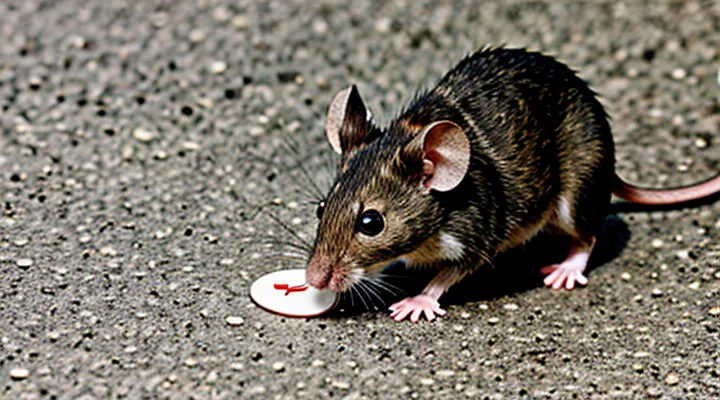
Understanding Mouse Droppings
General Characteristics
Size and Shape
Mouse feces are typically 3–5 mm long and 1–2 mm wide, resembling tiny, curved grains. The ends are rounded, while the middle may show a slight taper, giving a spindle‑like profile. Fresh droppings retain a moist, dark appearance; as they dry, they become lighter and more brittle.
Key dimensions for identification:
- Length: 2–6 mm (average 4 mm)
- Width: 0.8–2 mm (average 1.5 mm)
- Thickness: 0.5–1 mm, barely perceptible to the naked eye
Shape variations arise from species, diet, and health. House mice produce uniformly tapered pellets, whereas field mice may leave slightly elongated, less tapered pieces. Over‑ripe or high‑fiber diets can increase droplet size, while dehydration reduces both length and width.
Detecting mouse activity relies on recognizing these size and shape parameters. Visual inspection should focus on areas where droppings accumulate—kitchens, pantry shelves, and concealed corners. Using a magnifying lens clarifies the spindle silhouette and confirms the characteristic dimensions. When droppings match the listed measurements, they strongly indicate rodent presence, prompting targeted control measures.
Color and Texture
Mouse droppings are small, typically ¼ to ½ inch long, and their appearance provides reliable clues for identification. The color spectrum ranges from dark brown or black in fresh specimens to grayish‑brown as they age and dry. Early deposits may exhibit a glossy sheen, while older droppings lose luster and become matte. A noticeable color shift to lighter gray often indicates exposure to air for several days.
Texture varies with moisture content. Fresh droppings feel soft, slightly pliable, and may leave a faint residue when handled. As they desiccate, they become brittle, crumbling into powdery fragments under slight pressure. A dried specimen that resists breakage suggests recent deposition, whereas a crumbly sample confirms prolonged drying. Consistency can also reveal diet: high‑protein foods produce firmer pellets, whereas grain‑heavy diets yield softer, more granular droppings.
Key characteristics for detection:
- Length: ¼‑½ inch (6‑12 mm)
- Width: ⅛‑¼ inch (3‑6 mm)
- Color: dark brown/black (fresh) → gray‑brown (aged)
- Surface: glossy (wet) → matte (dry)
- Feel: soft/pliable (wet) → brittle/powdery (dry)
Observing these color and texture cues enables accurate differentiation of mouse feces from other rodent or insect droppings, supporting effective monitoring and control efforts.
Distinguishing from Other Pests
Rat Droppings vs. Mouse Droppings
Rat droppings are typically larger than mouse droppings, measuring ¼ to ½ inch in length, whereas mouse droppings range from ¼ to ⅓ inch. Rat feces are more robust, often cylindrical with blunt ends, while mouse feces are slender, tapered, and may appear slightly curved.
- Size: Rat – 6‑12 mm; Mouse – 3‑5 mm.
- Shape: Rat – thick, uniform cylinder; Mouse – thin, pointed at one end.
- Color: Both may be dark brown to black, but rat droppings can show a lighter, mottled hue when fresh.
- Texture: Rat feces feel solid and firm; mouse droppings are softer and may crumble under light pressure.
- Distribution: Rat droppings cluster near food sources, along walls, and in burrow entrances; mouse droppings appear in smaller, scattered piles near nesting sites and along baseboards.
Identifying these characteristics enables accurate assessment of rodent activity and informs targeted control measures. Early detection relies on routine inspection of suspected areas, using flashlights to reveal droppings in hidden corners, and collecting samples for laboratory confirmation when species identification is critical.
Bat Guano vs. Mouse Droppings
Mouse droppings are small, dark, and tapered, typically measuring 4–6 mm in length. They appear in clusters along walls, behind appliances, or near food sources. Bat guano, by contrast, is larger (up to 10 mm), softer, and often gray‑white or brown, with a crumbly texture that disintegrates when handled.
- Size: mouse feces 4–6 mm; bat guano 6–10 mm.
- Shape: mouse droppings pointed at one end; bat guano more rounded, less defined.
- Color: mouse droppings black to dark brown; bat guano gray‑white to brown.
- Odor: mouse feces faint, may become pungent when moist; bat guano emits a strong, ammonia‑like smell.
- Location: mouse droppings near entry points, food prep areas, and low‑lying surfaces; bat guano under roosting spots, ceiling beams, or attic corners.
- Health risk: mouse droppings can transmit Hantavirus and salmonella; bat guano may contain histoplasmosis spores.
Detection relies on visual inspection and moisture testing. Press a droplet of water on a suspect particle; mouse droppings retain shape, while bat guano softens and spreads. Use a UV flashlight: mouse feces fluoresce weakly, whereas bat guano shows stronger greenish glow due to fungal growth. Collect samples with disposable gloves and seal in airtight containers for laboratory analysis if confirmation is required.
Insect Frass vs. Mouse Droppings
Distinguishing mouse feces from insect frass is critical for reliable pest assessment.
Mouse droppings are typically 3–6 mm long, tapered at one end, and blunt at the other. Fresh specimens appear black or dark brown, turning grayish as they age. The surface is smooth, and the edges are crisp, not crumbling.
Insect frass varies by species but generally measures 1–2 mm, forms irregular pellets or powdery particles, and displays a lighter brown to tan hue. The material often fragments easily and may contain remnants of plant material or exoskeleton fragments.
Key differences:
- Length: mouse droppings 3–6 mm; insect frass ≤2 mm.
- Shape: tapered, solid mouse droppings; irregular, often fragmented frass.
- Color progression: mouse droppings dark → gray; frass remains uniform brown.
- Texture: mouse droppings firm, edges intact; frass crumbly, may disperse.
Detection relies on direct visual surveys in concealed areas such as wall voids, attics, and basements. Magnification tools reveal the distinct morphology described above. Sticky traps placed near suspected activity capture fresh droppings, while adhesive pads collect airborne frass for laboratory identification. Microscopic examination confirms species by assessing surface texture and particle composition.
Accurate identification enables targeted control measures, preventing misdirected treatments and reducing long‑term infestation risk.
Common Locations for Droppings
Kitchen and Pantry Areas
Mouse activity concentrates in kitchen and pantry zones because food sources and shelter are abundant. Droppings serve as the most immediate evidence of presence.
Typical droppings measure 3‑6 mm, are dark brown to black, and possess a tapered, rice‑shaped profile with pointed ends. In kitchens they appear on countertops, under appliances, and along the edges of cabinets. In pantries they accumulate on shelves, in corners, and on the undersides of stored containers. Fresh pellets are moist and may leave a faint oily sheen; older ones become dry, crumbly, and may crumble when disturbed.
- Gnaw marks on packaging, wiring, or woodwork
- Grease or oil trails following rodent movement
- Distinctive musky odor, especially in enclosed pantry spaces
- Parallel runways of shredded paper or fabric near food storage
Detection relies on systematic inspection and specialized tools. Conduct a visual sweep during daylight, focusing on hidden surfaces such as behind ovens, under sinks, and inside pantry door frames. Use a UV flashlight to highlight urine stains that fluoresce under ultraviolet light, confirming recent activity. Deploy adhesive monitoring pads along walls and under cabinets to capture passing rodents and their feces. Replace or clean any contaminated items immediately to prevent disease transmission. Regular monitoring, combined with prompt sanitation, reduces the risk of infestation in these food‑handling areas.
Basements and Attics
Mouse droppings in basements and attics are typically dark brown to black, about the size of a grain of rice, and have pointed ends. Fresh droppings appear slightly glossy, while older ones become dull and may crumble when touched.
Common indicators of mouse activity in these spaces include:
- Small piles of droppings along walls, beams, or insulation.
- Gnaw marks on wooden structures, wiring, or stored boxes.
- Crushed or shredded material such as paper, fabric, or insulation.
- Faint, musky odor that intensifies with larger infestations.
- Presence of urine stains, often visible as yellowish spots on surfaces.
Effective detection techniques for concealed areas involve:
- Using a black light to reveal urine stains that fluoresce under ultraviolet illumination.
- Setting motion-activated cameras aimed at entry points, vents, or concealed corners.
- Placing non-toxic, scented bait stations to attract mice and confirm activity.
- Conducting a systematic visual inspection with a flashlight, moving insulation and stored items to expose hidden droppings.
- Employing dust or powder tracing around suspected pathways to capture footprints.
Regular monitoring of basements and attics, especially after seasonal changes, reduces the risk of unnoticed infestations. Maintaining clean, clutter‑free environments and sealing gaps around pipes, vents, and foundation cracks further limits mouse entry and simplifies detection.
Walls and Ceilings
Mouse activity often becomes evident on vertical surfaces such as walls and ceilings. Droppings found on these areas differ from floor specimens in size, shape, and placement, providing reliable clues about infestation severity.
Typical droppings on walls and ceilings appear as small, dark, cylindrical pellets about ¼‑½ inch long. Fresh deposits retain a glossy sheen, while older ones turn matte and may crumble when touched. Clusters concentrate near entry points, insulation, or concealed wiring, reflecting the animal’s travel routes.
Additional indicators include:
- Gnaw marks on paint, drywall, or wooden framing, usually ¼‑inch deep and irregular.
- Streaks of urine that darken wood or fabric, often visible under ultraviolet light.
- Chewed or displaced insulation material, exposing gaps where rodents pass.
- Accumulated dust or nesting debris, especially in corners of wall cavities.
Detection methods for these surfaces rely on systematic visual surveys and specialized tools. Inspectors should:
- Conduct a thorough walk‑through with a flashlight, examining corners, ceiling joists, and behind wall hangings.
- Use a handheld UV lamp to reveal urine stains invisible to the naked eye.
- Deploy adhesive monitoring pads on the lower edge of walls to capture passing mice for confirmation.
- Employ an endoscopic camera to view inside concealed wall cavities without demolition.
Prompt identification of droppings and associated signs on walls and ceilings enables targeted control measures and prevents structural damage.
Garages and Outbuildings
Mouse droppings in garages and outbuildings appear as small, dark, cylindrical pellets about ¼‑½ inch long. Fresh droppings are moist, may have a faint sheen, and can leave a faint odor. Older droppings dry to a crumbly texture and lose the sheen. Droppings are typically found near food sources, along walls, under stored items, and in corners where mice travel.
Detecting a rodent presence in these structures relies on visual inspection and simple tools. Key indicators include:
- Accumulated droppings on floors, shelves, or insulation.
- Gnaw marks on wiring, wood, or plastic.
- Scratches or rub marks along baseboards and door frames.
- Nests made of shredded paper, fabric, or insulation material.
- Tracks or smudge marks in dusty areas.
Effective detection methods:
- Use a bright flashlight to illuminate dark corners and crevices; droppings reflect light differently than debris.
- Deploy sticky traps or non‑lethal monitoring stations along known travel routes to confirm activity.
- Apply a UV flashlight; mouse urine fluoresces, revealing hidden pathways that often accompany droppings.
- Conduct a systematic sweep, dividing the space into sections and recording findings on a map for later analysis.
- Install motion‑activated cameras in concealed locations to capture nocturnal movement.
Regular inspection of garages and outbuildings, especially after seasonal changes or after storing new items, reduces the risk of unnoticed infestations. Prompt removal of droppings with disposable gloves and a sealed bag, followed by thorough cleaning with a disinfectant, eliminates health hazards and discourages further mouse activity.
Health Risks Associated with Mouse Droppings
Hantavirus
Hantavirus is a zoonotic pathogen carried primarily by wild rodents, especially species of mice and rats. Human infection occurs when aerosolized particles from infected rodent excreta are inhaled, making the detection of mouse droppings a critical component of risk assessment.
Mouse droppings are typically 3–6 mm long, 1–2 mm wide, and exhibit a pointed, tapered shape. Fresh feces appear dark brown to black with a glossy surface; as they age, they dry, become lighter in color, and develop a crumbly texture. The presence of a faint, musky odor may accompany large accumulations.
Indicators of a rodent problem include:
- Concentrated clusters of droppings along walls, ceilings, or in hidden corners.
- Gnaw marks on food packaging, wiring, or structural wood.
- Nests constructed from shredded paper, fabric, or insulation.
- Visible urine stains or smears, often yellowish and translucent.
Detection methods combine visual inspection with specialized tools. A bright flashlight or headlamp reveals droppings in low‑light areas; ultraviolet light causes fresh feces to fluoresce, enhancing visibility. Sticky traps placed near suspected routes capture moving rodents, confirming activity. Laboratory analysis of collected droppings—using polymerase chain reaction (PCR) or enzyme‑linked immunosorbent assay (ELISA)—identifies hantavirus genetic material, providing definitive confirmation of contamination.
Safe handling requires personal protective equipment: disposable gloves, N95 respirators, and eye protection. Wetting droppings with a disinfectant solution (e.g., 1 % bleach) before removal prevents aerosolization. After cleanup, thorough ventilation and repeated disinfection of surfaces reduce the likelihood of lingering viral particles.
Salmonellosis
Mouse droppings are a primary indicator of rodent activity, and they can also signal the presence of pathogenic bacteria such as Salmonella. When droppings are found in kitchens, food storage areas, or near preparation surfaces, they represent a direct contamination risk. Salmonella species survive for weeks in dried fecal material, especially in warm, moist environments, creating a reservoir for infection.
Key points linking rodent waste to salmonellosis:
- Droppings contain viable Salmonella cells that can be transferred to food, utensils, or hands.
- Inhalation of aerosolized particles from disturbed droppings may lead to respiratory exposure.
- Cross‑contamination occurs when cleaning tools spread bacteria from the original droppings site to other surfaces.
Detection methods focus on visual identification, laboratory testing, and environmental monitoring:
- Visual inspection: Look for small, dark, cylindrical pellets 3–6 mm long, often clustered near walls, behind appliances, or in hidden corners.
- Swab sampling: Collect material from droppings and surrounding surfaces using sterile swabs; submit to a microbiology lab for culture or PCR detection of Salmonella.
- Air sampling: Use impactor devices to capture airborne particles when droppings are disturbed; analyze for bacterial presence.
- ATP bioluminescence: Measure overall microbial load on surfaces; elevated readings may indicate fecal contamination requiring further testing.
- Infrared or UV imaging: Detect heat signatures or fluorescence associated with rodent nests, guiding targeted sampling.
Preventive measures reduce the likelihood of salmonellosis transmission:
- Seal entry points to eliminate rodent access.
- Maintain strict sanitation, removing food residues and water sources.
- Implement routine inspection schedules, documenting droppings locations and quantities.
- Employ integrated pest management, combining traps, baits, and habitat modification.
- Disinfect contaminated areas with EPA‑approved agents, ensuring contact time sufficient to inactivate Salmonella.
Understanding the relationship between rodent feces and bacterial infection enables timely intervention, protecting public health and preventing outbreaks linked to contaminated environments.
Lymphocytic Choriomeningitis (LCM)
Lymphocytic choriomeningitis (LCM) is a viral infection transmitted primarily through exposure to the urine, droppings, or saliva of infected rodents, especially the common house mouse. In environments where mouse feces are present, LCM poses a health risk to humans who inhale contaminated dust, handle contaminated materials, or experience direct contact with droppings.
Typical indicators of a mouse infestation that also raise the likelihood of LCM exposure include:
- Fine, dark brown to black pellets, approximately 1‑2 mm in length, scattered along baseboards, behind appliances, or within stored food containers.
- Grease marks or smudge lines where mice travel, often visible on walls or cabinets.
- Strong, musky odor emanating from concealed nesting sites.
- Presence of shredded paper, insulation, or soft material used for nesting.
Detection methods focus on visual inspection, sampling, and laboratory analysis:
- Visual survey of suspected areas, noting droplet size, distribution, and accompanying signs such as gnaw marks.
- Sticky traps or live‑capture devices placed along walls to confirm rodent activity.
- Collection of droppings onto sterile swabs for polymerase chain reaction (PCR) testing, which identifies LCM RNA with high specificity.
- Air sampling in enclosed spaces to detect aerosolized viral particles, especially after disturbance of contaminated surfaces.
Preventive measures reduce LCM transmission risk:
- Seal entry points, eliminate food sources, and maintain rigorous sanitation.
- Use HEPA filtration during cleanup to capture airborne particles.
- Dispose of collected droppings in sealed bags, followed by disinfecting surfaces with a solution containing at least 0.1 % bleach.
- Conduct periodic professional inspections in high‑risk settings such as laboratories, hospitals, and food‑processing facilities.
Understanding the relationship between mouse fecal evidence and LCM enables timely intervention, limits viral spread, and protects occupants from potential neurological complications associated with the infection.
Safe Handling and Cleanup
Protective Gear
Protective equipment is essential when inspecting environments for rodent fecal evidence. Gloves made of nitrile or latex prevent direct skin contact with potentially infectious material and reduce the risk of contaminating surfaces. Respirators equipped with N95 filters or higher ratings protect against inhalation of aerosolized particles that may carry pathogens such as hantavirus. Disposable coveralls with sealed seams and elastic cuffs create a barrier that isolates the wearer’s clothing from droppings and urine stains. Eye protection, including goggles or face shields, guards against splashes that could reach the mucous membranes. Footwear should be covered with disposable booties to avoid tracking contaminants beyond the inspection zone.
When selecting gear, consider the following criteria:
- Material resistance to chemicals and biological agents.
- Fit that ensures a secure seal without restricting movement.
- Compatibility with decontamination procedures; items should withstand disinfectant exposure.
- Availability of proper disposal methods for single‑use components.
Before entering a suspected infestation area, don all protective layers in the correct order: gloves, coveralls, respirator, eye protection, and booties. After the survey, remove equipment by turning it inside out to contain contaminants, place it in sealed waste bags, and follow established biohazard disposal protocols. Hand hygiene and thorough surface decontamination complete the safety process.
Cleaning Solutions
Mouse droppings present a health risk that demands prompt removal. Effective cleaning solutions target both the visible residue and the microscopic contaminants that remain after the droppings are cleared.
A typical protocol begins with protective gear: disposable gloves, a mask rated for particulate matter, and eye protection. After securing the area, apply a disinfectant approved for rodent‑borne pathogens. Suitable agents include:
- 10% bleach solution (1 part sodium hypochlorite to 9 parts water).
- Commercial enzymatic cleaners formulated for biohazard decontamination.
- EPA‑registered disinfectants labeled for viruses and bacteria, diluted according to manufacturer instructions.
Spray the chosen solution generously over the droppings and surrounding surfaces. Allow the contact time specified on the product label—usually 5–10 minutes—to ensure pathogen inactivation. Then, wipe the area with disposable absorbent material, discarding it in a sealed bag. For porous materials such as insulation or upholstery, remove and replace the contaminated sections, as thorough decontamination is rarely achievable.
After the primary cleaning, follow with a secondary rinse using clean water or a mild detergent solution to eliminate residual chemicals. Dry the area completely to discourage mold growth. Finally, dispose of all used materials in a biohazard container or double‑bagged trash, and wash hands thoroughly even when gloves were worn.
Regular inspection of suspected zones, combined with this systematic cleaning approach, minimizes the likelihood of reinfestation and protects occupants from disease transmission.
Disposal Methods
Proper disposal of mouse feces prevents disease transmission and eliminates contamination sources. Wear disposable gloves and a mask before handling any material. Place all droppings, contaminated bedding, and used cleaning tools directly into a heavy‑duty plastic bag. Seal the bag tightly, double‑bag if possible, and label it as biohazard waste. Transfer the sealed bag to an outdoor trash container that is emptied regularly, or follow local regulations for hazardous waste collection.
Sanitize the area after removal. Apply a disinfectant approved for rodent pathogens, allowing the product to remain on surfaces for the manufacturer‑specified contact time. Rinse with clean water if the disinfectant requires dilution, then dry completely. Dispose of cleaning cloths or paper towels using the same sealed‑bag procedure.
When large quantities of droppings accumulate, consider these additional steps:
- Vacuum with HEPA filtration – use a vacuum equipped with a high‑efficiency particulate‑air filter to capture airborne particles; empty the canister into a sealed bag afterward.
- Incineration – for facilities with access to a controlled incinerator, seal droppings in metal containers and burn according to safety guidelines.
- Professional pest‑control services – engage licensed experts who can handle removal, decontamination, and waste disposal in compliance with health codes.
Maintain a log of disposal dates, methods used, and personnel involved. Documentation supports compliance audits and helps track the effectiveness of control measures.
Preventing Future Infestations
Sealing Entry Points
Sealing entry points eliminates the primary route through which rodents access indoor spaces, directly reducing the likelihood of droppings appearing in living areas. A tight building envelope deprives mice of shelter and food sources, making detection efforts more effective.
- Inspect foundation walls, crawl spaces, and basements for gaps larger than ¼ inch.
- Examine utility penetrations (pipes, wires, HVAC ducts) for open sleeves or cracks.
- Check door frames, window sills, and vent covers for misaligned or deteriorated weatherstripping.
- Review attic access panels and roof eaves for exposed rafters or loose sheathing.
Apply appropriate sealants to each identified opening. Use steel wool or copper mesh for small holes before applying silicone or polyurethane caulk, preventing mice from chewing through the filler. For larger gaps, install metal flashing or hardware cloth secured with screws. Replace damaged weatherstripping with high‑density silicone strips to maintain a continuous barrier.
Conduct a post‑sealing inspection after a 48‑hour period to verify the integrity of all closures. Document any recurring breaches and address them promptly. Regular maintenance, including seasonal checks of exterior cladding and drainage systems, sustains the protective envelope and minimizes future contamination risks.
Food Storage Practices
Mouse droppings indicate contamination of stored provisions. When droppings appear near pantry shelves, containers, or packaging, they reveal that rodents have accessed food supplies. Recognizing these signs early prevents spoilage and health risks.
Effective food storage reduces the likelihood of droppings and simplifies detection:
- Store dry goods in airtight, hard‑shelled containers; plastic bags with zip closures are insufficient if torn.
- Position supplies off the floor, preferably on metal shelving that rodents cannot gnaw through.
- Rotate inventory regularly; older items should be used first to avoid prolonged exposure.
- Keep the storage area clean; sweep crumbs and wipe surfaces after each use.
- Seal gaps around walls, doors, and vents with steel wool or caulking to block entry points.
Detection methods aligned with storage practices include:
- Visual inspection of container lids and seams for tiny black specks or smears.
- Use of adhesive traps placed behind pantry doors or beneath shelves to capture active rodents.
- Installation of infrared motion sensors that alert when movement occurs inside cabinets.
- Periodic placement of non‑toxic dust or powder around storage perimeters; subsequent footprints confirm activity.
By maintaining sealed containers, elevated shelving, and a routine inspection schedule, the presence of mouse droppings becomes immediately apparent, allowing swift remediation before food quality deteriorates.
Regular Cleaning and Decluttering
Regular cleaning removes the visual cues that indicate rodent activity and reduces the likelihood of unnoticed droppings. Dust, food crumbs, and clutter create hiding spots where mice deposit feces, making detection more difficult. By sweeping floors, wiping surfaces, and vacuuming corners daily, inspectors can spot fresh droppings promptly and differentiate them from other debris.
A systematic decluttering routine eliminates potential nesting material and pathways that mice exploit. Removing stacked boxes, unused papers, and excess fabric cuts off shelter options, forcing rodents to travel in open areas where droppings become visible. The same approach simplifies the inspection of hard‑to‑reach zones such as under appliances and behind storage units.
Key actions for effective maintenance:
- Sweep and mop floors at least once daily, focusing on corners and edges.
- Vacuum upholstery, curtains, and vents weekly to capture hidden droppings.
- Discard expired food, seal containers, and store pantry items in airtight bins.
- Organize storage spaces, keeping items off the floor and away from walls.
- Inspect and clean behind appliances, refrigerators, and sinks monthly.
Consistent execution of these tasks creates an environment where mouse droppings cannot remain concealed, facilitating early identification and rapid response.