
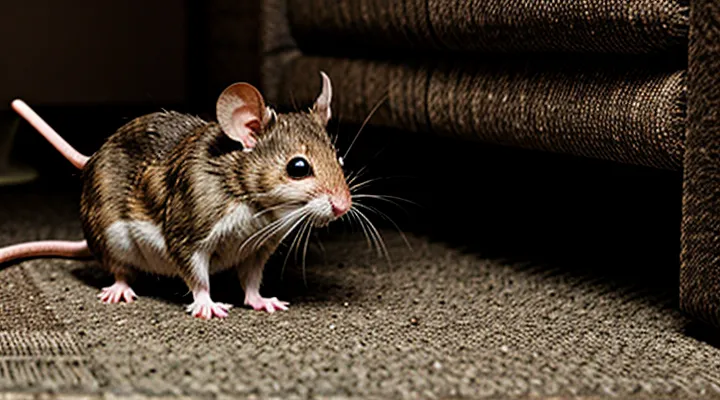
Understanding Mouse Behavior and Sensory Perception
The Olfactory World of Mice: A Keen Sense of Smell
Distaste for Strong Scents
Mice possess a highly developed olfactory system that detects volatile compounds at low concentrations. Strong scents, especially those derived from essential oils, citrus, peppermint, and ammonia, trigger avoidance behavior. The odor molecules bind to receptors in the vomeronasal organ, sending signals that the brain interprets as potential threats.
Key characteristics of strong scent aversion:
- Rapid withdrawal from areas saturated with the odor.
- Reduced foraging activity near the source.
- Increased grooming and stress‑related vocalizations.
- Preference for neutral or mildly scented environments.
Laboratory studies show that exposure to concentrations above 10 ppm of peppermint oil decreases mouse locomotion by up to 40 % within minutes. Similar effects occur with clove oil and cinnamaldehyde, where avoidance persists for several hours after removal of the odor.
Practical implications include using strong aromatic agents for humane rodent deterrence in storage facilities, laboratories, and homes. Effective application requires:
- Uniform distribution of the scent to avoid pockets of low concentration.
- Rotation of different odorants to prevent habituation.
- Monitoring of ambient concentration to stay within the aversive threshold without causing toxicity to humans or pets.
Understanding the sensory basis of mice’s dislike for intense odors enables targeted, non‑lethal control strategies while minimizing environmental impact.
Specific Aromatic Aversions
Mice exhibit rapid avoidance when exposed to several volatile aromatic compounds. Laboratory observations consistently show that even low concentrations trigger measurable retreat, reduced foraging, and increased latency to re‑enter treated zones.
- Phenol (≈0.1 ppm) – strong repellent, induces immediate escape.
- Naphthalene (≈0.5 ppm) – causes prolonged avoidance, suppresses nesting.
- Menthol (peppermint oil) (≈0.2 ppm) – activates TRPM8 receptors, produces cooling sensation and aversion.
- Citronella (≈0.3 ppm) – interferes with olfactory processing, reduces exploratory behavior.
- Eucalyptol (≈0.4 ppm) – triggers innate avoidance pathways.
- Eugenol (clove oil) (≈0.15 ppm) – elicits heightened stress markers.
- Allicin (garlic extract) (≈0.25 ppm) – disrupts pheromone detection.
- 2‑Phenylethylamine (predator‑derived) (≈0.05 ppm) – mimics carnivore scent, provokes flight response.
Threshold values derive from avoidance index calculations in open‑field and Y‑maze tests. Across strains, detection limits differ by less than 0.05 ppm, indicating a conserved sensitivity.
The aversive response originates in the main olfactory epithelium, where specific receptors bind the listed aromatics. Activation leads to excitatory signaling in the accessory olfactory bulb and subsequent recruitment of the amygdala, producing an innate fear circuit. Conditioning experiments show that repeated exposure does not diminish avoidance, confirming a hard‑wired mechanism.
Applied research leverages these findings for rodent management. Formulations incorporating phenol, menthol, or 2‑phenylethylamine achieve >90 % reduction in entry rates when applied to entry points, storage containers, and perimeters. Effective deployment requires maintenance of volatile concentrations above the documented thresholds and periodic re‑application to counter environmental dissipation.
Auditory Discomforts: Sounds That Deter Mice
High-Frequency Sounds and Ultrasonic Devices
Mice possess a highly sensitive auditory system that extends well beyond the human hearing range. Frequencies between 20 kHz and 100 kHz trigger neural pathways associated with alarm and stress responses, prompting rapid avoidance behavior. Laboratory measurements confirm that exposure to tones above 30 kHz elicits increased locomotor activity and escape attempts, indicating an innate sensitivity to ultrasonic stimuli.
Ultrasonic devices exploit this physiological trait by emitting controlled bursts within the effective range. Typical configurations include:
- Continuous wave generators at 35 kHz, 45 kHz, or 55 kHz.
- Pulsed emitters delivering 10‑ms pulses at 40 kHz with a 1‑second interval.
- Broadband sweep units covering 20 kHz‑80 kHz to prevent habituation.
Effectiveness depends on sound pressure level (SPL). Research shows that SPLs of 80–90 dB SPL at the source produce reliable deterrence without causing auditory damage to the animals. Devices calibrated below 70 dB SPL often fail to induce measurable avoidance, while levels above 100 dB SPL may produce temporary threshold shifts in rodent hearing.
Practical deployment requires strategic placement to ensure uniform coverage of target zones. Obstacles such as walls and furniture attenuate ultrasonic energy; therefore, positioning emitters at ceiling height or within open corridors maximizes field integrity. Maintenance schedules should include periodic SPL verification, as transducer degradation reduces output over time.
Safety considerations for human occupants focus on frequency separation. Humans cannot perceive ultrasonic frequencies, but prolonged exposure to high‑intensity ultrasound may generate discomfort or thermal effects. Guidelines recommend limiting continuous operation to intervals of 30 minutes, interspersed with rest periods, and ensuring SPL does not exceed 95 dB SPL at occupied locations.
Startling Noises and Their Impact
Startling noises trigger immediate physiological and behavioral responses in mice, reflecting a deep‑seated aversion to sudden auditory stimuli. Exposure to abrupt sounds produces a rapid increase in heart rate, elevated corticosterone levels, and activation of the amygdala, indicating heightened stress. The resulting behavioral pattern includes freezing, rapid escape attempts, and disruption of normal foraging or nesting activities.
Key effects of sudden auditory disturbances are:
- Acoustic startle reflex: a swift whole‑body contraction that precedes any voluntary movement.
- Auditory‑induced hyperactivity: increased locomotion and erratic path trajectories within a confined arena.
- Suppressed feeding: measurable decline in food intake during and after noise bouts.
- Altered social interaction: reduced grooming and diminished contact with conspecifics.
Experimental observations demonstrate that repeated exposure to unpredictable loud bursts leads to habituation only after extensive training, while intermittent, low‑intensity sounds maintain a persistent aversive state. This pattern underscores the importance of acoustic environment control in laboratory settings, where unintended noise can confound behavioral assays and physiological measurements.
Practical implications include:
- Designing animal rooms with sound‑absorbing materials to minimize reverberation.
- Scheduling equipment operation to avoid peak activity periods for experimental subjects.
- Implementing continuous monitoring of ambient decibel levels to ensure compliance with established welfare thresholds.
Understanding the impact of startling noises provides a basis for refining experimental protocols and enhancing the welfare of mice used in research, thereby improving data reliability and ethical standards.
Tactile Sensitivities: Textures Mice Avoid
Unpleasant Surfaces and Materials
Mice exhibit strong avoidance of surfaces that present tactile discomfort or chemical deterrents. Their whisker and paw receptors quickly assess texture, temperature, and material composition, prompting immediate retreat from unsuitable substrates.
- Smooth, non‑porous plastics (e.g., polyethylene, polypropylene) – lack of grip and low friction impede locomotion.
- Highly reflective metals (e.g., stainless steel, aluminum) – intense glare interferes with visual perception and induces stress.
- Rough, abrasive composites (e.g., sand‑paper‑like surfaces, coarse fiberglass) – cause physical irritation to footpads and whiskers.
- Chemically treated fabrics (e.g., polyester treated with repellents, oil‑infused nylon) – release volatile compounds that activate olfactory aversion pathways.
- Cold, conductive materials (e.g., chilled copper, ice‑coated glass) – rapid heat loss triggers thermoregulatory escape responses.
Sensory analysis reveals that mice prioritize substrate stability and thermal neutrality. Roughness exceeding 200 µm, surface temperatures below 15 °C, or the presence of certain volatile organic compounds (e.g., phenols, terpenes) consistently trigger avoidance. Whisker deflection thresholds and paw pad pressure receptors provide rapid feedback, allowing mice to navigate away from hostile environments within seconds.
Understanding these aversive cues informs the design of exclusion barriers and trap surfaces. Incorporating smooth, cold, or chemically repellent materials can enhance the effectiveness of control measures without reliance on poisons. Selecting substrates that exploit innate tactile and thermal sensitivities offers a reliable, humane strategy for managing rodent intrusion.
Physical Obstacles and Deterrents
Mice exhibit strong avoidance of tactile barriers that interfere with their natural locomotion. Rough surfaces, irregular textures, and steep inclines disrupt the delicate balance of their whisker‑guided navigation, prompting immediate retreat. Materials such as sandpaper, corrugated metal, or densely packed fibers create sufficient friction to halt progress without causing injury.
Chemical or sensory deterrents complement physical obstacles by exploiting the rodents’ acute olfactory and auditory systems. Strong odors—peppermint oil, ammonia, or citrus extracts—overwhelm scent receptors, while high‑frequency ultrasonic emitters produce sounds beyond human hearing but uncomfortable for mice. When combined with structural impediments, these stimuli produce a layered defense that discourages entry and persistence.
Typical physical deterrents include:
- Mesh screens with apertures smaller than 0.5 cm
- Plastic or metal grating angled at 45 degrees or greater
- Thick rubber mats with raised ridges
- Foam inserts that collapse under weight, creating unstable footing
Effective implementation pairs at least two of these measures, ensuring that mice encounter both a tactile barrier and an immediate sensory repellent. This dual approach maximizes the likelihood of avoidance and reduces the need for repeated intervention.
Natural Repellents and Human Interventions
Plant-Based Solutions: Botanical Aversions
Herbs and Spices with Repellent Properties
Rodents avoid a range of aromatic botanicals that interfere with their sensory perception. Research identifies several herbs and spices whose volatile compounds repel mice, making them practical tools for integrated pest management.
- Peppermint (Mentha piperita) – high menthol content creates a strong scent that mice find intolerable.
- Clove (Syzygium aromatum) – eugenol acts as an irritant to the nasal passages of rodents.
- Cayenne pepper (Capsicum annuum) – capsaicin provokes a burning sensation, discouraging entry.
- Lavender (Lavandula angustifolia) – linalool and linalyl acetate produce a fragrance that masks food odors.
- Rosemary (Rosmarinus officinalis) – camphor and rosmarinic acid generate a pungent environment.
- Thyme (Thymus vulgaris) – thymol disrupts the olfactory receptors of mice.
- Oregano (Origanum vulgare) – carvacrol exerts a similar repellent effect.
The active substances in these plants volatilize at room temperature, creating a chemical barrier that masks attractants and triggers aversive responses. Their efficacy depends on concentration, exposure time, and environmental conditions such as humidity and airflow.
Effective deployment involves placing cotton balls, sachets, or spray solutions near entry points, nesting sites, and food storage areas. Refreshing the material every 48–72 hours maintains potency. Combining several botanicals can broaden the spectrum of repellent compounds, reducing the likelihood of habituation. Safety considerations include keeping strong irritants away from children and pets, and avoiding direct contact with skin or eyes.
Essential Oils and Their Effectiveness
Essential oils constitute a primary deterrent strategy against rodent activity, exploiting the acute olfactory sensitivity of mice. Volatile compounds disperse rapidly, creating an environment that mice instinctively avoid due to perceived predator cues or toxicants. The efficacy of each oil depends on concentration, exposure duration, and placement within infested zones.
- Peppermint oil: high menthol content, disrupts respiratory receptors, reduces foraging within 24 hours.
- Eucalyptus oil: rich in cineole, induces irritation of nasal mucosa, sustains avoidance for up to 48 hours.
- Lavender oil: linalool and linalyl acetate produce mild sedation, lower activity levels, effective in confined spaces.
- Citronella oil: citral and geraniol generate strong scent barrier, limits entry points, effective when refreshed weekly.
- Clove oil: eugenol exerts neurotoxic effect at low doses, deters nesting behavior, requires careful dilution.
Optimal deployment combines multiple oils in a layered matrix, applying saturated cotton balls or diffusion devices near entryways, food storage, and nesting sites. Regular reapplication compensates for volatilization, maintaining a consistent repellent gradient that exploits mice’s hidden aversion to these aromatic compounds.
Chemical Deterrents: Non-Lethal Options
Understanding Mouse Repellents
Mouse repellents are substances or devices designed to deter rodents from entering or remaining in a specific area. They operate by exploiting sensory pathways that rodents find unpleasant, thereby reducing the likelihood of infestation without resorting to lethal measures.
Several categories dominate the market. Chemical repellents contain strong odors such as peppermint oil, ammonia, or capsaicin, which activate olfactory receptors and cause immediate avoidance. Ultrasonic units emit high‑frequency sounds beyond human hearing but within the rodent auditory range, creating an uncomfortable acoustic environment. Natural options include dried herbs, cloves, or citrus peels, offering a low‑toxicity alternative. Physical barriers, such as steel wool or copper mesh, prevent passage by presenting an impassable surface.
Effectiveness depends on concentration, placement, and the target species’ habituation level. Rotating different odorants prevents sensory adaptation, while maintaining a clear line of sight between the repellent source and the rodent pathway maximizes impact. Ultrasonic devices lose potency through walls and must be positioned in open, unobstructed spaces.
Safety considerations include avoiding toxic chemicals that may harm pets or children, and selecting environmentally benign formulations when possible. Ultrasonic emitters should be turned off in occupied rooms to prevent potential auditory stress for humans and non‑target animals.
Practical deployment guidelines:
- Identify entry points and high‑traffic zones.
- Apply chemical or natural repellents directly to these locations, reapplying after cleaning or weather exposure.
- Install ultrasonic emitters at a height of 12–18 in, ensuring no furniture blocks the sound field.
- Combine methods (e.g., odorant plus barrier) to address multiple sensory cues.
- Monitor activity for at least two weeks, adjusting placement or product type if rodents persist.
Cautionary Notes on Chemical Use
Mice exhibit a pronounced aversion to several volatile and non‑volatile chemicals, a fact that informs safe pest‑control practices. When formulating repellents or traps, the following precautions prevent unintended harm to humans, pets, and the environment:
- Avoid compounds with high acute toxicity, such as organophosphates and carbamates; exposure can cause neurotoxic effects at low doses.
- Limit use of strong irritants—pepper‑derived oleoresins, ammonia, and certain essential oils—because inhalation may irritate respiratory tracts of non‑target species.
- Store all chemicals in sealed, clearly labeled containers to prevent accidental ingestion or cross‑contamination.
- Apply substances only in enclosed or well‑ventilated areas; open‑air deployment disperses agents beyond the intended zone, reducing efficacy and increasing environmental load.
- Conduct a material safety data sheet (MSDS) review before each application; verify permissible exposure limits (PELs) and recommended personal protective equipment (PPE).
Research indicates that mice detect low concentrations of these agents through olfactory receptors tuned to specific molecular structures. Overuse or improper dilution can lead to habituation, diminishing repellent effectiveness and prompting the use of higher, riskier concentrations. Maintaining strict dosage guidelines preserves the deterrent effect while safeguarding health.
When integrating chemical deterrents into integrated pest‑management programs, combine them with physical barriers, sanitation measures, and population monitoring. This layered approach reduces reliance on potent chemicals, aligns with regulatory standards, and sustains the underlying aversion response without escalating risk.
Environmental Modifications: Creating an Uninviting Space
Sanitation Practices and Food Storage
Mice react strongly to environments that lack cleanliness and proper food protection. Their instinctive avoidance of strong odors, unsanitary surfaces, and sealed storage creates a natural barrier against infestation.
Effective sanitation reduces attractants. Regular removal of crumbs, spills, and waste eliminates the scent trails mice follow. Disinfecting countertops and floors with non‑toxic cleaners removes residues that can mask other odors. Vacuuming behind appliances and inside cabinets disrupts hidden food particles.
Proper food storage further deters rodents. Store dry goods in airtight containers made of metal or heavy‑wall plastic; these materials prevent scent diffusion and chewing. Keep perishable items refrigerated or frozen, and seal lids tightly after each use. Rotate stock to avoid long‑term exposure of food to ambient conditions.
Key practices:
- Clean surfaces daily; focus on edges, corners, and under equipment.
- Dispose of garbage in sealed bins; empty them frequently.
- Inspect storage containers for damage; replace compromised units immediately.
- Seal entry points with steel wool or metal mesh; avoid using soft materials that mice can gnaw through.
By maintaining rigorous hygiene and securing food supplies, the hidden aversion of mice to these conditions becomes a reliable preventive measure.
Sealing Entry Points and Structural Barriers
Mice avoid environments where they cannot locate gaps to enter or move freely. Sealing potential openings eliminates the routes they instinctively seek, forcing them to look elsewhere.
Effective sealing requires attention to common ingress points:
- Gaps around doors and windows, typically 1‑¼ inches or larger. Install weather‑stripping and door sweeps, then apply silicone caulk to any remaining cracks.
- Openings around utility penetrations such as pipes, vents, and electrical conduits. Use steel wool or copper mesh, then cover with expanding foam or metal flashing.
- Cracks in foundation walls, floor joists, and crawl‑space walls. Fill with concrete mortar or hydraulic cement, followed by a layer of epoxy sealant for durability.
Structural barriers create a physical environment that discourages mice. Reinforce vulnerable areas with materials mice cannot chew through:
- Steel plates or mesh (minimum 0.5 mm thickness) installed behind drywall or within wall cavities.
- Hard‑plastic or metal conduit sleeves around wiring runs.
- Concrete or brick lintels over openings in exterior walls.
Regular inspection maintains barrier integrity. Identify new gaps after renovations, pest activity, or seasonal settlement, and reseal promptly. Combining airtight sealing with robust, chew‑resistant barriers reduces the likelihood that mice will find a usable entry point, aligning the built environment with their hidden aversion.