
General Interpretations
Mice as Symbols
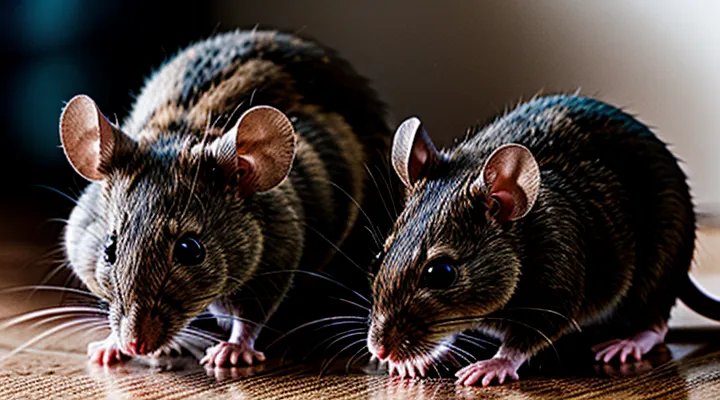
Mice appear in nocturnal visions as symbols of subtle forces that influence daily life. Their presence often signals issues that operate beneath conscious awareness, urging attention to details that are easily missed.
Across cultures, mice embody contrasting ideas. In ancient Egyptian art, they represent fertility and abundance, while in medieval European folklore they connote pestilence and deceit. Eastern traditions frequently link them to humility and adaptability.
From a psychological standpoint, mice correspond to instinctual drives that the ego suppresses. Jungian analysis connects them to the shadow archetype, suggesting hidden anxieties or repressed impulses. Freudian interpretation associates them with feelings of helplessness and early childhood experiences of vulnerability.
Typical meanings include:
- Unresolved stress that manifests as persistent, low‑level irritation.
- Overlooked opportunities that require careful observation.
- Fear of being undermined by seemingly insignificant factors.
- Desire for modest, incremental progress rather than grand gestures.
Variations in the dream alter the message. A frantic mouse may indicate acute panic, whereas a calm mouse suggests controlled patience. Interaction with the dreamer—chasing, catching, or befriending—modifies the emphasis from threat to cooperation or mastery over minor challenges.
Overall, mice function as concise alerts, directing the sleeper toward introspection about minor yet influential aspects of personal circumstance.
Rats as Symbols
Rats appearing in a dream often serve as potent symbols of hidden threats, betrayal, and survival instincts. Their presence can signal unresolved anxieties that the subconscious mind is attempting to process.
- Deception and betrayal – Rats are frequently linked to dishonesty. A dream featuring a rat may indicate that someone close is acting untrustworthily or that the dreamer is concealing information.
- Neglected problems – The creature’s tendency to hide in dark corners reflects issues that have been ignored. The dream urges attention to matters that have become festering.
- Resourcefulness and adaptation – Rats thrive in adverse conditions. Their appearance can highlight the dreamer’s capacity to adapt, suggesting a need to employ pragmatic strategies in a challenging situation.
- Health concerns – Historically associated with disease, a rat in a dream may point to worries about physical well‑being or a subconscious reminder to address lifestyle habits.
- Economic or material loss – The animal’s reputation for gnawing away at supplies translates into symbolism about financial erosion or the fear of losing possessions.
Cultural traditions further shape these interpretations. In Western folklore, rats embody treachery, while certain Eastern myths portray them as clever messengers of prosperity. Recognizing the cultural lens through which the dreamer views the animal refines the analysis.
Overall, the rat symbol functions as an alert mechanism, urging the dreamer to examine concealed conflicts, evaluate trust dynamics, and consider practical measures for personal resilience.
Common Dream Scenarios and Their Meanings
Chasing or Being Chased by Rodents
Dreams that feature rodents in a pursuit scenario reveal specific subconscious dynamics. When the dreamer follows a mouse or rat, the narrative reflects an active effort to confront minor irritations, unresolved tasks, or persistent doubts. The chase signals a willingness to engage with problems that are perceived as insignificant yet recurring, suggesting a strategy of direct confrontation rather than avoidance.
Conversely, being chased by a rodent conveys a sense of being pressured by trivial yet relentless stressors. The pursuer’s small size emphasizes the cumulative impact of numerous low‑level anxieties, often experienced as a loss of personal agency. This pattern points to an underlying fear of being overwhelmed by details that, while individually minor, collectively threaten stability.
Key interpretive points:
- Active pursuit – indicates purposeful problem‑solving, desire to master small‑scale challenges.
- Passive evasion – signals avoidance, heightened sensitivity to incremental pressure.
- Emotional tone – fear or excitement during the chase modifies the meaning; calm engagement leans toward empowerment, terror suggests anxiety.
- Contextual cues – setting, presence of other symbols, and the rodent’s condition (healthy, diseased) refine the analysis.
Typical antecedents include recent exposure to rodents, discussions about pests, health concerns involving the digestive system, or situations where minor details dominate decision‑making. Psychological literature links these dreams to the brain’s processing of low‑level threats, reinforcing the need to address them before they aggregate into larger distress.
Practical response: recall the exact emotions felt during the chase, identify current life areas that feel “small but insistent,” and implement targeted actions—such as prioritizing minor tasks, setting boundaries, or seeking professional guidance—to mitigate the underlying tension.
Rodents in Your Home
Rodents that make their way into a residence often trigger subconscious imagery that surfaces during sleep. The physical presence of mice or rats signals underlying issues such as food sources, structural gaps, or sanitation lapses. Recognizing these signs helps interpret the symbolic messages that appear in dreams.
Typical indicators of an infestation include gnaw marks on wood or wiring, droppings near food storage, and nocturnal scurrying sounds. Each cue reflects a breach in the household’s defensive barrier, which the mind may translate into themes of vulnerability, hidden threats, or uncontrolled urges.
Practical steps to address the problem are:
- Seal entry points larger than a quarter‑inch with steel wool or caulk.
- Store food in airtight containers and remove spilled crumbs promptly.
- Install snap traps or electronic devices in high‑activity zones.
- Maintain regular sanitation, especially in kitchens, basements, and attics.
- Engage professional pest control for persistent colonies.
When rodents feature in a dream, the brain often associates them with the same real‑world concerns. A mouse scurrying across a bedroom floor may mirror an unnoticed breach in personal boundaries, while a rat rummaging through trash could represent feelings of contamination or guilt. The intensity of the dream—whether the animal is chased, captured, or ignored—offers clues about the dreamer’s emotional response to the actual infestation.
Understanding the link between tangible rodent activity and its nocturnal representation enables clearer insight into both the practical steps needed to secure the home and the psychological messages delivered through sleep.
Dead Rodents
Dreams featuring deceased mice or rats often signal unresolved issues that the subconscious mind is attempting to process. The presence of a dead rodent suggests that a problem once active has been abandoned, suppressed, or concluded, yet its residue continues to affect emotional equilibrium.
Typical meanings attributed to dead rodents include:
- Completion of a minor conflict that was previously ignored.
- Release of anxiety related to scarcity, hygiene, or contamination.
- Indication that a habit or behavior considered detrimental has been terminated.
- Symbolic representation of a loss of innocence or vulnerability.
Psychological research connects these images to the brain’s method of categorizing threats. When the animal is no longer alive, the threat transforms into a memory, prompting the dreamer to evaluate whether the associated fear has been adequately addressed.
Practical guidance: reflect on recent situations involving loss, change, or abandonment; identify any lingering concerns; consider whether further action is required to achieve closure. Addressing the underlying issue can reduce recurrence of the motif.
Rodents of Unusual Size or Color
Dreams featuring mice or rats that are abnormally large or vividly colored stand out because they amplify the usual associations of these animals. The exaggerated dimensions signal an issue that feels overwhelming, while striking hues draw attention to emotional tones that differ from the ordinary.
- Excessive size suggests a problem that has grown beyond its original scope, often linked to anxiety about loss of control or a looming threat.
- Unusual color conveys a shift in mood; red may indicate anger or urgency, blue can reflect sadness or calm detachment, while multicolored patterns point to confusion or mixed feelings.
The brain employs these visual distortions to highlight aspects of waking life that require scrutiny. When the rodent’s size or shade diverges from expectation, the dreamer should:
- Identify the specific emotion the animal evokes (fear, fascination, disgust).
- Relate that feeling to current stressors, relationships, or decisions.
- Consider whether the dream’s setting mirrors a real‑world environment where the issue manifests.
By linking the amplified characteristics of the dream creature to concrete circumstances, the sleeper gains a clearer perspective on the underlying concern that the subconscious is urging to address.
Psychological Perspectives
Fear and Anxiety
Dreams featuring small rodents often serve as a direct indicator of underlying fear and anxiety. The presence of mice or rats triggers an instinctive alarm system, signaling that the sleeper perceives a threat, however subtle, in their waking environment. This symbolic warning can stem from interpersonal tensions, health concerns, or unresolved stressors that the mind has not yet processed consciously.
The emotional charge attached to these creatures amplifies the dream’s impact. Rodents are commonly linked to feelings of contamination, loss of control, or invasion of personal space. When such imagery surfaces, the brain translates these associations into a heightened state of nervousness, prompting the dreamer to confront the source of discomfort.
Key psychological functions of rodent imagery include:
- Highlighting hidden anxieties that the individual may avoid acknowledging.
- Reflecting a perceived inability to manage minor but persistent problems.
- Signaling that the dreamer feels overwhelmed by situations that appear insignificant yet persistent.
Addressing the underlying fear requires deliberate examination of current life pressures. Identifying specific triggers—such as workplace competition, relationship insecurity, or health worries—allows the individual to reduce the intensity of the rodent symbolism and restore emotional equilibrium.
Feelings of Insignificance
Dreams that include mice or rats often provoke a sense of being unnoticed or unimportant. The tiny size of these creatures mirrors the dreamer’s perception of their own position within a larger environment, creating a vivid emotional imprint of insignificance.
Psychological analysis links this reaction to subconscious assessments of status and influence. When a rodent scurries through a dreamscape, the mind may interpret the animal’s low hierarchical rank as a symbol of the dreamer’s own perceived marginality. Studies of dream symbolism indicate that such imagery frequently emerges during periods of heightened self‑evaluation, especially when individuals feel their contributions are overlooked.
The feeling of insignificance can manifest as:
- Persistent doubts about personal relevance in professional or social settings.
- Heightened sensitivity to criticism or neglect.
- A tendency to compare oneself unfavorably with peers who appear more successful or visible.
Addressing these emotions requires direct engagement with the underlying beliefs. Effective strategies include:
- Documenting recurring dream elements and associated feelings to identify patterns.
- Setting measurable personal goals that reinforce a sense of achievement.
- Seeking feedback from trusted colleagues or mentors to counteract distorted self‑perception.
- Practicing mindfulness techniques that ground attention in present‑moment competence rather than imagined hierarchy.
By interpreting the presence of rodents as a mirror of internal self‑assessment, the dreamer can transform the fleeting discomfort into a catalyst for concrete self‑validation and growth.
Hidden Issues or Problems
Dreams featuring small rodents often point to concealed emotional or situational challenges. Psychologists associate such imagery with underlying stressors that the conscious mind has not yet addressed.
- Persistent feelings of inadequacy that manifest as fear of being overwhelmed.
- Unresolved guilt related to neglect or betrayal, symbolized by the creature’s scavenging behavior.
- Hidden health concerns, especially those linked to hygiene or contamination, reflected in the animal’s association with dirt.
- Anxiety about loss of control in personal or professional settings, mirrored by the rapid, elusive movements of the rodent.
- Suppressed anger or resentment toward authority figures, expressed through the animal’s reputation for infiltration.
Interpretation requires examining recent life events for parallels with the listed issues. Identifying patterns—such as recurring encounters with rodents during periods of heightened pressure—strengthens the connection between the dream content and the hidden problem. Addressing the underlying matter through reflection, dialogue, or professional guidance reduces the frequency of such dreams and mitigates the associated distress.
Cultural and Historical Interpretations
Rodents in Folklore and Mythology
Rodents have occupied distinct positions in mythic narratives across cultures, influencing the symbolic weight they carry in nocturnal visions. In ancient Mesopotamian texts, the mouse appears as a messenger of the goddess Inanna, conveying subtle warnings about hidden threats. Egyptian mythology portrays the rat as an embodiment of the god Set’s chaotic force, a creature whose presence foreshadows disorder and transformation.
European folklore frequently assigns the mouse a role tied to domestic stability. Medieval bestiaries describe the mouse as a modest creature that safeguards grain, suggesting that its appearance in a dream may reflect concerns about household resources. Conversely, Slavic legends cast the rat as a harbinger of disease, linking it to pestilence and the need for purification.
Asian traditions offer contrasting depictions:
- In Chinese lore, the rat is the first sign of the zodiac, symbolizing resourcefulness and the capacity to thrive in adverse conditions.
- Japanese Shinto stories treat the mouse as a guardian of rice fields, an indicator of agricultural prosperity.
- Hindu mythology includes the mouse as the vehicle of the deity Ganesha, representing the ability to overcome obstacles through humility.
These mythic associations provide a framework for interpreting nocturnal encounters with rodents. When a dream features a mouse, the historical portrayal of modesty and protection may suggest underlying concerns about personal security or material well‑being. A rat’s presence, echoing narratives of disruption, could signal imminent upheaval or the need for cleansing. Understanding the cultural lineage of these symbols enhances the analytical depth applied to such dreams.
Regional Beliefs About Mice and Rats
Across cultures, rodents in nocturnal visions carry distinct symbolic weight.
In East Asian folklore, a mouse often signals modest prosperity, while a rat may foretell sudden wealth or an unexpected inheritance. Chinese dream manuals advise that a rat fleeing the dreamer suggests impending financial gain; a mouse trapped in a house warns of minor household disputes.
South Asian traditions associate rodents with fertility and abundance. In Hindu dream interpretation, seeing a mouse dancing indicates forthcoming blessings for the family, whereas a rat gnawing at grain predicts scarcity or loss of resources.
European folklore frequently links rats to disease and decay. Medieval English accounts describe a rat emerging from a dream as an omen of pestilence or social unrest. Conversely, a mouse nibbling on cheese may denote modest success after hardship, reflecting the animal’s humble status.
Indigenous North American narratives treat rodents as trickster figures. A dream featuring a clever mouse conveys a message to use wit in upcoming challenges; a swarm of rats suggests overwhelming obstacles that require collective effort to overcome.
African oral traditions often view rodents as messengers of spiritual guidance. In Yoruba belief, a mouse appearing in a dream signals a call to attend to neglected personal duties, while a rat crossing a path foretells a journey that will bring new alliances.
Middle Eastern interpretations emphasize moral caution. In classical Arabic dream literature, a rat stealing food warns of betrayal by close acquaintances; a mouse quietly entering a room advises discretion and humility in future endeavors.
These regional perspectives illustrate how the same animal can embody wealth, warning, ingenuity, or moral instruction, depending on cultural context. Understanding these variations enriches the analysis of nocturnal imagery involving rodents.
How to Interpret Your Specific Dream
Reflecting on Your Current Life Situation
Dreams featuring small rodents often serve as a mirror of one’s present circumstances. The presence of mice or rats signals that aspects of daily life are being monitored subconsciously, prompting the dreamer to assess hidden pressures and unresolved tensions.
- Persistent feelings of vulnerability surface when rodents scurry through the dreamscape; this suggests an environment where personal boundaries are challenged.
- Repeated encounters with these animals indicate ongoing neglect of minor problems that have accumulated into a larger concern.
- The behavior of the rodents—whether they are fleeing, gnawing, or being chased—reflects the individual’s sense of control over current stressors.
- Interactions with rodents in confined spaces point to feelings of confinement in one’s professional or relational sphere.
The symbolism directs attention toward practical adjustments. If the dream depicts rodents invading a clean area, the logical response is to examine areas of life that appear orderly but conceal underlying disorder. When the dream shows the dreamer successfully removing the pests, it confirms the effectiveness of recent strategies for managing anxiety or workload.
Overall, the rodent motif functions as a diagnostic image, urging the dreamer to identify and address the subtle, often ignored elements that influence daily well‑being. Acting on this insight aligns subconscious warnings with conscious decisions, fostering a more balanced life situation.
Personal Associations with Mice and Rats
Personal memories and lived experiences give rodents their dream significance. A childhood episode of chasing a mouse, a laboratory career involving rats, or a recent infestation each imprint a distinct emotional charge on the animal symbol.
- Childhood play with pet mice → feelings of innocence, curiosity, or mild anxiety.
- Exposure to disease‑related news about rats → association with contamination, danger, or urgency.
- Professional work with laboratory rodents → perception of control, observation, or scientific inquiry.
- Recent pest‑control actions → sense of frustration, triumph, or loss of comfort.
- Culinary references (e.g., rat dishes) → cultural taboos, disgust, or exotic fascination.
These personal links dictate whether the dream evokes fear, intrigue, revulsion, or affection. A dream featuring a timid mouse may signal a hidden, gentle aspect of the self, while a snarling rat could mirror suppressed aggression or a warning about unhealthy habits.
To decode the personal resonance, identify recent events involving rodents, note the immediate emotion evoked in the dream, and compare that feeling with the associated memory. Aligning the dream’s tone with the specific life experience clarifies the rodent’s role as a mirror of the dreamer’s inner narrative.
Emotional Response to the Dream
Dreams featuring small rodents often provoke a distinct set of feelings that reveal underlying psychological states. Recognizing these emotions helps decode the subconscious message conveyed by the nocturnal scene.
Typical emotional reactions include:
- Fear or anxiety – signals perceived threats, unresolved tension, or a sense of vulnerability in waking life.
- Disgust or revulsion – indicates avoidance of situations or relationships that feel contaminating or morally compromised.
- Curiosity or intrigue – reflects a willingness to explore hidden aspects of the self, suggesting untapped potential or unresolved curiosity.
- Amusement or mild surprise – points to a light‑hearted acknowledgment of minor irritations, often encouraging a more relaxed attitude toward small problems.
The intensity of each response correlates with personal experience. A strong fear response may arise for individuals who associate rodents with disease or past trauma, while a neutral or amused reaction could stem from a cultural perception of mice and rats as harmless or even endearing.
Interpreting the emotional tone requires attention to context within the dream. If the rodent is actively moving toward the dreamer, fear may denote an approaching challenge; if it remains distant, curiosity may suggest a latent interest in exploring new ideas. The dreamer’s current life circumstances—stress levels, recent conflicts, or upcoming decisions—often amplify or mute these feelings.
By cataloguing the immediate affective reaction and linking it to personal history, the dreamer can transform a seemingly trivial nocturnal image into actionable insight about emotional priorities and hidden concerns.
Distinguishing Between Mice and Rats in Dreams
Subtle Differences in Symbolism
Dreams featuring small rodents convey messages about hidden aspects of the psyche, yet the species observed alters the interpretation. Recognizing the distinction between a mouse and a rat refines the insight a dream provides.
Mice generally symbolize subtle anxieties, minor disruptions, or overlooked details. Their presence suggests that insignificant issues are demanding attention, often related to personal boundaries or low‑grade stressors. The creature’s timid nature reflects a sense of vulnerability and the need for cautious observation.
Rats convey a more forceful warning. They represent larger, potentially harmful patterns such as betrayal, contamination, or aggressive survival instincts. Their reputation for scavenging and disease amplifies the urgency of the warning, pointing to situations that may undermine health, trust, or ethical standards.
Key symbolic contrasts:
- Scale of threat: mouse – minor, manageable; rat – significant, potentially destructive.
- Emotional tone: mouse – nervous, shy; rat – hostile, assertive.
- Contextual focus: mouse – personal habits, fine details; rat – social dynamics, hidden agendas.
- Resolution approach: mouse – careful monitoring, incremental change; rat – decisive action, removal of source.
Understanding these nuances enables a more precise reading of nocturnal imagery, allowing the dreamer to address the specific type of concern each creature embodies.
When the Distinction Matters
Dreams featuring rodents often convey distinct messages depending on whether the animal is a mouse or a rat. The differentiation matters because each species carries its own symbolic weight, cultural associations, and psychological implications.
Mice typically represent subtle concerns, unnoticed anxieties, or minor irritations that persist in the background of daily life. Their small size suggests issues that are manageable but may require attention to avoid escalation. Rats, by contrast, symbolize more aggressive threats, breaches of trust, or deep‑seated fears that can undermine personal security. Their reputation for disease and infestation amplifies the sense of danger attached to their appearance.
Key reasons for maintaining the distinction:
- Cultural context: folklore often portrays mice as harmless pests, whereas rats are linked to contamination and betrayal.
- Emotional intensity: the presence of a mouse evokes a gentle urge to tidy or resolve minor problems; a rat triggers a stronger, often urgent, need for protective action.
- Personal relevance: individuals who have experienced specific encounters with either animal may project those memories onto the dream, altering its meaning.
When interpreting a rodent dream, analysts should first identify the species, then align the associated symbolism with the dreamer’s current circumstances. Ignoring the difference risks conflating minor stressors with serious threats, leading to inaccurate guidance.