
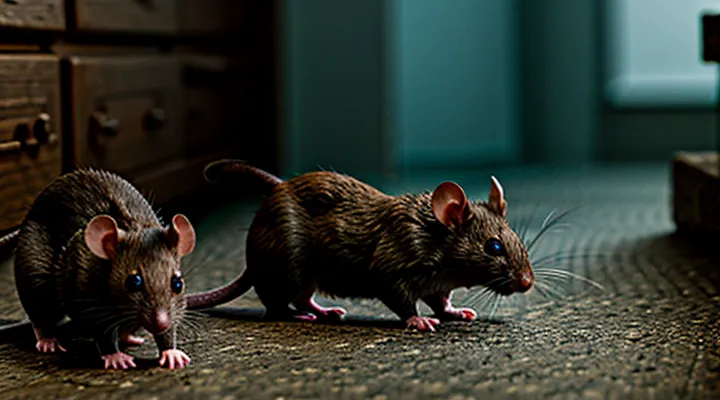
Common Interpretations of Rat and Mouse Dreams
Symbolism of Rats
Dreams featuring rats convey layered symbolism that reflects inner states and external pressures. The animal’s presence often signals hidden anxieties, unresolved conflicts, or subconscious assessments of personal security.
- Betrayal or deceit: Rats appear when a dreamer suspects disloyalty in relationships or work environments.
- Disease or contamination: The creature’s association with filth translates into concerns about health, moral impurity, or toxic influences.
- Survival instinct: Observing a rat’s resourcefulness highlights the dreamer’s capacity to adapt, scavenge, or endure hardship.
- Hidden knowledge: Rats navigating concealed spaces suggest suppressed information or insights emerging from the unconscious.
Cultural contexts shape these meanings. In Western folklore, rats frequently embody treachery and plague, while in certain Asian traditions they symbolize wealth, fertility, or cleverness. Ancient mythologies sometimes portray rats as messengers between worlds, reinforcing their role as bridges to hidden realms.
Psychological frameworks reinforce the interpretive pattern. Jungian analysis links rats to the shadow archetype, representing aspects of the self that the individual refuses to acknowledge. Freudian perspective associates the animal with primal urges and repressed desires, especially those linked to sexuality or aggression.
Practical interpretation requires personal relevance. Assess the emotional tone of the dream—fear, curiosity, disgust—to gauge the dominant message. Correlate the rat’s behavior (chasing, fleeing, interacting) with current life situations. Integrate these observations into a broader self‑reflection to uncover actionable insights.
Symbolism of Mice
Dreams featuring mice often convey subtle messages about personal boundaries, unnoticed anxieties, and the need for vigilance. The animal’s small size and quick movements create a paradox: it appears harmless yet can infiltrate hidden spaces, suggesting issues that are present but not openly acknowledged.
- Neglected details: Mice highlight aspects of life that have been overlooked, prompting the dreamer to examine routine tasks or relationships that may be deteriorating.
- Fear of infestation: The presence of mice may symbolize an intrusive thought pattern or habit that spreads silently, urging corrective action before it expands.
- Resourcefulness: Mice survive by adapting to constrained environments, indicating the dreamer’s capacity to navigate limited resources or challenging circumstances.
- Social dynamics: In group settings, mice represent the influence of minor participants whose collective impact can alter outcomes, reminding the individual of subtle power structures.
Interpreting mouse imagery alongside rat symbolism enriches the overall understanding of rodent-related visions. While rats tend to embody larger, more overt threats, mice focus attention on minute, persistent concerns that require careful monitoring. Recognizing this distinction refines the analysis of nocturnal narratives and supports targeted personal development.
Psychological Perspectives on Rodent Dreams
Dreams as Reflections of Anxiety and Stress
Seeing rats or mice while asleep often signals unresolved tension. The brain converts nervous energy into vivid symbols; small, scurrying creatures become a convenient visual for pressure that feels invasive or uncontrollable. When the subconscious selects rodents, it highlights feelings of vulnerability, contamination, or fear of hidden threats.
Anxiety and stress manifest in dreams through recurring patterns:
- Rapid movement of the animal, suggesting frantic mental activity.
- Being chased or attacked, reflecting perceived danger in waking life.
- Finding dead or decaying rodents, indicating hopelessness or exhaustion.
These scenarios align with physiological responses to stress: elevated cortisol, heightened alertness, and disrupted REM cycles. The mind amplifies minor worries into dramatic scenes, allowing emotional processing without conscious interference. Recognizing the link between rodent imagery and internal strain can guide targeted coping strategies, such as stress‑reduction techniques, boundary setting, and addressing specific sources of fear.
Subconscious Fears and Unresolved Issues
Dreams featuring rodents often serve as a symbolic mirror of hidden anxieties. The presence of rats or mice signals an encounter with emotional material that the conscious mind has not fully processed.
First, the animal’s reputation for stealth and disease aligns with feelings of contamination—whether literal, such as health concerns, or figurative, such as moral impurity. When the dreamer observes a rat scurrying through a familiar space, the subconscious may be flagging a perceived breach of personal boundaries or a fear of being infiltrated by unwanted influences.
Second, rodents’ tendency to hide in cracks and shadows reflects suppressed memories. The dream’s setting—basement, attic, or cluttered room—often corresponds to the mental compartment where the unresolved issue resides. Recognizing this spatial cue directs attention to the specific area of inner life that requires examination.
Third, the emotional tone of the encounter provides diagnostic value. Panic, disgust, or curiosity each points to a different coping strategy:
- Panic indicates an urgent need to confront a threatening belief or circumstance.
- Disgust suggests avoidance of an aspect of self deemed unacceptable.
- Curiosity implies a willingness to explore the underlying cause.
Finally, the repeated appearance of rodents across multiple nights strengthens the signal. Persistent imagery signals that the subconscious has not yet integrated the associated fear, and that continued avoidance may exacerbate stress or manifest in waking behavior.
Addressing these hidden concerns involves:
- Identifying the life domain linked to the dream’s environment.
- Naming the specific fear or unresolved event tied to the rodent symbolism.
- Engaging in reflective practices—journaling, therapy, or deliberate exposure—to process the material.
By treating the dream as a diagnostic tool rather than a random oddity, the individual can transform the unsettling presence of rats and mice into actionable insight, reducing the power of underlying anxieties.
Cultural and Historical Interpretations
Rats and Mice in Folklore and Mythology
Rats and mice have occupied prominent positions in the mythic narratives of many cultures, shaping symbolic frameworks that later inform dream analysis. In ancient Egyptian lore, the mouse represented the goddess Sekhmet’s destructive power, while the rat embodied the chaotic forces opposed to order. Chinese tradition assigned the rat to the first sign of the zodiac, signifying resourcefulness and adaptability; the animal also appears in tales of household protection against pestilence. Indigenous North American stories frequently portray the mouse as a trickster figure, teaching lessons about humility and cleverness.
Key mythic associations include:
- Resourcefulness and survival – Greek myth cites the mouse as a messenger of Athena, highlighting strategic thinking.
- Disease and decay – Medieval European folklore linked rats with plague, casting them as harbingers of contamination.
- Transformation and rebirth – Hindu texts describe the rat (Mushika) as the vehicle of the god Ganesha, symbolizing the ability to navigate hidden pathways.
- Cunning and mischief – Japanese folklore’s “Nezumi” characters embody slyness and the capacity to outwit larger foes.
These cultural motifs provide a framework for interpreting rodent imagery in nocturnal visions. When a dream features a rat or mouse, the symbolism may draw on the animal’s traditional roles: strategic problem‑solving, warning of hidden threats, or prompting the dreamer to adopt a more adaptable stance. Recognizing the mythic background clarifies the emotional tone of the dream and guides practical response.
Regional Variations in Dream Meanings
Dreams featuring rodents carry distinct connotations across cultural landscapes, reflecting local myths, social attitudes, and historical experiences. In East Asian societies, particularly China and Japan, the appearance of a rat often signals prosperity and resourcefulness, rooted in the animal’s association with abundance and cleverness. Conversely, in many South Asian traditions, such as Indian folklore, a mouse may be viewed as a harbinger of deceit or hidden threats, echoing narratives that portray the creature as a stealthy intruder.
In European contexts, interpretations diverge by region. Northern European folklore, especially in Scandinavian countries, tends to link rats with disease and decay, a perspective shaped by historical plagues. Southern European cultures, including Italy and Spain, sometimes regard mice as symbols of modest wealth or domestic comfort, drawing from agrarian symbolism where the animal indicates stored grain.
African interpretations are equally varied. West African communities often perceive rodent sightings in dreams as warnings of social betrayal, while certain East African tribes associate them with fertility and the cyclical renewal of life, reflecting the animal’s rapid breeding patterns.
Indigenous North American cultures also assign specific meanings. Among some Plains tribes, a dream of a rat can represent a messenger of spiritual guidance, whereas a mouse may denote a call to pay attention to minor details in one’s daily affairs.
Key regional patterns can be summarized:
- East Asia: Rat → wealth, adaptability; Mouse → cleverness, survival.
- South Asia: Mouse → caution, hidden danger.
- Northern Europe: Rat → illness, deterioration.
- Southern Europe: Mouse → modest prosperity, household stability.
- West Africa: Rat → betrayal warning.
- East Africa: Mouse → fertility, renewal.
- North American Indigenous: Rat → spiritual messenger; Mouse → attention to detail.
These variations illustrate how cultural context shapes the symbolic weight of rodent figures in nocturnal narratives, influencing personal interpretation and the subsequent emotional response of the dreamer.
Specific Dream Scenarios and Their Meanings
Seeing a Single Rat or Mouse
Dreams that feature a solitary rat often signal unresolved issues that the subconscious is urging you to confront. The animal’s solitary presence emphasizes personal responsibility, suggesting that the problem originates from within rather than from external influences. Typically, the rat embodies feelings of distrust, hidden threats, or a lingering sense of guilt that has not been openly addressed.
A lone mouse appearing in a dream points to minor anxieties that nonetheless affect daily functioning. The creature’s small size reflects concerns perceived as insignificant, yet its presence indicates that these worries are persistent enough to surface in sleep. The dream may be urging you to acknowledge and manage these subtle stressors before they accumulate.
Key interpretations for a single rodent in a dream:
- Personal accountability for a hidden problem.
- Indicator of suppressed guilt or fear.
- Prompt to examine minor, recurring anxieties.
- Suggestion to take proactive steps toward resolution.
Dreaming of Multiple Rodents
Dreams that feature several rats or mice often signal a heightened sense of vulnerability. The presence of multiple rodents suggests that the dreamer perceives numerous small threats or irritations in waking life, rather than a single, isolated problem. Such imagery can arise when daily responsibilities feel overwhelming, when minor details accumulate, or when interpersonal dynamics become increasingly complex.
Interpretations commonly include:
- Accumulation of stressors – multiple rodents reflect a buildup of anxieties that the conscious mind may be ignoring.
- Perceived loss of control – the rapid, erratic movement of several creatures can symbolize a feeling that circumstances are slipping away.
- Social tension – groups of rodents may represent gossip, petty conflicts, or a network of people who undermine confidence.
- Financial caution – in some traditions, rodents are linked to resource scarcity; a swarm may warn of careless spending or hidden expenses.
Cultural references add nuance. In Eastern folklore, a cluster of mice can be an omen of impending change, urging the dreamer to adapt quickly. Western psychoanalytic theory frequently associates rodent swarms with repressed impulses that surface when the ego is under pressure. Both perspectives agree that the dream’s intensity rises with the number of animals, amplifying the underlying message.
Practical response involves identifying the specific sources of irritation and addressing them directly. Strategies include prioritizing tasks, setting clear boundaries with acquaintances who cause friction, and reviewing financial habits for hidden leaks. By confronting the small but numerous concerns, the dreamer reduces the symbolic weight of the rodent swarm and restores a sense of equilibrium.
Rats or Mice in Your Home
Rats and mice appearing in a dream often reflect subconscious concerns about one’s living environment. When the animal is imagined inside the house, the mind may be drawing attention to issues that feel invasive, hidden, or out of control in the personal space.
The presence of these rodents can signal:
- Unresolved conflicts or secrets that linger within the family or household.
- Feelings of vulnerability caused by a perceived breach of safety or privacy.
- Anxiety about contamination, waste, or disorder that threatens domestic stability.
- A warning that certain habits or relationships are draining energy or resources.
From a psychological perspective, the home represents the self‑structure; a rodent inside it suggests an element of the psyche that is unwanted yet persistent. The creature’s small size and ability to move unseen may mirror thoughts or emotions that the dreamer has not fully acknowledged. Recognizing the specific context—such as whether the animal is alive, dead, or being chased—provides clues about the intensity of the underlying issue.
Cultural traditions often associate rodents with deceit, theft, or disease. In many folklore systems, encountering them in a dream is interpreted as a call to cleanse the living area, both physically and metaphorically, to prevent the spread of negative influences.
Practical steps derived from this symbolism include:
- Conduct a thorough inspection of the residence for signs of actual infestation; physical presence reinforces the dream’s message.
- Organize and declutter spaces that feel chaotic; order can diminish the sense of intrusion.
- Address interpersonal tensions that may be simmering beneath the surface; open communication can neutralize hidden resentment.
- Implement hygiene measures—proper waste disposal, regular cleaning—to eliminate sources of contamination.
By aligning the dream’s imagery with real‑world actions, the individual can transform an unsettling nocturnal experience into a catalyst for improving the safety and harmony of their home environment.
Chasing or Being Chased by Rodents
Dreams featuring rodents that pursue you or are pursued by you signal unresolved tension. The direction of the chase reflects how the dreamer relates to stressors.
- Being chased by rats or mice suggests avoidance of a problem that feels persistent and intrusive. The animal’s size emphasizes the perceived insignificance of the issue, yet the chase amplifies its emotional impact.
- Chasing rodents indicates an attempt to confront or control a nuisance. Success in the pursuit may symbolize empowerment; failure can highlight feelings of helplessness.
Psychological frameworks link this motif to anxiety patterns. The chase activates the same neural pathways engaged during real threats, reinforcing the brain’s alarm system. When the dreamer overtakes the animal, the narrative often ends with relief, implying a temporary resolution of the underlying worry.
Cultural symbolism reinforces these interpretations. In many traditions, rodents embody hidden contamination or greed. The act of chasing them can represent a moral effort to purge undesirable habits or thoughts.
Therapeutic practice recommends examining the specific context of the chase—location, speed, and the rodent’s behavior—to pinpoint the stressor’s source. Identifying whether the dreamer feels predator or prey helps clarify the emotional stance toward the issue and guides targeted coping strategies.
Killing or Trapping Rats and Mice
Dreams that involve killing or trapping rats and mice often point to a subconscious drive to eliminate perceived threats. The act of dispatching these animals signals a desire to assert control over situations that feel invasive or harmful.
Psychologically, the imagery reflects an effort to suppress unwanted impulses or memories. When the mind visualizes the capture or death of rodents, it translates internal conflict into a concrete scenario, suggesting that the dreamer is actively confronting, rather than ignoring, disturbing elements within the psyche.
Culturally, rats are linked to disease and corruption, while mice represent vulnerability and stealth. The decision to destroy or contain them in a dream therefore mirrors a wish to purge contamination or protect fragile aspects of one’s life. The method—whether lethal or restrictive—reveals attitudes toward resolution: aggression implies a decisive, final break; containment suggests a preference for managing the problem without total eradication.
Practical reflection:
- Identify recent circumstances that feel invasive or destabilizing.
- Assess whether the response has been confrontational (killing) or measured (trapping).
- Consider adjusting strategies to align with long‑term goals, balancing assertiveness with restraint.
Interpreting these dream actions can clarify hidden anxieties and guide conscious choices about how to address real‑world challenges that feel as persistent as the rodents themselves.
The Emotional Context of the Dream
Feelings of Fear or Disgust
Dreams featuring rats or mice often provoke intense fear or disgust. The brain associates these rodents with disease, contamination, and unpredictable aggression, triggering a rapid defensive response during sleep.
Fear arises when the dream presents the animals as threats. The subconscious amplifies perceived danger, producing heightened heart rate, sweating, and a lingering sense of alarm after awakening. This reaction reflects the brain’s evolutionary bias toward avoiding potential carriers of illness or predators.
Disgust emerges when the rodents appear filthy, gnawing at food, or covered in waste. The emotional cue signals a rejection of perceived uncleanliness, reinforcing personal boundaries against contamination. The feeling can persist, influencing attitudes toward hygiene and personal space.
Typical sources of these emotions include:
- Recent exposure to rodents in the environment (e.g., a sighting, news story, or media depiction).
- Stressful life events that amplify vulnerability to threat.
- Unresolved anxieties about loss of control or invasion of personal territory.
Recognizing the specific emotion—fear or disgust—helps interpret the dream’s message. Fear suggests a need to confront perceived threats, while disgust points to boundaries that feel violated. Addressing underlying concerns through reflection or professional guidance can reduce the intensity of such dreams.
Feelings of Indifference or Calmness
Dreams featuring rats or mice often trigger a detached or tranquil reaction rather than fear. This response signals that the subconscious treats the rodents as ordinary elements rather than threatening symbols.
Factors contributing to indifference or calmness include:
- Familiarity with the animals in daily life, reducing emotional charge.
- Perception of the rodents as carriers of routine information, not as omens.
- Presence of a neutral narrative context within the dream, where the creatures perform simple tasks.
- A psychological state that favors observation over emotional involvement, reflecting a balanced coping style.
A composed attitude in such dreams suggests efficient emotional regulation. The dreamer acknowledges hidden or unwanted aspects without becoming upset, indicating readiness to integrate subtle insights. The calm demeanor also points to a willingness to confront minor anxieties, treating them as manageable rather than alarming.
Dreams with Positive Associations
Seeing small rodents such as rats or mice in a night vision does not automatically signal danger or failure. In many symbolic systems, these creatures represent resourcefulness, adaptability, and hidden potential. When the dream environment feels calm, the presence of a mouse or rat often signals an inner readiness to navigate subtle challenges.
- Resourcefulness: The animal’s ability to find food and shelter in cramped spaces mirrors the dreamer’s capacity to make the most of limited resources.
- Adaptation: Quick movements and survival instincts suggest that the subconscious is encouraging flexibility in a changing situation.
- Discovery of hidden value: Burrowing behavior can indicate that overlooked talents or opportunities are surfacing.
- Community and cooperation: Social rodents imply that collaborative efforts will yield positive results.
Reflect on the specific actions of the rodent. If it is gathering, building, or interacting peacefully with other creatures, the mind may be affirming a constructive approach to a current project or relationship. If the animal appears healthy and unthreatened, the dream reinforces confidence in personal resilience.
Integrating this insight involves acknowledging the positive traits embodied by the rodent and applying them deliberately. Recognize moments when subtle, behind‑the‑scenes work is required, and allow the dream’s message to guide strategic, low‑profile decisions.
Personal Reflection and Self-Analysis
Connecting Dreams to Waking Life
Encountering rodents such as rats or mice during sleep often mirrors unresolved issues, habitual patterns, or hidden anxieties that surface in daily life. The image functions as a bridge, translating subconscious tension into a tangible symbol that the waking mind can recognize.
Symbolic interpretation links the dream figure to specific waking circumstances. A scurrying mouse may reflect minor, persistent worries—financial leaks, health concerns, or nagging responsibilities—while a larger, aggressive rat can denote more pervasive threats, such as strained relationships, career instability, or feelings of betrayal. The emotional tone of the dream (fear, disgust, curiosity) refines the connection, indicating whether the sleeper perceives the issue as dangerous, irritating, or merely noteworthy.
Psychological frameworks provide systematic insight. Jungian analysis treats the rodent as an archetype of the shadow, urging integration of suppressed traits. Freudian perspective associates the creature with repressed urges or childhood experiences. Cognitive‑behavioral models view the dream as a mental rehearsal, reinforcing neural pathways that influence perception and decision‑making after awakening.
Practical steps for aligning dream content with waking reality:
- Record the dream immediately, noting details, emotions, and surrounding life events.
- Identify current stressors that match the symbolic qualities of the rodent.
- Reflect on personal attitudes toward the animal; note whether disgust, fascination, or indifference appears.
- Develop a concrete action plan addressing the identified stressor (e.g., budgeting, conflict resolution, health check‑up).
- Re‑evaluate after a week, noting any shift in dream patterns or emotional response.
By treating the nocturnal appearance of rats and mice as a diagnostic cue, individuals can translate subconscious signals into deliberate, measurable adjustments in their everyday conduct.
Journaling Your Dreams for Deeper Understanding
Dreams featuring rats or mice often surface when the mind processes feelings of vulnerability, scarcity, or hidden threats. Recording those nocturnal images creates a concrete reference point that prevents the fleeting nature of memory from erasing critical details.
A systematic dream journal provides several advantages. It preserves exact visual elements, captures the emotional tone at awakening, and logs surrounding circumstances such as time of night, recent stressors, or dietary influences. Over weeks or months, patterns emerge, allowing the dreamer to differentiate isolated incidents from recurring motifs linked to personal anxieties or adaptive coping mechanisms.
Effective journaling practice
- Write immediately after waking; delay blurs perception.
- Include the date, time, and setting of the dream.
- Describe the rodents’ behavior, size, color, and interaction with the dreamer.
- Note the emotions felt during the dream and upon awakening.
- Record any waking‑life events that might relate to the imagery.
- Review entries weekly, marking repetitions or shifts in tone.
Consistent documentation transforms vague impressions into analyzable data. When rodents repeatedly appear in contexts of chase, entrapment, or abundance, the journal reveals whether the subconscious emphasizes avoidance, resource management, or resilience. Cross‑referencing these findings with real‑world stressors uncovers hidden connections that might otherwise remain unnoticed.
Periodic reflection on the compiled entries sharpens self‑awareness. By comparing dream content with recent life changes, the dreamer can adjust habits, address lingering fears, or harness the adaptive symbolism of the rodents for personal development. Journaling thus serves as a practical tool for extracting deeper meaning from nocturnal encounters with these creatures.