
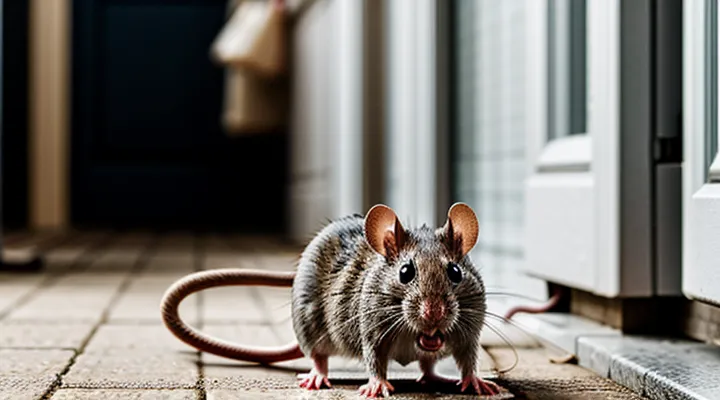
The Clinical Term: Muriphobia
Etymology and Origin
The fear of small rodents, specifically mice and rats, is designated by the term «musophobia». In clinical and psychological literature the same condition may also appear as «muriphobia», a variant derived from the adjective “murine” that describes rodent species.
- Root «mus-»: Latin mus, meaning “mouse”.
- Root «muri-»: Latin muris, the genitive form of mus, used in the formation of “murine”.
- Suffix «‑phobia»: Greek phobos, denoting “fear” or “aversion”.
The compound therefore translates directly to “fear of mice”, with the broader sense of rodents incorporated through the murine association. Early 20th‑century psychiatric texts list «musophobia» among specific phobias, reflecting the adoption of Latin‑Greek hybrids in diagnostic terminology. Subsequent editions of diagnostic manuals retain the term, confirming its stability in professional discourse.
Distinguishing from General Dislike
Musophobia, also known as rodentophobia, designates an intense, irrational fear of mice and rats. It is classified among specific phobias because the reaction is disproportionate to any actual threat and persists despite rational awareness.
Distinguishing this condition from a simple aversion involves several criteria:
- Emotional intensity: fear provokes panic, terror, or dread, whereas dislike elicits mild discomfort or irritation.
- Physiological response: phobic exposure triggers rapid heartbeat, sweating, trembling, or nausea; general dislike does not produce autonomic arousal.
- Behavioral avoidance: individuals with musophobia actively evade any environment where rodents might appear, often altering daily routines; those who merely dislike rodents may tolerate occasional contact.
- Functional impairment: the phobia interferes with work, education, or social activities, while a casual dislike rarely limits performance.
Recognition of these differences guides appropriate clinical assessment and treatment planning.
Symptoms and Manifestations
Psychological Symptoms
Psychological manifestations of rodent phobia encompass persistent, excessive dread triggered by the mere thought of mice or rats. The anxiety often becomes intrusive, occupying mental focus even when the animals are not present. Anticipatory anxiety emerges before potential exposure, leading to heightened alertness and difficulty concentrating on unrelated tasks.
Common cognitive symptoms include catastrophic thinking about possible encounters, overestimation of danger, and an uncontrollable urge to imagine worst‑case scenarios. Intrusive images of rodents may recur spontaneously, disrupting daily mental processes.
Behavioral expressions consist of deliberate avoidance of locations where rodents might appear, such as basements, kitchens, or agricultural settings. Individuals may also engage in safety rituals, for example, repeatedly checking doors and windows to ensure the absence of pests.
Physiological reactions often accompany the mental distress:
- Accelerated heart rate
- Profuse sweating
- Trembling or shaking
- Shortness of breath
- Nausea or stomach discomfort
These symptoms can intensify during sudden sightings, producing full‑blown panic attacks characterized by overwhelming terror, sense of loss of control, and a compelling desire to flee the situation. The combination of cognitive, behavioral, and somatic responses defines the psychological profile of rodent‑related fear.
Physical Symptoms
Musophobia, the clinical term for an intense fear of rodents such as mice and rats, often triggers a predictable set of physiological responses.
Typical somatic manifestations include:
- Accelerated heart rate and palpitations
- Shortness of breath or hyperventilation
- Trembling or muscle tension
- Sweating, particularly on the palms and forehead
- Nausea, stomach discomfort, or a feeling of queasiness
- Dizziness or light‑headedness
- Cold, clammy skin
In severe cases, the autonomic nervous system may produce a sudden drop in blood pressure, leading to fainting. These reactions arise from the body’s fight‑or‑flight circuitry, which activates automatically upon exposure to the feared stimulus. The presence of multiple symptoms often confirms a diagnostic assessment of the disorder.
Behavioral Responses
The fear of mice and rats, classified as a specific phobia, produces immediate and predictable behavioral patterns when individuals encounter, anticipate, or recall rodents.
Typical reactions include:
- Rapid departure from any environment where rodents are present or may appear.
- Physical withdrawal, such as crouching or hiding, to reduce visual exposure.
- Repetitive checking of doors, windows, and storage areas for signs of infestation.
- Seeking assistance from others to remove or control rodent presence.
- Engaging in ritualized cleaning or sealing activities aimed at preventing future encounters.
These behaviors often extend beyond the moment of contact, influencing routine activities. For example, people may avoid basements, attics, or agricultural settings, and may refuse to dine in establishments where rodent sightings have been reported. The resulting avoidance can limit occupational choices, restrict travel, and diminish social participation.
Therapeutic interventions target the observable actions. Systematic desensitization gradually introduces controlled exposure to rodent cues, reducing avoidance. Cognitive‑behavioral techniques challenge catastrophic interpretations of rodent encounters, while relaxation training mitigates physiological arousal during exposure. Clinical guidelines describe the condition as «Specific Phobia, rodent type», emphasizing the necessity of modifying maladaptive behavioral responses to restore functional autonomy.
Causes and Risk Factors
Traumatic Experiences
The fear of mice and rats, clinically referred to as «musophobia», often originates from specific traumatic incidents. Direct encounters with aggressive rodents, sudden exposure to large swarms, or witnessing a rodent‑related accident can establish a lasting aversion. Childhood experiences, such as being startled by a mouse in a confined space, frequently produce heightened sensitivity that persists into adulthood.
Typical traumatic triggers include:
- Unexpected bites or scratches from a rat or mouse.
- Observation of a rodent causing property damage or contaminating food.
- Visual or auditory exposure to rodents in confined or dark environments.
- Association of rodents with disease outbreaks or medical procedures.
Repeated recollection of these events reinforces neural pathways linked to fear responses. Over time, the brain’s amygdala amplifies the perception of threat, even when rodents are absent. Cognitive patterns formed during initial trauma contribute to avoidance behaviors, elevated heart rate, and acute stress reactions upon mere suggestion of rodent presence.
Therapeutic interventions target the original traumatic memory. Techniques such as systematic desensitization, exposure therapy, and cognitive restructuring aim to diminish the conditioned response. Successful treatment often requires gradual, controlled exposure to rodent stimuli while monitoring physiological reactions, thereby weakening the association between rodents and fear.
Learned Behavior
The fear of mice and rats, medically termed «musophobia», belongs to the category of specific phobias. It manifests as intense anxiety when encountering, anticipating, or even thinking about rodents.
Acquisition of this fear frequently follows learned patterns. Classical conditioning links a neutral stimulus, such as a rodent’s image, with an aversive experience, producing a persistent fear response. Observational learning allows individuals to adopt the reaction of others who display distress toward rodents. Cultural narratives and media depictions reinforce negative associations, strengthening the phobia across generations.
Key mechanisms of learned behavior in rodent phobia include:
- Direct pairing of a rodent encounter with pain or shock.
- Observation of another person’s fearful reaction to rodents.
- Repeated exposure to negative portrayals of mice and rats in literature, film, or folklore.
Therapeutic approaches target these learned components. Systematic desensitization gradually replaces the conditioned fear with neutral or positive responses. Cognitive restructuring challenges the maladaptive beliefs formed through observation and cultural transmission. Successful intervention reduces the intensity of «musophobia» and restores functional interaction with environments where rodents may be present.
Cultural and Societal Influences
The fear of mice and rats, clinically identified as «musophobia», persists across societies due to deep‑rooted cultural narratives. Historical accounts reveal that ancient civilizations linked rodents with disease and impurity, establishing early negative associations.
- Ancient Egypt: rodents associated with grain loss and plague.
- Classical Greece: myth of the plague‑bearing mouse in the story of Aeschylus.
- Medieval Europe: folklore depicting rats as omens of disaster.
Modern media reinforces these perceptions. Horror cinema frequently portrays rodents as malevolent creatures, while animated cartoons often exaggerate their skittish behavior for comedic effect. Literary works from the 19th century onward depict rats as symbols of urban decay, influencing public sentiment.
Urban environments amplify the phobia through visible pest control measures and sanitation campaigns that label rodents as health hazards. Rural communities, where rodents serve as a food source or are considered harmless, display lower prevalence of the fear.
Cultural attitudes vary globally. In parts of South Asia, rats are revered in religious festivals, reducing negative stigma. Conversely, North American and Western European societies maintain strong aversion, reflected in language that labels rodents as “vermin” and “pests.” These divergent views illustrate how collective beliefs, media representation, and public health policies shape the societal response to «musophobia».
Genetic Predisposition
Musophobia, the specific fear of rodents such as mice and rats, exhibits a measurable genetic component. Twin studies reveal higher concordance rates for the disorder among monozygotic pairs than dizygotic pairs, indicating heritability estimates between 30 % and 50 %. Genome‑wide association analyses have identified several loci linked to anxiety‑related traits that also correlate with heightened rodent aversion. Notable genes include COMT, influencing catecholamine metabolism, and BDNF, affecting neural plasticity and fear conditioning.
Epigenetic mechanisms contribute to the expression of susceptibility. Prenatal stress can modify DNA methylation patterns in regulatory regions of anxiety‑related genes, amplifying the risk of developing rodent‑focused phobic responses later in life. Post‑natal environmental factors, such as early exposure to rodents, interact with genetic predisposition, either mitigating or exacerbating symptom severity.
Key findings summarize the genetic architecture of rodent phobia:
- Heritability: 30‑50 % based on twin concordance.
- Associated loci: variants in COMT, BDNF, and other anxiety‑related genes.
- Epigenetic influence: stress‑induced methylation alterations modulate gene expression.
- Gene‑environment interaction: early rodent exposure can modify phenotypic outcomes.
Understanding the hereditary basis of musophobia informs targeted interventions, including pharmacogenetic approaches and personalized exposure therapies.
Diagnosis and Assessment
Professional Evaluation
The clinical designation for an intense, irrational fear of rodents, including both mice and rats, is «musophobia». Professional assessment begins with a structured interview that verifies the presence of persistent anxiety, avoidance behavior, and physiological responses when confronted with the target animal or related cues. Standardized instruments such as the Fear Survey Schedule and the Specific Phobia Diagnostic Questionnaire provide quantifiable scores that support diagnostic clarity.
Diagnostic criteria rely on the following elements:
- Persistent fear that is excessive relative to the actual danger;
- Immediate anxiety response upon exposure or anticipation;
- Active avoidance or endured distress;
- Duration of symptoms extending beyond six months;
- Significant impairment in occupational, social, or personal functioning.
Therapeutic planning incorporates the assessment outcomes to determine suitability for exposure-based interventions, cognitive restructuring, or pharmacotherapy. Evidence-based protocols prioritize graded exposure, beginning with imaginal desensitization and progressing to in‑vivo confrontation, while monitoring symptom reduction through repeated administration of the same diagnostic scales.
Self-Assessment Considerations
Self‑assessment of a fear of rodents requires systematic observation of physiological and behavioral responses. Identify the specific animal that triggers anxiety; some individuals react primarily to mice, others to rats, and a minority to both. Record the intensity of distress on a numeric scale (0 = no anxiety, 10 = extreme panic) during exposure to visual, auditory, or tactile cues. Note avoidance patterns, such as refusing to enter areas where rodents may appear, and measure the impact on daily activities, work performance, and social interactions.
Evaluate the frequency and duration of panic episodes. Document physical signs—rapid heartbeat, sweating, trembling, shortness of breath—alongside mental symptoms, including intrusive thoughts and overwhelming dread. Compare these observations with established diagnostic criteria for specific phobias to determine whether the fear meets clinical thresholds.
Consider comorbid conditions. Anxiety disorders, obsessive‑compulsive tendencies, or post‑traumatic stress may amplify the response to rodents. Review personal history for previous traumatic encounters with mice or rats, as such events often shape the current fear profile.
Select appropriate assessment instruments. The following tools are widely recognized:
- «Musophobia» questionnaire (self‑report, 12 items, Likert scoring)
- Fear Survey Schedule (FSS‑III), targeting animal‑specific phobias
- Clinical Anxiety Scale (CAS), providing a global severity index
Interpret results in the context of functional impairment. High scores combined with significant avoidance indicate the need for professional intervention, whereas moderate scores with limited impact may be managed through self‑help strategies. Regular re‑evaluation, ideally every three to six months, tracks changes in symptom intensity and guides treatment decisions.
Treatment Approaches
Cognitive Behavioral Therapy (CBT)
Cognitive Behavioral Therapy (CBT) is a structured psychotherapeutic approach that targets irrational fear responses through systematic modification of thoughts, emotions, and behaviors. When applied to the fear of rodents, CBT focuses on identifying maladaptive beliefs about mice and rats, challenging those cognitions, and replacing them with realistic appraisals.
The therapeutic process typically includes the following components:
- Assessment of the specific triggers and intensity of the rodent-related anxiety.
- Psychoeducation about the nature of fear and the mechanisms underlying phobic reactions.
- Cognitive restructuring to dispute catastrophic predictions and overgeneralizations.
- Gradual exposure exercises, beginning with imagined scenarios and progressing to real-life contact with rodents under controlled conditions.
- Relapse prevention strategies that reinforce coping skills and monitor situational cues.
Empirical studies demonstrate that exposure combined with cognitive restructuring yields significant reductions in avoidance behavior and physiological arousal. Successful outcomes correlate with consistent practice of exposure hierarchies and adherence to homework assignments.
Long-term maintenance relies on self-monitoring of anxiety patterns and periodic reinforcement of adaptive thought patterns. Integration of CBT into broader treatment plans ensures that the phobic response to mice and rats diminishes while functional functioning improves.
Exposure Therapy
Rodent phobia, medically termed musophobia, triggers intense anxiety when individuals encounter mice, rats, or related stimuli. Exposure therapy stands as a primary behavioral intervention designed to diminish this fear through systematic desensitization.
The therapeutic protocol comprises several stages:
- Assessment – clinical interview and standardized questionnaires identify severity, triggers, and avoidance patterns.
- Psychoeducation – explanation of fear mechanisms and rationale for gradual exposure clarifies treatment goals.
- Hierarchy construction – patient‑specific list ranks feared situations from least to most threatening, such as viewing pictures, hearing recorded sounds, observing a live rodent in a cage, and direct contact.
- Controlled exposure – repeated, controlled confrontation with items on the hierarchy occurs in a safe environment, employing relaxation techniques to manage physiological arousal.
- Progress monitoring – session notes and self‑rating scales track reduction in anxiety intensity and avoidance behavior.
- Relapse prevention – strategies include periodic self‑exposure, coping rehearsals, and contingency planning for unexpected encounters.
Research indicates that repeated, incremental exposure yields robust reductions in fear response, with effect sizes surpassing those of pharmacological adjuncts. Success hinges on adherence to the hierarchy, therapist‑guided pacing, and consistent practice outside sessions. Contraindications involve uncontrolled comorbid psychiatric conditions, which require stabilization before initiating exposure work.
In summary, exposure therapy offers a structured, evidence‑based pathway to mitigate rodent‑related anxiety, emphasizing gradual confrontation, skill acquisition, and sustained self‑management.
Relaxation Techniques
Rodent‑related anxiety, often referred to as «musophobia», manifests as intense fear when mice or rats are present or anticipated. Physiological arousal during such episodes includes rapid heartbeat, shallow breathing, and muscle tension, which impede rational assessment of the threat.
Relaxation methods counteract these responses by activating the parasympathetic nervous system, lowering heart rate, and reducing muscular strain. Consistent practice improves tolerance to rodent cues and supports gradual desensitization.
• Deep breathing – slow, diaphragmatic inhalations followed by prolonged exhalations; repeat for several minutes before exposure.
• Progressive muscle relaxation – systematic tensing and releasing of muscle groups, beginning with feet and moving upward; fosters body awareness.
• Guided imagery – visualization of calm environments while maintaining focus on neutral sensory details; diminishes intrusive fear imagery.
• Mindfulness meditation – non‑judgmental observation of thoughts and bodily sensations; cultivates acceptance of anxiety without reaction.
• Autogenic training – self‑suggested statements of warmth and heaviness applied to body parts; reinforces a sense of control.
Implementation begins with a quiet setting, minimal distractions, and a predetermined duration (5–15 minutes). Frequency of practice should be daily, with gradual incorporation of rodent‑related stimuli after mastery of relaxation skills. Monitoring progress through recorded heart rate or perceived anxiety scales provides objective feedback and informs adjustments to the routine.
Medication Options
Musophobia, the specific anxiety disorder triggered by rodents such as mice and rats, can be managed with pharmacological interventions alongside behavioral therapy.
Medication options include:
- Selective serotonin reuptake inhibitors (SSRIs) – fluoxetine, sertraline, and paroxetine reduce anxiety by increasing serotonin availability in the central nervous system. Typical dosage ranges start low and are titrated according to clinical response.
- Serotonin‑norepinephrine reuptake inhibitors (SNRIs) – venlafaxine and duloxetine provide dual neurotransmitter modulation, beneficial for patients who do not respond adequately to SSRIs.
- Benzodiazepines – clonazepam and alprazolam offer rapid anxiolysis through GABA‑A receptor potentiation. Short‑term use is recommended to avoid dependence and tolerance.
- Beta‑blockers – propranolol attenuates peripheral sympathetic symptoms (tachycardia, tremor) during exposure to feared stimuli. Administration prior to anticipated encounters can improve performance in situational anxiety.
- Antihistamines with sedative properties – hydroxyzine produces calming effects without the risk of addiction associated with benzodiazepines. Dosage is adjusted based on patient age and comorbid conditions.
- Atypical antipsychotics – low‑dose quetiapine may be considered for severe cases resistant to first‑line agents, monitored for metabolic side effects.
Selection of an appropriate pharmacological regimen requires evaluation of symptom severity, comorbid psychiatric conditions, and patient medical history. Regular monitoring ensures therapeutic efficacy while minimizing adverse effects. Combining medication with exposure‑based techniques often yields the most durable reduction in rodent‑related fear.
Coping Strategies
Self-Help Techniques
Musophobia, the intense fear of mice and rats, can be managed through evidence‑based self‑help strategies.
Effective techniques include:
- Cognitive restructuring: identify catastrophic thoughts about rodents and replace them with realistic assessments.
- Gradual exposure: start with distant images of mice, then progress to closer visual contact, eventually handling a live animal if feasible.
- Relaxation training: practice diaphragmatic breathing or progressive muscle relaxation whenever anxiety spikes.
- Mindfulness meditation: focus on present sensations without judgment to reduce anticipatory fear.
- Systematic desensitization: combine relaxation with incremental exposure steps, maintaining a calm state throughout each stage.
- Visualisation: imagine a safe encounter with a rodent while employing relaxation cues to reinforce a sense of control.
Maintaining a consistent schedule enhances habituation. Recording exposure sessions and anxiety ratings provides measurable progress. Seeking guidance from a qualified therapist can refine techniques and ensure safety.
«Musophobia is an irrational, persistent fear of rodents that interferes with daily functioning».
Support Groups
Musophobia, the intense fear of mice and rats, often leads to avoidance behaviors that interfere with daily activities. Structured peer support provides a systematic environment for individuals to share experiences, reduce isolation, and acquire coping strategies.
Support groups address common challenges such as panic attacks triggered by rodent sightings, anticipatory anxiety, and the stigma associated with the condition. Regular attendance encourages habituation through collective exposure exercises and reinforces adaptive thinking patterns.
Key formats include:
- Online forums moderated by mental‑health professionals, offering 24/7 accessibility.
- In‑person meetings hosted by community health centers, facilitating face‑to‑face interaction.
- Therapist‑led groups combining cognitive‑behavioral techniques with peer feedback.
To locate appropriate groups, consult:
- National anxiety‑disorder directories that list certified programs.
- Local hospitals or clinics with specialized phobia services.
- Reputable mental‑health websites providing searchable databases.
Documented outcomes reveal reduced symptom severity, increased confidence in managing rodent encounters, and enhanced overall quality of life. Participation in a dedicated support network constitutes an evidence‑based component of comprehensive musophobia treatment.
Living with Muriphobia
Impact on Daily Life
Musophobia, also known as rodent phobia, denotes an intense, irrational fear of mice and rats. The condition triggers physiological responses such as rapid heartbeat, sweating, and nausea when the individual perceives or anticipates contact with these animals.
The fear influences everyday routines in several measurable ways:
- Residential choices: Preference for homes without basements, attics, or nearby fields; avoidance of apartments in older buildings where rodent activity is common.
- Food handling: Reluctance to purchase packaged goods in open‑air markets; meticulous inspection of pantry items for signs of infestation.
- Transportation: Discomfort using public transit or ride‑sharing services that may expose passengers to rodent sightings.
- Workplace performance: Reduced willingness to work in facilities such as warehouses, laboratories, or restaurants where rodents may be present; increased absenteeism during pest‑control operations.
- Social engagements: Decline of invitations to events held in venues with possible rodent presence, such as rustic restaurants or outdoor festivals.
Long‑term exposure to avoidance behaviors can lead to heightened stress levels, compromised nutritional habits, and limited occupational advancement. Professional treatment, including cognitive‑behavioral therapy and exposure techniques, mitigates these disruptions and restores functional participation in routine activities.
Overcoming Stigma
The fear of rodents, medically termed «musophobia», often carries a social stigma that discourages sufferers from seeking help. Negative assumptions label the condition as irrational or trivial, leading to isolation and reluctance to disclose symptoms.
Stigma manifests in several ways: dismissal by peers, underestimation of anxiety severity, and limited representation in mental‑health resources. These factors exacerbate distress and impede early intervention.
Effective measures to reduce stigma include:
- Public education campaigns that present factual information about the prevalence and physiological basis of the phobia.
- Inclusion of accurate portrayals in media, demonstrating that fear of mice and rats is a legitimate anxiety disorder.
- Training for mental‑health professionals to recognize and validate the experience of affected individuals.
- Peer‑support networks that provide a safe environment for sharing coping strategies and treatment outcomes.
Implementation of these actions fosters an environment where individuals feel empowered to pursue evidence‑based therapies, such as cognitive‑behavioral exposure, without fear of judgment.