
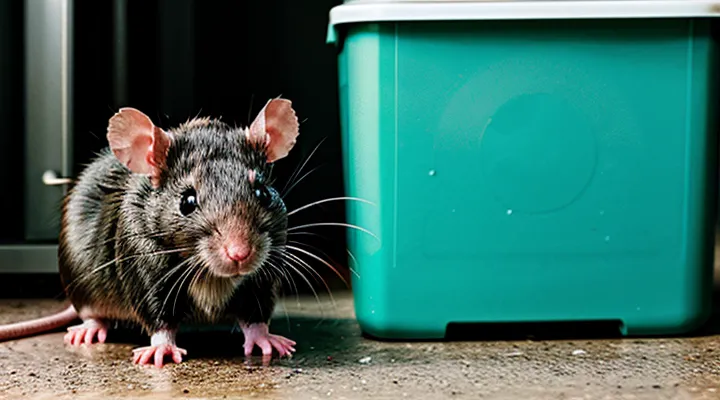
Understanding Rodent Control Terminology
Common Terms for Rat Management
Deratization Explained
Deratization, also known as rat eradication or rodent sanitation, refers to the systematic elimination of rats from a defined area and the subsequent treatment of the environment to prevent re‑infestation. The process combines lethal control measures with chemical or physical disinfection to remove pathogens, feces, and urine residues that pose health risks.
Effective deratization involves several steps:
- Inspection and mapping – Identify infestation hotspots, entry points, and food sources.
- Baiting and trapping – Deploy anticoagulant baits, snap traps, or electronic devices according to pest‑management standards.
- Killing confirmation – Verify removal of target rodents to ensure complete coverage.
- Sanitization – Apply approved disinfectants (e.g., quaternary ammonium compounds, chlorine‑based solutions) to surfaces contaminated by droppings or urine.
- Structural repair – Seal gaps, reinforce doors, and install barriers to block future ingress.
- Monitoring – Install detection devices and conduct periodic reviews to confirm ongoing absence of rats.
Regulatory frameworks typically require documentation of the chemicals used, safety data sheets, and proof of compliance with occupational‑health guidelines. Personnel must wear protective equipment, follow ventilation protocols, and observe waiting periods before re‑occupying treated spaces.
The primary objectives of deratization are to eliminate disease vectors, protect food supplies, and maintain sanitary conditions in residential, commercial, and industrial settings. Proper execution reduces the incidence of leptospirosis, hantavirus, and other rodent‑borne illnesses while minimizing environmental impact through targeted application of certified agents.
Rodent Extermination: A Broader View
Rodent control terminology often uses the phrase “rat decontamination” to describe the process of eliminating pathogens associated with rodent activity. The label emphasizes the sanitary aspect of removing both the animals and the biological hazards they leave behind.
A comprehensive approach to eliminating rats extends beyond the immediate kill step. It incorporates systematic inspection, targeted eradication techniques, environmental modification, and verification of results. Each element contributes to long‑term reduction of infestations and minimizes health risks.
- Inspection: Identify entry points, nesting sites, and signs of activity.
- Eradication: Deploy approved baits, snap traps, or electronic devices according to species behavior.
- Environmental management: Seal structural gaps, remove food sources, and control waste accumulation.
- Verification: Conduct follow‑up surveys and microbial testing to confirm the absence of contaminants.
Regulatory frameworks such as the Environmental Protection Agency (EPA) and the Occupational Safety and Health Administration (OSHA) prescribe specific pesticide classifications, personal protective equipment, and documentation procedures. Integration of these standards within an Integrated Pest Management (IPM) program ensures that control measures are effective, safe, and legally compliant.
Adopting a holistic strategy that couples direct extermination with preventive sanitation yields sustainable rodent management and protects public health without reliance on isolated interventions.
Pest Control: General Scope
Rodent control programs incorporate a specific stage known as rat sanitization, which refers to the process of eliminating pathogens and organic residues left by rodents. This step follows trapping or extermination and aims to prevent disease transmission, protect food safety, and maintain structural integrity.
Sanitization procedures typically include:
- Removal of droppings, urine, and nesting material using disposable PPE and HEPA‑filtered vacuums.
- Application of EPA‑registered disinfectants on surfaces where rodents have been active.
- Verification of efficacy through swab testing or visual inspection for residual contamination.
Regulatory frameworks such as the FDA Food Code and OSHA standards mandate documented sanitization after any rodent incident in food‑handling or healthcare facilities. Compliance records must detail the disinfectant brand, concentration, contact time, and personnel responsible for execution.
Integrated pest management (IPM) models treat rat sanitization as a critical control point. By coupling it with ongoing monitoring, exclusion techniques, and population suppression, organizations reduce recurrence risk and meet legal obligations without excessive chemical use.
Methods and Approaches to Rat Disinfection
Chemical Control Techniques
Rodenticides: Types and Application
Rodent control programs often refer to the process of eliminating rats as a sanitation measure. Chemical agents known as rodenticides constitute the primary means of achieving this outcome. Their effectiveness depends on selecting the appropriate class of compound and applying it according to established protocols.
Common rodenticide categories include:
- Anticoagulants – first‑generation (warfarin, chlorophacinone) and second‑generation (bromadiolone, difenacoum) agents that disrupt blood clotting.
- Neurotoxins – bromethalin, which interferes with mitochondrial function, and chlorinated hydrocarbon compounds such as dieldrin (restricted in many regions).
- Metal phosphides – zinc phosphide and aluminum phosphide, releasing phosphine gas upon ingestion.
- Cholecalciferol – vitamin D3 analogues causing hypercalcemia and organ failure.
- Strychnine derivatives – less common due to high toxicity to non‑target species.
Application guidelines emphasize precision and safety:
- Identify infestation hotspots through visual inspection and tracking plates.
- Choose a formulation (block, bait, pellet) suited to the environment; tamper‑resistant bait stations reduce accidental exposure.
- Calculate dosage based on target species weight and product label instructions; avoid exceeding recommended concentrations.
- Deploy bait at least 1–2 m from non‑target food sources and water points.
- Monitor bait consumption daily, replace depleted units, and record outcomes to assess efficacy.
- Rotate active ingredients periodically to mitigate resistance development.
Compliance with regulatory standards, proper personal protective equipment, and documentation of usage are essential components of a responsible rodent elimination strategy.
Fumigation Processes
Fumigation is the technical term applied to the eradication of rats through the use of gaseous pesticides in enclosed spaces. The process involves sealing the target area, introducing a lethal concentration of a fumigant, maintaining exposure for a prescribed duration, and then ventilating the space before re‑entry.
During fumigation, the gas penetrates cracks, voids, and nesting sites, reaching rodents that are inaccessible to traps or surface sprays. The method relies on precise dosage calculations based on volume, temperature, and humidity to ensure mortality while avoiding excess residue.
Common fumigants employed for rodent control include:
- Phosphine (generated from aluminum phosphide or magnesium phosphide)
- Hydrogen cyanide (used in specialized formulations)
- Sulfuryl fluoride (approved for structural fumigation)
- Methyl bromide (restricted in many regions due to environmental regulations)
Execution of rat fumigation requires certified operators, adherence to occupational safety standards, and compliance with environmental regulations. Protective equipment, gas monitoring devices, and controlled ventilation are mandatory components of a safe operation.
Effectiveness stems from the ability of gases to infiltrate concealed habitats, delivering rapid lethal action to both adult rats and their offspring. Limitations involve the need for complete enclosure, potential resistance in some populations, and the requirement for follow‑up sanitation to prevent re‑infestation. Integrated pest management strategies often combine fumigation with exclusion techniques and habitat modification for long‑term control.
Non-Chemical Control Strategies
Trapping and Physical Removal
Trapping and physical removal represent the core technique for rodent decontamination, often referred to as rat sanitation or rodent eradication. The method relies on capturing individual rats and eliminating them from the environment without chemical agents.
Common trap types include:
- Snap traps that deliver instantaneous lethal force.
- Live‑capture traps designed for humane relocation.
- Electronic traps that administer a high‑voltage shock.
- Adhesive boards that immobilize rodents for subsequent disposal.
Effective physical removal follows a structured sequence:
- Identify high‑activity zones through visual inspection and tracking evidence.
- Deploy appropriate traps at strategic points, ensuring bait placement aligns with rat behavior.
- Inspect traps at regular intervals, typically every 12–24 hours, to minimize suffering and prevent secondary contamination.
- Remove captured rats promptly, employing sealed containers for lethal specimens or transport cages for live captures.
- Disinfect trap sites with an EPA‑approved sanitizer to eradicate residual pathogens.
Integration of trapping with sanitation protocols yields measurable reductions in rodent populations and associated health risks. Compliance with local pest‑control regulations reinforces the legitimacy and safety of the approach.
Biological Control Methods
Biological control refers to the use of living organisms to suppress pest populations, including rodents. In the context of managing rats, this approach replaces or supplements chemical treatments with natural antagonists that reduce the need for direct disinfection procedures.
Effective biological agents include:
- Predatory mammals such as ferrets, owls, and certain snake species that actively hunt rats.
- Parasitic nematodes and fungi (e.g., Heterorhabditis spp., Metarhizium spp.) that infect and kill rodents.
- Bacterial pathogens like Yersinia pestis strains engineered for reduced virulence, applied under strict containment.
- Sterile male release programs that diminish reproductive success through the introduction of infertile individuals.
Implementation requires habitat modification to encourage predator presence, monitoring of pathogen spread, and coordination with regulatory bodies to ensure safety. When executed correctly, biological control lowers rat density, diminishes disease transmission, and reduces reliance on chemical disinfectants.
Environmental Modifications and Sanitation
The practice of eliminating disease‑causing agents from rat habitats is known as rodent decontamination, often labeled rat sanitation in professional literature. This process combines physical alterations to the environment with rigorous cleaning protocols to reduce rodent‑borne health risks.
Environmental modifications focus on denying rats access to shelter and resources. Effective measures include sealing entry points, installing rodent‑proof barriers, removing clutter that offers hiding places, and maintaining proper ventilation to deter infestations.
Key sanitation actions complement structural changes:
- Regular removal of food debris and spilled liquids.
- Prompt disposal of garbage in sealed containers.
- Routine cleaning of surfaces with disinfectants proven effective against common rodent pathogens.
- Application of rodent‑specific baits or traps in accordance with safety regulations.
Together, these strategies create an inhospitable setting for rats, lower pathogen loads, and support long‑term public‑health objectives.
Integrated Pest Management (IPM)
Combining Multiple Approaches
Rat disinfection, often referred to as rat decontamination, requires a coordinated set of measures to eliminate pathogens from the animal’s surface and internal cavities. Effective implementation relies on integrating chemical, physical, and procedural techniques, each addressing distinct contamination routes.
Chemically based methods include immersion in approved disinfectant solutions such as chlorhexidine, quaternary ammonium compounds, or diluted bleach. Proper concentration and exposure time are critical to achieve microbial kill without harming the animal’s tissues. Physical approaches add ultraviolet (UV‑C) irradiation or controlled thermal treatment, which disrupt the DNA of residual microorganisms and reduce biofilm formation. Procedural controls involve thorough grooming, sterile handling equipment, and isolation of treated rats to prevent cross‑contamination.
Combining these approaches follows a logical sequence:
- Pre‑cleaning: remove organic debris with sterile saline rinse.
- Chemical immersion: submerge in disinfectant for the manufacturer‑specified duration.
- UV‑C exposure: apply calibrated dose to external surfaces.
- Heat shock: subject to brief, regulated temperature increase (e.g., 55 °C for 10 minutes) when compatible with species tolerance.
- Post‑treatment isolation: house in sterilized cages with filtered airflow.
The synergy of steps maximizes pathogen reduction while minimizing resistance development. Monitoring efficacy through culture or PCR testing confirms successful decontamination and informs adjustments to the protocol.
Monitoring and Prevention Strategies
The process of eliminating pathogens from rodent-infested areas is commonly referred to as rat decontamination or rodent sanitization. Effective control relies on two complementary components: systematic monitoring and proactive prevention.
Monitoring involves continuous observation and data collection to detect rodent activity and assess the efficacy of interventions. Key practices include:
- Visual inspections of entry points, droppings, and gnaw marks.
- Placement of motion‑activated cameras to record movement patterns.
- Use of tracking powders or fluorescent markers to confirm presence.
- Regular collection of environmental swabs for laboratory analysis.
- Recording of trap captures and bait consumption in a central log.
Prevention focuses on reducing attractants and limiting access, thereby minimizing the need for repeated decontamination. Core measures consist of:
- Sealing gaps larger than ¼ inch in walls, floors, and utility openings.
- Maintaining clean storage areas, removing food residues, and securing waste containers.
- Implementing landscaping modifications such as trimming vegetation and removing debris that provide shelter.
- Applying rodent‑resistant materials in construction and renovation projects.
- Scheduling periodic audits to verify compliance with sanitation standards.
Integrating detailed monitoring data with targeted preventive actions creates a feedback loop that sustains low rodent populations and reduces the frequency of decontamination procedures.
Importance and Impact of Rat Disinfection
Public Health Implications
Disease Transmission by Rodents
Rodents serve as reservoirs and vectors for numerous pathogens, facilitating transmission to humans and domestic animals through direct contact, contaminated food, water, or aerosolized particles. The high reproductive rate and adaptability of rats increase the likelihood of persistent environmental contamination, especially in urban settings where waste management is inadequate.
Common rodent‑borne diseases include:
- Leptospirosis, transmitted via urine‑contaminated water.
- Hantavirus pulmonary syndrome, spread through inhalation of dried rodent excreta.
- Salmonellosis, resulting from ingestion of food tainted by rodent droppings.
- Rat‑bite fever (streptobacillosis), caused by bites or scratches.
- Plague, maintained in wild rodent populations and transmitted by fleas.
The procedure aimed at eliminating pathogenic agents from rats is referred to as rodent decontamination. This process involves chemical or thermal treatment designed to eradicate bacteria, viruses, and parasites on the animal’s exterior and within its gastrointestinal tract, thereby reducing the risk of disease spread. Effective rodent decontamination requires validated disinfectants, appropriate exposure times, and adherence to biosafety protocols to ensure complete pathogen inactivation.
Preventing Contamination
Rat decontamination, often referred to as rodent sanitation, is the process of eliminating pathogens from laboratory or breeding rats before they enter a controlled environment.
Effective contamination prevention relies on three core actions: eliminating existing microorganisms, blocking new sources of infection, and maintaining strict environmental controls.
- Sterilize cages, bedding, and feeding equipment using autoclave or chemical disinfectants validated for rodent use.
- Quarantine newly received rats for a minimum of 21 days, monitoring for clinical signs and performing diagnostic testing.
- Require personnel to wear dedicated gloves, gowns, and shoe covers; change or disinfect them before handling any rat.
- Implement a routine cleaning schedule that includes daily removal of waste, weekly deep cleaning of all surfaces, and periodic testing of water and feed for microbial contamination.
- Restrict access to the animal facility, logging all entries and ensuring that only authorized staff handle the animals.
Adhering to these measures minimizes the risk of pathogen introduction, protects research integrity, and safeguards animal welfare.
Economic Consequences
Damage to Property and Agriculture
Rodent sanitation, often referred to as rat control or pest eradication, directly influences property integrity and agricultural productivity.
In residential and commercial structures, rats compromise building materials by gnawing on wood, wiring, and insulation. This behavior creates fire hazards, short circuits, and structural weakening, leading to costly repairs. Contamination of food stores and surfaces introduces pathogens, necessitating extensive cleaning and replacement of compromised goods.
In agricultural settings, rat activity results in:
- Direct consumption of crops, reducing yield.
- Damage to storage facilities, including perforation of grain bags and silos, which heightens spoilage.
- Transmission of diseases such as leptospirosis and hantavirus, prompting quarantine measures and loss of marketability.
- Disruption of irrigation and machinery through chewing of hoses and cables, causing downtime and equipment failure.
Effective rodent sanitation combines chemical, mechanical, and environmental strategies to mitigate these losses. Prompt identification of infestation signs, regular monitoring, and targeted treatment reduce the financial impact on both property owners and farming operations.
Business and Reputation Impact
Effective rodent mitigation directly influences a company’s bottom line and public image. When infestations are discovered, immediate action prevents loss of inventory, damage to facilities, and interruption of operations. Prompt remediation also averts potential health‑code violations that could result in fines or temporary shutdowns.
Customer confidence hinges on visible cleanliness. Clients who encounter signs of rats—droppings, gnaw marks, or foul odors—are likely to question product safety and overall service quality. Negative reviews spread quickly on digital platforms, reducing new‑customer acquisition and eroding existing loyalty.
Businesses that adopt systematic pest‑control protocols gain measurable advantages:
- Lowered risk of costly equipment repairs caused by gnawing.
- Compliance with local health regulations, reducing legal exposure.
- Preservation of brand integrity through consistent, hygienic environments.
- Enhanced employee morale, as a clean workplace diminishes health concerns.
Investing in professional rodent sanitation services also yields long‑term savings. Regular monitoring and preventive treatments diminish the frequency of emergency interventions, which are typically more expensive and disruptive.
In summary, diligent rodent control safeguards financial performance, ensures regulatory adherence, and maintains a trustworthy reputation in the marketplace.
Safety Considerations
Protecting Humans and Pets
Rodent‑related contamination poses health risks to both people and companion animals. The sanitation procedure applied after a rat presence is commonly referred to as rodent decontamination. This process removes pathogens, eliminates urine and fecal residues, and reduces the likelihood of disease transmission.
Key elements of effective rodent decontamination protect humans and pets:
- Thorough cleaning of all surfaces with EPA‑approved disinfectants known to inactivate leptospira, hantavirus, and salmonella.
- Safe disposal of contaminated materials in sealed, leak‑proof containers to prevent accidental ingestion.
- Ventilation of affected areas for a minimum of 30 minutes before re‑entry, reducing airborne particles.
- Inspection and sealing of entry points to prevent future incursions, limiting exposure risk.
- Use of pet‑friendly cleaning agents when animals share the space, avoiding toxic residues.
Implementing these measures restores a hygienic environment and safeguards health for occupants and their animal companions.
Environmental Impact of Control Measures
Rat disinfection, often termed rodent sanitization or pest‑control decontamination, employs chemical, biological, and physical methods to eliminate pathogens carried by rodents. The selection and application of these methods generate measurable effects on ecosystems, water quality, and non‑target species.
Chemical agents such as rodenticides, disinfectants, and fumigants can persist in soil, leach into groundwater, and disrupt microbial communities. Residual toxicity may impair soil nutrient cycles and reduce biodiversity among insects, earthworms, and small mammals that share the treated habitat.
Physical interventions—including trapping, habitat modification, and heat treatment—produce minimal chemical residues but may alter habitat structure. Removing burrows or sealing entry points can reduce shelter availability for native fauna, potentially shifting local species composition.
Biological strategies, such as introducing pathogen‑specific bacteriophages or predator species, aim to limit collateral damage. However, introduced organisms may compete with indigenous predators or transfer genetic material to native microbes, influencing ecological balance.
Key considerations for mitigating environmental impact include:
- Selecting agents with rapid degradation and low bioaccumulation potential.
- Applying treatments in targeted zones to avoid runoff into adjacent water bodies.
- Monitoring soil and water samples before and after intervention to detect residual contamination.
- Integrating non‑chemical measures—such as exclusion and sanitation—to reduce reliance on toxic substances.
- Conducting periodic assessments of non‑target species health and population trends.
Effective rodent sanitization balances disease control with preservation of ecosystem functions, requiring coordinated planning, precise application, and ongoing environmental monitoring.