
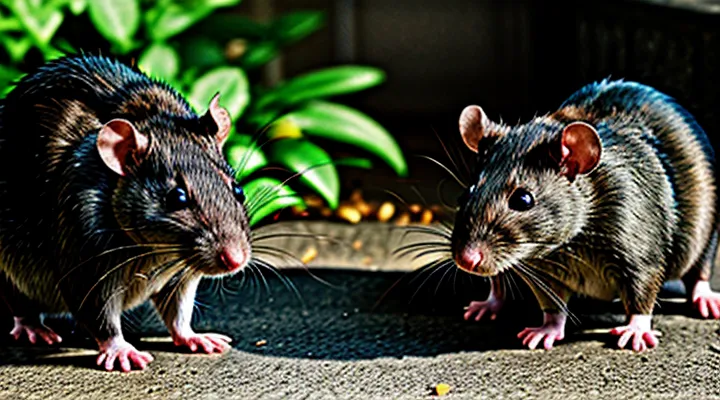
Direct Transmission: When Contact Leads to Illness
Hantavirus
Rats are natural reservoirs for hantavirus, a group of rodent‑borne pathogens that can cause severe disease in humans. The virus persists in the kidneys of infected rats and is shed in urine, feces, and saliva. Human exposure typically occurs through inhalation of aerosolized particles contaminated with these secretions, or, less commonly, through direct contact or bites.
Key characteristics of hantavirus infection include:
- Transmission route: Inhalation of contaminated dust; occasional direct contact.
- Geographic presence: Widely distributed across North America, Europe, and Asia, mirroring the habitats of reservoir rat species.
- Clinical manifestations: Hantavirus pulmonary syndrome (HPS) presents with fever, myalgia, and rapid progression to respiratory failure; hemorrhagic fever with renal syndrome (HFRS) leads to fever, hemorrhage, and acute kidney injury.
- Incubation period: Typically 1–4 weeks from exposure to symptom onset.
- Mortality rate: HPS mortality ranges from 30% to 40%; HFRS mortality varies by strain, generally 1%–15%.
Prevention focuses on minimizing rodent exposure: sealing food storage, controlling rodent populations in and around dwellings, and using protective equipment when cleaning areas contaminated with rodent droppings. Early recognition of symptoms and prompt supportive care improve outcomes, although no specific antiviral therapy is universally approved.
Leptospirosis
Leptospirosis is a bacterial zoonosis caused by pathogenic Leptospira species. Rats serve as the principal reservoir, maintaining chronic renal colonisation and shedding organisms in urine. Contaminated water, soil, or food becomes a source of infection for humans and other animals.
Transmission occurs through:
- Direct contact with fresh rat urine
- Exposure to water or mud contaminated by urine
- Ingestion of contaminated food or drink
- Skin abrasions or mucous membranes contacting contaminated material
Human disease manifests after an incubation period of 2 – 30 days. Clinical features include:
- Sudden fever and chills
- Headache, muscle pain, and conjunctival suffusion
- Jaundice, renal impairment, and hemorrhagic complications in severe cases
Laboratory confirmation relies on serology (microscopic agglutination test) or polymerase chain reaction detection of Leptospira DNA. Early administration of doxycycline or penicillin reduces morbidity and mortality. Preventive measures focus on rodent control, protective clothing for at‑risk workers, and avoidance of untreated water in endemic areas.
Rat-Bite Fever
Rat‑Bite Fever (RBF) is a bacterial infection transmitted primarily through the bite or scratch of an infected rodent, most often the Norway rat. The disease is caused by Streptobacillus moniliformis in North America and by Spirillum minus in Asia. Human infection occurs when the organism enters the bloodstream via broken skin or mucous membranes.
Typical clinical presentation emerges 2–10 days after exposure. Early signs include sudden fever, chills, headache, and muscle aches. Within 24–48 hours, a maculopapular rash appears on the trunk and extremities, often accompanied by painful swelling of the joints (polyarthralgia). In severe cases, septicemia, endocarditis, or meningitis may develop.
Diagnosis relies on a combination of patient history, physical findings, and laboratory testing. Blood cultures can isolate S. moniliformis in up to 70 % of cases; serologic assays detect specific antibodies. Polymerase chain reaction (PCR) offers rapid identification when cultures are negative.
Effective treatment consists of antibiotics. Intravenous penicillin G for 7–10 days is the standard regimen; doxycycline serves as an alternative for penicillin‑allergic patients. Prompt therapy reduces mortality to less than 5 %.
Prevention focuses on minimizing direct contact with rats and maintaining proper wound care. Recommended measures include:
- Wearing thick gloves when handling rodents.
- Cleaning bites or scratches immediately with soap and water.
- Seeking medical evaluation promptly after any rodent‑related injury.
- Controlling rodent populations in residential and occupational settings.
Awareness of RBF contributes to a broader understanding of the health risks posed by rats and supports effective public‑health interventions.
Salmonellosis
Rats frequently harbor Salmonella bacteria, making them a notable source of salmonellosis. The pathogen includes several serotypes, such as Salmonella enterica subspecies enterica, which are commonly isolated from rodent feces and intestinal tracts.
Transmission occurs through:
- Direct contact with rat droppings or urine
- Contamination of stored grain, food processing equipment, and water supplies
- Indirect spread via insects or other animals that encounter infected rodent waste
Human infection typically follows ingestion of contaminated food or water. After an incubation period of 6–72 hours, symptoms appear as diarrhea, abdominal cramps, fever, and vomiting. Severe cases may progress to bacteremia or septic shock, especially in immunocompromised individuals, children, and the elderly.
Control strategies focus on:
- Rigorous sanitation of food storage areas and preparation surfaces
- Implementation of rodent exclusion measures, including sealing entry points and employing traps or bait stations
- Regular monitoring of water sources for bacterial contamination
- Educating personnel handling food about proper hand‑washing and protective equipment
Effective management of rat populations and strict hygiene practices substantially reduce the risk of salmonellosis transmission to humans.
Lymphocytic Choriomeningitis (LCMV)
Lymphocytic choriomeningitis virus (LCMV) is an arenavirus primarily maintained in wild house mice (Mus musculus) but can be transmitted to rats that share the same environment. Infected rodents shed the virus in urine, feces, saliva, and respiratory secretions, creating a persistent source of contamination in homes, laboratories, and food‑handling facilities.
Human exposure occurs through direct contact with contaminated rodent excreta, inhalation of aerosolized particles, or accidental inoculation via bites or scratches. The virus crosses the blood‑brain barrier, producing a biphasic illness. Initial symptoms include fever, headache, malaise, and myalgia; a second phase may involve meningitis, encephalitis, or meningoencephalitis, characterized by neck stiffness, photophobia, and altered mental status. Immunocompromised individuals and pregnant women face heightened risk; congenital infection can result in severe neurological impairment or fetal loss.
Diagnosis relies on detection of LCMV‑specific IgM and IgG antibodies in serum, polymerase chain reaction (PCR) amplification of viral RNA from blood or cerebrospinal fluid, and, when necessary, viral culture under biosafety level‑3 conditions. Treatment is supportive; no antiviral therapy has proven efficacy, although ribavirin has shown limited benefit in experimental settings.
Control measures focus on rodent management and hygiene:
- Exclude rodents from residential and occupational spaces using sealing, traps, and professional pest control.
- Maintain strict sanitation; clean surfaces with disinfectants effective against non‑enveloped viruses (e.g., bleach solutions 1:10).
- Wear protective gloves and masks when handling rodent colonies or cleaning contaminated areas.
- Conduct regular health surveillance of laboratory animal colonies, testing for LCMV seropositivity.
Public health agencies recommend reporting suspected LCMV cases to local health departments to facilitate epidemiological tracking and outbreak prevention.
Indirect Transmission: Pests and Contamination
Plague (via Fleas)
Rats serve as reservoirs for Yersinia pestis, the bacterium that causes plague. The pathogen persists in the rodent’s bloodstream, allowing fleas that feed on infected rats to acquire the bacteria. When these fleas bite humans or other animals, they inject the organism, initiating infection.
Key aspects of rat‑associated plague transmission:
- Bacterial agent – Yersinia pestis, a gram‑negative bacillus that multiplies rapidly in the flea’s foregut, forming a blockage that forces the insect to regurgitate bacteria during feeding.
- Vector dynamics – Xenopsylla cheopis and other rat‑associated flea species are the primary carriers; their life cycle is tightly linked to dense rat populations.
- Human exposure – Occurs most often in environments where rats and fleas coexist closely with people, such as sewers, grain stores, and urban slums.
- Clinical forms – Bubonic plague (painful lymphadenopathy), septicemic plague (bloodstream infection), and pneumonic plague (respiratory spread) are all possible outcomes of flea‑borne transmission.
- Epidemiological patterns – Outbreaks historically followed periods of rodent population surges; modern cases are rare but persist in regions with inadequate pest control.
- Control measures – Integrated pest management targeting rat colonies, flea control using insecticides, and prophylactic antibiotics for exposed individuals reduce transmission risk.
Understanding the rat‑flea‑plague triad is essential for preventing resurgence of this historically lethal disease.
Murine Typhus (via Fleas)
Murine typhus is a flea‑borne rickettsial disease whose primary reservoir is the common rat. Infected rats carry the bacterium Rickettsia typhi; the organism multiplies in the gut of fleas that parasitize these rodents, most often Xenopsylla cheopis. When a flea feeds on an infected rat, it becomes a vector. Human infection occurs when contaminated flea feces are scratched into the skin or when a flea bites, introducing the pathogen directly.
The disease appears worldwide, with higher incidence in tropical and subtropical regions where rodent populations thrive and sanitation is poor. Outbreaks frequently follow increases in rat density or failures in pest‑control programs.
Typical clinical picture emerges 6–14 days after exposure and includes sudden fever, chills, severe headache, myalgia, and a maculopapular rash that often starts on the trunk and spreads to the extremities. Laboratory findings may show mild leukopenia, thrombocytopenia, and elevated liver enzymes.
Diagnosis relies on serologic testing for R. typhi‑specific IgM or a four‑fold rise in IgG titers between acute and convalescent samples. Polymerase chain reaction assays of blood or tissue provide rapid confirmation. Differential diagnosis must exclude other febrile rickettsioses, dengue, and leptospirosis.
First‑line therapy is doxycycline administered for 7–10 days; alternatives such as chloramphenicol or azithromycin are reserved for patients with contraindications to tetracyclines. Prompt treatment reduces morbidity and prevents complications such as pneumonitis or meningitis.
Prevention depends on interrupting the rat‑flea‑human transmission cycle:
- Reduce rodent habitats through proper waste management and building maintenance.
- Apply insecticides or environmental treatments to eliminate flea infestations.
- Use personal protective measures, including long‑sleeved clothing and insect repellent when entering infested areas.
- Conduct regular health inspections in high‑risk communities to detect and control outbreaks early.
Food and Water Contamination
Rats contaminate consumables by depositing pathogens directly onto food surfaces, into storage containers, and through urine or feces that mix with water supplies. Their grooming behavior spreads saliva, while their droppings introduce bacteria, viruses, and parasites that survive for extended periods in moist environments.
Common agents associated with rat‑related contamination include:
- Salmonella spp. – causes gastrointestinal illness after ingestion of contaminated food or water.
- Leptospira interrogans – spreads through urine, leading to leptospirosis when water is ingested.
- Hantavirus – aerosolized from dried droppings, can be ingested indirectly via contaminated food.
- Streptobacillus moniliformis – responsible for rat‑bite fever, transmitted through contaminated food handling.
- Yersinia pestis – historically linked to plague; survives in food and water exposed to rodent excreta.
- Campylobacter jejuni – induces diarrheal disease after consumption of contaminated items.
Effective control measures focus on sealing storage areas, maintaining sanitation, and preventing rodent access to water sources. Regular inspection and prompt removal of infestations reduce the risk of pathogen entry into the food chain.
Dropping and Urine Contamination
Rat droppings and urine are primary vectors for a range of zoonotic agents. Contamination occurs when feces or urine contact food, water, surfaces, or air, creating direct or aerosolized exposure pathways. The risk escalates in densely populated or unsanitary environments where rodent activity is frequent.
- Leptospira interrogans – bacteria transmitted through urine; penetrates skin abrasions or mucous membranes, causing leptospirosis.
- Salmonella spp. – present in feces; contaminates food handling areas, leading to salmonellosis.
- Hantavirus – shed in droppings, urine, and saliva; inhalation of aerosolized particles triggers hantavirus pulmonary syndrome.
- Streptobacillus moniliformis – found in feces; ingestion or wound exposure results in rat‑bite fever.
- Bartonella spp. – detected in urine; may cause febrile illness and endocarditis.
- Yersinia pestis – occasionally isolated from feces; contributes to plague transmission under outbreak conditions.
Control measures focus on eliminating rodent access, sealing food storage, and maintaining rigorous sanitation. Regular inspection for droppings, prompt removal using protective equipment, and disinfection with agents effective against bacterial spores and viral particles reduce infection likelihood. Environmental monitoring, such as testing for leptospiral antigens in water, supports early detection and response.
Prevention and Control: Minimizing Risk
Rodent Exclusion Techniques
Rats serve as vectors for numerous bacterial, viral, and parasitic diseases; preventing their entry into buildings reduces exposure risk. Effective exclusion relies on sealing all potential ingress points and maintaining environments that deter habitation.
- Install metal flashing and concrete lintels around foundations to block gaps larger than ¼ inch.
- Fit door sweeps and weatherstripping on exterior doors to eliminate under‑door openings.
- Use steel mesh (¼‑inch or smaller) on vents, utility penetrations, and crawl‑space openings.
- Apply cement‑based sealants to cracks in walls, floors, and around pipe sleeves.
- Trim vegetation and remove debris within 10 feet of structures to eliminate shelter.
- Secure garbage containers with tight‑fitting lids and store waste away from building perimeters.
- Conduct regular inspections of roofing, eaves, and attic spaces, repairing any damage promptly.
- Deploy snap traps or electronic devices in identified activity zones as supplemental control.
Combining structural barriers with diligent maintenance creates a hostile environment for rats, thereby limiting the transmission of the infections they carry.
Sanitation and Hygiene Practices
Rats harbor bacteria, viruses, and parasites that can spread to humans through contaminated food, water, and surfaces. Effective sanitation and hygiene interrupt these pathways and lower the risk of disease transmission.
- Secure garbage in sealed containers and remove waste regularly to eliminate food sources.
- Store food in airtight containers; clean spills promptly to prevent rodent attraction.
- Seal entry points such as cracks, gaps around pipes, and utility openings to block access.
- Maintain clean work and living areas; mop floors, disinfect countertops, and wash utensils with hot, soapy water.
- Use personal protective equipment when handling waste or cleaning rodent‑infested zones; wash hands with soap after contact.
- Implement routine pest‑control inspections and trap placement to reduce rodent populations swiftly.
Consistent application of these measures reduces environmental contamination, limits human exposure to rat‑borne pathogens, and supports overall public health safety.
Professional Pest Control
Rats harbor a range of pathogens that threaten public health, including bacteria, viruses, and parasites. Professional pest‑control services focus on eliminating these disease vectors before they can contaminate food, water, or living spaces.
Common rat‑borne infections:
- Leptospira interrogans (leptospirosis) – spreads through urine‑contaminated water.
- Salmonella spp. – causes gastrointestinal illness via fecal contamination.
- Hantavirus – transmitted by inhalation of aerosolized rodent droppings.
- Streptobacillus moniliformis (rat‑bite fever) – enters through bites or scratches.
- Yersinia pestis (plague) – rare but severe, spreads through flea bites.
- Lymphocytic choriomeningitis virus – acquired from contact with rodent excreta.
Professional pest control addresses these threats through a systematic process:
- Site inspection to locate activity signs and assess risk factors.
- Structural exclusion—sealing entry points, installing door sweeps, and repairing utilities.
- Targeted baiting and trapping using EPA‑approved products, placed according to infestation density.
- Sanitation measures—removing food sources, managing waste, and reducing clutter.
- Ongoing monitoring with trap checks, activity logs, and periodic re‑treatment.
Integrated pest‑management (IPM) programs combine these steps, ensuring compliance with health regulations and minimizing pesticide use. Regular service contracts provide early detection, reduce rodent populations, and protect occupants from the diseases rats can transmit.
Personal Protective Measures
Rats host bacteria, viruses, and parasites that can be transmitted through bites, scratches, contaminated surfaces, and aerosolized droppings. Direct contact with rodent excreta or urine presents the greatest exposure risk.
- Wear disposable gloves when handling traps, cleaning cages, or processing waste.
- Use a fitted N‑95 or higher‑efficiency respirator in areas with visible dust or droppings.
- Don a disposable gown or lab coat; seal sleeves and cuffs with tape.
- Apply a waterproof apron if cleaning large infestations.
- Wash hands with antimicrobial soap immediately after glove removal.
- Disinfect tools and surfaces with a 1 % bleach solution or an EPA‑registered rodent‑borne pathogen disinfectant.
- Store food in sealed containers; eliminate spillage that could attract rodents.
- Maintain a pest‑free environment through regular inspection, sealing entry points, and proper waste management.
Training on proper donning and doffing of protective equipment reduces contamination. Routine health monitoring of personnel handling rodents ensures early detection of infection. Implementing these measures minimizes transmission of rat‑associated pathogens.
Recognizing Symptoms: When to Seek Medical Attention
General Warning Signs
Rats frequently harbor pathogens that can affect human health. Early detection of infection relies on recognizing specific clinical indicators that suggest exposure to rodent‑borne agents.
Common warning signs include:
- Sudden fever accompanied by chills or rigors.
- Persistent headache, often described as throbbing or pressure‑like.
- Nausea, vomiting, or diarrhea, sometimes with blood.
- Unexplained muscle aches or joint pain.
- Skin lesions, rashes, or ulcerations, particularly near bite or scratch sites.
- Respiratory distress such as coughing, shortness of breath, or chest pain.
- Neurological symptoms like confusion, dizziness, seizures, or loss of coordination.
When several of these manifestations appear in individuals living or working in environments with known rat activity—sewers, warehouses, agricultural facilities, or densely populated urban areas—prompt medical evaluation is essential to identify and treat potential rodent‑associated infections.
Specific Disease Symptoms
Rats host numerous zoonotic pathogens that can produce distinct clinical manifestations in humans. Recognizing the symptom patterns associated with each infection aids early diagnosis and treatment.
- Leptospirosis – abrupt fever, severe headache, muscle tenderness, conjunctival redness, nausea, vomiting, and, in advanced cases, jaundice, renal dysfunction, or pulmonary hemorrhage.
- Hantavirus pulmonary syndrome – prodromal fever, fatigue, muscle aches, followed by rapid onset of coughing, shortness of breath, and hypoxia due to pulmonary edema.
- Salmonellosis – abdominal cramps, diarrhea (often bloody), fever, and vomiting; dehydration may develop without prompt rehydration.
- Rat‑bite fever (Streptobacillus moniliformis infection) – fever, chills, rash resembling petechiae, migratory polyarthralgia, and occasional nausea.
- Plague (Yersinia pestis) – sudden high fever, chills, swollen and painful lymph nodes (buboes), headache, malaise; pneumonic form adds cough with bloody sputum and respiratory distress.
- Lymphocytic choriomeningitis virus (LCMV) – flu‑like symptoms—fever, malaise, muscle aches—progressing to meningitis with neck stiffness, photophobia, and altered mental status in severe cases.
- Rat‑associated hantavirus hemorrhagic fever with renal syndrome – fever, abdominal pain, oliguria, and rapid decline in kidney function, often accompanied by hemorrhagic manifestations such as petechiae and ecchymoses.
Each symptom cluster reflects the pathogen’s primary target organ system, underscoring the importance of correlating exposure history with clinical presentation.