
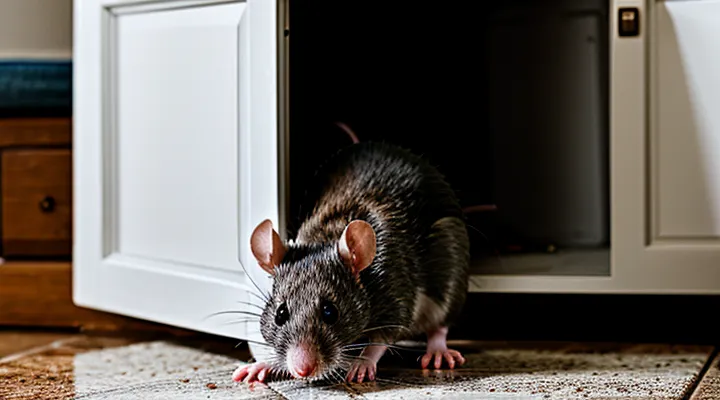
The Social Nature of Rats
Understanding Rat Communication
Olfactory Signals
A rat housed without cage‑mates loses regular exposure to conspecific odorants that normally convey information about hierarchy, reproductive status, and health. The olfactory epithelium receives far fewer pheromonal signals, and the accessory olfactory bulb shows reduced activation patterns.
Reduced social odor input alters neuroendocrine circuits. Studies show lower levels of oxytocin and vasopressin, increased corticosterone, and diminished expression of genes linked to stress resilience. The immune system reacts to the same hormonal shift, displaying decreased natural killer cell activity.
Observable behavioral changes accompany the olfactory deficit:
- Heightened repetitive movements (e.g., bar‑gripping, self‑grooming).
- Decreased exploratory bouts in novel environments.
- Lowered food intake and irregular circadian feeding patterns.
- Attenuated response to novel conspecific scents introduced later.
These outcomes indicate that the absence of social olfactory cues disrupts normal physiological homeostasis and drives maladaptive behaviors. Researchers must consider supplemental odor enrichment—such as bedding scented with unfamiliar rat urine or synthetic pheromones—to mitigate the effects of solitary confinement on laboratory rats.
Auditory Cues
Rats depend heavily on sound to navigate their environment and maintain social connections. When a rat occupies a cage without companions, auditory input changes dramatically, influencing physiology and behavior.
In isolation, a rat experiences a reduction in conspecific vocalizations such as ultrasonic chirps and squeaks that normally convey distress, mating readiness, and hierarchy. The absence of these signals diminishes stimulation of the auditory cortex, leading to decreased neuronal activity in regions associated with social processing. Consequently, the animal may exhibit heightened sensitivity to ambient noises, including ventilation fans, footsteps, and handling sounds.
The altered acoustic landscape triggers several measurable outcomes:
- Elevated cortisol levels, reflecting stress induced by unpredictable or novel sounds.
- Increased startle reflexes, indicating lower thresholds for auditory arousal.
- Reduced exploratory behavior, as the rat allocates attention to detecting potential threats.
- Modifications in brain plasticity, with decreased expression of auditory‑dependent synaptic proteins.
Environmental enrichment that reintroduces structured sound—recorded conspecific calls or gentle background music—can partially counteract these effects. Consistent acoustic enrichment restores baseline neuronal firing patterns, lowers stress markers, and promotes normal social‑related behaviors even in the absence of other rats.
Body Language
A solitary rat displays a distinct set of body‑language cues that differ markedly from those observed in a social group. The absence of conspecific interaction intensifies certain behaviors, making them reliable indicators of the animal’s internal state.
- Posture: A hunched back and lowered head signal heightened anxiety; an upright stance with a relaxed spine suggests confidence despite isolation.
- Ear position: Ears flattened against the skull indicate fear or discomfort, while forward‑tilted ears denote alertness and curiosity.
- Whisker orientation: Whiskers drawn close to the face reflect stress; whiskers extended outward show exploratory intent.
- Tail movement: A tightly coiled tail points to tension; a loosely draped tail implies calm.
- Grooming frequency: Excessive self‑grooming denotes stress coping; minimal grooming correlates with a stable emotional baseline.
Facial expressions also convey mood. Dilated pupils accompany heightened arousal, whereas constricted pupils accompany relaxation. Vocalizations are reduced in isolated conditions; when present, high‑pitch squeaks usually accompany agitation, while low‑frequency chirps may accompany contentment.
Overall, the body‑language profile of a lone rat provides a concise, observable metric for assessing its welfare and psychological adaptation to solitary living.
The Impact of Isolation
Psychological Consequences
Increased Stress and Anxiety
Rats that are kept without companions exhibit marked elevations in stress hormones. Blood samples show sustained increases in corticosterone, while heart‑rate monitoring reveals heightened basal rates. These physiological changes indicate chronic activation of the hypothalamic‑pituitary‑adrenal axis.
Behaviorally, solitary rats display:
- Excessive self‑grooming that escalates to stereotypic patterns
- Reduced locomotor activity in open‑field tests
- Diminished interaction with novel objects, reflecting lowered exploratory drive
- Increased vigilance, manifested as prolonged freezing episodes
The combination of hormonal imbalance and altered behavior impairs cognitive performance. Maze trials demonstrate slower acquisition of spatial tasks and poorer retention. Immune assays reveal suppressed antibody production, suggesting that prolonged anxiety compromises disease resistance.
Mitigation strategies focus on environmental enrichment and limited social exposure. Introducing nesting material, tunnels, and chewable objects reduces grooming frequency by up to 30 %. Pairing rats for short daily sessions restores baseline corticosterone levels and normalizes exploratory behavior. These interventions underscore the necessity of social contact for maintaining physiological stability in laboratory rodents.
Depression and Apathy
Isolation of a rat triggers measurable changes in mood and motivation. Laboratory observations show reduced exploration of novel objects, decreased grooming, and slower response to food rewards. These behaviors correspond to clinical definitions of depression and apathy.
Physiological data support the behavioral findings. Chronic solitary housing lowers plasma corticosterone variability, diminishes hippocampal neurogenesis, and alters monoamine turnover. The combined effect weakens stress resilience and lowers incentive drive.
Typical manifestations include:
- Lack of interest in familiar enrichment items
- Minimal interaction with conspecifics when introduced
- Prolonged periods of immobility in forced‑swim tests
- Decreased frequency of wheel running or climbing activity
Understanding these outcomes informs animal‑welfare protocols and guides experimental design to mitigate confounding depressive states.
Development of Stereotypies
Isolation of a rat leads to the emergence of stereotypic behaviors—repetitive, invariant actions lacking obvious goal. These patterns appear within days of solitary housing and intensify over weeks if enrichment is absent.
Typical stereotypies include:
- Back‑and‑forth pacing along cage walls.
- Repeated gnawing at cage bars or bedding.
- Continuous head‑bobbing or circling.
- Persistent self‑grooming beyond normal maintenance.
Neurochemical studies link the onset of these actions to dysregulation of dopamine pathways. Elevated striatal dopamine release correlates with increased pacing frequency. Concurrently, cortisol levels rise, indicating chronic stress. Brain imaging reveals reduced hippocampal volume after prolonged isolation, suggesting impaired spatial processing.
Behavioral monitoring shows a clear progression: initial exploratory bursts give way to fixed motor sequences. Rats displaying high‑frequency stereotypies also exhibit reduced food intake and slower weight gain, reflecting compromised welfare.
Mitigation strategies focus on environmental complexity. Providing nesting material, chewable objects, and opportunities for foraging interrupts the development of repetitive patterns. Social housing, even brief daily interactions, suppresses the escalation of stereotypies and normalizes hormonal profiles.
Overall, solitary confinement triggers a cascade of neurobehavioral changes that manifest as rigid, repetitive movements. Early intervention through enrichment and social contact prevents the consolidation of these maladaptive habits.
Aggression and Fear
Rats confined to individual cages exhibit marked changes in social behavior. Absence of conspecific interaction removes normal inhibitory cues, causing an imbalance between exploratory drive and threat assessment.
Aggressive responses increase noticeably. Observations include:
- Frequent lunges toward novel objects or unfamiliar handlers.
- Elevated bite frequency during brief encounters with other rats.
- Persistent dominance displays, such as upright posturing and scent marking, even without a competitor present.
Physiological data support behavioral findings: cortisol levels rise, and heart‑rate variability declines, indicating heightened arousal.
Fear‑related patterns emerge concurrently. Typical signs are:
- Persistent freezing when exposed to mild auditory or vibratory stimuli.
- Reduced willingness to explore open arenas, reflected in shorter travel distances and longer latencies to leave shelter zones.
- Exaggerated startle responses, measured by increased electromyographic activity in the neck muscles.
Neurochemical analyses reveal increased amygdala activity and diminished serotonin turnover, correlating with the observed anxiety‑like state.
These outcomes underscore the necessity of social housing for laboratory rats. Ignoring aggression and fear in solitary conditions compromises animal welfare and can confound experimental results that depend on stable baseline behavior.
Physiological Effects
Weakened Immune System
A rat that spends its life without conspecifics experiences physiological changes that impair immune competence. Chronic social isolation elevates circulating glucocorticoids, suppressing leukocyte proliferation and cytokine production. The animal’s hypothalamic‑pituitary‑adrenal axis remains hyperactive, leading to reduced natural killer cell activity and diminished antibody responses to novel antigens.
Isolation also reshapes the gut microbiome. Lack of social contact limits microbial exchange, decreasing bacterial diversity and allowing opportunistic species to dominate. This dysbiosis reduces short‑chain fatty acid synthesis, which normally supports regulatory T‑cell development and mucosal barrier integrity. Consequently, intestinal permeability increases, facilitating translocation of bacterial products that further stimulate systemic inflammation and exhaust immune resources.
The cumulative impact manifests as:
- Lower resistance to bacterial and viral challenges
- Slower wound healing rates
- Higher incidence of spontaneous infections
- Reduced vaccine efficacy
These outcomes demonstrate that solitary housing compromises the rat’s defensive mechanisms, making it more vulnerable to disease and less capable of mounting effective immune responses.
Reduced Lifespan
Rats housed without companions experience a measurable decline in longevity. Experimental groups kept in isolation show average lifespans 20‑30 % shorter than those maintained in social cages. The reduction results from several physiological disruptions:
- Elevated corticosterone levels persistently increase metabolic strain.
- Suppressed immune response raises susceptibility to bacterial and viral infections.
- Decreased activity of antioxidant enzymes accelerates cellular aging.
- Higher incidence of gastrointestinal disorders compromises nutrient absorption.
Isolation also alters behavior, leading to repetitive stereotypies and reduced grooming, which further impair health. Studies that reintroduce social contact after prolonged solitude demonstrate partial recovery of hormonal balance but rarely restore full lifespan potential, indicating that early‑life social deprivation has lasting effects. Consequently, solitary housing constitutes a significant risk factor for premature mortality in laboratory and pet rats.
Poor Coat Condition
A rat kept without companions frequently shows a deteriorating coat. Isolation reduces social grooming, a primary mechanism for fur maintenance, and increases stress that disrupts normal skin turnover.
Key contributors to coat degradation:
- Limited grooming opportunities because the animal lacks a partner to assist in cleaning hard‑to‑reach areas.
- Elevated cortisol levels caused by loneliness, which impair keratin production.
- Inadequate dietary balance, especially deficits in essential fatty acids and vitamins A and E.
- Suboptimal cage conditions, such as low humidity or abrasive bedding, that damage fur and skin.
Observable signs include:
- Loss of sheen, resulting in a matte appearance.
- Patchy hair loss, often beginning on the back and tail.
- Red or scaly skin patches, sometimes accompanied by crust formation.
- Increased shedding, producing clumps of fur throughout the enclosure.
These conditions heighten vulnerability to ectoparasites, bacterial infections, and dermal irritation, potentially leading to systemic illness.
Effective interventions:
- Provide a nutrient‑rich diet with adequate omega‑3 fatty acids and vitamin supplementation.
- Enrich the environment with nesting material, chew toys, and opportunities for physical activity to reduce stress.
- Conduct regular health examinations, focusing on skin and fur integrity, and treat any lesions promptly.
- Consider introducing a compatible conspecific to restore natural grooming behavior, if feasible.
Behavioral Changes
Self-Mutilation
Rats kept without companions often develop abnormal self-directed behaviors that culminate in self‑injury. Isolation triggers chronic activation of the hypothalamic‑pituitary‑adrenal axis, elevating corticosterone levels and disrupting serotonin signaling. These neurochemical shifts reduce pain inhibition and increase compulsive grooming, which can progress to tissue damage.
Empirical observations report that 30‑45 % of singly housed laboratory rats exhibit lesions on the ears, tail, or limbs within four weeks of isolation. Injuries typically start as superficial scratches and may evolve into deep ulcerations if the animal is not identified and treated promptly.
Mitigation strategies focus on environmental and social interventions:
- Pair housing or group housing to provide tactile and visual contact.
- Introduction of nesting material, tunnels, and chewable objects to channel exploratory drive.
- Daily health checks for early signs of excessive grooming or bleeding.
- Use of analgesic or anxiolytic agents under veterinary supervision when lesions are identified.
Implementing these measures reduces the incidence of self‑mutilation and improves overall welfare in solitary rat environments.
Hoarding Behavior
A solitary rat, deprived of conspecific interaction, often develops a pronounced tendency to collect and store resources within its enclosure. This hoarding behavior manifests as the accumulation of food particles, nesting material, and objects that the animal perceives as protective or valuable.
The underlying mechanisms involve heightened vigilance against scarcity, amplified by the absence of social cues that normally regulate intake. Neurological pathways linked to reward and stress response become hyperactive, prompting repeated gathering actions even when immediate needs are met.
Consequences of persistent hoarding include:
- Increased risk of bacterial growth due to food residue left in corners.
- Compromised hygiene as nesting debris accumulates, fostering parasites.
- Elevated cortisol levels, indicating chronic stress.
- Reduced exploratory behavior, as the rat focuses on maintaining the stockpile.
- Potential interference with normal foraging patterns, leading to nutritional imbalances.
Management strategies rely on environmental enrichment, regular cleaning schedules, and controlled feeding regimes. Providing a limited, predictable supply of food diminishes the incentive to over-collect, while introducing safe objects for manipulation redirects the hoarding impulse toward constructive activity. Consistent monitoring ensures that hoarding does not progress to pathological levels that threaten the animal’s health.
Difficulty with Social Reintegration
Living in isolation alters a rat’s neurochemical balance, reducing oxytocin and dopamine levels that normally support affiliative behavior. When the animal is reintroduced to a group, the deficit manifests as reluctance to approach conspecifics, heightened aggression toward unfamiliar peers, and impaired recognition of social cues. These responses stem from synaptic remodeling in the prefrontal cortex and amygdala, regions that regulate social motivation and threat assessment.
The reintegration process encounters several measurable obstacles:
- Reduced grooming reciprocity – solitary rats spend less time grooming others, a key indicator of social bonding.
- Elevated stress hormone – corticosterone spikes during initial contact, suppressing exploratory behavior.
- Delayed hierarchy acquisition – isolated individuals fail to assert or accept positions within the colony’s dominance structure, leading to prolonged conflicts.
- Impaired vocal communication – ultrasonic call frequency and amplitude decrease, limiting effective signaling during mating or alarm situations.
Intervention strategies focus on gradual exposure, environmental enrichment, and pharmacological support. Controlled pairing sessions, beginning with visual and olfactory contact before physical interaction, allow neuroadaptive processes to restore baseline oxytocin levels. Enriched cages with nesting material and tunnels promote natural foraging and exploratory patterns, accelerating the re‑establishment of social routines. In cases of severe deficit, low‑dose oxytocin agonists have demonstrated rapid normalization of grooming and approach behaviors without adverse side effects.
Successful reintegration requires monitoring of physiological markers (corticosterone, oxytocin) and behavioral metrics (grooming frequency, hierarchy position) over weeks rather than days. Consistency in exposure and enrichment correlates with a measurable decline in aggression and a resurgence of cooperative activities, confirming that the social network can be rebuilt after solitary confinement.
Mitigating the Effects of Solitude
Enrichment Strategies
Interactive Toys
A rat kept without companions requires environmental enrichment to prevent boredom, stress, and stereotypic behaviors. Interactive toys supply mental challenges and physical activity that mimic social play, reducing the risk of anxiety and aggression.
Effective toys include:
- Puzzle feeders that dispense treats when the rat manipulates levers or slides compartments.
- Maze modules with interchangeable sections, encouraging exploration and problem‑solving.
- Activity wheels equipped with detachable obstacles, promoting varied locomotor patterns.
- Sensor‑activated toys that emit sounds or vibrations in response to the rat’s touch, fostering cause‑and‑effect learning.
Selection criteria focus on safety, durability, and the ability to be reconfigured. Materials must be chew‑resistant and free of toxic chemicals; moving parts should be securely anchored to avoid entanglement. Toys that allow gradual difficulty adjustments support continuous cognitive development as the rat ages.
Regular rotation of objects sustains novelty. Introducing a new interactive item every few days maintains engagement, while removing exhausted toys prevents habituation. Monitoring the rat’s interaction patterns helps identify preferred stimuli and informs future enrichment planning.
Environmental Complexity
A rat kept in isolation encounters a markedly simplified environment. Physical complexity—variations in tunnels, platforms, and substrates—provides opportunities for exploration and spatial learning. When those features are absent, the animal’s locomotor patterns become repetitive, and hippocampal plasticity shows measurable decline.
Sensory richness diminishes alongside physical monotony. Reduced olfactory gradients and muted acoustic cues lower stimulus diversity, leading to elevated corticosterone levels and altered gustatory processing. The rat’s ability to discriminate novel odors deteriorates within weeks of solitary housing.
Social dimension collapses entirely. Absence of conspecific interactions removes opportunities for hierarchical negotiation, grooming, and play. Consequently, neuronal circuits governing empathy and social cognition exhibit down‑regulation, while stress‑responsive pathways remain chronically activated.
Key outcomes of limited environmental complexity for an isolated rat:
- Decreased exploratory behavior and spatial memory performance.
- Elevated stress hormone concentrations and impaired fear extinction.
- Diminished sensory discrimination acuity.
- Suppressed development of social‑related neural networks.
- Increased incidence of stereotypic movements and self‑injurious grooming.
Collectively, these changes illustrate how a solitary setting strips away essential layers of environmental complexity, producing measurable physiological and behavioral deficits.
Food Puzzles
A solitary rat experiences a marked shift in routine and stimulus exposure. Without companions, the animal relies on environmental challenges to maintain cognitive function and prevent stress‑induced behaviors. Food puzzles serve as a primary tool for delivering both nutritional intake and mental engagement.
Food puzzles introduce a problem‑solving element to feeding. The rat must manipulate the device, apply learned techniques, and persist until the reward is obtained. This process activates neural pathways associated with learning and memory, reducing the likelihood of repetitive or stereotypic actions.
Typical configurations include:
- Sliding compartments that hide pellets behind movable panels.
- Rotating wheels requiring a specific number of turns to release a treat.
- Maze tubes where the rat navigates a narrow passage to reach food at the end.
- Weighted levers that drop a morsel when a threshold force is applied.
Implementation guidelines:
- Select a puzzle size appropriate for the rat’s body dimensions to ensure reachability.
- Introduce the device gradually, allowing the animal to explore without immediate reward.
- Monitor interaction time; adjust difficulty if the rat solves the puzzle within seconds or fails to engage after several attempts.
- Rotate puzzle types weekly to prevent habituation and sustain curiosity.
- Maintain hygiene by cleaning components after each use to avoid contamination.
Outcome measurements focus on observable metrics: frequency of puzzle interaction, latency to obtain food, and reduction in self‑directed grooming or pacing. Consistent engagement indicates effective enrichment, while prolonged avoidance signals the need for redesign or supplemental stimuli.
In summary, food puzzles provide essential cognitive stimulation for an isolated rat, delivering nourishment while encouraging problem‑solving behavior and mitigating the adverse effects of solitary confinement.
Human Interaction as a Substitute
Regular Handling and Play
Regular handling provides essential tactile stimulation for a rat that has no cage‑mates. Daily gentle grasping, followed by brief periods of free movement, reduces stress hormones and encourages trust. Consistency matters: handle the animal at the same time each day to reinforce predictability.
Play sessions supply physical exercise and mental enrichment. A solitary rat benefits from a rotating selection of toys, tunnels, and climbing structures that mimic natural foraging behavior. Introducing new items every few days prevents habituation and sustains curiosity.
Key practices for effective interaction:
- Gentle grip: Support the fore‑and hind‑limbs with fingertips, avoid squeezing the torso.
- Short sessions: Limit handling to 3–5 minutes initially, extending as tolerance increases.
- Varied terrain: Place a mix of chewable wood, paper tubes, and hammocks within the enclosure.
- Scheduled play: Offer at least two 10‑minute play periods daily, preferably after feeding when the rat is most active.
- Observation: Monitor for signs of aggression, excessive grooming, or lethargy; adjust duration or frequency accordingly.
Neglecting regular handling and play can lead to heightened anxiety, reduced exploration, and potential self‑injury. Conversely, structured interaction promotes muscle development, cognitive flexibility, and a stronger bond between caretaker and animal. Maintaining these routines is critical for the welfare of a rat living without conspecifics.
Positive Reinforcement
A rat confined to a single cage experiences reduced social interaction, which can lead to heightened anxiety and repetitive behaviors. Applying positive reinforcement directly addresses these challenges by encouraging desirable actions through immediate, rewarding outcomes.
Positive reinforcement operates on the principle that a behavior followed by a pleasant stimulus increases the likelihood of its recurrence. In the case of an isolated rat, the stimulus typically consists of food treats, tactile contact, or auditory cues delivered promptly after the target behavior.
Practical applications include:
- Offering a small piece of fruit or seed immediately after the rat steps onto a designated platform.
- Delivering a brief hand‑stroke when the animal approaches a novel object without displaying fear.
- Playing a short, pleasant tone after the rat completes a maze segment, reinforcing exploration.
Consistent use of these techniques produces measurable improvements: reduced stereotypic pacing, increased willingness to explore enrichment items, and enhanced overall health indicators such as stable weight and lower cortisol levels. The systematic pairing of reward with specific actions creates a predictable environment that mitigates the stress associated with solitary housing.
The Importance of Companionship
Benefits of a Second Rat
Rats are social mammals; isolation can cause stress, reduced activity, and weakened immune function. Introducing a companion mitigates these effects and improves overall welfare.
- Enhanced mental stimulation: Interaction with a conspecific encourages exploration, problem‑solving, and play, reducing stereotypic behaviors.
- Stabilized hormone levels: Presence of a partner lowers corticosterone concentrations, indicating decreased chronic stress.
- Improved nutrition: Paired rats share foraging opportunities, leading to more balanced intake and higher body condition scores.
- Strengthened immune response: Lower stress hormones correlate with increased white‑blood‑cell activity, decreasing susceptibility to infections.
- Increased lifespan: Studies show paired rats live longer than solitary individuals when other variables remain constant.
The addition of a second rat also simplifies caretaker responsibilities. Monitoring health becomes easier when two animals exhibit normal social patterns, allowing early detection of illness. Overall, companionship directly addresses the physiological and behavioral deficits observed in lone rats, delivering measurable health advantages.
Gradual Introduction Methods
Rats kept in isolation often develop heightened stress, reduced social skills, and diminished exploratory behavior. Introducing a companion or new stimuli requires a measured approach to prevent aggression and ensure welfare.
- Begin with scent exchange. Swap bedding between the solitary rat’s cage and the prospective companion’s enclosure for 24 hours to familiarize each animal with the other’s odor.
- Progress to visual contact. Place the cages side‑by‑side, separated by a clear barrier, and allow observation for several sessions of 15–30 minutes each.
- Introduce limited physical interaction. Use a neutral, neutral‑ground enclosure (e.g., a clean playpen) and allow brief supervised meetings of 5–10 minutes, monitoring for signs of fear or dominance.
- Extend interaction duration gradually. Increase meeting time by 5‑10 minutes daily, maintaining constant supervision and intervening at any indication of distress.
- Provide shared resources. Offer multiple food bowls, water dispensers, and nesting material to reduce competition during the final integration phase.
- Conduct a final co‑housing assessment. After consistent, calm interactions over a week, move both rats into a single, spacious cage equipped with several hiding places and enrichment items, then observe for at least 48 hours to confirm stable coexistence.
Each step should be documented, with adjustments made based on the rats’ behavior. Proper pacing mitigates the risk of conflict and supports the transition from solitary to social living conditions.