
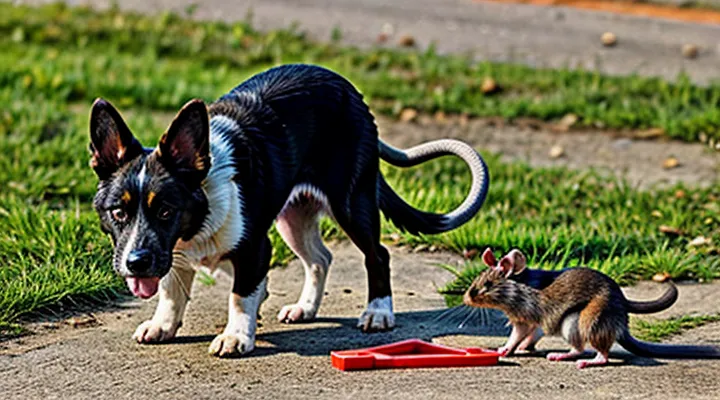
Immediate Actions After Suspected Poisoning
What to Do If You Witness Ingestion
If a dog is seen swallowing rat poison, act without delay. Identify the product, note the amount consumed, and observe the animal for signs such as drooling, vomiting, weakness, or seizures.
Immediate actions:
- Remove any remaining toxin from the dog’s reach.
- Prevent the dog from eating food or water until a veterinarian advises otherwise.
- Call an emergency veterinary clinic or the pet poison helpline; provide the exact product name, concentration, and estimated dose.
- Follow the professional’s instructions, which may include inducing vomiting, administering activated charcoal, or transporting the dog for emergency treatment.
During transport, keep the dog calm and warm. Carry the poison’s packaging to show the veterinarian, as it contains critical information for antidote selection.
After treatment, monitor the dog for delayed symptoms. Schedule a follow‑up appointment to assess organ function and ensure full recovery. Record all observations and treatments for future reference.
What to Do If You Suspect Ingestion (But Didn't See It)
If you suspect your dog has swallowed rat bait but did not witness the act, act immediately. Time is critical because anticoagulant poisons can cause severe bleeding within hours.
- Call a veterinary emergency line or your regular clinic without delay; provide the dog’s weight, breed, and any observed symptoms such as lethargy, coughing, or gum discoloration.
- Request instructions on inducing vomiting only if a professional advises it; do not attempt home remedies.
- Gather any possible packaging, remnants of the bait, or a description of the product to give the veterinarian accurate information for treatment planning.
- Keep the dog calm, restrict movement, and monitor for signs of distress while awaiting professional guidance.
Do not wait for symptoms to appear. Early administration of vitamin K1 antidote and supportive care dramatically improves prognosis. If you cannot reach a vet within a reasonable time, locate the nearest animal emergency hospital and transport the dog promptly.
Gathering Crucial Information for Your Veterinarian
Type of Rat Poison
Different rodenticides pose distinct hazards when a dog ingests them. Understanding the chemical class determines the clinical signs to expect and the appropriate treatment.
-
First‑generation anticoagulants (warfarin, diphacinone, chlorophacinone) block vitamin K recycling, causing delayed hemorrhage. Toxic dose is relatively high; symptoms may appear 2–5 days after exposure.
-
Second‑generation anticoagulants (bromadiolone, brodifacoum, difethialone) are more potent, require a single bite to cause severe bleeding, and persist longer in the body. Onset of signs can be within 24 hours, with internal bleeding evident in the gastrointestinal tract, lungs, and muscle.
-
Bromethalin disrupts mitochondrial oxidative phosphorylation, leading to cerebral edema and paralysis. Clinical signs emerge within 12–48 hours and include tremors, ataxia, and seizures.
-
Cholecalciferol (vitamin D₃) induces hypercalcemia, resulting in renal failure, cardiac arrhythmia, and calcification of soft tissues. Toxic effects may develop over 24–72 hours.
-
Zinc phosphide releases phosphine gas in the acidic stomach environment. Acute respiratory distress, metabolic acidosis, and multi‑organ failure can occur within minutes to a few hours.
-
Sodium fluoroacetate (1080) interferes with the citric acid cycle, causing cardiac arrhythmias, seizures, and rapid death. Onset is rapid, typically within 30 minutes to several hours.
Each category requires specific diagnostic tests—coagulation profiles for anticoagulants, serum calcium for vitamin D₃, blood gases for phosphine exposure—and targeted antidotes or supportive care. Prompt identification of the rodenticide type improves the likelihood of successful intervention.
Amount of Rat Poison Ingested
The toxicity of a rodenticide depends primarily on the dose relative to the dog’s body weight. Small amounts may produce no observable signs, while even a fraction of a lethal dose can trigger severe hemorrhage, neurological collapse, or organ failure.
A typical anticoagulant bait contains 0.025 mg of active ingredient per gram of product. For a 10‑kg dog, ingestion of 0.5 g (approximately one‑quarter of a standard bait) delivers a dose near the minimum toxic threshold. Doses exceeding 1 g often result in rapid depletion of clotting factors and internal bleeding. Baits with second‑generation anticoagulants (e.g., brodifacoum) are effective at doses as low as 0.01 mg/kg; a 5‑kg dog may become critically ill after consuming just 0.05 g of such product.
Bromethalin and zinc phosphide act through neurotoxicity and cellular damage rather than clotting inhibition. Toxic doses are lower: bromethalin can cause neurological signs at 0.1 mg/kg, while zinc phosphide may be lethal at 0.3 mg/kg. Consequently, a single 0.2‑g pellet can be fatal for a small breed.
Key factors influencing outcome:
- Dog’s weight: larger animals tolerate higher absolute amounts before reaching toxic thresholds.
- Type of poison: anticoagulants accumulate, requiring smaller initial doses; neurotoxins act quickly at lower concentrations.
- Formulation: liquid concentrates pose higher risk per volume than granules.
- Time to treatment: prompt veterinary intervention can reverse anticoagulant effects with vitamin K1; delays reduce efficacy for all toxins.
Accurate estimation of the ingested quantity guides emergency care. Owners should report the exact amount, product name, and concentration to the veterinarian to enable appropriate dosing of antidotes and supportive therapy.
Time of Ingestion
When a dog consumes rat poison, the interval between ingestion and the appearance of clinical signs determines the urgency of veterinary intervention. Early absorption of anticoagulant rodenticides can begin within minutes, but observable symptoms often emerge later.
Typical onset periods are:
- 2–6 hours: mild gastrointestinal upset, such as vomiting or loss of appetite.
- 12–24 hours: initial bleeding tendencies, manifested by bruising or nosebleeds.
- 48–72 hours: progressive hemorrhage affecting gums, skin, and internal organs.
- 5–7 days: severe coagulopathy, possible shock, and fatal outcomes if untreated.
Factors that modify these intervals include the amount ingested, the specific toxin class (first‑generation versus second‑generation anticoagulants), the dog’s size, metabolic rate, and whether the poison was mixed with food. Rapid administration of activated charcoal or emetics, when appropriate, can delay absorption and extend the window for effective treatment. Immediate veterinary assessment is critical within the first few hours to initiate antidotal therapy and supportive care before irreversible bleeding occurs.
Understanding Rat Poison Types and Their Effects
Anticoagulant Rodenticides
Mechanism of Action
When a canine consumes rodenticide, the toxic effect depends on the chemical class of the bait. Anticoagulant rodenticides, the most common type, interfere with the vitamin K cycle. Vitamin K is required to activate clotting factors II, VII, IX, and X through γ‑carboxylation. The poison blocks the enzyme vitamin K epoxide reductase (VKOR), preventing regeneration of active vitamin K. As a result, newly synthesized clotting factors remain inactive, leading to progressive coagulopathy and uncontrolled hemorrhage.
Non‑anticoagulant rodenticides act through distinct pathways:
- Bromethalin: Disrupts mitochondrial oxidative phosphorylation, causing rapid depletion of cellular ATP. Energy failure leads to swelling of neuronal axons and death of central nervous system tissue, producing seizures and paralysis.
- Zinc phosphide: Reacts with gastric acid to release phosphine gas. Phosphine inhibits cytochrome c oxidase in the mitochondrial electron transport chain, halting aerobic respiration and causing multi‑organ failure.
- Cholecalciferol (vitamin D3): Induces hypercalcemia by stimulating intestinal calcium absorption and bone resorption. Elevated calcium precipitates in soft tissues, damaging kidneys, heart, and blood vessels.
The clinical timeline reflects the pharmacodynamics of each agent. Anticoagulants exhibit a latency of 12–48 hours before bleeding signs appear, because existing clotting factors must degrade. Bromethalin and phosphine produce neurologic or systemic signs within hours, while vitamin D toxicity manifests over days as calcium levels rise.
Treatment strategies align with the mechanism: replenish vitamin K for anticoagulant exposure, administer activated charcoal promptly, provide supportive care for hemorrhage, and use specific antidotes such as intravenous calcium for hypercalcemia or lipid emulsion therapy for bromethalin toxicity. Early intervention, guided by an understanding of the poison’s mode of action, determines the prognosis.
Symptoms of Anticoagulant Poisoning
Ingestion of rodenticide that contains anticoagulant compounds produces a predictable pattern of clinical signs in dogs. The toxicant interferes with vitamin K recycling, preventing clot formation and leading to uncontrolled bleeding.
Typical manifestations include:
- Weakness or lethargy within 12–48 hours.
- Pale or bluish gums indicating anemia.
- Nosebleeds, gum bleeding, or blood in saliva.
- Bruising or swelling in joints, abdomen, or limbs.
- Blood‑tinged urine or feces.
- Persistent coughing or difficulty breathing due to internal hemorrhage.
- Collapse or seizures in severe cases.
Signs often appear gradually, beginning with subtle mucosal discoloration and progressing to overt hemorrhage over 2–4 days. Rapid escalation from minor bleeding to life‑threatening internal loss is common.
Prompt veterinary assessment is essential. Early administration of vitamin K1 and supportive care can halt the coagulopathy and improve survival chances. Delayed treatment markedly reduces the likelihood of recovery.
Onset of Symptoms
When a dog swallows rodenticide, toxic effects begin within minutes to a few hours. The first signs reflect the specific anticoagulant or neurotoxic compound involved, but common early manifestations include:
- Weakness or lethargy
- Pale or bluish gums
- Vomiting, sometimes with blood
- Diarrhea, potentially hemorrhagic
- Increased respiratory rate
Symptoms typically appear 2‑6 hours after exposure to second‑generation anticoagulants; faster-acting neurotoxins may cause signs within 30 minutes. Initial bleeding may be internal, presenting as abdominal discomfort or subtle bruising. If untreated, coagulopathy worsens, leading to spontaneous hemorrhage, seizures, or collapse within 12‑24 hours. Prompt veterinary evaluation is critical at the first indication of distress.
Cholecalciferol (Vitamin D3) Rodenticides
Mechanism of Action
Rat poisons, commonly anticoagulant rodenticides, interfere with the vitamin K cycle. The active compounds—such as brodifacoum, difenacoum, bromadiolone, and warfarin derivatives—bind to the enzyme vitamin K epoxide reductase (VKOR). VKOR normally recycles oxidized vitamin K to its reduced form, which serves as a cofactor for γ‑carboxylation of clotting factors II, VII, IX, and X. Inhibition of VKOR prevents regeneration of active vitamin K, leading to production of clotting factors that lack γ‑carboxyl groups and are therefore biologically inactive.
The biochemical cascade proceeds as follows:
- Ingestion delivers the anticoagulant to the gastrointestinal tract; absorption occurs rapidly, especially with lipid‑soluble second‑generation compounds.
- The toxin reaches the bloodstream and distributes to the liver, the primary site of clotting factor synthesis.
- VKOR activity declines proportionally to the dose; the half‑life of second‑generation agents may exceed 30 days, extending the period of impaired clotting.
- As functional clotting factors diminish, the dog’s hemostatic capacity falls below the threshold needed to stop spontaneous bleeding.
- Clinical signs—such as epistaxis, hematochezia, hematuria, and bruising—appear after a latency of 24–72 hours, reflecting the time required for existing clotting proteins to be depleted.
Because the antagonism is irreversible without external vitamin K supplementation, treatment relies on high‑dose oral vitamin K1 (phytonadione) administered for several weeks, often accompanied by plasma transfusion or prothrombin complex concentrate to control acute hemorrhage. Early diagnosis and prompt therapy are essential to counteract the sustained inhibition of the vitamin K cycle caused by rodenticide ingestion.
Symptoms of Cholecalciferol Poisoning
When a dog consumes rodent bait that contains cholecalciferol, the toxin interferes with calcium regulation, producing a rapid cascade of clinical signs. Early manifestations may be subtle, but progression is swift and can become life‑threatening.
Typical symptoms include:
- Lethargy or weakness
- Excessive thirst and increased urination
- Loss of appetite
- Vomiting or diarrhea
- Dehydration
- Muscle tremors or seizures
- Irregular heart rhythm
- Elevated blood calcium levels, detectable through laboratory testing
- Kidney failure, indicated by reduced urine output and azotemia
If untreated, hypercalcemia can cause calcification of soft tissues, leading to permanent organ damage. Immediate veterinary intervention, often involving intravenous fluids, diuretics, and medications to lower calcium concentrations, is essential for survival.
Bromethalin Rodenticides
Mechanism of Action
When a canine consumes rodenticide, the toxic principle initiates a specific biochemical cascade that disrupts normal physiological processes.
Anticoagulant rodenticides, such as warfarin‑type compounds and second‑generation agents (bromadiolone, brodifacoum), block the enzyme vitamin K epoxide reductase. This inhibition prevents regeneration of reduced vitamin K, a cofactor required for γ‑carboxylation of clotting factors II, VII, IX, and X. As the active clotting proteins decline, the animal loses the ability to form stable fibrin clots, leading to spontaneous hemorrhage in internal organs, gastrointestinal tract, and mucous membranes.
- Inhibition of vitamin K epoxide reductase
- Depletion of functional clotting factors II, VII, IX, X
- Impaired fibrin formation
- Progressive internal and external bleeding
Neurotoxic rodenticides, exemplified by bromethalin, act by uncoupling mitochondrial oxidative phosphorylation. The compound disrupts the proton gradient across the inner mitochondrial membrane, causing uncontrolled ATP consumption and cellular edema. Neuronal swelling elevates intracranial pressure, producing seizures, ataxia, and potentially fatal brain herniation.
Metal phosphide formulations, such as zinc phosphide, release phosphine gas upon contact with gastric acid. Phosphine penetrates cellular membranes, binds to cytochrome c oxidase, and halts aerobic respiration. The resulting metabolic acidosis and oxidative stress damage multiple organ systems, including the heart, liver, and kidneys.
Each class of rodenticide follows a distinct mechanism—coagulation inhibition, mitochondrial uncoupling, or respiratory blockade—that directly accounts for the clinical signs observed after ingestion. Prompt identification of the specific agent guides targeted therapeutic interventions.
Symptoms of Bromethalin Poisoning
Bromethalin, a neurotoxic rodenticide, disrupts mitochondrial function and can cause rapid neurological decline in dogs that ingest it. Early signs often mimic other toxic exposures, making prompt recognition essential.
- Lethargy or weakness
- Disorientation and unsteady gait
- Tremors or muscle twitching
- Seizure activity, ranging from focal jerks to generalized convulsions
- Dilated pupils and abnormal eye movements
- Excessive salivation or foaming at the mouth
- Vomiting, sometimes containing blood
- Diarrhea, potentially profuse
- Elevated body temperature (hyperthermia) or, conversely, reduced temperature (hypothermia)
- Respiratory distress, including rapid or shallow breathing
Progression can lead to coma and death within hours to days, depending on dose and time to treatment. Immediate veterinary intervention, including decontamination and supportive care, improves survival odds.
Zinc Phosphide Rodenticides
Mechanism of Action
When a dog ingests a common rodenticide, the toxic principle is usually an anticoagulant compound such as warfarin, brodifacoum, bromadiolone or difenacoum. These agents bind to and inhibit the enzyme vitamin K epoxide reductase (VKOR). VKOR is required to recycle oxidized vitamin K to its reduced form, which serves as a cofactor for the γ‑carboxylation of clotting factors II, VII, IX and X in the liver. Inhibition of VKOR halts this regeneration, causing a progressive decline in biologically active clotting proteins. As the concentration of functional factors falls below a critical threshold, the coagulation cascade can no longer generate fibrin clots, and spontaneous bleeding occurs in tissues, cavities and the gastrointestinal tract.
Key steps in the anticoagulant mechanism:
- Rodenticide enters the bloodstream after gastrointestinal absorption.
- Compound binds irreversibly to the active site of VKOR.
- Vitamin K remains in the oxidized, inactive state; γ‑carboxylation of clotting factors stops.
- Newly synthesized clotting factors are released without functional γ‑carboxyl groups and are rapidly cleared.
- Existing functional factors have a finite half‑life (e.g., factor VII ≈ 6 h); their depletion produces a delayed onset of hemorrhage, typically 24–48 hours after ingestion.
Some rodenticides act through non‑anticoagulant pathways. For example, bromethalin uncouples oxidative phosphorylation in mitochondria, leading to neuronal swelling and seizures. However, the majority of clinical signs in dogs stem from the anticoagulant cascade described above.
Symptoms of Zinc Phosphide Poisoning
When a dog consumes zinc phosphide‑based rodenticide, the chemical reacts with stomach acid to release phosphine gas, a potent cellular toxin. The resulting poisoning manifests rapidly and can be fatal without immediate intervention.
- Vomiting, often profuse and may contain blood
- Diarrhea, sometimes hemorrhagic
- Excessive drooling and oral ulcers
- Lethargy, weakness, collapse
- Rapid, shallow breathing or respiratory distress
- Abdominal pain, evident by guarding or restlessness
- Seizures or tremors
- Pale or cyanotic mucous membranes
- Elevated heart rate followed by bradycardia
- Shock, characterized by low blood pressure and cold extremities
Symptoms typically appear within 15–30 minutes after ingestion, peak within a few hours, and can progress to multi‑organ failure. Early signs such as vomiting and drooling may precede more severe respiratory and neurological disturbances. Prompt veterinary care—including decontamination, oxygen therapy, and supportive measures—offers the best chance of survival. Delay increases the risk of irreversible damage and death.
Veterinary Diagnosis and Treatment Protocols
Diagnostic Procedures
Blood Tests
When a dog consumes rodenticide, veterinarians rely on blood analysis to confirm exposure, assess severity, and guide treatment. Blood samples are drawn as soon as possible because toxic anticoagulants can alter laboratory values within hours.
- Complete blood count (CBC) – detects anemia, platelet depletion, and signs of hemorrhage.
- Prothrombin time (PT) and activated partial thromboplastin time (aPTT) – measure clotting ability; prolonged times indicate anticoagulant effect.
- Serum chemistry panel – evaluates liver and kidney function, which influence toxin metabolism and clearance.
- Vitamin K‑dependent clotting factor assay – quantifies specific factors (II, VII, IX, X) suppressed by the poison.
- Fibrinogen level – helps differentiate consumptive coagulopathy from direct anticoagulant action.
Serial testing tracks progression. Initial results establish baseline; repeat measurements at 12‑ to 24‑hour intervals reveal worsening or improvement. Normal PT/aPTT values after treatment suggest effective reversal, while persistent abnormalities signal ongoing toxicity or inadequate therapy. Blood work also identifies secondary complications such as hemolysis or organ dysfunction, informing supportive measures like fluid therapy or blood product administration.
Urinalysis
When a dog consumes rodenticide, rapid assessment determines the severity of toxicity and guides treatment. Urinalysis offers immediate insight into bleeding tendencies, renal function, and hydration status, all of which influence emergency care decisions.
The test evaluates several parameters that change after exposure to anticoagulant or neurotoxic poisons:
- Presence of blood (hematuria) indicates internal bleeding, a common consequence of anticoagulant ingestion.
- Protein levels rise when glomerular filtration is compromised, suggesting kidney involvement.
- Specific gravity reveals hydration; low values point to fluid loss from vomiting or diarrhea, while high values may mask underlying renal impairment.
- Microscopic examination detects red blood cell casts, white blood cells, or crystals that signal tubular damage or infection secondary to toxin exposure.
- pH measurement helps identify metabolic disturbances that can accompany severe poisoning.
Abnormal findings prompt targeted interventions. Detectable hematuria often leads to administration of vitamin K1 and plasma transfusion to restore clotting capacity. Elevated protein or casts may require intravenous fluids, diuretics, or renal protective agents. Persistent low specific gravity warrants aggressive fluid therapy to prevent renal hypoperfusion.
Serial urinalysis, performed at admission and at regular intervals, tracks the progression of coagulopathy and renal recovery. Trends such as decreasing blood or protein concentrations signal effective therapy, while worsening results indicate the need for intensified support.
In summary, urinalysis supplies critical, quantifiable data that shapes the immediate management of canine rodenticide ingestion, monitors organ function, and assists clinicians in evaluating treatment efficacy.
Imaging
When a canine consumes anticoagulant rodenticide, rapid assessment of internal bleeding is essential. Imaging provides direct visualization of hemorrhage, organ involvement, and complications that may not be evident on physical examination alone.
- Radiography – plain thoracic and abdominal films reveal free air, fluid collections, or skeletal fractures that can result from severe coagulopathy.
- Ultrasound – bedside evaluation detects hemoperitoneum, pericardial effusion, and renal or hepatic bleeding; Doppler mode assesses blood flow in major vessels.
- Computed tomography (CT) – high‑resolution cross‑sectional images identify occult intracranial hemorrhage, pulmonary infiltrates, and deep soft‑tissue bleeding with greater sensitivity than radiography.
- Magnetic resonance imaging (MRI) – superior for evaluating brain and spinal cord hemorrhage, providing detailed tissue contrast without ionizing radiation.
Interpretation of these studies guides therapeutic decisions such as blood product transfusion, vitamin K1 administration, or surgical intervention. Prompt imaging, combined with laboratory coagulation profiles, improves prognosis by targeting life‑threatening bleeding sources.
Treatment for Anticoagulant Rodenticide Poisoning
Inducing Vomiting (If Appropriate)
If a dog has potentially ingested rodenticide, immediate assessment determines whether vomiting is advisable. Inducing vomiting is appropriate only when the toxin was swallowed within the past 30‑60 minutes and the dog is conscious, breathing normally, and not displaying signs of seizures or severe distress. Do not attempt if the dog is unconscious, has a compromised airway, or if the poison is a corrosive formulation such as a liquid concentrate.
The preferred method uses a 3% hydrogen peroxide solution. Administer 1 ml per kilogram of body weight (maximum 45 ml) orally using a syringe or turkey baster. After delivery, walk the dog gently for 10–15 minutes to promote stomach contraction. If vomiting does not occur within 10 minutes, a second dose of the same volume may be given once. Do not exceed two doses.
Contraindications include:
- Ingestion of a dry, solid bait that could cause obstruction.
- Presence of neurological symptoms (tremors, seizures) indicating rapid toxin absorption.
- Respiratory compromise or severe vomiting already in progress.
If vomiting is successful, collect the expelled material for identification, then contact a veterinarian immediately. Provide details on the type of bait, amount possibly consumed, and time elapsed. Even after successful emesis, professional treatment is required because anticoagulant rodenticides continue to affect clotting mechanisms for days.
Activated Charcoal Administration
When a dog ingests rodenticide, the immediate goal of treatment is to reduce systemic absorption of the toxicant. Activated charcoal is a primary decontamination agent because its porous surface binds a wide range of chemicals, including anticoagulant and bromethalin compounds commonly found in rat poison.
The effectiveness of charcoal depends on rapid administration. Oral dosing is typically 1 g/kg body weight, delivered via a syringe or stomach tube. The dose may be repeated every 4–6 hours if the toxin remains in the gastrointestinal tract, as indicated by ongoing vomiting or lack of clinical improvement. Intravenous administration is not recommended; the product is intended for oral use only.
Key considerations for safe use include:
- Confirmation that the ingested substance is not a metaldehyde or a corrosive agent, which charcoal does not adsorb effectively.
- Assessment of the dog’s airway reflexes before oral delivery; compromised consciousness requires endotracheal intubation to prevent aspiration.
- Monitoring for signs of gastrointestinal obstruction, especially in small breeds or after repeated doses.
Potential adverse effects are limited but may include emesis, constipation, or, rarely, aspiration pneumonia. If vomiting occurs, repeat dosing should be delayed until the episode resolves. In cases of severe poisoning, activated charcoal is administered alongside antidotes such as vitamin K1 for anticoagulant rodenticides or supportive care for neurotoxic agents.
Veterinary protocols advise that charcoal treatment be initiated within the first two hours after exposure. Delays beyond this window reduce binding efficiency, though partial benefit may persist if the toxin remains in the stomach. Prompt veterinary evaluation remains essential to determine the need for additional interventions, such as plasma transfusion or dialysis, depending on the specific rodenticide involved.
Vitamin K1 Therapy
When a dog consumes anticoagulant rodenticide, the toxin interferes with the vitamin K cycle, preventing clotting factor synthesis and leading to internal bleeding. Immediate medical intervention centers on restoring functional vitamin K.
Vitamin K1 (phytonadione) replaces the blocked cofactor, allowing the liver to produce clotting factors II, VII, IX, and X. Therapy halts hemorrhage and reverses coagulopathy if administered promptly.
Typical protocol includes:
- Intravenous or subcutaneous injection of 2.5–5 mg vitamin K1 per kilogram of body weight, repeated every 12 hours for the first 24 hours.
- Transition to oral administration at 5 mg/kg once daily after initial stabilization.
- Continuation of oral dosing for 2–4 weeks, adjusted according to serial clotting tests (PT/INR) until values remain within normal limits for at least 48 hours.
Monitoring requirements:
- Prothrombin time (PT) measured before treatment, 6 hours after the first dose, then daily.
- Liver function tests to detect potential hepatotoxicity.
- Observation for injection site reactions or hypersensitivity.
Potential complications:
- Rare allergic response to the injectable formulation.
- Gastrointestinal upset with oral tablets.
- Inadequate dosing may permit delayed bleeding.
Successful vitamin K1 therapy depends on accurate dosing, consistent administration, and regular laboratory assessment until clotting parameters normalize.
Blood Transfusions
When a dog ingests anticoagulant rodenticide, the toxin interferes with the clotting cascade, leading to rapid loss of blood volume. Severe hemorrhage can cause hypovolemic shock, and the only way to restore circulating volume and oxygen‑carrying capacity is through a transfusion of compatible whole blood or packed red cells.
A transfusion supplies functional erythrocytes, plasma proteins, and clotting factors that the poison has depleted. The procedure halts the progression of anemia, improves tissue perfusion, and buys time for antidotal therapy (such as vitamin K1) to take effect. Without this intervention, the dog may deteriorate before the antidote can correct the coagulopathy.
Key considerations for administering blood to a poisoned dog include:
- Blood type matching (DEA 1.1, 1.2, 4, 7) to prevent immune reactions.
- Volume calculation: 10 ml/kg of whole blood or 6–8 ml/kg of packed red cells, administered over 30–60 minutes.
- Monitoring of vital signs, hematocrit, and coagulation parameters every 15 minutes during the infusion.
- Pre‑transfusion testing for infectious agents (e.g., Babesia, Ehrlichia) to avoid transmitting diseases.
- Post‑transfusion observation for signs of transfusion reaction, such as fever, hemolysis, or respiratory distress.
Timely delivery of a compatible transfusion reduces mortality in cases of acute rodenticide poisoning. Veterinarians must coordinate blood availability, establish dosing protocols, and integrate transfusion care with ongoing antidote administration to achieve the best outcome.
Treatment for Cholecalciferol Rodenticide Poisoning
Fluid Therapy
When a dog consumes rodenticide, the toxin rapidly enters the bloodstream and can impair clotting, cause gastrointestinal bleeding, and produce systemic shock. Fluid therapy counteracts these effects by restoring circulating volume, supporting tissue perfusion, and facilitating renal excretion of the poison.
Indications for intravenous fluid administration include:
- Persistent vomiting or diarrhea leading to fluid loss
- Low blood pressure or weak pulse
- Decreased capillary refill time
- Metabolic acidosis detected on blood gas analysis
The standard protocol begins with isotonic crystalloids—0.9% sodium chloride or lactated Ringer’s solution. An initial bolus of 20 mL/kg is given over 10–15 minutes; if hypotension persists, the rate is increased to 10–20 mL/kg/hour. Fluid therapy continues until hemodynamic parameters stabilize, urine output reaches at least 1 mL/kg/hour, and acid–base balance improves.
Monitoring during treatment focuses on:
- Blood pressure (oscillometric or Doppler)
- Heart rate and rhythm
- Central venous pressure or pulse pressure variation, if available
- Serial blood gases and electrolytes
- Urine specific gravity and output
Electrolyte abnormalities, particularly hypokalemia or hyperchloremia, are corrected concurrently with fluid replacement. In cases where coagulopathy develops, vitamin K1 administration follows, but adequate hydration remains essential for optimal drug distribution and toxin clearance.
Fluid therapy, when initiated promptly and adjusted according to objective measurements, reduces the risk of organ failure and improves survival chances after rodenticide ingestion.
Medications to Reduce Calcium Levels
Ingestion of rodenticides that contain vitamin D analogues (e.g., cholecalciferol) often produces rapid, severe hypercalcemia in dogs. Elevated serum calcium disrupts cardiac conduction, precipitates renal failure, and enhances coagulation abnormalities already present from anticoagulant toxins. Prompt reduction of calcium is essential to prevent organ damage and improve survival.
Effective agents for lowering calcium in canine patients include:
- Intravenous isotonic crystalloids – increase renal calcium excretion; administered at 60–90 mL kg⁻¹ day⁻¹.
- Loop diuretics (furosemide) – inhibit renal tubular reabsorption of calcium; given 1–2 mg kg⁻¹ IV, repeated as needed while monitoring volume status.
- Calcitonin – rapid, short‑acting inhibition of osteoclastic bone resorption; dose 4–8 IU kg⁻¹ SC or IM every 12 h.
- Bisphosphonates (pamidronate) – potent, long‑acting blockade of bone resorption; typical regimen 1 mg kg⁻¹ IV over 2 h, repeated after 24 h if calcium remains >12 mg/dL.
- Glucocorticoids (prednisone) – reduce intestinal calcium absorption and increase renal excretion; dosage 0.5–1 mg kg⁻¹ PO q12h.
- Dialysis – reserved for refractory cases with life‑threatening hypercalcemia; removes calcium directly from the bloodstream.
Selection of therapy depends on severity of hypercalcemia, concurrent coagulopathy, and the dog’s cardiovascular and renal status. Continuous monitoring of ionized calcium, electrolytes, urine output, and blood pressure guides dosage adjustments and prevents hypocalcemia. Early intervention with the appropriate combination of these agents markedly improves prognosis after exposure to calcium‑elevating rodenticides.
Supportive Care
When a dog ingests rodenticide, rapid supportive care can reduce toxicity and improve survival. Early intervention focuses on stabilizing the animal, limiting toxin absorption, and maintaining vital functions.
First‑aid measures include:
- Removing any remaining poison from the mouth with a clean cloth or gauze.
- Inducing emesis only if a veterinarian advises it and the ingestion occurred within the past two hours; avoid if the dog is unconscious or showing neurological signs.
- Administering activated charcoal (4 g/kg) to bind residual toxin in the gastrointestinal tract, provided the airway is protected.
Veterinary treatment emphasizes:
- Intravenous fluid therapy to sustain blood pressure, promote renal clearance, and correct electrolyte imbalances.
- Antidotal therapy such as vitamin K1 (phytonadione) to counteract anticoagulant rodenticides; dosage and duration depend on the specific toxin and severity.
- Blood product transfusions (fresh frozen plasma or packed red blood cells) when hemorrhage or severe coagulopathy is evident.
- Continuous monitoring of clotting times (PT, aPTT), platelet counts, and renal function to guide ongoing therapy.
- Pain management and anti‑emetics as needed to improve comfort and prevent secondary complications.
Post‑acute care involves:
- Re‑evaluation of clotting parameters every 12–24 hours until they normalize.
- Gradual transition to oral vitamin K1 for a minimum of 10–14 days, extending if laboratory values remain abnormal.
- Education of owners on secure storage of rodenticides and recognition of early signs of toxicity.
Effective supportive care hinges on prompt veterinary assessment, aggressive fluid and antidote administration, and diligent laboratory monitoring throughout the recovery period.
Treatment for Bromethalin Rodenticide Poisoning
Decontamination Efforts
When a dog consumes rat poison, rapid removal of the toxin from the gastrointestinal tract is the first priority. Veterinary protocols typically include one or more of the following actions:
- Administration of an emetic agent to expel remaining poison, provided the dog is conscious and not at risk of aspiration.
- Placement of a gastric tube for lavage, flushing the stomach with sterile saline.
- Delivery of activated charcoal, often combined with a binding agent such as sorbitol, to adsorb residual anticoagulant compounds.
- Intravenous infusion of vitamin K1 to counteract the anticoagulant effect and support clotting factor synthesis.
After initial medical intervention, decontamination of the environment prevents secondary exposure. The steps include:
- Removing all bait stations, dead rodents, and any contaminated food or water sources from the premises.
- Disposing of contaminated materials in sealed, labeled containers according to local hazardous‑waste regulations.
- Washing surfaces with a detergent solution followed by a rinse with water; for porous items, thorough laundering or disposal is advised.
- Ventilating indoor spaces to disperse airborne particles that may have settled after the ingestion incident.
Monitoring the dog for delayed signs—such as bruising, hematuria, or lethargy—continues for several weeks, because some rodenticides have a prolonged half‑life. Follow‑up blood work to assess clotting parameters confirms the effectiveness of both medical treatment and environmental decontamination.
Medications to Control Seizures
When a dog consumes anticoagulant rodenticide, neurotoxic effects can trigger seizures. Prompt seizure control reduces the risk of brain injury and improves survival. Veterinary protocols rely on fast‑acting agents to halt convulsive activity while addressing the underlying toxin.
Common medications used to manage seizures in this scenario include:
- Phenobarbital – long‑acting barbiturate; dose adjusted to serum levels; may cause sedation and hepatic enzyme induction.
- Potassium bromide – effective for chronic seizure control; requires monitoring of bromide concentrations; can lead to polyuria.
- Levetiracetam – injectable or oral formulation; rapid onset, minimal drug interactions; occasional behavioral changes reported.
- Diazepam – short‑acting benzodiazepine; administered intravenously or rectally for emergency termination of seizures; risk of respiratory depression at high doses.
- Midazolam – similar to diazepam with faster onset; suitable for intranasal or buccal delivery when IV access is unavailable; may cause hypotension.
Supportive measures accompany drug therapy: intravenous fluids to correct hypovolemia, vitamin K1 to counteract anticoagulation, and continuous monitoring of neurological status, cardiac rhythm, and blood chemistry. Adjustments to medication dosages depend on the dog's weight, age, and renal or hepatic function. Veterinary oversight is mandatory; self‑administration without professional guidance can result in inadequate seizure suppression or drug toxicity.
Supportive Care
When a dog ingests anticoagulant rodenticide, immediate supportive care can influence survival. The veterinarian’s primary objectives are to halt toxin absorption, correct coagulopathy, and maintain organ function.
First‑aid measures include:
- Inducing emesis within 30 minutes of ingestion if the dog is alert and the product is not caustic.
- Administering activated charcoal to bind residual poison in the gastrointestinal tract.
- Providing intravenous crystalloid fluids to sustain blood pressure and renal perfusion.
Hospital care focuses on stabilizing clotting ability. Recommended interventions are:
- Intravenous vitamin K1 (phytonadione) administered every 12 hours for at least 14 days; dosage is weight‑adjusted.
- Fresh frozen plasma or canine-specific clotting factor concentrates given as a rapid infusion to address life‑threatening bleeding.
- Packed red blood cells if severe anemia develops from hemorrhage.
Continuous monitoring is essential. Clinicians track:
- Prothrombin time (PT) and activated partial thromboplastin time (aPTT) every 12 hours until values normalize.
- Hemoglobin, hematocrit, and platelet counts to detect ongoing blood loss.
- Respiratory and cardiovascular status for signs of shock or hypoxia.
Adjunctive therapies may include:
- Antifibrinolytic agents (e.g., tranexamic acid) for uncontrolled bleeding.
- Gastroprotectants to reduce gastric ulceration risk from stress or vomiting.
- Nutritional support, preferably enteral, to promote healing.
Owner education is a critical component of care. Caregivers must understand the importance of adhering to the vitamin K1 schedule, recognizing signs of re‑bleeding, and keeping the animal away from potential secondary exposures.
Effective supportive care, delivered promptly and maintained consistently, reduces mortality and improves recovery prospects for dogs that have consumed rat poison.
Treatment for Zinc Phosphide Rodenticide Poisoning
Induced Vomiting (If Safe)
If a dog has ingested rodenticide, immediate assessment determines whether induced vomiting is a safe option. Vomiting should only be considered when the toxin was swallowed within the past 30 minutes, the dog is alert, and there are no signs of neurological involvement, seizures, or aspiration risk. Do not attempt if the dog is vomiting already, has a compromised airway, or if the poison is a corrosive formulation.
Procedure for safe induction
- Confirm safety – verify time of ingestion, dog’s consciousness, and absence of seizures.
- Prepare solution – 3 % hydrogen peroxide, 1 ml per pound of body weight, not exceeding 45 ml total.
- Administer – use a syringe or turkey baster to deliver the measured dose into the back of the throat.
- Encourage emesis – gently massage the abdomen in a circular motion for 5–10 seconds; the dog should vomit within 5 minutes.
- Monitor – observe for repeated vomiting, distress, or abnormal breathing. If emesis does not occur, repeat the dose once after a 10‑minute interval; do not exceed two doses.
- Aftercare – contact a veterinarian immediately, provide details of the poison, amount ingested, and the time of vomiting.
If any of the safety criteria are unmet, induced vomiting is contraindicated. In such cases, seek veterinary assistance without delay; professional decontamination (e.g., activated charcoal) and supportive care are required.
Antacids
Antacids are over‑the‑counter preparations that neutralize stomach acid by supplying alkaline compounds such as calcium carbonate, magnesium hydroxide, or aluminum hydroxide. Their primary function is to raise gastric pH, providing relief from heartburn, indigestion, or ulcer discomfort. When a dog consumes rodent bait, the toxic agent is usually an anticoagulant such as bromadiolone or brodifacoum. These substances are absorbed primarily in the small intestine, and their efficacy depends on the acidic environment of the stomach and the subsequent enzymatic processes.
Increasing gastric pH with an antacid can alter the dissolution rate of an anticoagulant rodenticide. A higher pH may slow the conversion of the poison into its active form, potentially reducing immediate toxicity but also complicating the predictability of absorption. Moreover, antacids contain calcium or magnesium, which can bind to certain anticoagulant compounds, forming insoluble complexes that diminish the poison’s bioavailability. However, this interaction is inconsistent and not reliable for therapeutic purposes.
Veterinary protocols for accidental ingestion of rodenticide focus on rapid decontamination, administration of vitamin K₁, and supportive care. Antacids are not included in standard treatment guidelines because:
- They do not neutralize the anticoagulant effect.
- They may mask symptoms, delaying professional intervention.
- Their impact on toxin absorption is unpredictable and varies with the specific poison and dose.
If a dog is suspected of having ingested rat poison, immediate veterinary assessment is essential. Providing antacids at home does not replace the need for professional care and may interfere with diagnostic tests or medication efficacy.
Supportive Care
If a dog ingests rodenticide, immediate supportive care can mitigate life‑threatening effects. First responders should assess the time since exposure, the type of poison, and the amount consumed. Prompt veterinary evaluation is essential; delayed treatment reduces the chance of recovery.
- Decontamination: If ingestion occurred within 1–2 hours and the dog is conscious, induce emesis with apomorphine or hydrogen peroxide. Follow with activated charcoal (1 g/kg) to bind residual toxin.
- Intravenous fluid therapy: Administer isotonic crystalloids (20–30 mL/kg bolus) to maintain perfusion, correct hypovolemia, and support renal clearance.
- Anticoagulant antagonist: Provide vitamin K1 (phytonadione) at 0.025–0.05 mg/kg orally or subcutaneously every 12 hours for 4–6 weeks, depending on the specific anticoagulant rodenticide.
- Coagulopathy monitoring: Perform serial prothrombin time (PT) and activated partial thromboplastin time (aPTT) tests every 12–24 hours until values normalize.
- Seizure management: If neurotoxic agents are suspected, deliver benzodiazepines (e.g., diazepam 0.5 mg/kg IV) and consider phenobarbital for ongoing control.
- Blood transfusion: In cases of severe hemorrhage, transfuse packed red blood cells or fresh frozen plasma to restore clotting factors.
- Supportive analgesia: Use opioids such as buprenorphine (0.01–0.02 mg/kg IM) to alleviate pain associated with internal bleeding.
- Nutritional support: Provide easily digestible food once gastrointestinal function returns; consider enteral feeding if prolonged anorexia occurs.
Continuous observation for signs of bleeding (e.g., melena, epistaxis, hematomas) and neurologic deterioration guides adjustments to therapy. End‑of‑treatment recommendations include a gradual taper of vitamin K1 and a final coagulation profile to confirm full recovery.
Long-Term Prognosis and Recovery
Monitoring After Treatment
After a dog has been exposed to rodenticide, immediate veterinary care is followed by a strict observation period. The goal of monitoring is to detect delayed or recurring signs of anticoagulant toxicity, assess the effectiveness of antidotes, and prevent secondary complications.
Key parameters to track include:
- Respiratory rate and effort every 2‑4 hours for the first 24 hours, then twice daily until discharge.
- Mucous membrane color and capillary refill time; pale or bluish membranes indicate ongoing bleeding.
- Appetite and water intake; reduced consumption may signal gastrointestinal upset or systemic weakness.
- Stool consistency; presence of fresh blood or melena requires urgent reassessment.
- Activity level and gait; reluctance to move or stumbling suggests internal hemorrhage or neuromuscular effects.
Laboratory evaluation should be repeated according to the veterinarian’s protocol. Typical schedule: baseline clotting profile (PT, aPTT) before treatment, then at 12 hours, 24 hours, and 48 hours post‑antidote administration. Additional tests—CBC, serum chemistry, and urine analysis—help identify anemia, organ stress, or renal involvement.
Follow‑up appointments are essential. The first visit usually occurs 3‑5 days after discharge to verify normalization of clotting times. Subsequent checks at one and two weeks confirm sustained recovery and allow adjustment of any long‑term therapy. Owners must maintain a record of observations and communicate any deviation from expected recovery promptly.
Potential Long-Term Complications
Ingestion of anticoagulant rodenticides can produce delayed health effects that persist long after the initial exposure. The toxin interferes with vitamin K recycling, leading to progressive clotting deficiencies, organ damage, and systemic disturbances.
- Chronic coagulopathy: Persistent inability to form stable clots may cause spontaneous bleeding in muscles, joints, or internal cavities, requiring lifelong vitamin K supplementation.
- Renal impairment: Hemoglobin released from internal hemorrhages can overload the kidneys, potentially resulting in reduced filtration capacity or chronic kidney disease.
- Hepatic injury: The liver’s role in processing the toxin may be compromised, leading to fibrosis or decreased synthetic function, which can affect albumin production and drug metabolism.
- Neurological sequelae: Repeated microhemorrhages within the central nervous system may produce ataxia, neuropathic pain, or cognitive deficits.
- Immunologic reactions: Prolonged exposure to rodenticide metabolites can trigger hypersensitivity or autoimmune responses, manifesting as skin lesions or systemic inflammation.
Monitoring should continue for weeks to months, with periodic blood work to assess clotting times, renal and hepatic panels, and neurological examinations. Early detection of these complications improves the chances of effective intervention and mitigates irreversible damage.
Preventing Future Incidents
Secure Storage of Rodenticides
Secure storage of rodenticides prevents accidental canine exposure, which can lead to rapid onset of severe toxicity, organ failure, or death. Effective containment relies on physical barriers, proper labeling, and controlled access.
- Store products in a metal or reinforced plastic cabinet with a lock that only authorized individuals can open.
- Keep containers sealed with original tamper‑resistant caps; replace any damaged lids immediately.
- Place the cabinet in a location inaccessible to pets, such as a utility room or garage, away from floor level and animal‑frequented areas.
- Label each container with clear warnings, including hazard symbols and a statement that the product is poisonous to dogs.
- Maintain an inventory log that records purchase dates, quantities, and disposal actions; remove expired or unused bait promptly.
- Dispose of unused rodenticide according to local hazardous‑waste regulations; never discard in regular trash or outdoors where dogs might scavenge.
Regular audits of storage conditions identify compromised seals or unauthorized access. Training household members on these protocols reinforces compliance and reduces the risk of inadvertent ingestion.
Alternative Pest Control Methods
Accidental consumption of rodenticides poses a serious health threat to dogs; therefore, owners should consider non‑chemical strategies to manage rodent populations.
- Snap or live‑catch traps placed in inaccessible locations
- Ultrasonic emitters that deter rodents without toxic agents
- Sealing entry points, installing door sweeps, and repairing screens
- Maintaining a clean environment: prompt removal of food residues, secure storage of waste
- Deploying natural repellents such as peppermint oil, dried herbs, or predator urine
- Introducing domestic cats or employing professional animal‑based control programs
- Utilizing electronic traps that deliver a quick, humane shock
- Implementing integrated pest management (IPM) plans that combine monitoring, sanitation, and mechanical controls
Snap traps provide immediate reduction of active rodents while minimizing exposure risk. Live‑catch traps allow relocation of captured animals, supporting humane practices. Ultrasonic devices emit frequencies uncomfortable to rodents but inaudible to most pets, creating a barrier without chemicals. Physical exclusion—repairing gaps, installing barriers, and securing trash—prevents infestations at the source. Natural repellents exploit rodents’ aversion to strong scents; regular reapplication maintains efficacy. Predatory presence, whether a cat or a professional program, reduces rodent activity through intimidation. Electronic traps deliver a controlled electric charge, killing rodents instantly and eliminating the need for poisons. IPM frameworks coordinate these methods, providing continuous assessment and adaptation to keep rodent numbers low while protecting canine health.
Consistent inspection of trap placement, device functionality, and structural integrity ensures early detection of breaches. Monitoring rodent activity with tracking pads or cameras informs adjustments to the control regimen. By replacing toxic baits with the methods outlined above, dog owners can safeguard their pets while achieving effective rodent management.
Training Your Dog
Training your dog to avoid hazardous substances is a critical component of responsible pet ownership. Dogs that learn reliable recall and “leave it” commands are less likely to approach bait stations or discarded pellets containing rodenticide. Consistent reinforcement of these commands reduces the chance of accidental ingestion.
Implement the following training protocol:
- Teach “leave it” using high‑value treats. Present a low‑risk object, say the cue, and reward the dog for turning away. Gradually increase the temptation level by using food items that resemble bait.
- Establish a reliable recall. Practice in a fenced area, calling the dog with a distinct word and rewarding immediate response. Add distance and distractions over time.
- Condition the dog to avoid unknown objects on the ground. During walks, pause when the dog shows interest in a foreign item, issue “leave it,” and reward compliance. Repeat until the dog ignores similar stimuli automatically.
If a dog does ingest rodenticide despite training, immediate action is mandatory. Contact a veterinarian or an emergency poison control hotline within minutes. Provide details about the product type, estimated amount consumed, and the time elapsed. Do not induce vomiting unless instructed by a professional.
Preventive training reduces the likelihood of toxic exposure and equips owners with a clear response plan should an incident occur. Continuous practice and periodic refresher sessions maintain the dog’s obedience under real‑world conditions.