
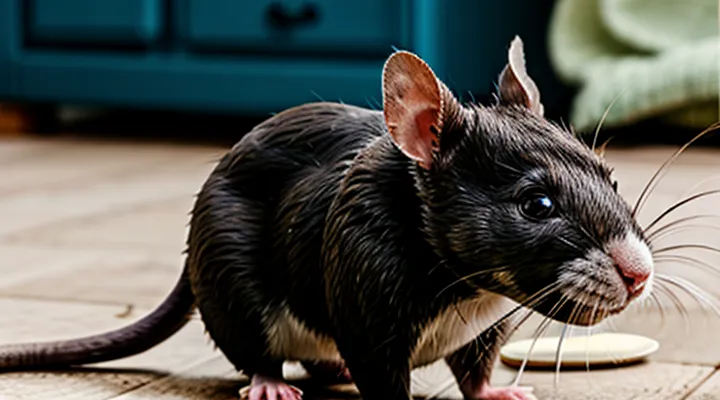
Understanding Domestic Rat Breeds
The Origins of Domestic Rats
Domestic rats trace their lineage to the wild brown rat (Rattus norvegicus) and the black rat (Rattus rattus), species that spread worldwide through human commerce beginning in the 18th century. Early traders inadvertently introduced these rodents aboard ships, establishing populations in ports across Europe, Asia, and the Americas. As urban environments expanded, the surplus of food waste created ideal habitats, prompting rapid adaptation to human‑dominated settings.
Selective breeding for specific traits emerged in the late 19th and early 20th centuries. Breeders isolated individuals displaying desirable characteristics—such as coat color, size, and temperament—and propagated them through controlled matings. This process produced distinct lines that later formed the basis of modern domestic varieties.
Key milestones in the development of pet rats include:
- 1890s: First documented attempts to tame wild rats for laboratory use.
- 1930s: Introduction of the “fancy” rat in Europe, emphasizing aesthetic traits.
- 1950s–1960s: Expansion of breeding programs in the United States, leading to standardized color morphs.
- 1970s onward: Consolidation of breed registries and the emergence of specialized show categories.
The resulting domestic breeds—ranging from the albino “White” to the patterned “Siamese” and the larger “Giant”—share a common ancestry in the two wild species but differ markedly due to targeted genetic selection. Their evolution illustrates how human intervention transformed a pest into a widespread companion animal.
Factors Defining a Breed
Physical Characteristics
Domestic rat varieties kept as pets display a range of physical traits that distinguish each breed. Size, coat texture, coloration, body proportions, ear shape, and tail length are the primary markers used by breeders and owners to identify a specific type.
- Standard (or Fancy) Rat – adult weight 250‑300 g; smooth, short hair; color patterns include black, brown, white, and agouti; compact body with a rounded back; ears proportionate to head; tail slightly shorter than body length, covered with fine hairs.
- Hairless Rat – weight 200‑250 g; virtually no fur, exposing thin, pinkish skin; skin may show slight pigmentation; slender, elongated body; ears large relative to head; tail smooth, hairless, similar length to body.
- Rex Rat – weight 250‑300 g; curly, plush coat resembling a rabbit’s fur; colors often dark (e.g., black, chocolate) with possible markings; body shape similar to standard rat; ears medium‑sized; tail covered with short, fine hairs.
- Dumbo Rat – weight 250‑300 g; smooth or curly coat; distinctive large, low‑set ears that extend outward from the head; color range includes black, brown, and mixed patterns; body proportion comparable to standard rat; tail typical in length, lightly haired.
- Manx Rat – weight 250‑300 g; short or absent tail (often less than 2 cm); coat may be smooth or curly; colors include solid black, white, or patterned; body slightly longer to compensate for reduced tail; ears average size; overall robust appearance.
- Satin Rat – weight 250‑300 g; glossy, fine coat that reflects light; common colors are black, chocolate, and white; body shape standard; ears moderate; tail covered with fine, short hairs, matching body length.
- Berkshire Rat – weight 300‑350 g; larger than most domestic varieties; dense, short coat; colors range from black to brown with possible white patches; broad, muscular body; ears proportionate; tail thick, covered with short hair.
These characteristics enable precise identification and selection of rats for breeding, showing, or companionship.
Temperamental Traits
Domestic rats display a range of temperamental characteristics that correspond closely to their breed lineage and selective breeding goals. Understanding these traits helps owners match a rat’s personality to their lifestyle and handling preferences.
- Standard Fancy Rats – generally confident, curious, and quick to bond with humans; exhibit high tolerance for handling and thrive in interactive environments.
- Dumbo Rats – known for calm demeanor, reduced startle response, and patience during grooming; often preferred by first‑time owners seeking a gentle companion.
- Rex Rats – display moderate activity levels, inquisitiveness, and adaptability; respond well to enrichment but may be more sensitive to sudden changes in habitat.
- Manx Rats – possess a playful yet steady disposition; maintain steady social hierarchies within groups and show consistent engagement with toys.
- Hairless Rats – tend toward affectionate behavior, seeking frequent contact; require careful temperature management but remain socially resilient.
- Teddy Rats – exhibit a balance of boldness and sociability; enjoy exploratory tasks and can be trained for simple tricks with positive reinforcement.
Temperament variations arise from genetic selection for coat type, ear shape, and body structure, which indirectly influence stress reactivity and social interaction patterns. Rats that are less skittish typically possess smoother coat mutations, while more active breeds retain higher exploratory drive. Consistent handling, environmental enrichment, and stable group dynamics reinforce desired behavioral traits across all domestic varieties.
Common Domestic Rat Breeds
Standard Rat
The Standard Rat represents the most widely kept domestic breed, derived from the wild Norway rat (Rattus norvegicus) after centuries of selective breeding for temperament and appearance. It emerged in the early 20th century as a reliable laboratory animal and quickly gained popularity among hobbyists, establishing the foundation for the diverse range of pet rats available today.
Physically, the Standard Rat exhibits the following traits:
- Adult weight: 300–500 g (10.5–17.5 oz)
- Body length: 20–25 cm (8–10 in) excluding tail, which adds 18–25 cm (7–10 in)
- Coat: smooth, short hair; occasional varieties display slight texture differences but retain the classic sleek finish
- Color: broad palette including albino, black, brown, agouti, and patterned forms such as hooded or sable
- Lifespan: 2.5–3 years under optimal care
Behaviorally, the Standard Rat is social, intelligent, and adaptable. It thrives in groups, responds to handling with curiosity, and can be trained for simple tasks. Essential care includes a balanced diet of commercial pellets supplemented with fresh vegetables, regular cage cleaning, and enrichment items like tunnels and chew toys to prevent boredom. Health monitoring should focus on respiratory hygiene, dental wear, and early detection of tumors, which are more prevalent in older individuals. Proper breeding practices maintain genetic diversity and reduce the incidence of hereditary conditions.
Rex Rat
The Rex rat is a distinct domestic breed recognized for its unusually soft, wavy coat that differs markedly from the typical smooth fur of standard laboratory or pet rats. The coat texture results from a genetic mutation affecting hair structure, producing a plush, velvety appearance that many owners describe as “silky.” Originating in the United Kingdom during the early 1990s, the breed quickly spread among hobbyist breeders who valued both its aesthetic appeal and its gentle disposition.
Physical characteristics include a medium‑sized body, a rounded head, and large, expressive eyes. Coat colors range widely, encompassing solid shades such as black, white, and chocolate, as well as patterned varieties like agouti and roan. Because the hair is denser and softer, Rex rats may require more frequent grooming to prevent matting, especially in long‑haired individuals.
Key points for prospective owners:
- Temperament: Calm, curious, and generally sociable with both humans and other rats.
- Health considerations: No breed‑specific ailments have been documented, but the dense fur can conceal parasites; regular health checks are advisable.
- Housing needs: Standard rat cage dimensions are sufficient; provide bedding that allows easy grooming and minimal debris buildup.
- Diet: Balanced rodent pellet diet supplemented with fresh vegetables; no special nutritional requirements beyond those of other pet rats.
- Breeding: Pairings should prioritize health and genetic diversity; avoid inbreeding to maintain vigor.
Overall, the Rex rat represents a well‑established variety within the spectrum of domestic rat breeds, offering a combination of distinctive appearance and approachable behavior that appeals to both novice and experienced rat enthusiasts.
Hairless Rat
The hairless rat is a distinct variety among pet rats, recognized for its lack of fur and smooth skin. Breeders developed the strain through selective breeding of albino and hairless mutations, resulting in a stable line that reproduces the trait reliably.
Physical characteristics include:
- Absence of a coat, exposing delicate, pinkish skin.
- Prominent, dark eyes and whiskers that remain visible.
- Average size comparable to standard laboratory rats, weighing 250‑300 g.
- Warm‑blooded metabolism that requires ambient temperatures above 18 °C to prevent hypothermia.
Care requirements differ from haired counterparts. Owners must:
- Provide a heated habitat or supplemental warmth, especially in cooler climates.
- Maintain high humidity (50‑60 %) to keep skin from drying and cracking.
- Use soft, dust‑free bedding such as paper pulp or fleece liners.
- Offer frequent low‑fat, nutrient‑dense diets; excess fats can exacerbate skin issues.
Health concerns focus on dermatological problems. Common conditions include:
- Dermatitis caused by low humidity or abrasive surfaces.
- Susceptibility to skin infections; regular inspection and prompt treatment with topical antibiotics are advisable.
- Higher sensitivity to temperature fluctuations, demanding vigilant environmental monitoring.
Breeding practices emphasize genetic stability. Pairings of two hairless individuals produce litters with a predictable proportion of hairless offspring, while crossbreeding with haired rats reintroduces fur traits and reduces the prevalence of the hairless gene. Availability remains limited; reputable breeders distribute small numbers through pre‑screened channels to ensure health standards.
Overall, the hairless rat offers a unique pet experience, provided owners adhere to precise environmental and health protocols.
Satin Rat
The satin rat is a distinct variety among pet rats, recognized for its glossy, fine coat that reflects light with a silk‑like sheen. Originating from selective breeding in the United Kingdom during the late 1990s, the strain combines the standard brown rat’s genetics with a mutation that reduces hair thickness, resulting in the characteristic satin texture.
Physical attributes include:
- Coat: short, smooth, and highly reflective; colors range from black and brown to agouti and white.
- Size: comparable to other domestic rats, typically 20–25 cm in body length plus a 12–15 cm tail.
- Eyes: bright, often dark, with clear, unblemished corneas.
Behavioral traits are consistent with the species overall:
- Temperament: calm, social, and receptive to handling.
- Activity: nocturnal, with periods of vigorous exploration during dusk and dawn.
- Vocalizations: squeaks and chirps similar to other domesticated rats, used to signal curiosity or contentment.
Care requirements mirror those of standard pet rats, with attention to the coat’s unique properties:
- Housing: spacious cage with solid flooring; avoid wire mesh that may snag the delicate fur.
- Grooming: minimal; occasional brushing prevents tangles, but excessive handling can remove the sheen.
- Nutrition: balanced rodent diet, supplemented with fresh vegetables and occasional protein treats.
- Health monitoring: watch for skin irritation or dryness, conditions more prevalent due to the thinner hair layer.
Breeding considerations emphasize genetic stability:
- Pairings should avoid inbreeding to maintain coat quality and reduce hereditary defects.
- Litters average 6–12 pups; newborns display the satin coat within days of birth.
Overall, the satin rat offers enthusiasts a visually striking yet temperamentally typical pet, fitting seamlessly into the broader spectrum of domestic rat varieties.
Dumbo Rat
The Dumbo rat is a distinct variety of pet rat recognized for its unusually large, low‑set ears that give the animal a rounded, “elephant‑ear” appearance. The ear placement results from a genetic mutation affecting cartilage development, and the trait is consistently reproduced through selective breeding.
Physically, Dumbo rats differ from standard fancy rats in several measurable ways:
- Ear length averages 2.5–3 cm, positioned near the cheekbones.
- Head shape is broader, with a flatter skull profile.
- Coat colors include solid, brindle, and patterned varieties, identical to those found in other domesticated rat strains.
Behaviorally, the breed exhibits no significant deviation from other domestic rats. Temperament includes curiosity, social interaction with conspecifics, and adaptability to handling. Intelligence levels match those of standard fancy rats, allowing the same training methods and enrichment strategies.
Reproduction follows the same cycle as other pet rats: gestation lasts approximately 21–23 days, with litters ranging from six to twelve pups. Breeders maintain the Dumbo trait by pairing individuals that display pronounced ear morphology, ensuring the characteristic phenotype appears in successive generations.
Health considerations focus on the potential for ear infections due to the ear’s proximity to the facial area. Routine cleaning of the ear canal, monitoring for excessive wax, and prompt veterinary assessment of any inflammation reduce morbidity. Overall lifespan mirrors that of other domesticated rats, typically 2–3 years when provided with appropriate nutrition and environmental enrichment.
In the broader context of domestic rat varieties, the Dumbo rat represents a specialized phenotype that appeals to owners seeking a visually distinctive pet without compromising standard rat care requirements.
Manx Rat
The Manx rat is a recognized variety among pet rat populations, distinguished by its short, blunt tail that often measures less than two centimeters. The tail length results from a naturally occurring genetic mutation, not from artificial breeding practices. The mutation does not affect the animal’s overall health, and the breed exhibits the same lifespan and physiological parameters as other domestic rats.
Physical traits of the Manx rat include:
- Tail: markedly reduced, sometimes absent
- Coat: smooth or slightly textured, available in standard color patterns
- Size: comparable to typical brown or fancy rats, averaging 250–300 g
Behaviorally, the Manx rat mirrors the temperament of its long‑tailed counterparts: curious, active, and capable of forming strong bonds with handlers. Its reduced tail does not impair balance; the animal compensates with enhanced hind‑leg coordination. Social interaction with conspecifics remains essential, as isolation can lead to stress and health issues.
Care requirements match those of other domesticated rats: a spacious cage, solid bedding, regular enrichment, and a balanced diet of rodent pellets supplemented with fresh vegetables. Health monitoring should focus on dental wear, skin condition, and general activity levels, with no special considerations needed solely because of the tail mutation.
Bristle Coat Rat
The Bristle Coat rat is a distinct variety among domesticated rats, recognized primarily for its rough, wiry fur that differs markedly from the smooth coats of most pet rats. The fur texture results from a genetic mutation affecting hair structure, producing a dense, bristly appearance that can range from light gray to deep brown. This coat type does not require special grooming; regular handling and occasional brushing prevent matting and keep the coat healthy.
Originating in the United Kingdom during the early 1990s, the Bristle Coat was developed through selective breeding of rats displaying spontaneous bristle mutations. Breeders emphasized the stability of the trait, establishing lines that reliably produce offspring with the characteristic coat. The variety quickly gained a reputation among hobbyists for its unique look and robust health.
Key characteristics of the Bristle Coat rat include:
- Dense, wiry fur resistant to tangling
- Standard body size comparable to other domestic rats (approximately 200–250 g)
- Calm temperament; generally social and adaptable to handling
- No increased susceptibility to common rat ailments
Care requirements align with those of other pet rats: a spacious cage, balanced diet of laboratory rodent pellets supplemented with fresh vegetables, and regular health checks. The bristly coat does not affect temperature regulation, but owners should monitor the environment for drafts, as the dense fur can retain heat.
Breeders seeking to maintain the Bristle Coat line should follow these practices:
- Pair individuals displaying strong bristle expression to reinforce the trait.
- Avoid crossbreeding with smooth‑coated varieties if preservation of the coat is a priority.
- Conduct health screenings to eliminate carriers of hereditary diseases unrelated to coat type.
The Bristle Coat rat remains a popular choice for enthusiasts who value visual distinction without compromising the ease of care associated with standard domestic rats. Its stable genetics and docile nature make it suitable for both experienced breeders and first‑time rat owners.
Less Common and Emerging Breeds
Dwarf Rat
The dwarf rat is one of the smallest varieties among pet rats, typically weighing 150–250 g and measuring 6–8 inches in body length. Breeders achieve this size through selective pairing of short‑haired, compact individuals, often using the “short‑haired” and “miniature” lines as foundation stock.
Key characteristics:
- Compact, muscular body with a short, sleek coat.
- Shorter tail relative to standard rats, often 4–5 inches long.
- Calm temperament; generally less prone to aggression than larger counterparts.
- High activity level; requires enrichment such as tunnels, chew toys, and climbing structures.
- Susceptible to respiratory infections and dental overgrowth; regular health monitoring recommended.
Care considerations:
- Provide a spacious cage (minimum 2 sq ft per rat) with multiple levels to accommodate climbing.
- Offer a balanced diet of commercial rat pellets supplemented with fresh vegetables and occasional protein.
- Maintain humidity between 40–60 % and temperature around 68–74 °F to reduce stress on the respiratory system.
- Schedule quarterly veterinary check‑ups, focusing on ear health, dental checks, and weight tracking.
Breeding notes:
- Pair rats of similar size and coat type to preserve the dwarf phenotype.
- Gestation lasts 21–23 days; litters generally consist of 4–6 pups.
- Early weaning at 3 weeks helps prevent overgrowth of the small frame.
Overall, the dwarf rat presents a manageable size for owners seeking a petite companion while retaining the intelligence and sociability typical of domesticated rats.
Tailless Rat
The tailless rat is a recognized variety among pet‑keeping rodents, distinguished by a genetic mutation that eliminates or drastically reduces the caudal vertebrae. Originating from spontaneous mutations in laboratory colonies during the mid‑20th century, the trait was later introduced into the domestic market through selective breeding programs.
Genetically, the condition follows an autosomal recessive pattern; both parents must carry the allele for offspring to display a missing tail. Breeders maintain health records to avoid inadvertent pairing of carriers with affected individuals, which can increase the incidence of skeletal abnormalities.
Physical characteristics include:
- Absence of a visible tail or a very short stumpy remnant;
- Normal body length and weight comparable to standard domestic rats;
- Slightly altered balance, compensated by stronger hind‑limb musculature;
- Coat colors and patterns identical to those of other domestic breeds.
Care requirements differ minimally from those of tailed counterparts, with two notable adjustments:
- Habitat enrichment that provides low‑level platforms to assist with navigation and prevent falls;
- Regular monitoring for spinal curvature or hind‑limb joint stress, conditions observed at higher frequency in tailless individuals.
Breeding programs prioritize outcrossing with healthy, tailed lines to preserve vigor while retaining the tailless phenotype. Availability remains limited; reputable breeders list tailless rats alongside other domestic varieties, emphasizing health screening and proper socialization.
Choosing a Domestic Rat Breed
Considerations for New Owners
Activity Levels
Various recognized domestic rat varieties exhibit distinct activity patterns that influence housing, enrichment, and handling requirements.
- Standard Fancy Rat – moderate to high activity; frequent exploration, enjoys climbing and running wheels.
- Dumbo Rat – lower to moderate activity; prefers ground-level movement, less inclined to climb due to ear placement.
- Hairless (Rex) Rat – high activity; seeks constant stimulation, shows vigorous wheel use and frequent foraging.
- Satin Rat – moderate activity; balances climbing with sedentary periods, responds well to varied toys.
- Manx (tailless) Rat – moderate activity; similar to Fancy rats but may limit vertical exploration because of reduced tail balance.
- Berkshire Rat – high activity; displays strong curiosity, rapid locomotion, and frequent social interaction.
Understanding each breed’s typical activity level assists caretakers in selecting appropriate cage size, exercise equipment, and enrichment schedules to promote health and well‑being.
Social Needs
Domestic rats thrive on interaction with conspecifics; isolation leads to stress, reduced immunity, and abnormal behavior. All recognized pet rat varieties—such as the standard fancy, Dumbo, Rex, and Manx—share a fundamental requirement for companionship, yet nuances exist among them.
- Standard Fancy: Best kept in groups of at least two; a trio or larger stabilizes hierarchy and encourages natural grooming.
- Dumbo: Highly tactile; benefits from continuous contact with cage mates and daily handling by humans to satisfy heightened affection needs.
- Rex: Sensitive to changes in social composition; maintain a stable group to prevent anxiety, supplement with brief, consistent human interaction.
- Manx: Exhibits strong bonding tendencies; pairings should be formed early, preferably before weaning, to ensure lifelong compatibility.
Beyond group size, environmental enrichment supports social health. Provide multiple nesting sites, climbing structures, and shared foraging opportunities to reduce competition and promote cooperative play. Regular observation of hierarchy dynamics allows timely intervention if aggression escalates, preserving group cohesion.
Health and Lifespan Variations
Breed-Specific Health Concerns
Domestic rat varieties display distinct health vulnerabilities that merit targeted attention.
Standard laboratory‑type rats generally tolerate a broad range of conditions but remain prone to respiratory infections caused by Mycoplasma pulmonis and to pituitary adenomas that increase with age.
Dumbo rats, identified by their pronounced ear placement, often develop ear‑related dermatitis and are more susceptible to ear mite infestations due to reduced airflow in the auricular folds.
Hairless rats lack protective fur, leading to higher incidence of skin ulcerations, dehydration, and temperature dysregulation; they also exhibit increased sensitivity to environmental allergens.
Rex rats, characterized by velvety, curly fur, frequently experience coat‑related matting that can trap moisture and foster fungal dermatitis; their skin may also be prone to allergic reactions.
Long‑haired breeds, such as the Satin, encounter grooming challenges that predispose them to sebaceous gland cysts and secondary bacterial infections if grooming is insufficient.
Breeding lines selected for extreme size, either dwarf or giant, show divergent orthopedic concerns: dwarf rats may develop skeletal deformities and joint stress, while giant rats face higher risk of cardiovascular strain and reduced mobility.
Across all breeds, dental malocclusion remains a common issue; however, certain lines with shorter snouts exhibit accelerated wear patterns, requiring more frequent monitoring and dietary adjustments.
Owners and caretakers should implement breed‑specific preventive protocols, including regular health examinations, environmental controls tailored to coat type, and dietary formulations that address unique metabolic demands.
Longevity Expectations
Domestic rats display distinct longevity patterns that correlate with breed characteristics, genetic health, and care standards. Understanding expected lifespans assists owners in planning long‑term welfare.
- Fancy (standard) rats: 2 – 3 years, occasional individuals reach 4 years.
- Dumbo rats (large, low‑set ears): 2 – 3 years; ear cartilage may predispose to ear infections that can affect lifespan.
- Rex rats (curly coat): 2 – 3 years; coat condition does not significantly alter longevity.
- Hairless (Satin) rats: 1.5 – 2.5 years; lack of fur increases susceptibility to skin lesions and temperature stress.
- Manx rats (tailless): 2 – 3 years; spinal anomalies can reduce average lifespan.
- Hybrid or mixed‑breed rats: 2 – 4 years; hybrid vigor may extend upper limits.
Factors influencing these ranges include diet quality, housing hygiene, veterinary care, and genetic predispositions. Consistent preventive health measures can push individual rats toward the upper end of the expected span.