
Understanding Rat Droppings
Why Identifying Rat Droppings Is Crucial
Health Risks Associated With Rat Infestations
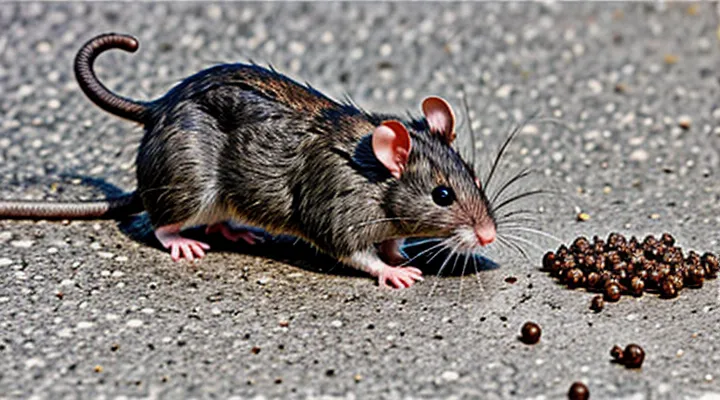
Rat feces are small, dark brown to black, cylindrical pellets about ½‑inch long, often found in clusters near food sources, insulation, or hidden corners. Their presence signals active rodent activity and a high probability of pathogen transmission.
Health threats linked to rat infestations include:
- Leptospirosis – bacteria spread through urine and droppings; infection can cause fever, muscle pain, and kidney damage.
- Hantavirus Pulmonary Syndrome – inhalation of aerosolized droppings or urine leads to severe respiratory illness, with a mortality rate up to 40 %.
- Salmonellosis – contamination of food and surfaces by fecal matter results in gastrointestinal distress, fever, and diarrhea.
- Rat‑bite fever – bacteria transmitted via bites or contact with contaminated droppings cause fever, rash, and joint pain.
- Streptobacillosis – similar to rat‑bite fever, this infection produces fever, vomiting, and muscle aches.
- Allergic reactions – proteins in droppings and urine trigger asthma attacks and hypersensitivity in susceptible individuals.
- Secondary infections – open wounds exposed to contaminated environments may develop cellulitis or septicemia.
Prompt removal of droppings, thorough sanitation, and professional pest control reduce these risks and protect occupants’ health.
Signs of a Rodent Problem
Rat droppings are typically dark, cylindrical, and about ¼‑½ inch long. Fresh specimens may appear glossy, while older ones become dull and crumbly. A cluster of several droppings in a line or a small pile near food sources, walls, or hidden corners signals active foraging.
Other reliable indicators of a rodent infestation include:
- Gnaw marks on wood, plastic, or wiring, often at a 45‑degree angle.
- Chewed or shredded insulation, paper, and fabric.
- Nests constructed from shredded material, located in attics, wall voids, or under appliances.
- Visible tracks or footprints in dusty areas, sometimes accompanied by a faint, musky odor.
- Scratching or scurrying sounds within walls, ceilings, or crawl spaces, especially at night.
- Damage to stored food, packaging, or containers, with evidence of chewing or contamination.
When multiple signs appear together, they confirm a rodent problem that requires immediate remediation to prevent health risks and structural damage.
Key Characteristics of Rat Droppings
Size and Shape
Norway Rat Droppings
Norway rat (Rattus norvegicus) feces are most commonly observed as small, cylindrical pellets. Each pellet measures approximately 0.5 to 0.7 cm in length and 0.2 to 0.3 cm in diameter. The shape is uniformly round‑edged, lacking the pointed tip seen in many other rodent droppings.
Typical coloration ranges from dark brown to black when fresh, gradually lightening to a grayish hue as the material desiccates. The surface appears smooth and glossy when moist, becoming matte and slightly crumbly after drying. Consistency is firm but not hard; the pellets retain their shape under gentle pressure yet break apart with moderate force.
Key identifying features include:
- Length: 5–7 mm
- Diameter: 2–3 mm
- Color: dark brown/black → gray with age
- Shape: straight, cylindrical, rounded ends
- Texture: moist and glossy when fresh, dry and crumbly when old
Differences from other common rat species are notable. The larger brown rat produces pellets that are generally longer and thicker than those of the smaller roof rat (Rattus rattus), whose droppings are typically 3–5 mm long and more tapered. Identification of Norway rat droppings aids in confirming infestations, guiding targeted control measures, and assessing potential health risks associated with rodent‑borne pathogens.
Roof Rat Droppings
Roof rats leave distinctive fecal pellets that differ markedly from those of other rodent species. Recognizing these droppings helps confirm infestations and guides appropriate control measures.
Typical roof‑rat pellets measure ¼ to ½ inch (6–12 mm) in length, are cylindrical, and taper slightly at both ends. The exterior is smooth, lacking the coarse ridges seen in larger rats. Color ranges from dark brown to black when fresh, fading to grayish brown as the material desiccates. The surface may appear glossy due to the high fat content of the diet. Each pellet contains a small, dark core of undigested material, often visible as a speckled spot.
Key identification features:
- Length: 6–12 mm (¼–½ inch)
- Shape: elongated, slightly tapered cylinders
- Texture: smooth, non‑fibrous surface
- Color: fresh dark brown/black, aging to gray‑brown
- Composition: central dark core surrounded by lighter matrix
Roof‑rat droppings are smaller and more uniform than those of Norway rats, which can reach up to 1 inch (25 mm) and display a coarser, irregular surface. They also differ from mouse feces, which are typically 3–5 mm long, pointed, and less dense.
Health implications include potential transmission of pathogens such as Leptospira, hantavirus, and salmonella. Direct contact or inhalation of aerosolized particles from dried droppings can cause respiratory irritation and allergic reactions.
Effective detection involves inspecting attic insulation, roof voids, and ceiling joists for clusters of pellets, often found near gnaw marks or nesting material. Cleaning should employ gloves, a disposable mask, and a disinfectant solution (e.g., 10% bleach). After removal, seal entry points to prevent re‑infestation.
Color and Texture
Rat feces are typically small, dark, and cylindrical, ranging from 0.5 to 1 inch in length. The color spectrum includes:
- Jet‑black to dark brown when the animal consumes a standard diet.
- Light brown or tan when the diet contains higher amounts of grains or fresh produce.
- Reddish or orange hues indicate ingestion of food dyes or certain pigments.
Texture provides additional identification cues. Fresh droppings feel moist, slightly sticky, and retain a smooth surface. As they age, they become dry, crumbly, and may fracture easily under slight pressure. The outer coating often appears glossy when wet, turning matte as dehydration occurs. Consistency varies with diet: high‑protein meals produce firmer, denser pellets, whereas a fiber‑rich diet yields softer, more pliable specimens.
Location of Droppings
Common Hiding Spots
Rat feces are small, dark, and tapered, often measuring ¼ to ½ inch in length. Finding them signals active rodent presence and helps target control measures.
Typical locations where rat droppings accumulate include:
- Under kitchen appliances such as refrigerators, stoves, and dishwashers.
- Inside wall voids, especially behind baseboards and crown molding.
- In attic insulation, mixed with dust and debris.
- Within stored food containers, pantry boxes, and grocery bags.
- Beneath furniture, especially sofas and cabinets that rest on the floor.
- In crawl spaces and utility closets, near pipework or wiring.
- Around garbage bins, recycling containers, and compost piles.
- In garage shelving, toolboxes, and near pet food dishes.
Inspecting these areas regularly reveals droppings, enabling timely intervention and preventing infestation spread.
What Dropping Distribution Indicates
The spatial pattern of rat feces serves as a direct indicator of colony size, movement routes, and activity zones. Concentrated clusters near food sources reveal feeding hotspots, while linear trails along walls or pipes mark preferred travel paths. Scattered, isolated droppings suggest occasional foraging or a declining population. The size and moisture of the pellets further differentiate between species and health status; larger, moist droppings often belong to mature individuals, whereas smaller, dry specimens indicate juveniles or a stressed group.
Key interpretations of droppings distribution:
- High density in a single area – active nesting site or food cache.
- Continuous lines along structural seams – established runways used for regular movement.
- Randomly dispersed pellets – low-level presence, possibly transient individuals.
- Gradual decrease in pellet size downstream – aging population or reduced access to resources.
- Presence of urine stains alongside feces – combined evidence of a well‑established infestation.
Analyzing these patterns enables accurate assessment of infestation severity and informs targeted control measures.
Differentiating Rat Droppings From Other Pests
Mouse Droppings vs. Rat Droppings
Mouse droppings are typically 1‑2 mm long, slender, and pointed at both ends. Their color ranges from dark brown to black, sometimes with a glossy sheen. The pellets are dry, firm, and often found in clusters along walls, behind appliances, or inside cabinets.
Rat droppings are larger, measuring 6‑12 mm in length, with a more robust, cylindrical shape. The ends are blunt rather than tapered. Colors vary from black to brown, occasionally showing a reddish tint when fresh. The texture is slightly moist, and individual pellets may appear scattered rather than tightly grouped, frequently located near food sources, in burrow entrances, or along baseboards.
Key distinguishing characteristics:
- Length: mouse ≈ 1‑2 mm; rat ≈ 6‑12 mm
- Shape: mouse = tapered; rat = cylindrical, blunt-ended
- Surface: mouse = dry, glossy; rat = moist, less reflective
- Distribution: mouse = clusters; rat = isolated or small groups
- Typical sites: mouse = interior voids, cabinets; rat = near food, entry points, exterior walls
Recognizing these differences enables accurate identification of rodent activity and informs appropriate control measures.
Cockroach Droppings vs. Rat Droppings
Cockroach feces are small, cylindrical pellets measuring approximately ¼ inch (6 mm) in length. They appear glossy, often dark brown to black, and may have a slightly curved profile. The surface is smooth, lacking visible ridges or segmentation. Droppings are commonly found near food preparation areas, behind appliances, and inside wall voids where insects travel.
Rat feces are larger, typically ½ inch (12 mm) long and ¼ inch (6 mm) wide, with a more tapered, spindle‑shaped form. The color ranges from dark brown to black, sometimes with a reddish hue if the diet includes fresh food. The texture is dry, brittle, and may crumble into powder when disturbed. These pellets are usually located along walls, in attic insulation, beneath sinks, and in concealed crawl spaces where rodents move.
Key visual distinctions:
- Size: cockroach pellets ≈ 6 mm; rat pellets ≈ 12 mm.
- Shape: cockroach pellets cylindrical and uniform; rat pellets tapered, resembling a spindle.
- Surface: cockroach feces glossy and smooth; rat feces dry, brittle, may fracture.
- Location: cockroach droppings near food sources and appliance gaps; rat droppings along structural pathways and hidden chambers.
Accurate identification relies on measuring length, observing shape, and noting placement within a building. Misidentification can lead to ineffective pest control measures.
Bat Guano vs. Rat Droppings
Rat feces are typically ¼‑½ inch long, dark brown to black, cylindrical, and have a smooth, glossy surface. They often appear in clusters near food sources, burrows, or along walls. In contrast, bat guano is considerably larger, ranging from ½ inch to 1 inch in length, with a softer, crumbly consistency and a gray‑white to brown hue that may include specks of insect exoskeletons.
Key visual and physical distinctions:
- Size: Rat droppings are small, about 6‑12 mm; bat guano exceeds 12 mm, sometimes approaching 25 mm.
- Shape: Rats produce uniform, rod‑shaped pellets; bats leave irregular, chunky masses that may be layered.
- Color: Rat feces are uniformly dark; bat guano varies from pale gray to dark brown, often with color gradients.
- Texture: Rat pellets are hard and dry; bat guano is moist, friable, and may disintegrate when handled.
- Odor: Rat droppings emit a faint, musky scent; bat guano releases a strong, ammonia‑like smell, especially when damp.
- Location: Rat droppings accumulate on floors, countertops, and crawl spaces; bat guano collects beneath roosting sites such as ceilings, attic beams, or cave walls.
Both materials pose health hazards. Rat feces can carry Hantavirus, leptospirosis, and Salmonella, while bat guano may contain Histoplasma capsulatum spores, leading to respiratory illness. Proper identification enables targeted remediation: cleaning and sealing rodent entry points for rat waste, and installing exclusion devices and protective gear for bat colonies.
When evaluating an unknown pellet, measure length, assess color uniformity, test texture by gentle pressure, and note the surrounding environment. These criteria reliably differentiate rat feces from bat guano without ambiguity.
What Droppings Tell You About an Infestation
Fresh vs. Old Droppings
Signs of an Active Infestation
Identifying a current rat problem hinges on observable evidence that confirms ongoing activity. The most reliable indicator is droppings, which appear as small, dark, pellet‑shaped fragments measuring roughly ¼ to ½ inch in length. Fresh droppings are glossy and retain a slight moisture; older samples become dry, brittle, and may develop a faint odor.
Additional signs of an active infestation include:
- Gnaw marks on wood, plastic, or wiring, typically ¼‑inch wide with sharp, clean edges.
- Grease‑stained pathways along walls or baseboards, where rodents repeatedly travel.
- Presence of urine stains, often invisible but detectable by a strong ammonia smell, especially in concealed areas.
- Nests constructed from shredded paper, fabric, or insulation, usually located in hidden corners, attics, or behind appliances.
- Audible scratching or scurrying sounds, most common at night when rats are active.
- Unexplained food loss or contamination, indicating foraging behavior.
Combining these observations with regular inspection of potential entry points—such as gaps around pipes, vents, and doors—provides a comprehensive assessment of infestation status. Prompt remediation should follow any confirmation of active rat presence.
Quantity and Location as Indicators
Estimating Infestation Severity
Rat droppings provide a direct metric for assessing the level of a rodent problem. Their size, shape, color, and placement reveal how many individuals are present, how long the infestation has persisted, and which areas are most active.
Fresh droppings are typically ½‑inch long, dark brown to black, and have a tapered tip. Older specimens become lighter, crumbly, and may show a dry, ash‑like surface. A predominance of fresh, uniform droppings indicates a current, sizable population, while a mix of fresh and aged feces suggests ongoing activity over time.
Severity can be gauged by three measurable factors:
- Density – count of droppings per square foot; more than five per square foot denotes heavy infestation, three to five moderate, fewer than three light.
- Distribution – presence in multiple rooms or levels signals broader spread; confinement to a single area suggests localized activity.
- Accumulation – visible piles or layers exceeding a half‑inch depth indicate chronic buildup and high population density.
Complementary evidence such as gnaw marks, urine stains, and nesting material strengthens the assessment. Combining droppings analysis with these signs yields a reliable estimate of infestation severity.
Next Steps After Identifying Rat Droppings
Hygiene and Safety Precautions
Rat feces are small, dark, cylindrical pellets that can indicate the presence of disease‑carrying rodents. Contact with these droppings poses a risk of bacterial, viral, and parasitic infections; therefore, strict hygiene and safety measures are required during inspection, removal, and cleaning.
- Wear disposable gloves and a fitted N95 or higher‑efficiency respirator to prevent inhalation of aerosolized particles.
- Use a disposable gown or coveralls; seal seams with tape to avoid skin exposure.
- Keep the area well‑ventilated; open windows and use exhaust fans to disperse airborne contaminants.
- Moisten droppings with a disinfectant solution (e.g., 10 % bleach) before disturbance to reduce aerosol formation.
- After cleaning, discard all protective equipment in sealed biohazard bags and wash hands thoroughly with soap for at least 20 seconds.
- Decontaminate surfaces with an EPA‑registered disinfectant, following the product’s contact time.
- Store cleaned materials in a dry, sealed container to prevent re‑contamination.
- Seek medical evaluation promptly if any symptoms of infection appear, such as fever, cough, or gastrointestinal distress.
Adhering to these protocols limits exposure, protects occupants, and facilitates safe removal of rodent contamination.
Professional Pest Control Intervention
Rat droppings are typically ½‑inch to ¾‑inch long, dark brown to black, and have a tapered, spindle‑shaped form. Fresh specimens may appear glossy, while older ones become dry and crumbly. The presence of a strong, musky odor often accompanies heavy infestations.
Professional pest‑control teams begin with a systematic inspection. They locate droppings in concealed areas such as wall voids, attics, crawl spaces, and behind appliances. The inspection includes:
- Visual identification of droppings’ size, shape, and coloration.
- Use of ultraviolet light to detect urine stains that accompany feces.
- Collection of samples for laboratory confirmation when species identification is required.
After confirming rat activity, technicians implement an integrated approach:
- Sanitation – Removal of food sources, sealing of entry points, and thorough cleaning of contaminated surfaces with disinfectants effective against hantavirus and leptospirosis.
- Exclusion – Installation of rodent‑proof materials (steel wool, metal flashing, hardware cloth) to block gaps larger than ¼‑inch.
- Trapping – Placement of snap traps or electronic devices in strategic locations, calibrated to the observed droppings pattern.
- Rodenticides – Application of bait stations only when trapping fails, following strict label instructions and safety protocols.
- Monitoring – Ongoing inspection of droppings and trap activity to assess effectiveness and adjust tactics.
Documentation of droppings density and distribution guides the frequency of follow‑up visits. A reduction in visible fecal matter, combined with the absence of new droppings, indicates successful mitigation. Continuous maintenance, including periodic inspections and exclusion upgrades, prevents re‑infestation.