
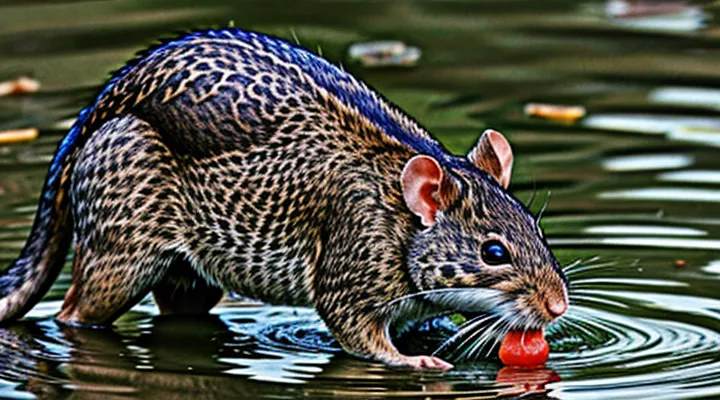
Aquatic Plants and Vegetation
Roots and Tubers
Water rats incorporate submerged and marginal plant parts into their diet, with roots and tubers providing a reliable source of carbohydrates and minerals. They locate these structures by probing soft sediment with their whiskers and by using strong forelimbs to dislodge anchored tubers.
Typical root and tuber items consumed include:
- Sagittaria rhizomes
- Potamogeton tubers
- Eleocharis corms
- Nymphaea rhizome sections
These plant organs contain starches that sustain water rats during periods when aquatic insects are scarce. Seasonal floods increase the availability of fresh growth, prompting a shift toward higher intake of tender roots. In winter, when water depth recedes, rats excavate deeper, more fibrous roots that retain nutritional value despite reduced softness.
Digestive adaptation involves an elongated cecum that ferments cellulose, allowing efficient extraction of energy from fibrous material. The consumption of roots and tubers also contributes essential electrolytes, supporting osmoregulation in the semi‑aquatic environment.
Stems and Leaves
Water rats incorporate a variety of aquatic and semi‑aquatic vegetation into their diet, with stems and leaves providing essential carbohydrates, fiber, and trace minerals. The plant material supplements the animal’s primarily carnivorous intake, allowing maintenance of gut health and energy balance during periods when prey is scarce.
Typical stems and leaves consumed include:
- Young shoots of water celery (Eleocharis spp.)
- Tender stems of pondweed (Potamogeton spp.)
- Leaf blades of duckweed (Lemna spp.)
- Emerging fronds of cattail (Typha spp.)
- Soft foliage of water mint (Mentha aquatica)
These items are selected for their palatability and nutrient density, and water rats often forage them while swimming or wading in shallow water. Consumption occurs opportunistically, with individuals harvesting material that is readily available in their habitat.
Seeds and Fruits
Water rats incorporate a variety of plant material into their diet, with seeds and fruits providing essential carbohydrates, lipids, and micronutrients. Consumption of these items supplements the primarily carnivorous intake of aquatic invertebrates and small vertebrates, supporting energy balance during periods of low prey availability.
Typical seeds and fruits observed in the stomach contents of water rats include:
- Small grass seeds such as wheat, barley, and native sedge grains
- Aquatic plant seeds, notably those of pondweed (Potamogeton spp.) and water lily (Nymphaea spp.)
- Fallen riparian fruits, including figs, berries of native shrubs, and cultivated orchard produce like apples and grapes
- Nut-like structures such as riverbank nuts and the fleshy seeds of water chestnut (Eleocharis dulcis)
These plant items are ingested opportunistically while foraging along riverbanks, during nocturnal excursions, or when water levels expose seed banks. The high caloric density of fruits and the digestible fiber of seeds aid in maintaining body condition, especially during breeding seasons and in colder months when aquatic prey become scarce.
Invertebrate Prey
Insects and Larvae
Water rats obtain a substantial portion of their nutrition from terrestrial and aquatic arthropods. Their foraging behavior targets prey that is readily accessible in riparian zones and shallow water bodies.
Typical insect and larval items include:
- Aquatic beetle larvae (e.g., Dytiscidae)
- Dragonfly nymphs
- Mayfly and stonefly nymphs
- Water strider adults
- Terrestrial insects such as beetles and ants that fall into water
- Mosquito larvae
These organisms supply protein, lipids, and essential micronutrients. Water rats capture prey with swift bites, often using their whiskers to locate movement in low‑visibility conditions. Consumption of insects and larvae complements other dietary components, ensuring a balanced intake that supports growth, reproduction, and seasonal energy demands.
Crustaceans
Water rats, also known as otters or water voles in some regions, rely heavily on aquatic invertebrates. Crustaceans constitute a major portion of their protein intake. Species commonly consumed include:
- Freshwater crayfish (e.g., Procambarus spp.) – abundant in streams and ponds, providing high‑quality muscle tissue.
- Freshwater shrimp (e.g., Gammarus spp.) – small but numerous, easily captured during foraging dives.
- Amphipods and isopods – occupy benthic substrates, offering consistent energy sources.
- Larval forms of larger crustaceans – such as crayfish juveniles, which are especially vulnerable to predation.
These prey items are selected for their accessibility, nutritional density, and availability across seasonal cycles. Water rats employ tactile whiskers and keen underwater vision to locate moving crustaceans, then use swift jaw motions to seize and ingest them whole or in pieces. The high calcium content of crustacean exoskeletons supports skeletal development and egg production in breeding females. Consumption patterns shift with habitat changes; in shallow marshes, shrimp dominate, whereas in deeper river sections, crayfish become the primary target.
Mollusks
Water rats (Necturus spp.) regularly include mollusks in their diet, exploiting the abundance of soft‑bodied invertebrates found in freshwater habitats. Their elongated, moist snouts and sensitive whiskers detect movement beneath sediment, allowing precise capture of hidden prey.
- Freshwater snails – species such as Physa and Planorbella provide calcium and protein; water rats swallow them whole, crushing shells with strong jaw muscles.
- Bivalves – small mussels (Elliptio, Lampsilis) are pried from substrates; the rat’s robust teeth break the shells, exposing the adductor muscles.
- Clams – occasional ingestion of juvenile clams occurs in deeper, slow‑moving waters where they are easily located.
- Slug‑like gastropods – terrestrial species that fall into water are opportunistically consumed, offering additional moisture.
Mollusks contribute essential nutrients: high‑quality protein supports growth, while shell calcium aids bone development. Seasonal fluctuations affect availability; spring and early summer see peak snail reproduction, increasing intake rates. During colder months, water rats shift toward more mobile prey but retain mollusks in the diet when accessible.
Feeding behavior reflects opportunistic foraging: water rats patrol shallow margins, overturning leaf litter and disturbing substrate to expose buried mollusks. Their digestive system efficiently processes chitinous shells, extracting nutrients while expelling indigestible fragments. This adaptability ensures mollusks remain a reliable food source throughout varied environmental conditions.
Worms
Water rats, commonly referred to as rakali, incorporate several invertebrate species into their diet, with worms representing a significant component. They forage along riverbanks and in shallow water, detecting the movement of earthworms and aquatic larvae through tactile and chemical cues. Once located, the mammals grasp the prey with their dexterous forepaws, often submerging the catch briefly to remove excess moisture before consumption.
Key worm categories consumed by water rats include:
- Terrestrial earthworms: harvested from moist soil near water edges; provide high protein and lipid content.
- Aquatic oligochaetes (e.g., tubifex): extracted from sediment or submerged vegetation; rich in essential amino acids.
- Larval insects (e.g., mosquito, mayfly larvae): technically annelids in some classifications; supply readily digestible nutrients.
The inclusion of worms enhances the overall nutritional profile of the animal’s diet, supplying energy for swimming, burrowing, and reproductive activities. Seasonal variations affect worm availability; during wetter periods, water rats increase intake of aquatic species, while drier months see a shift toward terrestrial earthworms. This flexibility ensures consistent caloric intake throughout fluctuating environmental conditions.
Vertebrate Prey
Small Fish
Water rats rely on small fish as a primary protein source. Their hunting technique involves swift underwater bursts, using whisker‑sensitive detection to locate prey concealed among vegetation or near the substrate. Captured fish typically range from 2 cm to 10 cm in length, fitting the predator’s jaw capacity and allowing rapid ingestion without extensive handling.
Key fish groups consumed include:
- Cyprinids such as minnows and shiners, abundant in slow‑moving streams.
- Gobies and blennies, which hide in rocky crevices.
- Juvenile perch and trout, frequently encountered during spawning migrations.
- Small catfish species, especially in murky bottom waters.
Nutritional analysis shows that a 5‑gram fish provides approximately 1 g of protein, 0.5 g of fat, and essential micronutrients like calcium and omega‑3 fatty acids. This composition supports the high metabolic rate required for continuous swimming and thermoregulation.
Seasonal shifts affect availability. In spring, spawning events increase the density of juvenile fish, prompting water rats to intensify foraging activity. During winter, when surface ice limits access, the diet supplements with amphibian larvae and crustaceans, but small fish remain a consistent component whenever water remains unfrozen.
Overall, small fish fulfill the caloric and nutritional demands of water rats, enabling sustained growth, reproduction, and territorial defense across varied aquatic habitats.
Amphibians
Water rats (also called water voles) frequently incorporate amphibians into their diet, especially when aquatic prey are abundant. Amphibians provide a high‑protein, easily digestible food source that complements the rodents’ primary intake of plant material and invertebrates.
Typical amphibian prey includes:
- Adult and juvenile frogs (e.g., Rana spp., Lithobates spp.) found in shallow ponds and stream margins.
- Tadpoles, which are abundant during spring and early summer.
- Small salamanders and newts that inhabit moist banks and vegetated waterways.
- Aquatic larvae of toads, which appear in temporary pools after heavy rains.
Predation on amphibians occurs primarily during crepuscular and nocturnal foraging bouts. Water rats use their whiskers and keen sense of vibration to locate prey beneath surface debris. Once captured, the animal removes the skin and discards the head, consuming the remaining body tissue. This selective ingestion maximizes nutrient intake while minimizing ingestion of potentially toxic skin secretions found in some amphibian species.
Seasonal shifts affect amphibian availability. In early spring, abundant tadpoles and newly metamorphosed frogs increase consumption rates. During midsummer, adult frogs become the main amphibian component, while in autumn, declining amphibian activity reduces their contribution to the water rat’s diet. In regions where amphibian populations are sparse, water rats compensate by increasing intake of aquatic insects and seeds.
Overall, amphibians represent a significant, though variable, portion of the water rat’s food intake, supplying essential proteins and moisture that support growth, reproduction, and survival across fluctuating environmental conditions.
Bird Eggs and Chicks
The water rat (genus Arvicola) frequently targets avian reproductive resources when foraging near wetlands. Eggs provide a concentrated source of protein, lipids, and essential micronutrients that support rapid growth and reproductive output. Chicks, especially newly fledged individuals, are vulnerable to predation because they lack full plumage and defensive behaviors, making them an opportunistic food item for the semi‑aquatic rodent.
Key aspects of egg and chick consumption include:
- Preference for medium‑sized bird eggs (e.g., duck, gull) that fit within the rat’s gape and can be broken with its incisors.
- Seasonal peaks corresponding to breeding periods of resident waterfowl, which increase availability of both eggs and hatchlings.
- Utilization of nest sites near water margins, where the rat can retrieve eggs without extensive exposure to predators.
- Consumption of nestlings shortly after hatching, when they are still dependent on parental warmth and have limited mobility.
These dietary components supplement the water rat’s primary intake of aquatic vegetation, invertebrates, and small fish, enhancing overall caloric intake during breeding seasons and contributing to the species’ adaptability in fluctuating wetland ecosystems.
Opportunistic Foraging
Scavenging
Water rats obtain a substantial portion of their nutrition through opportunistic scavenging. They locate and consume dead or dying aquatic organisms, supplementing the primarily herbivorous and insectivorous components of their diet.
Typical scavenged items include:
- Decaying fish and fish fragments
- Soft‑bodied invertebrates such as drowned insects, larvae, and crustacean carcasses
- Amphibian remains, especially tadpoles and small frogs that have perished in water currents
- Avian carrion that falls into streams or ponds
- Plant material dislodged by flooding, including wilted leaves and seeds that have begun to decompose
Scavenging behavior is driven by the high protein and lipid content of animal carrion, providing essential nutrients during periods when live prey are scarce. Water rats use tactile whiskers and acute hearing to detect movement and odor cues in murky water, allowing rapid identification of potential food sources. Their strong forelimbs and dexterous paws enable the extraction of flesh from carcasses, while sharp incisors process both soft tissue and fibrous plant matter.
In ecosystems where water rats are abundant, scavenging contributes to the rapid breakdown of organic matter, reducing the buildup of dead biomass and supporting nutrient cycling. The practice also limits the spread of disease by removing potentially infectious material from aquatic habitats.
Agricultural Products
Water rats consume a range of cultivated crops when foraging in agricultural environments. Their feeding habits reflect the availability of high‑energy plant material and the ease of access to stored produce.
- Rice grains harvested from paddies
- Wheat kernels from fields or silos
- Corn kernels and husks
- Barley seeds and straw
- Soybean pods and beans
- Pea pods and seeds
- Sunflower seeds
- Fruit such as grapes, berries, and figs
- Leafy vegetables including lettuce, cabbage, and kale
In addition to direct consumption of these products, water rats frequently exploit post‑harvest residues, discarded stems, and spilled grain. Their opportunistic behavior enables them to obtain nutrients from both fresh crops and stored agricultural commodities.
Seasonal Variations in Diet
Spring Foraging
During the spring thaw, water rats shift their diet toward resources that become abundant in riparian zones. Fresh shoots, tender leaves, and emerging aquatic vegetation replace the winter reliance on stored roots and bark. The animals exploit the rapid growth of plants along stream banks, taking advantage of higher protein content and easier digestion.
Typical spring foraging items include:
- Young shoots of reeds and cattails
- Tender leaves of water‑cane and bulrush
- Emerging algae mats on shallow water surfaces
- Newly sprouted terrestrial herbs such as dandelion and plantain
- Small invertebrates (aquatic insects, larvae) that appear with warmer water
In addition to plant matter, water rats increase consumption of arthropods during this period, supplementing their protein intake. Their foraging strategy involves swimming close to shore, diving briefly to grasp submerged vegetation, and probing mudflats for hidden prey. This flexible diet supports rapid weight gain and preparation for the upcoming breeding season.
Summer Abundance
During the warm months, water rats experience a marked increase in food availability. Aquatic insects such as mayfly and caddisfly larvae become abundant, providing high‑protein meals. Small fish, especially juvenile perch and roach, are frequently captured when shallow waters support dense schooling. Amphibian eggs, particularly those of common frogs, are accessible in shallow pools and serve as a rich nutrient source. Crustaceans, including freshwater shrimp and juvenile crayfish, appear in larger numbers as temperatures rise, and water rats readily exploit these prey items. Terrestrial insects that fall into the water, such as beetles and moths, are opportunistically consumed.
The seasonal surge in plant material also influences the diet. Young shoots of emergent vegetation, such as water lettuce and cattail leaves, are tender and easily digested. Seeds of aquatic plants, especially those of pondweed species, are collected from the water surface. Fruit that drops into the water, like berries from nearby shrubs, provides additional carbohydrates.
Key dietary components in summer can be summarized:
- Aquatic insect larvae (mayfly, caddisfly)
- Small fish (juvenile perch, roach)
- Amphibian eggs (frog spawn)
- Freshwater crustaceans (shrimp, crayfish)
- Terrestrial insects fallen into water
- Tender aquatic plant shoots and leaves
- Aquatic plant seeds
- Water‑fallen fruit and berries
The convergence of these resources allows water rats to increase body mass, support breeding activities, and store energy for the upcoming autumn. Research indicates that individuals consuming a diverse array of summer prey exhibit higher reproductive success and lower mortality rates.
Autumn Preparation
Water rats adjust their diet in autumn to accumulate energy reserves for the colder months. They prioritize foods that are abundant, high in calories, and easy to digest, focusing on both terrestrial and aquatic resources.
- Mature seeds of reeds, bulrushes, and cattails
- Fallen nuts such as hazelnuts and acorns that reach the water’s edge
- Aquatic plants with dense starches, including watercress and pondweed rhizomes
- Invertebrates—especially beetle larvae, freshwater shrimp, and amphipods—that remain active in shallow waters
- Small fish and amphibian eggs when available, providing additional protein
The shift toward these items supports rapid fat deposition, essential for thermoregulation and reduced foraging activity during winter. Water rats also increase gnawing of woody stems to supplement calcium, which strengthens bone structure during the season of limited sunlight. By exploiting the seasonal abundance of seeds and insects, they secure the nutritional foundation required for survival until spring.
Winter Scarcity
Water rats rely on aquatic vegetation, insects, and small aquatic animals for sustenance. During the colder months, surface water freezes and plant growth diminishes, forcing a shift in dietary composition.
Observations confirm that winter scarcity drives the following behavioral adjustments:
- Increased consumption of submerged plant roots and rhizomes that remain accessible beneath ice.
- Harvesting of bark and cambium from shoreline shrubs when softer vegetation is unavailable.
- Greater reliance on benthic invertebrates, such as amphipods and larvae, which persist in cold water.
- Occasional predation on fish fry and tadpoles trapped in shallow pools or thawed sections.
- Utilization of stored food caches composed of seeds and dried algae collected earlier in the season.
Physiological studies show reduced metabolic rates during low‑temperature periods, which lowers overall energy demands. Nonetheless, the limited availability of preferred items necessitates a broader, opportunistic diet until spring regeneration restores abundant resources.
Factors Influencing Diet
Habitat Availability
Habitat availability directly determines the range of food resources accessible to water rats. In regions where permanent water bodies and dense riparian vegetation persist, the animals exploit abundant aquatic invertebrates, small fish, and amphibian larvae. When habitats are fragmented or seasonal, reliance shifts toward terrestrial insects, seeds, and plant material found along shrinking shorelines.
Key dietary components linked to specific habitats include:
- Aquatic insects (e.g., mayfly nymphs, caddisfly larvae) in permanent streams and ponds.
- Small fish and amphibian larvae in well‑vegetated wetlands.
- Terrestrial beetles, moth larvae, and ants along intermittent banks.
- Seeds, fruits, and soft plant tissue from flood‑tolerant vegetation in marginal zones.
Limited water access reduces consumption of aquatic prey, increasing the proportion of terrestrial items in the diet. Conversely, extensive, stable water habitats support a higher intake of nutritionally rich aquatic organisms, promoting faster growth and higher reproductive output. Habitat degradation that eliminates riparian cover diminishes shelter and foraging opportunities, forcing water rats to expand their diet into less optimal food sources and potentially affecting population health.
Geographic Location
Water rats inhabit a range of temperate freshwater environments across Europe, the United Kingdom, and parts of western Asia. In each region, the composition of available vegetation and invertebrate fauna shapes their feeding patterns.
In the British Isles, dense riverbanks and marshes provide abundant young shoots of reed, cattail, and water mint. Aquatic insects such as dragonfly larvae and beetle larvae supplement the plant matter, especially during the summer months when invertebrate activity peaks.
Continental Europe presents a broader spectrum of habitats, from alpine streams to lowland floodplains. Here, water rats consume:
- Freshwater algae and submerged macrophytes (e.g., pondweed, watercress)
- Terrestrial grasses and herbaceous stems along river margins
- Crustaceans (freshwater shrimp, amphipods)
- Small mollusks (snails, mussel juveniles)
In western Asian locales, including parts of Turkey and the Caucasus, the diet adjusts to the drier riparian zones. Primary components include:
- Tender leaves of willow and poplar
- Bulbous aquatic plants (e.g., water lily shoots)
- Terrestrial beetles and earthworms that migrate to moist soils
Seasonal fluctuations affect food selection throughout the range. Spring growth yields fresh herbaceous shoots, while autumn sees increased reliance on stored seeds and fallen leaf material. In all habitats, the reliance on locally abundant plant and invertebrate resources ensures the species’ survival across its geographic distribution.
Food Competition
Water rats, also known as nutria, share many of their foraging grounds with other semi‑aquatic mammals, birds, and fish. When multiple species target the same vegetation, seeds, or invertebrates, competition intensifies, shaping the water rat’s diet. In habitats where reed beds, cattails, and emergent grasses dominate, nutria often encounter:
- Muskrats, which also consume stems and tubers; the two species may alternate usage of dense patches to reduce direct conflict.
- Waterfowl such as ducks and geese, which graze on the same aquatic plants; water rats tend to feed earlier in the morning, exploiting the remaining foliage after birds have moved on.
- Amphibians and small fish that eat insect larvae; nutria shift toward higher‑protein prey when these resources become scarce.
Intraspecific competition further influences food selection. High population density forces individuals to expand their foraging radius, leading to increased consumption of less preferred items like bark or woody roots. Seasonal fluctuations modify the competitive landscape: during spring, rapid plant growth eases pressure, while in winter, limited green material forces nutria to rely more on stored tubers and animal protein, heightening rivalry with other species that can access frozen substrates.
Resource partitioning mitigates overlap. Water rats typically forage at the water’s edge and in shallow channels, while muskrats prefer deeper burrows, and waterfowl concentrate on open water surfaces. This spatial separation reduces direct competition but does not eliminate it, as all parties ultimately depend on the same seasonal plant productivity.