
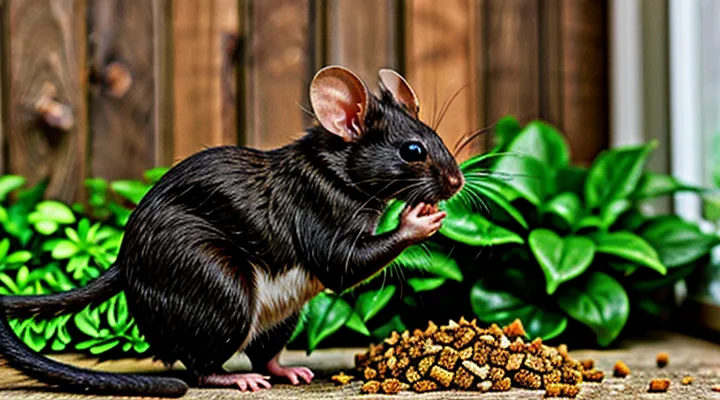
Understanding Your Decorative Rat's Dietary Needs
The Unique Digestive System of Rats
Rats kept for ornamental purposes require diets that align with their specialized digestive physiology. Their gastrointestinal tract is compact, reflecting a high metabolic rate typical of small mammals. The stomach secretes a broad spectrum of enzymes capable of breaking down proteins, fats, and carbohydrates, while the small intestine absorbs nutrients within a brief transit time. A well‑developed cecum hosts microbial fermentation, allowing limited fiber to be converted into short‑chain fatty acids that contribute to energy balance.
Efficient digestion depends on a balance of macronutrients. High‑quality protein supports tissue growth and immune function; moderate fat supplies concentrated energy; excessive simple sugars overwhelm rapid absorption mechanisms and can lead to dysbiosis. Insoluble fiber, though limited in quantity, stimulates cecal activity and promotes gut motility.
Feed selections that satisfy these requirements include:
- Commercial rat pellets formulated with 18‑20 % protein, balanced fat, and added fiber.
- Fresh leafy greens such as kale, romaine, and spinach, providing vitamins and low‑calorie bulk.
- Small portions of carrots, bell peppers, or broccoli for moderate carbohydrate content.
- Cooked lean meats or boiled eggs as occasional high‑protein treats.
- Whole grains like oats or barley, introduced in limited amounts to support cecal fermentation.
Implementing this regimen respects the rat’s rapid digestive cycle, ensures nutrient adequacy, and reduces the risk of gastrointestinal disturbances.
Essential Nutrients for Optimal Health
Proteins
Proteins supply the amino acids necessary for tissue repair, muscle development, and immune function in ornamental rats. A balanced diet must include a reliable source of high‑quality protein to meet these physiological demands.
Common protein sources suitable for decorative rats include:
- Commercial rodent pellets formulated with soy, milk, or fish protein
- Cooked lean poultry (chicken, turkey) without seasoning
- Boiled eggs, chopped and mixed into food
- Low‑fat cottage cheese or plain yogurt
- Small portions of cooked fish (salmon, whitefish) free of bones
- Insects such as mealworms or crickets, offered sparingly
Daily protein intake should represent 14‑16 % of the total caloric content for adult rats and 18‑20 % for growing individuals. A typical adult consumes 2–3 g of protein per 100 g of food; juveniles require slightly higher values. Divide protein portions across two meals to ensure steady nutrient absorption.
Excess protein can strain the kidneys and lead to obesity if combined with high‑fat ingredients. Avoid processed meats, cured products, and foods containing added salts or spices. Select sources with minimal anti‑nutritional factors and verify freshness to prevent bacterial contamination.
Fats
Fats supply the energy required for growth, thermoregulation, and coat health in ornamental rats. Adequate fat intake supports skin elasticity and a glossy fur appearance, while insufficient fat can lead to dull pelage and reduced vitality.
Common fat sources suitable for decorative rats include:
- Animal‑derived fats: small amounts of cooked chicken skin, boiled egg yolk, and low‑fat cottage cheese provide highly digestible lipids.
- Plant‑derived fats: unsalted sunflower seeds, pumpkin seeds, and a teaspoon of olive oil deliver essential fatty acids without excessive calories.
- Commercial rodent mixes: premium formulations often contain added vegetable oil or fish oil to balance omega‑3 and omega‑6 ratios.
Recommended inclusion rates range from 5 % to 10 % of the total daily diet by weight. For a rat consuming 20 g of food, 1–2 g of added fat meets the requirement. Excessive fat, exceeding 15 % of the diet, can cause obesity and hepatic strain.
When selecting fats, prioritize freshness, low oxidation, and the absence of added salts or seasonings. Store oils in a cool, dark place and discard any that develop rancid odors. Monitor body condition regularly; a healthy decorative rat maintains a slender silhouette with a well‑defined waistline. Adjust fat quantities if weight gain or loss becomes apparent.
Carbohydrates
Carbohydrates provide the primary energy source for ornamental rats, supporting activity levels, thermoregulation, and nervous system function. An appropriate carbohydrate component ensures steady glucose availability without causing rapid spikes that can lead to metabolic stress.
Suitable carbohydrate ingredients include:
- Whole grain oats, low in fat and high in complex starches.
- Cooked brown rice, offering digestible carbohydrates and a modest fiber content.
- Small quantities of cooked sweet potato, delivering complex carbs and beta‑carotene.
- Commercial rodent pellets formulated with a balanced carbohydrate blend, typically derived from wheat, barley, and corn.
- Fresh fruits such as apple slices or banana chunks, limited to prevent excess sugar intake.
Balancing carbohydrates with protein and fiber is essential. Protein should constitute 15‑20 % of the diet, while fiber should remain at 5‑7 % to promote gut motility. Overreliance on simple sugars, like honey or candy, can disrupt blood glucose regulation and increase the risk of obesity.
Feeding frequency matters. Offer carbohydrate-rich foods in two daily portions, spaced evenly to maintain energy stability. Monitor body condition regularly; adjust portion sizes if weight gain exceeds 5 % of the ideal body mass.
In summary, incorporate complex carbohydrate sources, limit simple sugars, and align carbohydrate intake with overall nutritional balance to optimize health and vitality in decorative rats.
Vitamins and Minerals
Vitamins and minerals are indispensable for the health, coat condition, and reproductive performance of ornamental rats. Deficiencies manifest quickly as poor fur quality, skeletal weakness, or immune suppression, making precise nutrient provision a priority in any feeding program.
-
Vitamin A – supports vision and epithelial integrity; abundant in carrots, sweet potatoes, and fortified rodent pellets.
-
Vitamin D3 – regulates calcium metabolism; supplied by exposure to natural sunlight or UV‑B lamps, and by fortified kibble.
-
Vitamin E – acts as an antioxidant; found in sunflower seeds, wheat germ, and commercial mixes.
-
B‑complex vitamins – facilitate energy production and nerve function; present in whole grains, brewer’s yeast, and high‑quality pellets.
-
Calcium – essential for bone development; provided by crushed eggshells, plain yogurt, and mineral blocks.
-
Phosphorus – works with calcium to maintain skeletal health; sourced from fish meals, organ meats, and balanced rodent diets.
-
Magnesium – contributes to muscle function and enzyme activity; available in leafy greens, nuts, and fortified feeds.
-
Iron – required for hemoglobin synthesis; delivered through lean meats, lentils, and fortified pellets.
-
Zinc – supports skin and whisker growth; present in meat, whole‑grain cereals, and specialized supplements.
A balanced diet for decorative rats should combine a high‑quality commercial pellet that already contains a calibrated vitamin‑mineral matrix with fresh vegetables, occasional protein treats, and controlled supplemental sources when natural intake falls short. Monitor intake to avoid hypervitaminosis, particularly with fat‑soluble vitamins A and D, by adhering to recommended dosage guidelines and conducting periodic health assessments.
Core Components of a Healthy Rat Diet
High-Quality Commercial Rat Pellets
Importance of a Lab Block Diet
Lab block diet supplies a nutritionally complete foundation for ornamental rats, delivering precise ratios of protein, fat, carbohydrates, vitamins, and minerals in a single, stable formula. Consistency in composition eliminates the variability inherent in fresh produce, ensuring each animal receives the essential nutrients required for growth, reproduction, and immune function.
- Provides balanced amino acid profile essential for tissue development.
- Supplies calcium, phosphorus, and trace elements that maintain bone health.
- Delivers vitamins A, D, E, and B‑complex at levels that prevent deficiencies.
- Supports dental wear through a firm texture, reducing the need for supplemental chewing objects.
- Minimizes food spoilage, lowering waste and maintaining hygiene in the enclosure.
- Offers predictable caloric density, facilitating accurate feeding schedules and weight management.
- Reduces procurement complexity by replacing multiple separate ingredients with a single product.
When lab blocks are paired with limited amounts of fresh vegetables or fruits, the diet retains its completeness while adding sensory enrichment. Selecting a high‑quality block with at least 18 % protein, moderate fat content, and no artificial additives maximizes health outcomes. Regular monitoring of body condition and adjusting portion size according to activity level ensure optimal performance.
Brands and Nutritional Content to Look For
When selecting a diet for decorative rats, prioritize commercially formulated rodent pellets that meet specific nutrient ratios. Look for products that provide at least 18–20 % protein, 4–6 % fat, and 5–7 % fiber, with a calcium‑to‑phosphorus balance close to 1:1. These parameters support healthy growth, dental maintenance, and metabolic function.
Recommended brands and their key nutritional profiles:
- Oxbow® Healthy Rat Diet – 20 % protein, 5 % fat, 6 % fiber; calcium 1.2 %, phosphorus 1.1 %; fortified with vitamin E and B‑complex.
- Mazuri® Rat & Mouse Diet – 19 % protein, 4 % fat, 7 % fiber; calcium 1.0 %, phosphorus 0.9 %; includes added omega‑3 fatty acids.
- Harlan® Lab Diet 2040 – 18 % protein, 5 % fat, 5 % fiber; calcium 1.1 %, phosphorus 1.0 %; enriched with vitamin D3 and selenium.
- Bio-Serv® Rodent Maintenance Diet – 20 % protein, 6 % fat, 6 % fiber; calcium 1.3 %, phosphorus 1.2 %; contains prebiotic fibers for gut health.
Supplementary treats should be limited to fresh vegetables (e.g., carrots, broccoli) and small portions of fruit (e.g., apple slices) to provide additional vitamins and hydration without disrupting the established nutrient balance. Avoid high‑sugar or high‑fat human foods, as they can cause obesity and dental issues.
Fresh Fruits and Vegetables
Safe and Beneficial Options
When selecting food for ornamental rats, prioritize items that pose no health risk and provide nutritional value. The following categories meet both criteria:
- Commercial rodent pellets: Formulated to deliver balanced protein, fat, fiber, and essential vitamins. Choose brands free of artificial colors and preservatives.
- Fresh vegetables: Offer low‑calorie hydration and micronutrients. Suitable choices include carrots, broccoli florets, bell pepper strips, and leafy greens such as kale or romaine. Wash thoroughly and remove any wilted portions.
- Lean animal protein: Small portions of cooked chicken breast, boiled egg whites, or low‑fat turkey provide high‑quality amino acids. Ensure the meat is unseasoned and fully cooked to eliminate pathogens.
- Whole grains and seeds: Uncooked oats, quinoa, and small amounts of sunflower or pumpkin seeds supply complex carbohydrates and healthy fats. Offer in moderation to prevent excess calorie intake.
- Fruit treats: Limited servings of apple slices (core removed), blueberries, or banana provide natural sugars and antioxidants. Restrict to a few pieces per week to avoid dental issues.
Avoid foods that contain toxic compounds, high sodium, or excessive fat, such as processed snacks, chocolate, onions, garlic, and raw beans. Consistent access to fresh water remains essential. By adhering to these safe and beneficial options, decorative rats receive a diet that supports growth, activity, and overall wellbeing.
Foods to Avoid
Decorative rats require a diet that supports their health and bright coat, and certain foods can undermine these goals. Avoid items that are high in fat, sugar, or salt, as they can lead to obesity, dental problems, and digestive upset. Toxic substances must be excluded entirely because even small amounts can cause severe organ damage.
- Processed meats (e.g., bacon, sausage, deli slices) – high fat, salt, and preservative content.
- Chocolate and candy – contains theobromine and excessive sugars.
- Caffeine‑containing products (coffee, tea, energy drinks) – stimulant effects harmful to small mammals.
- Alcohol and any fermented beverages – toxic at minimal doses.
- Citrus fruits and juices – acidic content can irritate the gastrointestinal tract.
- Raw beans, especially kidney beans – contain lectins that are poisonous when uncooked.
- Avocado flesh and pits – persin toxin can cause respiratory distress.
- High‑salt snacks (potato chips, pretzels) – elevate blood pressure and strain kidneys.
- Dairy products in large quantities – many rats are lactose intolerant, leading to diarrhea.
- Sugary cereals and sweetened breads – promote rapid weight gain and dental decay.
Eliminate these foods from the enclosure’s feeding schedule to maintain optimal condition and prevent health complications. Regularly review ingredient lists and avoid any treats that deviate from a balanced, low‑fat, low‑sugar formulation.
Occasional Treats and Supplements
Protein-Rich Snacks
Decorative rats need high‑quality protein to support muscle development, dental health, and vibrant fur. Incorporating protein‑rich snacks into their diet enhances nutrition without replacing a balanced pellet base.
- Cooked chicken breast, shredded into bite‑size pieces; low in fat, rich in lean protein.
- Hard‑boiled eggs, quartered; provide complete amino acids and essential vitamins.
- Low‑fat cottage cheese, dolloped in small amounts; offers calcium and casein protein.
- Mealworms, dried or frozen; supply chitin, protein, and a natural foraging stimulus.
- Small pieces of firm tofu; plant‑based protein with minimal allergens.
- Unsalted, roasted soybeans, crushed; deliver protein and healthy fats.
Portion sizes should not exceed 10 % of the daily caloric intake. Offer snacks once or twice a day, monitoring for leftover food to prevent spoilage. Store perishable items in the refrigerator and discard after 24 hours. Avoid seasonings, salt, and sugar, as they can cause renal stress and digestive upset. Regularly rotate protein sources to prevent dietary monotony and ensure a broad spectrum of nutrients.
Healthy Grains and Seeds
Healthy grains and seeds provide essential carbohydrates, fiber, and micronutrients for ornamental rats. Incorporating a variety of these foods supports digestive health, energy balance, and coat condition.
Recommended grains include rolled oats, brown rice, barley, quinoa, and millet. Each offers a distinct nutrient profile: oats supply soluble fiber; brown rice delivers complex carbs with low glycemic impact; barley contributes beta‑glucan for gut health; quinoa adds protein and essential amino acids; millet offers B‑vitamins and minerals.
Preferred seeds are unsalted, raw sunflower, pumpkin, flax, sesame, and chia. Sunflower and pumpkin seeds are rich in vitamin E and healthy fats; flax seeds contribute omega‑3 fatty acids; sesame seeds provide calcium and zinc; chia seeds add soluble fiber and antioxidants.
Guidelines for safe inclusion:
- Offer grains and seeds in moderation, not exceeding 10 % of the total daily ration.
- Serve portions in small, measured amounts to prevent obesity.
- Provide fresh, dry samples; discard any that show moisture, mold, or rancid odors.
- Avoid flavored or roasted varieties that contain added salts, sugars, or oils.
- Introduce new items gradually, monitoring for digestive upset or allergic reactions.
When combined with a balanced base diet of high‑quality rodent pellets, healthy grains and seeds enhance nutritional completeness without compromising health. Regular assessment of body condition and activity levels ensures the diet remains appropriate for each individual rat.
Understanding When and How to Supplement
Supplementation becomes necessary when a rat’s primary diet lacks specific nutrients or when physiological demands increase, such as during growth, breeding, or recovery from illness. Assess the baseline diet—commercial pellets, fresh vegetables, and occasional fruits—to identify gaps. Common deficiencies include calcium, vitamin D, omega‑3 fatty acids, and certain B‑vitamins.
When to supplement
- Juvenile rats: introduce calcium and vitamin D shortly after weaning to support bone development.
- Pregnant or lactating females: increase calcium, protein, and omega‑3 sources to meet elevated metabolic needs.
- Older rats or those recovering from illness: add B‑vitamin complex and antioxidant‑rich foods to aid immune function.
- Observable signs of deficiency: brittle nails, dental problems, lethargy, or abnormal fur condition; these indicate immediate supplementation.
How to supplement
- Choose appropriate forms – powder mixes blend easily with wet foods; tablets can be crumbled into pellets; liquid drops allow precise dosing.
- Measure accurately – follow manufacturer guidelines, adjust for body weight (approximately 30 g per adult rat). Over‑supplementation can cause toxicity, particularly with fat‑soluble vitamins.
- Gradual introduction – start with 10‑15 % of the total daily intake, increase over several days while monitoring acceptance and health indicators.
- Rotate supplements – alternate sources (e.g., fish oil one week, flaxseed oil the next) to prevent nutrient imbalance.
- Record observations – note changes in appetite, coat quality, activity level, and stool consistency; adjust dosage accordingly.
Monitoring and adjustment
- Conduct monthly weight checks; stable weight suggests adequate nutrition.
- Perform periodic veterinary examinations, including blood panels, to verify that supplement levels remain within safe ranges.
- Discontinue any supplement that triggers adverse reactions, such as diarrhea or excessive drooling, and replace with an alternative formulation.
By aligning supplementation timing with life‑stage demands and employing precise delivery methods, caretakers can maintain optimal health for decorative rats without relying on trial‑and‑error feeding practices.
Foods to Strictly Avoid
Dangerous Human Foods
Sugary and Processed Items
Sugary treats and processed foods are frequently offered to decorative rats because of their appealing taste and easy availability. These items contain high concentrations of simple carbohydrates, artificial sweeteners, and additives that can disrupt normal digestion and lead to rapid weight gain. Excessive sugar spikes blood glucose levels, increasing the risk of insulin resistance and dental decay, while preservatives may irritate the gastrointestinal tract and provoke allergic reactions.
Common products that fall into this category include:
- Candy bars, gummy bears, and chocolate chips
- Packaged pastries, cookies, and cake frosting
- Flavored cereals with added sugar
- Processed snack foods such as chips coated with sweet sauces
- Fruit-flavored drinks and sodas containing artificial sweeteners
Regular consumption of these foods reduces appetite for nutritionally balanced feed, resulting in deficiencies of protein, fiber, and essential vitamins. Moreover, the high fat content in many processed snacks contributes to hepatic lipidosis, a serious liver condition in rodents.
For optimal health, decorative rats should receive a diet primarily composed of high‑quality rodent pellets, fresh vegetables, and occasional unsweetened fruit. If a sweet taste is desired, small portions of natural fruits like apple slices (seedless) or berries provide carbohydrates without the harmful additives found in processed items.
Toxic Plants and Substances
When planning a diet for ornamental rats, eliminate any plant or substance known to cause toxicity. Exposure to harmful items can lead to rapid health decline and may be fatal.
Common toxic houseplants include:
- Philodendron species
- Pothos (Epipremnum aureum)
- Dieffenbachia (dumb cane)
- English ivy (Hedera helix)
- Oleander (Nerium oleander)
- Lily of the valley (Convallaria majalis)
- Aloe vera (large quantities)
- Peace lily (Spathiphyllum)
Garden and outdoor plants to avoid:
- Tomato leaves and stems
- Potato sprouts
- Rhubarb leaves
- Foxglove (Digitalis)
- Yew (Taxus)
Food items and chemicals that pose a risk:
- Chocolate (theobromine)
- Caffeine (coffee, tea, soda)
- Alcohol
- Nicotine products
- Avocado (persin)
- Onion, garlic, chives (sulphur compounds)
- Raw kidney beans (phytohaemagglutinin)
- Artificial sweeteners, especially xylitol
Symptoms of ingestion may include vomiting, diarrhea, lethargy, tremors, respiratory distress, or seizures. Immediate veterinary attention is required if any of these signs appear.
Preventative measures:
- Keep all toxic plants out of cages and reach of rats.
- Store hazardous foods and chemicals in sealed containers.
- Verify ingredient lists before offering any treats.
- Consult a veterinarian for clarification on unfamiliar items.
Adhering to these guidelines ensures a safe and nutritionally appropriate feeding regimen for decorative rats.
Foods That Cause Digestive Upset
Decorative rats have sensitive digestive systems, and certain foods can trigger gastrointestinal distress. Recognizing and avoiding these items is essential for maintaining optimal health.
Common culprits include:
- Citrus fruits (oranges, lemons, grapefruits): high acidity irritates the stomach lining.
- Spicy foods (chili peppers, hot sauces): capsaicin stimulates excessive intestinal motility.
- Dairy products (milk, cheese, yogurt): many rats lack sufficient lactase, leading to bloating and diarrhea.
- Raw beans and legumes (kidney beans, lentils): contain lectins that can damage intestinal cells.
- High‑fat treats (fried snacks, fatty meats): delay gastric emptying and cause soft stools.
- Artificial sweeteners (xylitol, sorbitol): osmotic effects draw water into the gut, resulting in loose feces.
- Processed grains (white bread, crackers): low fiber and high salt content disrupt normal fermentation.
Feeding practices that reduce risk:
- Offer fresh vegetables with low acidity, such as carrots, broccoli, and leafy greens.
- Provide limited amounts of cooked, lean protein (e.g., boiled chicken, boiled egg white).
- Ensure continuous access to clean water to aid digestion.
- Introduce new foods gradually, monitoring stool consistency for any changes.
Eliminating the listed items from a decorative rat’s diet minimizes the likelihood of digestive upset and supports stable weight, energy levels, and overall wellbeing.
Understanding Food Allergies and Sensitivities
Decorative rats require diets that avoid ingredients known to trigger allergic reactions. Selecting feed without common allergens reduces the risk of gastrointestinal upset, skin irritation, and respiratory distress.
Typical allergens for ornamental rodents include:
- Soy protein, often present in commercial pellets and treats
- Wheat gluten, found in many grain‑based mixes
- Dairy products, especially cheese and yogurt snacks
- Certain nuts, such as peanuts and almonds, which can cause severe reactions
Symptoms indicating a food sensitivity may appear as chronic diarrhea, excessive scratching, sneezing, or swelling around the muzzle. Prompt identification of these signs allows for rapid dietary adjustment.
Feed options that minimize allergen exposure:
- High‑protein pellet formulations based on pea or lentil protein, free of soy and wheat
- Fresh vegetables like kale, carrots, and broccoli, introduced in small, varied portions
- Small amounts of cooked, skinless chicken or turkey, providing lean animal protein without dairy
- Commercially certified hypoallergenic treats, labeled as grain‑free and nut‑free
Regular monitoring of weight, coat condition, and behavior ensures the chosen diet sustains health while preventing allergic episodes. Adjustments should be made immediately if any adverse reaction is observed.
Feeding Practices and Considerations
Establishing a Feeding Schedule
A consistent feeding schedule is essential for maintaining the health and appearance of ornamental rats. Provide meals at the same times each day, typically three portions: morning, midday, and evening. This routine stabilizes metabolism, supports weight management, and encourages predictable eating behavior.
- Determine daily caloric needs based on age, size, and activity level; adjust portions accordingly.
- Offer a balanced mix of high‑quality pellet or kibble, fresh vegetables, and occasional protein treats.
- Record the time and amount of each feeding to monitor intake and detect changes promptly.
- Keep water available at all times; refill and clean containers daily.
- Gradually introduce new foods during a designated “test window” to observe acceptance and tolerance.
Implementing these steps creates a reliable schedule, reduces stress, and ensures that decorative rats receive the nutrients required for vibrant fur, strong teeth, and overall vitality.
Portion Control for Healthy Weight Management
Portion control is the cornerstone of maintaining an ideal body condition in ornamental rats. Precise measurement of daily food intake prevents excess calorie consumption, which can lead to obesity and associated health complications such as fatty liver disease and reduced mobility.
A reliable method involves weighing the feed before each meal. Use a digital scale accurate to 0.1 g and record the amount offered. Adjust the quantity based on the rat’s activity level, age, and reproductive status. Younger, highly active individuals require slightly larger portions, while senior or less active rats thrive on reduced servings.
Regular monitoring of body weight supports accurate portion adjustments. Weigh each rat weekly at the same time of day, preferably in the morning before feeding. A fluctuation of more than 2 % of the target weight signals the need to recalibrate the ration.
Key feeding guidelines:
- Provide 2 – 3 g of high‑quality pellet or seed mix per 100 g of body weight daily.
- Supplement with small amounts of fresh vegetables (no more than 10 % of total intake) to add fiber without excessive calories.
- Offer a single treat of protein‑rich food (e.g., boiled egg or lean meat) not exceeding 0.5 g per day.
- Eliminate continuous access to food; limit feeding times to 2–3 sessions per day, each lasting no longer than 30 minutes.
Implementing these practices ensures that decorative rats receive balanced nutrition while avoiding the pitfalls of overfeeding. Consistent portion management promotes longevity, enhances coat quality, and supports active behavior in these pet rodents.
The Role of Water in Your Rat's Diet
Best Practices for Water Provision
Providing clean, fresh water is a non‑negotiable element of any proper care regimen for decorative rats. Water must be available at all times; even short interruptions can lead to dehydration, kidney strain, and reduced activity levels.
Use a drip‑proof bottle equipped with a stainless‑steel or BPA‑free plastic nozzle. These containers prevent spillage, reduce contamination risk, and allow precise monitoring of consumption. Replace the bottle and clean the nozzle weekly with warm, soapy water, followed by a rinse with distilled water to eliminate residues.
Position the water source away from food dishes to avoid cross‑contamination. Ensure the bottle is mounted at a height that permits easy access for both adult rats and juveniles; the nozzle should sit no higher than the animal’s mouth level when the cage floor is level.
Maintain water quality by following these practices:
- Change water daily; stale water encourages bacterial growth.
- Use filtered or dechlorinated water to remove chlorine, heavy metals, and impurities.
- Inspect the bottle for cracks or wear; replace immediately if damage is detected.
- Monitor consumption; a sudden drop may indicate illness or equipment failure.
Temperature control contributes to comfort. Ambient room temperature between 18 °C and 24 °C (64 °F–75 °F) keeps water at a pleasant, non‑freezing level. In warm climates, consider a ceramic bowl with a small ice cube to prevent overheating, but remove the ice once the water reaches room temperature.
Record the volume of water provided and consumed each week. Consistent tracking reveals trends, supports health assessments, and informs adjustments to diet or environmental conditions.
Introducing New Foods Safely
Introducing new foods to ornamental rats requires a systematic approach to prevent digestive upset and ensure nutritional balance. Gradual exposure allows the animal’s gut flora to adapt, reduces the risk of rejection, and provides clear data on acceptance.
Procedure for safe food introduction
- Select a single test item; ensure it is fresh, pesticide‑free, and appropriate for rodent consumption.
- Prepare a small portion (approximately 1 g for a 150‑g rat) and present it alongside the regular diet.
- Observe the rat for 15–30 minutes. Record any interest, consumption, or signs of distress (e.g., excessive salivation, vomiting, diarrhea).
- If the rat consumes the test portion without adverse effects, increase the amount by 25 % each day for three consecutive days.
- After the trial period, integrate the new food into the daily menu at a maximum of 10 % of total intake, adjusting other components to maintain caloric equilibrium.
Monitoring continues for at least one week after full integration. Note changes in weight, coat condition, and stool consistency. Should any negative symptoms appear, revert to the previous diet and discontinue the novel item. Documentation of each step supports consistent care and facilitates future dietary adjustments.
Recognizing Dietary Problems and Seeking Veterinary Advice
Observing a pet rat’s eating habits provides the first indication of nutritional imbalance. Sudden weight loss, persistent diarrhea, excessive drooling, or a marked decline in activity signal that the current diet may be inadequate or harmful.
- Weight loss of more than 10 % within a few weeks
- Loose, watery feces or blood‑tinged stools
- Persistent loss of appetite or selective eating of only one food type
- Dull coat, hair loss, or skin lesions
- Unusual lethargy or difficulty moving
When any of these symptoms appear, professional evaluation becomes essential. A veterinarian can perform a physical examination, request laboratory tests, and identify deficiencies such as calcium, vitamin C, or essential fatty acids that are not apparent from visual observation alone.
Before the appointment, record the rat’s daily intake, noting brand names, portion sizes, and any treats offered. Keep a log of symptom onset and progression. Provide the veterinarian with the full dietary history, including any recent changes in feed composition or feeding schedule.
Prompt veterinary intervention prevents chronic health issues, supports recovery, and ensures that future feeding plans meet the specific metabolic requirements of decorative rats.