
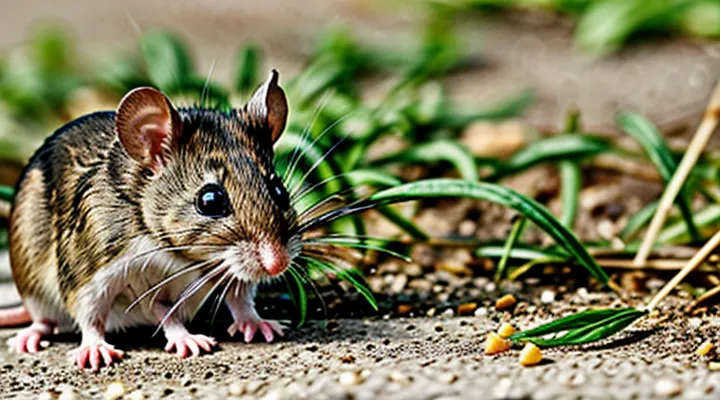
Overview of a Mouse's Dietary Needs
Essential Nutrient Requirements
Protein Sources
Mice require a reliable source of protein to support growth, reproduction, and immune function. Commercial rodent pellets typically contain 14‑20 % protein derived from soy, wheat gluten, and animal by‑products, providing a balanced amino‑acid profile that meets standard laboratory requirements.
Supplemental protein options include:
- Soybean meal – high‑quality plant protein, low in fat, widely used in rodent diets.
- Casein or whey powder – dairy‑derived proteins offering rapid absorption; suitable for short‑term supplementation.
- Fish meal – rich in essential amino acids and omega‑3 fatty acids; must be heat‑treated to eliminate pathogens.
- Insect larvae (e.g., mealworms, crickets) – concentrated protein with chitin content; serve as a novel enrichment source.
- Cooked lean meat (chicken, turkey) – provides complete protein; should be boiled and finely shredded to reduce contamination risk.
- Hard‑boiled egg white – pure protein with minimal fat; can be offered in small portions.
- Legume‑based products (peas, lentils, tofu) – plant proteins that complement cereal‑based feeds; require cooking to improve digestibility.
When integrating these sources, maintain a total protein intake of 15‑20 % of the diet’s caloric content. Excess protein can lead to renal stress, while insufficient amounts may impair growth. Introduce new items gradually, monitor body condition, and ensure all protein foods are free from additives, salt, and preservatives. Consistent provision of safe, nutritionally balanced protein supports optimal health and experimental reliability in mouse colonies.
Carbohydrate Sources
Carbohydrates provide essential energy for laboratory mice and must be supplied in forms that are digestible, nutritionally balanced, and free of contaminants. Acceptable carbohydrate sources include purified sugars, complex starches, and natural plant materials that have been tested for safety.
- Sucrose (table sugar) – readily metabolized, useful for short‑term energy supplementation.
- Glucose monohydrate – highly soluble, ideal for precise dosing in liquid diets.
- Maltose – disaccharide derived from starch, suitable for gradual energy release.
- Corn starch – common component of standard rodent chow, provides a steady carbohydrate supply.
- Wheat or barley malt – processed forms offer digestible starch with minimal fiber.
- Oats – low‑glycemic, fiber‑rich, supportive of gut health when incorporated into mash.
- Rice (white or brown) – starch source with low allergenicity; brown rice adds modest fiber.
- Potato flour – fine carbohydrate powder, integrates easily into pelleted diets.
- Fruit purees (e.g., apple, banana) – natural sugars and vitamins; must be pasteurized to eliminate pathogens.
- Commercially prepared rodent chow – formulated blends containing balanced carbohydrate fractions, vitamins, and minerals.
When selecting a carbohydrate source, verify that the product is free of pesticide residues, mycotoxins, and excessive simple sugars that could disrupt glucose regulation. Concentrations should align with the mice’s caloric requirements, typically 45–55 % of total dietary energy. Regular monitoring of body weight and blood glucose helps ensure the carbohydrate component meets physiological needs without inducing metabolic stress.
Fat Sources
Fat supplies essential energy and supports absorption of fat‑soluble vitamins in mouse nutrition. Standard rodent diets allocate 4–6 % of total calories to fat; experimental formulations may adjust this range to meet specific metabolic goals.
- Vegetable oils (sunflower, corn, canola): rich in polyunsaturated fatty acids, low in saturated fat, suitable for short‑term feeding. Store in amber containers at 4 °C to prevent oxidation.
- Animal fats (lard, beef tallow): high in saturated fatty acids, provide dense energy. Incorporate in limited amounts to avoid excessive cholesterol intake.
- Fish oil (anchovy, salmon): source of eicosapentaenoic and docosahexaenoic acids, valuable for studies on inflammation and neural development. Protect from light and heat; add antioxidants such as vitamin E to reduce peroxidation.
- Butter: contains mixed saturated and monounsaturated fats, acceptable in modest quantities. Monitor for lactose content if mice have limited lactase activity.
- Medium‑chain triglycerides (MCT oil): rapidly metabolized, useful for energy‑focused protocols. Verify tolerance before long‑term use.
Avoid hydrogenated oils and trans‑fat preparations; they impair lipid metabolism and may induce hepatic stress. Ensure all fat sources are free of contaminants, free from added flavors or preservatives, and are homogenously mixed into the base diet to prevent selective consumption. Regularly assess diet stability by measuring peroxide values; replace batches exceeding acceptable limits.
Vitamins and Minerals
Mice require a balanced supply of vitamins and minerals to maintain metabolic functions, immune competence, and skeletal health. Deficiencies or excesses can lead to growth retardation, anemia, or organ dysfunction, making precise nutrient formulation essential for laboratory and pet populations.
Key micronutrients and common dietary sources include:
- Vitamin A – β‑carotene from carrots, sweet potatoes, or fortified grain mixes; supports vision and epithelial integrity.
- Vitamin D3 – Ergocalciferol enriched fish oil or UV‑treated feed; regulates calcium absorption.
- Vitamin E (α‑tocopherol) – Wheat germ oil or sunflower seed supplementation; acts as an antioxidant.
- Vitamin K – Leafy greens such as kale or fortified soy protein; required for blood clotting.
- B‑complex vitamins – Thiamine, riboflavin, niacin, pyridoxine, cobalamin supplied via yeast extract or commercial premixes; involved in energy metabolism and nerve function.
- Vitamin C – Not essential for most strains but may be added for immunocompromised models; provided by citrus pulp or ascorbic acid powder.
Mineral requirements and typical feed additives:
- Calcium – Ground limestone or calcium carbonate; essential for bone formation and muscle contraction.
- Phosphorus – Dicalcium phosphate or bone meal; balances calcium for optimal skeletal development.
- Magnesium – Magnesium oxide or sulfate; participates in enzymatic reactions.
- Potassium – Potassium chloride; maintains electrolyte balance.
- Sodium – Sodium chloride; critical for fluid regulation.
- Iron – Ferrous sulfate; necessary for hemoglobin synthesis.
- Zinc – Zinc oxide or zinc sulfate; supports immune response and enzyme function.
- Copper – Copper sulfate; involved in iron metabolism.
- Selenium – Sodium selenite; provides antioxidant protection.
Commercial rodent chows typically incorporate premixed vitamin‑mineral complexes that meet the National Research Council (NRC) recommendations for adult mice: 0.5–1.0 g/kg vitamin A, 0.2–0.5 g/kg vitamin D3, 0.5–1.0 g/kg vitamin E, and trace mineral concentrations calibrated to 50–150 mg/kg for iron, 30–80 mg/kg for zinc, and 0.2–0.5 mg/kg for selenium. Adjustments may be required for breeding colonies, aged animals, or disease models with altered nutrient metabolism.
Regular analysis of feed composition, coupled with periodic health monitoring, ensures that micronutrient levels remain within the optimal range and prevents inadvertent toxicity from over‑supplementation.
Safe and Recommended Food Options
Commercial Mouse Pellets
Benefits of Commercial Diets
Commercial rodent feeds provide consistent nutrient composition, eliminating the variability inherent in homemade mixtures. Formulated blends contain precise ratios of protein, fat, carbohydrates, vitamins, and minerals, ensuring that mice receive balanced nutrition throughout their lifecycle.
Key advantages include:
- Predictable growth rates and body condition due to standardized caloric density.
- Reduced risk of nutrient deficiencies or excesses, which can affect experimental outcomes.
- Simplified storage and handling; pellets and mash are shelf‑stable and resistant to spoilage.
- Minimal preparation time, allowing researchers to allocate resources to core tasks.
- Compatibility with health monitoring programs, as many commercial diets are certified pathogen‑free.
By selecting a reliable commercial diet, investigators can maintain experimental reproducibility while supporting the physiological well‑being of laboratory mice.
Choosing the Right Brand
Choosing a commercial mouse diet requires systematic evaluation of brand characteristics rather than reliance on anecdotal recommendations.
Key criteria for selection:
- Nutrient profile – protein content between 14‑18 %, balanced amino‑acid composition, adequate vitamins (A, D, E, B‑complex) and minerals (calcium, phosphorus, magnesium).
- Ingredient source – use of whole‑grain or soy‑based formulations, avoidance of excessive fillers, artificial colors, or preservatives.
- Form factor – pelleted diets reduce waste and ensure uniform intake; mash may be suitable for breeding colonies but can increase spillage.
- Brand reputation – manufacturers with documented research support, peer‑reviewed studies, or certifications from laboratory animal science organizations.
- Shelf life and packaging – airtight containers, moisture‑resistant barriers, and clear expiration dates preserve nutrient integrity.
- Cost efficiency – price per kilogram compared with nutritional yield; bulk purchasing options may lower overall expense without compromising quality.
- Regulatory compliance – adherence to guidelines from entities such as the American Association for Laboratory Animal Science (AALAS) or the European Federation of Laboratory Animal Science Associations (EFLAS).
Practical steps:
- Review the product label for precise percentages of protein, fat, fiber, and essential micronutrients.
- Verify that the manufacturer provides a Certificate of Analysis confirming batch‑specific composition.
- Cross‑reference the brand with published studies that document health outcomes in mice fed the same formulation.
- Assess storage requirements and confirm that the facility can maintain recommended conditions (e.g., temperature ≤ 25 °C, low humidity).
- Compare unit costs after factoring in packaging size and anticipated consumption rates.
By applying these objective measures, researchers can select a mouse food brand that delivers consistent nutrition, supports experimental reliability, and aligns with budgetary constraints.
Fresh Fruits and Vegetables
Safe Fruit Choices
Mice can enjoy a variety of fresh fruits when offered in moderation and prepared correctly. Safe options include:
- Apple (core and seeds removed, skin optional)
- Blueberry, whole or halved
- Strawberry, sliced, stem removed
- Banana, small bite‑size pieces
- Pear, seedless, skin thinly sliced
- Cantaloupe or honeydew, rind removed, cut into cubes
- Kiwi, peeled and diced
- Raspberries, whole
- Blackberries, whole
- Small amounts of seedless grapes, quartered
Each fruit should be washed thoroughly, free of pesticides, and presented in pieces no larger than a mouse’s mouth. Seeds, pits, and cores must be discarded because they contain cyanogenic compounds or pose choking hazards. Fruit should complement a balanced diet of commercial mouse pellets and occasional protein sources; it is not a primary food. Limit fruit to no more than 10 % of total daily intake to prevent digestive upset and excess sugar.
Safe Vegetable Choices
When selecting vegetables for mouse diets, prioritize items that are low in oxalates, free of pesticide residues, and readily digestible. Veterinary nutrition guidelines recommend offering fresh, washed produce in moderation to prevent gastrointestinal upset and nutrient imbalances.
- Carrots – peeled, diced; high in beta‑carotene, low in fiber.
- Broccoli – florets, lightly steamed; provides vitamin C and calcium.
- Zucchini – raw or lightly cooked; soft texture, minimal sugar.
- Green beans – trimmed, cut into bite‑size pieces; source of protein and iron.
- Spinach – limited portions; rich in folate but contains oxalates, so use sparingly.
- Cucumber – peeled, sliced; high water content, good for hydration.
Each vegetable should be introduced gradually, observing for signs of diarrhea or reduced intake. Remove uneaten portions after a few hours to avoid spoilage. Regularly rotate varieties to supply a broader spectrum of micronutrients while maintaining a consistent baseline of safe options.
Portion Control and Preparation
Accurate portion sizing prevents obesity, ensures nutrient balance, and supports reproducible experimental outcomes.
- Adult laboratory mouse (20‑25 g): 3–4 g of dry diet per day, divided into two equal feedings.
- Juvenile (10‑15 g): 1.5–2 g daily, split into three feedings.
- Pregnant or lactating female: 5–6 g per day, provided in multiple small portions to accommodate increased demand.
Portion measurement must use calibrated scales, not visual estimates. Feed should be offered in a clean, low‑profile dish to limit spillage and contamination.
Preparation requires consistent moisture content, sterile handling, and proper storage. Dry pellets are stored at 15‑20 °C in sealed containers with desiccant packs to preserve texture and prevent mold growth. Freshly prepared soft diets are mixed with sterile water at a 1:1 ratio, homogenized, and refrigerated at 4 °C for no longer than 48 hours. Prior to distribution, each batch is inspected for clumping, discoloration, or foreign material; compromised feed is discarded.
Standard preparation steps:
- Weigh the required dry ingredient using a calibrated balance.
- Add measured sterile water, stir until uniform.
- Portion the mixture into pre‑weighed feeding trays according to the schedule above.
- Label each tray with date and portion size, then place in a temperature‑controlled environment until consumption.
Adhering to these guidelines maintains dietary consistency, reduces health risks, and supports reliable data collection.
Grains and Seeds
Approved Grains
Approved grains provide essential carbohydrates, fiber, and modest protein for laboratory and pet mice. They are nutritionally balanced, readily digestible, and free of contaminants that could affect experimental outcomes or animal health.
Commonly accepted grains include:
- Whole wheat: high in complex carbohydrates and fiber; supports steady energy release.
- Oats: rich in soluble fiber; promotes gastrointestinal health.
- Barley: offers beta‑glucans that aid immune function; low in fat.
- Corn: supplies starch and essential fatty acids; must be processed to remove mycotoxins.
- Rice (white or brown): low‑allergen grain; provides quick‑acting glucose.
When formulating a diet, blend approved grains with a protein source, vitamin–mineral mix, and a controlled amount of fat. Ensure the grain component does not exceed 30 % of the total diet by weight to prevent obesity and maintain nutrient balance. Regularly test grain batches for aflatoxins, pesticides, and moisture content to guarantee safety and consistency.
Approved Seeds
Approved seeds constitute a reliable component of laboratory and pet mouse diets. They supply essential carbohydrates, proteins, fats, vitamins, and minerals while presenting low risk of contamination. Selection follows guidelines from the American Association for Laboratory Animal Science (AALAS) and the National Research Council (NRC).
Commonly accepted seeds include:
- White wheat (Triticum aestivum) kernels – high in starch, minimal fiber; suitable for short‑term supplementation.
- Millet (Panicum miliaceum) seeds – balanced protein‑to‑energy ratio; well tolerated by most strains.
- Sorghum (Sorghum bicolor) grains – rich in antioxidants; appropriate for breeding colonies.
- Oats (Avena sativa) rolled or whole – source of soluble fiber and β‑glucan; beneficial for digestive health.
- Canary seed (Phalaris canariensis) – specifically the white, low‑gossypol variety – preferred for its digestibility and low toxin content.
- Barley (Hordeum vulgare) kernels – provides moderate protein and essential B‑vitamins.
Guidelines for use:
- Verify that seeds are certified pathogen‑free and free of pesticide residues.
- Store in airtight containers at 4 °C to preserve nutritional integrity and prevent mold growth.
- Incorporate seeds into the diet at 5–10 % of total caloric intake to avoid excess fat accumulation.
- Rotate seed types weekly to ensure a varied nutrient profile and reduce the risk of selective deficiencies.
When preparing a mixed diet, combine approved seeds with a balanced base pellet to meet the complete nutritional requirements of Mus musculus. Regular monitoring of body weight and health markers confirms adequacy of the seed component.
Moderation Guidelines
Feeding protocols for small rodents require precise control to prevent nutritional imbalances, obesity, and experimental variability. Moderation guidelines establish quantitative and qualitative limits that safeguard animal health while ensuring reproducibility of research outcomes.
Key principles include:
- Portion control: Offer a measured amount that satisfies daily caloric needs without excess; typical adult mouse requires 3–4 g of dry feed per day.
- Frequency: Provide fresh food once daily; avoid continuous access to high‑energy treats that can lead to overconsumption.
- Variety limitation: Introduce supplemental items (e.g., fruits, seeds, protein treats) sparingly, not exceeding 10 % of total intake.
- Nutrient balance: Ensure that any addition complements, rather than displaces, essential vitamins, minerals, and fiber present in the base diet.
- Safety screening: Verify that all items are free from pesticides, mold, or contaminants before inclusion.
Practical application:
- Calculate the standard diet requirement based on mouse weight and strain.
- Allocate supplemental portions in pre‑weighed packets; record the exact gram amount.
- Rotate supplemental foods no more than twice per week to avoid habituation.
- Monitor body weight and coat condition weekly; adjust portions if a 5 % change in weight occurs.
Continuous observation and documentation enable timely modifications, ensuring that dietary regimens remain within the defined moderation parameters while supporting the physiological integrity of the animals.
Occasional Treats
Small Amounts of Cooked Meat
Small, plain cooked meat can serve as an occasional protein supplement for mice. The meat provides high‑quality protein, essential amino acids, B‑group vitamins and minerals such as iron and zinc, which are not abundant in standard rodent chow.
Safety requires that the meat be free of seasoning, salt, sugar, sauces or additives. Only lean cuts should be used; visible fat, skin and bones must be removed. The meat must be cooked thoroughly to eliminate pathogens and then cooled before offering.
Portion size should not exceed 0.1–0.2 g per mouse per day, equivalent to a single bite‑sized piece. Feeding should be limited to 2–3 times per week to prevent excessive caloric intake and to maintain the balance of the regular diet.
Preparation steps:
- Boil or steam the meat until fully cooked.
- Cool to room temperature.
- Trim off all fat, skin and connective tissue.
- Cut into pieces no larger than 2 mm.
- Store in a sealed container in the refrigerator and discard after 24 hours.
Potential concerns include rapid weight gain, gastrointestinal disturbance and the introduction of residual bacteria if the meat is not cooked or stored properly. Regular monitoring of body condition and behavior is required when meat is incorporated into the diet.
Dairy Products (Limited)
Dairy can be offered to laboratory or pet mice, but only in restricted quantities because rodents have limited ability to digest lactose and high‑fat foods. Suitable dairy items include:
- Plain, low‑fat yogurt (no added sugars or fruit)
- Small pieces of fresh, unsalted cheese (e.g., mild cheddar, mozzarella)
- Unflavored, low‑fat cottage cheese
- Unsweetened, plain kefir in minute portions
Guidelines for safe use:
- Provide no more than 1–2 % of the daily diet by weight; a pea‑sized piece per mouse suffices.
- Offer fresh product only; discard leftovers after 30 minutes to prevent spoilage.
- Avoid flavored, sweetened, or high‑fat dairy such as full‑fat cream, ice cream, or processed cheese spreads.
- Monitor mice for signs of digestive upset (soft stools, reduced activity) and discontinue if symptoms appear.
Limited dairy supplementation can add protein and calcium, but excessive intake may cause lactose intolerance, obesity, and dental decay. Use sparingly and as part of a balanced regimen of grains, seeds, and formulated rodent chow.
Other Safe Treats
Mice enjoy occasional treats that complement a balanced grain‑based diet. These items provide enrichment and additional nutrients when offered in moderation.
- Small pieces of fresh fruit such as apple (seed‑free), banana, or berries; limit to a few bites per week to avoid excess sugar.
- Vegetables like carrot, cucumber, broccoli, or leafy greens (e.g., romaine lettuce, kale); rinse thoroughly and remove any wilted parts.
- Unsweetened cooked egg, shredded or finely chopped, supplies protein and essential amino acids.
- Plain, low‑fat plain yogurt or kefir in tiny dollops introduces beneficial bacteria for gut health.
- Nuts and seeds (e.g., sunflower seeds, pumpkin seeds, unsalted peanuts) offer healthy fats; serve only a few fragments due to high caloric density.
- Small amounts of whole‑grain cereal or oats, unflavored and free of added sugars, add fiber and carbohydrates.
Treats should be fresh, free of pesticides, and presented in quantities that do not exceed 5 % of the mouse’s total daily intake. Remove any uneaten portions within a few hours to maintain hygiene.
Foods to Avoid
Toxic and Harmful Items
Human Processed Foods
Human‑derived processed foods are occasionally used in mouse nutrition research, but strict criteria govern their inclusion. Nutrient composition must match the dietary requirements of Mus musculus, and any ingredient that introduces unknown variables or contaminants is excluded.
Acceptable processed items typically undergo sterilization and are formulated to provide balanced macronutrients, micronutrients, and fiber. Commonly employed products include:
- Commercially prepared rodent chow enriched with powdered cheese or soy isolate, approved for laboratory use.
- Sterilized canned pumpkin puree, offering digestible carbohydrates and beta‑carotene.
- Pasteurized, low‑fat yogurt, supplying lactose and probiotic cultures after heat treatment.
- Dehydrated, powdered beetroot, delivering antioxidants without excess sugar.
Items that pose health risks or interfere with experimental outcomes are rejected. These comprise high‑sugar desserts, salty snacks containing sodium levels far above physiological norms, fried foods with trans‑fat residues, and any product containing artificial sweeteners such as saccharin, which can alter gut microbiota.
When integrating processed human foods, researchers must verify batch sterility, confirm nutrient analysis, and adjust the overall diet to maintain isocaloric balance. Documentation of source, processing method, and composition is required for reproducibility and regulatory compliance.
Sugary and Salty Snacks
Sugary and salty snacks are occasionally offered to laboratory or pet mice, but their nutritional profile and health impact demand careful assessment.
Mice possess a high metabolic rate and rely on a diet rich in protein, complex carbohydrates, and essential micronutrients. Simple sugars and excess sodium can disrupt glucose regulation and fluid balance, leading to obesity, renal strain, or cardiovascular complications. Consequently, these treats should be considered occasional supplements rather than staple components.
Typical items classified as sugary or salty include:
- Commercial candy (hard sweets, gummy bears) – high sucrose content, negligible protein; risk of dental decay and hyperglycemia.
- Chocolate pieces – contains theobromine and caffeine; toxic at doses above 0.1 g/kg body weight, potentially fatal.
- Potato chips or pretzels – concentrated sodium, low fiber; may cause hypertension and dehydration.
- Sweetened cereals – refined grains and added sugars; insufficient amino acids, may induce rapid weight gain.
- Salted nuts (unsalted preferred) – elevated NaCl levels; can overwhelm renal excretion mechanisms.
Guidelines for limited inclusion:
- Offer no more than 1–2 g of any sugary item per mouse per week, distributed in multiple small portions.
- Limit salty snacks to a maximum of 0.5 g per mouse per week, ensuring overall dietary sodium does not exceed 0.1 % of total feed weight.
- Monitor body weight, water intake, and fecal consistency after each exposure; discontinue if adverse signs appear.
- Prefer nutritionally balanced treats formulated for rodents, which contain appropriate protein-to-carbohydrate ratios and reduced sodium.
In summary, sugary and salty snacks can be used sparingly to provide enrichment, but they must not replace the balanced chow that meets mice’s physiological requirements. Regular health assessments are essential to detect any negative effects promptly.
Caffeine and Alcohol
Caffeine is a central nervous system stimulant that can be administered to mice in controlled research settings. Effective concentrations range from 0.1 mg kg⁻¹ to 5 mg kg⁻¹; higher doses produce hyperactivity, tremors, or fatal arrhythmias. Oral delivery is typically achieved by dissolving caffeine in drinking water or adding it to a palatable gel. Acute exposure above 10 mg kg⁻¹ often results in reduced food intake and elevated corticosterone levels. Chronic administration at sub‑threshold doses (≤1 mg kg⁻¹ daily) may induce tolerance without overt toxicity, but long‑term effects on metabolism and behavior remain dose‑dependent. Researchers must monitor body weight, locomotor activity, and plasma caffeine concentrations to ensure safety.
Alcohol, expressed as ethanol, exerts depressant effects on murine physiology. Acute doses of 1–2 g kg⁻¹ (≈10–20 % v/v in drinking water) cause sedation, impaired coordination, and decreased core temperature. Doses exceeding 5 g kg⁻¹ frequently lead to respiratory depression and mortality. Chronic exposure through a 5 % ethanol solution in the diet can model dependence, but it reduces caloric intake and alters liver enzyme activity. Blood ethanol concentrations above 0.1 % (100 mg dl⁻¹) are associated with significant motor deficits. Ethical protocols require regular assessment of hydration status, weight loss, and signs of distress.
Both substances are unsuitable as routine nutritional components for laboratory mice. They may be employed as experimental variables under strict dosage control, comprehensive monitoring, and institutional approval. In all cases, alternative feed formulations should provide complete macro‑ and micronutrient profiles without reliance on stimulants or depressants.
Certain Plants and Seeds
Mice accept a variety of plant material and seeds as part of a balanced diet. Fresh greens supply fiber, vitamins, and hydration; seeds provide concentrated energy and essential fatty acids.
Suitable vegetables include romaine lettuce, kale, spinach, and carrot tops. These should be washed thoroughly, trimmed of any wilted portions, and offered in small, bite‑size pieces to prevent choking. Fruit can be added sparingly; apple slices, blueberries, and grapes furnish natural sugars but must be limited to avoid digestive upset.
Seeds that meet nutritional requirements are:
- Sunflower seeds (unsalted, de‑hulled) – rich in vitamin E and linoleic acid.
- Pumpkin seeds – high in protein and zinc.
- Hemp seeds – source of omega‑3 and omega‑6 fatty acids.
- Flaxseed (ground) – provides fiber and lignans.
All plant foods must be free from pesticides, mold, or rot. Introduce new items gradually, monitoring for adverse reactions. Consistent provision of fresh water alongside these plant and seed options supports optimal health and growth in laboratory or pet mice.
Foods Causing Digestive Issues
High-Fat Foods
High‑fat diets are employed to supply dense energy and to model metabolic disorders in mice. Such regimens typically provide 45–60 % of calories from fat, with protein and carbohydrate levels adjusted to maintain growth and health.
Common high‑fat ingredients suitable for mice include:
- Lard or rendered animal fat, finely emulsified
- Butter, unsalted and melted
- Vegetable oils (soybean, corn, canola), filtered and sterilized
- Commercial high‑fat rodent chow formulated to deliver 45 % kcal from fat
- Nut butters (peanut, almond) in small, homogenized portions
Nutrient balance demands that fat sources be paired with adequate protein (15–20 % kcal) and limited simple sugars. Essential fatty acids (linoleic and α‑linolenic) must be present to prevent deficiencies. Excessive trans‑fatty acids should be excluded due to adverse effects on lipid metabolism.
Safety protocols require:
- Sterilization of liquid fats by filtration or autoclaving at appropriate temperatures
- Storage at 4 °C in airtight containers to prevent oxidation
- Monitoring of body weight and food intake to avoid obesity‑related complications
- Exclusion of additives such as flavor enhancers, preservatives, or high‑salt concentrations
Feeding guidelines recommend delivering 3–5 g of high‑fat diet per 10 g of mouse body weight per day, divided into two equal meals to reduce gastrointestinal stress. Adjustments should be made based on strain, age, and experimental objectives.
Large Quantities of Certain Vegetables
Mice can consume substantial portions of specific vegetables without compromising health, provided the produce is fresh, free of pesticides, and offered in moderation relative to overall caloric intake.
Vegetables suitable for large‑scale inclusion:
- Carrots – high in beta‑carotene, low in fat; can be shredded or diced.
- Broccoli florets – source of vitamin C and fiber; serve raw or lightly steamed.
- Spinach leaves – rich in iron and folate; offer in small batches to prevent oxalate buildup.
- Zucchini – moist texture encourages hydration; cut into bite‑size pieces.
- Cabbage – provides glucosinolates; supply raw, avoid over‑feeding to prevent gas.
Key considerations:
- Nutrient balance – vegetables should complement protein‑rich foods such as pellets or insects; excess fiber may reduce nutrient absorption.
- Preparation – wash thoroughly, remove wilted sections, and cut into manageable sizes to prevent choking.
- Storage – keep in a refrigerated container for up to three days; discard any wilted or moldy portions promptly.
- Monitoring – observe stool consistency and weight; adjust quantities if diarrhea or weight loss occurs.
By integrating these vegetables in generous, yet controlled, amounts, caretakers can enhance the dietary diversity of mice while maintaining optimal growth and welfare.
Raw Beans
Raw beans present a mixed profile for laboratory or pet mice. Their high protein and fiber content can contribute to growth and intestinal health, yet several factors limit their practical use.
Nutritional aspects
- Protein: approximately 20 % by weight, comparable to standard rodent chow.
- Fiber: 5–7 % insoluble fiber, supporting gut motility.
- Carbohydrates: predominantly complex starches, providing sustained energy.
- Micronutrients: modest levels of iron, potassium, and B‑vitamins.
Potential hazards
- Lectins: raw legumes contain phytohemagglutinin, a toxin that can cause intestinal irritation and hemolysis in rodents.
- Antinutrients: phytic acid reduces mineral absorption, potentially leading to deficiencies over time.
- Gas production: fermentable fibers may cause bloating and discomfort.
Recommended handling
- Soak beans for at least 12 hours, then discard soaking water to reduce lectin concentration.
- Rinse thoroughly under running water.
- Offer only small quantities (no more than 1 g per 20 g body weight per day) as a supplement to a balanced diet.
- Monitor mice for signs of digestive upset, weight loss, or lethargy; discontinue if adverse reactions appear.
Conclusion
Raw beans can serve as an occasional protein source, but the presence of lectins and antinutrients necessitates careful preparation and limited inclusion. For consistent nutrition, commercially prepared rodent diets remain the safest primary option.
Feeding Practices and Considerations
Feeding Schedule and Quantity
Daily Feeding Routine
A consistent feeding schedule promotes stable body weight, reliable consumption patterns, and reduces stress in laboratory and pet mice. Provide fresh food at the same times each day, typically morning and late afternoon, and ensure continuous access to clean water.
-
Morning feeding (07:00–08:00)
-
Midday check (12:00)
-
Afternoon feeding (16:00–17:00)
- Provide the same quantity of chow as in the morning.
- Introduce a protein boost (e.g., a piece of boiled egg white or a few crushed soybeans) not exceeding 0.3 g.
- Record any leftovers to monitor intake.
-
Evening observation (20:00)
-
Weekly maintenance
Adhering to this routine eliminates irregularities in nutrient consumption, supports reproducible experimental outcomes, and maintains the health of mice under any dietary regimen.
Monitoring Food Intake
Accurate measurement of how much each mouse consumes is fundamental for nutritional experiments, toxicology assessments, and metabolic research. Precise intake data enable correlation between diet composition and physiological outcomes, reducing variability and improving reproducibility.
Common techniques for quantifying consumption include:
- Weigh‑before/after method – place a known amount of food in the cage, record weight, and subtract the residual weight after a set interval.
- Automated feeding stations – sensors record each bite or dispense a defined portion, logging time‑stamped data for individual animals.
- Metabolic cages – integrate balance scales with ventilation systems, allowing continuous monitoring while measuring respiration and excretion.
- Video analysis – high‑resolution cameras capture feeding bouts; software calculates duration and frequency of visits to the food source.
Data collection should follow a consistent schedule (e.g., every 24 h) and be logged in a structured format that includes animal ID, cage number, food type, and environmental conditions. Calibration of scales before each measurement session eliminates systematic error. When animals are group‑housed, use feeders that assign consumption to specific individuals or apply statistical correction for communal intake.
Key factors influencing measurement accuracy:
- Spillage – food fragments that fall outside the feeder inflate apparent intake; employ trays or low‑profile dishes to contain debris.
- Hoarding behavior – some strains store food for later use; monitor cage interiors regularly to detect hidden reserves.
- Palatability – highly palatable diets may lead to rapid consumption, causing temporary weight fluctuations on the scale; adjust measurement intervals accordingly.
- Environmental variables – temperature, humidity, and lighting affect metabolic rate and feeding patterns; maintain stable conditions throughout the study.
Best practices recommend documenting all procedural details, including feeder model, calibration records, and cleaning schedules. Implementing duplicate measurements on a subset of cages validates method reliability. Consistent reporting of intake metrics facilitates comparison across laboratories and supports regulatory compliance.
Water Provision
Fresh Water Availability
Fresh water is a non‑negotiable component of any diet provided to laboratory or pet mice. Without adequate hydration, even the most nutritionally balanced feed cannot sustain normal growth, reproduction, or immune function.
Mice consume approximately 5–7 ml of water per 10 g of body weight each day. Access must be continuous; intermittent supply leads to rapid dehydration because mice have a high metabolic rate and limited renal concentrating ability. Water should be offered in bottles with stainless‑steel or polypropylene sipper tubes to prevent leakage and contamination.
Key considerations for water provision:
- Purity: Use deionized, reverse‑osmosis, or distilled water filtered through a 0.2 µm membrane. Avoid tap water that contains chlorine, heavy metals, or high mineral content.
- Temperature: Keep water at room temperature (20–22 °C). Cold water reduces intake; warm water may promote bacterial growth.
- Container hygiene: Replace bottles and clean sipper tubes weekly. Inspect for biofilm, cracks, or blockages before each refill.
- Monitoring: Record daily water consumption per cage. Sudden drops may indicate illness, bottle malfunction, or water quality issues.
- Backup supply: Maintain a spare bottle in each rack to ensure uninterrupted access during cleaning or equipment failure.
Providing consistently clean, readily available water supports the overall effectiveness of any feeding regimen for mice.
Types of Water Dispensers
Providing clean, reliable water is essential for maintaining the health of mice used in research or breeding programs. Various delivery systems address the need for continuous access while minimizing contamination and waste.
- Glass or plastic bottles with stainless‑steel sipper tubes – Simple, low‑cost solution; bottles are filled manually and secured to cage lids; sipper tubes prevent spillage and allow mice to drink on demand.
- Automatic water dispensers – Electronic units deliver measured volumes at preset intervals; ideal for large colonies where manual refilling is impractical; often include filtration to reduce microbial growth.
- Drip‑feed systems – Tubing delivers a slow, steady stream to a small trough; useful for neonatal or genetically modified strains that require precise fluid intake.
- Gel-based water packs – Hydrogel blocks infused with water provide a solid source that mice nibble; reduces evaporation and eliminates the need for standing water, decreasing the risk of contamination.
- Gravity‑fed reservoirs – Large containers positioned above cages feed water through a valve or nipple; maintains constant pressure and ensures continuous supply without frequent top‑ups.
Selection should consider cage design, colony size, and the level of monitoring required. Stainless‑steel components and regular sanitation protocols extend the lifespan of each system and protect the rodents’ diet from bacterial interference.
Special Dietary Needs
Pregnant or Nursing Mice
Pregnant and lactating mice require diets that supply extra protein, calcium, vitamin D, and essential fatty acids to support fetal growth and milk production. Commercial rodent chow formulated for breeding colonies meets these needs; it typically contains 18–20 % protein, balanced minerals, and added vitamins. When supplementing, select items that complement the base diet without introducing contaminants.
- High‑quality protein sources: cooked egg white, low‑fat cottage cheese, finely chopped boiled chicken breast.
- Calcium enhancers: crushed, sterilized eggshell powder (approximately 1 g per 100 g of chow) or plain low‑fat yogurt.
- Vitamin D contributors: modest amounts of fortified fish oil or exposure to natural daylight; avoid excessive supplementation.
- Essential fatty acids: small quantities of unsalted, unflavored sunflower or safflower oil (½ tsp per 100 g of feed).
- Fresh water: continuously available, filtered, and changed daily.
Avoid foods that contain high levels of sugar, salt, or preservatives, such as candy, processed snacks, and flavored pet treats. Toxic items—including chocolate, caffeine, onions, garlic, and raw beans—must be excluded entirely. Fresh fruits and vegetables may be offered in limited portions; suitable choices are carrots, apple slices (no seeds), and broccoli florets, each provided in a piece no larger than ½ cm³ to prevent digestive upset.
Monitoring body condition and litter growth will indicate whether the diet meets the increased demands of gestation and nursing. Adjustments should be made gradually, and any sudden changes in appetite or weight warrant veterinary consultation.
Young and Elderly Mice
Young mice require diets that support rapid growth, tissue development, and immune system maturation. Protein levels should be higher than in adult formulations, while energy density must accommodate the increased metabolic rate.
- Commercial starter pellets containing 20–22 % protein, 4–5 % fat, and 5 % fiber
- Softened chow or milk‑based formulas for neonates unable to chew solid pellets
- Fresh, finely chopped vegetables (e.g., carrots, peas) providing vitamins A and C
- Small amounts of boiled egg white or whey protein to boost amino acid intake
- Unlimited access to clean, fresh water, optionally supplemented with electrolytes during weaning
Elderly mice experience reduced digestive efficiency, lower activity, and a higher risk of age‑related diseases. Their diet should emphasize digestibility, moderate caloric content, and nutrients that support joint health and cognitive function.
- Adult maintenance pellets reduced to 18–20 % protein, 3–4 % fat, and 4 % fiber
- Softened or moistened feed to ease mastication and swallowing
- Omega‑3‑rich sources such as flaxseed oil or fish oil capsules (0.5 % of diet) for anti‑inflammatory benefits
- Antioxidant‑rich foods like blueberries or spinach, offered in small, easily chewable portions
- Vitamin D and calcium supplements to counter bone loss, administered according to veterinary guidelines
- Consistent water supply, possibly supplemented with low‑sugar electrolyte solutions to prevent dehydration
Both age groups should avoid high‑sugar treats, raw nuts, and processed human foods that can cause gastrointestinal upset or obesity. Regular monitoring of body condition and adjusting portions ensures optimal health throughout the lifespan.
Sick or Recovering Mice
Ill mice require highly digestible, nutrient‑dense food that supports immune function and promotes tissue repair. Standard chow may be too coarse; softer alternatives reduce the effort of chewing and facilitate absorption.
Recommended items include:
- Paste‑type laboratory diet, softened with sterile water or low‑salt broth.
- Commercial rodent nutritional gels formulated for recovery, providing balanced protein, carbohydrates, and essential vitamins.
- Fresh, sterilized pumpkin or sweet potato puree, offering beta‑carotene and easily metabolized carbohydrates.
- Small portions of boiled chicken breast, shredded fine, delivering high‑quality protein without excess fat.
- Hydration solutions such as sterile electrolyte‑balanced fluids, administered via syringe or soaked sponge.
Supplementary nutrients can be critical:
- Vitamin C solution (10 mg ml⁻¹) administered orally to counter oxidative stress.
- Probiotic cultures specifically designed for rodents, mixed into the soft diet to maintain gut flora.
- Omega‑3 fatty acid oil (e.g., fish oil) added in micro‑droplets to reduce inflammation.
Foods to avoid:
- High‑fiber pellets that increase gastrointestinal workload.
- Sugary treats that may cause dysbiosis.
- Raw nuts or seeds, which pose choking hazards and contain anti‑nutritional factors.
Feeding schedule should consist of multiple small meals (4–6 times per day) to prevent gastric overload. Monitor body weight, fecal output, and activity level daily; adjust portions promptly if weight loss continues. Sterile handling of all food items minimizes infection risk, essential for compromised immune systems.
Maintaining a Healthy Diet
Observing Your Mouse's Health
Signs of a Healthy Diet
A balanced diet for mice shows consistent body weight, smooth fur, high activity levels, and regular, well‑formed droppings. These indicators reflect adequate caloric intake, sufficient protein, essential fatty acids, vitamins, and minerals.
- Stable weight within a species‑specific range, without rapid gain or loss.
- Shiny, dense coat without bald patches or dandruff.
- Energetic behavior, normal exploration, and quick response to stimuli.
- Feces that are uniform in size, moist but not watery, and free of blood.
Nutrient‑dense foods such as whole‑grain pellets, fortified seed mixes, and occasional fresh produce provide the required macro‑ and micronutrients. Protein sources—soy, casein, or insect meal—support growth and tissue repair. Essential fatty acids from flaxseed or fish oil maintain cell membrane integrity and influence immune function. Vitamin and mineral supplements, particularly vitamin A, D, E, and calcium, prevent deficiencies that manifest as poor coat condition, skeletal deformities, or reduced fertility.
Monitoring the listed signs allows caretakers to adjust feed composition promptly, ensuring that the dietary regimen remains optimal for health, reproduction, and experimental reliability.
Signs of Dietary Problems
Mice that receive an inappropriate diet exhibit observable physical and behavioral changes. Identifying these indicators allows caretakers to adjust feed composition promptly.
- Sudden weight loss or failure to gain expected weight despite adequate feeding schedules.
- Dull, brittle, or alopecic fur, often accompanied by increased grooming or self‑injury.
- Lethargy, reduced exploratory activity, or abnormal nesting behavior.
- Diarrhea, soft stools, or the presence of undigested food particles in feces.
- Excessive water consumption or persistent polyuria, suggesting metabolic imbalance.
- Respiratory distress or nasal discharge, which can arise from nutrient‑related immune suppression.
- Dental overgrowth or malocclusion, reflecting insufficient calcium or abrasive components in the diet.
Additional observations include delayed wound healing, increased susceptibility to infection, and abnormal growth of mammary tissue in females, all of which correlate with deficiencies or excesses of specific nutrients. Regular monitoring of body condition scores, coat quality, and stool characteristics provides a practical framework for early detection of dietary problems in mouse colonies.
Consulting a Veterinarian
When to Seek Professional Advice
Feeding rodents requires awareness of nutritional balance, health status, and environmental factors. Professional guidance becomes essential when routine observations reveal deviations from normal growth or behavior.
- Persistent weight loss despite adequate food supply
- Sudden onset of diarrhea, vomiting, or abnormal feces
- Visible signs of malnutrition, such as dull coat, lethargy, or skeletal prominence
- Development of dental overgrowth or misalignment affecting food intake
- Chronic respiratory or gastrointestinal infections that alter appetite
- Introduction of experimental diets, supplements, or novel ingredients without established safety data
- Breeding programs where offspring require precise nutrient ratios for optimal development
- Regulatory compliance for research facilities demanding validated feeding protocols
If any of these conditions appear, consult a veterinarian specialized in small mammals or a certified laboratory animal nutritionist. Their expertise ensures accurate diagnosis, appropriate dietary adjustments, and prevention of long‑term health complications.
Dietary Adjustments Recommended by Vets
Veterinarians advise that a mouse’s diet be balanced, species‑specific, and adjusted according to age, health status, and activity level. Commercial rodent pellets formulated for mice should constitute the primary source of nutrition, as they provide consistent protein, fat, fiber, vitamins, and minerals.
Supplementary foods can enhance variety and address specific dietary needs:
- Fresh leafy greens (e.g., romaine lettuce, kale, spinach) – limited to a few tablespoons daily to prevent diarrhea.
- Small portions of fresh fruit (e.g., apple, banana, berries) – offered sparingly because of high sugar content.
- Protein‑rich treats (e.g., boiled egg white, cooked chicken, mealworms) – suitable for growth phases or recovery from illness.
- Calcium sources (e.g., plain yogurt, calcium‑fortified block) – essential for breeding females and skeletal health.
Adjustments for common health concerns include:
- Reduce fat and sugar when mice show signs of obesity or diabetes; replace treats with low‑calorie vegetables.
- Increase fiber for gastrointestinal motility problems by adding unflavored, plain, high‑fiber pellets or small amounts of oats.
- Provide extra water and moist foods for respiratory or urinary tract issues to maintain hydration.
Regular monitoring of body condition, coat quality, and stool consistency guides further modifications. Veterinarians recommend rotating fresh items weekly to prevent nutrient deficiencies and to keep the diet nutritionally complete.