
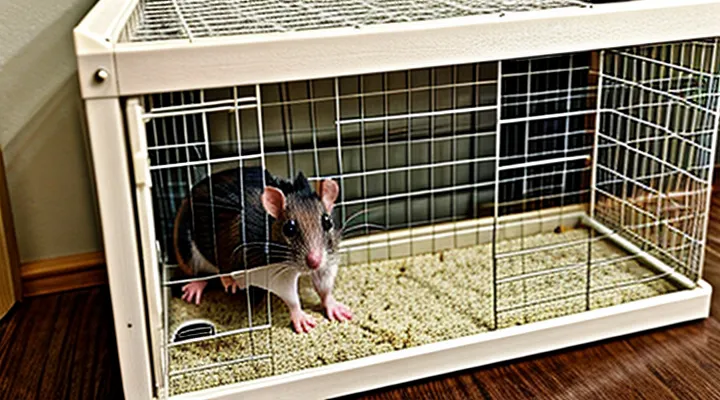
Why the Right Cage Matters
The Importance of Space
Minimum Size Requirements
Rats require a cage that provides sufficient floor space to move, explore, and exhibit natural behaviors. Minimum dimensions are determined by the number of occupants and the need for vertical activity.
- Floor area: at least 0.5 square feet (≈ 46 cm × 46 cm) per adult rat; larger groups demand proportionally more space.
- Height: no less than 12 inches (≈ 30 cm) to accommodate climbing and upright posture.
- Volume: total interior volume should exceed 2 cubic feet (≈ 57 L) for a pair, with additional 1 cubic foot per extra rat.
These thresholds prevent overcrowding, reduce stress, and support musculoskeletal health. Cage construction must ensure solid flooring, adequate ventilation, and secure latches to maintain a stable environment.
Benefits of Ample Space
Ample cage space directly influences a rat’s physiological condition. Larger enclosures allow unrestricted movement, which promotes muscular development and prevents obesity. Sufficient floor area also supports proper circulation, reducing the risk of respiratory issues associated with cramped environments.
Spacious housing encourages natural exploratory behavior. Rats can construct burrows, climb, and manipulate objects, activities that satisfy innate curiosity and diminish stereotypic pacing. Access to varied zones—elevated platforms, tunnels, and nesting corners—provides continuous mental stimulation, lowering stress‑induced cortisol levels.
Cleanliness improves when waste is dispersed across a broader surface. Diluted accumulation of urine and feces facilitates more effective ventilation and easier spot cleaning, resulting in lower pathogen loads and reduced incidence of skin infections.
Key advantages of generous cage dimensions:
- Enhanced musculoskeletal health
- Increased opportunities for species‑typical behaviors
- Lower stress markers and aggression
- Improved air quality and hygiene
- Greater flexibility for enrichment rotation
Providing rats with ample space aligns housing conditions with their biological requirements, resulting in robust health, active engagement, and a more stable social environment.
Environmental Enrichment
Physical Health Benefits
An appropriately sized and well‑ventilated enclosure promotes musculoskeletal development in rats. Sufficient floor area encourages natural locomotion, preventing muscle atrophy and joint stiffness. Access to multiple levels and climbing structures supports balanced limb use, reducing the risk of asymmetrical growth.
Adequate bedding depth and material maintain dermatological health. Soft, absorbent substrates prevent skin irritation, abrasions, and pressure sores. Regularly changed, dry bedding eliminates excess moisture, limiting bacterial proliferation and associated infections.
Environmental enrichment that mimics natural foraging behavior enhances cardiovascular function. Opportunities for digging, gnawing, and exploring stimulate regular activity, which improves heart rate variability and reduces resting blood pressure.
Optimal cage design also facilitates respiratory well‑being. Open‑mesh sides and proper airflow prevent ammonia buildup, decreasing the incidence of respiratory infections and chronic bronchitis. Materials free of toxic fumes or off‑gassing compounds eliminate inhalation hazards.
Key physical health advantages of a well‑chosen rat enclosure include:
- Enhanced muscle tone and joint flexibility
- Reduced incidence of skin lesions and ulceration
- Improved cardiovascular metrics through sustained activity
- Lowered risk of respiratory disease via effective ventilation
- Prevention of obesity by encouraging natural movement patterns
Implementing these design principles directly contributes to the overall physiological resilience of housed rats.
Mental Well-being
Rats experience stress, anxiety, and depression when their environment lacks stimulation; cage design directly influences these mental states.
Key elements that support psychological health include:
- Varied textures (sand, wood, PVC) for tactile exploration.
- Objects that enable gnawing, such as untreated wood blocks and safe chew toys.
- Hideaways that provide refuge from light and activity.
- Foraging opportunities, like scattered seeds or puzzle feeders, that encourage problem‑solving.
Adequate floor area prevents crowding and allows natural locomotion. Minimum dimensions of 1 ft × 2 ft per adult rat provide sufficient space for movement, while vertical platforms increase usable volume without expanding the footprint.
Social interaction mitigates loneliness; housing two compatible individuals in the same enclosure reduces isolation‑related behaviors. When pairing is not feasible, regular supervised out‑of‑cage sessions compensate for the lack of conspecific contact.
Optimal mental well‑being results from combining spacious, enriched cages with opportunities for social engagement and species‑specific activities. Implementing these criteria yields a stable, low‑stress environment that promotes natural behavior and reduces pathological signs.
Key Factors in Cage Selection
Cage Material and Construction
Wire Spacing Considerations
When selecting a cage for laboratory or pet rats, the distance between vertical and horizontal wire strands determines both safety and comfort. Excessively wide gaps allow rats to slip through or become trapped, while overly narrow spacing can cause skin irritation and restrict airflow.
Key measurements:
- Vertical bars: 0.5 cm (¼ in) or less to prevent head and body passage.
- Horizontal bars: 0.3 cm (⅛ in) to stop paws from slipping into openings.
- Bottom mesh: 0.3 cm (⅛ in) to avoid foot entanglement while permitting waste drainage.
Materials such as stainless steel or coated aluminum maintain structural integrity and resist corrosion, ensuring consistent spacing over time. Regular inspection for deformation or corrosion prevents accidental widening of gaps.
Designs that combine the specified spacing with smooth edges reduce injury risk and support natural exploration behaviors. Aligning cage dimensions with these standards optimizes rat welfare and experimental reliability.
Chew-Proof Materials
Choosing a cage for a rat requires materials that resist gnawing, prevent escape, and maintain hygiene. Durable, non‑toxic substances protect both the animal and the enclosure.
- Stainless steel – fully chew‑proof, corrosion‑resistant, easy to sanitize; higher initial cost.
- Powder‑coated metal – reliable barrier against teeth; coating must be food‑grade and free of cracks.
- Polycarbonate panels – transparent, strong, shatter‑resistant; can be chewed if thin, so use ≥ 5 mm thickness.
- High‑density polyethylene (HDPE) – robust, lightweight, chemical‑inert; suitable for flooring and accessories.
- Acrylic – clear and sturdy; vulnerable to deep scratches, recommend reinforcement with metal framing.
When evaluating a cage, verify that all structural components are at least 3 mm thick and bonded with stainless‑steel screws or rivets. Avoid plastic hinges or untreated wood, as rats can quickly compromise these elements. Ensure that any coating is certified BPA‑free and does not peel under stress.
Maintenance benefits from chew‑proof materials: they endure frequent cleaning with disinfectants, resist odor absorption, and reduce the need for replacement. Selecting the appropriate combination of metal and high‑grade polymer provides a secure environment while minimizing long‑term expenses.
Ease of Cleaning
Choosing a rat cage with cleaning efficiency in mind reduces labor, prevents disease, and prolongs the lifespan of the enclosure. Smooth, non‑porous surfaces such as polycarbonate, acrylic, or coated metal resist absorption of urine and feces, allowing quick wipe‑down with a damp cloth. Removable bottom trays collect waste without contacting the cage walls; they should slide out without tools and fit securely to avoid spillage.
- Integrated drainage holes connect to a tray that can be emptied directly into a disposable container.
- Hinged doors or flip‑top lids provide full access to the interior, eliminating the need to disassemble the cage for routine cleaning.
- Modular panels with snap‑fit connections enable replacement of a single section if contamination occurs, rather than discarding the entire unit.
- Rounded corners and rounded edges prevent debris accumulation and simplify brush access.
- Dishwasher‑safe components eliminate manual scrubbing for parts that can be detached.
A cage that combines these design elements minimizes the frequency of deep cleans while ensuring thorough sanitation after each cage change. The result is a healthier environment for the rat and a more manageable routine for the caretaker.
Cage Dimensions and Layout
Vertical vs. Horizontal Space
Rats thrive when their enclosure provides both ground area for foraging and climbing structures for exploration. Horizontal space allows movement across the cage floor, supporting natural behaviors such as nesting, digging, and social interaction. Sufficient floor area reduces competition among group‑housed individuals and facilitates placement of enrichment items without overcrowding.
Vertical space expands the three‑dimensional environment, enabling climbing, perching, and the use of multi‑level platforms. Rats instinctively seek elevated positions to observe surroundings, escape predators, and exercise muscles used for climbing. Proper vertical design distributes activity throughout the cage, preventing wear on a single floor zone and encouraging varied locomotion patterns.
Key considerations when balancing dimensions:
- Minimum floor area: 1 ft² (≈0.09 m²) per adult rat; larger for groups.
- Minimum cage height: 12 inches (≈30 cm) to accommodate a platform or tube; taller cages (18–24 inches) support multiple levels.
- Platform size: at least 6 inches (≈15 cm) wide, securely attached to prevent collapse.
- Ladder or rope diameter: 0.5–0.75 inches (≈1.3–2 cm) for comfortable grip.
- Clearance between levels: 6–8 inches (≈15–20 cm) to allow free movement.
Optimal housing integrates ample floor space with structured vertical elements, ensuring rats can express the full range of natural behaviors while maintaining health and welfare.
Multi-Level Cages
Multi‑level cages provide vertical space that mirrors a rat’s natural propensity to climb and explore. By stacking platforms, ladders, and tunnels, these enclosures increase usable area without enlarging the floor footprint, allowing more individuals to share a single habitat while preserving personal zones.
Key design elements include:
- Platform dimensions: each level should be at least 12 × 12 in (30 × 30 cm) to accommodate a nest box and allow comfortable movement.
- Clearance between levels: a minimum of 6 in (15 cm) prevents accidental falls and facilitates easy climbing.
- Material durability: use powder‑coated steel or reinforced acrylic to resist gnawing and ensure long‑term stability.
- Secure connections: bolts or snap‑fit joints must be tightened regularly to avoid wobble that could stress the animals.
- Ventilation: incorporate mesh panels or perforated flooring on each tier to maintain airflow and reduce humidity.
Enrichment is enhanced by the vertical arrangement. Rats can navigate ladders, hide in elevated tunnels, and claim distinct sleeping platforms, which promotes natural foraging behavior and reduces stress. When configuring a multi‑level system, keep the following practices in mind:
- Anchor the cage to a sturdy surface to prevent tipping.
- Provide a solid base with a removable tray for easy cleaning; line the tray with absorbent bedding but avoid excessive depth that hampers climbing.
- Distribute resources such as food dishes, water bottles, and chew toys across several levels to encourage movement.
- Monitor wear on ladders and platforms; replace worn sections promptly to maintain safety.
Cost considerations involve the initial investment in a modular frame versus the long‑term savings from reduced floor space requirements. A well‑constructed multi‑level cage supports healthy development, simplifies group housing, and aligns with the behavioral needs of laboratory or pet rats.
Door Access and Security
When selecting a rat enclosure, the door mechanism determines both animal safety and caretaker convenience. A secure door must prevent escape while allowing routine cleaning and feeding without excessive force.
A reliable door incorporates these features:
- Locking system – spring‑loaded latch or screw‑tight clamp that engages automatically when the door closes; avoid simple snap‑fits that can be pushed open by a determined rat.
- Material strength – stainless‑steel or reinforced polycarbonate panels resist gnawing; thin acrylic or untreated wood may be compromised within weeks.
- Seam design – overlapping edges or a tongue‑and‑groove joint eliminate gaps larger than 2 mm, the typical bite width of an adult rat.
- Ease of operation – lever or push‑button release that can be actuated with one hand, reducing handling stress and time spent on maintenance.
- Hygienic surface – smooth interior finish prevents debris accumulation and facilitates disinfection; textured surfaces should be limited to external handles.
Installation guidelines reinforce security:
- Align the door frame squarely with the cage walls; misalignment creates stress points that can warp under repeated use.
- Tighten all fasteners to the manufacturer’s torque specification; under‑tightened screws loosen as the cage is moved.
- Test the latch repeatedly by applying a 5‑kg force; the door must remain closed without deformation.
- Inspect for wear after each cleaning cycle; replace compromised components immediately.
By integrating a robust locking mechanism, durable materials, and precise construction, the cage door provides a controlled entry point that safeguards the rat while streamlining caretaker tasks.
Ventilation and Airflow
Preventing Respiratory Issues
Adequate ventilation is the cornerstone of respiratory health for laboratory and pet rats. Cages constructed from wire or mesh allow continuous airflow, reducing the buildup of ammonia from urine. Solid‑bottom enclosures should be equipped with vented lids or side openings that maintain a minimum exchange of 10 air changes per hour.
Bedding choice directly influences inhalation risk. Low‑dust substrates such as paper pulp, aspen shavings, or compressed wood pellets limit particulate exposure. Avoid cedar, pine, or scented litters, which release volatile compounds that irritate the respiratory tract.
Regular maintenance prevents pathogen proliferation. A cleaning schedule that removes soiled bedding, wipes surfaces with a mild, non‑abrasive disinfectant, and replaces water bottles daily eliminates bacterial and fungal spores. Monitoring humidity levels and keeping them between 40‑60 % deters mold growth.
Key preventive actions:
- Use wire‑mesh cages or ventilated lids for constant airflow.
- Select low‑dust, unscented bedding materials.
- Replace bedding weekly, or more often if odor increases.
- Clean cage surfaces with a diluted, animal‑safe disinfectant every 2–3 days.
- Maintain ambient humidity within the 40‑60 % range.
- Provide fresh, filtered water to avoid bacterial contamination.
Implementing these measures creates an environment where rats breathe clean air, reducing the incidence of pneumonia, sinusitis, and other respiratory disorders.
Optimal Cage Placement
Optimal cage placement determines a rat’s health, behavior, and longevity. Position the enclosure on a stable surface that resists tipping and prevents accidental collapse. Avoid placing the cage on high‑traffic furniture where frequent movement could cause stress or injury.
Key environmental parameters must be controlled:
- Temperature: Maintain ambient temperature between 65–75 °F (18–24 °C); avoid direct drafts or proximity to heating vents.
- Lighting: Provide a regular light‑dark cycle of 12 hours each; use indirect lighting to prevent glare while ensuring sufficient illumination for observation.
- Ventilation: Ensure continuous airflow without creating strong breezes; mesh sides or adjustable vents achieve this balance.
- Noise: Locate the cage away from loud appliances, speakers, or open windows; excessive sound elevates cortisol levels and disrupts sleep patterns.
- Safety: Keep the enclosure out of reach of household pets and children; secure it on a closed, non‑slippery floor to deter chewing on cords or escape attempts.
Accessibility for routine maintenance enhances hygiene. Place the cage where cleaning supplies and hands can reach without obstruction, allowing quick removal of waste and replacement of bedding. Ensure the location permits safe transport to a secondary enclosure during extensive cleaning or veterinary visits.
Finally, consider the rat’s natural tendencies. Position the cage near a low‑traffic area that still offers visual connection to household activity; this provides stimulation without constant disturbance. Regularly assess placement for changes in temperature, humidity, or noise, adjusting as needed to preserve optimal living conditions.
Essential Accessories and Furnishings
Food and Water Provisions
Rats need uninterrupted access to fresh, uncontaminated water. A sipper bottle with a stainless‑steel or polycarbonate nozzle provides a leak‑proof solution; attach it to the cage side at a height reachable by the animal but out of the bedding to prevent droplet accumulation. Replace the bottle daily, clean the nozzle with mild detergent weekly, and inspect for cracks before each refill.
A nutritionally complete rodent pellet or block should constitute the primary food source. Use a hopper or sealed dispenser that limits spillage and protects the feed from bedding contamination. Position the feeder on the cage’s upper tier to reduce gnawing on cage bars and to keep food dry. Supplement the diet with small portions of fresh vegetables, fruits, or protein sources no more than twice a week, ensuring that any uneaten fresh items are removed within 24 hours to prevent spoilage.
Maintain a strict schedule for monitoring and replenishing provisions. Check water levels at least twice a day; refill before the bottle empties. Inspect food quantity daily; top up pellets to maintain a constant supply while removing any clumped or damp feed. Clean water bottles and feeders according to the manufacturer’s recommendations, typically once a week, to inhibit bacterial growth.
Key components of an optimal feeding regimen:
- High‑quality rodent pellets, 18–20 % protein, 4–5 % fat, fortified with vitamins and minerals.
- Continuous sipper water system, inspected for leaks each day.
- Limited fresh produce, introduced in small, bite‑size portions.
- Regular cleaning of all delivery devices to preserve hygiene.
Hiding Spots and Nests
Rats require secure, concealed areas within their enclosure to satisfy natural instincts for privacy and protection. A well‑designed shelter should combine durability with ease of cleaning while offering a dark, enclosed space where the animal can retreat.
- Material: Hard‑plastic or thick wood with smooth interior surfaces prevents injury and resists gnawing. Lining the floor with a thin layer of paper bedding or aspen shavings adds comfort without compromising sanitation.
- Size: The hideout must allow the rat to turn fully, stretch, and curl without touching the walls. Minimum interior dimensions of 8 × 8 × 8 cm accommodate an adult, but larger chambers reduce stress during nesting.
- Ventilation: Small perforations or mesh panels provide airflow while maintaining darkness. Excessive ventilation creates drafts that can discourage use.
- Accessibility: One or two entry points, positioned low to the ground, enable easy access and encourage natural burrowing behavior. Hinged doors or removable lids simplify cleaning.
Nesting material should be offered separately to facilitate construction of a soft, insulated nest. Suitable options include shredded paper, untreated cotton fibers, or hay. Provide a shallow dish or corner for the material, allowing the rat to gather and shape it as desired.
Regular inspection ensures the hideout remains intact, free of sharp edges, and free of accumulated waste. Replacing worn components promptly preserves the enclosure’s safety and encourages consistent use of the shelter.
Enrichment Toys and Chewables
Rats require constant mental stimulation and opportunities to gnaw, both of which prevent boredom and dental problems. Enrichment toys should be sturdy, easy to clean, and sized to fit within the cage without obstructing movement. Items such as wooden tunnels, plastic climbing ladders, and rope bridges provide vertical space and encourage exploration.
Chewable materials must be safe, non‑toxic, and replaceable as they wear down. Suitable options include untreated hardwood blocks, natural willow branches, and compressed paper or cardboard rolls. These objects satisfy the animal’s instinct to gnaw, reducing the risk of overgrown incisors and destructive behavior toward cage components.
When selecting enrichment, follow these guidelines:
- Choose toys with no small detachable parts that could be swallowed.
- Rotate items weekly to maintain novelty and prevent habituation.
- Ensure all materials are free of chemicals, paints, or adhesives.
- Provide a variety of textures (smooth, rough, pliable) to engage different sensory preferences.
Integrating a balanced mix of durable climbing structures and regularly refreshed chewables creates a dynamic environment that supports the rat’s physiological and psychological health while complementing the overall housing design.
Litter Trays and Bedding
Litter trays provide a designated area for waste removal, reducing contamination of the main cage floor. Choose a tray that fits comfortably within the cage without restricting movement; a minimum dimension of 6 × 4 inches works for a single adult rat, while a larger size benefits groups. Ensure the tray has smooth, non‑porous walls to prevent bedding from spilling over.
Bedding serves as a substrate for nesting, odor absorption, and temperature regulation. Select materials that are absorbent, dust‑free, and non‑toxic. Common options include:
- Aspen shavings – low dust, good absorbency, inexpensive.
- Paper pulp pellets – compact, minimal respiratory irritation, easy to replace.
- Coconut coir – natural, high moisture retention, suitable for nesting.
- Hemp fiber – antimicrobial properties, low allergenicity.
When combining tray and bedding, follow these guidelines:
- Place the tray on one side of the cage, preferably against a solid wall to minimize tipping.
- Fill the tray with a thin layer (approximately 1 inch) of the chosen bedding to cushion waste and facilitate cleaning.
- Maintain a separate deeper bedding area (2–3 inches) for nesting; avoid mixing waste‑filled tray bedding with nesting material.
- Replace tray bedding every 2–3 days, and change the entire cage bedding weekly or when soiled.
Proper selection and maintenance of litter trays and bedding directly influence hygiene, respiratory health, and overall well‑being of laboratory or pet rats.
Types of Cages to Consider
Wire Cages
Advantages
Selecting an appropriate enclosure for a pet rat yields measurable benefits for both animal welfare and caretaker responsibilities.
- Sufficient floor space encourages natural foraging and exploratory behavior, reducing stress‑related aggression.
- Multi‑level platforms increase exercise opportunities, supporting cardiovascular health and muscle development.
- Secure ventilation prevents ammonia buildup, protecting respiratory function and minimizing odor.
- Durable, chew‑resistant materials extend cage lifespan, lowering long‑term replacement costs.
- Easy‑to‑clean designs streamline sanitation, decreasing disease transmission risk and saving caretaker time.
- Transparent panels allow continuous visual monitoring, facilitating early detection of health issues.
Disadvantages
Rats kept in inappropriate enclosures suffer from several avoidable problems. Small metal cages with limited floor space restrict natural foraging behavior, leading to muscle atrophy and reduced agility. Solid-bottom designs prevent the development of foot pads, increasing susceptibility to sores and infections. Lack of vertical complexity eliminates climbing opportunities, causing stress‑related aggression and stereotypic pacing.
Key drawbacks of common cage choices include:
- Insufficient ventilation – stagnant air raises humidity, fostering respiratory illnesses and mold growth.
- Inadequate enrichment – absence of tunnels, platforms, or chewable items reduces mental stimulation, resulting in depressive behaviors.
- Poor material durability – thin wire mesh bends under weight, creating gaps where rats can escape or become trapped.
- Difficulty cleaning – smooth surfaces collect waste that adheres stubbornly, encouraging bacterial colonies and odor buildup.
- Limited size – cages smaller than 2 ft × 1 ft × 1 ft restrict group dynamics, leading to territorial fights and social stress.
Choosing a cage that fails to address these issues compromises health, welfare, and research validity. Optimal housing must prioritize airflow, spacious dimensions, durable construction, and built‑in enrichment to mitigate these disadvantages.
Solid-Sided Cages (Tanks/Aquariums)
Why They Are Generally Unsuitable
Rats require cages that accommodate their size, activity level, and natural behaviors. Many commercially available enclosures fail to meet these standards, leading to health and welfare problems.
- Wire floors cause foot injuries, pressure sores, and impede normal gait. The constant contact with metal can also promote bacterial growth, increasing infection risk.
- Small dimensions restrict climbing, running, and nesting, resulting in chronic stress, reduced muscle development, and stereotypic behaviors.
- Inadequate ventilation combined with poor material quality traps odors and ammonia, damaging respiratory epithelium and precipitating lung disease.
- Lack of secure, chew‑proof bars or panels allows escape attempts, exposing rats to injury or predator contact.
- Absence of enrichment fixtures—levels, tunnels, or nesting material—prevents expression of exploratory instincts, diminishing cognitive stimulation.
Each of these deficiencies compromises physiological health, behavioral wellbeing, and overall longevity. Selecting cages that eliminate these flaws is essential for responsible rat care.
Exceptions and Modifications
Standard cage recommendations assume healthy, adult rats kept in a stable environment. Certain circumstances demand deviations from those norms.
- Rats recovering from surgery or illness require cages with smooth, easy‑to‑clean surfaces and reduced climbing structures to prevent stress on wounds.
- Breeding pairs benefit from larger floor space, a separate nesting compartment, and a partition that allows visual contact while preventing aggression.
- Laboratory protocols may dictate specific cage dimensions, material composition, or ventilation rates to meet experimental controls; modifications must align with regulatory guidelines.
- Limited space in educational facilities often forces the use of multi‑level enclosures; each level should include adequate footing and escape‑proof barriers.
- Highly active or exploratory individuals may need additional enrichment such as tunnels, chew blocks, and climbing platforms, but these items must be securely attached to avoid cage collapse.
When implementing modifications, maintain the core principles of adequate space, proper ventilation, secure barriers, and regular cleaning. Adjustments should be documented, reviewed for animal welfare impact, and reverted if they compromise health or behavior.
DIY and Custom Cages
Benefits and Challenges
An optimal rat cage provides a stable environment that supports physiological health and natural behaviors. Proper dimensions allow full extension of limbs, reducing musculoskeletal strain and promoting normal growth. Secure ventilation prevents accumulation of ammonia, protecting respiratory function. Enclosed design limits escape risk while permitting controlled observation, which enhances data reliability in research settings. Durable materials withstand gnawing, extending the cage’s service life and lowering replacement expenses.
Conversely, achieving these standards introduces several challenges. Sufficient floor space often exceeds typical budget allocations, increasing initial outlay. Complex ventilation systems require regular maintenance to avoid blockage and ensure consistent airflow. Cleaning large enclosures demands more time and labor, potentially disrupting routine schedules. Providing enrichment—such as tunnels, nesting material, and climbing structures—adds to material costs and may complicate sanitation protocols. Balancing durability with ease of disassembly remains a design hurdle, as overly robust constructions can impede rapid cage turnover.
Safety and Design Considerations
Rats require cages that prevent injury, limit escape, and support natural behavior. Structural integrity, material choice, and enclosure dimensions are critical for safe housing.
- Material durability – Use solid, chew‑resistant plastics or stainless steel; avoid thin wire mesh that can be gnawed through.
- Ventilation – Provide continuous airflow through slatted sides or perforated panels; ensure openings are too small for the animal to squeeze through.
- Size specifications – Minimum floor area of 0.5 sq ft per rat; height should allow full standing and climbing. Larger space reduces stress and aggression.
- Secure closures – Latches must lock firmly without sharp edges; quick‑release mechanisms should be child‑proof.
- Sanitation design – Smooth surfaces and removable trays simplify cleaning; avoid crevices where waste can accumulate.
- Enrichment integration – Include sturdy platforms, tunnels, and chew toys that attach securely; prevent detachable parts that could be ingested.
- Temperature control – Insulate walls to maintain stable ambient temperature; avoid direct sunlight or drafts.
Compliance with these criteria yields cages that protect health, minimize escape risk, and encourage normal activity.