
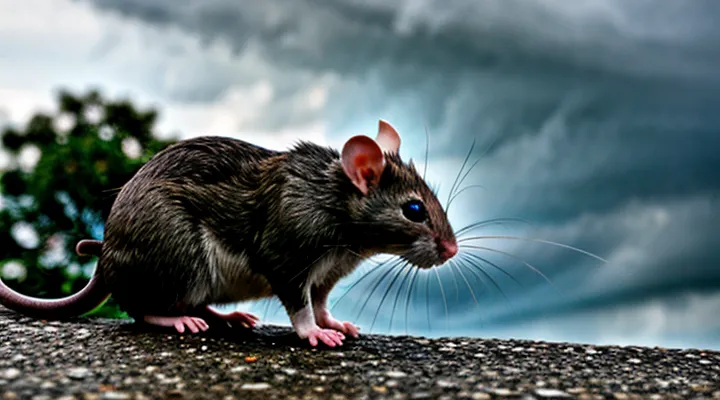
«Understanding Cloudy Eyes in Rats»
«Initial Observation and Importance»
«Why a Cloudy Eye is a Concern»
A cloudy appearance of a rat’s eye signals an underlying pathology that can compromise the animal’s health and affect experimental outcomes. The opacity usually results from inflammation, infection, or trauma that disrupts the corneal or lens structures. Such changes reduce visual acuity, increase the risk of secondary ulceration, and may lead to permanent blindness if untreated.
In a research setting, ocular impairment can introduce variability in behavioral tests that rely on visual cues, skewing data and undermining reproducibility. Additionally, the presence of infection (e.g., bacterial keratitis) poses a zoonotic threat to personnel and may spread to other colony members, demanding immediate isolation and treatment.
Key concerns include:
- Pain and distress: Inflammation causes discomfort, triggering stress responses that affect physiology.
- Systemic involvement: Ocular cloudiness often accompanies systemic diseases such as sepsis or metabolic disorders, indicating broader health issues.
- Impact on welfare: Vision loss diminishes the rat’s ability to navigate its environment, increasing the likelihood of injury.
- Research integrity: Visual deficits can alter performance in tests of cognition, motor function, and sensory processing.
Prompt veterinary assessment, appropriate antimicrobial or anti‑inflammatory therapy, and environmental adjustments are essential to mitigate these risks and preserve both animal welfare and scientific validity.
«When to Seek Veterinary Advice»
A cloudy appearance of a rat’s eye can indicate infection, injury, or systemic disease. Immediate veterinary assessment is warranted if any of the following conditions develop:
- Sudden onset of opacity without a known cause
- Rapid progression of cloudiness over 24‑48 hours
- Accompanying discharge that is thick, colored, or foul‑smelling
- Visible swelling, redness, or ulceration around the eye
- Behavioral changes such as loss of appetite, lethargy, or difficulty navigating
- Signs of pain when the eye is touched or when the rat blinks excessively
Persistent cloudiness lasting more than a few days, even in the absence of the above signs, also merits professional evaluation. Early intervention can prevent permanent vision loss and address underlying health issues that may affect the animal’s overall wellbeing.
«Common Causes of Cloudy Eyes»
«Infections»
«Bacterial Infections»
A cloudy cornea or lens in a laboratory rat frequently signals bacterial infection of the ocular tissues. The most common agents are Staphylococcus aureus, Streptococcus pneumoniae, Pseudomonas aeruginosa, and Klebsiella pneumoniae. These pathogens invade the conjunctiva, cornea, or intra‑ocular chambers, producing inflammatory exudate that scatters light and creates the characteristic opacity.
Clinical presentation includes unilateral or bilateral eye swelling, purulent discharge, blepharospasm, and reduced visual response. In advanced cases, corneal ulceration, stromal necrosis, and hypopyon may develop, accelerating visual loss.
Diagnostic workflow:
- Collect sterile swabs from the conjunctival sac for culture and sensitivity.
- Perform slit‑lamp examination to assess corneal integrity and depth of infiltrates.
- Use Gram staining of ocular secretions to identify bacterial morphology.
- Consider PCR panels for rapid detection of atypical organisms when culture results are delayed.
Effective treatment relies on targeted antimicrobial therapy. Empirical choices often start with broad‑spectrum ophthalmic fluoroquinolones (e.g., moxifloxacin 0.5% drops) applied every 2 hours, adjusted according to susceptibility data. For Gram‑positive infections, topical bacitracin or erythromycin may be added. Systemic antibiotics become necessary when intra‑ocular involvement is confirmed; intraperitoneal enrofloxacin (10 mg/kg) is a common regimen.
Adjunctive measures improve outcomes:
- Frequent ocular lavage with sterile saline to remove debris.
- Application of a protective ophthalmic ointment to maintain moisture.
- Isolation of affected animals to prevent cross‑contamination.
Prevention focuses on environmental hygiene and colony health monitoring. Regular cleaning of cages, sterilization of feeding equipment, and routine health surveillance reduce bacterial load. Vaccination against Pseudomonas is not standard in rodents, but prophylactic antibiotic eye drops during high‑stress periods (e.g., post‑surgical recovery) can lower incidence.
Prompt identification of bacterial pathogens and swift initiation of appropriate antimicrobial therapy are critical to preserving ocular clarity and visual function in rats exhibiting cloudy eyes.
«Viral Infections»
A hazy ocular appearance in laboratory rats often signals underlying viral pathology. Viral agents can infiltrate the conjunctiva, cornea, or intra‑ocular structures, producing edema, inflammatory infiltrates, and fibrin deposition that manifest as a cloudy eye. The most frequently implicated viruses include:
- Sendai virus, which induces epithelial necrosis and sub‑epithelial infiltrates.
- Rat coronavirus (RCV), associated with conjunctivitis and stromal opacity.
- Lymphocytic choriomeningitis virus (LCMV), capable of causing uveitis and secondary cataract formation.
- Adenovirus strains, leading to keratoconjunctivitis and persistent corneal haze.
Pathogenesis follows a sequence: viral entry through mucosal surfaces, replication in epithelial cells, release of pro‑inflammatory cytokines, and recruitment of neutrophils and macrophages. The resulting increase in vascular permeability produces stromal swelling, while viral cytopathic effects disrupt collagen organization, both contributing to the observed cloudiness.
Diagnostic confirmation relies on ocular cytology, polymerase chain reaction (PCR) targeting viral genomes, and immunohistochemistry for viral antigens. Histopathological examination distinguishes viral inflammation from bacterial or fungal etiologies by identifying characteristic inclusion bodies and the absence of bacterial colonies.
Therapeutic intervention centers on antiviral agents appropriate to the identified virus, such as ribavirin for Sendai virus or interferon‑α for coronavirus infections. Adjunctive anti‑inflammatory treatment with corticosteroid eye drops reduces edema but must be balanced against potential viral replication enhancement. Monitoring visual acuity and corneal clarity through slit‑lamp biomicroscopy provides objective measures of treatment efficacy.
Understanding the link between ocular cloudiness and viral infection enables accurate diagnosis, targeted therapy, and prevention of long‑term visual impairment in rat colonies used for biomedical research.
«Fungal Infections»
A cloudy appearance of the rat eye indicates an alteration of corneal transparency, often resulting from infectious or inflammatory processes. When the opacity originates from a fungal source, the condition reflects an invasive mycotic infection of ocular tissues.
Common fungal agents responsible for ocular involvement in rats include:
- Aspergillus spp.
- Candida spp.
- Fusarium spp.
- Cryptococcus spp.
Fungal spores enter the eye through traumatic breaches or via hematogenous spread. Hyphal growth disrupts epithelial integrity, triggers a localized inflammatory response, and deposits extracellular matrix components that scatter light, producing the observed cloudiness. The immune reaction may exacerbate stromal edema, further reducing visual clarity.
Observable signs comprise:
- Corneal opacity or haziness
- Lacrimation and periocular swelling
- Reduced pupillary reflexes
- Behavioral signs of visual impairment
Diagnostic confirmation relies on:
- Slit‑lamp examination to assess lesion depth
- Cytological smear or impression imprint stained with Gomori methenamine silver
- Culture of ocular secretions on Sabouraud dextrose agar
- Polymerase chain reaction for species‑specific identification
Therapeutic management includes:
- Topical antifungal agents (e.g., voriconazole 1% eye drops) administered multiple times daily
- Systemic antifungal therapy (e.g., fluconazole 10 mg/kg orally) for deep stromal infection
- Adjunctive anti‑inflammatory medication to control immune‑mediated edema
- Strict aseptic handling of the animal and environmental decontamination to prevent reinfection
Prompt identification and targeted antifungal treatment mitigate corneal scarring, preserve visual function, and reduce mortality risk in affected rodents.
«Injuries and Trauma»
«Scratches and Abrasions»
A hazy appearance of the rat eye often indicates damage to the corneal surface or underlying tissue. Direct trauma such as scratches or abrasions introduces epithelial disruption, leading to stromal edema and protein leakage that scatter light and produce the observed opacity.
Mechanical injury initiates an inflammatory cascade. Cytokine release increases vascular permeability, allowing plasma proteins to infiltrate the cornea. The resulting edema thickens the corneal layers, reducing transparency and creating the characteristic cloudy look.
Clinical assessment should include:
- Visual inspection for linear or irregular marks on the cornea.
- Fluorescein staining to highlight epithelial defects.
- Slit‑lamp examination to evaluate depth and extent of stromal involvement.
Prompt treatment mitigates progression. Topical antibiotics prevent secondary infection, while lubricating agents maintain moisture and support epithelial regeneration. In severe cases, systemic anti‑inflammatory medication reduces edema and accelerates recovery.
Monitoring the eye daily for changes in opacity, discharge, or pain behavior ensures timely intervention and minimizes permanent visual impairment.
«Puncture Wounds»
A cloudy appearance of a rodent’s eye often signals underlying trauma, and puncture wounds are a frequent source of such ocular opacity. When a sharp object penetrates peri‑ocular tissue, it can introduce pathogens, disrupt vascular integrity, and provoke inflammatory exudate that scatters light within the cornea or anterior chamber. The resulting haze serves as a visual cue for clinicians to investigate possible penetrating injuries.
Puncture wounds in rats present distinct characteristics:
- Entry point: typically a small, pinpoint opening surrounded by minimal abrasion.
- Depth: may extend through skin, sclera, or cornea, reaching intra‑ocular structures.
- Contamination: foreign material, including bedding fibers or cage debris, can be lodged in the tract.
- Inflammatory response: rapid accumulation of neutrophils and fibrin leads to cloudiness.
Diagnostic steps focus on confirming the wound’s trajectory and assessing ocular damage:
- Visual inspection under magnification to locate the entry site.
- Fluorescein staining to reveal corneal breaches.
- Slit‑lamp examination for intra‑ocular hemorrhage or lens opacities.
- Ultrasonography if deeper structures are suspected.
Management requires immediate intervention to prevent permanent vision loss:
- Irrigation with sterile saline to remove debris.
- Topical antibiotics to reduce bacterial proliferation.
- Systemic analgesics for pain control.
- Surgical repair when the wound penetrates the globe, employing microsutures or tissue adhesives.
Prognosis depends on wound size, depth, and timeliness of treatment. Small, superficial punctures that receive prompt care typically heal without lasting opacity, whereas deep, contaminated injuries may progress to cataract formation or chronic uveitis, maintaining the cloudy ocular presentation.
«Nutritional Deficiencies»
«Vitamin A Deficiency»
A cloudy ocular appearance in rats is a classic indicator of vitamin A deficiency. The lack of retinol disrupts the synthesis of rhodopsin, leading to photoreceptor degeneration and corneal epithelial keratinization, which manifests as opacity of the cornea and lens. This condition progresses rapidly; within weeks of insufficient dietary vitamin A, rats develop xerophthalmia, conjunctival squamous metaplasia, and eventual blindness.
Key clinical observations include:
- Diffuse corneal opacity with a milky sheen
- Reduced pupillary reflexes
- Dry, rough conjunctival surface
- Night blindness evident in altered activity patterns
Laboratory confirmation relies on serum retinol measurement below 0.2 µmol/L, histopathology showing keratinized epithelial layers, and electrophysiological tests indicating diminished scotopic responses. Differential diagnosis must exclude infectious keratitis, trauma, and genetic ocular defects.
Therapeutic intervention consists of oral or subcutaneous administration of retinol esters at 200 000 IU/kg for three consecutive days, followed by a maintenance diet containing 4 000 IU/kg of vitamin A. Recovery of visual function typically occurs within 5–7 days, provided the corneal structure has not undergone irreversible scarring. Preventive strategies involve formulating rodent chow with adequate vitamin A levels and monitoring feed intake to avoid inadvertent deficiencies during breeding or experimental protocols.
Research using the cloudy eye model in rats offers a reliable platform for studying nutrient‑related ocular pathology, evaluating novel retinoid analogues, and testing gene‑therapy approaches aimed at restoring photoreceptor integrity.
«Genetic Predisposition»
«Hereditary Conditions»
A cloudy appearance of the rat eye frequently signals an underlying genetic disorder. Several inherited ocular conditions produce lens opacity, corneal haziness, or retinal degeneration, each following a predictable mode of transmission.
Common hereditary eye diseases in laboratory rats include:
- Congenital cataracts – autosomal recessive mutations in genes such as Cryaa and Cryab disrupt crystallin protein stability, leading to lens opacity shortly after birth.
- Retinal dystrophy – mutations in the rd1 or rd10 loci cause progressive loss of photoreceptors, resulting in a milky fundus and diminished visual acuity.
- Albinism‑related hypopigmentation – recessive alleles in the Tyr gene reduce melanin synthesis, producing a translucent cornea and increased susceptibility to photic injury.
- Hereditary keratopathy – dominant mutations in the Krt12 gene affect corneal epithelium integrity, generating a cloudy corneal surface and recurrent ulceration.
Inheritance patterns are typically Mendelian, allowing breeders to predict the likelihood of occurrence in progeny. Heterozygous carriers often appear phenotypically normal, while homozygous offspring display the full clinical picture. Genetic screening through polymerase chain reaction or next‑generation sequencing can identify carriers before phenotypic manifestation.
In research settings, recognizing these hereditary conditions is essential for experimental validity. Uncontrolled ocular opacity may alter behavior, photic response, and physiological measurements, confounding data interpretation. Consequently, colonies are routinely screened, and affected lines are either excluded or used as disease models to explore human analogues such as congenital cataract and retinitis pigmentosa.
Management strategies include selective breeding to eliminate deleterious alleles, environmental modifications to reduce light‑induced stress, and, when appropriate, pharmacologic or surgical interventions to preserve visual function.
«Environmental Factors»
«Irritants and Allergens»
A cloudy appearance of the rat’s eye often signals exposure to irritants or allergens. These agents disrupt the corneal epithelium, increase tear film turbidity, or provoke inflammatory infiltrates that scatter light.
Common ocular irritants include:
- Dust particles from bedding or feed
- Ammonia vapors generated by inadequate cage ventilation
- Chemical residues from cleaning agents
- Sharp fragments of nesting material
Allergenic substances that may produce similar opacity are:
- Mold spores present in humid environments
- Rodent‑derived proteins released from dander or urine
- Food additives such as soy or wheat proteins when incorporated into the diet
- Environmental pollen introduced through ventilation systems
The physiological response typically involves mast‑cell degranulation, histamine release, and recruitment of neutrophils. Resulting edema of the cornea and conjunctiva raises the refractive index, creating a milky or hazy visual field. Persistent cloudiness beyond 24 hours suggests chronic exposure or secondary infection and warrants veterinary assessment.
Preventive measures focus on environmental control:
- Maintain cage humidity below 60 % and ensure daily cleaning with non‑irritating detergents.
- Use low‑ammonia bedding materials and replace them regularly.
- Filter incoming air to reduce pollen and mold spore load.
- Monitor diet for potential allergens and adjust formulations accordingly.
Recognition of irritant‑ or allergen‑induced ocular cloudiness enables timely intervention, reduces animal discomfort, and prevents progression to more severe ocular pathology.
«Poor Enclosure Hygiene»
A rat’s cloudy cornea signals an underlying ocular problem that often originates from unsanitary housing conditions. The opacity results from inflammation, bacterial invasion, or accumulation of metabolic waste in the anterior chamber, all of which are exacerbated by contaminated bedding, high ammonia levels, and inadequate cleaning routines.
Accumulation of ammonia from urine breakdown irritates the delicate ocular surface, compromising the tear film and allowing opportunistic pathogens to colonize the eye. Persistent exposure to dirty water or food containers introduces additional microbes, increasing the risk of keratitis and uveitis that manifest as a milky or hazy appearance of the eye.
Observable signs include reduced visual response, squinting, excessive tearing, and a noticeable loss of corneal clarity. In severe cases, the eye may develop ulcerations, discharge, or swelling of surrounding tissues.
Preventive hygiene measures:
- Replace bedding at least twice weekly; use absorbent, low‑dust material.
- Maintain ammonia concentration below 25 ppm through regular spot cleaning and full cage changes.
- Provide fresh water daily; employ a sealed bottle system to avoid contamination.
- Clean food dishes after each feeding; discard uneaten food promptly.
- Ensure adequate ventilation to reduce humidity and stagnation.
- Disinfect cages and accessories with an approved rodent‑safe sanitizer on a weekly schedule.
When a cloudy eye is detected, conduct a thorough physical examination, collect ocular swabs for bacterial culture, and assess environmental parameters such as ammonia and humidity. Immediate treatment may involve topical antibiotics, anti‑inflammatory agents, and supportive ocular lubricants. Follow‑up examinations should verify restoration of corneal transparency and confirm that housing conditions have been corrected to prevent recurrence.
«Other Medical Conditions»
«Cataracts»
Cataracts are opacities that develop within the lens of a rat’s eye, resulting in a visibly cloudy ocular media. The condition interferes with light transmission, diminishing visual acuity and altering normal behavior.
Common causes include:
- Senescence, leading to protein aggregation within the lens.
- Genetic mutations that affect lens fiber formation.
- Metabolic disturbances such as diabetes mellitus.
- Exposure to ultraviolet radiation or chemical toxins.
- Nutritional deficiencies, especially of antioxidants.
Clinical signs manifest as a milky or yellowish lens observed during ophthalmoscopic examination, reduced responsiveness to visual cues, and increased reliance on tactile navigation. Behavioral assays that depend on vision may produce confounding results when cataracts are present.
Diagnosis relies on slit‑lamp biomicroscopy to grade opacity severity, histological analysis to identify fiber cell disruption, and, when necessary, ocular ultrasound to assess lens thickness. Grading scales quantify cataract progression and guide experimental interpretation.
In research settings, cataract formation serves as a biomarker for systemic pathology and as a model for human lens disease. Studies investigating oxidative stress, drug toxicity, or genetic interventions frequently monitor lens clarity to evaluate therapeutic efficacy.
Treatment options comprise surgical extraction of the affected lens, intra‑ocular lens implantation, and pharmacological approaches that target oxidative pathways. Preventive measures focus on dietary antioxidant supplementation and minimizing exposure to known cataractogenic agents.
«Glaucoma»
A cloudy appearance of the eye in a rat typically signals elevated intra‑ocular pressure and the onset of glaucoma. The condition results from impaired aqueous humor outflow, leading to progressive stretching of ocular tissues and degeneration of the optic nerve.
Increased pressure compromises retinal ganglion cells, reduces visual signaling, and induces structural changes such as scleral thinning and posterior segment deformation. The disease progresses rapidly in rodents because their ocular anatomy is particularly sensitive to pressure fluctuations.
Observable manifestations include:
- Corneal edema producing a milky opacity
- Enlargement of the globe (buphthalmos)
- Dilated, tortuous retinal vessels
- Pale or atrophic optic disc
Diagnostic evaluation relies on:
- Rebound or applanation tonometry to quantify intra‑ocular pressure
- Direct ophthalmoscopy for optic nerve assessment
- Histopathological examination of retinal layers after euthanasia
The rat model serves as a standard platform for testing intra‑ocular pressure‑lowering agents, neuroprotective compounds, and surgical interventions aimed at preserving visual function in human glaucoma patients.
«Tumors»
A cloudy appearance of the rat’s eye frequently signals the presence of intra‑ocular or peri‑ocular neoplasia. Tumors can arise from the lens, retina, uvea, or surrounding tissues, producing opacities that interfere with light transmission and mimic cataract formation.
Common neoplastic entities associated with ocular cloudiness include:
- Lens epithelial adenomas, which enlarge the lens and scatter light.
- Retinal melanomas, characterized by pigment deposition and retinal detachment.
- Uveal sarcomas, leading to hemorrhage and edema within the anterior chamber.
- Orbital lymphomas, causing compression of the globe and secondary corneal edema.
Histopathological examination remains the definitive diagnostic method. Tissue samples obtained via enucleation or fine‑needle aspiration are stained and evaluated for cellular morphology, mitotic index, and immunohistochemical markers. Imaging techniques such as high‑resolution ultrasound and magnetic resonance imaging provide non‑invasive assessment of tumor size, location, and involvement of adjacent structures.
Therapeutic options depend on tumor type, stage, and extent of ocular involvement. Surgical excision or enucleation is indicated for localized masses, while radiation therapy and chemotherapeutic agents are employed for infiltrative or metastatic disease. Early detection through routine ocular inspection and prompt histological confirmation improves prognosis and guides appropriate intervention.
«Diagnosis and Veterinary Examination»
«Visual Inspection»
«Assessing Severity and Location»
A cloudy ocular appearance in laboratory rats signals pathological changes that require systematic evaluation of both severity and anatomical site.
Severity is quantified using a standardized grading system:
- Grade 0: Transparent media, no discoloration.
- Grade 1: Slight haze confined to a single layer, minimal visual impairment.
- Grade 2: Moderate opacity affecting two layers, observable reduction in light transmission.
- Grade 3: Dense opacity involving three or more layers, marked loss of visual function.
- Grade 4: Complete opacification, total obstruction of the visual axis.
Assessment relies on slit‑lamp examination, photographic documentation, and, when necessary, optical coherence tomography to measure thickness of the affected tissue.
Location is identified by determining which ocular structures exhibit the opacity:
- Corneal clouding: superficial, often associated with epithelial injury or stromal edema.
- Anterior chamber haze: indicates inflammation, fibrin formation, or hyphema.
- Lens opacification: cataract formation, typically progressive and linked to metabolic disturbances.
- Vitreal or retinal clouding: suggests intra‑ocular hemorrhage, inflammatory infiltrates, or degenerative changes.
Precise documentation of both grade and anatomical site guides therapeutic decisions, facilitates reproducibility across studies, and enables correlation with systemic disease models.
«Diagnostic Tests»
«Fluorescein Stain Test»
A hazy ocular appearance in laboratory rats often signals an underlying corneal defect. The fluorescein stain test provides rapid visualization of epithelial disruptions, allowing researchers to differentiate between superficial abrasions, ulcerations, and deeper stromal involvement.
During the procedure, a sterile fluorescein sodium solution (0.5 % w/v) is applied to the ocular surface with a calibrated pipette or a moistened applicator. The dye penetrates breaches in the epithelium and fluoresces under cobalt‑blue illumination, producing a bright green pattern that outlines the lesion. Observation is performed within 30 seconds to prevent diffusion beyond the damaged area.
Interpretation guidelines:
- Uniform green staining indicates a full‑thickness epithelial loss, typical of acute corneal ulcers.
- Patchy or stippled fluorescence suggests partial‑thickness abrasions or early epithelial erosion.
- Absence of fluorescence despite a cloudy cornea points to stromal opacity, edema, or intraocular pathology not involving the epithelium.
Quantitative assessment can be achieved by measuring the stained area with image‑analysis software, yielding percentages of corneal involvement. Correlating these metrics with clinical signs—such as tearing, photophobia, or reduced visual tracking—refines the diagnosis and guides therapeutic decisions, including topical antibiotics or anti‑inflammatory agents.
Repeated fluorescein testing at 24‑hour intervals monitors healing progress. A decreasing stained area confirms epithelial regeneration, while persistent or expanding fluorescence signals treatment failure or secondary infection.
«Tonometry for Intraocular Pressure»
Tonometry provides quantitative assessment of intraocular pressure (IOP) in laboratory rats, enabling objective evaluation of ocular health when a corneal opacity is observed.
Several tonometric techniques are applicable to rodents:
- Applanation tonometry (Goldmann‑derived devices adapted with small probe tips).
- Rebound tonometry (hand‑held devices that record deceleration of a lightweight probe).
- Indentation tonometry (Schiötz‑type instruments calibrated for small eyes).
A cloudy cornea often signals elevated IOP, but edema, infection, or trauma can produce similar opacity. Direct pressure measurement distinguishes hypertensive conditions such as experimental glaucoma from non‑pressure‑related causes.
Accurate IOP acquisition requires consistent anesthesia depth, proper probe alignment, and frequent calibration against a reference manometer. Species‑specific calibration curves adjust for corneal curvature and thickness differences between rats and larger mammals.
Normal IOP values for adult Sprague‑Dawley rats range from 12 to 20 mm Hg; readings above 25 mm Hg typically indicate pathological pressure elevation. Correlating tonometric data with clinical signs of corneal clouding refines diagnosis and guides experimental interventions.
«Blood Tests»
A cloudy cornea or lens in a laboratory rat signals potential systemic pathology. The visual abnormality often accompanies inflammatory, infectious, or metabolic disorders that alter vascular integrity, protein balance, or immune status.
Blood analysis quantifies physiological disturbances underlying ocular opacity. Core assays include:
- Complete blood count (CBC): evaluates leukocytosis, anemia, and platelet anomalies indicating infection, hemorrhage, or marrow suppression.
- Serum biochemistry panel: measures electrolytes, renal markers (creatinine, BUN), hepatic enzymes (ALT, AST), and glucose to detect organ dysfunction that may promote edema or cataract formation.
- C-reactive protein (CRP) or serum amyloid A: acute‑phase proteins that rise with systemic inflammation, correlating with ocular inflammation severity.
- Blood culture or PCR for specific pathogens: confirms bacterial, viral, or fungal agents known to cause ocular lesions, such as Streptococcus spp. or Mycoplasma spp.
Interpretation links laboratory data to ocular findings. Elevated neutrophils and CRP suggest bacterial sepsis, often presenting with corneal infiltrates and cloudiness. Hyperglycemia and increased glycated proteins point to diabetic cataract development. Elevated renal markers accompany uremic haze due to fluid imbalance. Normal CBC with isolated hepatic enzyme elevation may indicate toxin‑induced cataractogenesis.
Integrating ocular observation with targeted blood tests refines differential diagnosis, guides therapeutic intervention, and supports monitoring of disease progression in rodent models.
«Culture and Sensitivity Testing»
A cloudy cornea or lens in a laboratory rat signals an underlying ocular pathology that often requires microbiological confirmation. Common causes include bacterial keratitis, fungal invasion, or mixed‑organism infections that produce exudate, edema, and loss of transparency. Early identification of the responsible microorganism guides effective treatment and prevents systemic spread.
Culture and sensitivity testing provides definitive identification of the infectious agent and its antimicrobial profile. The process begins with aseptic collection of ocular material—such as corneal scrapings, conjunctival swabs, or aqueous humor—followed by inoculation onto selective and non‑selective media. Incubation conditions (temperature, atmosphere, duration) are adjusted to support bacterial, fungal, or mycotic growth.
Key steps in the workflow:
- Obtain sterile specimen from the affected eye.
- Streak samples onto blood agar, MacConkey agar, Sabouraud dextrose agar, and any required enrichment broths.
- Incubate at 35‑37 °C for bacteria (aerobic/anaerobic) and 25‑30 °C for fungi, observing growth daily for up to 7 days.
- Perform Gram staining, biochemical panels, or MALDI‑TOF mass spectrometry for organism identification.
- Conduct disk diffusion or broth microdilution assays to determine minimum inhibitory concentrations for a panel of antibiotics or antifungals.
Interpretation of susceptibility results directs therapeutic decisions. If the isolate shows resistance to first‑line agents, alternative drugs with proven efficacy against the specific strain are selected. In cases of polymicrobial infection, combination therapy is considered, with dosing adjusted for the rat’s weight and renal function. Documentation of the organism and its sensitivity pattern also contributes to colony health monitoring and epidemiological tracking.
«Treatment Options and Management»
«Medications»
«Antibiotic Eye Drops/Ointments»
A hazy ocular appearance in laboratory rats typically signals an underlying infection or inflammatory process affecting the cornea, conjunctiva, or anterior chamber. The opacity results from cellular infiltrates, bacterial proliferation, or exudate accumulation, which can impair vision and compromise animal welfare. Prompt therapeutic intervention reduces tissue damage and prevents systemic spread.
Antibiotic eye drops and ointments constitute the primary local treatment for bacterial ocular infections in rats. Formulations are selected based on spectrum of activity, ocular penetration, and tolerance. Common agents include fluoroquinolones, aminoglycosides, and macrolides, each delivering bactericidal concentrations directly to the site of infection.
- Fluoroquinolone drops (e.g., enrofloxacin 0.3 %) – broad‑spectrum coverage, effective against Gram‑negative and some Gram‑positive organisms; applied 2–4 times daily.
- Aminoglycoside ointment (e.g., gentamicin 0.5 %) – strong activity against Gram‑negative bacteria; applied once daily to the lower conjunctival sac.
- Macrolide drops (e.g., azithromycin 1 %) – useful for atypical pathogens and resistant strains; administered 3 times daily.
- Combination preparations (e.g., polymyxin B/trimethoprim) – synergistic effect against mixed flora; applied 4 times daily.
Dosage regimens consider the severity of opacity, species‑specific ocular anatomy, and the risk of corneal toxicity. Application technique requires gentle restraint, avoidance of the corneal surface, and use of sterile micro‑pipettes or calibrated applicators. Treatment duration typically spans 5–7 days, with reassessment after 48 hours to evaluate reduction in opacity and inflammatory signs.
Monitoring includes daily inspection for changes in corneal clarity, tear production, and signs of discomfort. Successful therapy is indicated by progressive clearing of the ocular media, normalization of tear film, and absence of necrotic lesions. Persistent cloudiness after the prescribed course suggests resistant organisms, inadequate drug delivery, or secondary complications, prompting culture‑based selection of alternative antibiotics.
«Anti-inflammatory Medications»
In laboratory rats, a hazy corneal or lens appearance often signals intra‑ocular inflammation. Anti‑inflammatory agents are employed to reduce swelling, limit cellular infiltration, and restore optical clarity.
Non‑steroidal anti‑inflammatory drugs (NSAIDs) such as meloxicam, carprofen, and ibuprofen inhibit cyclo‑oxygenase enzymes, decreasing prostaglandin synthesis. They are administered orally or subcutaneously at doses calibrated for rodent metabolism, providing rapid reduction of edema and pain without suppressing the immune response required for pathogen clearance.
Corticosteroids—prednisone, dexamethasone, and triamcinolone—act on glucocorticoid receptors to down‑regulate cytokine production, stabilize lysosomal membranes, and prevent leukocyte migration. Intravitreal or topical formulations deliver high concentrations directly to the eye, achieving swift resolution of opacity but demanding careful tapering to avoid cataract formation and intra‑ocular pressure elevation.
Immunomodulatory agents, including cyclosporine A and tacrolimus, modulate T‑cell activity and are useful when chronic inflammation persists despite NSAID or steroid therapy. Their systemic administration requires monitoring of renal function and blood concentrations.
Selection criteria for therapeutic intervention include:
- Severity of ocular clouding (mild, moderate, severe)
- Underlying cause (infectious, traumatic, autoimmune)
- Desired speed of visual recovery
- Risk profile of the drug for the specific strain and age of the rat
Effective management of a cloudy eye in rodents relies on matching the pharmacologic action of anti‑inflammatory medication to the pathophysiological stage of intra‑ocular inflammation.
«Antifungal Treatments»
A cloudy cornea in a laboratory rat often signals an opportunistic fungal infection of the ocular surface. Early identification of the pathogen—commonly Candida spp. or Aspergillus spp.—guides the selection of antifungal agents that can penetrate the eye’s protective barriers and halt tissue damage.
Systemic therapy provides the most reliable drug concentrations in the posterior chamber, while topical formulations address surface colonization. The following regimens are routinely employed in veterinary research facilities:
- Itraconazole (oral, 5–10 mg kg⁻¹ day⁻¹): broad-spectrum activity, effective against Candida; requires liver function monitoring.
- Voriconazole (oral, 10–15 mg kg⁻¹ day⁻¹): superior ocular penetration, active against Aspergillus; dosage adjusted for renal clearance.
- Fluconazole (intravenous, 10 mg kg⁻¹ day⁻¹): high aqueous humor levels, limited efficacy against filamentous fungi.
- Amphotericin B (topical 0.15 % eye drops, q6h): fungicidal, useful for surface lesions; potential corneal irritation.
- Natamycin (topical 5 % suspension, q8h): effective for filamentous fungi on the corneal epithelium; minimal systemic absorption.
Adjunct measures include ocular debridement to remove necrotic tissue, maintenance of a sterile environment, and regular ophthalmic examinations to assess response. Therapeutic success is measured by restoration of corneal clarity, reduction of inflammatory exudate, and normalization of intra‑ocular pressure. Failure to achieve these endpoints within 72 hours warrants escalation to combination therapy or alternative antifungal classes.
«Surgical Interventions»
«Cataract Surgery»
A cloudy cornea or lens in a laboratory rat typically indicates cataract formation, a condition that impairs visual function and can confound experimental outcomes. Addressing this pathology requires surgical removal of the opacified lens and implantation of an artificial intra‑ocular device to restore transparency.
Cataract extraction in rats follows a protocol adapted from small‑animal ophthalmic surgery. The procedure includes:
- Induction of general anesthesia with inhalational agents or injectable ketamine‑xylazine.
- Application of topical mydriatics to dilate the pupil.
- Creation of a corneal or limbal incision using a micro‑blade or vitreoretinal cutter.
- Aspiration of the lens nucleus and cortex with a balanced salt solution.
- Insertion of a custom‑fitted polymethyl methacrylate (PMMA) or silicone intra‑ocular lens (IOL) into the capsular bag.
- Closure of the incision with 10‑0 nylon sutures or tissue adhesive.
- Post‑operative administration of topical antibiotics and anti‑inflammatory drops for 5–7 days.
Successful surgery restores retinal image quality, enabling reliable behavioral and physiological assessments. Histological analysis of the operated eye often shows reduced fibrotic response when a well‑fitted IOL is used, supporting long‑term visual stability. Researchers must monitor intra‑ocular pressure and corneal clarity during the recovery period to detect complications such as endophthalmitis or secondary glaucoma.
In experimental models where visual acuity influences data interpretation, cataract surgery provides a controlled method to eliminate lens opacity, ensuring that observed phenotypes reflect the intended variables rather than visual impairment.
«Enucleation (Eye Removal)»
Enucleation, the surgical removal of the entire globe, is employed when ocular opacification in laboratory rats signifies irreversible pathology. The procedure eliminates a compromised eye, permits histological analysis, and prevents systemic spread of infection or neoplasia.
The decision to perform enucleation follows these criteria:
- Persistent corneal or lens opacity unresponsive to medical therapy.
- Evidence of intra‑ocular tumor, abscess, or severe inflammation.
- Rapid deterioration of visual function that interferes with experimental outcomes.
Surgical steps are standardized:
- Induce general anesthesia with inhalational agents or injectable cocktail; confirm depth by lack of pedal reflex.
- Apply a broad-spectrum antiseptic to peri‑ocular skin and conjunctiva.
- Make a circumferential incision 1–2 mm posterior to the limbus, exposing Tenon’s capsule.
- Dissect Tenon’s fascia to free the extraocular muscles while preserving the optic nerve sheath.
- Clamp the optic nerve with a micro‑hemostat, transect it with microscissors, and remove the globe.
- Irrigate the orbital cavity with sterile saline, achieve hemostasis, and close the incision with absorbable sutures.
- Administer analgesics and prophylactic antibiotics; monitor for hemorrhage, infection, or orbital cellulitis.
Post‑operative observations focus on wound integrity, absence of swelling, and normal behavior. Histopathology of the excised eye can reveal:
- Cataract‑related fibrosis.
- Retinal degeneration secondary to hypoxia.
- Neoplastic cells characteristic of intra‑ocular tumors.
- Granulomatous inflammation indicating chronic infection.
In research settings, enucleation provides a definitive endpoint for studies of ocular disease mechanisms, drug efficacy, and genetic models of eye pathology. By removing the affected organ, investigators obtain uncontaminated tissue samples, reduce animal discomfort, and maintain the integrity of experimental data.
«Supportive Care»
«Pain Management»
A cloudy ocular appearance in a rat typically signals inflammation, infection, or trauma that generates nociceptive input. Researchers have documented a direct correlation between ocular opacity and heightened pain‑related behaviors, making effective analgesia essential for humane care and reliable experimental outcomes.
Pain assessment relies on observable indicators. The rat facial expression scale quantifies orbital tightening, whisker retraction, and ear position. Additional metrics include reduced locomotion, altered grooming, and diminished food intake. Consistent scoring provides a baseline for therapeutic evaluation.
Pharmacologic intervention follows a multimodal protocol. Systemic non‑steroidal anti‑inflammatory drugs reduce prostaglandin synthesis, while opioid agonists address severe visceral discomfort. Local anesthetic drops offer immediate relief for surface irritation. Dosage recommendations derive from body‑weight calculations and species‑specific pharmacokinetics.
- NSAID: meloxicam, 1–2 mg kg⁻¹ once daily, oral or subcutaneous.
- Opioid: buprenorphine, 0.05 mg kg⁻¹ every 8–12 h, subcutaneous.
- Topical anesthetic: 0.5 % proparacaine, instilled every 4 h as needed.
Non‑pharmacologic measures complement drug therapy. Maintaining ambient humidity, providing soft bedding, and ensuring easy access to water prevent secondary corneal desiccation. Lubricating ophthalmic gels protect the ocular surface, and, when infection is confirmed, targeted antimicrobial agents are administered concurrently. In cases of irreversible structural damage, surgical removal of the affected eye eliminates the pain source but requires postoperative analgesia and monitoring.
Continuous reevaluation of pain scores, coupled with adjustments to the analgesic regimen, sustains welfare standards and preserves the integrity of experimental data involving ocular pathology in rodents.
«Nutritional Support»
A cloudy appearance of the rat’s eye indicates ocular opacity, often reflecting underlying metabolic or systemic disturbances. The condition frequently correlates with deficiencies in specific nutrients that maintain retinal integrity and ocular transparency.
Key nutritional deficiencies linked to ocular cloudiness include:
- Vitamin A – required for photoreceptor function and epithelial maintenance.
- Omega‑3 fatty acids (EPA/DHA) – support membrane fluidity and reduce inflammatory mediators.
- Antioxidants (vitamins C and E, lutein, zeaxanthin) – neutralize oxidative stress that damages lens proteins.
- Trace minerals (zinc, copper, selenium) – act as cofactors for enzymes involved in collagen synthesis and antioxidant defenses.
Effective nutritional support involves:
- Formulating a balanced diet containing adequate levels of the nutrients listed above.
- Adding targeted supplements when baseline intake does not meet physiological demands.
- Monitoring serum concentrations and ocular health regularly to adjust dietary regimens promptly.
Implementing these measures can mitigate the progression of ocular opacity, promote visual clarity, and improve overall health outcomes in laboratory and pet rat populations.
«Prevention and Long-Term Care»
«Maintaining a Clean Environment»
«Regular Cage Cleaning»
Regular cage cleaning directly influences the health of laboratory rats, particularly ocular conditions manifested as corneal opacity. Accumulated waste, bedding debris, and microbial growth create an environment where pathogens proliferate, increasing the risk of conjunctivitis and keratitis that appear as a cloudy eye. Maintaining a sterile substrate reduces exposure to opportunistic bacteria such as Staphylococcus spp. and Pseudomonas spp., which are common triggers for inflammatory eye disease.
Effective cleaning protocol includes:
- Daily removal of soiled bedding and droppings.
- Disinfection of cage surfaces with a 10 % bleach solution, followed by thorough rinsing.
- Replacement of enrichment items after each cleaning cycle to prevent biofilm formation.
- Weekly deep cleaning involving cage disassembly, sterilization in an autoclave, and inspection for micro‑damage.
Consistent implementation of these steps limits the incidence of ocular cloudiness, supports accurate experimental outcomes, and upholds animal welfare standards.
«Dust-Free Bedding»
A cloudy cornea in a laboratory rat often signals irritation, infection, or metabolic disturbance. Ambient particles settle on the ocular surface, aggravating inflammation and hindering recovery. Eliminating dust from the animal’s environment reduces exposure to foreign material that can trigger or exacerbate such conditions.
- Low‑particle substrates prevent direct contact of debris with the eye.
- Absorbent, non‑fibrous materials limit bacterial growth and moisture accumulation.
- Chemically inert bedding eliminates volatile compounds that may irritate conjunctival tissues.
- Consistent cleanliness reduces the need for frequent ocular examinations and therapeutic interventions.
When selecting bedding, prioritize products certified for low dust emission, such as paper‑based pads, shredded cellulose, or specialized polymer granules. Replace bedding regularly, monitor humidity levels, and avoid mixing with wood shavings that generate fine particles. Maintaining a dust‑free substrate supports ocular health, minimizes the incidence of corneal opacity, and facilitates accurate interpretation of eye‑related experimental outcomes.
«Proper Nutrition»
«Balanced Diet for Rats»
A cloudy appearance in a rat’s eye often signals nutritional deficiency, metabolic imbalance, or infection. Adequate nutrition stabilizes cellular function, supports immune response, and reduces the likelihood of ocular opacity.
Key dietary components for optimal rat health:
- Protein: 18‑20 % of total calories; sources include soy, whey, and lean animal meat. Protein supplies amino acids essential for tissue repair and antibody production.
- Fat: 5‑7 % of calories; include omega‑3 and omega‑6 fatty acids from fish oil, flaxseed, or sunflower oil to maintain membrane integrity in ocular tissues.
- Carbohydrates: Complex grains such as barley, oats, and whole‑grain rice provide steady energy without spikes in blood glucose that can stress the vascular system of the eye.
- Vitamins: Vitamin A (retinol) for photoreceptor maintenance; vitamin C and E as antioxidants to protect lens proteins; B‑complex vitamins for metabolic pathways influencing eye fluid balance.
- Minerals: Calcium and phosphorus for bone and ocular development; zinc and selenium for enzymatic antioxidant activity; magnesium to support neuromuscular function around the eye.
- Fiber: 4‑6 % of diet; cellulose from hay or shredded paper promotes gut motility, indirectly preventing systemic inflammation that can affect ocular health.
Water quality is equally critical. Provide fresh, filtered water daily; dehydration accelerates plasma viscosity, compromising nutrient delivery to ocular structures.
Monitoring diet consistency, portion control, and nutrient balance reduces the incidence of corneal clouding, cataract formation, and retinal degeneration in laboratory and pet rats. Regular assessment of eye clarity should accompany dietary reviews to detect early signs of deficiency.
«Regular Health Checks»
«Daily Visual Inspection by Owner»
Pet rat owners should examine their animal’s eyes each day for changes in clarity, color, and discharge. A hazy or milky cornea often signals underlying pathology, such as infection, trauma, or metabolic imbalance. Early detection relies on a systematic visual check.
- Observe the eye surface for cloudiness, noting whether both eyes or a single eye are affected.
- Look for excess tearing, crust formation, or mucus accumulation around the eyelids.
- Assess pupil size and reactivity to light; irregular dilation may accompany corneal opacity.
- Check for signs of discomfort: blinking frequency, squinting, or reluctance to groom the face.
If any of these findings appear, record the date, severity, and any accompanying symptoms (e.g., nasal discharge, lethargy). Prompt veterinary consultation is recommended, as delayed treatment can lead to permanent vision loss. Consistent daily monitoring provides the earliest possible indication that the ocular condition is progressing, allowing timely intervention and improving the prognosis for the rat’s visual health.
«Routine Veterinary Check-ups»
Routine veterinary examinations provide the primary opportunity to observe ocular clarity in laboratory and pet rats. A clear cornea and transparent lens are typical signs of normal health; any deviation warrants immediate attention because eye opacity often signals systemic or localized disease.
During a standard health assessment, the veterinarian performs the following observations:
- Visual inspection of both eyes for cloudiness, discoloration, or discharge.
- Palpation of the globe to assess intra‑ocular pressure and detect swelling.
- Evaluation of the surrounding tissues for inflammation, ulceration, or trauma.
- Documentation of pupil size, response to light, and symmetry.
- Review of the animal’s medical history and recent environmental changes.
A cloudy appearance of the eye may arise from several conditions:
- Bacterial or fungal keratitis, which produces stromal opacity and may progress to ulceration.
- Cataract formation, often linked to aging, diabetes, or hereditary factors, resulting in lens clouding.
- Corneal dystrophy or lipid deposition, visible as diffuse haziness.
- Systemic infections such as Mycoplasma pulmonis, which can cause conjunctival edema and secondary corneal changes.
- Physical injury, including scratches or blunt trauma, leading to hemorrhage and subsequent opacity.
Veterinarians typically schedule examinations every three to six months for breeding colonies and at least annually for pet rats. When cloudiness is detected, the clinician initiates diagnostic testing—culture, cytology, or imaging—to identify the underlying cause and prescribes targeted therapy, such as antimicrobial eye drops, anti‑inflammatory medication, or surgical intervention when necessary. Early detection through regular check‑ups reduces morbidity and supports the overall welfare of the animal.
«Minimizing Stress»
«Appropriate Socialization»
A cloudy eye in a rat indicates corneal opacity or intra‑ocular inflammation that can impair vision and affect behavior. Laboratory and breeding colonies report higher incidence of this condition when animals experience chronic stress, aggressive encounters, or isolation.
Appropriate socialization mitigates stressors that predispose rats to ocular pathology. Regular, controlled interaction with familiar cage‑mates stabilizes hormonal balance, enhances grooming behavior, and supports immune competence, all of which reduce the likelihood of eye clouding.
Key elements of effective socialization:
- Group housing of compatible individuals, maintaining a stable hierarchy.
- Daily observation for signs of aggression; intervene promptly to prevent injuries.
- Enrichment that encourages cooperative play, such as tunnels and nesting material.
- Gradual introduction of new rats, using neutral neutral zones to limit territorial disputes.
- Routine health checks that include visual assessment of the eyes.
Implementing these practices creates an environment where rats experience reduced physiological stress, leading to lower rates of corneal opacity and improved overall welfare.
«Quiet Environment»
A cloudy appearance of the rat eye signals corneal edema, lens opacity, or intra‑ocular inflammation. These conditions alter light transmission and may compromise visual function, making the eye a sensitive indicator of physiological stress.
A low‑noise setting limits acoustic and vibrational stimuli that trigger the hypothalamic‑pituitary‑adrenal axis. Reduced cortisol and catecholamine levels preserve vascular permeability in the ocular tissues, decreasing the likelihood of edema formation. Additionally, a quiet environment stabilizes the animal’s breathing pattern, preventing rapid fluctuations in intra‑ocular pressure that can exacerbate lens clouding.
Laboratory practices that ensure acoustic tranquility include:
- Isolating the animal housing area with sound‑absorbing panels.
- Scheduling procedures during designated quiet periods.
- Using equipment with minimal mechanical noise, such as low‑vibration centrifuges.
- Monitoring ambient sound levels continuously and adjusting as needed.
Consistent application of these measures yields clearer ocular examinations, more reliable data on eye pathology, and better overall welfare for the subjects.
«Prognosis and Quality of Life»
«Factors Influencing Recovery»
«Early Detection»
A murky ocular appearance in laboratory rats often signals the onset of ocular pathology, systemic infection, or metabolic imbalance. Recognizing this sign before overt disease develops enables intervention that limits tissue damage and improves experimental reliability.
Early detection of a cloudy eye reduces mortality, shortens recovery time, and preserves the integrity of longitudinal studies. Prompt identification also facilitates targeted diagnostics, such as slit‑lamp examination, intraocular pressure measurement, and microbial culture, thereby preventing misinterpretation of experimental outcomes.
Practical measures for early detection include:
- Daily visual inspection of both eyes under consistent lighting conditions.
- Documentation of any opacity, discoloration, or loss of corneal clarity using standardized photographs.
- Immediate referral for ophthalmic evaluation when changes are observed, even if the animal appears otherwise healthy.
- Routine screening of blood glucose, serum electrolyte levels, and inflammatory markers to correlate systemic alterations with ocular findings.
Implementing these steps creates a systematic approach that captures subtle ocular changes at the earliest stage, supporting animal welfare and scientific validity.
«Severity of Condition»
A cloudy cornea in a laboratory rat signals ocular pathology that can range from reversible irritation to irreversible damage. Clinical assessment must differentiate severity to determine treatment urgency and predict outcome.
-
Mild – slight haze confined to the superficial stromal layer, no edema of the entire cornea, normal intra‑ocular pressure, and intact pupillary reflexes. Vision remains functional; topical lubricants and anti‑inflammatory drops often restore clarity within 24–48 hours.
-
Moderate – diffuse haze extending through the stromal thickness, mild corneal edema, reduced pupillary response, and occasional discharge. Vision impairment becomes noticeable. Management includes fortified antibiotic ointments, systemic analgesics, and close monitoring; recovery may require 3–5 days, and residual scarring is possible.
-
Severe – dense opacity covering the full corneal thickness, pronounced edema, elevated intra‑ocular pressure, loss of pupillary reflex, and possible ulceration or perforation. Visual loss is complete, and systemic infection risk rises. Immediate intervention with broad‑spectrum antibiotics, antifungal agents if indicated, and surgical debridement or keratoplasty is essential; prognosis for sight restoration is poor, and mortality risk increases due to systemic spread.
Early identification of the severity tier guides therapeutic intensity, reduces the likelihood of permanent visual deficits, and improves overall animal welfare.
«Overall Health of the Rat»
A cloudy cornea or lens in a rat is a visible indicator that the animal’s physiological state may be compromised. The opacity often reflects disturbances beyond the eye itself, providing insight into the subject’s systemic condition.
Common systemic disorders associated with ocular cloudiness include:
- Hepatic failure, which can cause bilirubin deposition in ocular tissues.
- Renal insufficiency, leading to uremic toxins that affect the lens.
- Nutritional deficiencies, especially of vitamin A or essential fatty acids, resulting in epithelial degeneration.
- Infectious agents such as Mycoplasma pulmonis or viral pathogens that provoke inflammatory responses throughout the body.
- Metabolic imbalances, for example hyperglycemia, that promote cataract formation.
When a cloudy eye is observed, a systematic assessment should follow:
- Physical examination to detect weight loss, coat condition, and respiratory sounds.
- Blood chemistry panel for liver enzymes, creatinine, glucose, and electrolyte levels.
- Urinalysis to evaluate renal function and possible infection.
- Nutritional review to confirm adequate intake of essential micronutrients.
- Microbiological cultures or PCR testing if infectious disease is suspected.
Interpretation of these data allows clinicians to gauge the rat’s overall health status and to prioritize interventions. Treating the underlying cause—whether correcting diet, managing organ dysfunction, or administering antimicrobial therapy—often resolves the ocular opacity and improves the animal’s general condition. Continuous monitoring of eye clarity serves as a practical, non‑invasive gauge of therapeutic efficacy and disease progression.
«Living with Vision Impairment»
«Adapting the Environment»
A murky ocular appearance in laboratory rats often signals an underlying physiological disturbance, such as corneal edema, infection, or systemic inflammation. The visual cue provides a rapid, non‑invasive indicator that the animal’s internal environment has deviated from homeostasis, prompting immediate assessment of housing conditions, diet, and handling protocols.
Environmental adaptation aims to restore equilibrium by modifying external factors that influence ocular health. Effective adjustments include:
- Regulating humidity to 40‑60 % to prevent corneal drying and excess moisture.
- Maintaining temperature within 20‑24 °C to reduce metabolic stress.
- Providing enrichment items that limit excessive eye rubbing or trauma.
- Ensuring ventilation systems filter particulates and reduce airborne irritants.
- Adjusting light cycles to a consistent 12‑hour light/dark schedule, minimizing retinal strain.
Monitoring the eye’s clarity after each intervention yields quantitative feedback. A decrease in opacity correlates with improved systemic conditions, confirming that the environmental modifications have mitigated the underlying cause.
Long‑term stability requires periodic reassessment of housing parameters, dietary composition, and health‑screening data. Integrating ocular observations into routine welfare checks creates a proactive framework that preserves both visual health and overall physiological balance in the animal model.
«Ensuring Safety»
A cloudy corneal appearance in laboratory rats signals ocular pathology that may arise from infection, trauma, or systemic disease. The condition can obscure vision, alter behavior, and increase susceptibility to further injury, making it a direct safety concern for animal care personnel and experimental integrity.
When a rat exhibits a hazy eye, immediate risks include accidental bites, unexpected movements, and potential spread of infectious agents to other animals or handlers. Protective measures reduce these hazards and preserve the validity of research data.
Key safety actions
- Equip personnel with disposable gloves and face shields before handling affected animals.
- Isolate the individual in a designated containment cage to prevent cross‑contamination.
- Perform a veterinary assessment within 24 hours to identify underlying causes and appropriate treatment.
- Document ocular findings and any interventions in the animal’s health record.
- Review and update standard operating procedures to incorporate specific steps for ocular abnormalities.
Regular monitoring of ocular health, combined with strict adherence to the outlined protocols, maintains a safe environment for both staff and animal colonies while ensuring reliable experimental outcomes.