
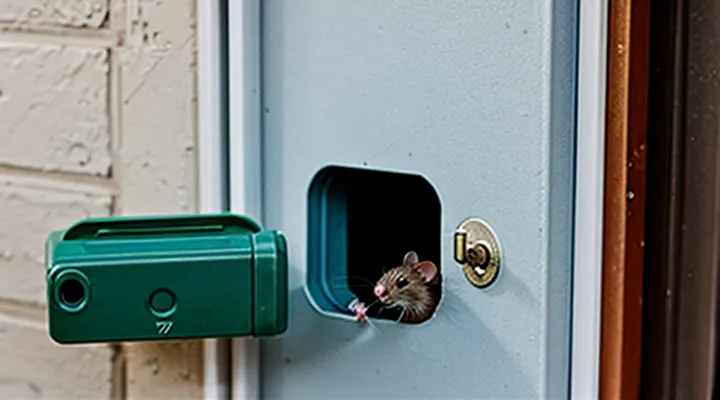
Understanding Mouse Behavior and Biology
Size and Agility
Small Body Structure
Mice possess a compact skeletal framework that permits passage through openings far smaller than their overall body length. The vertebral column is highly flexible, allowing the head to be thrust forward while the rear end follows through constricted spaces. Limbs are short and capable of rapid, coordinated movement, contributing to efficient navigation of tight passages.
Typical dimensions of an adult mouse range from 6 cm to 10 cm in body length, with a skull width of approximately 2 cm. This size enables the animal to exploit gaps as narrow as 1 cm, a threshold inaccessible to larger pests. The combination of a slender torso, collapsible rib cage, and pliable neck muscles further reduces the effective cross‑section required for entry.
Common residential ingress points facilitated by the small body structure include:
- Gaps beneath doors and windows that exceed 1 cm in height;
- Cracks in foundation walls or siding;
- Openings around utility penetrations such as pipe sleeves and electrical conduit;
- Vents and exhaust fans lacking fine mesh screens;
- Gaps around plumbing fixtures, especially where flexible tubing passes through walls.
Understanding these anatomical advantages informs targeted exclusion measures. Sealing openings to a maximum width of 0.5 cm, installing mesh screens on vents, and maintaining tight closures around utility entries substantially limit the routes available to these rodents.
Climbing Abilities
Mice exploit exceptional climbing abilities to breach residential barriers. Their small body mass, flexible spine, and retractable claws enable rapid ascent on vertical surfaces that many pests consider impassable.
Key physical traits contributing to climbing success include:
- Lightweight frame – reduces friction and allows support on narrow ledges.
- Curved claws – grip textured materials such as wood, brick, and insulation.
- Prehensile tail – provides balance and additional contact points during vertical movement.
- Muscular hind limbs – generate powerful thrust for upward jumps and sustained climbs.
Structural vulnerabilities commonly exploited by rodents are:
- Gaps surrounding exterior vents, chimney flues, and utility lines.
- Unsealed cracks around window frames and siding.
- Overhanging eaves and roof tiles with loose mortar.
Mitigation measures focus on eliminating access points. Sealant applications, mesh screens, and metal flashing create barriers that resist claw penetration and prevent tail-assisted maneuvering. Regular inspection of potential climb routes ensures early detection of wear or damage, maintaining the integrity of the protective envelope.
Nocturnal Habits
Peak Activity Times
Mice exploit predictable periods of heightened activity to infiltrate residential structures. Their nocturnal nature drives most movement to the dark hours, when human presence diminishes and opportunities for unnoticed entry increase.
Key intervals include:
- Late evening (19:00–22:00) – doors and windows often remain open for ventilation; lighting is low, reducing visual detection.
- Midnight to pre‑dawn (00:00–04:00) – household occupants are asleep, noise levels drop, and interior disturbances are less likely to be noticed.
- Early morning (04:00–07:00) – residents begin to awaken; mice may already be inside, positioning themselves for foraging as lights turn on.
During daylight, activity declines sharply. Mice retreat to concealed pathways, such as wall voids and crawl spaces, awaiting the next favorable window. Understanding these temporal patterns assists in timing preventive measures, such as sealing entry points and deploying traps, to coincide with peak movement periods.
Common Entry Points
Foundation and Exterior Walls
Cracks and Gaps
Mice exploit openings as narrow as a few millimeters to infiltrate residential structures. «Cracks and gaps» serve as primary conduits, linking exterior environments with interior spaces.
Typical locations include foundation joints, wall seams, window frames, door thresholds, and points where utilities penetrate the building envelope. Each site presents a potential pathway when structural integrity is compromised.
- Foundation cracks : gaps formed by settling, moisture movement, or poor construction.
- Wall seams : gaps at the junction of drywall, plaster, or siding panels.
- Window and door frames : spaces around sashes, weatherstripping, or hinges.
- Utility penetrations : openings around pipes, cables, and vent ducts.
- Exterior cladding defects : cracks in brick, stucco, or siding material.
Effective countermeasures involve sealing these openings with durable, rodent‑resistant materials such as steel wool, expanding foam, or cement‑based caulk. Regular inspection of vulnerable points ensures early detection and prevents re‑entry.
Unsealed Openings Around Utilities
Unsealed openings around utilities create direct pathways for rodents to infiltrate residential structures. Water supply lines, gas pipes, electrical conduits, and HVAC ducts often pass through walls, floors, and foundations, leaving gaps that mice can exploit.
Typical gaps result from:
- Improper installation of pipe sleeves
- Shrinkage of surrounding mortar or plaster over time
- Damage during renovation or repair work
- Corrosion of metal flashing that once sealed the penetration
These breaches compromise the integrity of the building envelope, allowing mice to move from exterior environments to interior spaces with minimal resistance.
Mitigation measures include:
- Inserting steel‑wool bundles into gaps before applying sealant
- Applying high‑quality silicone or polyurethane caulk around pipe collars
- Installing metal flashing or pipe sleeves designed for a tight fit
- Using expanding foam specifically rated for pest‑proofing, followed by a protective metal mesh layer
Regular inspection of utility penetrations and prompt sealing of any discovered openings significantly reduce the likelihood of rodent entry.
Damaged Vents and Screens
Damaged vents and screens provide direct routes for rodents to infiltrate residential structures. Small gaps, torn mesh, or displaced flaps eliminate the physical barrier intended to keep pests out, allowing mice to slip through openings as narrow as a quarter of an inch.
Typical consequences of compromised ventilation components include:
- Unsealed gaps around vent frames that align with wall cavities.
- Torn or missing sections of screen material that expose interior spaces.
- Loose hinges or broken latches that fail to secure vent covers.
- Corroded fasteners that create additional openings around ducts.
Repair measures focus on restoring integrity and preventing re‑entry:
- Replace torn screens with weather‑resistant mesh, securing edges with rust‑proof staples.
- Refit vent covers using new gaskets or silicone sealant to eliminate gaps.
- Reinforce hinges and latch mechanisms, ensuring tight closure.
- Conduct regular inspections to identify wear before damage expands.
Effective maintenance of ventilation and screening systems reduces the likelihood of rodent intrusion and limits associated health and structural risks.
Doors and Windows
Gaps Under Doors
Gaps beneath entryways provide a direct conduit for rodents seeking shelter. Even a clearance of ¼ inch permits a mouse to slip through, exploiting the natural tendency to travel along walls and low‑lying routes. The most common sources of these openings include:
- Settled flooring that shrinks away from the door frame.
- Improperly installed threshold strips leaving residual space.
- Weather‑stripping that has deteriorated or been displaced.
- Structural cracks caused by foundation movement.
Once inside, mice can navigate to concealed areas such as wall cavities, insulation, and stored goods, creating contamination risks and structural damage. Effective control focuses on eliminating the passage:
- Measure the door‑to‑floor gap; any opening exceeding ¼ inch requires sealing.
- Install a solid metal or rubber threshold that contacts the floor uniformly.
- Apply durable weather‑stripping material, ensuring a tight but flexible seal.
- Inspect and repair foundation cracks that may extend beneath the doorway.
Regular inspection of door edges and prompt maintenance of seals prevent the re‑establishment of these entry points, reducing the likelihood of rodent intrusion.
Damaged Weatherstripping
Weatherstripping seals the gap between doors, windows, and frames, preventing drafts and external intruders. When the material cracks, separates, or detaches, a narrow opening remains that is large enough for a rodent to squeeze through.
Common forms of deterioration include:
- Compression loss that reduces thickness
- Tears caused by repeated opening and closing
- Detachment from the underlying surface due to adhesive failure
- UV‑induced brittleness leading to fragmentation
Mice detect these imperfections through tactile and olfactory cues, then probe the gap with their whiskers. The flexible body shape allows entry through openings as small as ¼ inch, making even minor weatherstripping damage a viable passage.
Effective mitigation involves:
- Inspecting seals quarterly for signs of wear
- Replacing compromised sections with appropriate material (silicone, rubber, or foam)
- Ensuring a continuous, overlapping fit around the entire perimeter
- Applying a secondary barrier, such as a metal flashing, where high traffic increases wear
Prompt repair of weatherstripping eliminates a primary route for rodent intrusion, reinforcing the building envelope against unwanted occupants.
Open or Poorly Sealed Windows
Open or poorly sealed windows provide direct pathways for rodents to enter residential structures. Gaps around sash frames, broken screens, and unlatched panes create openings large enough for mice to squeeze through. Weather‑exposed windows attract rodents seeking shelter from temperature extremes, increasing the likelihood of intrusion during seasonal changes.
Key characteristics that facilitate entry:
- Cracks between window frames and wall studs larger than ¼ inch.
- Damaged or missing screen mesh.
- Loose or misaligned sash locks allowing accidental opening.
- Gaps around sliding or casement mechanisms left unfilled by weatherstripping.
Preventive actions focus on eliminating these vulnerabilities:
- Install durable screen material and replace torn sections promptly.
- Apply silicone or acrylic sealant to seal cracks around frame edges.
- Fit adjustable weatherstripping on sashes and ensure tight closure.
- Use latch hardware that remains engaged when the window is closed.
Regular inspection of window integrity, combined with immediate repair of identified deficiencies, reduces the probability of rodent ingress through this common access point.
Roof and Attic Access
Gaps in Roofing Materials
Gaps in roofing materials constitute a direct pathway for rodents to infiltrate residential structures. Imperfections such as cracked shingles, missing flashing, deteriorated sealant, and unfilled vent openings create continuous voids that align with the size of a typical house mouse, allowing movement from the attic to interior spaces without detection.
Key aspects of roofing gaps and their impact include:
- Cracked or displaced shingles expose underlying sheathing, eliminating the barrier that deters climbing rodents.
- Damaged flashing around chimneys, skylights, and roof joints creates linear openings that serve as conduits for entry.
- Deteriorated sealant around vent pipes and cable penetrations leaves irregular spaces that mice can squeeze through.
- Unsealed roof-to-wall connections, especially where roof decking meets exterior walls, generate horizontal gaps that facilitate movement across building envelopes.
Remediation measures focus on restoring continuity of the roof envelope. Replace compromised shingles, reinstall flashing with appropriate overlap, apply high‑quality sealant to all penetrations, and install metal mesh or flashing covers on vents. Regular inspections identify emerging gaps before they become functional entry routes.
Unprotected Eaves and Fascia
Unprotected eaves and fascia create a direct route from the exterior to the interior of a building. Gaps, loose boards, and deteriorated sealant expose the underside of the roof to rodents, allowing them to climb, nest, and infiltrate living spaces without obstruction.
- Cracks between fascia boards and wall studs serve as entry points.
- Open soffit vents lacking mesh screens permit free movement of mice.
- Detached or rotted eave components provide footholds for climbing.
- Overhanging vegetation contacting the eaves facilitates bridge formation.
Securing these areas involves sealing all seams, installing rodent‑proof vent covers, repairing damaged fascia, and maintaining a clear perimeter to prevent vegetation from contacting the roof structure.
Open Chimneys and Vents
Open chimneys and vents provide unobstructed routes from the exterior into interior spaces. Their vertical orientation and direct connection to roof structures create pathways that accommodate the small, flexible bodies of rodents. Warm air currents rising through these openings can also attract mice seeking shelter from colder temperatures.
Mice exploit these openings by:
- Entering through gaps around chimney flues that lack proper sealing.
- Navigating vent ducts that are not fitted with mesh screens.
- Using the smooth interior surfaces of chimneys to climb upward without difficulty.
- Moving horizontally through attic spaces once inside, gaining access to insulation and stored goods.
Effective mitigation focuses on eliminating the physical gaps that permit entry. Recommended actions include:
- Installing stainless‑steel chimney caps that fit tightly over the flue and feature a mesh barrier sized to block rodents.
- Adding metal or heavy‑duty fiberglass screens to all vent openings, ensuring a secure fit around duct edges.
- Applying high‑temperature silicone sealant to seal cracks between chimney bricks and surrounding masonry.
- Conducting regular inspections of roof penetrations, repairing any damaged flashing or deteriorated mortar promptly.
- Maintaining clear clearance around chimney tops to prevent debris accumulation that could compromise seals.
By securing these vertical conduits, the primary routes that enable rodents to infiltrate residential structures are removed, reducing the likelihood of infestation.
Utility Lines and Pipes
Gaps Around Pipes Entering Walls
Gaps that form where plumbing, gas, or electrical conduits penetrate exterior walls create continuous openings from the outside environment to interior spaces. These openings often measure between a fraction of an inch and several centimeters, providing unobstructed pathways for small rodents. Irregular sealing, settling of building materials, and aging of caulking contribute to the persistence of these voids.
Typical features of pipe‑wall gaps include:
- Misaligned sleeves that leave space around the pipe diameter.
- Cracked or deteriorated sealant that no longer adheres to surrounding surfaces.
- Expansion joints that shift over time, enlarging the original clearance.
Effective countermeasures consist of:
- Inspecting all pipe penetrations during routine maintenance.
- Removing loose debris and old sealant before applying new material.
- Installing steel‑wool or copper mesh around the pipe, then sealing with high‑quality, weather‑resistant silicone or polyurethane caulk.
- Securing the outer edge of the sealant with a metal or PVC collar to prevent future displacement.
Regular verification of these repairs ensures that the openings remain closed, eliminating a primary route used by mice to enter residential structures.
Unsealed Conduit Openings
Unsealed conduit openings are gaps left around electrical, plumbing, or communication cables where the surrounding sleeves or raceways are not fully closed. These apertures often measure between a quarter inch and one inch, dimensions that match the body width of common house mice.
Mice exploit these voids because they provide direct routes from exterior walls to interior spaces without requiring the animal to breach solid barriers. The openings connect to warm, sheltered cavities, and the proximity to utility lines offers easy navigation along linear pathways. Food residues or moisture near the conduits further increase attractiveness.
Effective control measures include:
- Installing metal or silicone caulking to fill gaps around each conduit entry point.
- Applying steel wool or copper mesh inside larger sleeves before sealing, preventing rodents from chewing through.
- Conducting periodic visual inspections of all external wall penetrations during seasonal maintenance.
- Replacing damaged or cracked conduit sections with tightly fitting, sealed alternatives.
- Employing professional pest‑management services to assess and remediate hidden conduit routes.
Consistent sealing of conduit openings eliminates a primary ingress route, reducing the likelihood of mouse presence within residential structures.
Factors Attracting Mice to Homes
Food Sources
Unsealed Food Containers
Unsealed food containers provide rodents with a direct source of nutrition, encouraging them to explore and penetrate residential spaces. The absence of a secure lid releases odors that travel through walls, cracks, and gaps, guiding mice toward potential entry points.
Key mechanisms by which open containers facilitate indoor intrusion:
- Odor diffusion attracts mice from exterior environments, prompting movement toward the source.
- Visible food items serve as visual cues, reducing the perceived risk of foraging inside a dwelling.
- Easy access to nutrients eliminates the need for extended foraging, increasing the likelihood that mice will remain within the structure.
- Residual crumbs create secondary attractants, expanding the area of activity and encouraging the establishment of nests nearby.
Mitigating these risks requires sealing all food storage vessels, eliminating scent trails, and maintaining a clean environment to deter rodent presence.
Pet Food Left Out
Leaving pet food unattended creates a reliable scent trail that draws rodents toward residential interiors. Food particles deposited on floors or countertops provide immediate energy sources, encouraging mice to explore beyond typical foraging zones. Once inside, individuals exploit gaps around doors, vents, or utility openings, establishing pathways that persist even after the original food source is removed.
Common consequences of unattended pet nutrition include:
- Increased frequency of rodent sightings near feeding areas.
- Expansion of gnawing activity as mice seek additional entry points.
- Elevated risk of contamination of stored goods and structural components.
Mitigation requires securing all pet meals in sealed containers, removing remnants promptly, and inspecting potential ingress sites after each feeding cycle. Continuous denial of accessible food reduces the incentive for rodents to breach the home’s envelope.
Crumbs and Spills
Leftover food particles and liquid residues on floors, countertops, and cabinets generate strong olfactory cues that draw rodents toward residential structures. The scent of crumbs establishes a detectable trail, guiding mice from exterior environments to interior spaces where they can locate openings.
Nutrient sources near potential entry points reduce the energy cost of foraging, prompting mice to test and enlarge existing gaps. Moisture from spills softens building materials, facilitating gnawing activity and accelerating the formation of new passages.
Typical mechanisms by which food debris and spills aid rodent ingress include:
- Creation of scent trails that lead directly to structural cracks, vents, or gaps.
- Concentration of calories at doorways or window frames, encouraging repeated probing.
- Moist environments that weaken wood or drywall, making chewing more efficient.
- Attraction of insects that serve as secondary food sources, increasing overall foraging activity in the area.
- Masking of mouse odor with strong food aromas, reducing detection by resident predators or occupants.
Shelter and Nesting Materials
Clutter and Storage Areas
Clutter and storage areas create hidden environments that enable rodents to infiltrate residential spaces. Accumulated items such as cardboard boxes, seasonal decorations, and stacks of paper provide shelter, conceal pathways, and mask signs of activity.
Typical conditions that facilitate entry include:
- Piles of material placed against walls, allowing mice to bridge gaps between exterior openings and interior rooms.
- Unsealed containers that can be gnawed open, granting direct access to stored food.
- Elevated stacks that obscure floor-level inspection, reducing the likelihood of early detection.
These conditions reduce visibility of entry points, allowing rodents to exploit small cracks and gaps that would otherwise be noticed. When clutter blocks sight lines, inspection of potential openings becomes less thorough, increasing the risk of infestation.
Mitigation measures focus on eliminating concealment opportunities:
- Remove unnecessary items from basements, attics, and closets.
- Store belongings in rigid, airtight containers with tight-fitting lids.
- Keep floor areas clear to maintain unobstructed lines of sight for regular inspections.
- Elevate stored items off the ground using shelving that leaves a measurable gap between the floor and the lowest surface.
Implementing these practices removes shelter, improves detection of structural vulnerabilities, and significantly reduces the likelihood that rodents will use cluttered zones as entry routes.
Insulation
Insulation creates hidden routes that rodents exploit to penetrate structures. Loose or damaged fibers leave cavities where mice can squeeze through, while poorly sealed joints around batts provide entry points adjacent to walls, ceilings and attics. Over time, compression of material reduces its density, forming gaps that align with existing openings such as utility penetrations.
- Gaps between insulation and framing studs allow mice to travel from exterior walls to interior rooms.
- Cracked or torn insulation near vents creates direct pathways to roof spaces.
- Loose insulation around pipe sleeves leaves openings that connect basement foundations to living areas.
- Deteriorated spray‑foam seals detach from surfaces, forming cavities that serve as concealed tunnels.
- Improperly installed rolled batts leave excess material that can be pushed aside, exposing underlying structural gaps.
Addressing these vulnerabilities by sealing seams, repairing damage and maintaining proper density limits rodent ingress through insulation.
Warmth and Protection
Mice are drawn to human dwellings primarily because structures offer reliable sources of warmth and shelter from predators. Insulated walls, heated rooms, and stored materials such as fabrics or paper provide stable microclimates that compensate for outdoor temperature fluctuations. These conditions reduce metabolic costs and increase survival rates, prompting rodents to seek entry points that lead directly to heated interiors.
Typical pathways that grant access to such environments include:
- Gaps around utility penetrations where heat escapes, creating temperature gradients that attract rodents.
- Cracks in foundation walls adjacent to crawl spaces, where insulation piles create warm pockets.
- Unsealed attic vents or roof eaves, allowing mice to move upward toward heated lofts.
- Open doors or windows left ajar during colder periods, providing immediate exposure to interior heat.
Once inside, mice exploit stored items—clothing, cardboard, or insulation—to construct nests that further enhance thermal protection. The combination of external temperature differentials and internal refuge opportunities drives the infiltration process.
Water Sources
Leaky Pipes and Faucets
Leaking pipes and faucets create persistent moisture and structural deterioration that rodents exploit to infiltrate residential spaces. Continuous drips erode sealants, widen joints, and generate concealed cavities behind walls and cabinets. These openings serve as unobtrusive passageways from exterior utility lines to interior rooms.
- Water‑induced cracks at pipe connections provide gaps large enough for mouse bodies.
- Faucet mounting points beneath sinks often develop voids where corrosion removes fastening material.
- Appliance bays—such as those housing dishwashers or washing machines—contain loosened pipe clamps that expose entry routes.
Moisture accumulation also supplies a reliable water source, encouraging rodents to remain near the leak and expand their burrows. Prompt repair of dripping fixtures, reinforcement of pipe seals, and regular inspection of plumbing joints eliminate both the attractant and the structural vulnerabilities that facilitate ingress.
Pet Water Bowls
Pet water bowls often become inadvertent entry points for rodents seeking shelter and hydration. Bowls placed directly on the floor provide easy access to moisture, encouraging mice to explore surrounding areas. Open containers allow scent trails to spread, attracting rodents from nearby walls and crawl spaces.
Typical factors that increase the risk of rodent intrusion through water dishes include:
- Low positioning that places the water surface within reach of small mammals.
- Lack of secure lids or covers, leaving the bowl continuously exposed.
- Frequent spillage that creates damp zones around the bowl, offering a humid micro‑environment favorable to nesting.
- Materials that retain heat, such as ceramic or metal, which draw mice seeking warmth.
Mitigation measures focus on altering these conditions. Elevating bowls to a height beyond the reach of small rodents eliminates direct access. Using sealed or weighted covers prevents accidental overflow and blocks scent dissemination. Regularly wiping dry any residual moisture around the feeding area removes attractive humidity. Selecting insulated containers that remain cool reduces thermal appeal. Implementing these practices diminishes the likelihood that a pet’s hydration source will serve as a conduit for rodents entering residential spaces.
Condensation
Condensation forms when warm indoor air meets cold surfaces, depositing moisture on walls, windows, and pipes. The resulting dampness weakens building materials, creates gaps, and encourages mold growth, all of which facilitate rodent intrusion.
- Moisture‑softened wood expands cracks, providing passageways for small mammals.
- Damp insulation loses structural integrity, allowing rodents to push through.
- Mold and mildew create food sources that attract mice to the affected area.
- Persistent water droplets erode plaster and drywall, generating new openings.
- Condensation‑induced rust on metal components compromises seals and fasteners, opening additional routes.
Preventing excess humidity eliminates the conditions that degrade structural barriers, thereby reducing opportunities for rodents to enter dwellings. Regular ventilation, insulation upgrades, and prompt repair of leaks maintain dry surfaces and preserve the integrity of walls, floors, and ceilings.
Prevention and Exclusion Strategies
Sealing Entry Points
Caulking and Expanding Foam
Caulking and expanding foam are common sealants applied to gaps around windows, doors, utility penetrations, and foundation joints. Properly applied, these materials create a continuous barrier that blocks rodent entry points.
Improper caulking leaves narrow cracks that mice can compress and squeeze through. Incomplete coverage around pipe sleeves or poorly adhered strips provides a detectable pathway for small mammals.
Expanding foam fills voids rapidly, but excessive expansion can push against adjacent structures, creating new fissures as the foam cures. Cracks that develop around the foam surface become accessible to rodents seeking shelter.
Best practices for using sealants to deter rodent intrusion:
- Clean and dry all surfaces before application to ensure adhesion.
- Apply caulk in a continuous bead, smoothing it to eliminate air pockets.
- Use low‑expansion foam formulated for structural sealing; avoid over‑filling.
- Trim excess foam after curing and inspect for cracks or gaps.
- Conduct periodic visual inspections of sealed areas, repairing any deterioration promptly.
Steel Wool and Hardware Cloth
Steel wool and hardware cloth provide reliable barriers against rodent intrusion in residential structures. Their dense, interlocked fibers and rigid mesh respectively block the small, flexible bodies of mice, preventing passage through gaps that exceed a few millimeters.
Steel wool consists of fine, interwoven metal strands that compress to fill irregular openings around pipes, ducts, and foundation cracks. When tightly packed, the material resists chewing, as the sharp edges deter gnawing and the metallic composition discourages damage. For long‑term effectiveness, the wool should be sealed with a moisture‑resistant caulk to prevent rust and maintain structural integrity.
Hardware cloth is a galvanized steel mesh with openings typically ranging from ¼ inch to ½ inch. The rigid framework withstands repeated attempts to bite or push through, making it suitable for covering larger voids such as vent openings, attic access points, and exterior wall penetrations. Installation requires cutting the mesh to size, securing it with stainless‑steel staples or screws, and overlapping seams by at least one inch to eliminate continuous pathways.
Key considerations for both materials:
- Choose a gauge thick enough to resist cutting; 19‑gauge steel wool and 24‑gauge hardware cloth are standard for residential use.
- Apply a protective sealant over steel wool to inhibit corrosion.
- Ensure hardware cloth is firmly anchored; loose edges create new entry points.
- Inspect installations regularly for signs of wear, displacement, or moisture damage.
When deployed correctly, steel wool and hardware cloth form complementary defenses, sealing small cracks while reinforcing larger openings, thereby reducing the likelihood of mouse access to living spaces.
Repairing Damaged Structures
Repairing damaged structures directly reduces the routes mice exploit to enter residential and commercial buildings. Identifying compromised components—cracked walls, deteriorated roofing, broken vents, and gaps around utility penetrations—provides the basis for effective remediation.
Sealing openings with appropriate materials, such as steel wool, copper mesh, or expanding foam, blocks immediate access points. Reinforcing weakened sections using cement, wood trim, or metal flashing restores structural integrity and eliminates concealed pathways. Replacing deteriorated roofing shingles or repairing torn eaves prevents aerial entry, while installing tight-fitting door sweeps and window screens addresses ground-level intrusion.
Regular maintenance schedules ensure early detection of wear. Routine inspections of foundation cracks, attic insulation, and crawl‑space ventilation systems allow prompt repair before rodents exploit emerging gaps.
Key actions for comprehensive repair:
- Conduct a thorough visual survey of exterior and interior surfaces.
- Document all fissures, holes, and compromised joints.
- Apply durable sealants or physical barriers to each identified opening.
- Replace or reinforce structural elements showing decay.
- Verify that all installed barriers remain intact during subsequent inspections.
By systematically restoring compromised building components, the likelihood of mouse infiltration diminishes, enhancing overall habitability and reducing reliance on chemical control measures.
Maintaining a Clean Environment
Proper Food Storage
Proper food storage is a critical factor in preventing rodent intrusion into residential structures. Secure containers eliminate easy food sources that attract mice, reducing the incentive to explore entry points such as cracks, gaps, and vent openings.
Key practices for effective food management include:
- Use airtight, metal or heavy‑plastic containers with sealed lids for all dry goods, grains, and pet food.
- Store bulk items in smaller, sealed packages to limit exposure if a container is compromised.
- Position food storage areas away from walls and utility lines, creating a clear zone that discourages nesting.
- Regularly inspect containers for damage, wear, or compromised seals, and replace them promptly.
Implementing these measures diminishes the likelihood that mice will locate and exploit food residues, thereby lowering the probability of establishing pathways into the home. Proper food storage, combined with structural maintenance, forms a comprehensive barrier against rodent access.
Regular Cleaning
Regular cleaning eliminates food residues and debris that attract rodents, thereby reducing the likelihood of entry.
Removing crumbs, spilled liquids, and open food containers deprives mice of immediate nourishment. Consistent sanitation of kitchen surfaces, dining areas, and pantry shelves eliminates the scent trails that guide rodents toward shelter.
- Sweep and mop floors daily to eradicate particles that could serve as food sources.
- Wipe countertops and table tops after each use, focusing on corners and edges where crumbs accumulate.
- Store all food items in airtight containers; avoid open packaging.
- Empty trash cans at least once daily, sealing bags before disposal.
- Clean beneath appliances, inside cabinets, and within storage closets to remove hidden debris.
- Declutter storage areas, eliminating cardboard boxes and fabric piles that provide nesting material.
A disciplined cleaning schedule maintains an environment hostile to mice, preventing the formation of pathways and hiding places that facilitate access to residential spaces.
Waste Management
Improper waste handling creates pathways for rodents to infiltrate residential structures. Food residues left in trash bins, overflowing containers, and unsecured compost piles provide a reliable food source that draws mice toward entry points such as cracks, vents, and utility openings. Once attracted, rodents exploit gaps created by structural wear or inadequate sealing, establishing a foothold inside the dwelling.
Effective waste management mitigates these risks through several practical measures:
- Secure, lidded containers that prevent scavenging and limit odor dispersal.
- Regular collection schedules that avoid prolonged accumulation of refuse.
- Proper segregation of organic matter, keeping compost away from building foundations.
- Routine inspection and maintenance of waste stations to repair damage promptly.
The presence of accessible garbage also influences mouse behavior. Studies show that «Effective waste containment reduces rodent ingress» by limiting the incentive for foraging near potential entry sites. Consequently, residents who implement disciplined disposal practices experience fewer sightings and lower infestation rates.
Integrating waste control with structural safeguards forms a comprehensive defense. Sealing gaps, installing door sweeps, and maintaining clean surrounding areas complement the primary objective of denying mice a food source, thereby decreasing the likelihood of interior colonization.
Landscaping Considerations
Trimming Vegetation
Trimming vegetation around a dwelling removes bridges that rodents use to reach structures. Overgrown shrubs, vines, and tall grass create continuous cover from ground level to roof eaves, allowing mice to climb, jump, or crawl without exposure to predators.
Regular maintenance creates a clear zone that forces rodents to travel in open areas, where they are more vulnerable and less likely to approach. The gap also disrupts hidden pathways that lead to cracks, vents, and utility openings.
Practical steps:
- Cut back shrubs to at least three feet from the building foundation.
- Remove vines that contact walls or rooflines.
- Keep lawn grass trimmed to a maximum height of two inches.
- Eliminate dense ground cover, such as weeds and leaf litter, within a two‑foot perimeter.
- Inspect and prune trees whose branches overhang the roof, preventing direct access to the attic.
Implementing these measures reduces the number of viable routes mice can exploit, thereby limiting their ability to enter homes.
Storing Firewood Away from House
Storing firewood away from the house limits the opportunities rodents have to enter dwellings. Wood piles offer shelter, nesting material, and a food source; proximity creates a direct pathway to the building envelope.
Practical measures for safe firewood storage:
- Position the stack at least two metres from the foundation and any exterior walls.
- Elevate the pile on pallets, bricks, or a raised platform to keep it off the ground.
- Cover with a breathable tarp or mesh that blocks entry while allowing air circulation.
- Rotate stock regularly; dispose of wood that shows signs of decay or infestation.
- Inspect the area weekly for gnaw marks, droppings, or nesting activity.
Additional considerations:
- Avoid stacking firewood against siding, decks, or utility lines.
- Keep the surrounding ground clear of leaves, debris, and vegetation that could conceal rodents.
- Maintain low humidity around the pile to deter mold growth, which attracts pests.
Implementing these steps reduces the likelihood that firewood becomes a conduit for mice seeking shelter and sustenance, thereby strengthening overall protection of the residence.
Regular Inspections
Seasonal Checks
Seasonal checks are essential for identifying and sealing entry points that become vulnerable at specific times of the year. During autumn, leaf accumulation and increased moisture can hide small gaps around foundations, vents, and utility penetrations. Inspectors should examine exterior siding, roof eaves, and crawl‑space openings for signs of wear, rot, or displaced weather‑stripping. In winter, frozen ground may cause foundation cracks to expand; a thorough visual survey of basement walls and floor joists can reveal new fissures that rodents exploit for shelter and food access. Spring brings heightened activity as mice seek nesting sites; confirming the integrity of door sweeps, window screens, and garage doors prevents rapid colonisation.
Key actions for each season:
- Autumn: Clear debris from building perimeter, test door seals, reinforce vent covers with steel mesh.
- Winter: Apply caulk or expanding foam to identified cracks, check for gaps around pipe sleeves, verify that insulation remains intact.
- Spring: Replace damaged screens, tighten garage door weather‑stripping, inspect attic access points for loosened panels.
Regular documentation of findings and repairs creates a reference for future maintenance cycles, ensuring that potential ingress routes are addressed before they become active pathways for rodents.
Identifying Potential Risks
Identifying potential risks associated with rodent entry routes is essential for protecting residential integrity and occupant well‑being.
- Structural compromise caused by gnawed beams, insulation, and wiring.
- Contamination of food supplies and surfaces through urine, feces, and saliva.
- Transmission of pathogens such as hantavirus, salmonella, and leptospirosis.
- Increased fire hazard due to damaged electrical cords and short circuits.
- Elevated pest‑control expenses resulting from repeated infestations.
- Potential impact on insurance premiums and claim eligibility.
Awareness of these hazards informs targeted inspections, reinforces building envelopes, and guides selection of exclusion measures. Prompt remediation of identified entry points reduces likelihood of damage, health incidents, and financial loss.