
Understanding Water Rats
What are Water Rats?
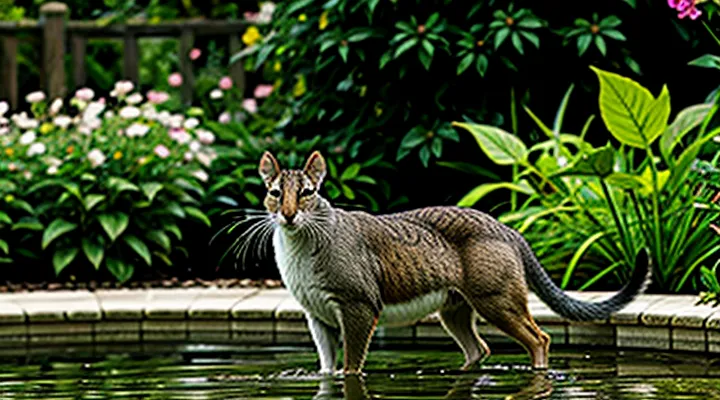
Physical Characteristics
Water rats that frequent garden ponds exhibit a compact body length of 20–30 cm and a tail extending 15–25 cm, often longer than the torso. Their fur is dense, water‑repellent, and typically brownish‑gray with a lighter ventral side, providing insulation and camouflage among reeds and soil.
Key physical adaptations include:
- Webbed hind feet with elongated toes, increasing propulsion in shallow water.
- Strong, curved incisors capable of gnawing tough plant stems and burrowing into soft banks.
- Vibrissae (whiskers) densely packed along the snout, delivering precise tactile feedback for navigation in murky conditions.
- Large, partially membranous ears that fold flat against the skull when submerged, reducing drag.
- Well‑developed scent glands on the flanks, emitting olfactory markers to delineate territory along garden waterways.
The skeletal structure is lightweight yet robust, featuring a flexible spine that enables rapid undulating movements. Muscular development concentrates in the forelimbs for digging and in the hind limbs for swimming bursts, allowing the animal to transition seamlessly between terrestrial and aquatic habitats within the garden ecosystem.
Habitat and Behavior
Water rats occupy riparian zones, shallow ponds, and artificial water basins that gardeners often install for irrigation or aesthetic purposes. Their fur is densely water‑repellent, allowing constant immersion while they forage along the margins of water bodies. In garden settings, they prefer areas with abundant vegetation cover, such as emergent reeds, floating mats, and dense ground‑level shrubs that provide shelter from predators and a platform for nesting.
Behaviorally, water rats are nocturnal foragers. They dive to capture aquatic invertebrates, small fish, and amphibian larvae, then retreat to dry burrows or nests constructed from plant material. Their nests are typically located in concealed bank crevices or under large stones, where they maintain a dry interior despite proximity to water. Breeding peaks in spring; litters of three to five young are raised in these protected chambers, with both parents contributing to feeding and defense.
Key aspects of their interaction with garden ecosystems include:
- Territoriality: Individuals defend a 30‑ to 50‑meter stretch of water edge, marking boundaries with scent glands and vocalizations.
- Social structure: Small family groups persist for several months, after which juveniles disperse to establish new territories.
- Predator avoidance: Quick retreat into water and dense vegetation reduces exposure to birds of prey, domestic cats, and feral dogs.
- Impact on garden fauna: Predation on pest species such as mosquito larvae and slugs can lower nuisance populations, while occasional consumption of garden‑reared fish or amphibians may affect hobbyist breeding programs.
Understanding the specific habitat preferences and behavioral patterns of water rats enables gardeners to anticipate both the ecological services they provide and the potential conflicts that may arise from their presence.
The Appeal of a Garden Environment
Food Sources
Water rats that frequent garden ponds and irrigation channels rely on a varied diet that intertwines with horticultural environments. Their feeding habits influence both the health of the garden and the surrounding ecosystem.
Typical food items include:
- Aquatic insects (larvae of beetles, mosquitoes, mayflies)
- Small crustaceans (freshwater shrimp, amphipods)
- Aquatic vegetation (young shoots of waterweed, duckweed)
- Terrestrial plant parts (seed heads, fallen fruit, vegetable scraps)
- Detritus and organic waste deposited in water features
Consumption of insects and crustaceans reduces populations of garden pests, contributing to lower disease pressure on crops. By ingesting seeds and dispersing them through feces, water rats assist in plant propagation and genetic exchange across pond margins. Their foraging also accelerates decomposition of organic debris, improving water quality.
Conversely, predation on tender seedlings, fruit, and vegetable residues can damage ornamental beds and reduce yields. Competition with native waterfowl and amphibians for limited prey may destabilize local biodiversity. Ingested contaminated material, such as pesticide‑laden insects, can introduce toxins into the garden’s food web, posing risks to predators that later consume the rats.
Balancing these effects requires monitoring of water rat activity, selective habitat management, and, where necessary, the implementation of barriers to protect vulnerable crops while preserving the ecological services the species provides.
Shelter and Water Access
Shelter structures such as dense ground cover, log piles, and stone crevices provide water‑associated rodents with protection from predators and harsh weather. These refuges also create microhabitats that support invertebrate populations, which serve as a food source for the mammals.
Access to clean water sources—pond edges, shallow streams, or artificial basins—maintains hydration, facilitates thermoregulation, and enables foraging behavior. Continuous water availability encourages regular activity cycles and supports reproductive success.
Positive outcomes of well‑designed shelter and water provisions
- Enhanced biodiversity through the attraction of secondary species (e.g., amphibians, insects).
- Natural pest control, as the rodents consume garden insects and larvae.
- Soil aeration and nutrient recycling from burrowing and waste deposition.
Potential adverse effects of inadequate management
- Water stagnation can foster pathogenic bacteria and parasites that affect both rodents and humans.
- Excessive shelter density may lead to overpopulation, resulting in vegetation damage and increased competition for resources.
- Uncontrolled burrowing may undermine plant root systems and destabilize garden infrastructure.
Balancing shelter complexity with regulated water flow mitigates risks while preserving ecological contributions. Regular monitoring of population density and water quality ensures that the garden environment remains beneficial rather than detrimental.
Benefits of Water Rats in the Garden
Pest Control
Insect Consumption
Water rats that inhabit garden water features regularly ingest a variety of insects, ranging from mosquito larvae to terrestrial beetles that fall into the water. Their opportunistic feeding behavior reduces the numbers of these arthropods without requiring human intervention.
-
Decrease in mosquito populations limits the risk of vector‑borne diseases for humans and pets.
-
Removal of aquatic larvae curtails the emergence of adult insects that would otherwise damage foliage.
-
Consumption of detritivorous insects accelerates the breakdown of organic matter, enhancing nutrient recycling in pond sediments.
-
Predation on pollinating insects such as certain flies may lower pollination rates for garden plants.
-
Ingested insects can carry parasites that transfer to the rats and potentially to other wildlife.
-
High densities of water rats may lead to over‑exploitation of insect prey, causing temporary imbalances in the micro‑ecosystem.
Effective garden management balances these outcomes by maintaining moderate water rat populations, providing alternative food sources, and monitoring insect diversity to ensure that pest suppression does not compromise pollination services.
Snail and Slug Predation
Water rats that frequent garden ponds and moist borders regularly hunt gastropods. Their sharp incisors and agile swimming enable them to capture snails and slugs both on land and in shallow water, reducing the population of these herbivores.
Positive effects
- Decreased foliage loss caused by slug feeding.
- Lower risk of fungal diseases that thrive on slime trails.
- Reduced need for chemical molluscicides, limiting soil contamination.
- Enhanced biodiversity as fewer gastropods allow other invertebrates to flourish.
Potential drawbacks
- Excessive predation may eliminate native snail species that contribute to leaf litter decomposition.
- Decline in snail numbers can affect birds and amphibians that rely on them as food.
- Overpopulation of water rats could lead to competition with other small mammals for resources.
- Increased digging activity near pond edges may destabilize banks and cause erosion.
Balancing water‑rat presence with garden health requires monitoring gastropod densities and preserving habitats for both predators and non‑target species.
Soil Aeration
Burrowing Activity
Burrowing activity by semi‑aquatic rodents in garden habitats reshapes soil structure, influences moisture dynamics, and alters plant communities. Tunnels increase aeration, allowing deeper root penetration and improved drainage, which can benefit moisture‑sensitive vegetables. Simultaneously, the removal of soil particles creates zones of compaction and exposes root systems to mechanical damage.
Positive outcomes include:
- Enhanced infiltration of rainwater, reducing surface runoff.
- Creation of microhabitats for invertebrates that contribute to pest control.
- Redistribution of organic matter, fostering localized nutrient enrichment.
Negative consequences involve:
- Disruption of seed beds, leading to lower germination rates.
- Increased vulnerability of shallow‑rooted plants to desiccation from exposed soil.
- Potential for introduced pathogens to travel through burrow networks, affecting plant health.
Management strategies focus on balancing these effects by employing physical barriers, monitoring burrow density, and selecting plant species tolerant of soil disturbance.
Ecosystem Balance
Role in the Food Chain
Aquatic rodents inhabiting garden ponds consume aquatic insects, crustaceans, and small fish, thereby converting primary consumer biomass into secondary consumer tissue. Their foraging reduces populations of mosquito larvae, water beetles, and other invertebrates that would otherwise proliferate unchecked.
Predators that rely on these mammals include raptors such as marsh harriers, terrestrial mammals like foxes, and larger fish that capture juveniles near the water’s edge. By providing a steady source of protein, water rats sustain these higher‑trophic species, especially during breeding seasons when energy demands peak.
The presence of water rats influences the flow of energy through the garden ecosystem:
- Prey reduction: Lower densities of mosquito larvae diminish disease‑vector risk.
- Nutrient recycling: Excretion and carcass decomposition return nitrogen and phosphorus to the water, supporting algal growth.
- Predator support: Consistent prey availability stabilizes predator populations, preventing abrupt declines that could cascade to other prey groups.
Overall, these mammals act as a conduit that transfers energy from primary consumers to apex predators, shaping community structure and maintaining ecological balance within garden waterways.
Harms of Water Rats in the Garden
Damage to Plants
Root Damage
Water rats that frequent garden waterways frequently gnaw on plant roots, creating openings that compromise structural stability and nutrient uptake. Their incisors are adapted for cutting fibrous tissue, allowing them to sever roots that extend into moist soil zones.
- Direct severance of fine feeder roots reduces water and mineral absorption, leading to wilting and stunted growth.
- Creation of tunnels disrupts the root matrix, weakening anchorage and increasing susceptibility to wind‑throw or mechanical injury.
- Exposed root surfaces become entry points for soil‑borne pathogens, accelerating decay and secondary infection.
- Repeated gnawing stimulates excessive lateral root growth, which may crowd the root zone and limit oxygen diffusion.
The cumulative effect of these actions diminishes plant vigor, lowers yields in vegetable beds, and can cause loss of ornamental specimens. Early detection of gnawed roots—visible as clean cuts or exposed tissue—allows timely intervention. Control measures include reinforcing bank vegetation with barrier fabrics, installing deterrent devices near water channels, and managing water rat populations through habitat modification.
Consumption of Crops and Ornamentals
Water rats frequent garden waterways, where they interact directly with edible plants and decorative species. Their foraging and feeding habits affect both crop yields and ornamental health.
When water rats consume vegetable foliage, root vegetables, or fruit, they can reduce marketable biomass. Damage manifests as:
- Chewed leaves that impair photosynthesis
- Burrowed soil that destabilizes root systems
- Defoliation that exposes plants to pathogens
Conversely, their presence may limit certain pest populations. By preying on insects and larvae that feed on crops, water rats indirectly protect yields. This predatory effect can lower the need for chemical controls, preserving soil structure and reducing residue on edible produce.
Ornamental plants experience similar pressures. Grazing on flower buds and foliage diminishes aesthetic value and may shorten bloom periods. However, water rats’ activity can increase aeration of saturated soils, promoting healthier root environments for moisture‑loving ornamentals such as irises and cattails.
Management strategies focus on balancing these outcomes:
- Install physical barriers (mesh fencing, raised beds) to restrict rat access to high‑value crops.
- Provide alternative water‑rich habitats (rock piles, shallow ponds) to divert foraging away from cultivated beds.
- Monitor rodent populations regularly; implement humane trapping when densities exceed thresholds that cause measurable loss.
Understanding the dual impact of water rats—direct consumption versus indirect pest suppression—allows gardeners to optimize both food production and ornamental display while maintaining ecological integrity.
Structural Damage
Burrows in Lawns and Borders
Burrows created by water‑adapted rodents in lawns and garden borders alter soil structure. The tunnels increase aeration, allowing oxygen to reach deeper root zones and promoting microbial activity that accelerates organic matter breakdown. This process can improve drainage on compacted ground, reducing surface runoff after rain.
Conversely, burrow networks weaken turf integrity. Repeated collapse of tunnel roofs creates uneven surfaces that can damage mowing equipment and increase the risk of trips. Root systems of bordering plants may be severed, leading to stunted growth or death. In areas where burrows intersect irrigation lines, water pressure loss and pipe rupture become likely.
Practical considerations for garden owners:
- Monitor high‑traffic zones for fresh entry holes; seal openings with wire mesh or stone edging.
- Introduce natural predators such as raptors or feral cats to limit rodent population pressure.
- Apply targeted bait stations away from vegetable patches to avoid accidental poisoning of non‑target species.
Damage to Pond Liners
Water rats frequently gnaw on flexible pond liners, creating holes that allow water to escape. Their incisors are adapted for constant wear, so they readily chew through polyethylene, PVC, and rubber membranes when the material is exposed or unsecured.
The resulting breaches lead to:
- Rapid loss of pond water, disrupting aquatic ecosystems.
- Soil erosion around the pond edge as water seeps into surrounding substrate.
- Increased maintenance costs for refilling and repairing the liner.
- Potential exposure of fish and amphibian habitats to predators and temperature fluctuations.
Factors that increase vulnerability include:
- Liner sections left loose or with insufficient anchoring.
- Presence of burrows or nests near the pond perimeter.
- Warm, moist conditions that attract rodents to the water source.
Preventive measures focus on physical barriers and habitat management. Installing a metal or heavy‑duty mesh over the liner surface deters chewing while allowing water flow. Securing the liner with sturdy stakes or concrete edging removes loose edges that rats can grip. Reducing attractive food sources and eliminating nearby debris diminish rodent activity.
When damage occurs, prompt repair is essential. Temporary patches using waterproof tape can stop leaks until a full liner replacement is performed. Regular inspections—especially after heavy rain or seasonal changes—help identify early signs of gnawing before extensive water loss develops.
Disease Transmission
Potential Health Risks
The presence of semi‑aquatic rodents in garden ecosystems introduces several health concerns that merit careful monitoring.
- Zoonotic disease transmission – Species commonly found near water sources can carry pathogens such as leptospira, hantavirus, and salmonella. Contact with urine, feces, or contaminated soil may lead to infections in humans, especially children and immunocompromised individuals.
- Allergic reactions – Shed fur, dander, and urine proteins can trigger respiratory or dermal allergies. Repeated exposure may exacerbate asthma or cause dermatitis in sensitive persons.
- Water contamination – Accumulated waste can pollute irrigation ponds, creating breeding grounds for mosquitoes and increasing the risk of water‑borne illnesses. Elevated bacterial counts may also affect the safety of produce washed with garden water.
- Bite injuries – Defensive bites can puncture skin, introducing bacteria and requiring medical attention. Even minor wounds may become infected if proper wound care is not applied.
- Parasite exposure – External parasites such as ticks and fleas may attach to rodents and later transfer to pets or humans, facilitating the spread of diseases like Lyme disease or plague.
Mitigation strategies include regular cleaning of water features, securing waste containers, installing physical barriers, and conducting routine health surveillance of both wildlife and residents. Prompt veterinary or medical consultation is advisable when signs of infection or allergic response appear.
Managing Water Rats in the Garden
Prevention Strategies
Garden Maintenance
Garden upkeep must consider the impact of semi‑aquatic rodents that inhabit water features and moist soil zones. Their foraging habits can alter plant health, soil structure, and pest dynamics, requiring specific management actions.
Positive effects include:
- Natural control of mosquito larvae and other standing‑water insects.
- Distribution of organic material through burrowing, which can improve soil aeration.
- Seed dispersal of water‑tolerant species, enhancing biodiversity in wet areas.
Negative effects include:
- Consumption of tender seedlings and seedlings near pond edges, reducing ornamental yield.
- Creation of burrow networks that destabilize bank edges, leading to erosion.
- Attraction of larger predators that may damage garden structures or other flora.
Effective maintenance strategies:
- Install protective barriers, such as fine mesh or low‑profile edging, around vulnerable plant beds.
- Maintain water depth and flow to discourage excessive burrowing while preserving habitats for beneficial insects.
- Regularly inspect banks for collapse, repairing with riprap or geotextile fabric as needed.
- Provide alternative food sources, like floating vegetation mats, to divert feeding pressure from cultivated plants.
Integrating these measures balances the ecological contributions of water‑associated rodents with the practical goals of a well‑kept garden.
Exclusion Techniques
Excluding semi‑aquatic rodents from garden water features requires a combination of physical, environmental, and behavioral controls. Physical barriers such as stainless‑steel mesh with openings no larger than 1 cm effectively prevent entry into ponds and streams. Installing low‑profile fences around the perimeter of water bodies, with a buried skirt extending 30 cm underground, blocks burrowing attempts. Covering surface water with removable netting during periods of low use eliminates swimming routes without impairing irrigation.
Environmental modifications reduce habitat appeal. Removing excess vegetation along banks decreases cover and foraging opportunities. Lowering water levels in ornamental pools to expose the substrate discourages nesting. Regularly cleaning debris and fallen fruit eliminates food sources that attract foragers.
Behavioral deterrents complement structural measures. Commercially formulated scent repellents containing predator urine or capsaicin, applied to banks and entry points, create an aversive environment. Motion‑activated water jets triggered by infrared sensors deliver brief, targeted bursts that startle intruders and reinforce avoidance.
When exclusion fails, humane removal may be necessary. Live‑capture traps placed near activity hotspots, checked twice daily, allow relocation to suitable natural habitats. Traps should be baited with fish or crustacean meat to maximize efficiency.
Implementing these techniques in concert minimizes the risk of garden damage, disease transmission, and competition with native wildlife, while preserving the ecological functions that water‑dependent rodents can provide when managed responsibly.
Repellents
Repellents serve as a primary control method for semi‑aquatic rodents that frequent garden habitats, reducing damage to vegetation, irrigation infrastructure, and soil integrity.
- Chemical deterrents: ammonia‑based sprays, capsaicin formulations, and synthetic predator urine.
- Biological agents: nematodes that target rodent larvae, and bacterial preparations that alter gut flora.
- Physical barriers: mesh fencing, buried wire mesh, and water‑impermeable edging.
- Acoustic devices: ultrasonic emitters calibrated to frequencies that disturb rodent communication.
Effectiveness depends on concentration, frequency of application, and environmental conditions such as humidity and temperature. Chemical agents require re‑application after rainfall; biological agents work best when introduced during early breeding cycles; physical barriers must be continuous and free of gaps; acoustic devices lose potency if rodents become habituated.
Potential drawbacks include toxicity to non‑target wildlife, persistence of residues in soil and water, and the risk of fostering resistance through repeated exposure. Synthetic chemicals may leach into groundwater, affecting amphibians and beneficial insects. Acoustic units can interfere with pet hearing if placed too close to domestic animals.
Optimal use involves rotating active ingredients to prevent habituation, confirming barrier integrity before the breeding season, monitoring rodent activity with motion‑sensing cameras, and documenting any collateral effects on surrounding flora and fauna. Regular soil testing verifies that chemical concentrations remain below regulatory limits, ensuring compliance with environmental standards.
Humane Removal Methods
Live Trapping and Relocation
Live trapping involves capturing water rats in the garden without lethal force, then moving them to a suitable habitat away from cultivated areas. This method replaces indiscriminate poisoning or exclusion fences, offering a reversible solution when populations threaten plant health or water features.
Advantages
- Immediate reduction of foraging pressure on tender vegetation.
- Lower risk of contaminating soil or water with chemical residues.
- Preservation of non‑target wildlife that might be harmed by toxic baits.
- Decreased likelihood of disease spread to humans and pets through controlled removal.
Potential drawbacks
- Captured individuals experience stress that can lead to injury or death.
- Relocation may introduce rats to ecosystems where they become invasive.
- Improper release sites can cause conflict with neighboring landowners.
- Legal restrictions often limit the distance or type of release permitted.
Effective implementation requires: selecting snap‑free, cage‑style traps; checking traps at intervals that prevent prolonged confinement; transporting animals in ventilated containers; releasing them in habitats with abundant shelter and food, at least several kilometers from the original garden; and documenting each capture to satisfy wildlife regulations. Continuous monitoring after release helps assess whether the population pressure in the garden diminishes without causing secondary ecological issues.
Professional Pest Control
When to Seek Expert Help
Water rats can alter garden ecosystems, providing ecological services while also posing health and structural risks. Determining when professional guidance is necessary prevents escalation of problems and safeguards both the environment and human occupants.
Indicators that expert assistance is required
- Persistent damage to irrigation pipes, drainage systems, or plant roots that cannot be stopped with basic repairs.
- Evidence of disease transmission, such as sudden illness in pets or family members linked to rodent droppings.
- Uncontrolled population growth, identified by frequent sightings, extensive burrowing, or a noticeable increase in nocturnal activity.
- Legal or regulatory concerns, including protected‑species status or local wildlife ordinances that restrict removal methods.
- Inadequate results from standard deterrents (e.g., traps, repellents) after multiple attempts.
Ignoring these signs may lead to extensive infrastructure failure, heightened disease risk, and legal penalties. Professional wildlife consultants can assess population dynamics, recommend humane control strategies, and ensure compliance with environmental regulations.
When any of the listed conditions appear, contact a qualified pest‑management specialist or wildlife biologist promptly. Early intervention preserves garden health, reduces long‑term costs, and maintains ecological balance.
Coexisting with Wildlife
Promoting Biodiversity
Water rats inhabiting garden water features contribute to ecological complexity. Their activities create microhabitats that support a range of organisms, from aquatic insects to amphibians.
- Burrowing and bank modification increase surface heterogeneity, allowing niche differentiation for invertebrates.
- Feeding on aquatic plants and algae regulates primary production, preventing unchecked growth that could deplete oxygen.
- Excretion introduces organic matter, enhancing nutrient cycling and supporting detritivore populations.
Potential negative impacts must be managed to maintain overall ecosystem health.
- Intensive foraging may reduce vegetation cover, limiting shelter for small vertebrates.
- Digging can destabilize bank structures, increasing erosion risk and sediment influx into adjacent water bodies.
- High population densities may elevate competition with native species, leading to reduced diversity of certain taxa.
Promoting biodiversity in garden ponds requires balanced stewardship. Implementing controlled water rat populations through habitat design—such as providing alternative shelters and planting buffer vegetation—reduces pressure on vulnerable plant communities while preserving the ecological functions these mammals deliver. Regular monitoring of population levels and water quality ensures that the benefits outweigh the drawbacks, fostering a resilient and varied garden ecosystem.
Understanding Ecological Roles
Water rats inhabiting garden ponds and streams interact directly with surrounding flora and fauna. Their foraging and movement patterns influence water quality, prey dynamics, and plant regeneration.
Benefits
- Consumption of mosquito larvae and other aquatic insects reduces pest pressure.
- Transport of plant seeds attached to fur promotes colonization of marginal vegetation.
- Excretion of organic material enriches microbial activity, accelerating decomposition and nutrient turnover.
Harms
- Gnawing on tender stems and root zones can weaken ornamental and native plants.
- Overlap with other semi‑aquatic mammals may lead to resource competition and displacement of less aggressive species.
- Carriage of parasites, such as leptospires, poses health risks to humans and domestic animals that frequent garden water features.
Understanding these interactions enables gardeners to balance water rat presence with desired ecological outcomes, adjusting habitat features and management practices accordingly.