
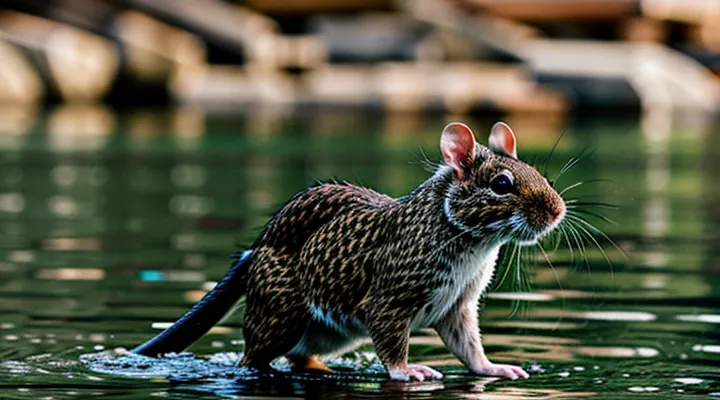
Unveiling the Water Rat: An Introduction
What is a Water Rat?
Taxonomy and Classification
The water rat belongs to the order Rodentia, class Mammalia, phylum Chordata, and kingdom Animalia. Within Rodentia it is placed in the family Muridae, subfamily Hydromyinae, which groups semi‑aquatic rodents adapted to freshwater habitats. The genus Hydromys contains the most widely recognized species, the Australian water rat, Hydromys chrysogaster, commonly known as the rakali. Additional species in the genus include Hydromys hussoni (New Guinea water rat) and Hydromys neobrittanicus (Brittany water rat), each sharing morphological traits such as webbed hind feet and dense water‑repellent fur.
Key taxonomic levels for the primary water rat species are:
- Kingdom: Animalia
- Phylum: Chordata
- Class: Mammalia
- Order: Rodentia
- Family: Muridae
- Subfamily: Hydromyinae
- Genus: Hydromys
- Species: Hydromys chrysogaster
Phylogenetic studies using mitochondrial DNA confirm the close relationship of Hydromys to other murid rodents, while distinguishing it from terrestrial relatives through adaptations for swimming and foraging in aquatic environments. The classification reflects both evolutionary lineage and ecological specialization, providing a framework for comparative research across semi‑aquatic mammals.
Physical Characteristics and Adaptations
The water rat exhibits a streamlined body that reduces drag while swimming. Its dense, water‑repellent fur traps air, providing insulation and buoyancy. The tail is broad and flattened, functioning as a powerful rudder for precise maneuvering in fast currents. Webbed hind feet increase thrust, while the front paws retain dexterity for handling food and constructing nests.
Key adaptations include:
- Sensory vibrissae: Long whiskers detect minute water movements, allowing the animal to locate prey in low‑visibility environments.
- Auditory specialization: Enlarged ear canals amplify low‑frequency sounds transmitted through water, enhancing detection of struggling insects and small vertebrates.
- Metabolic efficiency: A high basal metabolic rate supports sustained activity in cold aquatic habitats, while the ability to enter short periods of torpor conserves energy during extreme conditions.
- Dental morphology: Continuously growing incisors and molars with reinforced enamel enable gnawing on tough aquatic vegetation and crustacean shells.
These physical traits collectively enable the water rat to thrive in riparian zones, lakes, and coastal streams, where agility, thermoregulation, and effective foraging are essential for survival.
Habitat and Distribution
Preferred Environments
Water rats (Hydromys chrysogaster) thrive in habitats that combine abundant water with dense riparian cover. Their distribution across Australia and New Guinea reflects a reliance on ecosystems where aquatic and terrestrial resources intersect.
- Freshwater rivers with moderate flow, providing access to fish, crustaceans, and insects.
- Lakes and large ponds featuring shallow margins, submerged vegetation, and soft banks for burrow construction.
- Wetland complexes, including marshes and swamps, where water depth fluctuates seasonally and emergent plants offer concealment.
- Coastal estuaries and tidal creeks, where brackish water supports a diverse prey base and mudflats allow easy foraging.
- Mangrove forests, offering root systems that serve as shelter and pathways for nocturnal movement.
Preferred sites share common characteristics: clear or turbid water with steady supply, abundant bank-side vegetation, and substrates suitable for digging burrows or nesting dens. Proximity to prey-rich zones, such as fish spawning areas or insect hatches, directly influences occupancy. Seasonal water level changes are tolerated, provided that refuges remain accessible throughout droughts and floods.
Geographic Range
The water rat, often photographed for its distinctive semi‑aquatic adaptations, occupies a broad but fragmented distribution across the Australasian region. Populations are concentrated in three main areas:
- Eastern and southeastern coastal zones of Australia, extending from Queensland through New South Wales to Victoria, where riverine and estuarine habitats provide suitable foraging grounds.
- The island of Tasmania, where cool, fast‑flowing streams host dense colonies.
- The southern coast of New Guinea, limited to low‑land mangroves and freshwater lagoons.
Within these zones, the species prefers riparian environments with abundant vegetation cover, allowing easy access to both water and terrestrial shelter. Isolated habitats, such as mountain streams in the Australian Alps, support small, genetically distinct groups, underscoring the fragmented nature of the range. Conservation assessments routinely map these locales to monitor habitat loss and guide protection measures.
Behavior and Lifestyle
Diet and Feeding Habits
The water rat is an opportunistic omnivore that exploits both aquatic and terrestrial resources. Its diet reflects the availability of prey in freshwater habitats, allowing the species to thrive in diverse environments.
- Small fish and tadpoles
- Crustaceans such as freshwater shrimp and crabs
- Aquatic insects, larvae, and terrestrial arthropods
- Amphibians, reptiles, and occasional small mammals
- Seeds, aquatic plants, and algae
Feeding occurs primarily at night, when the animal hunts from the water’s surface or within submerged vegetation. Sensitive whiskers and a highly developed sense of touch enable detection of concealed prey. The water rat can capture moving fish with rapid lunges, while also foraging on land for insects and plant material. Seasonal shifts in prey abundance prompt adjustments in intake, with a higher proportion of vegetation during colder months. Individuals often cache surplus food in burrow chambers, ensuring a reserve during periods of scarcity.
Social Structure and Communication
Water rats live in tightly knit groups that typically consist of a breeding pair and their offspring. Group size rarely exceeds ten individuals, and members maintain defined territories marked by scent deposits along riverbanks and under submerged logs. Juveniles remain with their parents until they acquire sufficient foraging skills, after which they disperse to establish new territories.
Communication among water rats relies on a combination of visual, acoustic, and chemical signals. Key methods include:
- Scent marking: Secretions from anal glands are deposited on rocks and vegetation, conveying individual identity and reproductive status.
- Vocalizations: Short chirps, whistles, and growls serve to alert relatives of danger, coordinate movement, and reinforce social bonds.
- Body posture: Tail lifts, ear flattening, and specific grooming gestures signal aggression, submission, or readiness to mate.
These mechanisms enable rapid information exchange within the colony, support cooperative hunting, and reduce conflict over resources.
Reproduction and Life Cycle
The water rat (Hydromys chrysogaster) breeds primarily during the warmer months, when water temperatures rise above 20 °C. Mating pairs form temporary monogamous bonds; females emit vocalizations and scent markings to attract males. After copulation, gestation lasts approximately 30 days, after which the female gives birth to a litter of two to five altricial young.
Newborns are blind and hairless, remaining hidden in a burrow or nest constructed from vegetation and riverbank debris. The mother nurses the pups continuously for the first three weeks, providing high‑fat milk that supports rapid growth. By the fourth week, juveniles develop fur and begin to explore the water’s edge under maternal supervision. Weaning occurs around six weeks, after which the young start foraging independently but continue to receive occasional protection from the mother for several additional weeks.
Sexual maturity is reached at roughly nine months for males and eleven months for females. Adult water rats can reproduce annually, with the potential for multiple litters per year in regions offering abundant food and stable water conditions. Lifespan in the wild averages six to eight years, extending up to twelve years in captivity where predation pressure is absent.
Key stages of the life cycle:
- Breeding season: late spring to early autumn
- Gestation: ~30 days
- Litter size: 2–5 offspring
- Neonatal period: 0–3 weeks (nursing, immobility)
- Juvenile development: 4–6 weeks (fur growth, initial foraging)
- Weaning: ~6 weeks
- Sexual maturity: 9–11 months
- Reproductive frequency: up to two litters annually
- Average wild lifespan: 6–8 years
Understanding these reproductive parameters aids in interpreting photographic records that capture various developmental phases, from nest‑bound pups to fully mature individuals navigating aquatic habitats.
Ecological Role and Conservation Status
Impact on Ecosystems
Photographs of water rats illustrate their semi‑aquatic habits, body adaptations, and interactions with surrounding habitats. Visual records confirm that these mammals occupy riparian zones, wetlands, and fast‑flowing streams across their range.
Their presence shapes ecosystem dynamics in several measurable ways:
- Predation pressure – By feeding on fish, crustaceans, and insects, water rats regulate prey populations, preventing overabundance that could disrupt trophic balance.
- Nutrient cycling – Excrement deposited in water and on banks introduces organic matter, enhancing microbial activity and supporting primary production.
- Habitat modification – Burrowing and nest construction alter bank structure, creating micro‑habitats used by invertebrates, amphibians, and other small vertebrates.
- Seed transport – Consumption of aquatic plants and subsequent dispersal of viable seeds contribute to riparian vegetation regeneration.
Long‑term monitoring of photographic archives shows that population fluctuations of water rats correspond with changes in water quality indicators, such as reduced turbidity and higher dissolved oxygen levels. Consequently, their abundance serves as a reliable bioindicator for freshwater ecosystem health.
Threats and Challenges
Water rats face a range of pressures that jeopardize their populations and limit opportunities for reliable photographic documentation.
Habitat fragmentation, driven by agricultural expansion and urban development, reduces the continuity of riparian corridors. Isolated patches limit access to food sources and breeding sites, increasing mortality rates.
Invasive predators such as feral cats and introduced mustelids prey on water rats, especially juveniles. These predators thrive in altered landscapes, intensifying predation pressure.
Climate variability alters water flow regimes, leading to droughts or flood events that disrupt nesting banks and foraging habitats. Seasonal extremes reduce shelter availability and increase exposure to disease.
Human recreation along waterways introduces disturbance, trampling vegetation and contaminating water quality. Photographers and anglers may unintentionally disturb nests, causing abandonment.
Key threats can be summarized:
- Habitat loss and fragmentation
- Invasive predation
- Climate‑driven hydrological changes
- Recreational disturbance and pollution
Mitigation requires coordinated land‑use planning, predator control programs, climate‑adaptation strategies, and public education on low‑impact observation techniques.
Conservation Efforts
The water rat (Hydromys chrysogaster) occupies riparian zones across Australia and New Zealand, where habitat loss and water pollution have reduced population stability. Conservation programs focus on preserving these ecosystems, reducing threats, and enhancing public awareness through visual documentation.
Efforts to secure habitat involve:
- Designation of protected river corridors and wetlands.
- Restoration of native vegetation along banks.
- Implementation of water‑quality monitoring to detect contaminants.
- Regulation of land‑use practices that alter flow regimes.
Photographic initiatives contribute directly to conservation. Volunteers submit geotagged images of water rats, creating a real‑time distribution map that guides field surveys. High‑resolution pictures also support educational outreach, illustrating species behavior and highlighting areas of concern.
Captive‑breeding facilities maintain genetic diversity and produce individuals for targeted reintroduction. Protocols include health screening, habitat acclimatization, and post‑release monitoring to assess survival rates.
Legal frameworks protect the species under national wildlife legislation, enforce penalties for illegal trapping, and require environmental impact assessments for development projects near waterways. Coordination among government agencies, NGOs, and indigenous groups ensures consistent policy application.
Ongoing research integrates camera‑trap data, population modeling, and climate‑change projections. Results inform adaptive management plans, allowing rapid response to emerging threats such as invasive predators and drought‑induced habitat fragmentation.
Capturing the Water Rat: Photography Tips
Best Locations for Sightings
Water rats are most readily photographed in habitats where riparian vegetation provides cover and abundant food sources. Observers report higher encounter rates in the following areas:
- Southern Riverbanks of the Murray‑Darling Basin, Australia – extensive reed beds and slow‑moving water create ideal foraging zones; early morning light enhances contrast in images.
- Coastal wetlands of the North Island, New Zealand – salt‑marsh margins host dense populations; low tide reveals exposed banks, facilitating clear shots.
- Upper reaches of the Thames, United Kingdom – wooded riverbanks with fallen logs serve as preferred resting sites; autumn provides muted foliage that reduces background distraction.
- Amazonian tributaries near Iquitos, Peru – tropical floodplain forests sustain large colonies; midday reflections on water surface highlight the animal’s sleek fur.
- Lake District’s Windermere shoreline, England – rocky outcrops adjacent to shallow inlets attract solitary individuals; overcast conditions reduce glare and improve detail capture.
Photographers should position themselves a few meters from the water’s edge, use telephoto lenses to minimize disturbance, and time visits to dawn or dusk when water rats are most active. Consistent documentation across these locations contributes to a comprehensive visual record of the species.
Essential Photography Gear
Capturing high‑quality images of water rats demands reliable equipment that can handle wet environments, fast movement, and low light. A robust camera system forms the foundation for successful shots.
- DSLR or mirrorless body with fast autofocus and high‑resolution sensor.
- Telephoto zoom lens (200–400 mm) for distance composition, or a macro lens (90–105 mm) for close‑up detail.
- Waterproof housing or rain‑cover to protect the camera and lens from splashes and humidity.
- Sturdy tripod or monopod with non‑slip feet for stability on wet banks or riverbanks.
- External flash with a diffuser, capable of high‑speed sync to freeze motion in dim conditions.
- Circular polarizing filter to reduce surface glare on water and enhance fur coloration.
- Wireless remote trigger or wired shutter release to minimize camera shake.
- High‑capacity, fast‑write SD or CFexpress cards to accommodate burst shooting.
- Spare batteries with waterproof cases, ensuring uninterrupted operation.
- Lens cleaning kit with microfiber cloths and sensor‑safe blower for quick maintenance in the field.
Each component contributes directly to image clarity, subject isolation, and equipment longevity when photographing water rats in their natural habitats.
Ethical Photography Practices
Ethical photography of water rats requires respect for the animals and their habitats. Photographers should approach subjects quietly, avoid sudden movements, and maintain a distance that prevents stress. Use natural lighting whenever possible to reduce the need for flash, which can startle or disorient the rodents.
Equipment choices influence animal welfare. Select lenses that allow close composition without encroaching on the creature’s space. Stabilize cameras on tripods or monopods to limit repeated passes over the same area. Record observations of behavior and environmental conditions to contextualize images responsibly.
Key practices:
- Obtain permits or permissions from relevant wildlife authorities before entering protected zones.
- Verify that any bait or lure complies with local regulations and does not alter natural foraging patterns.
- Limit shooting time to brief intervals; pause frequently to allow the animals to resume normal activity.
- Store and share photographs with accurate metadata, including location, date, and any disturbances caused.
- Release any captured individuals promptly and unharmed if handling becomes necessary.
Adhering to these guidelines ensures that visual documentation contributes to scientific knowledge and public appreciation without compromising the well‑being of water rat populations.