
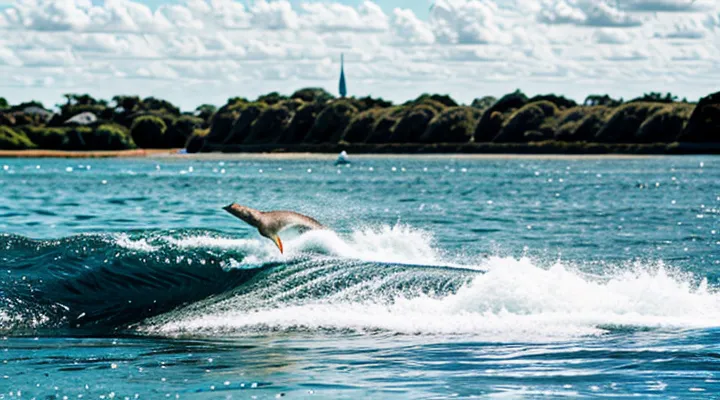
Understanding Their Natural Habitat Through Photography
Rivers and Streams: The Lifeline
Rivers and streams sustain water rat populations by delivering fresh water, shelter, and food sources. Photographic records frequently capture these mammals along banks, in burrows, and during foraging activities, illustrating the direct dependence on flowing water.
Freshwater flow creates diverse microhabitats that accommodate nesting sites, escape routes, and prey abundance. Stable banks protect against erosion, while riparian vegetation offers cover and nesting material. Continuous water movement transports nutrients, supporting aquatic insects that constitute the primary diet of water rats.
Key functions of rivers and streams include:
- Regulating temperature and oxygen levels essential for aquatic life.
- Maintaining connectivity between isolated habitats, enabling dispersal and genetic exchange.
- Filtering pollutants, preserving water quality required for healthy mammal populations.
Images of water rats often reveal behaviors linked to these functions, such as swimming to access downstream feeding zones or using submerged tunnels for predator avoidance. Visual documentation thus provides concrete evidence of the lifeline role rivers and streams play for these semi‑aquatic mammals.
Ponds and Lakes: Stillness and Reflection
Ponds and lakes provide expansive, calm surfaces that act as natural mirrors, revealing both the sky and surrounding vegetation. The smooth water layer captures minute ripples caused by the movement of small mammals, allowing photographers to document the interplay between animal and environment without artificial lighting. This setting also emphasizes texture contrast, where wet banks and submerged reeds stand out against the reflected backdrop.
Effective capture of stillness and reflection requires precise control of exposure and composition. Key considerations include:
- Using a tripod to eliminate camera shake, ensuring the reflected image remains sharp.
- Selecting a low ISO to preserve tonal range and reduce noise in the mirrored area.
- Employing a narrow aperture (f/8‑f/11) to maintain depth of field across both foreground and reflected background.
- Timing the shot during early morning or late evening when ambient light is soft, minimizing glare and preserving surface tranquility.
When photographing water-dwelling rodents, position the camera at a low angle to align the animal’s silhouette with its reflection, creating a symmetrical visual narrative. Observe the animal’s behavior near the water’s edge; brief pauses often produce the most compelling mirror images before disturbance generates ripples that disrupt the stillness.
Marshes and Swamps: Hidden Worlds
Marshes and swamps constitute complex wetland ecosystems where water‑adapted mammals, such as the semi‑aquatic rodent, find shelter and forage. The dense vegetation, fluctuating water levels, and interwoven channels create microhabitats that remain concealed beneath surface reeds and floating mats. Photographic documentation of these mammals often captures them amidst tangled roots, submerged logs, and reflective pools, revealing behavior patterns that are invisible from a distance.
Key characteristics of these hidden environments include:
- Submerged plant networks that provide cover and pathways for foraging.
- Seasonal water depth variations that influence nesting site selection.
- Low‑light conditions generated by canopy cover, requiring high‑sensitivity imaging techniques.
- Presence of detritus and organic debris that support a rich invertebrate community, serving as primary food sources.
Understanding the interplay between the wetland structure and the rodent’s activity informs conservation strategies and enhances the scientific value of visual records. Accurate depiction of these concealed worlds relies on precise timing, appropriate lenses, and awareness of the habitat’s dynamic nature.
Photographic Techniques for Water Rat Spotting
Equipment Essentials for Wildlife Photography
Successful wildlife photography of semi‑aquatic mammals requires reliable gear that functions in wet, low‑light, and fast‑moving conditions. Selecting equipment that balances durability, performance, and portability maximizes capture rates while minimizing disruptions to the subjects.
A compact, weather‑sealed DSLR or mirrorless camera with a high‑resolution sensor provides the necessary detail for enlargements and digital workflows. Full‑frame models deliver superior low‑light performance; crop sensors extend effective focal length, useful for distant subjects.
Key lenses include:
- Telephoto zoom (200–400 mm) with fast aperture (f/2.8–f/4) for close‑up shots from a safe distance.
- Medium‑range prime (85–135 mm) with bright aperture for portrait‑style compositions.
- Wide‑angle lens (16–35 mm) for habitat context and environmental framing.
Support accessories:
- Rugged tripod or monopod with carbon‑fiber construction; quick‑release head enables rapid repositioning.
- Remote shutter release or wireless trigger to eliminate camera shake.
- Polarizing filter to reduce surface glare on water and enhance color saturation.
- UV/clear protective filter for lens safety during wet conditions.
- High‑capacity, weather‑sealed batteries and fast‑charging external power packs.
- Large, waterproof storage media (UHS‑II SD cards) to accommodate burst shooting.
Lighting considerations involve a portable, high‑output flash with a diffuser to soften illumination on wet fur. When ambient light is sufficient, a fast lens aperture combined with high ISO settings (up to 6400) maintains shutter speed above 1/1000 s, preventing motion blur.
Finally, a waterproof, breathable bag with customizable compartments protects all components while allowing quick access in the field. Regular maintenance—cleaning lenses, checking seals, and updating firmware—preserves functionality throughout extended sessions.
Patience and Observation: Key to Success
Patience determines the quality of water rat photography. Waiting for the animal to settle, move, or interact with its environment yields natural poses that scripted shots cannot replicate. Quick attempts often capture blurred motion or unflattering angles, while extended observation allows the photographer to anticipate behavior and choose optimal lighting.
Observation provides the data needed to compose compelling images. By tracking feeding patterns, preferred hiding spots, and typical routes, the photographer can position the camera at a distance that respects the subject’s space yet remains close enough for detail. Recognizing subtle cues—such as a slight ripple indicating an approaching rat—enables timely shutter release.
Key practices:
- Remain motionless for several minutes before each exposure.
- Record the time of day when activity peaks and plan sessions accordingly.
- Use a telephoto lens to maintain distance while preserving resolution.
- Note water clarity and reflections; adjust exposure to prevent glare.
- Review each frame on-site to confirm focus and composition before moving on.
Best Time of Day for Water Rat Encounters
When photographing water rats, light quality and animal activity dictate the optimal observation window. Early morning, shortly after sunrise, offers soft, diffused illumination that reduces glare on water surfaces and highlights the fur texture of the subjects. During this period, water rats are often foraging along riverbanks, increasing the likelihood of clear, natural poses.
Late afternoon, approximately two to three hours before sunset, provides warm, directional light that accentuates shadows and depth, enhancing three‑dimensional perception in images. At this time, the animals typically retreat to nests or engage in social grooming, presenting opportunities for close‑up shots of behavioral interactions.
Midday, around solar noon, yields bright, high‑contrast lighting that can emphasize the vivid coloration of water and surrounding vegetation. Although water rats may be less active in open water due to higher temperatures, they frequently occupy shaded overhangs, allowing photographers to capture distinctive profiles against bright backgrounds.
Key times for successful encounters:
- Sunrise (5 – 7 AM): Soft lighting, active foraging.
- Mid‑day (11 AM – 1 PM): Bright light, sheltered habitats.
- Late afternoon (4 – 6 PM): Warm tones, social behavior.
Iconic Water Rat Behavior in Pictures
Foraging and Feeding Habits
The photographic record of the water rat reveals a species adapted to opportunistic foraging in aquatic and riparian habitats. Individuals hunt primarily at night, using whisker‑sensitive detection to locate prey concealed in shallow water or among submerged vegetation.
Key elements of the diet include:
- Small fish and amphibian larvae captured by swift lunges.
- Crustaceans such as freshwater shrimp and crabs extracted from burrows.
- Aquatic insects and their pupae seized from surface films.
- Terrestrial invertebrates foraged along banks during low water.
- Occasional plant material, notably tender shoots and seeds, consumed when animal prey is scarce.
Feeding behavior follows a pattern of short, intensive bouts interspersed with periods of rest. After a successful capture, the rat typically consumes the prey on the spot, using its dexterous forepaws to strip scales or exoskeletons. Larger catches are transported to a nearby shelter where they are cached for later consumption.
Seasonal shifts affect prey availability. During spring, the surge in insect emergence expands the diet to include a higher proportion of emergent adult insects. In winter, reduced aquatic activity forces reliance on slower‑moving crustaceans and cached food stores. Juvenile individuals exhibit a learning phase, initially targeting easier prey such as insects before progressing to larger fish as hunting proficiency develops.
Energetic demands dictate that an adult water rat must ingest roughly 10–15 % of its body mass each day. This requirement drives the species’ high mobility along riverbanks and its willingness to exploit both aquatic and terrestrial food sources, ensuring survival across varied environmental conditions.
Grooming and Social Interactions
The photographic series of the semi‑aquatic rodent reveals distinct patterns of self‑maintenance and group behavior. In each frame, individuals use their forepaws and teeth to remove debris from fur, a process that reduces parasite load and improves thermoregulation. The images also capture the sequence of motions—scratching, nibbling, and shaking—that constitute a complete grooming cycle, providing visual evidence of the species’ efficient self‑care routine.
Social dynamics emerge prominently when multiple animals gather. Photographs document several recurring interactions:
- Mutual grooming, where one individual cleans another’s flank or head, reinforcing social bonds.
- Head‑to‑head contact followed by synchronized swimming, indicating coordinated movement within a group.
- Playful chases along the water’s edge, characterized by rapid darting and occasional brief tussles, suggesting hierarchy establishment without aggression.
- Vocalizations accompanying close proximity, observable through accompanying audio tracks, which serve to maintain group cohesion.
These visual records collectively illustrate how grooming and social engagement are intertwined, supporting health, hierarchy, and collective foraging efficiency within the species.
Swimming and Diving: Grace in Motion
The photographic series showcases water rats in fluid motion, capturing the interplay of propulsion and buoyancy as they navigate aquatic environments. Each image isolates the animal’s streamlined body, the tension of limbs during thrust, and the subtle shift of water displaced by the tail.
Key visual elements illustrate the mechanics of swimming and diving:
- Torso alignment parallel to water surface, minimizing drag.
- Forelimb extension and retraction synchronized with rhythmic tail beats.
- Rapid submersion marked by a momentary splash, followed by controlled ascent.
- Eye positioning indicating forward trajectory and depth perception.
These attributes reveal how the species achieves efficient locomotion, translating muscular effort into graceful, continuous movement. The collection provides a reference for comparative analysis of semi‑aquatic mammals and informs studies of hydrodynamic adaptation.
Identifying Water Rat Species Visually
European Water Vole: A Common Sight
The European water vole (Arvicola amphibius) appears frequently in photographic collections that focus on semi‑aquatic mammals. Its presence is typical along lowland rivers, streams, and marshes throughout much of Europe, where suitable banks provide shelter and foraging grounds.
Physical characteristics include a robust body, short fur ranging from brown to gray, and a slightly flattened tail that aids in swimming. The species possesses partially webbed hind feet, enabling efficient movement through water. Adult length averages 16–22 cm, with a weight of 150–250 g.
Behavioral notes:
- Nocturnal activity dominates, with feeding concentrated on herbaceous vegetation near water edges.
- Burrows are constructed in riverbanks, often reinforced with plant material.
- Reproduction peaks in spring; litters contain 3–7 young, each reared for approximately four weeks before independence.
Conservation status remains stable in most regions, yet local populations decline where riverbank erosion or water pollution removes essential habitats. Monitoring photographic records assists researchers in tracking distribution changes and identifying areas requiring habitat restoration.
Australian Water Rat: Unique Features
The Australian water rat (Hydromys chrysogaster) exhibits a suite of adaptations that distinguish it from other semi‑aquatic rodents. High‑resolution images capture its streamlined body, dense waterproof fur, and large, webbed hind feet, all of which contribute to efficient swimming and foraging in fast‑flowing streams.
- Morphology: Broad, flattened tail acts as a rudder; muscular forelimbs support digging and climbing.
- Fur: Double‑layer coat repels water while providing insulation against cold currents.
- Sensory organs: Prominent whiskers detect vibrations, enabling prey detection beneath the surface.
- Dentition: Strong incisors and molars allow crushing of crustaceans, insects, and small vertebrates.
- Behavior: Primarily nocturnal; constructs burrows with entrances above water level to avoid flooding.
Photographic evidence confirms the species’ preference for riparian zones with dense vegetation, where it exploits both terrestrial and aquatic niches. The combination of physical traits and behavioral strategies enables the Australian water rat to thrive in environments that challenge less specialized mammals.
Other Water-Dwelling Rodents: Avoiding Misidentification
The photographic series documenting the semi‑aquatic rodent commonly known as the water rat often leads observers to mistake other water‑dwelling rodents for the same species. Accurate identification prevents data distortion in ecological surveys and photographic archives.
Key distinguishing characteristics separate true water rats from similar mammals:
- Tail morphology: water rats possess a laterally flattened tail with dense, webbed hairs; other species display cylindrical or less‑furred tails.
- Foot structure: the water rat’s hind feet feature extensive webbing between all toes, while most comparable rodents have partial webbing or none.
- Fur texture: a water‑repellent, oily coat is typical of water rats; alternative species exhibit dry, non‑glossy pelage.
- Skull shape: the water rat’s skull presents a pronounced sagittal crest and elongated rostrum, contrasting with the shorter, broader skulls of other semi‑aquatic rodents.
Habitat cues further reduce misidentification. Water rats favor fast‑flowing streams and riverbanks with abundant vegetation, whereas many other water‑adapted rodents inhabit stagnant ponds, marshes, or coastal mangroves. Recording the precise water body type alongside photographs strengthens species confirmation.
When cataloguing images, apply a verification checklist:
- Examine tail cross‑section for flattening and webbing.
- Inspect hind‑foot web extent.
- Assess coat sheen under natural lighting.
- Compare skull profile when skeletal material is available.
- Note water environment characteristics.
Adhering to these criteria ensures that visual records accurately reflect the target species, preserving scientific integrity and supporting reliable public information.
Ethical Considerations in Wildlife Photography
Minimizing Disturbance to Water Rats
Photographing water rats requires strict avoidance of actions that could alter their natural behavior or habitat. Disturbance can trigger stress responses, reduce foraging efficiency, and increase vulnerability to predators, thereby compromising both individual welfare and population stability.
- Maintain a minimum distance of 10 meters from active burrows or feeding sites; use telephoto lenses to capture detail without encroachment.
- Limit observation periods to brief intervals (no longer than five minutes per location) and avoid repeated visits to the same site within a short timeframe.
- Approach silently, keeping movement low and avoiding sudden gestures; wear neutral‑colored clothing to reduce visual intrusion.
- Refrain from using flash or bright artificial lighting; rely on natural illumination or low‑intensity continuous light calibrated for minimal impact.
- Record environmental data (temperature, water level, vegetation cover) without manipulating the surroundings; do not remove debris or alter substrate.
Ethical compliance demands documentation of all mitigation steps in field notes and, where applicable, adherence to local wildlife regulations and permit conditions. By integrating these protocols, photographers can obtain high‑quality images while preserving the integrity of water rat populations and their ecosystems.
Respecting Their Environment
Photographs of the water rat offer a visual record of the species’ habitats, making responsible handling of these images essential for conservation. When sharing or publishing pictures, credit the original photographer and include information about the location, date, and environmental conditions observed. This transparency supports research and prevents misinterpretation of the species’ distribution.
Respect for the water rat’s environment extends to the settings in which images are captured. Avoid disturbing nesting sites, foraging areas, or watercourses during shoots. Use remote cameras or observation points that minimize human presence, and limit the number of visits to a single location to reduce stress on the animals.
Practical guidelines for photographers and editors:
- Verify that any access permits or local regulations are observed before entering a habitat.
- Employ non‑intrusive equipment, such as silent shutters and low‑light sensors, to reduce noise and light pollution.
- Archive metadata that identifies the exact coordinates and ecological context, facilitating future monitoring efforts.
- Distribute images through platforms that enforce ethical usage policies, preventing commercial exploitation that could fund habitat degradation.
Implementing these measures ensures that visual documentation contributes positively to the preservation of the water rat’s ecosystems while maintaining scientific integrity.
The Role of Photographers in Conservation
Photographers capture visual evidence of species that are often elusive, providing tangible records for scientific analysis and public reference. High‑resolution images of water rats, for example, reveal morphological details, habitat use, and population distribution that field notes alone cannot convey.
Accurate visual documentation supports conservation in several ways:
- Supplies baseline data for monitoring trends and detecting declines.
- Enables identification of critical habitats by showing where individuals are observed.
- Assists taxonomic verification when specimens are scarce.
- Serves as material for educational campaigns, illustrating the species’ appearance and behavior.
- Influences policy decisions by presenting clear, compelling evidence of ecological value.
Professional and citizen photographers who share their work through reputable databases increase the accessibility of these records. Consistent metadata—date, location, camera settings, and observer notes—enhances the scientific utility of each photograph, allowing researchers to integrate visual data into broader analyses.
When photographic collections are systematically archived, they become long‑term resources for conservation planning, facilitating comparisons across years and informing adaptive management strategies.