
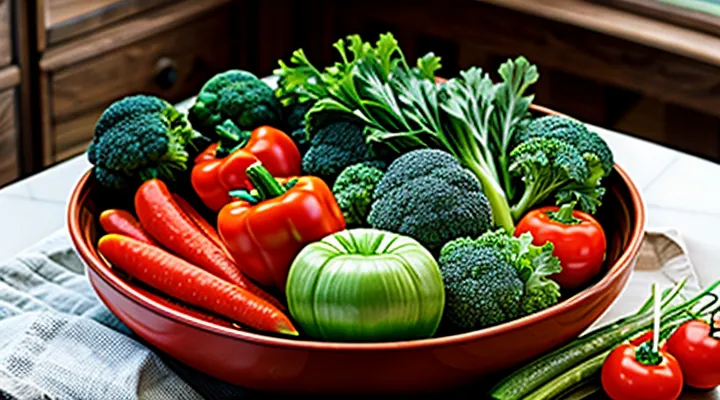
Introduction to Rat Nutrition
The Importance of a Balanced Diet
Essential Nutrients for Pet Rats
Pet rats require a balanced supply of protein, fiber, vitamins, and minerals to maintain health, support growth, and preserve bright coat coloration. Protein sources should provide at least 15‑20 % of the diet; essential amino acids are supplied by legumes, cooked eggs, and low‑fat dairy. Dietary fiber, primarily from plant cell walls, aids gastrointestinal motility and dental wear; a minimum of 5 % crude fiber is advisable.
Key micronutrients and their vegetable contributors include:
- Vitamin A – carrots, sweet potatoes, red bell peppers
- Vitamin C – broccoli, kale, bell peppers (rats synthesize some, but dietary sources prevent scurvy)
- Vitamin K – kale, spinach, Swiss chard (offers clotting support)
- B‑complex vitamins – peas, green beans, leafy greens (energy metabolism)
- Calcium – kale, collard greens, bok choy (bone development)
- Phosphorus – peas, lentils, broccoli (joint health)
- Magnesium – zucchini, cucumber, pumpkin (muscle function)
- Potassium – sweet potatoes, carrots, bell peppers (electrolyte balance)
- Iron & Zinc – spinach, kale, beet greens (oxygen transport, immune function)
When selecting vegetables for ornamental rats, prioritize those with low oxalate content to avoid kidney strain. Offer a variety of textures—crunchy raw pieces and lightly steamed leaves—to stimulate chewing and prevent overgrowth of incisors. Limit high‑water vegetables such as lettuce to 5 % of daily intake to avoid digestive upset.
A practical feeding schedule supplies approximately 10 % of body weight in fresh vegetables per day, divided into two meals. Rotate items weekly to ensure comprehensive nutrient coverage while monitoring for individual tolerances. Supplemental rodent pellets should remain the primary calorie source, with vegetables serving as a nutrient‑dense adjunct.
The Role of Vegetables in Rat Health
Vegetables provide essential nutrients that support the physiological functions of ornamental rats. They supply fiber, vitamins, and minerals that aid digestion, immune response, and coat condition.
- Leafy greens (e.g., kale, spinach, romaine) deliver vitamin A, vitamin K, and calcium, contributing to bone strength and vision health.
- Root vegetables (e.g., carrots, beetroot) are rich in beta‑carotene and antioxidants, which protect cellular structures from oxidative stress.
- Cruciferous varieties (e.g., broccoli, cauliflower) contain glucosinolates that promote liver detoxification pathways.
- Squash and pumpkin offer potassium and vitamin C, supporting electrolyte balance and tissue repair.
A balanced diet limits vegetable portions to 10‑15 % of total intake, preventing excess fiber that can cause gastrointestinal disturbances. Fresh produce should be washed thoroughly to remove pesticide residues, and any wilted or moldy parts must be discarded. Soft or cooked preparations improve digestibility for older or dental‑compromised rats, while raw pieces suit younger, active individuals.
Regular monitoring of body condition and stool quality confirms that vegetable inclusion meets nutritional targets without inducing obesity or nutrient deficiencies. Adjustments to the vegetable mix should reflect seasonal availability and individual health observations.
Safe and Beneficial Vegetables
Leafy Greens
Spinach and Kale: Pros and Cons
Spinach and kale are common leafy greens offered to ornamental rats. Both provide high levels of vitamins A, C, and K, as well as dietary fiber that supports gastrointestinal motility. Calcium and iron content contributes to bone health and oxygen transport. Their moisture content helps maintain hydration when fresh.
Advantages
- Rich antioxidant profile reduces oxidative stress.
- Low caloric density prevents excess weight gain.
- Fiber promotes regular bowel movements.
- Vitamin K supports blood clotting mechanisms.
Disadvantages
- Oxalate concentrations in spinach can bind calcium, increasing risk of urinary stones.
- Kale contains glucosinolates that may irritate the digestive tract if consumed in large quantities.
- Both greens may carry pesticide residues; thorough washing is essential.
- Rapid spoilage reduces shelf life, requiring frequent replacement to avoid mold growth.
Balanced inclusion of these greens, limited to 5–10 % of the daily diet and rotated with other vegetables, maximizes nutritional benefits while mitigating potential health concerns. Regular monitoring of urine pH and stool consistency can detect early signs of adverse reactions.
Other Safe Leafy Options
Leafy greens expand the diet of ornamental rodents, offering variety and essential nutrients without compromising safety. When selecting vegetables beyond the typical lettuce and spinach, consider the following options, each confirmed safe for regular consumption by decorative rats.
- Swiss chard (young leaves) – Rich in vitamins A, C, and K; remove thick stems before offering.
- Kale (tender leaves) – High in calcium and antioxidants; provide in small, chopped pieces to prevent choking.
- Romaine lettuce (outer leaves removed) – Supplies folate and fiber; serve fresh, washed thoroughly.
- Collard greens (baby leaves) – Source of vitamin K and iron; cut into bite‑size strips.
- Bok choy (leafy portion) – Delivers vitamin C and magnesium; avoid the woody core.
- Arugula – Offers a mild peppery flavor and vitamin A; introduce gradually to monitor tolerance.
- Mustard greens (young leaves) – Provides potassium and folate; limit quantity due to natural bitterness.
All listed greens should be washed to remove pesticides, presented raw, and given in moderation to maintain a balanced diet. Rotate varieties regularly to prevent nutrient excess and encourage interest in the enclosure’s feeding routine.
Root Vegetables
Carrots: A Healthy Treat
Carrots provide essential nutrients for ornamental rats, supporting overall health while serving as an appealing visual element in their habitat.
- High beta‑carotene content converts to vitamin A, crucial for vision and immune function.
- Moderate fiber aids gastrointestinal motility, reducing the risk of constipation.
- Low calorie density allows inclusion without excessive weight gain.
Recommended serving size: one to two small carrot sticks (approximately 5 g) per day for an adult rat weighing 200 g. Adjust portion for younger or smaller individuals to prevent over‑feeding.
Safety considerations:
- Offer only fresh, washed carrots; discard any that show signs of spoilage.
- Avoid peeled or processed carrot products that contain added sugars or preservatives.
- Monitor for signs of digestive upset; reduce quantity if loose stools appear.
Integrating carrots into a balanced diet that includes other suitable vegetables and protein sources enhances palatability and promotes optimal well‑being in decorative rats.
Sweet Potatoes: Preparation and Moderation
Sweet potatoes are a viable addition to the diet of ornamental rats when offered in controlled quantities. Their high carbohydrate content supplies quick energy, while the fiber supports digestive health. Excessive intake can lead to weight gain and blood‑sugar spikes, so portions must be limited.
Preparation guidelines:
- Peel the tuber to remove skin that may harbor pesticide residues.
- Cut into bite‑size cubes, approximately 1 cm³, to facilitate chewing and prevent choking.
- Steam for 5–7 minutes until tender; steaming preserves vitamins and reduces glycemic impact compared to roasting.
- Cool to room temperature before serving; warm food may cause gastrointestinal distress.
A recommended serving size is one to two cubes per adult rat, offered no more than three times per week. Monitor body condition and adjust frequency accordingly. Regular rotation with other low‑calorie vegetables maintains nutritional balance and prevents overreliance on sweet potatoes.
Cruciferous Vegetables
Broccoli and Cauliflower: Understanding Gas Production
Broccoli and cauliflower belong to the Brassica genus, which contains high levels of glucosinolates. When these compounds are broken down by the rat’s gut microbiota, they release sulfur‑containing gases such as hydrogen sulfide and methane. The gas production can lead to abdominal distension and flatulence, especially when the vegetables are fed raw or in large quantities.
Key factors influencing gas output include:
- Preparation method – steaming for 3–5 minutes reduces glucosinolate activity while preserving most nutrients.
- Portion size – a daily serving of 5–10 g per 100 g of body weight minimizes excessive fermentation.
- Frequency – limiting exposure to Brassica vegetables to two to three times per week prevents microbial overgrowth.
- Individual variation – some rats possess gut flora that metabolize glucosinolates more efficiently, resulting in lower gas levels.
Monitoring the animal’s stool consistency and abdominal appearance helps identify when gas production becomes problematic. If flatulence persists, substitute a portion of the Brassica intake with low‑fermentation greens such as lettuce or spinach, and consider introducing a probiotic supplement containing Lactobacillus strains to balance the intestinal ecosystem.
In decorative rodent care, the aesthetic appeal of broccoli and cauliflower must be weighed against their biochemical impact. Controlled preparation and measured inclusion in the diet allow these vegetables to contribute color and texture without compromising the animal’s comfort.
Cabbage: Small Quantities Only
Cabbage can be offered to ornamental rats, but only in modest portions. The vegetable supplies vitamin C, fiber, and trace minerals, yet its high water content and glucosinolate compounds may cause digestive upset if over‑fed.
- Recommended serving: 1–2 g of finely shredded raw cabbage per 100 g of body weight, no more than three times per week.
- Observe the animal for signs of bloating or loose stools after each feeding.
- If any adverse reaction occurs, discontinue immediately and consult a veterinarian.
Prepare cabbage by washing thoroughly, removing outer leaves, and cutting into bite‑size pieces. Serve raw; cooking diminishes vitamin C and may increase the concentration of potentially irritating substances. Store unused portions refrigerated and discard after 24 hours to prevent spoilage.
Other Suitable Vegetables
Bell Peppers: Vitamins and Antioxidants
Bell peppers are a practical addition to the diet of ornamental rats, offering a concentrated source of essential nutrients without excessive calories. Their crisp texture and bright colors also enhance visual appeal in cage enrichment.
- Vitamin C: exceeds daily requirements for small rodents, supports immune function and collagen synthesis.
- Vitamin A (β‑carotene): converts to retinol, essential for vision and epithelial health.
- Vitamin B6: participates in amino‑acid metabolism and neurotransmitter production.
- Folate (vitamin B9): contributes to DNA synthesis and red blood cell formation.
Antioxidant compounds in bell peppers include:
- Capsanthin and lutein: carotenoids that protect cellular membranes from oxidative damage.
- Quercetin: flavonoid that mitigates free‑radical activity and supports cardiovascular health.
- Vitamin E (tocopherol): lipid‑soluble antioxidant preserving cell‑membrane integrity.
Incorporating 1–2 grams of raw bell pepper per day provides these micronutrients while maintaining a balanced diet for decorative rats.
Zucchini and Cucumbers: Hydration Benefits
Zucchini and cucumbers contain 94‑95 % water, making them among the most hydrating vegetables available for ornamental rats. Their high moisture level supplies fluid directly through the diet, reducing reliance on supplemental water sources.
The vegetables also deliver potassium, magnesium, and small amounts of sodium, which support electrolyte equilibrium during active periods. Their low‑calorie, high‑water profile helps maintain stable body temperature, particularly in enclosures with fluctuating ambient conditions.
- Increased urine output promotes renal clearance of metabolic waste.
- Enhanced skin elasticity reduces dryness and improves coat sheen.
- Elevated intestinal moisture eases passage of fibrous material, lowering the risk of impaction.
- Balanced electrolytes mitigate muscle fatigue during climbing or grooming activities.
When offering these vegetables, provide fresh, washed slices no larger than 2 cm thick. Limit daily portions to 5‑10 % of the rat’s body weight to avoid excess carbohydrate intake. Remove any wilted pieces within two hours to prevent bacterial growth. Consistent inclusion of zucchini and cucumbers ensures continuous hydration while contributing essential nutrients for optimal health and appearance.
Vegetables to Avoid
Harmful Components
Oxalates and Their Effects
Oxalates are organic compounds found in many leafy and root vegetables. In the diet of ornamental rodents, the concentration of oxalates directly influences calcium absorption and urinary stone formation. Elevated oxalate intake reduces bioavailable calcium, leading to hypocalcemia and increasing the risk of renal calculi, which can compromise the animal’s appearance and longevity.
Vegetables commonly offered to decorative rats contain varying oxalate levels. Those with high concentrations should be limited or avoided:
- Spinach (≈ 750 mg oxalate per 100 g)
- Swiss chard (≈ 600 mg per 100 g)
- Beet greens (≈ 500 mg per 100 g)
- Rhubarb leaves (≈ 1,200 mg per 100 g)
Moderate‑oxalate options, suitable when balanced with calcium‑rich foods, include:
- Kale (≈ 150 mg per 100 g)
- Broccoli (≈ 50 mg per 100 g)
- Carrots (≈ 30 mg per 100 g)
Low‑oxalate vegetables such as zucchini, cucumber, and bell peppers present minimal risk and can be used regularly.
Management strategies focus on pairing oxalate‑containing vegetables with calcium sources (e.g., fortified pellets, cuttlebone) to offset binding effects. Monitoring urine pH and mineral content provides early detection of stone formation. Adjusting the proportion of high‑oxalate vegetables to no more than 10 % of total fresh produce maintains nutritional balance while preserving the visual quality expected of ornamental rodents.
Goitrogens: Impact on Thyroid Function
Goitrogens are naturally occurring compounds that can disrupt thyroid hormone synthesis by interfering with iodine uptake and organification. In small mammals such as decorative rats, reduced thyroid activity may lead to weight gain, lethargy, and altered coat condition, which can affect both health and aesthetic presentation.
The primary mechanism involves inhibition of the enzyme thyroid peroxidase, a critical step in converting iodide to thyroxine (T4) and triiodothyronine (T3). When goitrogenic substances are present in the diet, the gland compensates by enlarging (goiter) to maintain hormone output, a response observable in laboratory and pet populations.
Common vegetables used in the enrichment of ornamental rodents that contain measurable goitrogen levels include:
- Cruciferous greens (e.g., kale, bok choy, broccoli sprouts): high glucosinolate content.
- Brassica root crops (e.g., turnip, rutabaga): moderate glucosinolate concentration.
- Leafy legumes (e.g., raw soybeans, edamame): contain isoflavones with goitrogenic activity.
- Certain milder greens (e.g., cabbage, cauliflower): lower but detectable glucosinolate levels.
Management strategies focus on balancing nutritional variety with thyroid safety:
- Provide goitrogenic vegetables cooked, as heat reduces glucosinolate potency.
- Limit raw cruciferous portions to no more than 10 % of total daily vegetable intake.
- Ensure adequate dietary iodine through fortified feeds or supplements.
- Monitor body condition and coat quality; adjust vegetable selection if signs of hypothyroidism appear.
By controlling preparation methods and portion sizes, caretakers can maintain the visual appeal of decorative rats while minimizing thyroid disruption from goitrogenic foods.
Specific Dangerous Vegetables
Onions and Garlic: Toxicity Concerns
Onions and garlic belong to the Allium family, which contains thiosulfates and disulfides that cause oxidative damage to red blood cells in rats kept for decorative purposes.
These compounds trigger hemolysis, leading to rapid onset of anemia, jaundice, and potentially fatal organ failure.
Typical clinical signs include:
- Pale or yellowish mucous membranes
- Weakness and lethargy
- Rapid breathing or increased heart rate
- Dark urine
Toxicity can occur after ingestion of as little as 5 g of fresh onion or garlic per kilogram of body weight. Even powdered forms pose a risk because the active compounds remain concentrated. Continuous exposure, even at sub‑lethal levels, may result in cumulative damage.
Safe handling guidelines:
- Exclude all raw, cooked, or processed Allium products from the diet.
- Store onions and garlic separately from feed to prevent accidental contamination.
- Monitor food sources for hidden Allium additives, such as flavored pellets or treats.
For visual appeal, consider using non‑Allium vegetables such as bell peppers, carrots, or leafy greens, which provide color without the associated hemolytic risk.
Raw Beans: Lectin Dangers
Raw beans contain high concentrations of lectins, protein compounds that bind to carbohydrate receptors on intestinal cells. In unprocessed form, lectins resist digestion, disrupt the gut lining, and may trigger inflammation, malabsorption, and systemic toxicity. Rats kept for ornamental purposes often receive diets rich in vegetables; introducing uncooked beans jeopardizes their health and diminishes their visual appeal.
Key hazards of feeding raw beans to decorative rats:
- Intestinal damage: Lectins attach to epithelial cells, increasing permeability and causing diarrhea or constipation.
- Nutrient interference: Binding to gut receptors impedes absorption of vitamins and minerals, leading to deficiencies.
- Immune activation: Persistent lectin exposure can provoke chronic low‑grade inflammation, weakening the animal’s coat and fur quality.
- Acute toxicity: High lectin loads may produce vomiting, lethargy, or, in severe cases, organ failure.
Mitigation strategies:
- Thermal processing: Boil beans for at least 30 minutes, discard the cooking water, and rinse thoroughly before serving. Heat denatures lectins, reducing toxicity to negligible levels.
- Portion control: Offer cooked beans as occasional treats, limiting intake to no more than 5 % of total daily calories.
- Alternative legumes: Use lentils or peas, which contain lower lectin concentrations after standard cooking, to provide protein without the same risk profile.
- Regular monitoring: Observe rats for changes in stool consistency, activity, and fur condition; adjust diet promptly if adverse signs appear.
Incorporating these precautions preserves the aesthetic integrity of decorative rats while allowing the occasional inclusion of bean‑derived nutrients.
Rhubarb: Oxalic Acid Content
Rhubarb contains a high concentration of oxalic acid, a compound that can bind calcium and form insoluble crystals in the urinary tract. Average oxalic acid levels range from 0.5 g to 0.9 g per 100 g of fresh stalks, with leaf tissue containing up to 5 g per 100 g. For decorative rats, excessive oxalic acid poses a risk of renal stone formation and metabolic disturbance.
Key considerations for using rhubarb in ornamental rodent diets:
- Limit rhubarb intake to no more than 10 g of fresh stalk per day per 200 g body weight.
- Remove all leaf material; leaves may contain up to ten times the oxalic acid of stalks.
- Provide ample water to facilitate renal excretion of oxalate.
- Monitor urinary output for signs of crystalluria; discontinue rhubarb if abnormalities appear.
When rhubarb is included as a decorative treat, it must be balanced with low‑oxalate vegetables such as carrots, cucumber, and bell pepper to maintain overall oxalate intake within safe margins.
Preparing and Serving Vegetables
Washing and Purity
Removing Pesticides and Contaminants
When selecting edible greens for ornamental rodents, safety depends on eliminating residues that could harm the animals. The removal process must address both surface pesticides and internal contaminants that may have been absorbed during cultivation.
Effective decontamination includes the following steps:
- Rinse each vegetable under running, cold water for at least 30 seconds.
- Soak in a solution of one part white vinegar to three parts water for 5–10 minutes; this lowers pesticide adherence.
- Scrub with a soft brush to dislodge soil and stubborn residues.
- Rinse again with clean water to remove any remaining vinegar.
- For leafy items, immerse in a dilute hydrogen peroxide solution (3 % concentration, diluted 1:10 with water) for 2 minutes, then rinse thoroughly.
After treatment, dry the produce with a clean cloth or allow it to air‑dry on a sanitary surface. Store in sealed containers to prevent re‑contamination before offering to the rats.
Cutting and Portioning
Appropriate Sizes for Small Paws
When selecting vegetables for decorative rats, the dimensions of each piece must match the animal’s small paws to prevent injury and ensure comfortable handling. A vegetable fragment that exceeds the width of a rat’s paw by more than a few millimeters can cause strain or accidental bites, while pieces that are too tiny may be difficult to grasp and increase the risk of choking.
Recommended size ranges:
- Leafy greens (e.g., lettuce, kale): torn or cut into strips 1–2 cm wide and 2–3 cm long.
- Root vegetables (e.g., carrot, radish): sliced into sticks 0.5–1 cm thick and 2–4 cm long.
- Soft fruits (e.g., cucumber, zucchini): diced into cubes 1 cm on each side.
Maintaining these measurements provides safe, manageable food items that support the aesthetic purpose of decorative rats while preserving their well‑being.
Avoiding Choking Hazards
When offering vegetables to ornamental rats, size and texture determine choking risk. Cut each piece to a length no longer than 1 cm and a width that the animal can easily grasp with its paws. Soft, pliable vegetables such as cucumber, zucchini, and peeled carrots reduce the chance of obstruction, while fibrous or hard items like raw broccoli stems should be sliced thinly or avoided entirely.
Prepare vegetables by removing skins, seeds, and any tough cores. Blanching dense roots for 30 seconds softens them without compromising nutritional value, making them safer to chew. After cooking, cool the pieces to room temperature before placement in the cage.
Monitor each feeding session. Observe the rat’s chewing behavior; if it appears to struggle or cough, remove the item immediately. Keep a record of preferred varieties and the size at which they are accepted without difficulty.
Key practices for preventing choking:
- Slice all vegetables uniformly to a bite‑size dimension.
- Eliminate fibrous veins and hard segments.
- Introduce new foods gradually, one type at a time.
- Provide fresh water alongside each serving.
- Replace any uneaten pieces after a few hours to avoid spoilage.
Frequency and Quantity
Daily Vegetable Intake Recommendations
When selecting vegetables for ornamental rats, balance nutrient density with palatability to meet daily dietary needs. Aim for a total vegetable portion of 15–20 % of the rat’s body weight per day; for a 300‑gram animal, this equals roughly 45–60 grams of fresh produce. Provide a variety of low‑oxalate, fiber‑rich options to support digestive health and prevent urinary complications.
- Leafy greens (e.g., romaine lettuce, kale, collard greens): 10–15 g, finely chopped.
- Root vegetables (e.g., carrots, parsnips, beetroot): 5–10 g, grated or diced.
- Cruciferous vegetables (e.g., broccoli florets, cauliflower): 5 g, steamed briefly to reduce bitterness.
- Squash and cucumber: 5–10 g, raw, sliced thinly.
Rotate items daily, monitor intake, and adjust portions if the rat shows aversion or excess weight gain. Fresh water must be available at all times.
Introducing New Vegetables Gradually
When adding unfamiliar greens to the diet of ornamental rats, proceed methodically to avoid digestive upset. Begin with a single, low‑fiber vegetable and monitor the animal for any change in stool consistency or appetite over 48 hours. If tolerance is confirmed, increase the portion slightly before introducing the next item.
Key steps for a safe rollout:
- Select a safe variety – choose vegetables known to be non‑toxic and low in oxalates, such as cucumber, bell pepper, or zucchini.
- Prepare a small portion – offer no more than one tablespoon per 100 g body weight.
- Observe behavior and excrement – note any signs of discomfort, reduced activity, or abnormal droppings.
- Record the outcome – keep a log of the vegetable, amount, and observed effects.
- Proceed to the next vegetable – only after at least two days of stable health indicators.
Repeating this cycle for each new vegetable builds a varied, balanced menu while minimizing risk. The gradual approach also helps identify individual preferences, allowing caretakers to tailor the diet to each rat’s palate and nutritional needs.
Monitoring Your Rat's Health
Observing Digestion
Signs of Digestive Upset
Rats kept for ornamental purposes often receive a diet rich in fresh vegetables. Monitoring their gastrointestinal health is essential, as digestive disturbances can quickly affect appearance and well‑being. Recognizable indicators of upset include:
- Reduced or absent fecal output, often dry or unusually small.
- Loose, watery stools that may contain mucus or blood.
- Frequent licking or grooming of the anal region.
- Abnormal posture, such as a hunched back or reluctance to move.
- Loss of appetite, leading to weight decline.
- Excessive gas or audible rumbling in the abdomen.
- Swelling or tenderness of the belly when gently palpated.
When any of these signs appear, evaluate the vegetable selection for excessive fiber, high sugar content, or potential toxins. Adjust portions, introduce bland foods like boiled pumpkin, and ensure constant access to clean water. Persistent symptoms warrant veterinary consultation to prevent complications and maintain the rat’s decorative condition.
When to Consult a Vet
When a decorative rat’s diet includes fresh produce, monitoring health is essential. Veterinary consultation should be considered under the following conditions:
- Sudden loss of appetite for vegetables or other foods.
- Persistent diarrhea, vomiting, or abnormal stool consistency after eating raw greens.
- Noticeable weight loss or failure to gain weight despite regular feeding.
- Swelling, redness, or bleeding around the mouth, gums, or gastrointestinal tract.
- Changes in behavior such as lethargy, aggression, or loss of coordination following a new vegetable introduction.
- Persistent coughing, sneezing, or respiratory distress that may indicate an allergic reaction to certain plant compounds.
- Signs of dental problems, including difficulty gnawing or drooling, which can be exacerbated by hard or fibrous vegetables.
Additional circumstances warranting professional advice include:
- Introduction of a vegetable known to contain toxic compounds (e.g., raw potatoes, certain nightshades) that the rat may have ingested accidentally.
- Observation of foreign material obstruction, such as large seed pits or stems, that the rat cannot pass.
- Unexplained changes in urine color or frequency, which may signal metabolic disturbances linked to diet.
Prompt veterinary evaluation prevents escalation of dietary issues into serious health concerns and ensures that the chosen produce remains safe and beneficial for ornamental rats.
Individual Preferences
Catering to Your Rat's Tastes
When selecting vegetables for ornamental rats, prioritize freshness, safety, and palatability. Offer a rotating variety to prevent monotony and to expose the animal to a broad spectrum of nutrients. Prepare each item by washing thoroughly and cutting into bite‑size pieces to facilitate handling and reduce choking risk.
Key vegetables include:
- Carrot (raw, finely diced)
- Bell pepper (red, yellow, or orange, seed‑free)
- Cucumber (skin left on, sliced thin)
- Zucchini (steamed briefly, cooled)
- Leafy greens (romaine lettuce, kale, spinach; remove thick stems)
- Broccoli florets (lightly blanched)
Supplement these with occasional treats such as peas, green beans, or small apple slices, ensuring that fruit remains a minor component of the diet.
Monitor the rat’s response to each offering. Preference is indicated by rapid consumption, while avoidance may signal texture or taste issues. Adjust portions accordingly, maintaining a balance of fiber, vitamins, and minerals. Replace any wilted or spoiled produce immediately to preserve hygiene.
Regularly assess the overall diet against the rat’s health indicators—body condition, activity level, and coat quality. Adjust vegetable selection to address any deficiencies, consulting veterinary guidance when necessary. This systematic approach sustains both the aesthetic appeal of decorative rats and their well‑being.
Encouraging Vegetable Consumption
Providing decorative rats with appealing vegetables increases intake and supports health. Select varieties that combine vivid color, crisp texture, and mild flavor to attract attention. Examples include shredded carrots, diced red bell peppers, and finely sliced cucumber. These options align with the aesthetic requirements of ornamental rodents while delivering essential nutrients.
Effective encouragement techniques:
- Offer small, uniformly cut pieces to simplify handling.
- Rotate vegetable choices daily to prevent monotony.
- Present vegetables on a shallow dish that matches the cage’s décor.
- Mix vegetables with a light coating of safe, low‑sugar fruit puree to enhance palatability.
- Observe individual preferences and adjust portions accordingly.
Consistent exposure to a diverse vegetable palette conditions rats to accept new foods without stress. Monitoring consumption rates enables caregivers to identify deficiencies promptly and modify the selection. Maintaining a balanced supply of suitable greens contributes to the visual appeal of decorative rats and promotes long‑term well‑being.