
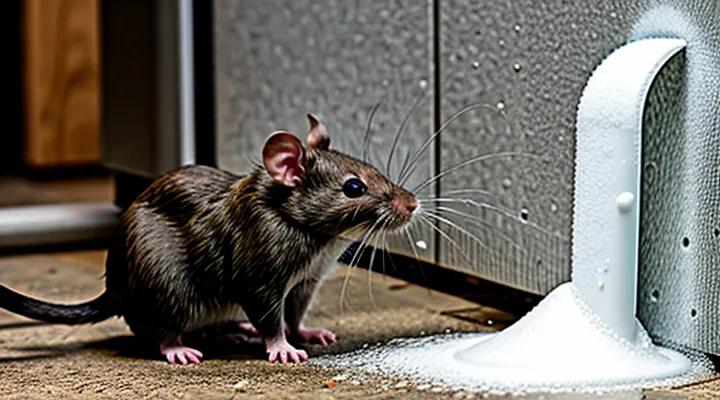
Understanding Expanding Foam and Rat Control
What is Expanding Foam?
Types of Expanding Foam
Expanding foam used in rodent management comes in several formulations, each with distinct physical and chemical characteristics that affect safety and effectiveness. Selecting the appropriate type minimizes toxic exposure to the animal and ensures reliable sealing of entry points.
-
Open‑cell polyurethane expands rapidly, fills irregular gaps, and remains flexible after curing. Its lower density reduces the risk of crushing small mammals, but the foam’s permeability allows moisture ingress, which can promote mold growth if not monitored.
-
Closed‑cell polyurethane creates a rigid, moisture‑resistant barrier. The higher density provides stronger structural support, useful for sealing larger openings. However, the increased pressure during expansion can trap and injure rodents if applied directly to active burrows.
-
Low‑expansion polyurethane generates a modest volume increase, typically 1‑2 times the original liquid. The gentle expansion limits the force exerted on surrounding material, making it suitable for confined spaces where excessive pressure could harm wildlife.
-
High‑expansion polyurethane can expand up to 30‑50 times its liquid volume. It fills large voids quickly but requires precise application to avoid over‑pressurizing tunnels that may contain rats.
-
Fire‑retardant polyurethane incorporates additives that delay ignition and reduce flame spread. This variant is advisable in structures where fire safety standards apply, though the additives may alter curing time and odor profile.
-
Silicone‑based expanding sealant offers superior temperature resistance and retains elasticity over a broader range. Its lower toxicity profile makes it a viable alternative when the presence of non‑target animals is a concern, though it generally expands less than polyurethane foams.
When employing any expanding foam for rodent control, follow these safety measures: wear protective gloves, ensure adequate ventilation to disperse volatile organic compounds, and apply the foam only after confirming that the target area is clear of active nests. Proper selection and careful application reduce the likelihood of accidental injury to rats while maintaining effective exclusion.
How Expanding Foam Works
Expanding foam consists of two liquid components—polyol resin and isocyanate—stored under pressure in separate chambers. When released through the nozzle, the components mix in a 1:1 ratio and initiate a rapid chemical reaction called polymerization. The reaction generates carbon dioxide gas, which inflates the mixture into a cellular structure.
The foam’s expansion follows a predictable sequence:
- Mixing: Nozzle forces polyol and isocyanate together, breaking the barrier between them.
- Reaction: Catalysts accelerate polymerization; CO₂ bubbles form within the liquid matrix.
- Inflation: Gas pressure pushes the mixture outward, filling gaps and cracks.
- Curing: Polymer chains cross‑link, solidifying the foam within minutes to an hour, depending on temperature and humidity.
- Stabilization: After curing, the foam contracts slightly as excess gas escapes, leaving a dense, insulating barrier.
Density and hardness increase as the polymer network densifies. Closed‑cell foam traps gas permanently, providing structural support and moisture resistance, while open‑cell variants remain flexible and breathable.
For rodent control, the foam’s ability to expand and harden quickly creates an impenetrable seal in entry points. Proper application requires directing the stream precisely, avoiding over‑filling that could generate hazardous pressure. Once cured, the material remains inert, posing no chemical risk to humans or pets when used as directed.
Why Rats are a Problem
Health Risks Posed by Rats
When expanding foam is employed as a rodent‑control technique, awareness of the diseases and hazards rats introduce is mandatory for protecting occupants and workers.
- Pathogenic bacteria: Salmonella spp., Leptospira interrogans, and Streptobacillus moniliformis can be transmitted through urine, feces, or bites, leading to gastrointestinal illness, leptospirosis, and rat‑bite fever.
- Viral agents: Hantavirus, Lymphocytic choriomeningitis virus (LCMV), and Rat hepatitis E virus are shed in excreta; inhalation of aerosolized particles may cause severe respiratory or systemic infections.
- Parasitic infestations: Fleas (Xenopsylla cheopis), mites, and tapeworms (Hymenolepis spp.) thrive on rats, serving as vectors for plague, typhus, and intestinal disorders.
- Allergenic proteins: Rat urine and dander contain potent allergens that trigger asthma, rhinitis, and hypersensitivity pneumonitis in susceptible individuals.
- Physical injury: Bites and scratches introduce bacterial flora directly into skin, creating wound infections and potential tetanus risk.
These health threats dictate stringent containment and decontamination protocols during foam application. Personnel must wear protective gloves, respirators, and eye protection to prevent contact with contaminated surfaces. After foam deployment, thorough cleaning of the treated area eliminates residual droppings and urine, reducing aerosol generation. Monitoring for signs of disease among occupants and staff ensures early detection and response, maintaining a safe environment while the foam fulfills its intended purpose.
Property Damage Caused by Rats
Rats cause extensive property damage through chewing and contamination. Their incisors penetrate:
- Electrical wiring, creating short circuits and fire risk
- Insulation, reducing thermal efficiency and exposing structures to moisture
- Structural timber, weakening load‑bearing elements
- Plumbing, gnawing seals and causing leaks
- Food stores, contaminating supplies with urine and droppings
These actions increase repair costs, disrupt occupancy, and elevate safety hazards. Preventing entry points eliminates the source of damage. Expanding polyurethane sealant, applied to gaps around pipes, vents, and foundation cracks, blocks rodent access. Proper application requires:
- Full ventilation of the area to disperse fumes
- Protective gloves and eye protection to avoid skin and eye contact
- Curing time before re‑occupancy to ensure the foam solidifies completely
- Avoidance of direct contact with live rodents, which can damage the foam and spread disease
When these precautions are observed, the foam creates a durable barrier that reduces the likelihood of further structural compromise and associated repair expenses.
Risks and Limitations of Using Expanding Foam for Rats
Potential Dangers to Rats
Entrapment and Suffering
Expanding polyurethane foam is marketed as a rapid, low‑cost method for sealing rodent entry points. When the material expands, it can encase a rat that has entered the cavity, creating a sealed environment that prevents escape. The physical confinement leads to asphyxiation, dehydration, and prolonged distress before death, constituting severe suffering.
The primary mechanisms of harm are:
- rapid volume increase that restricts movement;
- airtight seal that eliminates ventilation;
- chemical irritants released during curing that aggravate respiratory tissues.
Mitigation measures that reduce entrapment and associated pain include:
- Apply foam only to voids confirmed to be free of live animals, using visual inspection or motion‑activated cameras.
- Choose low‑expansion formulations that fill gaps without generating excessive pressure.
- Install removable barriers (e.g., mesh or steel wool) before foam application to allow any animal to exit.
- Conduct follow‑up checks within 24 hours to verify that no live rodent remains trapped.
Compliance with humane pest‑control standards requires documenting inspection results, selecting appropriate foam specifications, and implementing the above safeguards to prevent involuntary suffering.
Toxic Components of Foam
Expanding polyurethane foam used in rodent control contains several chemical agents that can pose health risks if mishandled. The primary toxic constituents are:
- Isocyanates (e.g., MDI, TDI) – react with moisture, causing respiratory irritation, sensitization, and potential asthma. Skin contact may trigger dermatitis.
- Solvents (acetone, toluene, methylene chloride) – evaporate rapidly, producing inhalation hazards and central nervous system depression at high concentrations.
- Blowing agents (hydrofluorocarbons, pentane) – contribute to volatile organic compound (VOC) exposure; pentane is flammable and can cause dizziness or headache.
- Catalysts (amines, tin compounds) – accelerate foam cure but can be toxic on ingestion or prolonged skin contact, leading to organ irritation.
- Flame retardants (halogenated compounds) – may release toxic gases when the foam burns, such as hydrogen halides and carbon monoxide.
These components become hazardous during mixing, application, and curing phases. Inhalation of aerosolized isocyanates and solvents is the most acute risk, while dermal exposure contributes to chronic sensitization. Improper disposal of cured foam can leach residual chemicals into soil and water, affecting non‑target wildlife.
Mitigation measures include:
- Wearing chemical‑resistant gloves, goggles, and a half‑face respirator equipped with organic vapor and particulate filters.
- Ensuring adequate ventilation or performing application outdoors.
- Limiting the volume of foam to the minimum required for sealing entry points.
- Allowing the foam to cure fully before contacting animals or cleaning the area.
- Storing containers in a cool, well‑sealed environment to prevent solvent evaporation.
Understanding the specific toxic agents present in expanding foam enables safe implementation of rodent exclusion techniques while protecting human health and the surrounding ecosystem.
Risks to Humans and Pets
Inhalation Hazards
Expanding foam applied to rodent control contains volatile organic compounds and isocyanate monomers that can irritate the respiratory tract when inhaled. Aerosolized particles penetrate deep into the lungs, provoking coughing, wheezing, and, in severe cases, chemical pneumonitis. Chronic exposure may sensitize airways, increasing the risk of occupational asthma.
Key hazards:
- Isocyanate vapors: trigger bronchial inflammation; exposure limits typically range from 0.005 ppm (OSHA) to 0.01 ppm (NIOSH).
- Solvent fumes: contribute to dizziness, headache, and mucosal irritation; permissible exposure limits vary by compound but generally stay below 300 ppm.
- Fine foam droplets: remain airborne for minutes, enabling inhalation beyond the immediate application zone.
Effective risk mitigation:
- Perform all foaming operations in a well‑ventilated area; use local exhaust fans to capture airborne particles at the source.
- Equip personnel with approved respiratory protection, such as half‑mask respirators fitted with organic vapor cartridges or full‑face air‑purifying respirators for prolonged tasks.
- Conduct pre‑application leak checks on containers to prevent accidental release of pressurized gas.
- Implement continuous air monitoring with calibrated detectors for isocyanates and solvents; abort work if concentrations approach threshold limit values.
- Provide immediate access to fresh‑air stations and emergency eyewash/shower units in case of accidental exposure.
Adhering to these controls reduces inhalation risk, ensuring that expanding foam can be used for rodent management without compromising respiratory health.
Skin and Eye Irritation
Expanding foam applied in rodent control releases isocyanates and solvents that can cause immediate skin and eye irritation. Direct contact with uncured foam may produce redness, itching, and a burning sensation; aerosolized particles can provoke conjunctival redness, tearing, and temporary vision blur.
Typical symptoms include:
- Skin: erythema, itching, swelling, possible blister formation within minutes.
- Eyes: stinging, redness, swelling of the eyelids, increased lacrimation.
Preventive measures rely on personal protective equipment and proper handling techniques:
- Wear chemical‑resistant gloves (nitrile or neoprene) and long‑sleeved clothing.
- Use safety goggles or a full face shield to block spray.
- Ensure adequate ventilation or employ local exhaust fans.
- Keep foam containers closed when not in use and store them away from direct sunlight.
If exposure occurs, follow these steps without delay:
- Remove contaminated clothing and rinse skin under running water for at least 15 minutes.
- Flush eyes with clean water or saline solution for a minimum of 15 minutes, keeping eyelids open.
- Seek medical evaluation promptly, especially if symptoms persist or worsen.
Choosing formulations labeled low‑VOC, non‑toxic, or specifically designed for indoor use reduces irritation risk. Always read safety data sheets, observe listed hazard warnings, and adhere to manufacturer‑recommended application distances.
Effectiveness as a Rat Deterrent
Rats Chewing Through Foam
Rats gnaw on expanding foam because the material is soft when it cures, provides a food‑like texture, and offers a route through sealed gaps. Their incisors continuously grow, so any accessible substrate is subject to bite marks. Once the foam hardens, the damage may linger as cracks or holes that compromise the seal.
Key factors that influence a rat’s ability to chew through foam include:
- Density: low‑density formulations cure to a porous, easily fractured structure.
- Adhesion: weak bonding to surrounding surfaces creates lift points for teeth.
- Additives: plasticizers and solvents soften the polymer matrix, increasing chewability.
To minimize penetration, select high‑expansion, closed‑cell foams with a minimum density of 2 lb/ft³, ensure full surface contact before curing, and apply a protective coating (e.g., silicone sealant or metal mesh) over the cured layer. Inspect joints regularly; replace any compromised sections promptly.
When the foam is part of a rodent‑deterrent strategy, combine it with physical barriers such as steel wool or copper mesh. These materials resist gnawing and prevent rats from reaching the foam interior. Proper ventilation and fire‑safety ratings must be maintained to avoid hazards associated with dense polymer fills.
Incomplete Sealing
Expanding foam is a common material for sealing entry points that rodents use to access buildings. When the foam does not fully close a gap, the barrier remains compromised, allowing rats to re‑enter and increasing the likelihood of damage and disease transmission.
Incomplete sealing typically results from one or more of the following factors: nozzle held too far from the surface, insufficient volume applied, uneven or porous substrate, premature curing before full expansion, and failure to clean debris or grease from the target area.
Consequences of a partially closed opening include: persistent rodent activity, reduced effectiveness of the foam barrier, exposure of occupants to foam chemicals if the material cracks, and the need for repeated applications that raise costs and waste.
To achieve a complete seal, follow these steps:
- Clean the opening thoroughly; remove dust, oil, and loose material.
- Position the nozzle no more than ½ inch from the surface to ensure direct contact.
- Dispense foam slowly, allowing it to expand without obstruction.
- Fill the cavity until the foam reaches the opposite side or fully occupies the void.
- Allow the foam to cure for the manufacturer‑specified time before trimming excess.
- Inspect the cured foam for gaps or cracks; reapply if any are detected.
Safety considerations remain essential: wear gloves and eye protection, ensure adequate ventilation, avoid contact with live rodents, and dispose of excess foam according to local regulations. A fully sealed opening eliminates the primary pathway for rats and maximizes the protective function of the expanding foam.
Safe and Ethical Alternatives for Rat Control
Exclusion Techniques
Sealing Entry Points with Proper Materials
Sealing entry points is a prerequisite for any rodent exclusion program that employs expanding foam. Effective barriers prevent rats from re‑entering after the foam has cured, ensuring that the treatment remains durable.
- Identify all openings larger than ¼ inch, including gaps around pipes, vents, and foundation cracks.
- Prioritize structural materials that resist gnawing: stainless‑steel mesh, copper screen, or heavy‑duty hardware cloth.
- Apply a thin layer of fire‑rated sealant or silicone caulk to smooth irregular edges before installing the barrier.
- For small fissures, insert steel wool or copper mesh, then cover with a low‑expansion, non‑toxic foam formulated for pest control.
- Press the foam into the cavity until it expands to fill the void, avoiding over‑filling that could compromise structural integrity.
After the foam hardens, inspect the sealed area for any remaining voids. Repair deficiencies immediately with the same combination of chew‑resistant material and appropriate foam. Regularly monitor the perimeter for new gaps, and repeat the sealing process as needed to maintain a rat‑free environment.
Regular Inspections
Regular inspections are essential when expanding foam is employed as a rodent deterrent. They verify that the material remains intact, that no unintended gaps have formed, and that the foam does not pose a hazard to humans or pets.
- Inspect all treated surfaces weekly for the first month, then bi‑weekly for the next two months, and monthly thereafter.
- Look for signs of foam degradation: cracking, shrinkage, or loss of adhesion.
- Check surrounding structures for new entry points that may have appeared after the foam application.
- Verify that the foam has not contacted electrical wiring, ventilation ducts, or food preparation areas.
- Record observations in a maintenance log, noting date, location, condition, and corrective actions taken.
When defects are identified, remove compromised foam using appropriate protective equipment and reapply a fresh, properly cured layer. Ensure that the replacement adheres to manufacturer specifications for expansion ratio and curing time. Documentation of each inspection supports compliance with safety regulations and provides a clear history of rodent‑control measures.
Trapping Methods
Snap Traps
Snap traps remain a primary mechanical method for rat control, offering rapid kill without chemical exposure. When combined with expanding foam applications, they can enhance overall safety and efficiency in pest management programs.
Key considerations for integrating snap traps with expanding foam:
- Position traps before foam deployment to prevent foam from obstructing trigger mechanisms.
- Use foam only in sealed entry points, walls, or voids that are inaccessible to traps.
- Select traps with a sturdy base that can withstand the pressure of foam expansion in nearby structures.
- Verify that the foam formulation is non‑toxic to humans and pets; avoid products containing volatile organic compounds that could compromise trap performance.
- After foam cures, inspect trap placement regularly; foam may shift debris, altering rat pathways and affecting trap effectiveness.
Safety protocols specific to snap traps:
- Wear cut‑resistant gloves when setting traps to avoid accidental activation.
- Place traps on stable surfaces to prevent tipping caused by foam weight.
- Keep traps out of reach of children and non‑target animals; consider bait stations with secure lids.
- Dispose of captured rodents according to local health regulations to prevent disease spread.
By adhering to these guidelines, practitioners can employ snap traps alongside expanding foam without compromising humane kill rates or environmental safety. The combined approach reduces the need for repeated chemical treatments while sealing potential nesting sites, delivering a comprehensive solution for rat infestations.
Live Traps
Live traps provide a humane alternative when managing rat infestations alongside the use of expanding foam. Selecting a trap that accommodates the size and behavior of the target species reduces the risk of injury and ensures effective capture.
Key characteristics of an appropriate live trap include:
- Rigid mesh or plastic construction that resists chewing.
- Sufficient interior dimensions (minimum 12 × 12 × 18 in) to allow a rat to move comfortably.
- A reliable spring‑loaded door that closes quickly after entry.
- Ventilation openings that prevent overheating.
Placement strategies maximize capture rates and minimize interference with foam applications:
- Position traps along walls, near known runways, and adjacent to entry points where rats travel.
- Set traps in dark, quiet corners to encourage entry.
- Use bait such as peanut butter, dried fruit, or commercial rodent attractants to increase lure effectiveness.
- Check traps at least twice daily to prevent prolonged confinement and to allow prompt removal of captured rats.
Integration with expanding foam procedures follows a clear sequence:
- Deploy live traps before applying foam to reduce the number of active rodents.
- After a trap captures a rat, release the animal at a distance of at least 200 ft from the property, following local wildlife regulations.
- Apply expanding foam only after confirming that no live rats remain in the immediate area, preventing accidental enclosure.
Maintenance considerations:
- Clean traps after each use with mild detergent to remove residual scent and prevent disease transmission.
- Inspect the door mechanism for wear and replace damaged units promptly.
- Store traps in a dry environment to avoid rust or material degradation.
By combining properly selected and strategically placed live traps with controlled foam application, pest managers achieve effective rat control while upholding humane standards and minimizing accidental entrapment.
Baits and Poisons
Safe Placement Considerations
When applying expanding foam to manage rodent activity, placement must prevent unintended harm and ensure effective containment. Identify all entry points, nesting sites, and pathways before foam deployment. Verify that the area is free of food, water sources, and electrical wiring that could be compromised by the expanding material.
Key considerations for safe positioning:
- Apply foam at a distance of at least 2 inches from any live wiring or plumbing to avoid insulation damage.
- Direct the foam away from ventilation ducts to prevent aerosol spread throughout the building.
- Use a low‑expansion formula in confined spaces to reduce pressure buildup that could trap or injure animals.
- Ensure the foam does not block emergency exits, fire alarms, or sprinkler heads.
- After placement, allow the full curing time specified by the manufacturer before re‑entering the area.
Conduct a final inspection to confirm that the foam has cured, that no gaps remain around the treated zones, and that the environment remains safe for occupants and maintenance personnel. Document the locations and quantities used for future reference and compliance audits.
Child and Pet-Proof Bait Stations
When incorporating expanding foam as a rodent‑control measure, the bait delivery system must prevent accidental exposure for children and domestic animals. A child‑ and pet‑proof bait station should be constructed from rigid, non‑breakable material and sealed with a secure, tamper‑resistant closure. The station’s interior compartment holds the foam‑based bait, while the exterior prevents direct contact.
Key design elements include:
- Durable enclosure – high‑impact plastic or metal housing that resists crushing or chewing.
- Locking mechanism – snap‑fit or screw‑type latch that requires a tool or a specific motion to open, eliminating simple hand opening.
- Ventilation control – one‑way vent that permits odor diffusion without allowing entry of small paws or fingers.
- Size restriction – opening dimensions smaller than a child’s thumb and a typical pet’s snout, yet large enough for the foam applicator.
- Labeling – clear, standardized hazard symbols and usage instructions placed on the exterior.
Installation guidelines:
- Position stations at least 6 feet above ground level or behind a barrier that limits reach.
- Mount on a wall or ceiling using screws that cannot be removed without a drill.
- Verify the seal after each foam application; any breach compromises safety.
- Conduct routine inspections weekly to confirm integrity of the latch and housing.
By adhering to these specifications, the expanding foam can be deployed effectively against rats while eliminating risk to non‑target occupants. The approach balances pest‑control efficiency with strict protection standards for vulnerable household members.
Professional Pest Control
When to Call an Expert
Applying expanding foam to seal rodent entry points can be effective, but misapplication poses health, structural, and legal risks. Recognize situations that require professional intervention.
- Foam expands rapidly; if it contacts skin, eyes, or respiratory passages, immediate medical assessment is necessary. A qualified hazardous‑materials specialist can evaluate exposure and advise treatment.
- When foam reaches electrical wiring, plumbing, or load‑bearing components, the risk of fire, water damage, or structural failure escalates. Certified contractors with experience in foam systems should inspect and correct the work.
- Persistent rodent activity after multiple foam applications indicates inadequate coverage or hidden access routes. An exterminator with expertise in integrated pest‑management can locate additional entry points and recommend complementary control methods.
- Local building codes often restrict the type, quantity, and placement of expanding foam in residential or commercial structures. A building‑code consultant can verify compliance and prevent future violations.
- Uncertainty about product selection, ventilation requirements, or protective equipment warrants consultation with a manufacturer‑approved trainer or industrial safety advisor.
When any of these conditions appear, contacting a qualified professional prevents injury, preserves property integrity, and ensures compliance with regulatory standards.
Integrated Pest Management (IPM) Approaches
Integrated Pest Management (IPM) treats rat infestations as a system that combines monitoring, prevention, and control measures. Expanding foam serves as a physical barrier and lethal trap when applied according to strict safety protocols, fitting within the broader IPM framework.
Key monitoring activities include:
- Regular visual inspections of structures, focusing on entry points, gnaw marks, and droppings.
- Placement of motion‑activated devices or tracking boards to confirm activity levels.
- Documentation of species, population estimates, and seasonal trends.
Physical control measures rely on precise foam deployment. The procedure requires:
- Selection of low‑expansion, non‑toxic polyurethane formulated for pest use.
- Application through a nozzle that directs foam into concealed voids, cracks, or burrow openings.
- Immediate sealing of the nozzle to prevent uncontrolled expansion and aerosol release.
- Post‑application ventilation for the recommended period before re‑entry.
When foam alone cannot achieve acceptable reduction, IPM integrates additional tactics:
- Bait stations containing anticoagulant or rodenticidal compounds, positioned away from non‑target species.
- Biological agents such as predatory birds or feral cat colonies, managed to avoid ecological imbalance.
- Structural modifications, including door sweeps, mesh screens, and drainage improvements, to eliminate future ingress.
Continuous evaluation completes the cycle. Practitioners record foam volumes, application sites, and mortality outcomes, then compare data against predefined thresholds. Adjustments to dosage, placement, or complementary methods follow directly from the analysis, ensuring rat control remains effective while minimizing health and environmental risks.
Best Practices for Using Expanding Foam (If Absolutely Necessary)
Selecting the Right Foam
Non-Toxic Formulations
Expanding foam designed for rodent control must avoid hazardous chemicals that could harm the animal, surrounding wildlife, or humans handling the product. Formulations that meet non‑toxic criteria typically replace isocyanate‑based polyurethane with water‑based polymers, silicone blends, or bio‑derived polyols. These alternatives retain the rapid expansion and sealing properties required for effective blockage of entry points while eliminating respiratory irritants and skin sensitizers.
Key components of safe, low‑risk foam include:
- Water‑soluble polymers – provide structural matrix without volatile organic compounds.
- Silicone oils – contribute flexibility and temperature resistance, remaining inert under typical indoor conditions.
- Natural rubber derivatives – supply elasticity, degrade more predictably if accidental ingestion occurs.
- Non‑flaming additives – reduce fire hazard without introducing halogenated substances.
Manufacturers verify non‑toxicity through standardized assays such as acute oral toxicity (LD₅₀), dermal irritation, and inhalation studies on laboratory rodents. Certification programs require documentation of ingredient safety data sheets and compliance with regulations governing chemical products for pest management.
When applying the foam, operators should:
- Wear protective gloves and goggles to prevent direct contact with the material.
- Dispense the product in well‑ventilated areas to limit aerosol accumulation.
- Allow the foam to cure fully before exposing the treated surface to animals, ensuring any residual moisture evaporates.
- Store unopened containers at temperatures below 25 °C to preserve chemical stability.
Proper disposal follows local hazardous waste guidelines, even for formulations labeled non‑toxic, because accumulated residues may still pose environmental concerns. Selecting a foam that meets these specifications ensures effective rodent exclusion while maintaining safety for all stakeholders.
Pest-Resistant Varieties
Expanding foam formulations designed for rodent control must incorporate pest‑resistant properties to prevent rats from gnawing, nesting, or compromising the seal. These formulations differ in polymer composition, additive profile, and curing behavior, each influencing durability against rodent activity.
Materials that resist rat damage typically contain high‑density polyurethane matrices reinforced with silica or fiberglass fibers. The reinforced structure raises the tensile strength and reduces the likelihood of bite penetration. Additives such as bittering agents or rodent‑deterrent scents are integrated at concentrations that do not affect foam expansion but discourage chewing.
Key characteristics of pest‑resistant varieties include:
- Elevated compressive strength (≥ 150 psi) to withstand bite forces.
- Fiber reinforcement (silica, glass) for enhanced tear resistance.
- Chemical deterrents (bitterants, essential‑oil extracts) dispersed uniformly.
- Closed‑cell architecture that limits air exchange, reducing odor attraction.
- Rapid cure time (≤ 30 seconds) to minimize exposure periods during application.
Selection criteria focus on compatibility with the intended substrate, temperature range of operation, and regulatory compliance for indoor use. Testing protocols involve simulated gnawing cycles, measured by repeated rodent bite trials, and subsequent assessment of seal integrity. Results consistently show that reinforced, additive‑enhanced foams retain over 90 % of their original strength after extensive chewing simulations.
When applying these foams, practitioners should:
- Clean the target area to remove debris and moisture.
- Apply the foam in thin, overlapping layers to ensure complete coverage.
- Allow each layer to cure fully before adding the next, preventing weak interfaces.
- Inspect the cured seal for gaps; reinforce any compromised sections with additional fiber‑reinforced material.
By adhering to these specifications, users achieve a durable, rodent‑proof barrier while maintaining safety standards for occupants and the environment.
Proper Application Techniques
Identifying Entry Points
Locating the exact routes rodents use to enter a building is the first prerequisite for any foam‑based sealing strategy. Without precise identification, the sealant may be applied to irrelevant areas, wasting material and leaving the true pathways open.
Inspection should combine visual and tactile techniques. Examine the exterior for gaps around utility penetrations, foundation cracks, roof eaves, and vent openings. Inside, check under sinks, behind appliances, and in attic spaces for gnaw marks, droppings, or disturbed insulation. Use a flashlight to reveal hidden cracks and a thin probe or wire to test the width of suspected openings.
Supplement visual checks with active detection methods. A low‑pressure smoke test can reveal airflow through concealed gaps; observe the smoke’s movement to pinpoint the exact breach. A portable ultrasonic detector can pick up the faint sounds of rodents moving within walls, guiding the inspector to concealed entry points. For large structures, infrared cameras help locate warm bodies or recent activity near potential ingress sites.
Prioritize identified breaches by frequency of use and size. Small holes near food sources demand immediate attention, while larger gaps in seldom‑used areas may be addressed later. Record each location with measurements and photographs to ensure accurate foam placement.
Before dispensing expanding foam, clean the area of debris, remove loose material, and dry any moisture. Apply a primer or sealant compatible with the foam if the substrate is porous, then inject the foam slowly to fill the cavity completely, allowing it to expand and cure as specified by the manufacturer. This systematic approach guarantees that the sealant targets the true entry points, maximizing rodent exclusion while maintaining structural safety.
Applying Foam Correctly
Applying expanding foam to control rats requires precise technique to avoid injury and ensure effectiveness. Begin by selecting a low‑expansion, non‑toxic formulation specifically labeled for pest control. Verify that the product’s pressure rating matches the dispensing device.
Prepare the work area. Remove flammable materials, secure ventilation, and isolate the target space. Wear chemical‑resistant gloves, goggles, and a respirator equipped with organic vapor cartridges. Inspect the nozzle for blockages; clean if necessary.
Measure the required volume. Follow the manufacturer’s dosage chart, accounting for the size of the infestation and the dimensions of the cavity. Do not exceed the recommended amount, as excess foam can trap rodents and create hazardous residues.
Dispense foam with controlled, short bursts. Hold the nozzle at a 45‑degree angle, directing the stream into entry points, burrows, or nesting sites. Allow the material to expand fully before moving the nozzle; premature movement can cause uneven distribution.
After application, allow the foam to cure for the time specified on the label, typically 10–15 minutes. During curing, maintain airflow to disperse any off‑gassing. Once hardened, inspect the area to confirm complete coverage and seal any remaining gaps.
Dispose of unused foam and empty canisters according to local hazardous waste regulations. Record the date, product batch, and location of treatment for future reference. Regular monitoring will confirm the success of the intervention and indicate when re‑application may be necessary.
Safety Precautions During Application
Personal Protective Equipment (PPE)
When expanding polyurethane foam is applied to control rodent infestations, the operator is exposed to volatile compounds, fine particles, and possible ignition sources. Protective measures must address skin contact, eye irritation, inhalation hazards, and accidental splashes.
- Chemical‑resistant gloves (nitrile or neoprene) prevent skin absorption of isocyanates and solvents. Replace gloves regularly and inspect for tears before each use.
- Safety goggles or full‑face shields guard against aerosol spray and accidental discharge. Choose lenses with anti‑fog coating for clear visibility.
- Respiratory protection rated at least N95, preferably a half‑mask equipped with organic vapor cartridges, filters airborne fumes and dust. Perform fit‑testing annually.
- Disposable coveralls made of Tyvek or similar barrier material protect clothing and reduce contamination spread. Seal seams and fasten cuffs tightly.
- Slip‑resistant, steel‑toe boots shield feet from falling containers and provide stability on wet foam surfaces.
Additional controls include a well‑ventilated workspace, fire‑extinguishing equipment rated for chemical fires, and immediate access to an eyewash station. PPE must be inspected before each session, cleaned or discarded according to manufacturer instructions, and stored in a dry environment to maintain integrity. Compliance with OSHA and ANSI standards ensures that the protective ensemble delivers the intended level of safety while the foam is deployed to eliminate rat activity.
Ventilation
Proper airflow is essential when applying expanding foam to manage rodent populations. The chemical reaction that creates the foam releases gases and volatile organic compounds; without adequate ventilation, these substances can accumulate to hazardous levels.
- Perform the procedure in a space with at least six air changes per hour, measured with a calibrated flow meter.
- Position fans to draw fresh air from outside, directing contaminated air toward exhaust vents or open windows.
- Use a respirator equipped with organic vapor filters when the area cannot be fully cleared of fumes.
- Monitor indoor air quality with a portable gas detector; cease application if concentrations approach occupational exposure limits.
Insufficient ventilation can cause respiratory irritation, dizziness, and loss of consciousness in occupants and pets. It also increases the risk of foam curing improperly, leading to reduced effectiveness against the target pests.
The safest approach combines continuous air exchange, personal protective equipment, and real‑time monitoring. Adhering to these measures ensures that the foam expands fully, seals entry points, and eliminates rodents without endangering human health.
Monitoring and Follow-Up
Checking for Rat Activity
Detecting rat presence is a prerequisite for any foam‑based control measure. Begin with a visual sweep of potential pathways: inspect walls, ceilings, and stored‑goods areas for gnaw marks, droppings, and shredded material. Droppings are typically dark, cylindrical, and found near food sources or travel routes; collect samples for species confirmation if needed.
Listen for nocturnal activity. Set up a quiet observation period after dusk and note any scratching or scurrying sounds emanating from concealed spaces. Use a handheld ultrasonic detector to amplify low‑frequency noises that indicate movement behind insulation or within wall cavities.
Employ baited traps strategically. Place snap or live traps along established runways, using peanut butter or dried fruit as attractants. Check traps daily; capture frequency and location provide a map of active zones.
Utilize infrared motion sensors. Position devices near suspected entry points; infrared beams trigger alerts when a warm‑blooded animal crosses. Review log data to identify peak activity times, which often correspond to early evening and pre‑dawn hours.
Conduct a moisture audit. Rats favor damp environments; locate leaks, condensation, or standing water and remediate them. Dry conditions reduce shelter appeal and limit infestation expansion.
Document findings in a concise field log. Record date, time, location, evidence type, and quantity. This systematic record supports targeted foam application, ensuring the material reaches only verified infestation sites and minimizes unnecessary exposure.
Re-application or Alternative Solutions
When expanding foam is used to block rodent entry, a single application may not remain effective indefinitely. Environmental factors, foam degradation, and animal activity can create new gaps, requiring a systematic approach to re‑application.
Re‑application should follow these steps: clean the original foam surface to remove dust and debris; inspect for cracks or shrinkage; apply fresh foam only to compromised sections, avoiding excess that could trap moisture; allow the material to cure fully before restoring normal conditions. Use a low‑expansion, non‑toxic formulation designed for indoor use to prevent respiratory irritation.
Alternative methods include:
- Steel wool or copper mesh inserted into openings, providing a physical barrier that rodents cannot gnaw through.
- Silicone sealants that remain flexible and resist cracking under temperature fluctuations.
- Commercial rodent‑proof caulking tubes formulated with additives that deter chewing.
- Mechanical closures such as latchable vent covers or door sweeps that can be inspected regularly.
Choosing between re‑application and an alternative depends on the size of the opening, accessibility for maintenance, and the likelihood of repeated intrusion. If the gap is small and isolated, targeted foam repair is efficient. For larger or repeatedly breached passages, a durable physical barrier or sealant offers longer‑term protection with reduced need for future interventions.