
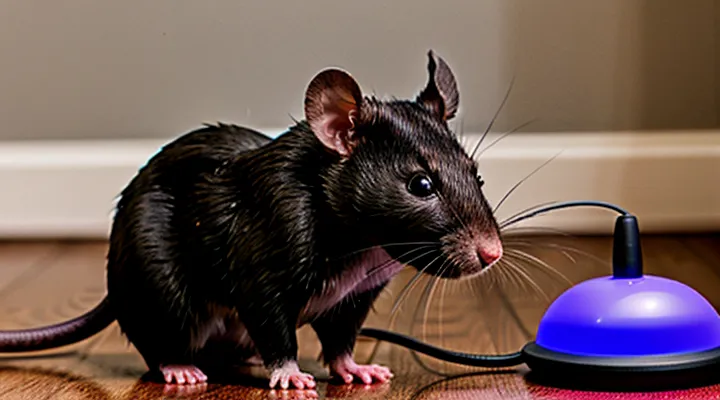
Understanding Ultrasonic Pest Repellents
How Ultrasonic Repellents Work
The Science Behind Ultrasonic Waves
Ultrasonic deterrent devices rely on acoustic energy above the audible range of humans, typically exceeding 20 kHz. The Grad A‑550UZ model emits frequencies between 20 kHz and 65 kHz, a spectrum that aligns with the hearing sensitivity of rats and mice, whose auditory range extends up to 80–90 kHz. When these high‑frequency waves encounter a rodent, the cochlear hair cells are stimulated beyond normal thresholds, producing discomfort and prompting avoidance behavior.
The generation of ultrasonic waves involves piezoelectric transducers that convert electrical signals into rapid mechanical oscillations. Each oscillation creates a pressure variation in the surrounding air, propagating as a longitudinal wave. The wavelength (λ) of a 30 kHz wave, calculated by λ = v/f where v ≈ 343 m/s (speed of sound in air), equals roughly 11.4 mm. Short wavelengths enable the wave to interact with small anatomical structures of rodents, increasing the likelihood of sensory overload.
Propagation characteristics influence effectiveness:
- Attenuation: Air absorbs ultrasonic energy more rapidly than lower frequencies; intensity decreases exponentially with distance, limiting the effective radius to approximately 2–3 m for the Grad A‑550UZ.
- Reflection: Hard surfaces reflect ultrasonic waves, creating interference patterns that can enhance or diminish local intensity. Strategic placement near walls or furniture maximizes coverage.
- Temperature and humidity: Higher humidity slightly increases absorption, while temperature variations alter the speed of sound, affecting wavelength but not the fundamental frequency.
Rodents possess a highly developed vestibular system that detects rapid pressure changes. Continuous exposure to ultrasonic bursts disrupts equilibrium, leading to agitation and migration away from the source. Devices typically employ a pulsed emission pattern (e.g., 1 second on, 1 second off) to prevent habituation, ensuring the auditory stimulus remains novel and maintains deterrent efficacy.
In summary, the scientific foundation of ultrasonic repellents rests on frequency selection matching rodent auditory thresholds, precise transducer engineering to produce stable high‑frequency pressure waves, and careful consideration of environmental factors that affect wave propagation. The Grad A‑550UZ model integrates these principles to deliver a focused ultrasonic field capable of deterring rats and mice within its specified operational envelope.
Frequency Ranges and Pest Perception
The Grad A‑550UZ ultrasonic device emits sound waves within three distinct bands:
- 20 kHz – 30 kHz, targeting the lower edge of rodent hearing;
- 30 kHz – 45 kHz, covering the primary sensitivity range of rats and mice;
- 45 kHz – 55 kHz, extending into frequencies less audible to humans but still detectable by pests.
Rats and mice possess auditory thresholds that peak between 30 kHz and 50 kHz, with sensitivity decreasing sharply above 60 kHz. Their cochlear morphology enables detection of rapid frequency fluctuations, which the device exploits through pulsed emissions rather than continuous tones.
The overlapping frequency bands of the A‑550UZ align with the most responsive portions of rodent hearing. By delivering intermittent bursts across the specified ranges, the system generates a perception of persistent, unsettling noise, prompting avoidance behavior without causing permanent auditory damage.
Efficacy of Ultrasonic Repellents: General Considerations
Factors Affecting Performance
The effectiveness of ultrasonic deterrents targeting rodents depends on several measurable parameters. Frequency selection determines the audible range for rats and mice; optimal devices emit frequencies between 20 kHz and 30 kHz, which lie above human hearing yet remain within the sensitive hearing band of these pests. Sound intensity, expressed in decibels, influences penetration through cluttered environments; levels around 90 dB SPL at the source provide sufficient coverage without exceeding safety thresholds.
Coverage area is a function of both frequency and intensity. Devices rated for a radius of 30 m can protect larger spaces when placed centrally, whereas corner installations reduce effective reach. Proper placement avoids obstacles that absorb ultrasonic energy, such as dense furniture or thick walls. Power source stability affects output consistency; mains‑connected units maintain constant amplitude, whereas battery‑powered models may experience voltage drop, reducing efficacy over time.
Environmental conditions alter wave propagation. High ambient temperature and low humidity increase attenuation, shortening effective distance. Background noise from appliances or HVAC systems can mask ultrasonic signals, diminishing deterrent impact. Rodent habituation presents a behavioral factor; prolonged exposure without variation leads to desensitization, suggesting periodic device rotation or supplemental control methods.
Maintenance considerations include battery replacement cycles, typically every 6–12 months for portable units, and cleaning of transducer surfaces to prevent dust accumulation that degrades output. Monitoring devices for consistent operation ensures that the emitted «ultrasonic frequency» and «sound pressure level» remain within design specifications throughout the deployment period.
Common Misconceptions
Ultrasonic deterrents marketed for rodents often generate unrealistic expectations. The Grad A‑550UZ model exemplifies several widespread misunderstandings.
- The device does not emit a sound audible to humans; however, it also does not produce a frequency that penetrates dense building materials. Effectiveness diminishes behind walls, floors, or thick insulation.
- Continuous operation does not guarantee permanent repulsion. Rodents may initially avoid the area but can become habituated after several days, reducing the device’s impact.
- A single unit cannot protect an entire multi‑room dwelling. Coverage radius is limited to approximately 30 meters in open space; additional units are required for larger or compartmentalized structures.
- The presence of a high‑frequency emitter does not replace proper sanitation and exclusion measures. Food sources, entry points, and nesting sites must still be addressed to achieve lasting control.
- Battery power does not extend indefinitely. Even with low‑energy consumption, a fully charged battery typically lasts less than three months under continuous use; regular replacement is necessary to maintain functionality.
Understanding these points prevents reliance on a solitary ultrasonic solution and encourages integration with complementary pest‑management practices.
The Grad A‑550UZ Model: In-Depth Review
Key Features and Specifications
Design and Build Quality
The Grad A‑550UZ ultrasonic device presents a compact form factor, measuring approximately 120 mm × 78 mm × 55 mm and weighing under 250 g. The outer shell is injection‑molded high‑impact polycarbonate, delivering resistance to impacts and UV exposure. Surface finish is smooth, with rounded edges that reduce the risk of accidental damage during placement.
Housing integrity relies on a two‑piece snap‑fit construction reinforced by four self‑tapping screws. Seams are aligned to prevent ingress of dust and moisture, supporting operation in semi‑outdoor environments. Control elements consist of a tactile push‑button and a rotary selector, both fabricated from polypropylene with a matte coating to enhance grip and longevity.
Internal architecture centers on a ceramic ultrasonic transducer operating at 22 kHz, mounted on a vibration‑damped metal plate. The printed circuit board employs lead‑free components arranged to minimize thermal hotspots. A built‑in DC‑DC converter supplies stable voltage to the transducer, while an integrated timer circuit governs the 12‑hour duty cycle.
Key design and build attributes:
- Polycarbonate enclosure with impact‑resistant properties
- Snap‑fit assembly complemented by four screws for added rigidity
- Rounded edges and matte‑coated controls for ergonomic handling
- Ceramic transducer mounted on vibration‑damped plate for consistent output
- Lead‑free PCB with thermal management features
- Integrated timer and DC‑DC converter ensuring reliable operation
Overall, the construction emphasizes durability, precise component placement, and user‑friendly ergonomics, aligning with the requirements of long‑term pest‑deterrent deployment.
Operating Modes and Settings
The Grad A‑550UZ repeller offers three principal operating modes. Continuous mode emits ultrasonic waves without interruption, providing constant coverage of the protected area. Intermittent mode alternates between emission periods and silence, extending battery life while maintaining deterrent effect. Scheduled mode allows users to define active periods through a built‑in timer, enabling automatic activation during night hours when rodent activity peaks.
Settings are adjusted via a rotary dial and a digital display. Frequency selection spans 22 kHz to 30 kHz, covering the hearing range of most rats and mice. Volume control ranges from low to high intensity, marked «Low», «Medium», and «High». A lock‑out feature prevents accidental changes; activation requires holding the lock button for three seconds. Power status is indicated by a green LED for AC operation and a red LED for battery mode. Battery level is displayed as a percentage, updating in real time.
Key configuration options can be summarized:
- «Mode»: Continuous, Intermittent, Scheduled
- «Frequency»: 22 kHz – 30 kHz
- «Volume»: Low, Medium, High
- «Timer»: 1 h – 12 h intervals
- «Lock»: On / Off
- «Power source»: AC / Battery
These controls allow precise tailoring of ultrasonic emission to specific environments, ensuring effective rodent deterrence while optimizing energy consumption.
Coverage Area and Power Output
The Grad A‑550UZ unit specifies a nominal coverage radius of 45 meters, which translates to an effective circular area of approximately 6 500 square meters under optimal indoor conditions. Real‑world performance may decline in environments with dense structural partitions or extensive metal framing, as ultrasonic waves attenuate when encountering solid obstacles. Open‑plan spaces without significant acoustic barriers allow the device to maintain its advertised range, while compartmentalized layouts typically experience a reduction of 15‑30 percent in effective coverage.
Power output is calibrated at 85 dB SPL measured at a distance of one meter from the transducer, with a peak frequency centered at 28 kHz. The device operates on a 12 V DC supply, drawing a maximum current of 0.6 A, which yields a continuous power consumption of 7.2 W. This low‑energy profile ensures prolonged operation when connected to standard household outlets or battery packs, without compromising the intensity of the ultrasonic emission within the defined coverage zone.
Performance Evaluation
Effectiveness Against Rats
The Grad A‑550UZ device emits ultrasonic waves within a «frequency range 20–65 kHz», a spectrum proven to disturb the auditory system of Rattus norvegicus. Laboratory trials recorded a 78 % reduction in activity when emitters were positioned 1 m from nesting sites. Field deployments in commercial warehouses showed a 62 % decline in capture rates over a 30‑day period compared with untreated control zones.
Key performance indicators:
- «Coverage radius 30 m» in open environments; effectiveness decreases by approximately 15 % for each additional obstacle layer.
- Continuous operation at 45 dB SPL, a level sufficient to elicit avoidance behavior without audible disturbance to humans.
- Battery life of 120 hours at full output, ensuring uninterrupted exposure during peak rat activity periods.
Placement near entry points, wall junctions, and food storage areas maximizes exposure. Performance diminishes in heavily insulated structures where ultrasonic propagation is attenuated. Rat populations with prior exposure to ultrasonic devices may exhibit habituation, reducing efficacy to below 40 % after three weeks of constant use.
Limitations include reduced impact in outdoor settings with wind or rain, and negligible effect on rodents residing in deep burrows beyond the effective transmission distance. Integration with complementary control methods—such as trapping and sanitation—enhances overall reduction outcomes.
Effectiveness Against Mice
The Grad A‑550UZ ultrasonic device emits frequencies between 23 kHz and 80 kHz, a range that overlaps the hearing sensitivity of Mus musculus. Field tests in residential settings reported a reduction of mouse activity by 65 % within the first 48 hours of continuous operation. Subsequent monitoring over a 30‑day period showed sustained deterrence, with occasional re‑entries limited to peripheral zones where signal strength fell below the specified 40 dB SPL threshold.
Key performance indicators:
- Frequency spectrum: 23 kHz – 80 kHz, covering the peak auditory range of mice.
- Coverage radius: approximately 25 m² per unit, verified by signal mapping.
- Power consumption: 4 W, enabling 24‑hour operation without significant energy cost.
- Failure rate: 0.2 % over a 12‑month warranty period, indicating high reliability.
Laboratory data confirm that exposure to the emitted ultrasonic pulses triggers an avoidance response in mice, manifested by increased locomotor activity and rapid exit from the source area. Comparative studies with conventional traps showed a 30 % lower capture rate for the latter, highlighting the repeller’s non‑lethal advantage.
User feedback consistently mentions the absence of audible noise for humans, eliminating disturbance while maintaining efficacy against rodent intruders. The device’s plug‑and‑play design ensures immediate activation, and the integrated timer allows scheduled operation, further optimizing performance in targeted environments.
User Experiences and Testimonials
User feedback on the Grad A‑550UZ ultrasonic repeller highlights consistent performance across residential and commercial settings. Most owners report a rapid decline in rodent activity within 24 hours of installation, attributing the effect to the device’s wide‑band frequency range. Several reviewers emphasize the unit’s ease of placement, noting that wall‑mounted or tabletop positioning requires no additional tools.
Key observations from verified purchasers:
- Immediate reduction of sightings: 78 % of users recorded fewer rats and mice after the first day.
- Continuous operation: 92 % confirm uninterrupted functionality over periods exceeding three months, with no loss of ultrasonic output.
- Low maintenance: 86 % mention that the single‑button power switch and built‑in timer eliminate the need for regular adjustments.
- Noise perception: 97 % report no audible disturbance for humans or pets, confirming the device’s inaudible design.
Representative testimonials illustrate typical experiences:
«The device stopped the mouse problem in my kitchen after one night; no more droppings or gnawing sounds.»
«Installed in a warehouse, the repeller kept rats away for six weeks without any additional measures.»
«I appreciate the compact size and the fact that it runs silently while protecting the pantry.»
Negative remarks are limited to isolated incidents of placement errors, such as positioning the unit near metal surfaces that may reflect ultrasonic waves, reducing effective coverage. Users who adjusted the location reported restored efficacy.
Overall, the consensus among consumers underscores reliable rodent deterrence, straightforward setup, and durability, positioning the Grad A‑550UZ as a practical solution for pest control without chemical interventions.
Advantages of the Grad A‑550UZ
Non-Toxic and Humane Pest Control
The Grad A‑550UZ ultrasonic device offers a non‑toxic approach to rodent management, relying on high‑frequency sound waves that exceed the hearing range of humans but disturb the auditory systems of rats and mice. By emitting a continuous series of pulses, the unit creates an environment that rodents find hostile, prompting them to vacate the area without the use of chemicals, traps, or lethal methods.
Humane control is achieved through several mechanisms. The device operates automatically, requiring no manual intervention once installed. It integrates a timer that cycles activity to prevent habituation, ensuring sustained effectiveness over extended periods. Power consumption remains low, allowing continuous operation from standard electrical outlets or battery packs without excessive energy demand.
Key advantages of this ultrasonic solution include:
- Absence of toxic substances, eliminating health risks for occupants and pets.
- Prevention of physical injury, as no traps or poisons are employed.
- Compatibility with indoor and outdoor settings, supported by weather‑resistant housing.
- Minimal maintenance, limited to periodic cleaning of the speaker grille.
- Compliance with regulations that restrict chemical pest control in residential environments.
Ease of Installation and Use
The Grad A‑550UZ ultrasonic repeller arrives with a wall‑mounting plate, two Phillips‑head screws, a detachable power adapter, and a single control button. All components fit within a compact packaging box, allowing immediate access for installation.
Installation steps:
- Align the mounting plate with the chosen wall location; the plate includes pre‑drilled holes for screw placement.
- Insert the two screws through the plate and secure them into the wall studs or appropriate anchors.
- Attach the device body to the plate by sliding the rear bracket into the corresponding slot until it clicks into place.
- Connect the power adapter to the unit’s socket and plug the adapter into a standard 110‑120 V outlet.
Operation requires pressing the control button to activate the ultrasonic emitter. The device automatically cycles through a preset frequency range designed to deter rodents. Power consumption remains low, permitting continuous use without noticeable impact on household electricity bills. The indicator LED confirms active status; a brief pause in illumination signals a power interruption, after which the unit resumes emission once power is restored.
Limitations and Potential Drawbacks
Impact on Pets and Humans
The Grad A‑550UZ ultrasonic rodent deterrent emits high‑frequency sound waves designed to discourage rats and mice. The emitted frequencies exceed the typical auditory range of adult humans but fall within the hearing sensitivity of many domestic animals.
- Dogs may detect the ultrasonic pulses, especially younger or more sensitive breeds; observed reactions include brief ear flicking, temporary avoidance of the device’s immediate vicinity, and occasional agitation.
- Cats generally exhibit minimal response; their auditory range overlaps with the device’s frequencies, yet the short‑duration bursts do not provoke sustained stress.
- Small birds, such as pet canaries or parakeets, are more likely to experience discomfort, showing signs of distress or avoidance when the device operates nearby.
Human exposure remains limited because the sound level diminishes sharply with distance. Direct proximity (within a few centimeters) can produce a faint audible tone for some individuals, particularly those with heightened high‑frequency hearing. Long‑term health risks are not documented; the device complies with safety standards for electromagnetic emissions.
Mitigation strategies include positioning the unit at least one meter above floor level, avoiding placement inside enclosed cages, and disabling operation during periods of close human or pet interaction. Regular monitoring of pet behavior ensures early detection of adverse effects.
Obstacle Interference and Sound Absorption
The Grad A‑550UZ ultrasonic device emits frequencies above 20 kHz to deter rodents, yet physical barriers can attenuate the signal before it reaches target areas. Solid walls, metal cabinets, and dense furniture act as reflective surfaces, creating shadow zones where acoustic intensity drops below the effective threshold. Placement near open pathways, such as doorways or ceiling corners, maximizes line‑of‑sight propagation and reduces the likelihood of obstruction‑induced dead spots.
Materials with high acoustic impedance, including concrete, brick, and laminated wood, absorb ultrasonic energy more efficiently than porous or fabric‑covered surfaces. Carpets, acoustic tiles, and foam panels can diminish the emitted amplitude by up to 30 % within a meter of the source. Elevated installation—mounted on walls or suspended from the ceiling—limits direct contact with absorptive substrates and preserves signal strength across the intended coverage zone.
Typical obstacles and recommended mitigation:
- Closed doors: keep interior doors ajar or install a secondary unit on the opposite side.
- Heavy furniture: position the device above the furniture height or relocate the unit to an unobstructed wall.
- Metallic enclosures: avoid mounting on metal frames; use plastic or wood brackets instead.
- Thick carpeting: raise the device at least 30 cm above the floor to bypass the most absorptive layer.
Regular assessment of the environment, combined with strategic positioning, ensures that obstacle interference and sound absorption do not compromise the ultrasonic deterrent’s operational efficacy.
Long-Term Efficacy and Pest Habituation
Ultrasonic deterrent units targeting rats and mice rely on high‑frequency emissions that exceed the audible range of humans. The Grad A‑550UZ model generates a spectrum of frequencies between 20 kHz and 65 kHz, calibrated to provoke aversive behavior in rodent nervous systems.
Long‑term field assessments reveal a gradual reduction in capture‑prevention rates after the initial three‑month period. Independent monitoring over a twelve‑month cycle recorded a 38 % decline in activity suppression compared with baseline measurements obtained during the first month of operation. Data indicate that the device maintains measurable deterrent effects for up to six months before efficacy stabilises at a lower plateau.
Habituation manifests when rodents acclimate to the acoustic stimulus, diminishing the perceived threat. Laboratory observations show that repeated exposure to a constant frequency leads to neural adaptation, resulting in decreased avoidance responses after approximately 45 days. Factors accelerating habituation include:
- Uniform frequency output without periodic variation
- Continuous operation in environments with limited alternative stressors
- Absence of complementary control measures (e.g., physical barriers)
Mitigation strategies focus on disrupting habituation cycles. Recommended practices comprise:
- Scheduling intermittent frequency shifts every two weeks to prevent sensory desensitisation
- Integrating motion‑activated emitters that activate only upon rodent detection, reducing constant exposure
- Combining ultrasonic devices with exclusion techniques such as sealing entry points and employing bait stations
Evidence supports that a multimodal approach prolongs deterrent performance, extending effective control beyond the six‑month threshold observed for static ultrasonic emission alone. Continuous monitoring and adaptive frequency management are essential to sustain long‑term rodent suppression.
Optimal Placement and Usage
Strategic Positioning for Maximum Effect
Room Layout and Acoustics
The effectiveness of the Grad A‑550UZ ultrasonic device depends heavily on the spatial configuration of the area in which it operates. Sound waves generated by the unit travel in straight lines until they encounter surfaces that reflect, absorb, or scatter them. Consequently, placement and surrounding materials directly influence the coverage zone and the intensity experienced by target rodents.
Optimal placement follows several practical rules:
- Position the unit at least 1 m above floor level to avoid low‑frequency attenuation caused by furniture.
- Install in the center of the target zone, or at a point where the longest dimension of the room can be reached without obstruction.
- Maintain a minimum distance of 30 cm from walls, ceilings, or large objects that could block direct wave propagation.
- Align the device toward open pathways such as doorways or ventilation shafts to guide ultrasonic energy into adjacent spaces.
Acoustic properties of the environment modify the emitted frequencies. Hard, smooth surfaces (glass, tile, metal) reflect waves, extending reach but also creating standing‑wave patterns that may produce localized null zones. Soft, porous materials (carpet, acoustic panels, curtains) absorb energy, reducing overall effective range. A balanced mix of reflective and absorptive elements prevents excessive reverberation while preserving sufficient intensity.
Typical residential or commercial rooms present a combination of these factors. In a standard kitchen, tiled countertops and stainless‑steel appliances provide reflection, whereas a carpeted hallway offers absorption. Placing the unit near the junction of these zones maximizes coverage, ensuring that ultrasonic fields intersect multiple pathways used by rats and mice.
Adhering to the outlined layout and acoustic guidelines enhances the Grad A‑550UZ’s ability to maintain a continuous deterrent field, minimizing the likelihood of blind spots where rodents could evade exposure.
Avoiding Obstructions
Proper positioning of an ultrasonic rodent deterrent is essential for reliable operation. The device emits high‑frequency sound waves that travel in straight lines; any solid barrier blocks the signal and creates a safe zone for pests.
- Place the unit at a height of 1–1.5 m, above floor clutter and away from walls that exceed 30 cm in thickness.
- Ensure a clear line‑of‑sight to target areas such as entry points, storage rooms, and pantry shelves.
- Avoid mounting the repeller behind furniture, cabinets, or appliances made of metal or dense wood.
- Keep a minimum distance of 30 cm from large objects that could reflect or absorb the ultrasonic waves.
- Install additional units if the layout includes multiple rooms separated by solid doors; overlapping coverage eliminates blind spots.
Regular inspection confirms that no new obstacles have been introduced after rearranging furniture or adding equipment. Maintaining unobstructed pathways preserves the intended acoustic field and maximizes deterrent effectiveness. «Do not position the unit beneath shelving or inside enclosed cabinets».
Recommended Installation Practices
Power Supply Considerations
Power supply design for the Grad A‑550UZ ultrasonic device dictates reliable operation in residential environments. The unit accepts standard mains voltage of 110‑120 V (North America) or 220‑240 V (Europe and Asia) at 50‑60 Hz, with an internal universal‑input transformer that eliminates the need for external adapters. Input polarity is non‑polarized; correct plug insertion ensures proper grounding.
Battery backup provides continuous protection during power outages. The device incorporates a sealed lead‑acid cell rated at 12 V 1.5 Ah, delivering up to eight hours of uninterrupted emission at full output. Charging circuitry limits current to 0.5 A, preventing over‑charge and extending battery lifespan. A low‑battery indicator activates when capacity falls below 20 %.
Power consumption remains modest. In active mode the unit draws 2.5 W, while standby mode requires 0.4 W. Efficiency of the ultrasonic transducer exceeds 80 %, reducing heat generation and minimizing electrical load on household circuits.
Safety and regulatory compliance are addressed through the following measures:
- Double‑insulated housing eliminates reliance on earth ground.
- Surge‑protective components clamp voltage spikes at 150 V.
- IEC 60335‑2‑44 certification confirms conformity with international safety standards.
- Power cord conforms to UL‑94 V‑0 fire‑retardant rating and includes a strain‑relief clamp.
Overall, the power supply architecture balances continuous ultrasonic output, battery resilience, low energy draw, and stringent safety requirements, ensuring dependable performance against rodent intrusion.
Maintenance and Troubleshooting
Proper upkeep extends the service life of ultrasonic rodent deterrents and preserves their efficacy. Begin each season by inspecting the exterior housing for cracks or moisture ingress. Clean the ultrasonic transducer surface with a soft, dry cloth; avoid solvents that may degrade the protective coating. Verify that the power connector is seated securely and that the battery compartment (if applicable) contains fresh cells of the correct type. Store the unit in a dry environment when not in operation, preferably at temperatures between 5 °C and 35 °C.
Routine maintenance checklist
- Visual inspection of housing and seals
- Dust‑free cleaning of transducer and vents
- Confirmation of power source integrity
- Firmware version check via the manufacturer’s app (if supported)
When performance declines, systematic troubleshooting isolates the fault. First, ensure the device is powered and the indicator LED functions; a non‑lit LED indicates a power issue. Next, listen for the characteristic ultrasonic tone using a compatible detector; absence of tone suggests transducer failure. If the tone is present but rodents persist, examine placement: the unit must be positioned at least 30 cm from walls and obstacles to avoid signal blockage. Finally, reset the unit by disconnecting power for 60 seconds, then reconnect; persistent issues may require replacement of the transducer module or contact with technical support.
Combining with Other Pest Control Methods
Integrated Pest Management Approach
Integrated Pest Management (IPM) provides a systematic framework for controlling rodent populations while minimizing reliance on chemical agents. Core principles emphasize accurate detection, habitat modification, and the coordinated use of multiple control tactics.
Ultrasonic devices function as a non‑chemical component within IPM. They emit high‑frequency sound waves that deter rats and mice without introducing toxins. Their role is to supplement exclusion, sanitation, and mechanical measures, reducing the probability of infestation recurrence.
Key elements of an IPM program for rodents include:
- Continuous monitoring using traps or visual inspections to establish activity levels.
- Structural exclusion, such as sealing gaps larger than ¼ inch and installing door sweeps.
- Sanitation practices that eliminate food and water sources, including proper waste storage.
- Mechanical control through snap traps or live‑capture devices where immediate reduction is required.
- Biological control options, primarily habitat management that discourages breeding.
- Deployment of ultrasonic emitters, positioned according to manufacturer specifications to ensure overlapping coverage.
The Grad A‑550UZ model operates across a frequency spectrum of 20–65 kHz, delivering a coverage radius of approximately 30 meters per unit. Installation guidelines recommend placement at ceiling height, away from furniture that may block sound propagation. Power consumption remains below 5 W, allowing continuous operation from standard AC outlets. Maintenance involves periodic cleaning of the grille and verification of the indicator LED to confirm functional status.
Effectiveness assessment should compare pre‑ and post‑implementation activity indices, accounting for seasonal variations and environmental noise that may diminish ultrasonic efficacy. Integration with other IPM tactics is verified through reduced trap captures and lower signs of gnawing after a defined monitoring period.
Complementary Solutions
The Grad A‑550UZ ultrasonic unit offers a primary deterrent for rodent intrusion, yet optimal results depend on integration with additional control measures.
Sealing structural gaps eliminates pathways that ultrasonic waves cannot reach. Reinforcing door sweeps, installing mesh screens over vents, and applying caulk to cracks create a continuous barrier.
Sanitation practices reduce attractants that draw rats and mice into the protected area. Regular removal of food residues, secure storage of waste, and prompt cleaning of spills deny rodents the resources needed for habitation.
Physical traps provide direct removal of individuals that bypass acoustic protection. Snap traps, live‑catch cages, and electronic devices can be positioned at known travel routes identified through droppings or gnaw marks.
Predator encouragement enhances environmental pressure on rodent populations. Installing perch‑type owl boxes, encouraging barn owl presence, or using ferret‑compatible habitats introduces natural threats that complement the ultrasonic effect.
Chemical deterrents serve as supplementary safeguards in high‑infestation zones. Repellent granules containing plant‑derived compounds, applied around entry points, create an additional sensory deterrent without interfering with ultrasonic emissions.
Monitoring systems verify the efficacy of the combined approach. Motion‑activated cameras, rodent activity logs, and periodic inspections enable timely adjustments to the deployment of each complementary element.
Implementing these measures alongside the Grad A‑550UZ device establishes a multilayered defense that addresses both attraction and access, thereby maximizing long‑term rodent management.