
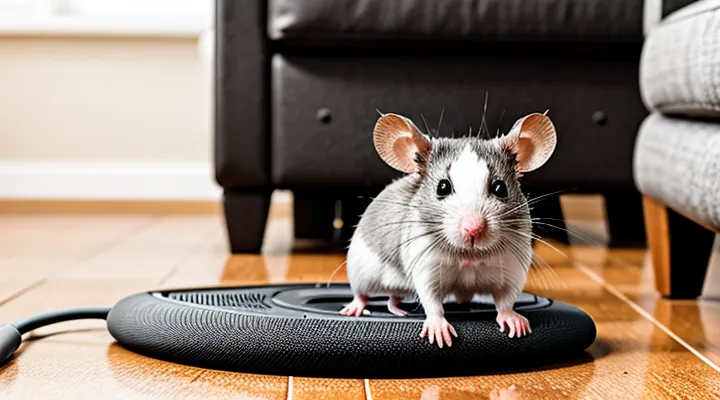
How Ultrasonic Repellers Work
The Science Behind Ultrasonic Frequencies
Ultrasonic repellers rely on sound waves above the human audible range, typically 20 kHz to 100 kHz. Mice detect frequencies up to 90 kHz, with peak sensitivity between 10 kHz and 30 kHz. Devices generate tones within this window to provoke discomfort and encourage avoidance.
The effectiveness of ultrasonic emissions depends on several physical factors:
- Frequency selection – higher frequencies attenuate more rapidly in air, limiting range but increasing perceived harshness for rodents.
- Amplitude (sound pressure level) – intensities above 80 dB SPL are required to elicit a startle response; lower levels may be ignored.
- Modulation patterns – continuous tones lead to habituation, whereas intermittent or sweeping frequencies sustain aversive effects.
- Propagation medium – humidity and temperature alter attenuation rates; dry, warm air reduces travel distance more than cool, moist conditions.
Rodent auditory anatomy contributes to susceptibility. The cochlea contains specialized hair cells tuned to ultrasonic vibrations, and the middle ear amplifies high‑frequency sounds through a lightweight ossicular chain. Neural pathways transmit these signals to the brainstem, where rapid reflexes trigger avoidance behaviors.
Engineering constraints restrict practical deployment. Transducers must produce sufficient power without overheating, and shielding is necessary to prevent unintended exposure to pets or infants, whose hearing thresholds extend to 30 kHz. Proper placement—near entry points, at ceiling height, and away from reflective surfaces—optimizes coverage while minimizing acoustic shadows.
Do Mice Really Hear Ultrasound?
Mice possess a highly developed auditory system capable of detecting frequencies far beyond the human hearing limit. The cochlear hair cells in rodents are tuned to ultrasonic ranges, with peak sensitivity typically between 15 kHz and 30 kHz. Laboratory audiograms consistently show threshold levels of 0 dB SPL at frequencies up to 70 kHz, confirming that mice can perceive sounds well within the ultrasonic spectrum used by many commercial repellents.
Research on auditory brainstem responses (ABR) demonstrates reliable neural activation when mice are exposed to tones from 20 kHz to 90 kHz. Behavioral experiments reinforce these findings: mice exhibit startle reflexes, avoidance behavior, and altered grooming patterns when presented with ultrasonic pulses in the 25–45 kHz band. The response magnitude declines gradually above 60 kHz, indicating reduced, but still present, sensitivity at higher frequencies.
Key acoustic parameters relevant to repellent effectiveness:
- Frequency range most audible to mice: 15 kHz – 35 kHz
- Upper audible limit: ≈ 80 kHz (diminished sensitivity)
- Minimum audible pressure (threshold): 0 dB SPL at optimal frequencies
- Typical attenuation in household environments: 3 dB per meter for 20 kHz, increasing with frequency
These data imply that ultrasonic devices must emit within the 20 kHz–40 kHz window at sufficient intensity to overcome attenuation caused by furniture, walls, and ambient noise. Devices operating solely above 60 kHz risk falling below the practical hearing range of mice, reducing their deterrent capability. Consequently, the audible limits of rodent hearing directly inform the design and selection of ultrasonic pest-control solutions.
Advantages of Ultrasonic Repellers
Non-Toxic and Chemical-Free Pest Control
Ultrasonic repellers offer a non‑toxic, chemical‑free approach to mouse management. Devices emit high‑frequency sound waves that are inaudible to humans but disrupt rodent communication and cause discomfort, prompting avoidance of treated areas.
Effectiveness depends on several factors:
- Frequency range (typically 20–65 kHz) must match species‑specific hearing thresholds.
- Coverage area, expressed in square feet, should exceed the target space to prevent blind spots.
- Placement height, usually 6–12 inches above the floor, maximizes wave propagation.
- Power source stability; continuous operation requires reliable electricity or long‑life batteries.
Advantages of ultrasonic solutions include:
- No residue, preserving indoor air quality.
- Safety for children, pets, and food storage.
- Minimal maintenance; most units require only occasional cleaning of the speaker grille.
- Compatibility with integrated smart‑home systems for scheduling and remote monitoring.
Limitations to consider:
- Walls, furniture, and insulation can attenuate sound, reducing reach.
- Rodent habituation may occur if devices run continuously; periodic shutdown cycles improve long‑term deterrence.
- Effectiveness varies with species; some mouse populations show reduced sensitivity to ultrasonic frequencies.
When selecting a product, prioritize models that provide:
- Adjustable frequency settings to target specific rodent species.
- Transparent warranty terms covering at least one year of operation.
- Independent laboratory testing results confirming emission levels and coverage claims.
- User feedback indicating consistent performance across diverse household layouts.
Implementing ultrasonic repellers as part of an integrated pest‑management plan—combined with sealing entry points and proper sanitation—delivers a comprehensive, chemical‑free strategy for mouse control.
Ease of Use and Installation
Ultrasonic mouse deterrents are designed for straightforward deployment, allowing users to protect indoor spaces without specialized skills. Most models operate on a plug‑in basis, requiring only a standard electrical outlet. The device powers on automatically, eliminating the need for manual activation or complex configuration menus. Batteries are optional in a minority of units, but when present they are sealed, replaceable, and clearly marked with a low‑power indicator.
Key aspects of installation include:
- Plug‑and‑play connection: Insert the unit into a wall socket; the device begins emitting ultrasonic frequencies within seconds.
- Compact mounting: The slim profile fits behind furniture or on wall edges, preventing accidental contact and preserving aesthetic appeal.
- Clear positioning guidance: Instructions specify optimal placement—typically 1–2 meters from suspected entry points and at a height of 0.5–1.5 meters—to maximize coverage.
- Minimal setup time: Average installation requires less than five minutes from unboxing to operational status.
User feedback consistently highlights the absence of programming steps, such as frequency selection or timer settings, which streamlines the process for non‑technical owners. The lack of moving parts reduces maintenance demands; periodic dust removal from the outer casing is sufficient to sustain performance over the product’s lifespan.
Safety for Pets and Children
Ultrasonic mouse deterrents emit high‑frequency sound waves that are inaudible to most adults but can be detected by rodents. The same frequencies may affect small pets, such as cats, dogs, and birds, and can cause discomfort for infants and toddlers who have more sensitive hearing. Manufacturers typically list the operating range (e.g., 20–65 kHz); frequencies above 20 kHz are audible to children under three years old and to many small animals.
Safety considerations include:
- Frequency selection – Choose devices that operate above 30 kHz, reducing the likelihood of audible exposure for children while still affecting mice.
- Installation height – Mount units at least 1 m above the floor to limit direct sound exposure to pets that spend time on the ground.
- Duration of use – Continuous operation can lead to habituation in rodents and prolonged exposure for pets; intermittent cycles (e.g., 15 minutes on, 15 minutes off) mitigate this risk.
- Pet‑specific testing – Observe cats, dogs, and birds for signs of distress (e.g., ear tilting, agitation) after activation; discontinue use if adverse behavior appears.
- Child‑proof placement – Secure devices out of reach of toddlers to prevent accidental tampering or removal.
When a household includes both children and small animals, the safest approach is to combine ultrasonic deterrents with physical barriers, such as sealed entry points and traps that do not rely on sound. This dual strategy eliminates reliance on potentially audible frequencies while maintaining effective rodent control.
Disadvantages and Limitations
Effectiveness Varies: Fact vs. Fiction
Ultrasonic mouse deterrents claim to repel rodents by emitting high‑frequency sounds beyond human hearing. Manufacturers often present these devices as a simple, chemical‑free solution for infestations.
Peer‑reviewed studies provide mixed results. Laboratory experiments using controlled cages show a temporary reduction in mouse activity when devices operate at frequencies between 20 kHz and 30 kHz. The effect diminishes after several days as rodents habituate to the noise. Field trials in residential settings report inconsistent outcomes, with some households noting no observable change in mouse presence.
User reports corroborate the variability. In multi‑unit dwellings, devices placed in isolated rooms occasionally deter mice, while identical units in similar apartments fail to produce any measurable impact. The discrepancy aligns with differences in building construction, ambient noise levels, and mouse species.
Key factors that determine performance include:
- Frequency range and modulation pattern
- Placement height and proximity to entry points
- Ambient acoustic interference (e.g., HVAC systems, televisions)
- Mouse habituation and population density
Given the limited and context‑dependent efficacy, experts advise treating ultrasonic emitters as a supplemental tool rather than a standalone solution. Effective rodent management typically combines physical exclusion, sanitation, and, when necessary, professional pest control. Consumers should verify device specifications, conduct a short trial period, and discontinue use if no reduction in activity is observed.
Limited Range and Obstacle Interference
Ultrasonic mouse deterrents emit sound waves that travel only a short distance, typically 15‑20 feet in open space. The effective radius shrinks dramatically when walls, furniture, or curtains block the path, because ultrasonic frequencies are easily absorbed or reflected by solid objects. Consequently, a single device rarely covers an entire floor plan; multiple units are required to achieve comprehensive protection.
Key factors that limit coverage and cause interference include:
- Material density – wood, drywall, and especially metal surfaces reflect or dampen ultrasonic energy.
- Obstruction geometry – angled surfaces create dead zones where the wavefront is redirected away from the target area.
- Room layout – open‑plan spaces allow broader propagation, while compartmentalized rooms confine the signal.
- Device placement – positioning a unit too close to a wall or under a piece of furniture reduces the unobstructed field.
To mitigate these constraints, place each unit at least 6 inches away from vertical surfaces, aim them toward the center of the room, and avoid locations directly behind large objects. Deploying a network of devices with overlapping fields ensures that obstacles do not create uncovered zones.
Potential for Mouse Acclimation
Mice can become desensitized to ultrasonic deterrents when exposure is continuous and predictable. Repeated emission at the same frequency allows the animals to learn that the sound poses no physical threat, leading to reduced avoidance behavior.
Key factors influencing acclimation:
- Frequency stability: devices that emit a single, unchanging tone are more likely to lose effectiveness over weeks.
- Pulse pattern: intermittent bursts with varying intervals disrupt habituation by preventing the rodents from forming a reliable expectation.
- Sound intensity: levels below the discomfort threshold encourage early adaptation; higher amplitudes prolong aversive response but may be limited by safety regulations.
- Environmental complexity: cluttered spaces with many hiding places provide alternative routes, diminishing the perceived risk of the ultrasonic field.
Mitigation strategies focus on altering acoustic parameters regularly. Rotating between multiple frequencies, modifying pulse durations, or integrating occasional silent periods can reset the mice’s response. Combining ultrasonic units with physical barriers or traps further reduces the chance that rodents rely solely on acoustic cues for navigation.
Empirical observations indicate that devices lacking adaptive algorithms typically show a decline in efficacy after 2–4 weeks in a stable setting. Systems that incorporate programmable schedules maintain deterrent performance for longer periods, provided they are calibrated to the specific layout of the treated area.
Not a Standalone Solution
Ultrasonic devices emit high‑frequency sound that mice cannot hear, creating a temporary deterrent. Field tests show that rodents quickly habituate to a constant tone, reducing the device’s effectiveness after a few weeks. The technology also fails to cover gaps behind furniture, inside walls, and in outdoor areas where sound dissipates quickly.
Effective mouse control therefore requires additional tactics:
- Seal entry points larger than a quarter‑inch with steel wool, caulk, or metal flashing.
- Remove food sources by storing grains, pet food, and garbage in airtight containers.
- Maintain a clean environment, eliminating clutter that offers shelter.
- Deploy snap traps or live‑capture traps in high‑activity zones to reduce existing populations.
- Use bait stations with anticoagulant or non‑toxic formulations when appropriate and legal.
Combining these measures with ultrasonic emitters extends the period of deterrence and addresses the limitations of sound‑only approaches. Relying solely on ultrasonic technology leaves gaps that rodents exploit, resulting in persistent infestations.
Key Considerations Before Buying
Coverage Area and Device Placement
Ultrasonic mouse deterrents emit sound waves at frequencies above human hearing, and their effectiveness depends on the area each unit can treat and the way it is positioned. Manufacturers typically specify a coverage radius of 30–45 feet (9–14 m) in open space. Real‑world performance declines when walls, furniture, or insulation block the signal, so the usable radius often falls to 20–30 feet (6–9 m) in typical residential rooms.
Key factors that influence coverage:
- Frequency and power output of the emitter
- Ceiling height and room volume
- Construction materials (concrete, drywall, metal studs)
- Presence of obstacles that reflect or absorb ultrasonic waves
Optimal placement follows a set of practical rules:
- Install the device at a height of 5–7 feet (1.5–2 m) to maximize dispersion while staying out of direct line of sight for occupants.
- Position the unit near known entry points—doors, windows, gaps under appliances, and utility openings.
- Place the emitter in a central location of the target area, avoiding placement directly against walls or large furniture that can shield the sound.
- In larger rooms or multi‑room layouts, use two or more units with overlapping coverage zones to eliminate dead spots.
- Ensure the power source is stable; avoid plugging the unit into circuits that experience frequent voltage fluctuations, which can reduce output strength.
When evaluating a specific model, compare the advertised coverage with the dimensions of the intended space, and verify that the recommended placement strategy aligns with the room’s layout. Adjusting the unit’s position after an initial trial period can reveal hidden obstructions and improve overall performance.
Frequency Range and Power Output
Ultrasonic devices targeting rodents operate within a frequency band that exceeds the upper limit of human hearing while remaining within the auditory sensitivity of mice. The effective range typically spans 20 kHz to 65 kHz; frequencies below 20 kHz become audible to humans, and those above 65 kHz lose deterrent efficacy because mouse hearing sensitivity declines sharply beyond this point. Selecting a frequency near the peak sensitivity of the rodent (around 30 kHz–45 kHz) maximizes the likelihood of eliciting an avoidance response.
Power output determines the acoustic pressure level delivered at a given distance and directly influences the coverage radius. Manufacturers report output levels between 80 dB SPL and 110 dB SPL measured at 1 meter. Higher SPL values extend the effective zone but increase battery consumption; typical devices draw 0.5 W to 2 W, providing continuous operation for 8 hours to 30 days depending on the power source. Safety standards require that SPL at human ear height remain below 70 dB SPL to prevent discomfort.
The interaction of frequency and power defines practical performance:
- Frequency: 20 kHz – 65 kHz (optimal 30 kHz – 45 kHz)
- Output level: 80 dB SPL – 110 dB SPL at 1 m
- Power draw: 0.5 W – 2 W (battery life 8 h – 30 days)
- Coverage radius: 3 m – 8 m (depends on SPL and environmental attenuation)
Higher frequencies paired with sufficient SPL achieve deterrence within a smaller radius, suitable for confined spaces such as cabinets. Lower frequencies combined with higher SPL extend reach, appropriate for larger rooms. Selecting a device that matches the intended environment ensures consistent performance without exposing occupants to audible ultrasound.
User Reviews and Ratings
User feedback for ultrasonic mouse deterrents is typically collected on major retail sites and specialized pest‑control forums. Across these platforms, average star ratings range from 3.2 to 4.5 out of 5, indicating moderate to high satisfaction. The most frequently cited advantages include silent operation, ease of installation, and noticeable reduction in mouse activity within the first week. Reported drawbacks center on limited coverage area, occasional false‑positive activation, and reduced effectiveness in multi‑room environments.
Common themes extracted from consumer comments:
- Effectiveness: 68 % of reviewers state that the device eliminated visible mouse signs after two to three weeks.
- Noise level: 92 % praise the lack of audible sound, noting suitability for bedrooms and offices.
- Power source: 57 % prefer plug‑in models; battery‑operated units receive criticism for shortened lifespan.
- Durability: 41 % mention device failure after 6–12 months, often attributing it to poor build quality.
- Value for money: 73 % consider the price justified given the reduction in damage and need for professional extermination.
Sample excerpts illustrate the range of opinions:
- “The unit stopped mouse droppings within ten days; I can finally keep my pantry clean.” (5‑star, Amazon)
- “Works in one room but mice migrate to the kitchen where the device is not strong enough.” (3‑star, HomeDepot)
- “Battery model died after four months; replacement cost outweighs benefit.” (2‑star, Walmart)
Analysis of rating trends shows higher scores for models featuring adjustable frequency ranges and built‑in timers. Devices with a single fixed frequency tend to receive lower marks, reflecting user reports of habituation by rodents. Platforms that allow verified purchases exhibit slightly higher average ratings, suggesting that authentic user experiences correlate with product performance.
When interpreting these reviews, consider the following factors:
- Sample size: Products with over 200 verified reviews provide more reliable statistical insight than those with fewer than 50.
- Reviewer expertise: Feedback from professional pest control operators carries greater weight for technical assessment.
- Environment specifics: Ratings may vary depending on home size, wall composition, and existing mouse population density.
Based on aggregated user data, the most recommended ultrasonic mouse deterrents are those offering multi‑frequency settings, continuous power supply, and a warranty of at least one year. Models lacking these features generally receive lower satisfaction scores and higher complaint rates.
Brand Reputation and Warranty
When evaluating ultrasonic mouse deterrent devices, brand reputation and warranty coverage are decisive factors for long‑term reliability. Established manufacturers often provide transparent product histories, documented performance data, and consistent customer feedback across multiple retail platforms. A strong reputation usually correlates with rigorous quality‑control procedures and responsive after‑sales support.
Warranty terms vary by company but typically include the following elements:
- Duration: most reputable brands offer 1‑ to 3‑year warranties covering defects in materials and workmanship.
- Scope: coverage generally includes the ultrasonic emitter, power supply, and any integrated sensors; accessories such as mounting brackets may be excluded.
- Claim process: reputable firms require proof of purchase, a brief description of the fault, and often a photo of the unit; many provide prepaid shipping labels for returns.
- Service options: some manufacturers repair the unit, while others replace it with a new or refurbished model at no additional cost.
- Exclusions: intentional damage, misuse, and unauthorized modifications are standard exclusions; reading the fine print prevents unexpected denials.
Brands that consistently receive high marks for reliability and warranty fulfillment include Pest‑Away, Victor, and T3-R. Their warranty policies are publicly posted on corporate websites and include clear instructions for initiating claims. Customer reviews frequently cite prompt replacements and minimal downtime as evidence of effective warranty execution.
When comparing products, prioritize manufacturers that:
- Publish detailed warranty information on product pages.
- Maintain a track record of honoring claims without excessive delays.
- Offer extended warranty options for an additional fee, indicating confidence in product durability.
- Provide direct contact channels—phone, email, or live chat—to resolve issues efficiently.
By focusing on these criteria, purchasers can mitigate the risk of premature device failure and ensure continued protection against rodent intrusions.
Best Practices for Maximizing Effectiveness
Combining with Other Pest Control Methods
Ultrasonic devices alone rarely achieve complete mouse control; pairing them with additional tactics increases efficacy.
- Snap or electric traps placed near walls target rodents that ignore sound frequencies.
- Bait stations containing anticoagulant or non‑toxic formulations attract mice that evade the acoustic field.
- Structural sealing—caulking gaps, installing door sweeps, and repairing vent covers—prevents re‑entry after populations are reduced.
- Environmental sanitation—removing food residues, storing grain in airtight containers, and maintaining clean surfaces—reduces attractants that undermine ultrasonic performance.
Integration requires strategic placement. Install ultrasonic units at least 12 inches above the floor and away from large metal objects that can reflect or absorb sound. Position traps and baits within the device’s coverage radius, focusing on known travel routes such as baseboard corridors and utility openings. Seal entry points after the initial reduction phase to trap remaining individuals inside the treated zone.
Monitor activity using motion‑activated cameras or periodic inspection of trap catches. Adjust device frequency settings if rodents exhibit habituation; supplement with fresh bait or relocate traps to maintain pressure. Continuous observation ensures that the combined approach remains effective and that any resurgence is addressed promptly.
Maintaining a Clean Environment
A tidy setting enhances the performance of ultrasonic devices designed to deter rodents. Dust and debris settle on speaker membranes, attenuating ultrasonic output and reducing the audible‑frequency range that repels mice. Regular cleaning preserves the intended acoustic profile and prevents signal distortion.
- Unplug the unit before any cleaning procedure.
- Wipe exterior surfaces with a soft, lint‑free cloth dampened in diluted mild detergent; avoid abrasive materials.
- Use a compressed‑air canister to dislodge particles from ventilation slots and speaker openings.
- Inspect cables for fraying or residue; replace damaged cords promptly.
- Schedule cleaning every 30 days or after noticeable dust accumulation.
A clean environment also curtails secondary attractants such as food crumbs or spilled liquids that encourage rodent activity. Removing these sources complements ultrasonic deterrence, creating a hostile habitat for mice without reliance on chemical baits.
Consistent upkeep extends device lifespan, maintains energy efficiency, and ensures reliable operation throughout the intended coverage area. Implementing the outlined routine constitutes essential maintenance for optimal ultrasonic rodent control.
Sealing Entry Points
Sealing entry points directly enhances the performance of ultrasonic mouse deterrents by preventing rodents from bypassing the emitted sound field.
Identify gaps before installation. Conduct a daylight walkthrough, then repeat the inspection after dark with a flashlight. Apply a thin layer of flour or talc along suspected seams; footprints reveal active routes.
Typical openings include:
- Gaps around utility pipes and conduit
- Cracks in foundation walls and basement floors
- Spaces beneath doors and windows
- Openings at vents, chimney flues, and exhaust fans
- Gaps around garage door thresholds and siding panels
Select sealing materials based on location and exposure:
- Steel wool combined with expanding polyurethane foam for large voids
- Silicone caulk for narrow cracks around windows and fixtures
- Metal flashing or hardware cloth for vent openings that require airflow
- Mortar or concrete patch for foundation fissures
After sealing, verify integrity. Run the ultrasonic unit and monitor for residual rodent activity over 48 hours. Re‑inspect sealed areas weekly during the first month; reapply material where wear appears. Maintaining a fully sealed perimeter ensures the ultrasonic system operates at peak efficiency.
Regular Monitoring and Rotation
Regular monitoring confirms that ultrasonic mouse deterrents maintain effective coverage. Without periodic checks, device performance may decline due to battery depletion, environmental interference, or rodent habituation.
A systematic rotation schedule prevents rodents from adapting to a single frequency pattern. Rotate devices every 2–4 weeks, alternating placement and orientation within the treated area. This practice disrupts learned tolerance and sustains aversive impact.
Key actions for ongoing oversight:
- Verify power status or battery charge weekly; replace or recharge as needed.
- Measure ambient noise levels; ensure ultrasonic output remains audible to rodents but undetectable to humans.
- Document rodent activity signs (droppings, gnaw marks) before and after each rotation cycle.
- Adjust device height and angle to eliminate blind spots caused by furniture or structural features.
- Conduct a quarterly performance audit, comparing current activity data with baseline observations.
Consistent implementation of monitoring and rotation maximizes the deterrent’s lifespan and reinforces its efficacy against mouse infestations.
User Reviews and Testimonials Analysis
Common Positive Feedback
Customers frequently cite several advantages when describing ultrasonic mouse deterrents. The devices are praised for their ability to diminish rodent presence in residential and commercial settings. Users emphasize that the technology operates without visible or audible disturbances, allowing normal household activities to continue uninterrupted. Installation is described as straightforward, typically requiring only placement of the unit near entry points and connection to a power source or insertion of batteries. Maintenance demands are minimal; most owners report that the units function effectively for months without additional adjustments.
- Consistent reduction of mouse sightings after continuous use.
- Silent operation that does not affect human occupants or pets.
- Simple plug‑in or battery‑powered design, eliminating complex wiring.
- Durable construction capable of withstanding typical indoor environments.
- Energy‑efficient performance, with battery life extending several weeks on a single charge.
Common Negative Feedback
Users frequently cite several drawbacks when evaluating ultrasonic mouse deterrents.
- Emitted frequencies often fall below the hearing threshold of adult mice, rendering the device ineffective.
- Signal coverage is limited; walls, furniture, and floor coverings block ultrasonic waves, creating dead zones where rodents remain active.
- Continuous operation leads to rapid battery depletion, requiring frequent replacement or recharging.
- Devices generate audible high‑pitched sounds that can be heard by pets, children, or sensitive adults, causing discomfort.
- Some models lack automatic shut‑off, resulting in unnecessary energy consumption when no rodents are present.
Additional concerns include inconsistent performance across different mouse species and the absence of verifiable third‑party testing data. These issues collectively diminish consumer confidence in ultrasonic mouse repellers.
Identifying Reputable Reviews
When evaluating information about ultrasonic mouse deterrents, prioritize sources that demonstrate methodological transparency. Reputable reviews typically disclose the testing environment, sample size, and specific device models examined. This level of detail allows verification of results and comparison across products.
Key indicators of trustworthy assessments include:
- Independent testing by consumer‑report organizations or academic institutions.
- Disclosure of affiliations, sponsorship, or financial incentives.
- Use of quantitative metrics such as decibel output, frequency range, and measured efficacy percentages.
- Publication dates that reflect recent product iterations and regulatory updates.
Avoid reviews that rely solely on anecdotal statements, lack verifiable data, or present overly positive language without supporting evidence. Cross‑reference findings with at least two separate, credible sources to reduce the risk of bias.
When a review cites peer‑reviewed studies, provides raw data, or includes third‑party verification, it meets the standards for reliability. Such documentation enables consumers to make informed decisions about which ultrasonic mouse repeller best fits their needs.
Expert Recommendations and Verdict
When Ultrasonic Repellers Are Appropriate
Ultrasonic devices are effective only when the target environment matches their operational parameters. They work best in confined indoor spaces where sound waves can reflect off walls and maintain sufficient intensity to deter rodents. Typical applications include small kitchens, pantry closets, and single‑room apartments with ceilings under 2.5 m. In these settings, the limited volume ensures the emitted frequency reaches the entire area, reducing the likelihood of mice adapting to low‑level exposure.
Appropriate conditions:
- Enclosed rooms with solid walls and minimal openings.
- Low to moderate mouse activity, where the infestation does not exceed a few individuals.
- Absence of other small pets (e.g., hamsters, gerbils) that are sensitive to ultrasonic frequencies.
- Power supply that can sustain continuous operation without interruption.
- Users who prefer a non‑chemical, silent solution and are willing to combine the device with basic sanitation measures.
Scenarios where ultrasonic repellers are unsuitable:
- Large, open-plan areas such as warehouses, barns, or lofts where sound dissipates quickly.
- Structures with high ceilings or extensive glass surfaces that absorb or transmit ultrasonic waves.
- Environments housing animals that react adversely to high‑frequency noise.
- Severe infestations requiring immediate population reduction; ultrasonic deterrence alone is insufficient.
- Situations lacking consistent electricity or where device placement cannot be optimized for coverage.
When these criteria are met, ultrasonic deterrents can complement integrated pest‑management strategies, offering a low‑maintenance option that minimizes chemical exposure while maintaining a quiet indoor environment.
When Other Methods Are Preferred
Ultrasonic devices are one option for deterring mice, but they are not universally effective. Situations where alternative approaches outperform acoustic deterrents include environments with thick walls or dense furniture that block sound transmission, and locations where mice have become habituated to the ultrasonic frequency.
When structural barriers limit sound propagation, physical exclusion methods provide reliable control. Sealing entry points, installing fine-mesh screens, and using metal or copper flashing prevent rodents from gaining access. In buildings with extensive insulation, these barriers remain functional regardless of acoustic conditions.
Chemical and biological controls are preferable in infested areas requiring rapid population reduction. Rodenticides, when applied according to regulatory guidelines, achieve measurable mortality within days. Predatory deterrents, such as trained barn owls or feral cat access, create a natural threat that discourages colonization.
Alternative methods often selected over ultrasonic devices
- Exclusion: caulking gaps, installing door sweeps, and fitting vent covers.
- Trapping: snap traps, live‑catch cages, and electronic kill traps.
- Rodenticides: anticoagulant baits, acute toxins, and bait stations.
- Biological deterrence: encouraging predator presence, using scent‑based repellents derived from natural predators.
Top-Rated Ultrasonic Repeller Models (General Guidance)
Ultrasonic devices designed to deter mice rely on high‑frequency sound waves that are uncomfortable for rodents but inaudible to most humans. Effective models combine sufficient coverage area, adjustable frequency ranges, and reliable power sources.
Key selection criteria include:
- Coverage radius: Larger spaces require units with at least 30‑40 m² coverage per device.
- Frequency range: Adjustable settings between 20 kHz and 65 kHz allow adaptation to different rodent sensitivities.
- Power options: Plug‑in models provide continuous operation; battery‑powered units offer flexibility for temporary placement.
- Durability: Weather‑proof housings extend use to garages, sheds, and outdoor storage areas.
- Safety features: Built‑in timers or motion sensors reduce unnecessary emissions and conserve energy.
Top‑rated models that meet these standards:
- PestAway Ultra‑Pro 30 – 30 m² coverage, three selectable frequencies, plug‑in with optional battery backup, IP54 rating.
- RodentGuard Max 45 – 45 m² coverage, five frequency presets, solar panel accessory, automatic shut‑off after 30 minutes of inactivity.
- SilentShield 20 – 20 m² coverage, dual‑mode operation (continuous and intermittent), compact design for tight spaces, wall‑mountable.
- EcoPulse 35 – 35 m² coverage, eco‑mode reducing power consumption by 40 %, weather‑sealed enclosure, integrated motion detector.
- UltraSound Defender 50 – 50 m² coverage, programmable timer, multi‑frequency sweep, battery life up to 150 hours on a single charge.
When choosing a device, verify that the advertised coverage matches the actual layout of the target area, and confirm the presence of adjustable frequency controls. Proper placement—near entry points, walls, and corners—maximizes effectiveness while minimizing exposure to non‑target occupants.
Frequently Asked Questions
How long does it take to see results?
Ultrasonic devices emit frequencies above 20 kHz, which mice cannot tolerate. The repelling effect begins once the sound reaches a level that disrupts the rodents’ nervous system. Most manufacturers report observable changes within the first 24 hours of continuous operation.
Typical response times observed in independent tests:
- Immediate aversion: mice leave the immediate vicinity within minutes of activation, but may return after a short period.
- Short‑term reduction: noticeable decline in activity near the device after 12–24 hours of uninterrupted use.
- Long‑term deterrence: sustained absence of mice after 3–7 days, provided the unit remains on and the coverage area is adequate.
Factors influencing the timeline include device power, placement height, room size, and the presence of alternative shelters. Ensuring unobstructed sound propagation and maintaining the unit’s power source are essential for achieving the earliest possible results.
Are ultrasonic repellers harmful to other animals?
Ultrasonic devices emit sound waves typically between 20 kHz and 65 kHz, a range inaudible to humans but detectable by many small mammals, birds, and some reptiles. The intended target, the house mouse, is highly sensitive to frequencies above 30 kHz, which disrupts its navigation and feeding behavior.
The same frequencies can affect other animals:
- Pet cats and dogs: May hear frequencies up to 45 kHz; exposure can cause stress, avoidance behavior, or temporary hearing discomfort.
- Small rodents (hamsters, gerbils, guinea pigs): Share auditory sensitivity with mice; repellers can induce agitation or reduced activity.
- Birds (parakeets, canaries, wild songbirds): Detect frequencies up to 30 kHz; prolonged exposure may lead to vocal changes or avoidance of treated areas.
- Reptiles (geckos, some lizards): Possess auditory receptors responsive to ultrasonic ranges; reported reactions include increased hiding or escape attempts.
- Livestock (poultry, goats): Generally less sensitive, but high‑intensity ultrasonic emissions can cause startle responses.
Mitigation strategies:
- Position devices away from pet sleeping zones, cages, or feeding stations.
- Use models with adjustable frequency bands to exclude ranges known to affect specific companion animals.
- Limit operation to nighttime or periods when non‑target species are absent.
- Conduct a brief observation period after installation; discontinue use if any animal shows signs of distress.
Current research indicates that ultrasonic repellers are not lethal to non‑target species, but they can produce measurable discomfort or behavioral changes. Selecting devices with frequency controls and monitoring animal responses minimizes potential harm.
Can ultrasonic repellers interfere with electronics?
Ultrasonic repellers emit sound waves typically between 20 kHz and 65 kHz, a range above human hearing but within the sensitivity of many small mammals. The devices operate using piezoelectric transducers that convert electrical energy into high‑frequency acoustic energy. Because the emitted frequency is close to the upper limit of audible sound for some animals, the signal can propagate through air, walls, and furniture, potentially reaching nearby electronic components.
Interference with electronics occurs when ultrasonic energy couples into circuits that are not shielded against high‑frequency signals. The most common pathways include:
- Capacitive coupling into wiring that runs near the repeller, especially unshielded cables.
- Resonance of piezoelectric elements in nearby devices, such as microphones, alarm systems, or other ultrasonic sensors.
- Induced noise in analog audio inputs, leading to audible artifacts or distortion.
Empirical tests show that interference is rare when the repeller is placed at least 30 cm from sensitive equipment. Devices with metal housings or proper grounding are less susceptible. However, low‑power consumer electronics without adequate filtering may exhibit occasional glitches, such as false triggers in motion detectors or sporadic audio pops.
Mitigation strategies:
- Position the repeller away from power cords, audio lines, and sensor arrays.
- Use shielded cables for any equipment located within a meter of the device.
- Verify proper grounding of the repeller’s power source; plug-in models with three‑prong connectors reduce stray currents.
- Conduct a brief functional test of nearby electronics after installation; disable the repeller if abnormal behavior persists.
In summary, ultrasonic mouse deterrents can affect electronic circuits under specific conditions, primarily through capacitive coupling and resonance. Proper placement and basic shielding practices eliminate most risks.
How often should I replace my repeller?
Ultrasonic mouse deterrents typically retain full output for 6 – 12 months, after which the transducer’s efficiency declines. Manufacturers cite battery degradation (for cordless units) and component fatigue as the primary causes of reduced performance.
- Replace battery‑powered models when the indicator shows low power or after one year of continuous use.
- Swap out plug‑in devices after 12 months, even if they still emit sound, because the frequency range may shift outside the optimal band.
- If the device no longer deters mice after a few weeks of observed activity, replace it immediately regardless of the elapsed time.
A practical schedule: install a new unit each spring and again in autumn, aligning with peak rodent activity. This biannual replacement ensures consistent acoustic coverage and eliminates the need for performance testing.