
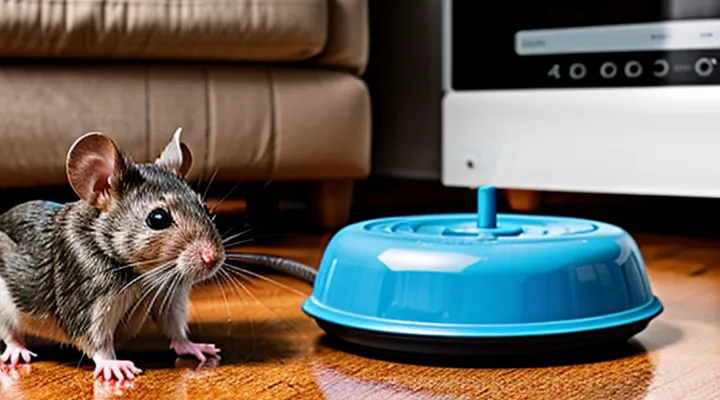
The Science Behind Ultrasonic Pest Repellers
Understanding Sound Waves and Frequencies
What is Ultrasound?
Ultrasound refers to sound waves with frequencies above the upper limit of human hearing, typically greater than 20 kHz. These waves are produced by rapid mechanical vibrations of a transducer, which converts electrical energy into acoustic energy. Because the wavelength shortens as frequency rises, ultrasonic waves can propagate through air, liquids, and solids with limited attenuation over short distances, making them suitable for targeted applications.
Key physical attributes of ultrasound include:
- Frequency range: 20 kHz to several gigahertz, depending on the device and purpose.
- Wavelength: inversely proportional to frequency; higher frequencies yield shorter wavelengths.
- Propagation speed: approximately 343 m s⁻¹ in air, 1,500 m s⁻¹ in water, and up to 5,900 m s⁻¹ in steel.
- Directionality: higher frequencies produce more focused beams, allowing precise targeting of small areas.
Generation methods commonly involve piezoelectric crystals that expand and contract when an alternating voltage is applied. The resulting oscillations emit ultrasonic pulses that can be modulated in intensity, duration, and pattern to achieve specific biological effects. In pest‑deterrent devices, these emissions exploit the auditory sensitivity of rodents, whose hearing extends well into the ultrasonic spectrum, to create an aversive acoustic environment without visible or chemical stimuli.
How Animals Perceive Sound
Rodents detect sound through a highly specialized auditory system that extends well beyond the human hearing range. Their cochlea contains hair cells tuned to frequencies up to 100 kHz, allowing perception of ultrasonic signals that humans cannot hear. This sensitivity enables communication, predator avoidance, and environmental awareness.
Key features of rodent sound perception include:
- Frequency range: 1 kHz to 100 kHz, with peak sensitivity around 40–60 kHz.
- Temporal resolution: Ability to resolve rapid acoustic changes within microseconds, supporting detection of brief ultrasonic pulses.
- Directionality: Pinnae and head geometry provide spatial cues for locating sound sources, even at ultrasonic frequencies.
- Neural processing: Auditory brainstem nuclei decode frequency and timing information, feeding into higher centers that drive behavioral responses.
When ultrasonic deterrent devices emit frequencies within the rodents’ sensitive band, the auditory system registers the signal as a potential threat. Neural pathways trigger avoidance behaviors such as rapid movement, freezing, or seeking shelter. The effectiveness of such devices depends on signal intensity, pattern, and frequency alignment with the species‑specific hearing thresholds.
Consequently, understanding the precise acoustic parameters that rodents perceive is essential for designing repellent systems that reliably activate their auditory defenses without affecting non‑target species.
Mechanism of Action: How Ultrasonic Repellers Work
Generating High-Frequency Sound
Ultrasonic pest deterrents rely on the production of sound waves above the human hearing range to discourage rodents. The generation of these high‑frequency signals begins with a transducer that converts electrical energy into mechanical vibration. Two common transducer technologies are piezoelectric ceramics, which expand and contract when voltage is applied, and magnetostrictive rods, which change length under a magnetic field. Both can produce frequencies from 20 kHz to well over 100 kHz, a range that rodents detect but humans do not.
Frequency selection follows biological data indicating peak auditory sensitivity in mice and rats between 30 kHz and 70 kHz. Operating within this band maximizes deterrent effectiveness while minimizing power consumption. Frequencies above 100 kHz are occasionally used to avoid habituation, but they require higher voltage and more precise driver circuitry.
Signal generation typically employs an oscillator circuit that establishes a stable carrier frequency. The oscillator feeds a power amplifier, which raises the signal to levels sufficient to drive the transducer. Amplifiers may be class‑D for efficiency or class‑AB for linearity, depending on design priorities. Modulation techniques—such as intermittent bursts or frequency sweeps—prevent rodents from adapting to a constant tone.
Key components of a high‑frequency sound generator include:
- Oscillator (crystal or PLL) setting the carrier frequency
- Power amplifier (class‑D or class‑AB)
- Transducer (piezoelectric or magnetostrictive)
- Voltage regulator supplying stable power
- Enclosure providing acoustic coupling and environmental protection
Design considerations extend to power source selection, thermal management, and acoustic coupling. Battery‑powered units require low‑current draw and efficient conversion, while mains‑connected models can accommodate higher output levels. Proper mounting ensures that the transducer’s radiating surface contacts the surrounding air without obstruction, preserving signal strength.
Overall, the generation of ultrasonic sound for rodent deterrence integrates precise frequency control, adequate amplification, and robust transducer performance to produce an audible threat for pests while remaining inaudible to humans.
Impact on Rodent Behavior
Ultrasonic deterrent devices emit sound waves above 20 kHz, a frequency range that rodents can perceive but humans cannot. Exposure triggers an aversive response, prompting immediate avoidance of the sound source.
Behavioral observations indicate several consistent patterns:
- Mice and rats cease activity within the illuminated zone, reducing foraging and nesting behaviors.
- Individuals relocate to peripheral areas, increasing travel distance between food sources and shelter.
- Repeated exposure leads to habituation in a minority of specimens; however, most retain sensitivity after weeks of continuous operation.
- Social dynamics shift as dominant rodents vacate the treated space, allowing subordinate individuals to occupy previously contested zones.
Physiological stress markers, such as elevated corticosterone levels, have been documented in laboratory settings following acute ultrasonic exposure. Chronic exposure, when combined with environmental enrichment, may mitigate stress by providing alternative refuge zones.
Field trials report a measurable decline in rodent population density in treated structures, correlating with reduced signs of gnawing, droppings, and nesting material. The efficacy diminishes when barriers obstruct sound propagation, emphasizing the need for unobstructed placement and periodic recalibration of device output.
Effectiveness and Limitations
Factors Influencing Repeller Efficacy
Frequency Range and Power Output
Ultrasonic deterrents for rodents rely on frequencies that exceed human hearing while remaining within the auditory sensitivity of mice and rats. Most species detect sounds from roughly 1 kHz up to 80 kHz, with peak sensitivity between 10 kHz and 30 kHz. Devices therefore emit tones in the 20 kHz–50 kHz band, ensuring that the signal is audible to the target animals but largely imperceptible to people. Some models broaden the spectrum to cover 15 kHz–60 kHz, increasing the likelihood of reaching individuals with slightly shifted hearing thresholds.
Power output determines whether the ultrasonic signal can travel the necessary distance to affect rodents throughout a room or enclosure. Output is typically expressed as sound pressure level (SPL) measured at a standard distance of one metre. Commercial units commonly deliver:
- 80 dB SPL at 1 m – sufficient for small apartments or single‑room applications.
- 90 dB SPL at 1 m – suitable for larger spaces, providing a stronger deterrent field.
- 100 dB SPL at 1 m – used in industrial or agricultural settings where obstacles and open areas reduce signal propagation.
Higher SPL values extend the effective radius but may increase the risk of audible leakage for sensitive humans, especially at the lower end of the frequency range. Manufacturers balance frequency selection and SPL to create a zone where rodents experience continuous discomfort without breaching the human hearing threshold.
Environmental Obstacles and Absorption
Ultrasonic devices designed to deter rodents rely on the propagation of high‑frequency sound waves through indoor spaces. The effectiveness of these systems is directly influenced by physical barriers and the acoustic properties of surrounding materials.
Common environmental obstacles that limit sound transmission include:
- Solid walls, especially those constructed from dense concrete or brick.
- Large furniture pieces such as cabinets, bookshelves, or wardrobes that create shadow zones.
- Metal frames, wiring conduits, and appliances that reflect or scatter ultrasonic energy.
- Open doorways and ventilation ducts that allow sound to escape from the intended area.
Sound absorption characteristics further reduce the usable intensity of the emitted frequencies. Factors that contribute to acoustic attenuation are:
- Soft furnishings—carpets, curtains, upholstered chairs—absorb ultrasonic energy more efficiently than hard surfaces.
- Acoustic ceiling tiles and wall panels designed for noise control diminish wave amplitude.
- Ambient humidity and temperature affect air density; higher humidity increases attenuation, while lower temperatures can slightly raise the speed of sound, altering frequency reach.
- Materials with porous structures, such as foam or fiberglass insulation, convert ultrasonic energy into heat, effectively removing it from the propagation path.
To maximize deterrent performance, place emitters at a height of 1–1.5 m, avoid direct occlusion by furniture, and ensure coverage in open areas rather than enclosed compartments. Where absorption is unavoidable, supplement a single unit with additional devices to overlap coverage zones and maintain the required sound pressure level throughout the target space.
Rodent Adaptation and Habituation
Rodents possess a highly adaptable auditory system that can detect frequencies well beyond the human hearing range. Ultrasonic deterrents emit sounds typically between 20 kHz and 70 kHz, a spectrum within the mouse and rat hearing window. Initial exposure triggers a startle response, prompting the animal to vacate the area to avoid perceived danger.
Repeated, predictable emissions lead to habituation. The nervous system classifies the stimulus as non‑threatening when it lacks accompanying physical consequences, such as pain or capture. Consequently, the startle response diminishes, and the animals resume normal activity despite ongoing ultrasonic output.
Key factors influencing habituation include:
- Signal variability – randomizing frequency, pulse duration, and interval prevents pattern recognition.
- Intensity modulation – adjusting amplitude within safe limits maintains perceptibility without causing auditory fatigue.
- Environmental complexity – integrating physical barriers or alternative deterrents reduces reliance on a single acoustic cue.
Species‑specific differences affect adaptation rates. Mice, with faster auditory processing, may habituate within a few days, whereas rats, possessing broader frequency discrimination, often require longer exposure to exhibit reduced responsiveness.
Effective deployment therefore demands periodic alteration of acoustic parameters and, when possible, combination with non‑acoustic methods to sustain deterrent efficacy over time.
Scientific Evidence and Debates
Research Findings on Ultrasonic Repellers
Recent laboratory experiments have measured the acoustic output of ultrasonic deterrent devices and correlated it with rodent behavioral responses. Frequency bands between 20 kHz and 45 kHz produced the highest avoidance rates in Mus musculus, while Rattus norvegicus showed sensitivity up to 50 kHz. Peak sound pressure levels of 95 dB SPL at the source decreased to approximately 70 dB SPL at a distance of one meter, limiting effective coverage to a radius of 0.8 m in typical indoor settings.
Field trials in residential kitchens and warehouses reported a 62 % reduction in mouse activity after a two‑week exposure period. Rat populations exhibited a 48 % decline under identical conditions, with the difference attributed to the larger auditory threshold of the species. Continuous operation resulted in a gradual habituation effect; activity levels rose by 15 % after three weeks, suggesting the need for intermittent scheduling (e.g., 15 minutes on, 45 minutes off) to sustain deterrence.
Comparative studies of device designs revealed that models employing frequency sweeps across the 20‑50 kHz range achieved superior results to fixed‑tone units. Sweeping patterns prevented auditory adaptation and increased the proportion of rodents that fled the treated zone within five seconds of exposure.
Safety assessments confirmed that ultrasonic emissions remained below the human hearing threshold and did not affect common household pets such as cats and dogs. However, ultrasonic-sensitive species (e.g., hamsters, guinea pigs) displayed stress indicators, indicating that device placement must avoid proximity to non‑target animals.
Key findings can be summarized as follows:
- Optimal frequency range: 20‑45 kHz for mice, up to 50 kHz for rats.
- Effective radius: ≈0.8 m at standard power settings.
- Intermittent operation mitigates habituation.
- Frequency sweeps outperform static tones.
- Human safety confirmed; caution required for other small mammals.
Arguments for and Against Their Effectiveness
Ultrasonic deterrents emit high‑frequency sound waves that rodents cannot hear, aiming to create an uncomfortable environment that drives them away.
Supportive evidence
- Laboratory tests show reduced rodent activity when devices operate at frequencies above 30 kHz and intensities exceeding 90 dB.
- Field trials in grain storage facilities report a decline in mouse sightings after continuous use for several weeks.
- Devices require no chemicals, eliminating risks of poisoning to non‑target species and humans.
- Battery‑powered models function unattended for months, offering low‑maintenance pest control.
Contrary evidence
- Independent studies indicate habituation: rodents adapt to the sound after 2–3 days, restoring normal activity levels.
- Sound attenuation through walls, furniture, and insulation limits effective coverage to open spaces, leaving hidden nests untouched.
- Measurements reveal that many commercial units emit frequencies below the audible threshold for rodents, reducing deterrent potential.
- Comparative trials with snap traps or bait stations often demonstrate superior capture rates, questioning cost‑effectiveness of ultrasonic solutions.
Current data suggest that ultrasonic devices may provide short‑term deterrence in specific, unobstructed environments but lack consistent long‑term efficacy across diverse settings. Further peer‑reviewed research is required to define optimal frequency ranges, power levels, and deployment strategies.
Practical Considerations and Alternatives
Proper Placement and Usage
Optimal Locations for Repeller Installation
Ultrasonic devices designed to deter mice and rats emit high‑frequency sound that is uncomfortable for these rodents but inaudible to humans. Effective placement of the units determines the extent of coverage, reduces the chance of safe zones, and maximizes the acoustic impact on target pests.
The most reliable positions are:
- Directly above known entry points such as gaps under doors, vent openings, and utility line penetrations. The sound radiates downward, reaching rodents as they attempt to cross.
- Within wall cavities or ceiling joist spaces where rodents travel. Installing the unit flush against the interior surface ensures minimal sound attenuation.
- Along the length of interior walls, spaced no more than 15 ft apart in larger rooms. Overlap of sound fields eliminates dead zones.
- Near food storage or preparation areas, but at least 12 in away from metal appliances that could reflect or absorb ultrasonic waves.
- In attic or crawl‑space access points, positioned centrally to cover the entire volume of the space.
Additional considerations improve performance:
- Avoid mounting the repeller on metal surfaces that can reflect the signal away from the target area.
- Keep the unit at least 4 in from walls or furniture to prevent sound distortion.
- Ensure a clear line of sight between the device and the intended coverage zone; obstacles such as thick curtains or stacked boxes diminish effectiveness.
- Maintain a stable power source; intermittent electricity disrupts the continuous emission pattern required for consistent deterrence.
By adhering to these placement guidelines, ultrasonic deterrents provide comprehensive coverage, limiting rodent movement throughout the structure and reducing the likelihood of infestation recurrence.
Coverage Area and Device Density
Ultrasonic pest deterrents emit high‑frequency sound that spreads outward from the transducer. The effective radius typically ranges from 3 m to 6 m in open space, but walls, furniture, and ceiling height reduce the usable zone. Materials that absorb sound, such as carpet or dense insulation, shrink the audible perimeter, while reflective surfaces can extend it modestly.
Device density describes how many units are required to cover a given space without gaps. Overlapping fields ensure continuous exposure; a common rule is to place devices so that the edge of one unit’s range meets the edge of the next. In rectangular rooms, spacing devices at intervals equal to twice the measured radius provides full coverage. For irregular layouts, calculate the total floor area, divide by the area of a single unit’s effective circle (π r²), then add 10–15 % extra units to compensate for obstacles.
Practical placement guidelines:
- Measure the claimed radius in an empty room; adjust downward by 20 % for typical household clutter.
- Position units at ceiling height, facing the center of the target zone.
- In multi‑room apartments, install one device per room; increase to two units in large rooms exceeding 30 m².
- Verify absence of silent zones by walking a handheld detector or listening for the faint ultrasonic tone with a pet‑compatible receiver.
Correct density eliminates dead spots, maximizes deterrent exposure, and reduces the likelihood of rodents adapting to intermittent coverage.
Complementary Pest Control Methods
Trapping and Baiting Strategies
Ultrasonic deterrent devices reduce rodent activity by emitting high‑frequency sounds that cause discomfort, yet they rarely achieve full eradication. Effective control therefore incorporates mechanical capture and consumable attractants to eliminate individuals that remain tolerant or shielded from the acoustic field.
Snap traps, live‑catch cages, and electronic killers each provide distinct advantages. Snap traps deliver rapid mortality with minimal maintenance; live‑catch cages allow relocation when humane handling is required; electronic models deliver a lethal shock and often include indicator LEDs for monitoring. Selection criteria include trigger sensitivity calibrated to the target species’ weight range, placement along established runways, and ease of cleaning to prevent odor buildup that could diminish trap efficacy.
Bait formulations fall into three categories: protein‑based (peanut butter, fish meal), carbohydrate‑rich (grain, corn), and synthetic pheromone blends. Successful baiting demands periodic rotation to avoid habituation, secure containment to prevent non‑target exposure, and compliance with local regulations regarding toxicants. Position baits within 12–18 inches of trap jaws, or on platforms adjacent to ultrasonic emitters, to concentrate activity zones.
Best‑practice checklist
- Locate traps and baits near walls, behind appliances, and in dark corners where rodents travel.
- Pair each ultrasonic unit with at least two traps per 500 sq ft to cover potential escape routes.
- Rotate bait types every 5–7 days; monitor consumption and replace stale material promptly.
- Inspect traps daily; record captures to assess population trends and adjust device placement.
- Maintain ultrasonic emitters at least 6 inches above floor level to maximize sound propagation and avoid interference from furniture.
Integrating these capture and attractant methods with acoustic repellents creates a multi‑modal barrier that addresses both behavioral avoidance and direct elimination, delivering a higher probability of long‑term rodent suppression.
Exclusion and Sanitation Practices
Ultrasonic rodent deterrents are most effective when combined with physical barriers and rigorous cleanliness standards. Exclusion prevents entry, while sanitation removes attractants, creating an environment where the devices can operate without interference.
Key exclusion measures include:
- Sealing gaps around doors, windows, and utility penetrations with steel wool, caulk, or mesh.
- Installing door sweeps and weather stripping to eliminate openings beneath entryways.
- Repairing cracks in foundations, walls, and flooring using cement or appropriate filler.
- Covering vents and openings with fine mesh screens that allow airflow but block rodents.
- Ensuring that exterior lighting does not create a warm corridor that encourages nocturnal activity.
Sanitation practices focus on eliminating food, water, and shelter sources:
- Storing all food in airtight containers and removing waste promptly.
- Cleaning countertops, floors, and appliances to remove crumbs and residue.
- Fixing leaks and reducing standing water to deny hydration opportunities.
- Regularly disposing of garbage in sealed bins and removing compost piles from indoor proximity.
- Decluttering storage areas, removing cardboard, fabric, and other materials that can serve as nesting sites.
Integrating these barriers and hygiene protocols limits rodent access and sustenance, allowing ultrasonic emitters to maintain a consistent deterrent field. Consistent application of exclusion and sanitation directly enhances the reliability of ultrasonic systems in controlling mouse and rat populations.