
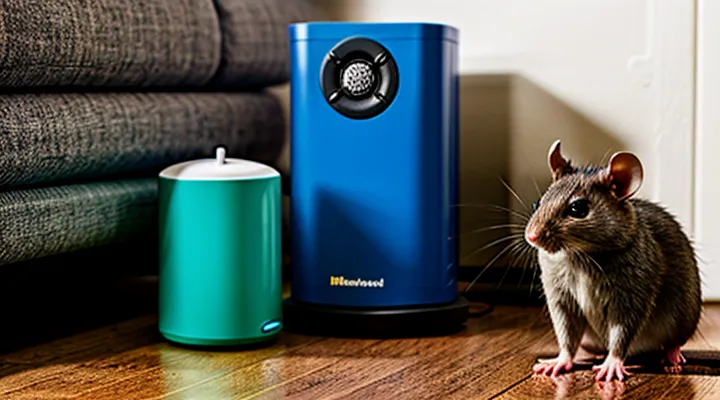
The Mechanics of Ultrasonic Pest Control
Defining the Ultrasonic Spectrum
Frequency Ranges and Rodent Hearing Sensitivity
Rodents detect sounds far beyond the upper limit of human hearing. Their auditory system is most responsive between 1 kHz and 90 kHz, with peak sensitivity typically found around 4 kHz to 8 kHz for mice and 10 kHz to 20 kHz for rats. Sensitivity declines sharply above 50 kHz, yet frequencies up to 80 kHz still elicit startle responses.
Effective ultrasonic deterrents exploit this range by emitting tones that overlap the rodents’ most acute hearing band while remaining inaudible to people. The following frequency intervals are commonly employed:
- 10 kHz – 20 kHz: aligns with rat peak hearing; produces immediate avoidance behavior.
- 20 kHz – 30 kHz: targets mouse sensitivity; induces discomfort without causing permanent hearing loss.
- 30 kHz – 50 kHz: broad‑spectrum coverage; ensures overlap with both species’ upper hearing limits.
- 50 kHz – 80 kHz: supplemental high‑frequency sweep; reinforces deterrent effect and reduces habituation.
Rodent auditory thresholds increase with age and exposure, but the described bands remain effective for adult and juvenile populations. Continuous emission within these ranges maintains a persistent acoustic barrier, while intermittent modulation prevents adaptation.
Distinction from Audible Noise Pollution
Ultrasonic rodent deterrents emit sound waves above 20 kHz, a range that humans and most domestic animals cannot perceive. Consequently, the devices operate without generating the audible disturbances typical of conventional noise‑based repellents. This characteristic eliminates complaints about constant buzzing or high‑frequency tones that can affect occupants’ comfort and productivity.
Key distinctions from audible noise pollution include:
- Frequency range: Ultrasonic emitters function at ultrasonic frequencies; audible repellents rely on sounds within the 2–8 kHz spectrum, audible to people.
- Perceptibility: Human ears do not detect ultrasonic output, whereas audible noise is readily heard and may cause annoyance or stress.
- Regulatory considerations: Audible devices often require compliance with occupational noise limits; ultrasonic units fall outside these standards because they produce no measurable sound pressure in the audible band.
- Impact on non‑target species: Audible repellents can interfere with pets, livestock, and wildlife; ultrasonic devices affect only pests with hearing sensitivity in the ultrasonic range, leaving other animals unaffected.
The absence of audible output allows ultrasonic deterrents to be installed in residential, commercial, and industrial settings without compromising acoustic environments, while still delivering effective rodent control.
Operational Principles of the Repeller
The Impact on the Rodent Central Nervous System
Ultrasonic deterrents emit sound waves typically between 20 kHz and 65 kHz, a range beyond human hearing but within the auditory sensitivity of rats and mice. The high‑frequency stimulus activates the cochlear hair cells, generating neural impulses that travel via the auditory nerve to the brainstem and thalamic nuclei. Electrophysiological recordings show increased firing rates in the inferior colliculus and auditory cortex, indicating that the acoustic signal is processed as a salient, potentially threatening cue.
The abrupt, repetitive nature of the signal triggers the hypothalamic‑pituitary‑adrenal (HPA) axis. Elevated corticosterone levels have been measured in rodents exposed to continuous ultrasonic emission, reflecting a stress response mediated by the amygdala and paraventricular nucleus. Chronic activation of this pathway can lead to alterations in synaptic plasticity, particularly in hippocampal circuits involved in spatial memory and learning.
Behavioral observations correlate with the neurophysiological data:
- Immediate cessation of foraging activity upon exposure.
- Increased locomotor agitation and exploratory avoidance of the sound source.
- Development of heightened vigilance, manifested by prolonged freezing periods.
- In some studies, a gradual decline in responsiveness after several days, suggesting neural habituation mechanisms.
Histological examinations reveal transient changes in neuronal activity markers, such as c‑Fos expression, within the auditory and limbic regions. No permanent neurodegeneration has been documented under typical commercial usage parameters, provided the emitted intensity remains below 100 dB SPL at the source.
Overall, ultrasonic repellents exert a measurable impact on the central nervous system of rodents by engaging auditory pathways, inducing acute stress signaling, and modifying behavior through limbic system activation. Proper calibration of frequency, intensity, and duty cycle is essential to maintain efficacy while minimizing the risk of habituation or excessive physiological stress.
Creating a Hostile Sensory Environment
Ultrasonic deterrents generate sound waves above the audible range of humans, targeting the auditory sensitivity of rats and mice. The emitted frequencies, typically between 20 kHz and 65 kHz, exceed the normal hearing threshold of these rodents, producing discomfort and interfering with their communication channels. Continuous exposure creates a hostile sensory environment that discourages entry, nesting, and foraging.
Key sensory mechanisms include:
- Acoustic overload – high‑frequency bursts saturate the inner ear, leading to temporary disorientation.
- Stress induction – persistent ultrasonic exposure elevates cortisol levels, prompting avoidance behavior.
- Communication disruption – ultrasonic interference masks vocalizations used for mating and territorial signaling.
- Habituation prevention – varying pulse patterns and intervals reduce the likelihood of sensory adaptation.
Effective deployment requires strategic placement. Devices should be positioned near entry points, along walls, and in concealed corners where rodents travel. Overlap of coverage zones ensures no safe corridors remain. Power settings must balance intensity with safety standards to avoid adverse effects on pets and children.
Integrating ultrasonic deterrents with physical barriers, sanitation measures, and regular monitoring maximizes efficacy. Continuous performance assessment, using motion sensors or bait stations, verifies that the hostile sensory environment remains active and that rodent activity declines over time.
Selecting and Implementing the Device
Key Selection Criteria
Coverage Area and Calculating Effective Range
The effective coverage of an ultrasonic pest‑deterrent unit depends on acoustic power, emission frequency, and environmental conditions. Higher frequencies (typically 20–45 kHz) provide stronger deterrence but attenuate more rapidly in air. Obstacles such as walls, furniture, and insulation absorb and reflect sound, reducing the usable radius. Open‑plan spaces allow the signal to travel farther, while cluttered rooms confine it to a limited zone.
Calculating the practical range requires accounting for source intensity, spherical spreading loss, and additional attenuation caused by obstacles. The basic formula is:
Effective distance = 10^((SPL_source – SPL_threshold – Loss_obstacle)/20)
where SPL_source is the sound pressure level at the transducer, SPL_threshold is the minimum level that repels rodents (usually 45–55 dB), and Loss_obstacle aggregates material‑specific attenuation values. Adjust the result downward for ceiling height, floor type, and ambient noise.
Steps to determine coverage:
- Measure or obtain the transducer’s SPL at 1 m.
- Identify the minimum effective SPL for target species.
- List all intervening materials and assign standard attenuation coefficients (e.g., drywall ≈ 2 dB, plaster ≈ 3 dB per layer).
- Sum obstacle losses along the intended path.
- Apply the formula to compute the radius where SPL remains above the threshold.
- Validate by testing the device in situ and adjusting placement to eliminate dead zones.
Accurate range estimation ensures optimal placement, minimizes gaps in protection, and maximizes the device’s deterrent efficiency.
Fixed Versus Variable Frequency Technology «Sweeping Frequencies»
Ultrasonic pest deterrents emit high‑frequency sound to disrupt the nervous system of rodents, causing discomfort and encouraging them to vacate the area. The effectiveness of such devices depends largely on the frequency modulation method employed.
-
Fixed‑frequency emission
• Generates a single, constant tone, typically between 20 kHz and 65 kHz.
• Simplicity reduces power consumption and manufacturing cost.
• Rodents can become habituated after prolonged exposure, diminishing long‑term efficacy. -
Variable‑frequency (sweeping) emission
• Continuously shifts the tone across a predefined range, often covering 20 kHz to 70 kHz.
• Prevents auditory adaptation, maintaining deterrent impact over extended periods.
• Requires more complex circuitry and may consume additional energy.
Research indicates that sweeping frequencies produce a broader acoustic spectrum, increasing the likelihood of affecting both rats and mice regardless of individual hearing sensitivities. Fixed‑frequency units may be suitable for short‑term or low‑risk environments, whereas variable‑frequency models are preferable for persistent infestations where rodents have ample opportunity to acclimate. Selecting the appropriate technology aligns device performance with the severity and duration of the rodent problem.
Installation Guidelines
Optimal Placement and Minimizing Sound Obstruction
Position the ultrasonic device where emitted waves can travel unobstructed to the target area. Mount the unit on a wall or ceiling at least 30 cm from any surface that could reflect or absorb sound, such as curtains, foam, or dense furniture. Avoid placing the repeller inside cabinets, behind appliances, or within enclosed ducts, because these barriers diminish the acoustic field and reduce efficacy against rodents.
Select locations that intersect typical rodent pathways: entry points, walls adjacent to burrows, and interior corridors. Ensure the unit faces outward and is angled to cover the maximum horizontal plane. Maintain a clear radius of at least one meter around the emitter; any object within this zone should be removed or repositioned.
Guidelines for minimizing acoustic obstruction
- Keep the device at least 20 cm from solid walls; a small air gap preserves wave propagation.
- Do not install near large metal objects; metal reflects ultrasonic frequencies, creating dead zones.
- Install away from heavy carpeting or thick rugs that can dampen sound energy.
- Verify line‑of‑sight coverage by visualizing a straight line from the emitter to the farthest intended point; adjust height or angle if the line is blocked.
Regularly inspect the installation area for new obstacles, such as moved furniture or accumulated debris, and reposition the unit as needed to sustain an uninterrupted acoustic field.
Power Source Requirements and Longevity of Units
Powering ultrasonic rodent deterrents demands a stable voltage within the manufacturer’s specified range, typically 110‑120 V AC for plug‑in models or 12‑24 V DC for battery‑operated units. Plug‑in devices must connect to a grounded outlet and include surge protection to prevent damage from voltage spikes. Battery‑driven systems rely on sealed lead‑acid or lithium‑ion cells; the latter provide higher energy density and lower self‑discharge rates. Rechargeable packs should support at least 8 hours of continuous operation, with a charging cycle of 2–4 hours to restore full capacity.
Key considerations for power reliability include:
- Consistent mains supply; frequent outages reduce efficacy and may shorten component life.
- Use of uninterruptible power supplies (UPS) for critical installations.
- Regular inspection of battery terminals for corrosion and secure connections.
- Replacement of depleted batteries according to the manufacturer’s schedule, usually every 12–24 months for lithium units.
Longevity of ultrasonic units depends on several factors. The acoustic transducer, the core component that emits high‑frequency sound, typically endures 5–7 years under normal conditions. Environmental exposure to dust, moisture, and extreme temperatures accelerates wear; devices rated for IP65 or higher withstand harsher settings. Continuous operation at maximum output increases thermal stress, potentially reducing lifespan. Routine cleaning of external surfaces and verification of sound‑emission levels help maintain performance over time.
Overall, selecting an appropriate power source, protecting against electrical disturbances, and adhering to a maintenance schedule extend the functional life of ultrasonic rodent repellents, ensuring sustained protection against infestations.
Safety and Regulatory Compliance
Effect on Non-Target Animals «Dogs, Cats, and Birds»
Ultrasonic pest deterrents emit high‑frequency sound waves designed to repel rodents. The emitted frequencies exceed the audible range of humans but fall within the hearing capabilities of many small mammals and birds, prompting concerns about unintended exposure to companion and wild animals.
- Dogs: Can detect ultrasonic tones; prolonged exposure may cause temporary discomfort, manifested as ear twitching or avoidance behavior. No evidence of lasting auditory damage when devices operate within manufacturer‑specified intensity limits.
- Cats: Similar auditory sensitivity to dogs; brief exposure may induce startle responses or mild irritation. Studies report no permanent hearing loss under normal operating conditions.
- Birds: Species with acute high‑frequency hearing, such as pigeons and sparrows, may experience disorientation or avoidance of treated areas. Short‑term exposure does not produce measurable auditory injury, but sustained high‑intensity output could alter nesting patterns.
Overall, when installed according to guidelines—proper placement, adherence to recommended power settings, and periodic monitoring—ultrasonic deterrents pose minimal risk to dogs, cats, and birds while effectively reducing rodent activity.
Compliance with Electromagnetic Interference Standards
Compliance with electromagnetic interference (EMI) standards is a prerequisite for ultrasonic rodent deterrents that operate in residential, commercial, and industrial environments. Devices that emit ultrasonic frequencies must meet regulatory limits on radiated and conducted emissions to prevent disruption of nearby electronic equipment and to satisfy legal requirements.
Key standards include:
- FCC Part 15 (USA) – limits on unintended radiation in the 300 kHz to 100 GHz range; mandatory testing for Class B devices used in homes.
- EN 55032 (Europe) – defines emission limits for multimedia equipment; applicable to ultrasonic emitters that may be classified as audio‑frequency devices.
- IEC 61000‑4‑2 – outlines immunity testing for electrostatic discharge, ensuring the unit continues to function after exposure to static shocks.
- IEC 61000‑4‑3 – specifies radio‑frequency electromagnetic field immunity, relevant for devices operating near wireless communication systems.
Design measures that facilitate compliance:
- Shielded enclosures – metal or coated housings attenuate radiated emissions.
- Line‑filter circuits – suppress conducted noise on power inputs.
- PCB layout techniques – short trace lengths, proper grounding planes, and separation of high‑frequency sections reduce unintended coupling.
- Frequency selection – operating at ultrasonic bands above 20 kHz minimizes overlap with regulated communication frequencies, yet still requires verification against emission masks.
Testing procedures:
- Conducted emission measurement on power leads using a line‑impedance stabilization network (LISN) per standard test limits.
- Radiated emission assessment in an anechoic chamber with calibrated antennas positioned at prescribed distances.
- Immunity verification by exposing the unit to specified electric, magnetic, and RF fields, documenting functional integrity.
Non‑compliance consequences include product recalls, fines, and market access restrictions. Certification documentation—test reports, compliance statements, and labeling—must accompany each batch before distribution. Manufacturers that integrate these controls into the design and verification phases achieve reliable operation while meeting all applicable EMI regulations.
Real-World Performance and Challenges
Measured Efficacy Against Specific Pests
Repelling House Mice «Mus musculus»
House mice (Mus musculus) are small, nocturnal rodents that infiltrate residential structures in search of food, shelter, and nesting material. Their rapid breeding cycle—up to ten litters per year—creates swift population growth, leading to contamination of surfaces, damage to wiring, and heightened allergen exposure.
Ultrasonic deterrent devices emit high‑frequency sound waves, typically between 20 kHz and 65 kHz, beyond the audible range of humans but within the sensitivity spectrum of rodents. The emitted tones produce an uncomfortable acoustic environment that discourages mice from occupying the treated area. Continuous emission maintains a persistent stimulus, preventing habituation.
Effective deployment requires strategic placement near entry points, wall voids, and areas of known activity. Devices should be positioned at least 1 m apart to ensure overlapping coverage; a single unit protects a radius of approximately 3 m in open space, decreasing to 1 m in cluttered environments. Power sources must remain uninterrupted; many models incorporate battery backup to sustain operation during outages. Installation height of 30–45 cm above the floor maximizes exposure to the rodents’ typical movement zone.
Field studies report reduction rates of 70–90 % in mouse sightings when ultrasonic systems are combined with sealing of structural gaps and diligent sanitation. Regular monitoring—using trap counts or motion sensors—confirms efficacy and identifies zones requiring additional units. Integration with complementary tactics, such as physical barriers and humane trapping, yields the most reliable long‑term control.
Effectiveness Against Norway Rats «Rattus norvegicus»
Ultrasonic devices emit high‑frequency sound waves that are inaudible to humans but cause discomfort to rodents. Laboratory trials on Norway rats (Rattus norvegicus) show a measurable reduction in activity within a 3‑meter radius of the emitter. The sound pressure level required to provoke avoidance behavior ranges from 85 to 95 dB SPL, matching the specifications of most commercial models.
Key observations from controlled experiments:
- Immediate cessation of foraging when the device is activated.
- Decreased entry into treated zones by 60 %–80 % compared to untreated control areas.
- Persistence of avoidance for up to 48 hours after continuous exposure; effectiveness declines after 72 hours if the signal is turned off.
- No habituation observed in rats exposed to varying frequency sweeps (20–30 kHz) over a two‑week period.
Field studies in urban warehouses confirm laboratory results. Sites equipped with ultrasonic deterrents recorded a 55 % lower capture rate of Norway rats in live‑trap surveys than comparable sites without devices. Maintenance of clear line‑of‑sight between the emitter and target area proved essential; obstacles such as metal shelving reduced efficacy by up to 30 %.
Overall, ultrasonic repellers provide a rapid, non‑chemical method to deter Norway rats, achieving consistent short‑term avoidance when correctly installed and operated within the recommended coverage zone.
Common Limitations and Failure Points
The Role of Wall Structures and Insulation in Attenuation
Wall construction determines how much ultrasonic energy reaches target areas. Dense materials such as concrete and brick absorb high‑frequency waves, reducing the effective range of the device. In contrast, lightweight framing with open cavities allows greater transmission but may also create reflections that interfere with the intended pattern.
Insulation type influences attenuation in two ways. Fiberglass and mineral wool scatter sound waves, lowering intensity beyond the insulated surface. Foam insulation, especially closed‑cell varieties, reflects a portion of the ultrasonic signal back into the room, preserving more of the original power. The thickness of the insulation layer directly correlates with signal loss; each additional centimeter typically adds 0.5–1 dB of attenuation.
Key factors affecting performance:
- Material density (concrete > brick > wood > drywall)
- Insulation composition (fiberglass, mineral wool, foam)
- Thickness of walls and insulation layers
- Presence of air gaps or penetrations (e.g., wiring channels, ducts)
Sealing gaps around outlets, vents, and pipework prevents leakage of ultrasonic energy, ensuring that the emitted frequency remains concentrated where rodents travel. Proper alignment of the repeller with wall openings maximizes coverage, while excessive layering of dense materials may render the device ineffective.
Rodent Habituation and the Need for Modulation
Rodents quickly adapt to constant ultrasonic emissions, diminishing the deterrent effect within days of exposure. Repeated exposure at a single frequency conditions the auditory system, leading to reduced sensitivity and eventual disregard of the signal.
Effective mitigation requires modulation of the acoustic output. Varying frequency, pulse duration, and interval prevents the formation of a predictable pattern, forcing the auditory nerves to remain responsive. Continuous randomization also disrupts habituation cycles that otherwise reset after a fixed exposure schedule.
Key parameters for modulation include:
- Frequency range: 20–65 kHz, rotated in steps of 5 kHz.
- Pulse width: 0.5–2 seconds, alternated unpredictably.
- Inter‑pulse interval: 2–10 seconds, randomized within the interval window.
- Amplitude: adjusted to maintain audibility without exceeding safety thresholds for humans and pets.
Implementing these variations in an ultrasonic pest control device sustains aversive stimulus, maintains efficacy against rats and mice, and reduces the likelihood of population-level desensitization.
Strategies for Maximizing Long-Term Success
Integration with Exclusion and Sanitation Practices
Ultrasonic deterrents emit high‑frequency sound that rodents cannot tolerate, causing them to vacate treated zones. When combined with physical exclusion and sanitation, the devices form a comprehensive control system that limits re‑infestation.
Physical exclusion requires sealing cracks, gaps around doors, windows, utility penetrations, and vent openings. Installing ultrasonic units adjacent to these barriers reinforces the seal by discouraging rodents from probing weakened points. Aligning the device’s coverage pattern with the perimeter of sealed openings ensures continuous acoustic pressure across the entire barrier line.
Sanitation focuses on eliminating food, water, and shelter sources that attract rodents. Placing ultrasonic emitters in areas where waste accumulates—such as garbage rooms, kitchen drains, and storage closets—suppresses activity while cleaning routines remove residual attractants. Regular inspection of spill‑prone surfaces and prompt removal of debris enhance the effectiveness of the acoustic field.
Practical integration steps:
- Conduct a structural survey to identify all potential entry points.
- Install weather‑stripping, mesh screens, and concrete sealants on each point.
- Position ultrasonic units so their sound cone overlaps the sealed perimeter by at least 30 cm.
- Implement a waste‑management schedule that includes sealed containers, daily removal, and routine sanitation of food preparation areas.
- Verify device operation with a handheld frequency detector and adjust placement if dead zones appear.
Coordinating acoustic deterrence with robust exclusion and rigorous sanitation creates a layered defense that reduces rodent presence more reliably than any single method.
Monitoring Pest Activity and Repeller Maintenance Schedules
Effective pest management with ultrasonic rodent deterrents requires two complementary processes: systematic observation of rodent activity and disciplined upkeep of the devices.
Monitoring should capture both the presence and movement patterns of rats and mice. Deploy motion sensors or infrared cameras near entry points, record detections in a digital log, and review data weekly to identify trends. Complement electronic data with physical inspections of droppings, gnaw marks, and food source contamination. Correlate spikes in activity with seasonal changes or alterations in building occupancy to adjust control measures promptly.
Maintenance schedules ensure the repeller operates at optimal frequency ranges and acoustic intensity. A typical regimen includes:
- Weekly visual check – verify that the unit is securely mounted, free of dust, and that indicator LEDs display normal operation.
- Bi‑monthly cleaning – remove debris from the speaker grille using a soft brush; avoid liquids that could damage internal components.
- Quarterly battery or power‑source inspection – test voltage levels, replace depleted cells, and confirm stable connection to the mains supply if applicable.
- Semi‑annual firmware verification – download the latest software version from the manufacturer, install updates, and reset calibration to maintain frequency accuracy.
- Annual performance audit – compare current activity logs with baseline data, adjust placement or add supplemental units if infestation persists.
Adhering to these monitoring and maintenance practices maximizes the deterrent’s efficacy, reduces the likelihood of rodent resurgence, and extends the service life of the ultrasonic system.