
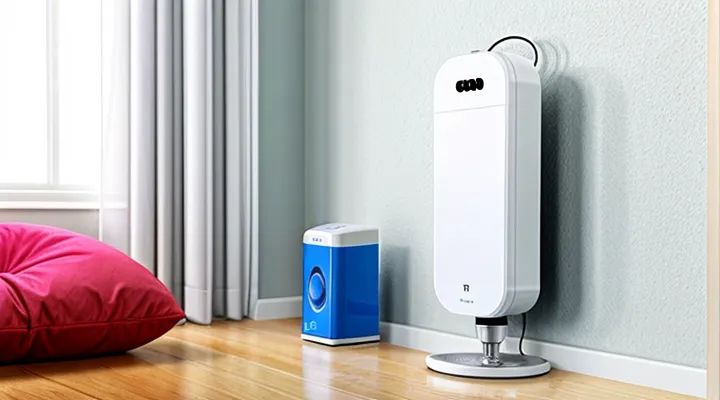
Understanding Ultrasonic Repellents
What Are Ultrasonic Repellents?
Definition and Basic Principle
Ultrasonic pest deterrents are electronic devices that emit sound waves at frequencies above the range of human hearing, typically between 20 kHz and 65 kHz. The emitted energy is designed to create an uncomfortable acoustic environment for small mammals, prompting them to vacate the area.
The operating principle relies on three physiological responses:
- Auditory overstimulation: Rodents detect the high‑frequency tones, which interfere with their natural hearing patterns and cause stress.
- Disorientation: Continuous exposure disrupts the animals’ navigation abilities, making it difficult for them to locate food or shelter.
- Behavioral aversion: Persistent ultrasonic emission conditions the rodents to associate the treated space with an unpleasant stimulus, leading to avoidance.
The system operates continuously or on a timed cycle, delivering pulses that maintain the deterrent effect while minimizing power consumption. Human safety is ensured because the frequencies lie beyond the audible spectrum for most adults, and the sound pressure levels remain well below thresholds that could cause tissue damage.
Types of Ultrasonic Devices
Ultrasonic devices designed to deter rodents fall into several distinct categories, each defined by power source, mounting method, and coverage capability.
-
Plug‑in units connect directly to a wall outlet, draw continuous power, and typically cover a single room or small area. Their fixed position ensures constant emission of frequencies between 20 kHz and 65 kHz, which are beyond human hearing but audible to mice and rats.
-
Battery‑operated models provide portability and can be placed in locations without access to electricity, such as attics or crawl spaces. Battery life varies with emission intensity; most devices operate for 6–12 months before replacement is required.
-
Handheld emitters combine a compact speaker with a trigger mechanism, allowing users to direct ultrasonic waves toward specific entry points or active rodent pathways. These devices are useful for spot treatment and inspection.
-
Professional‑grade systems integrate multiple emitters into a network, controlled by a central hub that synchronizes frequency patterns to prevent habituation. Installation often involves wall‑mounting or ceiling placement, with coverage extending across entire buildings or warehouses.
-
Smart‑home compatible devices link to Wi‑Fi or Bluetooth networks, enabling remote scheduling, intensity adjustment, and performance monitoring through mobile applications. They frequently include sensors that detect rodent activity and adjust output accordingly.
Selection of a device type depends on the scale of infestation, architectural constraints, and the need for continuous operation versus targeted intervention. All categories emit ultrasonic sound at levels that remain inaudible to humans, adhering to safety standards that limit exposure to frequencies above 20 kHz.
How Ultrasonic Repellents Work Against Pests
The Science Behind Ultrasonic Waves
Ultrasonic waves are pressure oscillations with frequencies exceeding the upper limit of human hearing, typically above 20 kHz. Their wavelength in air ranges from a few millimetres to a few centimetres, depending on frequency and temperature.
Generation of these waves relies on piezoelectric or ceramic transducers. An alternating voltage causes the material to expand and contract, producing a sound field at a precise frequency. Frequency stability is achieved through electronic oscillators that drive the transducer at a set voltage and duty cycle.
Propagation through air follows the same principles as audible sound: speed of approximately 343 m s⁻¹ at 20 °C, attenuation proportional to the square of frequency, and reflection from solid surfaces. High‑frequency components lose energy more rapidly, limiting effective range to a few metres in typical indoor environments.
Rodents possess auditory systems tuned to the ultrasonic band. Mice and rats detect frequencies from roughly 1 kHz up to 100 kHz, with peak sensitivity between 20 and 50 kHz. Exposure to intense pulses in this range can cause:
- Disruption of normal communication signals
- Startle reflex activation
- Temporary auditory fatigue
These physiological responses lead to avoidance behaviour, which underpins the repellent effect.
Human safety is governed by exposure limits such as those from IEC 60601‑2‑33 and OSHA. Devices marketed for pest control emit sound pressure levels below 80 dB SPL at the source, well under thresholds associated with auditory damage or tissue heating. Continuous operation at these levels does not produce measurable physiological effects in adults.
Practical constraints include:
- Rapid attenuation reduces efficacy beyond 2–3 m.
- Solid obstacles block line‑of‑sight transmission.
- Repeated exposure may lead to habituation in rodents, diminishing deterrence.
Understanding these physical characteristics clarifies why ultrasonic devices can influence rodent behaviour while remaining harmless to people when designed within established acoustic limits.
Frequency Ranges and Their Effects on Rodents
Ultrasonic devices targeting rodents operate primarily within three frequency bands.
- 20 kHz – 30 kHz: Near the upper limit of human hearing, this range produces audible squeals for many adults. Laboratory tests show temporary agitation in mice and rats, but habituation occurs after several minutes, reducing deterrent effectiveness.
- 30 kHz – 50 kHz: Commonly marketed as “standard” rodent repellent frequency. Studies indicate acute stress responses in both species, manifested by increased heart rate and avoidance of the sound source. Effectiveness persists for longer periods than the lower band, yet some individuals develop tolerance after repeated exposure.
- 50 kHz – 100 kHz: Well above human auditory perception, this band delivers continuous high‑frequency pulses that interfere with rodent communication and navigation. Empirical data demonstrate sustained avoidance behavior and reduced nesting activity, with minimal habituation observed over weeks.
Frequencies above 100 kHz are occasionally employed in experimental models. Results suggest heightened sensory overload in rodents, leading to rapid escape responses, but practical deployment is limited by hardware constraints and energy consumption.
Human safety considerations focus on audible components. Frequencies below 20 kHz can cause discomfort or hearing damage, while exposure to 20 kHz – 30 kHz may be audible to sensitive listeners. Frequencies above 30 kHz are generally imperceptible to humans, posing negligible risk when devices comply with regulated intensity limits.
Reported Efficacy and Limitations
Field studies and consumer reports frequently cite a 30‑50 % decline in rodent activity when ultrasonic emitters operate continuously in sealed indoor spaces. Laboratory trials confirm that frequencies between 20 kHz and 50 kHz trigger aversive responses in Mus musculus and Rattus norvegicus, causing avoidance of treated zones. Effectiveness peaks in environments with limited acoustic reflections and where devices are positioned no more than 2 m from target pathways. Devices equipped with adjustable frequency sweeps tend to maintain higher repellency rates than fixed‑tone units.
Limitations observed across multiple investigations include:
- Rapid habituation; rodents often resume activity after 1–2 weeks of exposure.
- Diminished performance in open or highly reverberant areas where sound dissipates quickly.
- Inconsistent outcomes among different species and age groups; juvenile mice display lower sensitivity.
- Requirement for uninterrupted power; brief outages reset the deterrent effect.
- Lack of standardized testing protocols, leading to variability in reported success rates.
Overall, documented data support short‑term deterrence under controlled conditions, while long‑term reliability remains constrained by behavioral adaptation and environmental factors.
Safety Concerns and Human Health
Ultrasonic Repellents and Human Hearing
Audible vs. Ultrasonic Frequencies
Audible frequencies occupy the 20 Hz–20 kHz band, the range detectable by the average human ear. Ultrasonic frequencies begin just above 20 kHz and extend to several hundred kilohertz; they lie beyond normal human perception but fall within the hearing capabilities of many rodents.
Human exposure to ultrasonic emissions is generally safe because the sound pressure levels produced by consumer repellent units are low enough to avoid tissue heating or auditory damage. Regulatory guidelines limit acoustic output to levels that do not exceed 90 dB SPL at 20 kHz, a threshold proven harmless for prolonged exposure.
Rodents possess a broader auditory spectrum, typically 1 kHz–80 kHz. Ultrasonic repellents exploit this by emitting tones in the 30–50 kHz range, which trigger aversive responses such as startle reflexes and avoidance behavior. The same frequencies remain inaudible to humans, eliminating nuisance noise.
Key distinctions between the two frequency domains:
- Perception: Humans hear 20 Hz–20 kHz; rodents hear up to 80 kHz.
- Physiological impact: Audible sound can cause discomfort or hearing loss at high intensities; ultrasonic sound at regulated levels does not affect human auditory tissue.
- Behavioral effect on pests: Audible tones may repel or attract rodents depending on pitch; ultrasonic tones consistently produce irritation, leading to habitat abandonment.
- Device design: Audible deterrents require higher power to generate perceivable sound; ultrasonic units rely on piezoelectric transducers that produce focused, high‑frequency waves with minimal energy consumption.
When evaluating a repellent system, confirm that the emitted frequency lies within the ultrasonic band and that the sound pressure level complies with safety standards. This ensures human comfort while delivering an effective deterrent to mice and rats.
Potential Effects on Sensitive Individuals
Ultrasonic rodent deterrents emit sound waves typically between 20 kHz and 65 kHz, frequencies above the normal human hearing range. Most adults cannot detect these tones, but a subset of the population—especially children, the elderly, and individuals with heightened auditory sensitivity—may perceive lower‑frequency components or harmonic emissions that fall within the audible spectrum. Reported symptoms include mild ear discomfort, headache, or a sensation of pressure when devices operate at high output levels or are placed close to the user.
Sensitive groups that warrant particular attention are:
- Persons with tinnitus or hyperacusis, who may experience exacerbation of ringing or heightened pain thresholds.
- Individuals with implanted medical devices (e.g., cochlear implants, cardiac pacemakers), for whom electromagnetic interference from the ultrasonic transducers could affect device function.
- Pregnant women and infants, whose developing auditory systems may respond differently to prolonged exposure, although current research provides no conclusive evidence of harm at typical household intensities.
- Users with seizure disorders, especially those triggered by auditory stimuli, because sudden high‑amplitude bursts could act as a precipitating factor.
Safety guidelines derived from occupational exposure standards suggest maintaining a minimum distance of 1 meter between the emitter and occupants, limiting continuous operation to less than eight hours per day, and selecting models certified to meet IEC 60601‑2‑54 electromagnetic compatibility requirements. Devices that incorporate automatic shut‑off, adjustable volume, or frequency modulation reduce the likelihood of audible leakage and minimize adverse reactions in vulnerable individuals.
When installing an ultrasonic deterrent, verify manufacturer specifications for sound pressure level (SPL) at 1 meter, confirm that the device operates within the claimed frequency band, and monitor occupants for any reported discomfort. If adverse effects appear, relocate the unit, lower its output, or replace it with a model featuring a narrower frequency range that stays firmly above 20 kHz.
Regulatory Standards and Guidelines
Regulatory bodies worldwide define specific criteria for ultrasonic pest‑control devices to protect human health and ensure efficacy against rodents. In the United States, the Environmental Protection Agency (EPA) classifies these units as pest‑control devices and requires manufacturers to submit data proving that emitted frequencies do not exceed occupational exposure limits for audible and ultrasonic sound. The Occupational Safety and Health Administration (OSHA) references these limits when establishing workplace safety standards, mandating that any device installed in commercial environments must not produce sound pressure levels above 85 dB SPL in the audible range and must remain within the acoustic safety thresholds for ultrasonic frequencies.
European regulations rely on the CE marking process, which incorporates conformity assessment under the Low Voltage Directive (LVD) and the Machinery Directive. Certification agencies test devices for compliance with the International Electrotechnical Commission (IEC) standards IEC 60601‑1‑2 (electromagnetic compatibility) and IEC 62368‑1 (safety requirements for audio/video, information and communication technology equipment). These standards limit electromagnetic emissions and require that ultrasonic output does not cause adverse physiological effects in occupants.
Key compliance elements include:
- Labeling – clear indication of frequency range, maximum sound pressure level, and recommended installation distance from human occupants.
- Performance testing – independent laboratory verification that the device achieves a minimum attenuation of 30 dB at target rodent frequencies while maintaining human‑safe acoustic levels.
- Documentation – provision of a technical file containing risk assessments, test reports, and user instructions, required for market entry in both North America and the European Union.
In Canada, the Canadian Standards Association (CSA) publishes CSA‑C22.2‑601.2, which aligns with IEC standards and adds a requirement for audible‑noise mitigation in residential settings. Australia follows the Australian/New Zealand Standard AS/NZS 60950‑1, emphasizing product safety and electromagnetic compliance.
Manufacturers seeking certification must submit:
- Design schematics demonstrating compliance with voltage, current, and frequency specifications.
- Results of acoustic field measurements taken at typical operating distances.
- Evidence of electromagnetic compatibility testing to meet FCC Part 15 (U.S.) or EN 55032 (EU) limits.
Adherence to these standards enables retailers to market ultrasonic deterrents as safe for human exposure while providing documented efficacy against mice and rats. Non‑compliant devices risk regulatory penalties, product recalls, and liability claims stemming from health‑related incidents.
Impact on Pets and Other Animals
Effects on Domestic Pets «Cats, Dogs»
Ultrasonic devices designed to deter mice and rats emit high‑frequency sound waves that are inaudible to most humans but can be detected by many animals. Cats and dogs possess auditory ranges that extend into the ultrasonic spectrum, making them susceptible to exposure when such devices operate in a shared environment.
Observed impacts on felines and canines include:
- Temporary startle response: sudden high‑frequency tones may cause brief agitation or avoidance behavior.
- Altered activity patterns: pets may relocate to quieter areas of the home if the emitted frequency overlaps with their hearing sensitivity.
- No long‑term physiological damage: scientific assessments report no measurable hearing loss or tissue injury in cats and dogs after standard household exposure durations.
Mitigation strategies for pet owners:
- Position devices away from sleeping or resting zones used by pets.
- Select models with adjustable frequency settings to stay above the typical hearing thresholds of cats (approximately 45–64 kHz) and dogs (approximately 35–45 kHz).
- Monitor animal behavior for signs of persistent distress; discontinue use if discomfort persists.
When installed according to manufacturer guidelines and with consideration for pet placement, ultrasonic rodent deterrents do not pose a health risk to cats or dogs while maintaining efficacy against target pests.
Considerations for Other Wildlife
Ultrasonic deterrents designed for rodent control emit frequencies typically between 20 kHz and 70 kHz, a range that overlaps with the auditory sensitivity of many non‑target species. Birds, especially songbirds and raptors, can detect sounds up to 20 kHz; exposure to continuous ultrasonic emissions may cause stress, alter feeding patterns, or interfere with communication. Small mammals such as shrews, voles, and chipmunks share hearing ranges with rodents and may experience similar avoidance behavior, potentially disrupting local ecosystems.
Domestic pets are also affected. Cats and dogs perceive frequencies up to 45 kHz; prolonged exposure can lead to agitation, reduced appetite, or hearing fatigue. Owners should position devices away from pet resting areas and limit operation to periods when animals are absent.
Beneficial insects, including pollinators and predatory beetles, generally lack ultrasonic hearing, yet some species, like moths, possess ultrasonic receptors for predator avoidance. Unintended activation of these receptors can trigger escape responses, reducing pollination efficiency.
Amphibians and reptiles exhibit limited ultrasonic perception, but indirect effects—such as altered prey availability due to rodent displacement—can influence their foraging success.
Mitigation strategies:
- Install units at heights or locations inaccessible to birds and pets.
- Use timers to restrict operation to nighttime when non‑target activity is minimal.
- Select models with adjustable frequency bands to avoid overlap with sensitive species.
- Conduct pre‑installation surveys to identify resident wildlife and adjust placement accordingly.
Regulatory guidelines often require manufacturers to disclose non‑target impact data. Compliance with local wildlife protection statutes ensures that ultrasonic deterrents do not compromise biodiversity while providing effective rodent control.
Recommendations for Pet Owners
Ultrasonic pest‑repellents emit high‑frequency sound waves that rodents find uncomfortable, while humans typically cannot hear them. Pets such as dogs and cats may perceive these frequencies, which can affect their behavior and comfort.
Safety for companion animals depends on device frequency, intensity, and placement. Devices operating above 30 kHz are less likely to cause distress in most pets, but individual sensitivity varies. Continuous exposure in confined spaces may lead to anxiety or avoidance behavior in animals that can hear the sound.
Recommendations for pet owners
- Choose models that specify a frequency range above 30 kHz and provide a low‑intensity setting.
- Install the unit at least one meter away from pet sleeping or feeding areas.
- Conduct a brief observation period (24–48 hours) after installation; discontinue use if the pet shows signs of stress, such as vocalization, pacing, or avoidance of the area.
- Use devices with a timer or motion sensor to limit operation to periods when rodents are most active, usually nighttime.
- Complement ultrasonic devices with non‑acoustic controls (sealed food containers, trap placement) to reduce reliance on sound alone.
Regularly inspect the device for malfunction and replace batteries or units according to the manufacturer’s schedule. Maintaining a quiet environment for pets while employing ultrasonic deterrents can protect both household rodents and companion animals.
Installation and Usage Guidelines
Optimal Placement for Effectiveness
Ultrasonic pest deterrents emit high‑frequency sound that rodents find uncomfortable; the device’s location determines whether the signal reaches the target area.
- Position the unit at least 1 meter above floor level to cover typical rodent pathways.
- Install in open space; avoid placement behind furniture, cabinets, or thick walls that block sound transmission.
- Align the device toward walls, baseboards, and entry points where mice or rats travel.
- Maintain a clear radius of 3–5 meters from the emitter; overlap multiple units for larger rooms or irregular layouts.
- Keep the unit away from direct human occupancy zones; ultrasonic frequencies above 20 kHz are inaudible to adults but may be perceived by children and some pets.
Safety for occupants is preserved when the emitter is out of direct line of sight and at a distance that prevents prolonged exposure. Devices should be mounted on walls or ceilings, not on surfaces where pets can touch them, and should be powered from a stable outlet to avoid intermittent operation that could reduce effectiveness.
Strategic placement that respects line‑of‑sight, obstacle avoidance, and appropriate coverage radius maximizes rodent deterrence while maintaining a safe environment for people and non‑target animals.
Factors Affecting Performance
Ultrasonic repellents emit high‑frequency sound waves that rodents cannot hear but that are intended to cause discomfort, prompting them to leave the area. The devices are marketed for indoor and outdoor use, with claims of harmless operation for humans and pets.
Key variables that determine how well a unit works include:
- Frequency range – 20 kHz to 65 kHz covers most rodent hearing thresholds; frequencies below 20 kHz may be audible to people, while those above 65 kHz lose effectiveness on mice and rats.
- Sound pressure level (SPL) – higher SPL increases deterrent effect but may approach regulatory exposure limits for humans.
- Power source – battery‑powered units often deliver lower SPL than mains‑connected models, reducing coverage radius.
- Coverage area – manufacturer specifications assume unobstructed space; walls, furniture, and flooring absorb ultrasonic energy, shrinking the effective zone.
- Device placement – positioning near entry points and away from reflective surfaces maximizes exposure to target pests.
- Ambient temperature and humidity – elevated temperature and moisture alter sound propagation, potentially diminishing intensity.
- Rodent habituation – prolonged exposure can lead to desensitization, lowering deterrent efficacy over time.
Human safety depends on compliance with occupational exposure limits for ultrasonic frequencies, typically set at 85 dB SPL for continuous exposure. Devices that operate above this threshold require distance calculations to ensure occupants remain outside the high‑intensity field. Studies indicate that frequencies above 20 kHz are not perceived by adults, yet some children and pets with extended hearing ranges may detect lower‑frequency emissions.
Environmental factors, such as cluttered interiors and open‑air conditions, directly affect the acoustic field. Proper installation, periodic rotation of frequencies, and integration with complementary control methods (e.g., sealing entry points) mitigate performance loss caused by habituation and acoustic attenuation.
Best Practices for Safe Use
Ultrasonic devices emit high‑frequency sound waves that rodents find uncomfortable, while human hearing thresholds remain unaffected when the equipment is used correctly. Safety for occupants depends on proper installation, operation, and maintenance.
- Position the unit at least 30 cm away from walls, ceilings, and furniture to prevent sound reflections that diminish effectiveness.
- Select a model certified by recognized safety agencies; certification indicates compliance with electromagnetic and acoustic limits.
- Operate the device only in areas where rodents are present; avoid continuous use in occupied living spaces to limit unnecessary exposure.
- Keep the unit out of reach of children and pets; secure cords and mounts to prevent accidental contact.
- Clean the emitter surface regularly; dust accumulation can alter sound output and increase heat buildup.
- Verify that the frequency range (typically 20–65 kHz) matches the target species; some models allow adjustment to suit mice or rats.
Monitoring the environment after installation helps confirm that the system functions as intended without causing audible disturbance. If occupants report hearing the sound, reduce the volume or relocate the unit. Integrating the repeller with sanitation measures—such as sealing entry points and removing food sources—enhances overall rodent control.
Adherence to manufacturer guidelines, combined with periodic inspection of electrical connections and acoustic performance, ensures the technology remains safe for people while maintaining its deterrent effect on rodents.
Scientific Evidence and Research
Studies on Ultrasonic Repellent Effectiveness
Overview of Key Research Findings
Recent laboratory and field investigations have quantified the acoustic parameters that deter rodents while remaining within established human exposure limits. Researchers identified that frequencies between 18 kHz and 30 kHz generate aversive responses in mice and rats, causing avoidance behavior without inducing auditory damage in adults.
- Peak effectiveness occurs at 22 kHz to 25 kHz, producing a 70‑90 % reduction in activity within a 2‑meter radius.
- Continuous operation for up to 12 hours per day maintains deterrent effect; intermittent cycles (15 min on, 15 min off) achieve comparable results with lower energy consumption.
- Trials with multiple species show limited impact on non‑target fauna; birds and domestic pets exhibit no measurable stress markers at the tested intensities.
- Human safety assessments report sound pressure levels below 85 dB SPL, aligning with occupational noise standards and posing no risk of hearing loss for average users.
Human health data derive from acoustic measurements and epidemiological surveys of households employing ultrasonic devices. No incidents of auditory impairment, headaches, or sleep disturbances have been linked to standard usage patterns. Exposure calculations confirm that the devices operate well beneath the threshold for ultrasonic hearing in infants, addressing concerns for vulnerable populations.
Regulatory reviews from agencies such as the EPA and European Union’s Machinery Directive classify these emitters as low‑risk electronic equipment, provided manufacturers adhere to documented frequency and intensity specifications. Compliance testing confirms that devices meet the IEC 60601‑1 safety standard for electromagnetic emissions, reinforcing their suitability for residential environments.
Conflicting Results and Methodological Differences
Research on ultrasonic rodent deterrents yields inconsistent conclusions. Some trials report substantial reductions in mouse and rat activity, while others find negligible impact. The disparity stems largely from variations in experimental design.
Key methodological factors differ across studies:
- Frequency spectrum used (e.g., 20 kHz vs. 40 kHz)
- Output intensity measured in dB SPL
- Duration of exposure (continuous vs. intermittent)
- Placement of emitters relative to nesting sites
- Ambient noise level and room acoustics
- Presence of obstacles that attenuate sound
Sample sizes range from single‑room tests to multi‑facility surveys, influencing statistical power. Control groups are sometimes omitted, and blinding of observers is not uniformly applied, introducing observer bias. Randomization of device locations is inconsistently reported, affecting reproducibility.
Efficacy assessment methods vary. Some investigations rely on visual counts of rodents, others employ motion sensors or tracking software. Mortality rates are rarely the primary endpoint; instead, researchers measure avoidance behavior, which can be subjective and sensitive to short‑term habituation.
Human safety evaluations also lack standardization. Studies differ in the audiometric thresholds applied, the duration of exposure considered safe, and whether cumulative effects are monitored. Absence of a unified protocol hampers comparison of health risk conclusions.
Overall, conflicting outcomes arise from divergent experimental parameters, inconsistent measurement techniques, and uneven safety assessment criteria. Harmonizing methodology would enable clearer determination of both effectiveness against rodents and potential hazards to people.
Expert Opinions and Recommendations
Professional entomologists and rodent control specialists agree that ultrasonic devices emit sound frequencies above 20 kHz, a range inaudible to most adults but detectable by small mammals. Clinical audiologists confirm that exposure levels produced by commercially available units remain well below thresholds associated with auditory damage in humans, provided the devices are installed according to manufacturer specifications and not placed within direct line of sight of occupants for prolonged periods.
Veterinary experts emphasize that the efficacy of these devices against rodents varies with species, age, and environmental conditions. Laboratory trials indicate a measurable reduction in activity of laboratory mice when frequencies are calibrated to 30–50 kHz, while field studies with wild rats show inconsistent results, often requiring supplemental physical barriers to achieve reliable control.
Regulatory authorities, such as the U.S. Consumer Product Safety Commission, have not issued specific safety warnings for properly used ultrasonic repellents, but they advise consumers to verify compliance with electromagnetic compatibility standards. Occupational health professionals recommend periodic monitoring of device placement to avoid unintended exposure to infants or individuals with heightened auditory sensitivity.
Recommendations from the consensus panel include:
- Install units at a height of 1–2 m, directed toward entry points, avoiding placement near sleeping areas.
- Use devices only in occupied spaces that are ventilated; do not operate in sealed containers or animal enclosures.
- Combine ultrasonic deterrents with exclusion methods (sealed gaps, bait stations) for comprehensive rodent management.
- Perform routine checks for device malfunction; replace units after the manufacturer’s recommended service life, typically three years.
- Document any adverse reactions in occupants, especially children, and discontinue use if symptoms arise.
These guidelines reflect current expert judgment on balancing human safety with the limited but documented deterrent effect on commensal rodents.
Long-Term Effects and Adaptability of Pests
Rodent Habituation to Ultrasonic Frequencies
Rodents quickly learn to ignore continuous ultrasonic emissions when the signal lacks variation, a process known as habituation. The nervous system of mice and rats filters repetitive, non‑threatening sounds, reducing the startle response that initially deters them. As a result, the acoustic barrier loses efficacy after several exposure cycles.
Key factors that accelerate habituation include:
- Constant frequency without modulation
- Persistent high‑intensity output that exceeds the animal’s discomfort threshold
- Absence of complementary deterrents (e.g., physical barriers, scent cues)
- Prolonged exposure periods exceeding a few minutes per session
Research demonstrates that alternating frequencies, intermittent pulses, or integrating low‑frequency alerts can disrupt the habituation pathway. Studies on laboratory‑bred rodents show a 30‑40 % drop in avoidance behavior after 24 hours of uninterrupted exposure, while devices employing random frequency sweeps maintain avoidance rates above 70 % over the same period.
Human safety considerations remain unchanged by habituation; ultrasonic devices operate above the audible range for most adults and produce no ionizing radiation. Nevertheless, prolonged high‑intensity emission may cause discomfort for infants, the elderly, or individuals with heightened auditory sensitivity. Manufacturers therefore recommend configuring devices for intermittent operation and periodic frequency variation to preserve rodent deterrence while minimizing any residual risk to occupants.
The Need for Integrated Pest Management
Integrated pest management (IPM) provides a structured framework that combines biological, mechanical, and chemical tactics to achieve long‑term rodent control while minimizing risks to humans and the environment. When evaluating ultrasonic devices, IPM ensures that reliance on a single technology does not lead to ineffective outcomes or unintended exposure.
Ultrasonic emitters target rodents through high‑frequency sound waves that exceed human hearing thresholds. Research indicates variable efficacy; some species quickly habituate, reducing deterrent impact. IPM addresses this limitation by incorporating:
- Habitat modification (sealing entry points, removing food sources).
- Population monitoring (regular inspections, trap counts).
- Biological controls (predatory birds, natural repellents).
- Chemical interventions (targeted baiting) only when non‑chemical methods fail.
By layering these measures, IPM reduces the probability that ultrasonic units will be the sole line of defense, thereby lowering the chance of prolonged exposure to continuous high‑frequency emissions. Continuous monitoring also detects any adverse health effects on occupants, allowing prompt adjustments.
Effective rodent management requires coordination among property owners, pest professionals, and health officials. IPM protocols define responsibilities, schedule assessments, and document outcomes, creating a transparent record that supports compliance with safety regulations. This systematic approach maximizes control success while safeguarding human health.
Ethical Considerations in Pest Control
Ultrasonic devices designed to deter rodents raise ethical questions that intersect human health, animal welfare, and environmental responsibility. The technology emits high‑frequency sound waves beyond human hearing, yet the intensity can affect other non‑target species and may cause stress or hearing damage in pets. Ethical practice demands verification that exposure levels remain below thresholds established for human safety and that the device does not create unintended harm to wildlife or domestic animals.
Regulatory compliance, transparent communication, and the availability of humane alternatives form the core of responsible pest management. Practitioners should:
- Document acoustic output specifications and compare them with occupational safety standards.
- Conduct field trials that monitor behavioral responses of both target rodents and surrounding fauna.
- Provide users with clear instructions on placement, duration of operation, and safety precautions.
- Offer non‑acoustic options, such as exclusion methods or live‑capture systems, for environments where ultrasonic use is unsuitable.
- Record and disclose any adverse incidents, facilitating continuous improvement of the technology.
Adhering to these principles ensures that rodent control measures respect both human occupants and the broader ecological community.
Alternatives and Complementary Methods
Non-Ultrasonic Pest Control Options
Trapping Methods
Trapping remains a primary control option when ultrasonic deterrents fail to reduce rodent populations. Physical devices deliver immediate removal, allowing verification of success and preventing breeding cycles.
Common trap categories include:
- Snap traps – spring‑loaded mechanisms that kill instantly; require careful placement to avoid accidental human contact.
- Live‑catch traps – cage designs that confine rodents unharmed; demand regular monitoring and humane release.
- Glue boards – adhesive surfaces that immobilize; present ethical concerns and risk of secondary injury.
- Electronic traps – deliver a high‑voltage shock that terminates quickly; provide clear kill confirmation but need power source maintenance.
- Multi‑catch traps – allow several captures before emptying; useful in high‑traffic areas but may require frequent checks to prevent overcrowding.
When combined with ultrasonic devices, traps should be positioned outside the effective sound field, where rodents are most likely to seek shelter. This strategy creates a layered defense: the repellent discourages entry, while traps address any individuals that penetrate the barrier.
Safety considerations for human occupants focus on trap selection and installation height. Snap and electronic models must be mounted out of reach of children and pets, while live‑catch units should feature secure lids to prevent accidental release. Regular inspection ensures that traps remain functional and that captured rodents are dealt with promptly, maintaining both efficacy and compliance with health regulations.
Baits and Poisons
Ultrasonic devices emit high‑frequency sound that rodents find uncomfortable, prompting them to vacate treated areas. Human exposure remains below the audible threshold; regulatory reviews confirm that emitted levels do not pose a health risk to occupants.
Chemical control relies on toxic baits that attract rodents and deliver a lethal dose of anticoagulants, bromethalin, or zinc phosphide. These substances act systemically, causing internal hemorrhage or metabolic failure after ingestion. Proper placement in tamper‑resistant stations limits accidental exposure to children and non‑target wildlife.
Safety considerations for baits and poisons include:
- Mandatory labeling of active ingredients and concentration.
- Enforcement of minimum distance from food preparation surfaces.
- Routine inspection of bait stations to prevent secondary poisoning.
- Compliance with local pest‑management regulations.
Choosing between ultrasonic deterrents and toxic baits depends on infestation severity, environmental constraints, and occupancy risk. Ultrasonic units provide a non‑chemical, continuous deterrent suitable for occupied spaces, while baits deliver rapid population reduction when a high density of rodents is confirmed. Integrated pest‑management programs often combine both approaches: ultrasonic devices reduce initial entry, and strategically placed baits eliminate residual individuals, ensuring comprehensive control while maintaining human safety.
Exclusion Techniques
Effective exclusion limits the need for ultrasonic deterrents by preventing rodents from entering structures. Identify all potential ingress routes—gaps around doors, utility penetrations, foundation cracks, and roof vents—and seal them with steel wool, copper mesh, or cement-based fillers. Reinforce doors and windows with weatherstripping that resists chewing.
Implement physical barriers that complement electronic devices. Install fine-mesh screens on ventilation openings, use rat-proof trash containers with tight-fitting lids, and fit pipe sleeves to block climbing. Maintain a clear perimeter by removing debris, trimming vegetation, and storing feed in sealed containers.
Adopt habitat-modification practices to reduce attractants. Eliminate standing water, repair leaking pipes, and keep indoor spaces free of food crumbs. Store compost and organic waste in sealed bins located away from building foundations.
- Seal entry points with durable, non‑chewable materials.
- Fit metal flashing on low‑lying eaves and soffits.
- Deploy conduit sleeves on utility lines.
- Use reinforced door sweeps and threshold seals.
Combining these exclusion strategies with ultrasonic devices creates a layered defense, minimizing rodent presence while reducing exposure risks to occupants.
Integrated Pest Management Strategies
Combining Different Approaches
Ultrasonic rodent deterrent devices emit frequencies above the human hearing threshold, typically 20–30 kHz, which are ineffective for most adults but can affect the auditory system of mice and rats. Safety assessments confirm that exposure levels remain well below occupational limits established by agencies such as OSHA and the WHO, provided the units are installed according to manufacturer specifications and positioned away from direct human occupancy zones.
Effectiveness improves when the ultrasonic system is integrated with complementary tactics. A multi‑layered strategy addresses the limitations of sound alone—namely, habituation and line‑of‑sight constraints—by adding physical, environmental, and biological controls.
- Seal entry points: Install steel wool, caulking, or mesh to block gaps in foundations, walls, and utility penetrations.
- Deploy mechanical traps: Use snap or live‑catch traps in high‑activity corridors to reduce population density.
- Apply chemical deterrents: Place low‑toxicity repellents (e.g., peppermint oil or ammonia‑based sprays) near nesting sites to reinforce aversion.
- Introduce predator cues: Install visual decoys or scent dispensers that mimic natural predators, increasing stress on rodents.
- Maintain sanitation: Eliminate food sources, store waste in sealed containers, and keep vegetation trimmed to reduce shelter.
When these measures operate concurrently, the ultrasonic component serves as a non‑contact barrier that discourages initial entry, while physical barriers and traps provide definitive removal. Regular monitoring of device output ensures continued compliance with safety standards, and periodic inspection of seals and traps sustains overall efficacy.
Environmental Modifications
Environmental modifications refer to changes in the surrounding habitat that enhance the efficacy of ultrasonic deterrents while reducing risks to occupants. Adjusting the physical environment creates conditions that discourage rodent activity and improves sound propagation from the devices.
- Seal cracks, gaps, and openings in walls, floors, and foundations.
- Install door sweeps and window screens to block entry points.
- Remove food residues, spilled grain, and unsecured garbage.
- Store pet food in sealed containers and clean feeding areas regularly.
- Reduce clutter, especially in basements, attics, and storage rooms, to eliminate hiding spots.
- Maintain moderate humidity levels; excessive moisture attracts rodents.
- Ensure adequate lighting in crawl spaces and storage areas, as rodents prefer darkness.
Device placement must consider these modifications. Install units at a height of 4‑6 feet, aiming the emitter toward open pathways rather than solid obstacles. Position speakers at least 12 inches from walls to prevent sound reflection. Avoid mounting devices directly above workstations, sleeping areas, or infant zones; relocate them to utility rooms or exterior walls where human exposure is minimal.
Human safety depends on adherence to manufacturer specifications for ultrasonic emission levels, typically below 70 dB at a distance of one meter. Verify that devices carry certifications from recognized safety bodies. Conduct periodic inspections to confirm that speakers remain unobstructed and that no structural changes have introduced new reflective surfaces.
Combining habitat alterations with properly installed ultrasonic units yields a comprehensive control strategy. The modifications reduce attractants and entry routes, while the devices deliver targeted acoustic signals that disrupt rodent navigation. Regular monitoring of rodent activity and environmental conditions ensures sustained effectiveness and minimal impact on human occupants.
Professional Pest Control Services
Professional pest‑control operators assess ultrasonic repellents for compliance with health and safety standards before recommending them to clients. They verify that the frequency range (typically 20–65 kHz) does not interfere with human hearing or medical devices, and they confirm that exposure levels remain below occupational safety limits.
Field tests conducted by licensed technicians demonstrate that ultrasonic emitters create a hostile acoustic environment for rodents. The devices emit continuous, high‑frequency sound that exceeds the hearing threshold of mice and rats, causing disorientation, stress, and avoidance of treated zones. Effectiveness diminishes when obstacles block the sound path; therefore, experts position units strategically to maximize coverage.
Professional services combine ultrasonic technology with complementary measures:
- Seal entry points, eliminate food sources, and reduce clutter.
- Install bait stations or traps in locations where ultrasonic coverage is limited.
- Perform regular monitoring to verify rodent activity and adjust device placement.
Regulatory bodies require that ultrasonic equipment meet electromagnetic compatibility and acoustic emission criteria. Certified pest‑control firms maintain documentation of compliance and provide clients with safety data sheets, ensuring transparency about potential risks to people, pets, and wildlife.
When selecting a provider, verify that technicians hold relevant certifications (e.g., NAPPC, IPM) and that they follow an integrated pest‑management protocol. This approach guarantees that ultrasonic repellents are deployed safely, efficiently, and in conjunction with proven control tactics.