
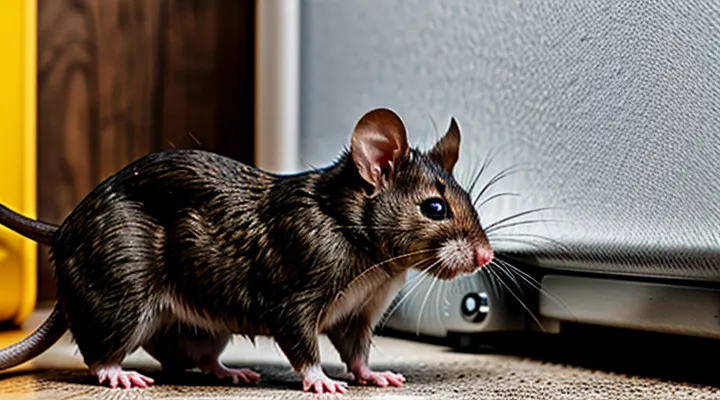
Understanding Ultrasonic Repellents
How Ultrasonic Repellents Work
The Science Behind Ultrasonic Waves
Ultrasonic waves are sound vibrations with frequencies above the upper limit of human hearing, typically exceeding 20 kHz. The wave’s frequency determines its pitch, while wavelength is inversely proportional to frequency and is calculated by dividing the speed of sound in air (≈ 343 m/s) by the frequency. Higher frequencies produce shorter wavelengths, which affect how the wave interacts with small objects such as rodent auditory receptors.
Rodents possess an auditory range extending to roughly 80–100 kHz, far beyond human perception. When an ultrasonic emitter generates sound within this range, the acoustic energy stimulates the cochlear hair cells of mice and rats, causing discomfort or disorientation. The physiological response depends on several parameters:
- Frequency band – must overlap the species‑specific hearing range.
- Amplitude (sound pressure level) – measured in decibels; sufficient intensity is required to be perceived but must stay below safety thresholds to avoid permanent hearing damage.
- Modulation pattern – continuous tones, pulsed sequences, or frequency sweeps can prevent habituation.
- Beam pattern – directional versus omnidirectional emission influences coverage area and effectiveness.
Propagation of ultrasonic energy is limited by atmospheric absorption, which increases with frequency and humidity. Consequently, the effective radius of a device is often a few meters in typical indoor conditions. Obstacles such as walls, furniture, or fabric absorb or reflect the waves, creating dead zones where the stimulus is weakened.
When evaluating ultrasonic pest‑control solutions, consider the following technical criteria:
- Frequency spectrum – devices should emit multiple frequencies within the rodent hearing range to maximize coverage.
- Adjustable intensity – allows tailoring to room size and background noise levels.
- Coverage radius – specified in meters; select a model that matches the intended space.
- Power source – mains‑connected units provide continuous operation; battery‑powered options may offer portability but limited runtime.
- Safety certifications – compliance with relevant electromagnetic and acoustic standards ensures user protection.
Understanding these scientific principles clarifies why certain ultrasonic devices succeed in deterring rodents while others fail. Proper alignment of frequency, amplitude, and coverage with rodent auditory capabilities is essential for reliable performance.
Frequencies and Their Effect on Pests
Ultrasonic devices emit sound waves above the human hearing threshold, typically between 20 kHz and 100 kHz. The frequency selected determines the physiological impact on rodents and influences the device’s practical performance.
- 20–30 kHz – Near‑lower limit of ultrasonic range; penetrates obstacles moderately but often fails to provoke a strong aversive response in adult rats and mice. Younger or smaller individuals may react, yet habituation occurs rapidly.
- 30–45 kHz – Commonly cited as optimal for house mice; induces discomfort without causing hearing damage. Effectiveness declines after several days as rodents acclimate.
- 45–60 kHz – Targeted at Norway rats and larger species; higher pitch disrupts communication and navigation. Signal attenuates quickly, requiring closer placement to walls or entry points.
- 60–80 kHz – Used in specialized models for severe infestations; achieves deeper tissue vibration, potentially affecting breeding cycles. Limited range demands dense coverage or multiple units.
- Above 80 kHz – Rare in commercial products; may exceed the audible range of most rodents, reducing perceived irritation. Benefits include minimal interference with human electronics but provide little pest control value.
Effectiveness depends on several physical factors. Sound intensity diminishes with distance according to the inverse‑square law; obstacles such as furniture, insulation, and walls absorb high‑frequency energy, shortening the usable radius. Continuous wave emission maintains a constant stress level, whereas intermittent pulses can delay habituation but may also allow brief periods of normal activity.
Species‑specific auditory thresholds shape the selection process. Mice detect frequencies up to 90 kHz, while rats’ hearing peaks near 70 kHz. Consequently, devices that combine multiple frequencies or sweep across a band often achieve broader coverage, preventing a single species from finding a “safe” acoustic window.
In practice, an effective ultrasonic repellent should match the dominant pest’s hearing range, provide sufficient SPL (sound pressure level) at the target distance, and incorporate frequency variation to mitigate habituation. Proper placement—adjacent to walls, entry points, and feeding zones—maximizes exposure while compensating for attenuation.
Advantages of Using Ultrasonic Repellents
Non-Toxic and Environmentally Friendly
When evaluating ultrasonic devices that deter mice and rats, the absence of harmful chemicals and the impact on surrounding ecosystems are decisive factors. A truly non‑toxic product contains no pesticides, heavy metals, or volatile organic compounds; manufacturers usually list all components and may provide safety data sheets or third‑party certifications confirming compliance with health regulations.
Environmental friendliness depends on energy use, material selection, and end‑of‑life handling. Low‑power circuitry reduces electricity demand, while housings made from recyclable plastics or biodegradable composites limit landfill burden. Products that comply with RoHS or similar directives avoid hazardous substances and simplify recycling.
Key criteria for a safe, green ultrasonic repeller:
- Ingredient transparency: full disclosure of all materials, absence of toxic additives.
- Certification: ISO 14001, EcoLabel, or comparable environmental standards.
- Power efficiency: wattage below 5 W for continuous operation.
- Sustainable packaging: minimal waste, recyclable or compostable.
- Disposal guidance: clear instructions for responsible recycling or disposal.
Choosing a device that meets these specifications ensures rodent control without compromising human health or the environment.
Ease of Use and Maintenance
Ease of use begins with installation. Most models feature a plug‑and‑play design: connect the unit to a standard outlet, place it at a height of 1–2 meters, and activate the power switch. No additional wiring or mounting hardware is required, allowing placement in kitchens, basements, or attics without professional assistance. Devices that include a built‑in timer or motion sensor reduce the need for manual adjustments; the timer automatically powers the unit during periods of rodent activity, while motion sensors concentrate ultrasonic emission only when movement is detected, conserving energy and minimizing unnecessary exposure.
Maintenance considerations focus on durability and cleaning. Units constructed from high‑impact plastic or metal housings resist accidental knocks and resist corrosion caused by humidity. Removable front panels provide access to the speaker array, enabling dust removal with a soft brush or low‑pressure vacuum. Because ultrasonic transducers degrade over time, manufacturers often specify a service life of 2–3 years; models that offer a replaceable speaker module extend the device’s operational lifespan and lower long‑term costs.
Key factors for evaluating convenience and upkeep:
- Power source: mains‑powered units eliminate battery replacement, while battery‑back‑up options ensure operation during outages.
- Control interface: a single button or a remote‑control panel eliminates complex programming.
- Self‑diagnostic indicator: LED or audible alerts signal malfunction, prompting timely service.
- Warranty length: at least 12 months covers premature failure of electronic components.
- Cleaning method: smooth exterior surfaces and detachable grilles simplify routine dust removal.
Selecting a device that integrates straightforward installation, minimal user interaction, and accessible maintenance procedures ensures reliable rodent deterrence with reduced operational overhead.
Limitations and Potential Drawbacks
Effectiveness in Different Environments
Ultrasonic deterrents produce high‑frequency sound that rodents cannot tolerate. Their performance varies significantly with the surrounding environment.
In residential spaces, solid walls, carpets, and furniture absorb ultrasonic energy, reducing the effective radius to 2–3 m. Devices positioned near entry points—doors, windows, and utility openings—maintain sufficient intensity to deter mice and rats. Open‑plan layouts extend coverage, but ceiling height above 2.5 m diminishes efficacy.
Commercial kitchens and restaurants present high ambient noise levels. Background sounds above 40 dB SPL mask ultrasonic frequencies, shortening the active range. Installing multiple units at a 1.5 m interval along walls and behind equipment compensates for interference.
Agricultural barns and storage sheds feature metal structures and large volumes. Metal surfaces reflect ultrasonic waves, creating standing‑wave zones that can increase exposure in some areas while leaving dead spots elsewhere. Mapping the space and placing emitters at regular intervals (approximately every 4 m) ensures overlapping fields and eliminates blind spots.
Outdoor environments introduce wind, temperature gradients, and vegetation, all of which attenuate ultrasonic waves rapidly. Effectiveness rarely exceeds 1 m in open air; however, positioning devices inside enclosed sheds, feed bins, or under eaves can create localized zones that protect stored grain or equipment.
Key environmental factors influencing performance:
- Material composition: Soft furnishings and insulation dampen sound; hard surfaces reflect it.
- Ambient noise: High background levels raise the detection threshold for rodents.
- Temperature and humidity: Warm, humid air reduces high‑frequency propagation distance.
- Space geometry: Open volumes create larger dead zones; compartmentalized areas allow tighter coverage.
- Rodent species: House mice respond to higher frequencies (30–50 kHz) than Norway rats (20–30 kHz); devices must emit a broad spectrum to address both.
When selecting a device for a specific setting, evaluate the layout, construction materials, and typical noise levels. Choose models that offer adjustable frequency ranges, timer functions, and the ability to install several units simultaneously. Verify that the manufacturer provides data on field‑tested coverage in environments similar to the intended application.
Habituation of Pests
Habituation describes the process by which rodents become desensitized to a constant ultrasonic signal, reducing the device’s effectiveness over time. When the emitted frequency remains unchanged, mice and rats learn that the sound poses no real threat, and their avoidance behavior diminishes.
Key factors influencing habituation include signal frequency stability, pulse pattern, and exposure duration. Devices that emit a single, unmodulated tone are especially prone to rapid desensitization, whereas those that vary frequency and intermittently pause the output disrupt the learning cycle.
To minimize habituation when selecting an ultrasonic deterrent, consider the following criteria:
- Frequency range covering 20–65 kHz, with automatic cycling through multiple bands.
- Randomized pulse intervals that prevent predictable exposure.
- Adjustable timer settings allowing scheduled off‑periods.
- Independent power source to avoid interruptions that could reset the learning process.
Implementing complementary control measures—such as sealing entry points, maintaining cleanliness, and reducing food sources—enhances the overall efficacy of any ultrasonic system by limiting the opportunities for rodents to acclimate to the sound.
Factors to Consider When Choosing
Type of Ultrasonic Technology
Single Frequency vs. Variable Frequency Repellents
Ultrasonic devices designed to deter rodents emit sound waves beyond human hearing, targeting the auditory sensitivity of mice and rats. Two technical approaches dominate the market: devices that operate at a fixed frequency and devices that sweep across a range of frequencies.
-
Fixed‑frequency units generate a single tone, typically between 20 kHz and 30 kHz.
-
Advantages: lower power consumption, simpler circuitry, reduced manufacturing cost.
-
Limitations: rodents can become habituated to a constant tone, diminishing long‑term efficacy; effectiveness varies with species‑specific hearing thresholds.
-
Variable‑frequency units continuously change the emitted tone, covering a spectrum from 20 kHz up to 60 kHz or higher.
-
Advantages: prevents auditory adaptation, broadens coverage across species with differing hearing ranges, often includes multiple channels for larger spaces.
-
Limitations: higher energy demand, more complex electronics, generally higher purchase price.
Selection should consider the target pest, the size and layout of the area, and budget constraints. For isolated, short‑term applications where cost is paramount, a single‑tone model may suffice. For extensive infestations, multi‑room environments, or situations where long‑term reliability is critical, a variable‑frequency system offers superior performance despite the increased expense.
Repellents with Electromagnetic Pulses
Electromagnetic pulse (EMP) repellents generate short bursts of high‑frequency magnetic fields intended to interfere with the nervous system of rodents, causing discomfort and prompting avoidance of the treated area. The devices are typically integrated with ultrasonic emitters, allowing a single unit to deliver both acoustic and electromagnetic stimuli.
Key technical parameters for evaluating EMP repellents:
- Pulse frequency: 1–30 kHz, matching the sensitivity range of mice and rats.
- Pulse duration: 10–100 µs, sufficient to produce a sensory shock without damaging surrounding electronics.
- Output strength: measured in millitesla (mT); effective models maintain 0.5–2 mT at the device’s edge.
- Coverage radius: 10–30 m² per unit, depending on housing layout and material reflectivity.
- Power source: mains‑connected units with battery backup ensure continuous operation during outages.
Selection criteria focus on efficacy, safety, and compliance:
- Verify that the device complies with local electromagnetic emission standards (e.g., FCC Part 15, CE).
- Confirm that the pulse intensity stays below thresholds for human exposure, as defined by ICNIRP guidelines.
- Assess the reliability of the integrated ultrasonic component; mismatched frequencies can reduce overall deterrent effect.
- Choose models offering adjustable pulse intervals, enabling fine‑tuning for specific infestation levels.
- Prefer units with built‑in diagnostics that alert users to malfunction or power loss.
Installation best practices include mounting devices at rodent travel routes, avoiding metal surfaces that may reflect or shield pulses, and spacing units to ensure overlapping coverage without creating dead zones. Regular maintenance involves cleaning the housing, checking battery health, and updating firmware when available.
When comparing EMP repellents to purely ultrasonic solutions, consider that electromagnetic pulses add a sensory dimension that rodents find harder to habituate to. However, higher cost, stricter regulatory requirements, and the need for careful placement may offset the benefit for low‑level infestations. For environments with persistent or large‑scale rodent problems, integrating EMP technology with ultrasonic output typically yields the most reliable deterrence.
Coverage Area and Power
Device Placement and Room Size
Effective ultrasonic deterrents require precise positioning and appropriate coverage. Placement determines whether the emitted frequencies reach target areas without obstruction, while room dimensions dictate the number of units needed for reliable performance.
- Install devices at least 12–18 inches above the floor to avoid contact with furniture that can absorb sound.
- Position units near known entry points—gaps beneath doors, vents, and wall cracks—to intercept rodents before they enter living spaces.
- Mount devices on interior walls rather than ceilings; ultrasonic waves travel horizontally better than vertically.
- Avoid placing units directly opposite large metal surfaces, concrete blocks, or thick curtains, which reflect or dampen the signal.
- Ensure a clear line of sight of at least 3 ft between the device and open floor area; obstacles reduce effectiveness dramatically.
Room size considerations:
- For spaces up to 200 sq ft, a single unit typically provides adequate coverage when positioned centrally.
- Areas between 200 sq ft and 500 sq ft generally require two devices, spaced evenly to create overlapping zones.
- Large rooms exceeding 500 sq ft, open-plan layouts, or multi‑room configurations benefit from a network of three or more units, each covering a defined sector.
- Measure the longest dimension of the room; if it exceeds the manufacturer’s specified effective radius (often 15–20 ft), add an additional unit to bridge the gap.
Correct placement combined with a calculation of required units based on square footage ensures that ultrasonic repellents operate at optimal potency, minimizing the likelihood of rodent activity.
Power Source: Battery vs. AC Operated
When selecting an ultrasonic device to deter rodents, the power supply determines installation flexibility, maintenance requirements, and operational reliability.
Battery‑powered units are self‑contained, allowing placement without proximity to an outlet. They typically use AA or rechargeable lithium cells, delivering several weeks of continuous operation before recharging or replacement is needed. This independence suits temporary setups, rented properties, or locations where wiring is impractical. However, battery life diminishes with high‑frequency emission, and performance may vary as voltage drops, potentially reducing the effective range. Regular monitoring of charge status is essential to avoid periods of inactivity.
AC‑operated models draw power directly from the mains, ensuring uninterrupted emission as long as electricity is available. They provide consistent output levels, often supporting higher wattage and broader coverage. Fixed wiring enables permanent installation in garages, basements, or attics, where continuous protection is desired. The main drawbacks include the need for an accessible outlet, potential cord clutter, and reliance on stable power supply; outages will halt operation unless a backup battery is incorporated.
Key considerations for the power source:
- Installation constraints – battery units require no wiring; AC units need a nearby socket.
- Operational continuity – AC delivers constant output; batteries need periodic recharging or replacement.
- Coverage radius – AC models generally achieve larger effective zones due to stable power.
- Maintenance effort – batteries demand regular charge checks; AC units have minimal upkeep aside from occasional cleaning.
- Cost over time – batteries incur recurring expense; AC units involve a one‑time purchase with lower long‑term costs.
Choosing between the two depends on the specific environment, desired permanence, and willingness to manage battery maintenance versus ensuring a permanent power connection.
Additional Features and Specifications
Built-in Nightlights and Indicators
Built‑in nightlights and status indicators are common features in ultrasonic rodent deterrents. The nightlight provides low‑level illumination that can reveal device placement and, in some designs, adds a visual deterrent for nocturnal pests. Status indicators, typically LEDs, display power supply condition, active mode, and fault alerts, allowing users to verify continuous operation without opening the unit.
When evaluating models, consider the following attributes:
- Light intensity: sufficient to illuminate the area without attracting insects.
- Light color: warm white or amber reduces glare and conserves battery life.
- Indicator type: single‑color LED for power, multi‑color LED for mode selection, or LCD panel for detailed readouts.
- Power consumption: LED sources should draw minimal current to extend battery runtime.
- Durability: sealed housing protects the light and indicator from dust and moisture.
A functional nightlight can improve placement accuracy, ensuring the ultrasonic emitter covers the intended zone. Clear indicators reduce downtime by alerting owners to low battery or device malfunction, which directly affects the system’s efficacy against rodents.
Select units with adjustable brightness levels, distinct LED colors for each status, and low‑power components. Models that combine a dimmable nightlight with a multi‑color status LED typically offer the most reliable feedback while maintaining energy efficiency.
Durability and Material Quality
When evaluating ultrasonic rodent deterrents, durability and material quality determine long‑term performance and cost efficiency. Robust construction resists environmental stressors such as humidity, temperature fluctuations, and accidental impacts, ensuring continuous operation without frequent replacement.
Key considerations include:
- Enclosure material: UV‑stabilized polycarbonate or high‑grade ABS resists cracking and warping, while metal housings provide superior protection against physical damage.
- Sealing and ingress protection: An IP rating of at least IP44 indicates resistance to splashing water and dust, which is essential for placement in kitchens, basements, or outdoor settings.
- Component lifespan: Look for devices that specify a minimum of three years for the ultrasonic transducer and battery life (if battery‑powered). Replaceable batteries or a built‑in rechargeable system extend service intervals.
- Mounting options: Integrated brackets or wall‑mount kits made from corrosion‑resistant steel or reinforced plastic reduce strain on the unit and simplify secure installation.
- Warranty coverage: Manufacturers that offer two‑year or longer warranties demonstrate confidence in material durability and provide recourse for premature failures.
Selecting a model that meets these material standards minimizes downtime, reduces maintenance costs, and maintains effective rodent deterrence over the product’s intended lifespan.
Brand Reputation and User Reviews
Evaluating Manufacturer Claims
When selecting an ultrasonic device for rodents, the credibility of the manufacturer’s statements determines whether the product will perform as advertised. Scrutinizing each claim prevents investment in equipment that merely emits sound without affecting pest behavior.
- Frequency range – Verify that the device operates within 20 kHz to 65 kHz, the spectrum most intolerable to mice and rats. Manufacturers often list a single frequency; reliable products disclose a broad, adjustable range.
- Coverage area – Confirm the stated square‑footage with room dimensions and obstacle density. Claims of “whole‑home protection” are unrealistic unless the unit specifies multiple emitters or mesh networking.
- Power output – Check decibel levels at the source and at typical distances. Excessive power may cause audible noise for humans, while insufficient power fails to reach target pests.
- Scientific support – Look for peer‑reviewed studies or laboratory data cited in the product literature. Independent research should be referenced, not merely anecdotal results.
- Certification – Presence of UL, CE, or FCC markings indicates compliance with safety standards. Absence of such certifications warrants caution.
- Warranty and return policy – A minimum one‑year warranty and a clear, no‑question‑asked return process suggest confidence in product durability.
Manufacturers may present “100 % effectiveness” or “guaranteed pest elimination.” Such absolute statements lack scientific grounding; efficacy varies with species, infestation level, and environmental factors. Replace absolute language with performance metrics, such as “reduced rodent activity by up to 70 % in controlled trials.”
To validate claims, request third‑party test reports, compare results with independent consumer reviews, and assess whether the data aligns with known rodent hearing thresholds. Consistency across these sources distinguishes a trustworthy device from one that relies on marketing exaggeration.
Reading Customer Feedback and Testimonials
Customer feedback offers direct evidence of how ultrasonic devices perform against rodents in real environments. Analyzing reviews helps identify models that deliver consistent acoustic frequencies, reliable coverage areas, and durable components.
Reliable sources include major e‑commerce platforms, specialized pest‑control forums, and independent testing websites. Prioritize feedback that includes detailed usage conditions, such as indoor versus outdoor placement, room size, and presence of pets.
Key information to extract from each testimonial:
- Reported effectiveness against mice and rats, with specific timeframes for observed reduction.
- Frequency range and intensity settings used, indicating whether the unit covers the recommended 20–65 kHz spectrum.
- Power source and battery life, especially for units intended for continuous operation.
- Installation ease and any required adjustments after initial deployment.
- Incidents of device failure, noise complaints, or interference with other electronics.
High average star ratings alone are insufficient; examine the distribution of scores and the content of low‑rating comments. Consistent negative remarks about limited range or intermittent operation signal potential design flaws. Positive remarks that mention long‑term success and repeat purchases suggest durable performance.
A practical approach:
- Collect at least ten recent reviews per model from diverse platforms.
- Categorize comments by the criteria above.
- Calculate the proportion of reviews that confirm rodent reduction within a month.
- Cross‑reference findings with manufacturer specifications and third‑party test results.
By following this systematic review process, buyers can differentiate between marketing claims and proven efficacy, leading to an informed selection of an ultrasonic deterrent.
Installation and Optimization
Strategic Placement for Maximum Effectiveness
Avoiding Obstructions
Ultrasonic devices work only where sound waves travel unhindered; any barrier reduces the field and compromises effectiveness against rodents.
Typical obstacles include:
- Solid walls, especially those made of concrete, brick, or metal
- Heavy furniture positioned directly between the unit and target areas
- Appliances with dense casings (e.g., refrigerators, washing machines)
- Carpets and thick floor coverings that absorb high‑frequency vibrations
- Open doors or windows that allow sound to escape the intended zone
To maintain an unobstructed path, place the unit at least 12–18 inches from walls and large objects. Aim the speaker toward the area where activity is observed, ensuring a direct line of sight. Avoid mounting on metal surfaces; use wooden or plastic brackets instead. Keep the device away from sources of electromagnetic interference such as Wi‑Fi routers or cordless phones, which can distort the emitted frequencies.
When a single unit cannot cover the entire space, install additional devices with overlapping coverage zones. Overlap should be minimal—no more than 20 percent—to prevent phase cancellation. Verify each unit’s effective radius according to the manufacturer’s specifications, then map the layout to identify and eliminate any dead spots caused by structural features.
Placement in Areas of High Pest Activity
Effective deployment of ultrasonic deterrents hinges on positioning devices where rodent activity peaks. Concentrated movement along walls, near entry points, and within established foraging routes creates acoustic zones that maximize exposure to emitted frequencies.
Identify high‑activity locations by observing droppings, gnaw marks, and fresh pathways. Use tracking powder or infrared cameras to confirm traffic patterns before installation.
- Mount units at least 12 inches above the floor to align with rodent travel height.
- Place devices on interior walls, not on ceilings, to prevent signal attenuation by furniture.
- Install one unit per 500 sq ft in each identified hotspot; add overlapping coverage where corridors intersect.
- Avoid direct contact with metal surfaces or large appliances that reflect ultrasonic waves.
- Ensure continuous power supply; battery‑operated models require weekly charge checks in active zones.
Regularly inspect placement after a month of operation. Relocate units that show diminished efficacy, indicated by renewed signs of activity, to maintain uninterrupted acoustic disruption.
Maintenance and Troubleshooting
Regular Cleaning and Inspection
Regular cleaning and inspection are critical components of an effective ultrasonic rodent deterrent system. Dirt, dust, and debris accumulate on the transducer surface, diminishing ultrasonic output and creating blind spots where pests can linger. Consistent maintenance preserves signal strength and extends device lifespan.
- Remove the unit from its mounting location before cleaning.
- Wipe the exterior with a dry microfiber cloth; avoid liquids that could infiltrate the housing.
- Use a soft brush or canned air to clear the transducer opening.
- Inspect the power cord and plug for cracks, frayed insulation, or loose connections.
- Verify that the device remains securely fastened to the wall or ceiling; loose mounting can shift the coverage pattern.
- Check the manufacturer’s warranty seal; any tampering may void coverage.
Inspection schedule:
- Weekly visual check for obvious dust buildup or physical damage.
- Monthly thorough cleaning following the steps above.
- Quarterly functional test: place a calibrated ultrasonic meter near the device to confirm output levels meet specifications.
Document each maintenance event, noting date, observed condition, and corrective actions. A recorded log enables trend analysis, quickly identifying units that lose efficacy and may require replacement. By adhering to this regimen, users maintain optimal performance of ultrasonic repellents and sustain reliable protection against mice and rats.
Addressing Persistent Pest Issues
Persistent rodent infestations demand a systematic response; ultrasonic devices represent one control element that can reduce activity when applied correctly.
When selecting an ultrasonic unit for mice and rats, evaluate the following parameters:
- Frequency spectrum: devices that emit 20–65 kHz cover the hearing range of both species.
- Coverage radius: choose models rated for the specific room or area size; overlapping zones improve reliability.
- Power source: mains‑connected units provide continuous operation, while battery‑powered models suit temporary or remote locations.
- Safety mechanisms: built‑in timers or motion sensors prevent constant exposure that may lead to habituation.
- Warranty and service support: longer coverage reduces long‑term costs and ensures access to replacement parts.
- Independent performance data: prioritize products with laboratory‑verified results or peer‑reviewed field studies.
Effective deployment follows these steps:
- Position emitters at ceiling height, near entry points, and away from large furniture that blocks sound waves.
- Activate devices for a minimum of 24 hours to establish baseline disruption.
- Monitor rodent signs—droppings, gnaw marks, activity sensors—over a two‑week period.
- Adjust placement or add units if activity persists; combine with exclusion techniques such as sealing gaps and removing food sources.
Success assessment relies on measurable decline in rodent indicators. If observations show no reduction after optimal placement and a full monitoring cycle, consider integrating traps, bait stations, or professional pest‑management services to complement ultrasonic control.