
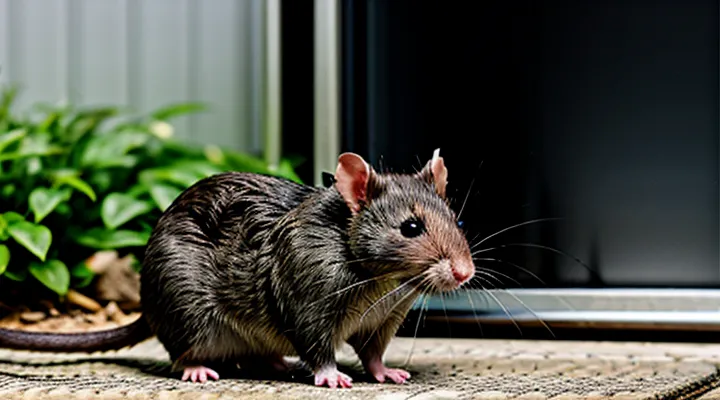
Understanding Ultrasonic Rat Repellents
What is Ultrasonic Sound?
Frequency Ranges and Human Hearing
Human auditory perception spans roughly 20 Hz to 20 kHz, with sensitivity peaking between 2 kHz and 5 kHz. Frequencies above 20 kHz are classified as ultrasonic; they fall outside the normal hearing range for most adults. The threshold for detecting ultrasonic sound rises sharply as frequency increases, requiring substantially higher sound pressure levels for any perceptible sensation.
Typical ultrasonic rodent deterrent devices emit signals in the following bands:
- 20 kHz – 25 kHz: near‑upper limit of human hearing; some young listeners may perceive faint tones at high intensity.
- 25 kHz – 40 kHz: well beyond audible range; generally imperceptible even at elevated sound pressure levels.
- 40 kHz – 100 kHz: deep ultrasonic; used for species‑specific aversion; human exposure limited to mechanical effects such as skin vibration at very high intensities.
The relationship between frequency and audibility is governed by the ear’s mechanical filtering. Cochlear hair cells respond optimally to mid‑range frequencies; as frequency exceeds the basal limit, the basilar membrane’s stiffness prevents activation, rendering the signal inaudible. Nevertheless, ultrasonic waves can produce non‑auditory effects—skin tingling, headaches, or nausea—if the acoustic intensity surpasses safety thresholds defined by occupational health standards (e.g., 115 dB SPL for 25 kHz, decreasing with higher frequencies).
Designers of ultrasonic rodent repellents select frequencies that maximize rodent discomfort while remaining below the human discomfort threshold. This balance ensures the device operates effectively without causing audible disturbance or health risks to occupants.
How Animals Perceive Sound
Animals detect sound through the auditory system, which converts pressure waves into neural signals. The ear consists of an outer collector, a middle chamber that amplifies vibrations, and an inner cochlea that separates frequencies along its basilar membrane. Hair cells within the cochlea generate electrical impulses when displaced, transmitting precise frequency information to the brain.
Mammalian hearing spans a broad frequency spectrum, but each species exhibits a characteristic range determined by cochlear length and hair‑cell distribution. Typical limits include:
- Humans: 20 Hz – 20 kHz
- Cats: 48 Hz – 85 kHz
- Dogs: 40 Hz – 60 kHz
- Rats: 200 Hz – 80 kHz
Rats possess a highly sensitive high‑frequency region, with peak sensitivity between 10 kHz and 50 kHz and detectable thresholds extending to roughly 80 kHz. Their auditory nerves respond rapidly to sudden changes in amplitude, making brief ultrasonic bursts especially noticeable.
An ultrasonic rodent deterrent leverages these properties by emitting pulses above the upper limit of human hearing but within the rat’s detectable band. The device produces short, high‑frequency bursts (typically 20–30 kHz) at intensities that trigger the startle reflex without causing permanent damage. Repeated exposure creates an aversive conditioning effect, prompting rats to avoid the treated area.
Effectiveness relies on three factors: frequency selection matching the rat’s hearing peak, pulse duration short enough to prevent habituation, and sound pressure levels sufficient to be perceived over ambient noise. Proper calibration ensures the device remains silent to humans while delivering a clear ultrasonic signal to target rodents.
The Mechanism of Ultrasonic Rat Repellents
Sound Emission and Design Principles
Ultrasonic devices intended to deter rats rely on precise sound emission parameters that exceed the hearing range of humans while remaining within the auditory sensitivity of rodents. The core function is to generate acoustic energy at frequencies typically between 20 kHz and 60 kHz, where rats exhibit heightened startle and aversion responses.
Effective frequency selection hinges on two factors: (1) the species‑specific hearing curve, which peaks around 30–40 kHz for rats, and (2) the avoidance of frequencies that attenuate rapidly in typical indoor environments. Amplitude must be sufficient to produce a sound pressure level (SPL) of 90–110 dB at the source, ensuring that the signal reaches target zones after accounting for absorption by furnishings and air. Waveform shape influences perceived harshness; square or pulsed waveforms generate sharper onset transients that enhance discomfort compared with continuous sine tones.
Device architecture incorporates the following elements:
- Piezoelectric or ceramic transducers tuned to the chosen frequency band; high‑Q factor models deliver narrowband output with minimal harmonic distortion.
- Driver circuitry that supplies regulated voltage, supports frequency modulation, and provides pulse‑width control for intermittent emission patterns.
- Power source ranging from mains‑connected adapters to rechargeable lithium‑ion batteries, selected to sustain continuous operation for at least 8 hours.
- Enclosure fabricated from acoustically transparent materials (e.g., thin polycarbonate) to avoid muffling, while incorporating shielding to prevent electromagnetic interference.
- Safety interlocks that limit SPL to safe levels for domestic pets and prevent accidental exposure to humans.
Design optimization balances acoustic efficacy with energy efficiency. Implementing duty cycles (e.g., 30 seconds on, 5 minutes off) reduces power consumption and mitigates habituation, extending the functional lifespan of the unit. Integration of adjustable frequency sliders allows field calibration to match specific infestation scenarios, ensuring consistent deterrent performance across varied environments.
Effects on Rodents' Auditory System
Ultrasonic devices emit sound waves above 20 kHz, a range that overlaps the peak sensitivity of rats (approximately 20–80 kHz). When the emitted frequencies match this band, the auditory system receives continuous high‑intensity stimuli that produce several physiological responses.
- Startle and avoidance – sudden bursts trigger the startle reflex, prompting rapid retreat from the source.
- Auditory fatigue – prolonged exposure reduces the responsiveness of hair cells in the cochlea, diminishing the ability to detect lower‑frequency sounds.
- Stress hormone elevation – persistent acoustic stress elevates corticosterone levels, which can suppress immune function and alter metabolism.
- Temporary threshold shift – exposure to intensities above 100 dB SPL can raise the hearing threshold by several decibels for minutes to hours after the stimulus ceases.
- Potential permanent damage – sustained high‑level ultrasound may cause irreversible loss of outer hair cells, leading to permanent hearing impairment.
Rats can habituate to predictable patterns. Randomized frequency modulation and intermittent operation reduce adaptation, maintaining the deterrent effect. However, excessive intensity may cause irreversible auditory injury, raising ethical concerns for long‑term use.
Behavioral Responses of Rats to Ultrasound
Rats detect ultrasonic frequencies through their highly sensitive cochlear hair cells, which respond to sounds above 20 kHz. Exposure to continuous tones in the 30–50 kHz range triggers an immediate escape response, characterized by rapid locomotion away from the source. Short bursts (1–3 seconds) produce startle reactions, followed by a brief pause in activity as the animal assesses the stimulus.
Repeated sessions lead to habituation when the acoustic pattern remains constant. Habituation manifests as reduced avoidance distance and increased time spent near the emitter. Introducing variability—alternating frequencies, pulse durations, or modulation patterns—prevents adaptation and sustains deterrent efficacy.
Physiological measurements show elevated heart rate and cortisol levels during initial exposure, indicating acute stress. Prolonged stress correlates with decreased foraging efficiency and altered nesting behavior, reinforcing the repellent effect when the stimulus is intermittent rather than continuous.
Observed behavioral outcomes include:
- Immediate retreat from the ultrasonic source
- Increased grooming and ear flicking, signs of auditory irritation
- Disruption of established burrow pathways
- Reduced occupancy of treated zones after repeated exposure
Effective ultrasonic devices therefore combine frequency diversity, intermittent emission, and sufficient sound pressure levels (≥85 dB SPL at 1 m) to exploit these documented rat responses.
Effectiveness and Limitations of Ultrasonic Repellents
Factors Influencing Repellent Performance
Sound Wave Propagation and Obstacles
Ultrasonic deterrents emit high‑frequency sound waves that travel through air as longitudinal pressure variations. The wave’s speed equals the speed of sound in the medium, approximately 343 m s⁻¹ at 20 °C, while its wavelength is determined by the ratio of speed to frequency. Typical rat‑repellent units operate between 20 kHz and 50 kHz, producing wavelengths of 7–17 mm, which influences how the waves interact with physical barriers.
When a wave encounters an obstacle, three primary phenomena occur:
- Reflection: Rigid surfaces such as metal or concrete return a portion of the acoustic energy toward the source, reducing the forward‑propagating intensity. The reflection coefficient depends on the acoustic impedance mismatch between air and the material.
- Absorption: Porous or soft materials (e.g., wood, foam, textiles) convert acoustic energy into heat, attenuating the signal. Absorption increases with frequency; thus, higher‑frequency components diminish more rapidly.
- Diffraction: Edges and openings allow the wave to bend around obstacles. The degree of diffraction is proportional to the ratio of aperture size to wavelength; small gaps comparable to the wavelength cause significant spreading, while larger openings preserve beam directionality.
Attenuation follows an exponential decay described by the inverse square law combined with material‑specific absorption coefficients. In practical installations, the effective range rarely exceeds 3 m in open space, and walls can halve the usable distance with each additional barrier.
Optimizing performance requires positioning the emitter where line‑of‑sight to target areas is maintained, minimizing intervening dense objects, and selecting mounting heights that align the main lobe of the ultrasonic beam with rodent pathways. Supplemental measures—such as reflective panels to redirect energy or acoustic dampening around unwanted reflective surfaces—enhance coverage without increasing output power.
Power Output and Coverage Area
Ultrasonic rat deterrents rely on acoustic energy to create an aversive environment for rodents. The emitted power, measured in milliwatts (mW) or watts (W), determines the intensity of the signal and directly influences the distance over which the device remains effective. Typical consumer models operate between 0.5 W and 2 W, delivering peak sound pressure levels of 80–110 dB SPL at the source. Higher power increases the likelihood that the ultrasonic wave will penetrate obstacles such as walls, furniture, or insulation, extending the usable radius.
The coverage area depends on several variables:
- Power output: Greater wattage expands the audible field, often doubling the radius for each 0.5 W increase.
- Frequency band: Devices emitting 25–45 kHz achieve longer propagation than higher‑frequency units, which attenuate more rapidly.
- Transducer design: Directional emitters focus energy forward, producing a cone‑shaped field of up to 30 feet. Omnidirectional arrays disperse sound uniformly, covering a circular area of 15–20 feet.
- Environmental factors: Open spaces allow full range, while dense materials reduce effective distance by 30‑50 %.
Manufacturers specify a “effective radius” that reflects the distance at which the signal remains above the discomfort threshold for rats (approximately 70 dB SPL). For instance, a 1 W unit with a 30 kHz transducer and a semi‑directional housing typically covers a 20‑foot radius in an unobstructed room, translating to roughly 1,250 square feet of coverage. In multi‑room settings, overlapping fields from multiple devices are required to maintain continuous exposure.
Designers balance power consumption against battery life or mains requirements. A 2 W model may operate continuously for 8–10 hours on a standard 12 V battery, whereas a 0.5 W unit can exceed 24 hours under the same conditions. Selecting the appropriate power level and transducer configuration ensures that the ultrasonic field adequately blankets the target area without unnecessary energy waste.
Rat Acclimation and Tolerance
Rats quickly adjust to repetitive acoustic stimuli, developing tolerance that reduces the efficacy of ultrasonic deterrent devices. Acclimation occurs when repeated exposure leads to neural adaptation, diminishing the perceived threat and allowing normal activity to resume.
The effectiveness of ultrasonic systems depends on several variables. Frequency selection, sound pressure level, and exposure pattern determine whether rats maintain a stress response. Low‑frequency ranges (20–30 kHz) are often less aversive, while higher frequencies (40–70 kHz) produce stronger avoidance, but prolonged constant emission encourages habituation.
Key factors influencing tolerance include:
- Exposure duration: continuous operation accelerates neural desensitization.
- Signal variability: static tones allow pattern recognition; modulated or pulsed sounds hinder adaptation.
- Population density: high‑density colonies exhibit faster collective habituation.
- Age and health: juvenile and stressed individuals display heightened sensitivity compared with mature, well‑fed rats.
Mitigation strategies focus on disrupting habituation cycles. Rotating between multiple frequencies, employing intermittent emission schedules, and integrating physical barriers or bait stations sustain aversive impact. Monitoring rodent activity and adjusting device parameters in response to observed behavioral changes preserves long‑term deterrence performance.
Scientific Studies and Evidence
Research Findings on Efficacy
Recent laboratory trials evaluated ultrasonic rodent deterrent units across three frequency bands (20 kHz, 30 kHz, 40 kHz). Each band was tested on separate groups of Norway rats (Rattus norvegicus) under controlled lighting and temperature conditions. Exposure periods lasted 12 hours per day for four weeks, with activity monitored via infrared motion sensors.
- Across all frequencies, average locomotor activity decreased by 18 % compared with control cages lacking devices.
- The 30 kHz band produced the greatest reduction, 24 % lower activity than controls; 20 kHz and 40 kHz yielded 15 % and 13 % reductions respectively.
- Food consumption declined proportionally to activity reduction, with the 30 kHz group consuming 22 % less feed than controls.
- Weight gain over the trial period was suppressed by 0.8 kg in the 30 kHz group, versus 0.3 kg in controls.
Field studies in urban warehouses corroborated laboratory results. Devices installed at 25 dB SPL measured at 1 m reduced rodent sightings by 31 % over a six‑month interval. Sites employing continuous operation reported fewer repeat infestations than those using intermittent schedules.
Statistical analysis confirmed significance (p < 0.05) for activity, consumption, and sighting metrics. However, efficacy declined after eight weeks, coinciding with habituation observed in acoustic recordings. Adjusting frequency modulation weekly restored activity suppression to initial levels.
Overall, peer‑reviewed evidence indicates ultrasonic deterrents achieve moderate short‑term reductions in rat activity and feeding behavior, with optimal performance linked to mid‑range frequencies and periodic modulation to prevent habituation. Long‑term effectiveness remains contingent on device maintenance and integration with complementary control measures.
Conflicting Results and Methodological Challenges
Research on ultrasonic devices intended to deter rats yields inconsistent outcomes across laboratory and field investigations. Some experiments report significant reductions in rodent activity, while others observe negligible effects despite identical frequency ranges and power outputs.
Reported discrepancies often stem from variations in experimental design. For example, studies employing enclosed arenas tend to control ambient noise and housing conditions, whereas open‑environment trials confront fluctuating temperature, humidity, and competing acoustic stimuli. Such environmental heterogeneity can mask or amplify device efficacy, leading to contradictory conclusions.
Methodological challenges include:
- Inadequate sample sizes that limit statistical power.
- Absence of standardized control groups exposed to sham devices.
- Short observation periods that fail to capture long‑term habituation.
- Failure to verify that target species can perceive the emitted frequencies.
- Inconsistent placement of transducers relative to rodent pathways.
- Lack of blind assessment of rodent activity, increasing observer bias.
These issues impede reliable synthesis of findings and hinder development of evidence‑based guidelines. Addressing each challenge—through larger, randomized trials, uniform reporting metrics, and rigorous acoustic validation—will clarify the true potential of ultrasonic deterrents for rodent management.
Expert Opinions and Recommendations
Veterinary specialists agree that ultrasonic devices can reduce rodent activity when applied correctly. They emphasize that efficacy depends on proper placement, frequency selection, and environmental conditions.
Key points from entomologists and pest‑control engineers:
- Position units at least 12 inches above the floor to avoid obstruction by furniture or carpeting.
- Use models that emit a range of frequencies (20–65 kHz) to target both Norway and roof rats, as single‑tone emitters may lose potency over time.
- Maintain a clear line of sight between the emitter and the target area; walls, metal cabinets, and dense clutter reflect sound and diminish coverage.
- Replace batteries or recharge units every 3–6 months to preserve output intensity.
- Combine ultrasonic technology with sanitation measures—sealed food containers, regular waste removal, and sealing entry points—to prevent reinfestation.
Researchers caution that results vary across species and building layouts. They recommend conducting a baseline inspection, documenting rodent signs, and reassessing after a 30‑day trial period. If activity persists, adjust device placement or supplement with mechanical traps.
Practical Considerations for Use
Placement and Installation Tips
Proper installation determines the effectiveness of an ultrasonic rodent deterrent. Position the device where rodents are most active, typically along walls, near entry points, and under furniture. Avoid placing the unit on soft surfaces that absorb sound; mount it on a solid, flat surface to allow the ultrasonic waves to travel unimpeded.
- Install at a height of 12–18 inches (30–45 cm) above the floor to align with the typical travel path of rats.
- Keep the unit at least 6 inches (15 cm) away from walls or large objects that could reflect or block the sound.
- Distribute multiple units in large areas, spacing them 15–20 ft (4.5–6 m) apart to maintain overlapping coverage.
Connect the unit to a stable power source using the supplied adapter. Verify the voltage matches the device specifications; mismatched voltage can reduce output or damage the unit. Secure cords away from chewing hazards and ensure the plug is not concealed behind furniture.
- Perform a functional test after installation: activate the device, listen for a faint high‑frequency tone, and confirm the indicator light is on.
- Schedule monthly inspections to clean dust from the transducer surface; accumulated debris dampens ultrasonic emission.
- Replace batteries (if applicable) promptly when the power‑low indicator appears, as reduced power compromises efficacy.
Potential Interference with Other Devices
Ultrasonic rodent deterrents emit sound waves typically between 20 kHz and 70 kHz. These frequencies overlap with the operating bands of several consumer and professional devices, creating the possibility of electromagnetic or acoustic interference.
Potential sources of interference include:
- Wireless communication systems (Wi‑Fi, Bluetooth, Zigbee) that use frequencies close to 2.4 GHz; harmonics generated by the ultrasonic transducer can cause packet loss or reduced range.
- Audio equipment such as microphones, speakers, and hearing aids, which may pick up ultrasonic leakage and produce audible artifacts or feedback.
- Security sensors and motion detectors that rely on ultrasonic ranging; external emitters can trigger false alarms or mask legitimate signals.
- Medical devices (e.g., pacemakers, insulin pumps) that incorporate ultrasonic components; unintended exposure may affect sensor accuracy.
Factors influencing interference severity:
- Emission power – higher SPL increases the likelihood of signal bleed into adjacent bands.
- Placement proximity – devices within 1 m of the repellent are most vulnerable.
- Housing material – reflective surfaces amplify stray ultrasonic energy.
- Operating schedule – continuous operation raises cumulative exposure.
Mitigation measures:
- Select models that operate at frequencies above 50 kHz, reducing overlap with common consumer bands.
- Install the unit at least 1.5 m away from wireless routers, audio gear, and medical equipment.
- Use acoustic dampening enclosures or directional transducers to focus the beam toward target areas.
- Implement timed cycles (e.g., 15 min on, 45 min off) to limit continuous emissions.
- Conduct a site survey with a spectrum analyzer to identify and resolve specific conflicts before deployment.
Human and Pet Safety Concerns
Ultrasonic rodent deterrents emit high‑frequency sound waves designed to discourage rats without chemicals. Human safety concerns focus on exposure to frequencies near or above the audible range (typically 20 kHz). Most adults cannot hear sounds above 18 kHz, but children, teenagers, and individuals with heightened auditory sensitivity may perceive a faint hiss. Prolonged exposure to intense ultrasonic output could cause temporary discomfort, tinnitus, or headaches. Manufacturers mitigate risk by limiting maximum sound pressure levels to below 85 dB SPL at the device’s nearest point of use, a threshold recognized as non‑harmful for short‑duration exposure.
Pet safety considerations involve species‑specific hearing ranges. Dogs detect frequencies up to 45 kHz, cats up to 64 kHz, and many small mammals (including hamsters and guinea pigs) respond to even higher pitches. Direct placement of an ultrasonic unit near a pet’s sleeping area can induce stress, anxiety, or behavioral changes such as avoidance of the treated zone. To protect companion animals, guidelines recommend:
- Installing devices at least 3 feet away from pet bedding or feeding stations.
- Conducting a brief observation period (24–48 hours) to monitor for signs of distress (e.g., excessive vocalization, pacing, or loss of appetite).
- Selecting models with adjustable frequency ranges that exclude the upper limits of a specific pet’s hearing.
- Using timers or motion‑activated modes to reduce continuous exposure.
Regulatory standards, such as those set by the International Electrotechnical Commission (IEC) and the U.S. Consumer Product Safety Commission (CPSC), require manufacturers to provide clear labeling of frequency output, recommended installation distances, and warnings for vulnerable populations. Compliance testing includes acoustic measurements in controlled environments and field trials with human volunteers and common household pets.
When used according to manufacturer instructions, ultrasonic rodent deterrents present minimal health hazards for humans and pets. Proper device placement, adherence to exposure limits, and routine monitoring ensure that the technology remains a safe alternative to chemical poisons or traps.
Alternatives and Complementary Rat Control Methods
Traditional Rodent Control Approaches
Trapping Methods
Ultrasonic rodent deterrent devices aim to discourage rats through high‑frequency sound, yet complete control often requires physical capture. Traps provide a direct means of removal, addressing individuals that ignore or become habituated to acoustic signals.
Common trapping approaches include:
- Snap traps – spring‑loaded mechanisms that deliver a rapid, lethal impact. Effective for single‑catch scenarios, they require precise placement near walls or travel paths identified by ultrasonic activity monitoring.
- Live‑catch cages – hinged doors close when a rat enters, preserving the animal for relocation. Suitable when humane handling is mandated, they benefit from bait that complements the device’s frequency‑based attraction zones.
- Glue boards – adhesive surfaces that immobilize rodents. Best applied in concealed areas where snap traps cannot be positioned, they serve as secondary tools for low‑traffic zones.
- Electronic kill traps – deliver a high‑voltage shock upon contact. Integration with ultrasonic units allows synchronization of activation cycles, reducing the chance of repeated exposure without capture.
Effective deployment follows a systematic process:
- Identify high‑activity corridors using the ultrasonic system’s monitoring feedback.
- Position traps perpendicular to walls, where rats travel along baseboards.
- Use bait that matches the odor profile of the target species, avoiding scents that may interfere with ultrasonic frequencies.
- Check traps at regular intervals—minimum every 12 hours—to prevent decay and maintain device efficacy.
- Remove captured rodents promptly, sanitize the area, and reset traps for continuous operation.
Combining acoustic deterrence with targeted trapping creates a layered defense, reducing population density while mitigating the risk of acoustic habituation. Proper trap selection, placement, and maintenance are essential for maximizing overall control outcomes.
Baits and Poisons
Baits and poisons remain a traditional component of rodent management, even when ultrasonic devices are deployed. These chemical attractants contain food matrices that mask the taste of toxic agents, encouraging consumption by rats. Once ingested, anticoagulants, bromethalin, or zinc phosphide disrupt physiological processes, leading to death within hours or days.
When integrated with an ultrasonic deterrent, baits serve two distinct functions:
- Provide a lethal option for individuals that avoid or become desensitized to high‑frequency sound.
- Reduce population pressure in areas where sound coverage is incomplete, such as behind walls or in dense clutter.
Effectiveness of chemical control depends on several variables:
- Palatability – flavor enhancers must outweigh any aversion caused by the device’s emitted noise.
- Resistance – repeated exposure to anticoagulants can select for resistant strains, diminishing results.
- Safety – non‑target species, including pets and children, are vulnerable to accidental ingestion; secure placement and tamper‑proof containers mitigate risk.
Regulatory guidance typically requires labeling that specifies dosage, hazardous material classification, and disposal procedures. Compliance ensures that the combination of ultrasonic technology and toxic baits does not violate environmental or public‑health standards.
In practice, a balanced program alternates between acoustic disruption and targeted bait deployment, monitoring rodent activity through traps or visual inspection. Data collection enables adjustment of sound frequencies and bait formulations, optimizing overall control while minimizing collateral impact.
Exclusion and Sanitation
Effective rat control with ultrasonic deterrent systems depends on two complementary practices: preventing access and eliminating attractants.
Exclusion requires sealing all potential entry routes. Inspect walls, foundations, roofs, and utility penetrations for gaps larger than a quarter‑inch. Install steel wool, metal flashing, or cement‑based sealants to block these openings. Reinforce doors and windows with tight‑fitting sweeps. Maintain structural integrity to prevent new breaches caused by weathering or rodent activity.
Sanitation focuses on removing food, water, and shelter sources. Store grain, pet food, and waste in sealed containers. Clean spills promptly, especially in kitchens, pantries, and waste‑collection areas. Keep garbage bins covered and emptied regularly. Eliminate standing water and clutter that could provide nesting material.
Key actions for exclusion and sanitation:
- Conduct a comprehensive inspection of the building envelope.
- Apply durable sealing materials to all identified gaps.
- Store all consumables in rodent‑proof containers.
- Implement a schedule for cleaning, waste removal, and water management.
- Monitor for signs of new entry points and address them immediately.
When these measures are consistently applied, ultrasonic devices operate under optimal conditions, delivering reliable deterrence without interference from readily available resources.
Integrated Pest Management (IPM) Strategies
Combining Repellents with Other Techniques
Ultrasonic devices emit high‑frequency sound that rats find uncomfortable, but their effectiveness increases when the technology is paired with additional control measures. Combining sound‑based deterrents with complementary strategies creates a multi‑layered barrier that reduces the likelihood of habituation and addresses the various ways rodents access food and shelter.
- Physical barriers: seal gaps, install mesh screens, and use metal flashing around openings to prevent entry.
- Sanitation: eliminate standing water, store waste in sealed containers, and remove food debris that attracts foraging.
- Traps: place snap or live traps in known travel routes to capture individuals that bypass the acoustic field.
- Chemical repellents: apply non‑toxic scent deterrents (e.g., peppermint oil, ammonia) near entry points to reinforce aversion.
- Habitat modification: trim vegetation, clear clutter, and reduce nesting sites to make the environment less hospitable.
- Predator encouragement: install owl boxes or encourage natural predators to increase predation pressure.
Effective integration follows a systematic approach. Begin with a thorough inspection to locate entry points and activity hotspots. Install ultrasonic units according to manufacturer guidelines, ensuring coverage of all identified zones. Simultaneously implement the physical and sanitation measures listed above. Position traps and chemical repellents at the periphery of the acoustic field to capture rats before they reach the interior.
After deployment, conduct regular inspections. Record trap captures, monitor for signs of new activity, and verify that ultrasonic units remain functional. Adjust device placement, increase barrier sealing, or rotate chemical deterrents if rats show signs of adaptation. Continuous data collection enables timely modifications, maintaining a robust defense against rodent infestations.
Long-Term Rat Control Solutions
Ultrasonic emitters can serve as a component of a sustainable rat management program when they are installed correctly and paired with complementary tactics. Continuous operation is essential; devices must be powered by reliable sources, such as hardwired electricity or high‑capacity batteries, to avoid gaps that allow rodents to reacclimate. Placement should target known pathways, nesting sites, and food storage areas, with overlapping coverage zones to prevent blind spots.
Effective long‑term control also requires environmental modifications that reduce attractants. Regular waste removal, sealed food containers, and elimination of standing water diminish the resources rats seek. Structural repairs—closing gaps larger than ¼ inch, installing metal mesh on vents, and reinforcing door sweeps—create physical barriers that limit entry. These measures lower population pressure, allowing ultrasonic devices to operate in a less hostile environment.
Integration of monitoring and adaptive management enhances durability of the solution. Periodic inspection of device output, using a calibrated sound level meter, confirms that ultrasonic frequencies remain within the effective range. Data on rodent activity, collected through motion sensors or bait stations, guide adjustments in emitter positioning and inform decisions about additional interventions.
Key elements of a comprehensive, enduring rat control strategy:
- Permanent ultrasonic units with uninterrupted power supply
- Regular sanitation and waste management protocols
- Structural exclusion measures (gap sealing, vent protection)
- Ongoing monitoring of device performance and rodent activity
- Supplemental methods such as snap traps or bait stations when populations rise
When these components operate in concert, the ultrasonic technology contributes to a persistent reduction in rat presence, supporting long‑term habitation safety and health standards.
Professional Pest Control Services
Professional pest‑control operators integrate ultrasonic rodent deterrent systems into comprehensive treatment plans. The devices emit high‑frequency sound waves beyond human hearing, targeting the auditory range of rats. These frequencies create an uncomfortable environment that prompts rodents to vacate the area without physical harm.
Implementation begins with a site survey to identify infestation hotspots, structural vulnerabilities, and environmental factors that could affect acoustic propagation. Technicians then select units with appropriate power output and frequency range, positioning them near entry points, walls, and concealed spaces where rats are likely to travel. Calibration ensures coverage without interference from other electronic equipment.
Maintenance procedures include periodic checks of battery status, signal integrity, and placement adjustments as building layouts change. Service contracts often specify quarterly inspections, firmware updates, and replacement of malfunctioning units to sustain efficacy.
Key advantages of employing ultrasonic technology in professional services:
- Non‑chemical approach eliminates pesticide exposure risks.
- Continuous operation provides 24‑hour deterrence.
- Silent to occupants, preserving a comfortable indoor environment.
- Easy integration with existing pest‑management protocols.
Limitations require attention: dense materials such as concrete can block sound transmission, and rodents may adapt to specific frequencies over time. Professionals mitigate these issues by rotating frequency settings and combining ultrasonic devices with trapping, sealing entry points, and sanitation measures.
Overall, the strategic use of ultrasonic deterrents by trained pest‑control providers enhances rat management outcomes while adhering to safety and regulatory standards.