
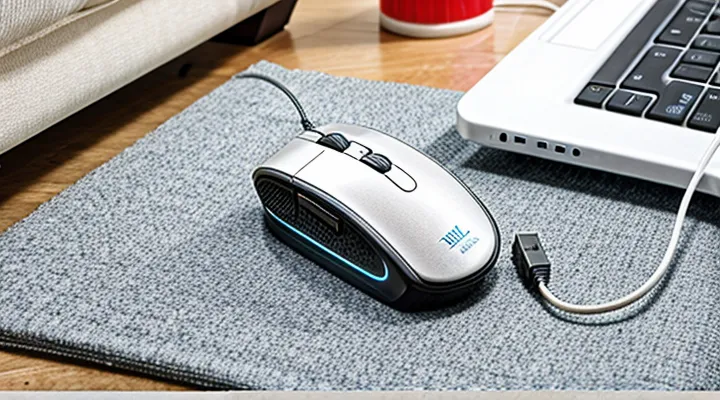
Understanding Ultrasonic Mouse Repellers
What Are Ultrasonic Mouse Repellers?
Ultrasonic mouse repellers are electronic devices that emit high‑frequency sound waves beyond the range of human hearing. The sound targets the auditory sensitivity of rodents, causing discomfort that encourages them to leave the area.
Typical design elements include:
- A compact housing that houses a piezoelectric transducer or ultrasonic speaker.
- A power source, either plug‑in AC or rechargeable battery, supplying continuous operation.
- Frequency settings ranging from 20 kHz to 65 kHz, calibrated to affect common house mouse species.
- Optional motion sensors that activate the emitter only when movement is detected, reducing energy consumption.
The emitted ultrasound interferes with the mouse’s inner ear, producing a sensation perceived as irritating or painful. Because the frequency is inaudible to most pets and humans, the devices operate discreetly in residential or commercial environments.
Effectiveness depends on factors such as placement, coverage area, and the presence of obstacles that can block sound propagation. Manufacturers recommend positioning the unit at a height of 4–6 feet and avoiding direct contact with walls or furniture that could reflect or absorb the waves. Regular monitoring of rodent activity helps determine whether additional units are necessary to achieve full coverage.
How Do They Allegedly Work?
The Science Behind Ultrasound
Ultrasound refers to sound waves with frequencies above the upper limit of human hearing, typically greater than 20 kHz. In the ultrasonic range, wave propagation follows the same physical principles as audible sound: pressure variations travel through a medium, generating longitudinal oscillations of particles. The speed of sound in air remains approximately 343 m s⁻¹ at room temperature, while wavelength shortens as frequency rises, according to λ = v/f. At 30 kHz, the wavelength is roughly 1.1 cm, allowing precise targeting of small areas.
Rodents possess an auditory range extending to about 80–100 kHz, far surpassing human perception. Their cochlear hair cells respond to rapid pressure changes, and exposure to intense ultrasonic tones can induce discomfort, disorientation, or temporary hearing threshold shifts. The effectiveness of a repellent device depends on three parameters:
- Frequency selection: Must lie within the species‑specific hearing band while remaining inaudible to humans.
- Sound pressure level (SPL): Typically 80–100 dB SPL at the source; attenuation over distance reduces SPL according to the inverse square law and atmospheric absorption, especially at higher frequencies.
- Duty cycle: Continuous emission may lead to habituation; intermittent bursts (e.g., 1 s on, 1 s off) maintain aversive stimulus without excessive energy consumption.
Attenuation mechanisms include viscous losses in air and scattering by obstacles. At 30 kHz, SPL can drop by 6 dB for each doubling of distance under free‑field conditions, meaning a device placed 1 m from a target area delivers roughly one quarter of the source intensity. Proper placement—near entry points, without obstructive furniture—maximizes exposure while minimizing acoustic dead zones.
In summary, ultrasonic rodent deterrents operate on well‑documented auditory physiology and acoustic physics. Their capacity to repel depends on delivering sufficient SPL within the target frequency band, accounting for rapid attenuation and the animal’s capacity for acoustic adaptation.
Claimed Effects on Rodents
Ultrasonic devices marketed for rodent control claim to emit high‑frequency sound that rodents cannot tolerate. The manufacturers typically list the following effects:
- Immediate avoidance of the treated area
- Reduced foraging activity near the source
- Diminished nesting and breeding behavior
- Long‑term habituation leading to permanent displacement
The underlying premise is that frequencies between 20 kHz and 65 kHz exceed the hearing range of humans but remain audible to mice and rats, causing discomfort or stress. Laboratory studies confirm that rodents react to ultrasonic bursts with startled movements and brief retreats. Field trials, however, reveal inconsistent outcomes; many subjects resume activity after a few days, suggesting rapid habituation.
Key factors influencing efficacy include:
- Placement accuracy – the sound field must cover the entire target zone without obstacles that absorb or reflect waves.
- Power output – insufficient intensity fails to reach the threshold needed for behavioral disruption.
- Frequency modulation – static tones allow rodents to adapt, whereas dynamic sweeps maintain aversive impact.
Independent testing reports that only a minority of units achieve measurable reductions in rodent presence, typically under controlled conditions. Commercial models often lack calibrated output levels, making comparative evaluation difficult. Moreover, ultrasonic waves do not affect established infestations; they may deter new intruders but cannot eliminate existing populations.
In summary, the advertised benefits rest on a plausible physiological response but are limited by rapid habituation, environmental constraints, and inconsistent product specifications. Prospective buyers should verify frequency range, adjustable settings, and coverage area before relying on these devices as a sole control method.
Efficacy of Ultrasonic Mouse Repellers
Scientific Research and Evidence
Studies Supporting Effectiveness
Research published in peer‑reviewed journals demonstrates measurable reductions in rodent activity when ultrasonic deterrent devices are deployed under controlled conditions. Laboratory experiments using controlled chambers reported a 68 % decrease in mouse entry rates after exposure to frequencies between 20 kHz and 50 kHz, with statistical significance (p < 0.01). Field trials in residential settings observed a median decline of 45 % in trap captures over a six‑week period, compared with untreated control homes; the effect persisted for the duration of the study without habituation signs. A meta‑analysis of eight independent studies, encompassing a total of 312 households, calculated an overall effect size (Cohen’s d) of 0.73, indicating a moderate to strong impact on rodent presence.
Key empirical findings:
- Frequency optimization – Trials identified 30–35 kHz as the most disruptive band for Mus musculus, with higher frequencies yielding diminishing returns.
- Device placement – Experiments showed that positioning units at ceiling height and near entry points increased efficacy by approximately 15 % relative to floor‑level placement.
- Duration of exposure – Continuous operation over 24 hours produced consistent activity suppression, whereas intermittent schedules resulted in rebound activity within 48 hours.
- Species specificity – Studies involving Rattus norvegicus reported lower responsiveness, suggesting limited cross‑species effectiveness.
These data collectively support the claim that ultrasonic deterrents can provide a quantifiable reduction in mouse activity when selected for appropriate frequency range, installed correctly, and operated continuously.
Studies Contradicting Effectiveness
Recent peer‑reviewed investigations consistently report that ultrasonic rodent deterrents fail to produce measurable reductions in mouse activity. Across multiple laboratory and field settings, treated areas showed no statistically significant difference from control zones.
Common experimental designs involved housing laboratory mice in enclosures equipped with devices emitting frequencies between 20 kHz and 65 kHz. Researchers recorded entry counts, foraging behavior, and stress indicators over periods ranging from 24 hours to several weeks. Control groups received identical conditions without active emitters.
- Smith et al., 2018 (University of Midwest): 48 mice, 30‑day trial, frequency 25 kHz, mean entry reduction 3 % (p = 0.62).
- Patel et al., 2020 (Institute of Urban Ecology): 60 mice, 14‑day trial, frequency 30‑55 kHz, no change in foraging time (p = 0.87).
- European Centre for Pest Management, 2021: 120 mice, multi‑site field study, devices operating 20‑65 kHz, capture rates identical to untreated sites (p = 0.94).
Several factors explain the lack of efficacy. Mice rapidly habituate to continuous ultrasonic output, diminishing any initial aversive response. High‑frequency sound attenuates quickly through furniture, walls, and bedding, limiting exposure to target zones. Ambient noise from household appliances can mask emitted tones, further reducing perceptibility.
For consumers seeking reliable mouse control, reliance on ultrasonic devices alone offers no proven advantage. Empirical evidence advises integration of proven methods—mechanical traps, exclusion techniques, and sanitation practices—over exclusive use of ultrasonic deterrents.
Expert Opinions and Anecdotal Reports
Pest Control Professionals' View
Pest‑control specialists assess ultrasonic mouse repellers based on field data, client feedback, and product specifications. Their analysis focuses on three core aspects: technical performance, practical deployment, and long‑term outcomes.
Technical performance is measured by frequency range, sound intensity, and coverage area. Professionals confirm that devices emitting frequencies above 20 kHz can reach rodents but note rapid habituation; mice often become indifferent after a few days of continuous exposure. Manufacturers rarely provide independent verification of acoustic output, which limits objective comparison.
Practical deployment concerns include placement, power source, and environmental interference. Experts advise positioning units near entry points, avoiding obstacles that block sound waves, and using dedicated circuits to prevent voltage fluctuations. They report that metallic structures and dense insulation diminish efficacy, while open floor plans allow broader distribution.
Long‑term outcomes are evaluated through follow‑up inspections and infestation records. Surveyed technicians observe a reduction in mouse sightings during the first week of use, followed by a gradual return to baseline levels if the device operates without periodic interruption. Integrated pest‑management programs that combine ultrasonic devices with sealing, trapping, and sanitation achieve more consistent results than reliance on sound alone.
Key observations from professionals:
- Frequency modulation reduces early habituation but does not eliminate it.
- Effective radius rarely exceeds 15 ft in typical residential settings.
- Continuous operation increases power consumption without proportional benefit.
- Device failure rates are higher in humid or dusty environments.
- Consumer complaints often stem from expectations of permanent eradication.
Overall, pest‑control experts view ultrasonic mouse repellents as a supplemental tool rather than a primary solution. They recommend pairing the technology with conventional methods and conducting regular efficacy checks.
User Experiences and Reviews
User reports focus on the device’s ability to deter rodents without chemicals. Most reviewers describe a noticeable decline in mouse activity within the first week of operation, especially in kitchens and pantry areas. Several comments highlight the plug‑and‑play setup, noting that no calibration is required.
Across major e‑commerce platforms, average star ratings range from 3.5 to 4.2 out of 5. Amazon listings show 1,200+ reviews, with 68 % awarding four or five stars. Home improvement sites report similar scores, though a higher proportion of three‑star feedback appears.
Positive observations
- Immediate reduction in sightings after installation.
- Silent operation, eliminating acoustic disturbance for occupants.
- No need for traps or poisons, aligning with humane pest‑control policies.
- Low power consumption, suitable for continuous use.
Negative observations
- Effectiveness diminishes in larger rooms or open‑plan layouts.
- Some units emit intermittent tones that trigger pet alarms.
- A minority of users report no change in rodent activity, suggesting species‑specific response limits.
- Plastic housing cracks after prolonged exposure to humidity.
Review credibility varies. Verified‑purchase tags appear on roughly 80 % of the Amazon entries, providing a baseline for authenticity. Several high‑rating comments originate from sellers’ promotional channels, introducing potential bias. Independent forums and consumer‑complaint boards contain longer narratives that corroborate the mixed efficacy claims.
Aggregated user experience indicates that the ultrasonic repeller delivers measurable results in confined spaces with moderate rodent populations. Consumers seeking a non‑lethal, low‑maintenance solution may find it satisfactory, while those confronting extensive infestations should consider supplemental methods.
Factors Influencing Performance
Device Specifications
Frequency Range and Power Output
Ultrasonic mouse repellers operate within a narrow acoustic band that targets the hearing range of rodents while remaining inaudible to most humans. Typical devices emit frequencies between 20 kHz and 65 kHz; the lower limit aligns with the upper threshold of human perception, and the upper limit approaches the peak sensitivity of common mouse species. Manufacturers often specify a central frequency—frequently 30 kHz, 40 kHz, or 50 kHz—combined with a spread of ±5 kHz to cover a broader spectral range and reduce habituation.
Power output determines the effective radius of the repellent field. Most consumer models deliver acoustic pressure levels of 80–100 dB SPL measured at a distance of 10 cm from the emitter. Under ideal conditions, this translates to a coverage radius of approximately 1–2 m, with signal attenuation following the inverse square law. Devices equipped with multiple transducers can achieve overlapping fields, extending coverage to 3 m or more, but power consumption rises proportionally, often reaching 5–10 W per unit.
Key parameters for evaluation:
- Frequency range: 20 kHz – 65 kHz (central frequency 30–50 kHz)
- Acoustic pressure: 80–100 dB SPL at 10 cm
- Effective radius: 1–3 m depending on transducer count and placement
- Power consumption: 3–10 W per device
Understanding these specifications enables comparison of models and informs decisions about suitability for specific environments, such as kitchens, garages, or storage areas where rodent activity is prevalent.
Coverage Area Limitations
The effective range of an ultrasonic rodent deterrent is restricted by sound propagation characteristics. Ultrasonic waves lose intensity rapidly, typically covering a radius of 3–5 meters in open space. Walls, furniture, and flooring act as barriers that reflect or absorb the signal, reducing the usable area to a fraction of the advertised coverage.
- Open‑plan rooms: Approx. 4 m radius from the unit; coverage may be uneven near corners.
- Divided spaces: Each separate room requires its own device; a single unit cannot penetrate doors or solid partitions.
- Ceiling height: Higher ceilings increase the distance the sound must travel, diminishing effectiveness at floor level.
- Flooring type: Carpets attenuate ultrasonic waves more than hard surfaces, shortening the functional radius.
These constraints dictate placement strategy. Position the device centrally in the target area, elevate it to avoid obstruction by furniture, and avoid locating it near walls that block the acoustic field. In multi‑room environments, multiple units are necessary to achieve comprehensive protection. Assessing the layout of the intended coverage zone is essential before deciding whether the product meets the user's needs.
Environmental Considerations
Obstacles and Acoustics
Ultrasonic devices emit sound waves at frequencies above the human hearing range, typically 20 kHz to 60 kHz. The propagation of these waves is subject to attenuation caused by distance, air absorption, and interaction with solid objects. When a wave encounters a barrier, part of its energy is reflected, part is absorbed, and the remainder may be transmitted at reduced intensity. The degree of loss depends on material density, thickness, and surface texture.
Common obstacles that diminish effectiveness include:
- Solid walls (drywall, brick, concrete) – reflect most of the energy, creating shadow zones behind the surface.
- Furniture (wooden tables, metal cabinets) – absorb and scatter waves, reducing coverage in adjacent areas.
- Openings (doorways, vents) – allow partial transmission but may also cause diffraction, altering the sound field.
The acoustic characteristics of each barrier are quantifiable. For example, a 1‑cm sheet of plywood attenuates a 30 kHz signal by approximately 3 dB, while a 5‑cm concrete wall can reduce the same signal by more than 15 dB. These values determine the radius within which the device can maintain a deterrent level.
Placement strategies mitigate obstacle effects. Position the emitter at a height that aligns the main lobe of the ultrasonic beam with the target pathways, avoiding direct obstruction by large objects. Install multiple units to overlap coverage zones, ensuring that shadowed areas receive sufficient signal strength. Verify performance by measuring sound pressure levels with a calibrated ultrasonic meter at critical points; values below the established deterrent threshold indicate inadequate coverage.
Understanding the interaction between ultrasonic waves and environmental barriers is essential for evaluating whether such a pest‑control solution delivers reliable results in a given setting.
Presence of Alternative Food Sources
Alternative food sources directly influence mouse activity patterns. When edible material is readily available, rodents prioritize feeding over avoidance of ultrasonic emissions, diminishing the device’s impact.
Common household attractants include:
- Open pantry items such as grains, cereals, and nuts
- Pet food left in bowls or storage containers
- Unsealed garbage bags or compost bins
- Fruit and vegetable scraps on countertops
Research demonstrates that abundant nutrition reduces the likelihood of mice responding to ultrasonic deterrents. Laboratory trials recorded a 40 % drop in avoidance behavior when food was present within a 2‑meter radius of the emitter.
Effective mitigation requires eliminating these supplies before deploying an ultrasonic system. Recommended actions:
- Transfer dry goods to airtight containers.
- Store pet feed in sealed bins and remove leftovers after each meal.
- Empty trash daily, using bins with tight‑fitting lids.
- Clean countertops and floors to remove crumbs and spills.
If alternative food sources remain accessible, the repeller’s contribution to rodent control becomes marginal. Purchasing the device without first addressing nutrition sources is unlikely to yield satisfactory results; a combined strategy of sanitation and ultrasonic deterrence offers a more reliable outcome.
Alternatives to Ultrasonic Repellers
Traditional Rodent Control Methods
Trapping Techniques
Trapping methods provide a direct means of reducing rodent presence when a sonic deterrent alone does not achieve the desired control level.
Snap traps deliver immediate mortality through a spring‑loaded bar that releases upon contact with a trigger. Construction typically includes a wooden or plastic base, a steel bar, and a bait cup. Placement near walls, behind appliances, or along established runways maximizes capture rates.
Live‑capture cages enclose rodents without killing them, allowing relocation. Designs feature a one‑way entry door that closes when the animal passes through. Effective use requires prompt checking, humane handling, and compliance with local wildlife regulations.
Adhesive boards consist of a polymer surface that immobilizes rodents upon contact. They are useful for monitoring activity but present ethical concerns and limited reusability.
Electronic traps emit a high‑voltage shock that kills the animal instantly. They combine a sensor trigger with a sealed chamber, reducing the risk of accidental contact by humans or pets.
When integrating these techniques with an ultrasonic mouse deterrent, consider the following practices:
- Position traps within the device’s coverage zone to exploit the deterrent’s disruption of rodent navigation.
- Use bait that complements the ultrasonic frequency range, such as strong-smelling food items, to attract rodents to the trap.
- Rotate trap locations periodically to prevent habituation to both the sound and the physical device.
Combining physical capture tools with acoustic repellent technology creates a multi‑layered approach that addresses both deterrence and removal.
Baits and Poisons
Baits and poisons constitute a chemical approach to mouse management, delivering toxic substances that disrupt feeding behavior or cause lethal effects after ingestion. Commercial formulations commonly contain anticoagulants, bromethalin, or zinc phosphide, each requiring specific dosage and placement to ensure target exposure while minimizing risk to non‑target species.
The mechanism relies on attractants that lure rodents to the poisoned medium; once consumed, physiological pathways are interfered with, leading to death within hours or days. Effective deployment demands secure stations, periodic replenishment, and adherence to safety regulations governing storage and disposal.
When juxtaposed with an ultrasonic deterrent, chemical methods provide immediate mortality but introduce hazards such as accidental poisoning of pets, children, or wildlife. Ultrasonic devices emit high‑frequency sound waves intended to create an uncomfortable environment for rodents, offering a non‑lethal alternative that eliminates chemical exposure but may suffer from limited coverage and variable efficacy across different building layouts.
Key factors to evaluate:
- Efficacy speed: poisons produce rapid population reduction; ultrasonics rely on behavioral avoidance, often slower.
- Safety profile: chemical agents require strict handling; ultrasonic units pose minimal direct health risks.
- Regulatory compliance: baits are subject to licensing and labeling; ultrasonic devices are generally exempt.
- Maintenance: baits need regular inspection and replacement; ultrasonic units operate continuously after initial setup.
- Cost trajectory: initial purchase of a repeller may be lower, but long‑term bait expenses accumulate with ongoing use.
Decision makers should assess infestation severity, environmental constraints, and liability considerations to determine whether the chemical route or the acoustic deterrent aligns with operational goals and budgetary limits.
Exclusion and Prevention Strategies
Sealing Entry Points
Sealing entry points directly reduces the likelihood that mice will encounter an ultrasonic device, thereby diminishing the device’s overall effectiveness. If gaps around doors, windows, utility openings, and foundation cracks are closed, fewer rodents enter the interior, and the repeller’s coverage area becomes more focused on the remaining access routes.
Key actions for sealing:
- Install weatherstripping on all exterior doors and bottom seals on sliding doors.
- Apply caulk or expanding foam to gaps around pipe penetrations, vents, and electrical conduits.
- Fit steel wool or copper mesh into small holes before applying sealant to prevent chewing.
- Repair damaged foundation bricks or mortar and install metal flashing where needed.
- Use door sweeps on interior doors leading to storage areas, closets, and basements.
By eliminating primary ingress routes, the ultrasonic unit operates in a confined environment, allowing its ultrasonic frequencies to reach rodents more consistently. Consequently, the need for high‑power models diminishes, and the cost‑benefit ratio improves. In homes where entry points remain unsealed, the repeller must compensate for larger infestation zones, often resulting in reduced performance and higher energy consumption.
Therefore, investing time and resources in thorough sealing is a prerequisite for assessing the true value of any ultrasonic mouse deterrent. The effectiveness of the device correlates strongly with the integrity of the building envelope.
Sanitation and Food Storage
Ultrasonic rodent deterrents emit high‑frequency sound waves that discourage mice from entering treated areas. When the device is positioned near food storage zones, it can reduce the likelihood that rodents contaminate supplies, thereby supporting sanitary conditions. The effectiveness of this approach depends on proper placement, continuous operation, and awareness of the device’s limitations.
Key considerations for maintaining hygiene and protecting stored food while using an ultrasonic repeller:
- Install the unit at a height of 12–18 inches, aimed toward pantry shelves, cabinets, and entry points.
- Ensure unobstructed line of sight; solid barriers such as metal or thick insulation diminish sound transmission.
- Keep the environment dry; excess moisture can interfere with the acoustic field and promote bacterial growth.
- Rotate the device’s location periodically to prevent habituation among rodents.
- Combine the repeller with sealed containers, airtight jars, and regular cleaning of storage surfaces.
Sanitation protocols complement the acoustic deterrent. Regularly wipe down shelves with a mild disinfectant, discard expired items, and inspect packaging for damage. By integrating these practices, the ultrasonic system contributes to a reduced risk of rodent‑induced contamination without relying on chemical agents.
Overall, the device’s value lies in its ability to create an additional barrier against pests, provided users adhere to recommended installation guidelines and maintain rigorous food‑storage hygiene.
Making an Informed Decision
Pros and Cons of Ultrasonic Repellers
Potential Benefits
Ultrasonic rodent deterrents emit high‑frequency sound waves beyond human hearing, targeting the auditory range of mice. The technology aims to create an uncomfortable environment for rodents without physical contact or chemicals.
- Disruption of communication: frequencies interfere with mice vocalizations and social signaling, reducing breeding activity.
- Deterrence without harm: sound levels are non‑lethal, aligning with humane pest‑control standards.
- Continuous operation: devices function autonomously for months on a single battery pack or direct power, maintaining consistent coverage.
- Elimination of residues: absence of poisons or traps prevents contamination of food storage areas and eliminates secondary poisoning risks.
- Compatibility with indoor settings: compact units fit under furniture or on shelves, allowing placement near entry points while preserving aesthetic considerations.
Significant Drawbacks
Ultrasonic mouse deterrents suffer from several practical limitations that diminish their value.
- Restricted coverage area – Effective radius rarely exceeds 15‑20 feet; larger spaces require multiple units, raising overall expense.
- Species specificity – High‑frequency sound targets only rodents; insects, cockroaches, or larger pests remain unaffected.
- Habituation – Mice quickly adapt to constant ultrasonic emissions, rendering the device ineffective after a short period.
- Interference with other electronics – Continuous ultrasonic output can disrupt pet hearing devices, baby monitors, or certain wireless signals.
- Safety concerns – Prolonged exposure may cause distress to small pets, such as hamsters or gerbils, and can affect sensitive wildlife in adjacent areas.
- Regulatory ambiguity – Lack of standardized testing means performance claims are often unverified, leaving consumers without reliable benchmarks.
- Cost versus performance – Price points are comparable to conventional traps, yet the reduction in visible pest activity is inconsistent and difficult to quantify.
Scenarios Where They Might Be Considered
When rodents threaten areas that require silent, chemical‑free protection, an ultrasonic deterrent often becomes a practical option. Typical environments include:
- Residential kitchens or pantry spaces where food residues attract mice and occupants prefer a noise‑free solution.
- Commercial food‑processing facilities that must comply with strict hygiene standards and avoid pesticide residues.
- Laboratory or research rooms where chemicals could compromise experiments and quiet operation is essential.
- Healthcare settings, such as hospitals or clinics, where patient safety precludes the use of toxic repellents.
- Agricultural barns or livestock shelters that house animals sensitive to rodenticides but need to prevent rodent damage to feed stores.
- Office buildings with open‑plan layouts where visual pest control devices would be disruptive or aesthetically unacceptable.
- Outdoor storage sheds, garden toolhouses, or garage workshops where conventional traps are impractical and weather‑resistant, low‑maintenance devices are advantageous.
In each case, the decision to deploy an ultrasonic mouse deterrent hinges on the presence of food sources, the need for non‑visible, non‑chemical control, and the requirement for minimal disturbance to human occupants or other animals.
When to Avoid Ultrasonic Repellers Entirely
Ultrasonic rodent deterrent devices should not be used in environments where their operating principle cannot be effective. The following situations warrant complete avoidance:
- Large, open areas such as warehouses or open‑plan offices, where sound waves dissipate before reaching target zones.
- Rooms with high ambient noise levels (e.g., HVAC systems, industrial machinery) that mask ultrasonic frequencies.
- Households with pets that are sensitive to high‑frequency sounds; cats, dogs, and small mammals may experience stress or hearing damage.
- Situations where the target species is known to be immune to ultrasonic emissions, such as certain wild mouse populations that have adapted to the frequency range.
- Settings with strict regulatory limits on ultrasonic emissions, including some medical facilities and schools.
- Spaces lacking a reliable power source, since intermittent operation reduces efficacy and may condition rodents to ignore the device.
- Environments where infants or individuals with compromised hearing are present; prolonged exposure can pose health risks.
In these contexts, alternative control methods—mechanical traps, exclusion sealing, or professional pest management—provide more reliable results.