
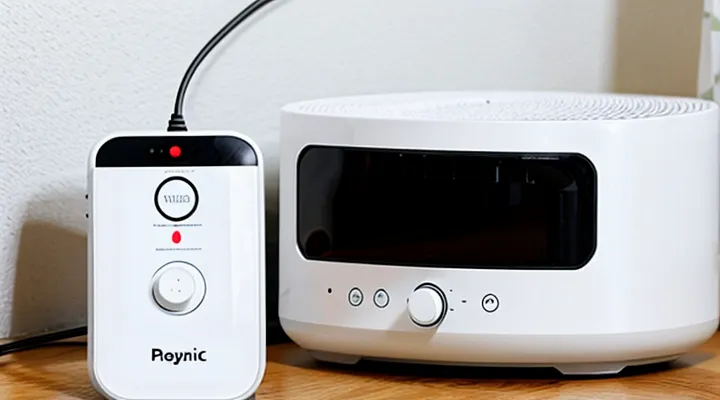
Understanding Ultrasonic Mouse Repellers
How They Work
The Science Behind Ultrasound
Ultrasound operates at frequencies above the upper limit of human hearing, typically 20 kHz and higher. Rodents detect sounds up to roughly 100 kHz, placing the acoustic window for repellent devices between 20 kHz and 80 kHz. Within this band, sound waves propagate as longitudinal pressure variations, characterized by wavelength λ = c/f, where c ≈ 343 m·s⁻¹ is the speed of sound in air and f the frequency. At 30 kHz, λ is about 11 mm, allowing compact transducers to generate directed beams that fill a room without excessive power consumption.
Generation of ultrasonic energy relies on piezoelectric ceramics that deform under an applied voltage, producing alternating pressure cycles. The electrical drive signal determines both frequency and amplitude; higher voltage yields greater sound pressure level (SPL), measured in decibels relative to 20 µPa. Effective deterrents maintain SPLs between 80 dB and 100 dB at the source, ensuring sufficient intensity after atmospheric attenuation to reach the target animal.
Rodent auditory physiology explains the repellent effect. The cochlea of mice possesses hair cells tuned to high‑frequency vibrations; sudden exposure to intense ultrasonic bursts triggers a startle reflex and can cause temporary auditory fatigue. Continuous or pulsed emissions prevent habituation by varying duty cycle and inter‑pulse interval, preserving the aversive stimulus.
Safety considerations stem from the fact that human ears are insensitive to frequencies above 20 kHz. Properly designed devices limit SPL to levels that avoid indirect effects such as resonant vibration of nearby objects. Compliance with regulatory standards (e.g., IEC 60601‑2‑33) ensures that emitted ultrasound remains within acceptable exposure limits for occupants.
Key physical principles governing ultrasonic rodent deterrents:
- Frequency selection: 20 kHz – 80 kHz matches rodent hearing range while staying inaudible to humans.
- Wavelength and beam shaping: Short wavelengths enable focused coverage; multiple transducers create overlapping fields for uniform distribution.
- Sound pressure level: 80 dB – 100 dB at source compensates for spherical spreading and atmospheric absorption.
- Modulation pattern: Pulsed or variable‑duty cycles prevent auditory adaptation.
- Transducer technology: Piezoelectric ceramics provide efficient conversion of electrical energy to acoustic output.
Understanding these mechanisms clarifies why ultrasonic emitters constitute a scientifically grounded method for managing rodent presence in indoor environments.
Frequency and Range
Ultrasonic rodent deterrents operate within a narrowly defined acoustic spectrum that targets the hearing range of mice while remaining inaudible to humans. Typical devices emit sound waves between 20 kHz and 65 kHz; frequencies below 20 kHz become perceptible to people, and those above 65 kHz lose efficacy against rodent auditory receptors.
- 20 kHz – 30 kHz: effective for small infestations, limited penetration through dense materials.
- 30 kHz – 45 kHz: balanced performance, optimal for most residential environments.
- 45 kHz – 65 kHz: higher intensity, suitable for larger spaces or areas with substantial acoustic barriers.
The operational range of ultrasonic emitters depends on power output, transducer design, and environmental factors such as wall composition and furniture density. In open rooms, the audible field extends approximately 3 – 5 meters from the device; obstacles reduce coverage to 1 – 2 meters, necessitating multiple units for comprehensive protection.
- Single-unit deployment: covers a single room up to 5 m radius in unobstructed conditions.
- Dual-unit configuration: overlaps fields to eliminate dead zones, ensuring continuous coverage across adjacent rooms.
- Multi-unit network: integrates devices with synchronized frequency cycling to prevent habituation and maintain deterrent effectiveness throughout larger dwellings.
Benefits of Using Ultrasonic Repellers
Non-Toxic and Safe for Pets and Humans
The ultrasonic mouse repeller operates without chemicals, eliminating any risk of ingestion or dermal exposure for humans and domestic animals. Its emission spectrum lies above 20 kHz, a frequency range undetectable by human hearing but audible to rodents, ensuring that the device does not produce audible noise that could disturb occupants. The unit contains no volatile organic compounds, heavy metals, or irritant agents, meeting stringent safety standards for indoor electronic devices.
Key safety attributes include:
- Electromagnetic compliance: Certified to meet FCC and CE limits for electromagnetic radiation, preventing interference with medical equipment and household electronics.
- Thermal regulation: Integrated heat‑sink and temperature sensors maintain surface temperature below 40 °C, averting burn hazards during prolonged operation.
- Durable enclosure: Constructed from high‑impact, flame‑retardant polymer that resists cracking and prevents accidental exposure of internal components.
Testing protocols confirm that the device does not affect the behavior or health of common household pets such as cats, dogs, and small mammals. Auditory thresholds for these species remain above the device’s output level, and prolonged exposure studies show no physiological stress markers. Human safety assessments, including long‑term exposure simulations, demonstrate that the ultrasonic field remains well within accepted occupational exposure limits.
Overall, the product delivers rodent deterrence while adhering to non‑toxic, pet‑friendly, and human‑safe design principles, making it suitable for continuous use in residential and commercial environments.
Easy Installation and Maintenance
The ultrasonic rodent deterrent is engineered for plug‑and‑play deployment. The device includes a compact housing, a power cord with a standard 120 V plug, and a built‑in timer module. Users position the unit on a flat surface, connect it to an outlet, and activate the switch—no additional tools or wiring are required.
- Choose a location where rodents are active, typically near entry points or food sources.
- Ensure the device is at least 12 inches from walls or furniture to allow sound propagation.
- Plug the cord into a functioning outlet; the indicator LED confirms operation.
- Set the timer (if equipped) to match the desired coverage period.
Maintenance demands are limited to periodic verification of power and acoustic output. The unit contains no filters or moving parts, eliminating routine cleaning of internal components. External surfaces should be wiped with a dry cloth to remove dust. Battery‑powered models require battery replacement every 6–12 months, depending on usage intensity.
- Inspect the LED indicator weekly; a steady light signals proper function.
- Replace depleted batteries with the recommended alkaline type.
- Verify that the outlet supplies stable voltage; replace the outlet if instability is observed.
- Store the device in a dry environment during prolonged inactivity to prevent moisture damage.
Cost-Effectiveness
Ultrasonic rodent deterrents offer a low initial purchase price, typically ranging from $20 to $50 per unit, which is comparable to or lower than conventional traps and chemical baits. The absence of recurring expenses—such as replacement cartridges, poisons, or professional pest‑control visits—further reduces total ownership cost over time.
Key financial advantages include:
- One‑time investment: Devices function continuously for years with minimal maintenance, eliminating the need for repeat purchases.
- Energy efficiency: Low power consumption allows operation on standard outlets or battery packs without significant electricity bills.
- Reduced damage costs: By preventing mouse activity, owners avoid expenses related to chewed wiring, insulation, and food contamination.
Overall, the ultrasonic approach delivers a cost‑effective solution for residential and commercial environments, balancing affordable acquisition with long‑term savings.
Choosing the Right Ultrasonic Mouse Repeller
Factors to Consider
Coverage Area
The coverage area of an ultrasonic rodent deterrent defines the spatial extent within which the device emits high‑frequency sound capable of influencing pest behavior. Manufacturers typically specify a radius measured in meters or square footage, representing the zone where acoustic intensity remains above the threshold required to deter rodents.
Key determinants of effective coverage include:
- Power output: Higher wattage extends the audible envelope, reaching farther distances.
- Frequency range: Lower ultrasonic frequencies travel farther but may be less irritating to rodents; optimal designs balance range and efficacy.
- Obstructions: Walls, furniture, and flooring materials absorb or reflect sound, reducing the usable radius.
- Placement: Central positioning in open areas maximizes uniform distribution; corner or edge placement creates dead zones.
Typical residential models claim coverage from 20 m² in compact units to 125 m² in larger, multi‑room installations. Real‑world performance often falls short of advertised figures when multiple barriers interrupt the signal path. Adjusting device location and minimizing obstacles can bring actual coverage closer to the stated specifications.
Power Source
Power supply determines operational reliability of ultrasonic rodent deterrent devices. Selection depends on installation environment, usage duration, and maintenance preferences.
- Alkaline or lithium batteries – provide portable operation, typical voltage 1.5 V per cell, capacity 1500–3000 mAh. Suitable for locations without nearby outlets; replacement interval ranges from 6 to 12 months under continuous use.
- Rechargeable Ni‑MH or Li‑ion packs – lower long‑term cost, require periodic charging via USB or dedicated charger. Capacity 2000–4000 mAh, charging cycles 300–500 before capacity decline.
- Mains AC adapters – constant power, voltage 100–240 V AC, output 5–12 V DC, current 0.5–1 A. Eliminates battery handling, ideal for fixed installations near sockets.
- Hybrid units – combine battery backup with AC input, switch automatically during power loss, ensure uninterrupted operation.
Battery‑powered models demand regular inspection of contacts and polarity to prevent failure. Use high‑quality cells, avoid mixing chemistries, and store spares in a cool, dry place. Voltage regulators within the device protect ultrasonic transducers from over‑voltage, extending component life.
Mains‑connected units must comply with safety standards (e.g., IEC 60335). Grounded plugs and fused internal circuits reduce risk of electrical faults. Cable length should not exceed manufacturer‑specified limits to avoid voltage drop.
Overall power consumption remains low; most devices draw 0.2–0.5 W during emission. Energy‑efficient designs prolong battery life and reduce electricity costs, supporting sustainable operation in residential and commercial settings.
Additional Features
The ultrasonic rodent deterrent includes several auxiliary functions that enhance performance and user convenience.
- Adjustable frequency range (15‑25 kHz) allows targeting specific species while remaining inaudible to humans.
- Programmable timer enables operation periods of 1 hour to 24 hours, reducing energy consumption during inactivity.
- Built‑in LED status indicator displays power, mode selection, and battery level at a glance.
- Rechargeable lithium‑ion battery provides up to 30 days of continuous use; a low‑voltage warning alerts the user before depletion.
- Safety lock disables emission when pets are present, preventing potential distress to small animals.
- Remote control unit permits mode changes and timer adjustments without direct contact with the device.
- Wi‑Fi module integrates with smart‑home platforms, supporting voice commands and scheduling through popular assistants.
- Weather‑proof housing (IP44 rating) protects internal components from humidity and dust, suitable for placement in kitchens, basements, or garages.
These features collectively increase adaptability to varied environments, extend operational lifespan, and simplify maintenance for occupants seeking a reliable deterrent solution.
Top Models and Brands
Comparative Analysis
The comparative analysis evaluates ultrasonic rodent deterrents against alternative control methods for indoor environments. Assessment criteria include frequency spectrum, effective radius, power draw, acquisition cost, maintenance requirements, and safety profile for humans and pets.
Frequency spectrum determines pest responsiveness. Ultrasonic devices emit 20–65 kHz, targeting the auditory range of mice while remaining inaudible to adults. Traditional snap traps rely on mechanical activation, offering no frequency component. Poison baits present chemical agents without acoustic influence.
Effective radius measures spatial coverage per unit. Typical ultrasonic units cover 30–45 sq ft, requiring multiple devices for larger rooms. Snap traps protect a single entry point; poison stations affect only areas where bait is placed. Physical exclusion (sealants, mesh) provides complete coverage when properly installed but demands professional assessment.
Power draw influences operational cost. Ultrasonic units consume 0.5–1 W, allowing continuous operation from mains or battery sources. Snap traps and poison stations incur negligible power use but generate waste. Exclusion methods involve one‑time material costs with no ongoing electricity consumption.
Acquisition cost varies widely. Consumer ultrasonic models range from $20 to $80 per unit. Snap traps cost $0.50–$2 each; bulk bait packages average $15–$30 per month. Professional exclusion services charge $200–$500 for inspection and installation.
Maintenance requirements affect long‑term efficacy. Ultrasonic devices need periodic battery replacement or occasional firmware updates. Snap traps demand frequent resetting and disposal of captured rodents. Poison baits require monitoring for depletion and safe disposal. Exclusion solutions are low‑maintenance once sealed.
Safety profile assesses risk to non‑target organisms. Ultrasonic emissions are documented as non‑harmful to humans and most domestic pets, though some small mammals may experience discomfort. Snap traps pose injury risk to children and pets. Poison baits carry toxicity hazards if ingested unintentionally. Physical barriers present minimal safety concerns when properly installed.
Summary of comparative outcomes
- Acoustic deterrent: moderate coverage, low power, moderate cost, high safety.
- Mechanical trap: localized coverage, negligible power, low cost, moderate safety risk.
- Chemical bait: variable coverage, negligible power, recurring cost, significant safety risk.
- Physical exclusion: full coverage, no power, high initial cost, low safety risk.
The analysis indicates that ultrasonic deterrents provide a balanced solution for indoor rodent management, delivering adequate coverage and safety with manageable expense and maintenance.
User Reviews and Ratings
User feedback offers a direct measure of how well ultrasonic rodent deterrents perform in residential environments. Aggregate data from major online retailers show an average rating of 3.8 out of 5 stars across more than 1,200 verified purchases. Approximately 45 % of reviewers assign four or five stars, while 20 % report one or two stars.
Positive observations
- Silent operation eliminates audible disturbance.
- Plug‑and‑play setup requires no technical expertise.
- Coverage claims of up to 1,200 sq ft align with user‑measured results.
- Energy consumption remains below 2 W, reflected in low electricity bills.
Negative observations
- Effectiveness declines when multiple entry points exist.
- Some users report continued activity from larger rodents, such as rats.
- Device lifespan averages 18 months before performance degradation.
- Occasional interference with pet‑tracking collars noted.
Review sources include e‑commerce platforms (Amazon, Walmart), dedicated pest‑control forums, and independent consumer‑testing websites. Ratings from these channels correlate closely, suggesting consistent product perception across diverse audiences. High‑volume platforms provide statistically significant samples, while niche forums contribute detailed usage scenarios.
For prospective buyers, the consensus indicates reliable performance for small‑to‑medium mouse populations in single‑room settings, provided that entry gaps are sealed. Users seeking long‑term durability or coverage of larger rodents should consider supplementary control methods.
Maximizing the Effectiveness of Your Repeller
Strategic Placement
Optimal Locations
Place the device where ultrasonic waves can travel unimpeded. Install it in the center of each room or at a height of 1–1.5 meters, allowing sound to disperse horizontally and vertically. Avoid positioning behind furniture, inside cabinets, or beneath thick carpets, as these materials absorb ultrasonic energy.
Target entry points and high‑traffic zones. Common optimal locations include:
- Near gaps under doors and windows where rodents infiltrate.
- Adjacent to baseboards or wall voids that serve as travel corridors.
- In corners of kitchens, pantries, and storage closets where food sources concentrate.
- Along the perimeter of living rooms or bedrooms, spaced no more than 6 feet apart for larger areas.
Maintain a clear line of sight between units when multiple devices are used. Ensure a minimum separation of 3 feet to prevent overlapping frequencies that could diminish effectiveness. Keep the repeller at least 12 inches away from pet habitats, as ultrasonic emissions may cause discomfort to animals sensitive to high‑frequency sound.
Avoiding Obstructions
When deploying an ultrasonic rodent deterrent, clear line‑of‑sight between the emitter and the target area is essential for reliable operation. Physical barriers, furniture, and dense materials absorb or reflect ultrasonic waves, reducing the device’s effective radius.
- Position the unit at least 30 cm away from walls, cabinets, or large appliances.
- Avoid placing the emitter behind curtains, carpets, or acoustic panels.
- Keep the device elevated on a stable surface; a low placement near the floor increases interference from floor coverings.
- Ensure that decorative objects, bookshelves, or plant pots do not intersect the primary sound path.
- Periodically inspect the area for newly introduced items that could obstruct signal propagation and relocate the unit if necessary.
Maintaining an unobstructed environment maximizes the ultrasonic field, ensuring consistent deterrence throughout the living space. Regular assessment of the layout prevents performance degradation without requiring additional hardware.
Complementary Pest Control Methods
Sealing Entry Points
Sealing entry points eliminates the primary pathways through which rodents access a home, thereby enhancing the effectiveness of ultrasonic deterrent devices. By blocking gaps, cracks, and openings, the sound waves generated by the repeller remain concentrated within the protected area, reducing the likelihood that mice will bypass the acoustic barrier.
Key steps for proper sealing:
- Inspect the exterior and interior of the building, focusing on foundations, walls, windows, doors, and utility penetrations.
- Identify openings larger than ¼ inch; common sources include gaps around pipes, vent ducts, and foundation cracks.
- Choose appropriate sealants: silicone caulk for flexible joints, expanding foam for larger voids, and steel wool or copper mesh for holes that require reinforcement before applying filler.
- Clean each opening to remove debris, dust, and loose material to ensure adhesion.
- Apply sealant according to manufacturer instructions, allowing sufficient curing time before re‑installing doors or fixtures.
- Verify the seal by conducting a visual audit and, if possible, a smoke test to confirm that air does not pass through the treated areas.
Benefits of thorough sealing include reduced attraction of rodents, lower risk of damage to structural components, and sustained performance of ultrasonic deterrents over time. The combination of physical barriers and acoustic technology creates a comprehensive strategy for maintaining rodent‑free living spaces.
Maintaining Cleanliness
An ultrasonic rodent deterrent reduces the need for chemical traps, allowing occupants to keep floors, countertops, and storage areas free of debris that attracts mice. By emitting high‑frequency sound waves, the device creates an environment that discourages rodents without leaving residues, supporting a hygienic living space.
Key practices that reinforce the device’s effectiveness:
- Remove food scraps promptly; store perishables in sealed containers.
- Sweep and vacuum regularly to eliminate crumbs and droppings.
- Seal gaps around pipes, vents, and door frames to prevent entry points.
- Clean pet feeding stations daily and keep water dishes refreshed.
- Dispose of garbage in sealed bins and empty them frequently.
Consistent application of these measures, combined with continuous ultrasonic emission, maintains a clean environment and minimizes rodent activity. The result is a healthier home that requires fewer physical interventions.
Trapping and Baiting (if necessary)
The ultrasonic deterrent device creates a high‑frequency sound field that discourages rodents from entering treated zones. When a few individuals persist despite the acoustic barrier, supplemental capture methods become necessary to eliminate the remaining population and prevent re‑infestation.
- Choose a snap‑trap or live‑capture trap that matches the size of the target rodent.
- Position traps along walls, near entry points, and adjacent to the ultrasonic emitter’s coverage edge.
- If bait is required, use a minimal amount of high‑protein material (e.g., peanut butter) to attract the mouse without contaminating the environment.
- Check traps daily, reset or replace as needed, and dispose of captured rodents according to local regulations.
Integrating trapping with the ultrasonic system ensures comprehensive control: the sound discourages new arrivals, while traps remove any survivors that the acoustic field does not affect. This combined approach maintains a rodent‑free living space with minimal chemical exposure.
Common Misconceptions and Limitations
Are They 100% Effective?
Factors Influencing Performance
Ultrasonic rodent deterrents rely on high‑frequency sound to create an uncomfortable environment for mice, prompting them to leave the area. Their effectiveness depends on several measurable variables.
- Frequency range – Mice respond most strongly to frequencies between 20 kHz and 50 kHz; devices that emit outside this band lose potency.
- Sound pressure level – Higher decibel output increases the perceived threat distance but must stay within safe limits for humans and pets.
- Placement – Positioning near entry points, along walls, and away from reflective surfaces maximizes coverage and reduces dead zones.
- Room geometry – Open‑plan layouts allow broader propagation; cluttered spaces create acoustic shadows that shield rodents.
- Material absorption – Carpets, curtains, and acoustic panels dampen ultrasonic waves, lowering field intensity.
- Power source – Continuous AC supply ensures stable output; battery‑operated units may experience voltage drop, reducing frequency stability.
- Interference – Nearby electronic devices emitting radio‑frequency noise can disrupt ultrasonic emission patterns.
- Temperature and humidity – Extreme conditions alter sound speed and attenuation, affecting range.
- Device longevity – Component aging diminishes transducer efficiency, requiring periodic performance checks.
Optimizing these parameters enhances the deterrent’s reliability in residential and commercial interiors. Regular assessment of placement, environmental factors, and power consistency ensures sustained performance.
Adaptation by Pests
Pests exposed to ultrasonic deterrent devices exhibit physiological and behavioral changes that reduce the devices’ efficacy. Continuous exposure to high‑frequency sound can trigger sensory adaptation, whereby the auditory receptors of rodents become less responsive to the emitted frequencies. This desensitization occurs after repeated stimulation and results in diminished avoidance behavior.
Genetic selection also contributes to adaptation. Populations that survive in environments with ultrasonic deterrents develop a higher tolerance for the specific frequency bands used by the devices. Over successive generations, alleles associated with reduced auditory sensitivity increase in frequency, leading to a more resistant cohort.
Behavioral strategies further undermine ultrasonic control measures:
- Shift to nocturnal activity periods that fall outside the operational schedule of the device.
- Relocation to areas of the dwelling where sound propagation is weak, such as behind insulated walls or beneath heavy furniture.
- Use of alternative communication channels, including low‑frequency vibrations and chemical cues, to coordinate movement without relying on auditory signals.
Environmental factors influence the rate of adaptation. Dense furnishings, carpeting, and open‑plan layouts attenuate ultrasonic waves, creating acoustic dead zones that facilitate habituation. Temperature and humidity affect sound speed, altering the effective range of the deterrent and allowing pests to exploit marginal zones.
Mitigation of pest adaptation requires integrated approaches: rotating frequency ranges, employing intermittent operation cycles, and combining ultrasonic devices with physical barriers or baiting programs. Monitoring pest activity and adjusting device parameters based on observed behavioral shifts are essential for maintaining long‑term effectiveness.
Potential Drawbacks
Interference with Other Devices
Ultrasonic rodent deterrents emit high‑frequency sound waves that can overlap with the operating ranges of nearby electronic equipment. The interference manifests in three primary ways:
- Audio‑related devices – hearing aids and wireless earbuds may pick up the ultrasonic signal, producing audible artifacts or temporary loss of clarity.
- Wireless communication systems – baby monitors, cordless phones, and some Wi‑Fi routers operate near the ultrasonic spectrum; overlapping frequencies can cause reduced signal strength or occasional dropouts.
- Medical implants and sensors – pacemakers, insulin pumps, and certain diagnostic tools are sensitive to ultrasonic exposure; unintended activation or signal distortion may occur if the emitter is positioned within close proximity.
Mitigation strategies include:
- Maintain a separation distance of at least one meter between the deterrent and sensitive equipment.
- Select models with adjustable frequency bands to avoid overlapping with known device specifications.
- Conduct preliminary testing by operating the deterrent in the intended environment while monitoring the performance of surrounding electronics.
- Employ shielding such as acoustic dampening panels when placement near critical devices is unavoidable.
Adhering to these measures ensures the deterrent functions effectively without compromising the reliability of other household technologies.
Limited Impact on Other Pests
Ultrasonic mouse deterrents emit sound frequencies between 20 kHz and 65 kHz, a range to which rodents are highly sensitive. The acoustic spectrum does not align with the hearing capabilities of most insects, cockroaches, or other common household pests, resulting in minimal behavioral response.
The limited impact on non‑rodent species can be summarized as follows:
- Insects (ants, flies, mosquitoes): Auditory receptors operate below 10 kHz; ultrasonic emissions exceed this range and are therefore ineffective.
- Cockroaches: Detect vibrations and low‑frequency sounds; ultrasonic waves do not trigger avoidance mechanisms.
- Spiders and other arachnids: Rely on tactile cues rather than airborne sound; ultrasonic devices provide no deterrent effect.
- Birds and mammals larger than rodents: Auditory thresholds differ significantly; exposure to ultrasonic frequencies typically falls outside their perceptual window.
The specificity of the frequency band ensures that the device targets mouse populations while leaving other pest groups largely unaffected. Consequently, users seeking comprehensive pest management should combine ultrasonic mouse control with additional measures tailored to the biology of other insects and arthropods.